1 free read left. Create a free account for unlimited reading + AI research.
Create free account
Superstar Session: A Hot Nordic? How they Succeed & What’s to Come
Key insights
6 takeaways- 01Future growth strategies, such as the Baltic Explorers initiative, are focused on integrating the Baltic states into the existing Nordic ecosystem to foster cross-border collaboration and scale.
- 02The Nordic games industry now generates 3.3 billion euros in annual revenue, officially surpassing traditional regional export sectors like iron ore, pulp, and heavy vehicle manufacturing.
- 03The Nordic 'born global' mindset is reinforced by a lack of television dubbing, which facilitates early English proficiency and an immediate international market orientation.
- 04Regional social structures, including flat management hierarchies and a robust welfare state that mitigates financial risk for entrepreneurs, are critical structural pillars for industry innovation.
- 05Success is driven by a diverse portfolio that spans mobile casual hits like Candy Crush to major AAA and indie titles such as Minecraft and Valheim.
- 06While the pandemic accelerated revenue for established studios, it created significant barriers for new developers who lacked existing fan bases and access to in-person pitching opportunities.
Ask AI about this video
Transcript
[Music] [Music] and i would like to welcome to the stage to talk about a hot nordic how they succeed and what's to come our superstar session here with anton albin from baltic explorers thank you so i'm here to tell you a bit about the nordic region and sweden and our exploration projects and in particular but just a lot of the success story and you can roll next time [Music] did you know that every eighth person in the world has played a game made by swedes oh but sweden aren't they too busy shopping at ikea or dancing to abba
wrong well they do all of those things too from the front line of the battlefield to the mining and building of worlds to finding out what it's like to wreak havoc as a goat [Music] sweden is responsible for a lot of visionary games but i'm not going to start bragging about stats like telling you how many people play candy crush every month [Music] a hundred million [Music] it's not like i can convince you to become a part of the swedish games industry by showing you these numbers telling you exactly why there's never been a better time to do so take it from this sweet instead yeah it's true see told you so if you're interested in belonging to a community with diverse people focus on bringing the highest level of creativity to a fan base that in turn allows this business to be
one of the most profitable in the world i'd start thinking about becoming a swede [Music] so yeah that's that's us uh very humble uh we if you think about sweden you usually think about these things uh abba ikea volvos and that's true uh that's been our identity for very many decades but if you look at brand recognition today it is more of this so of course finland and sweden and the nordic we have the rovios supersouls king mojang and the brown recognition of angry birds or minecraft or candy crush for that matter is you know a lot bigger than the older stuff coming out of this region or nokia or you know whatever we
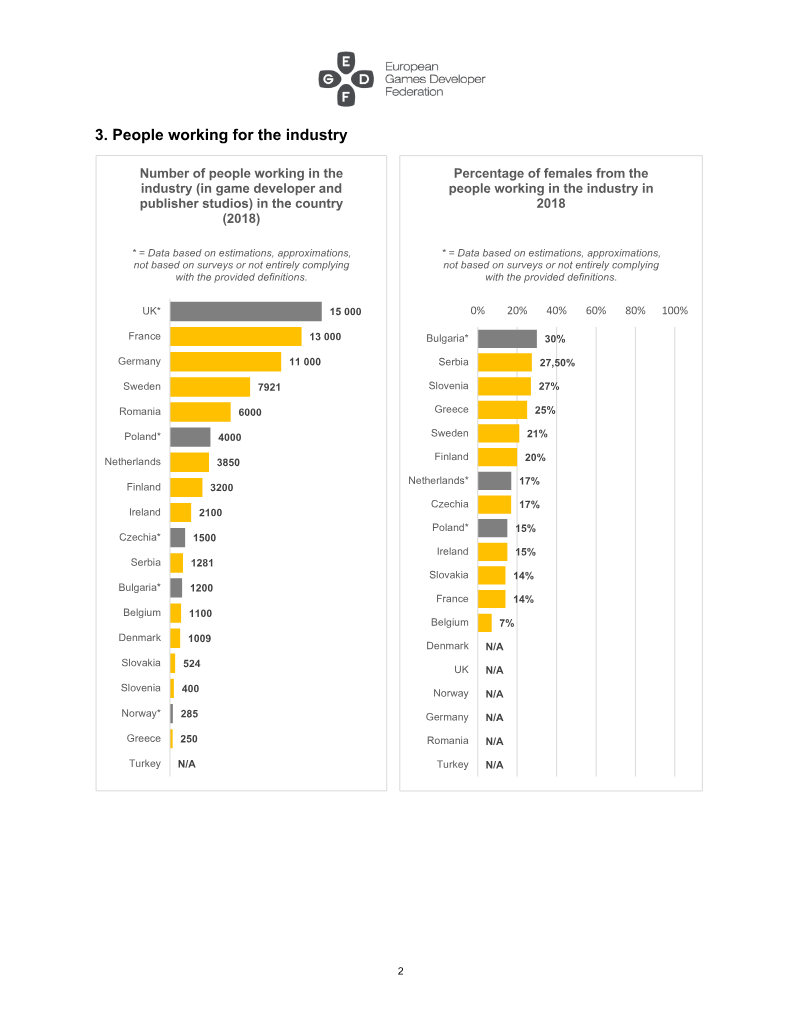
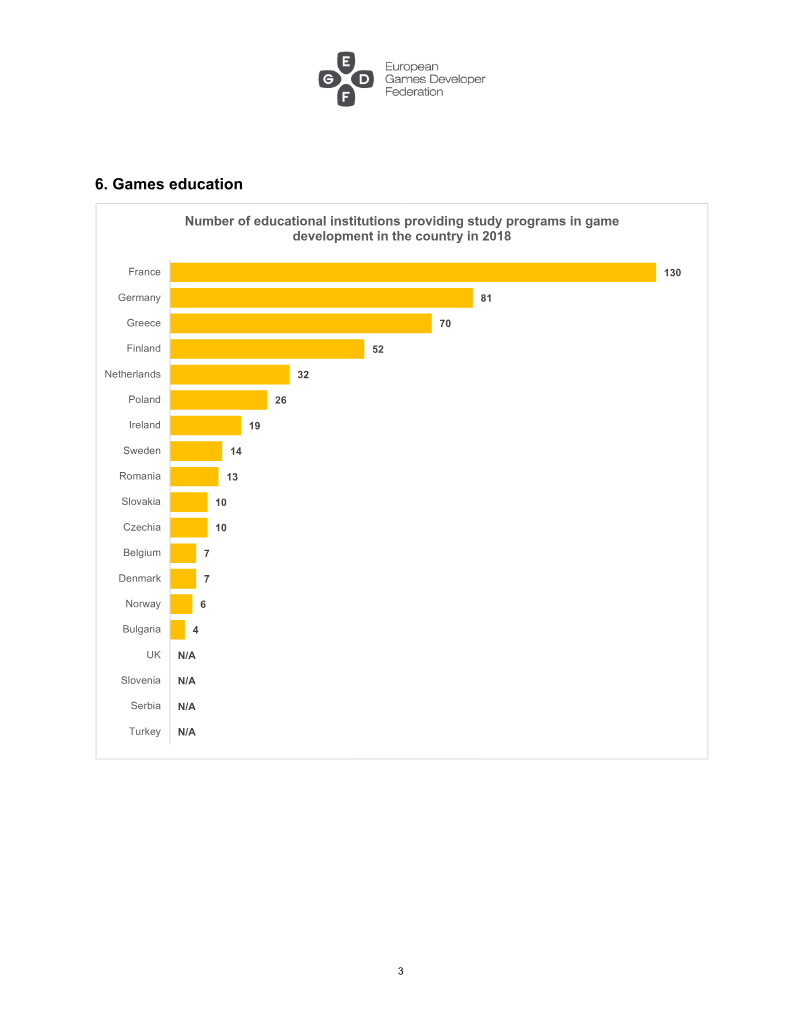
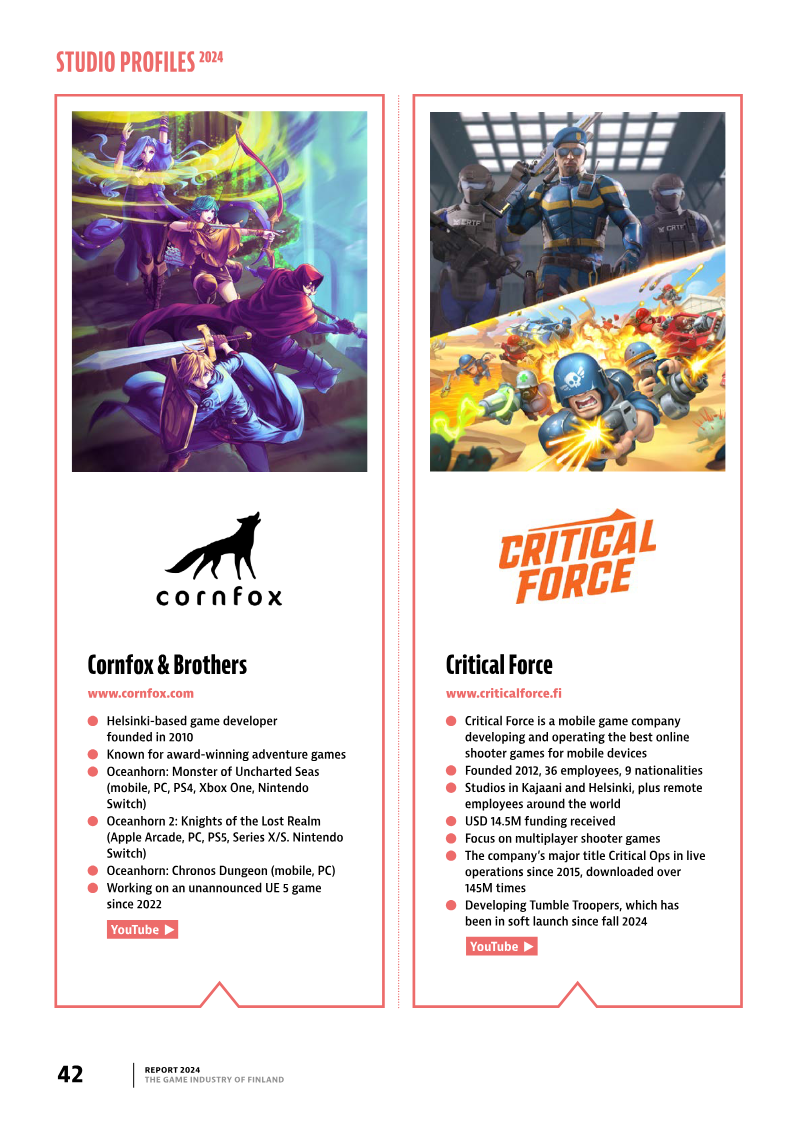
we did 20 30 years ago so it looks a lot like this today we have anything ranging from you know mobile casual to the mid core or or the indies or the aaa i usually have to explain what this all is because i i'm a lobbyist and i speak to bureaucrats all day uh but i don't have to explain any of this to you but yeah that's all this is from sweden walheim one of my favorites from from last year um made by one and a half person who um yeah jumped chip and just made that uh which is crazy anyway um let's take your look at europe as an example or as a comparison and if you look at that's finland and sweden is over there next to spain um so uh it's pretty weird uh because we are like 15 million in those those two countries combined and it's growing a lot we have we have
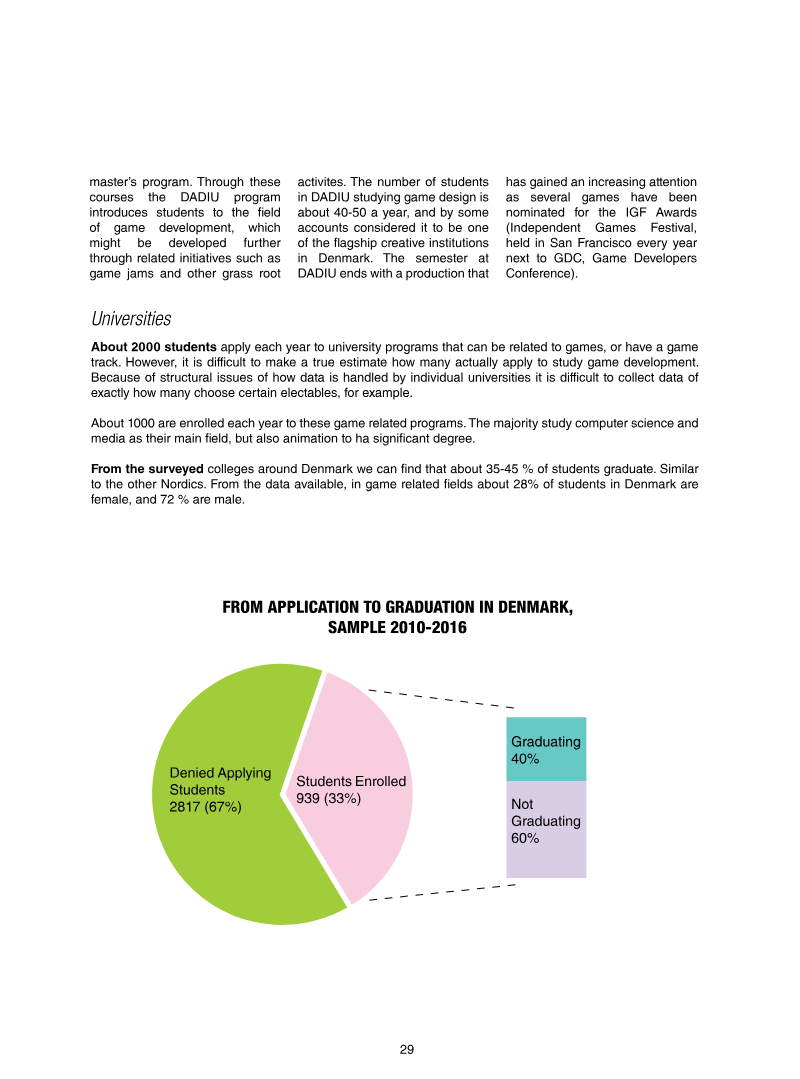
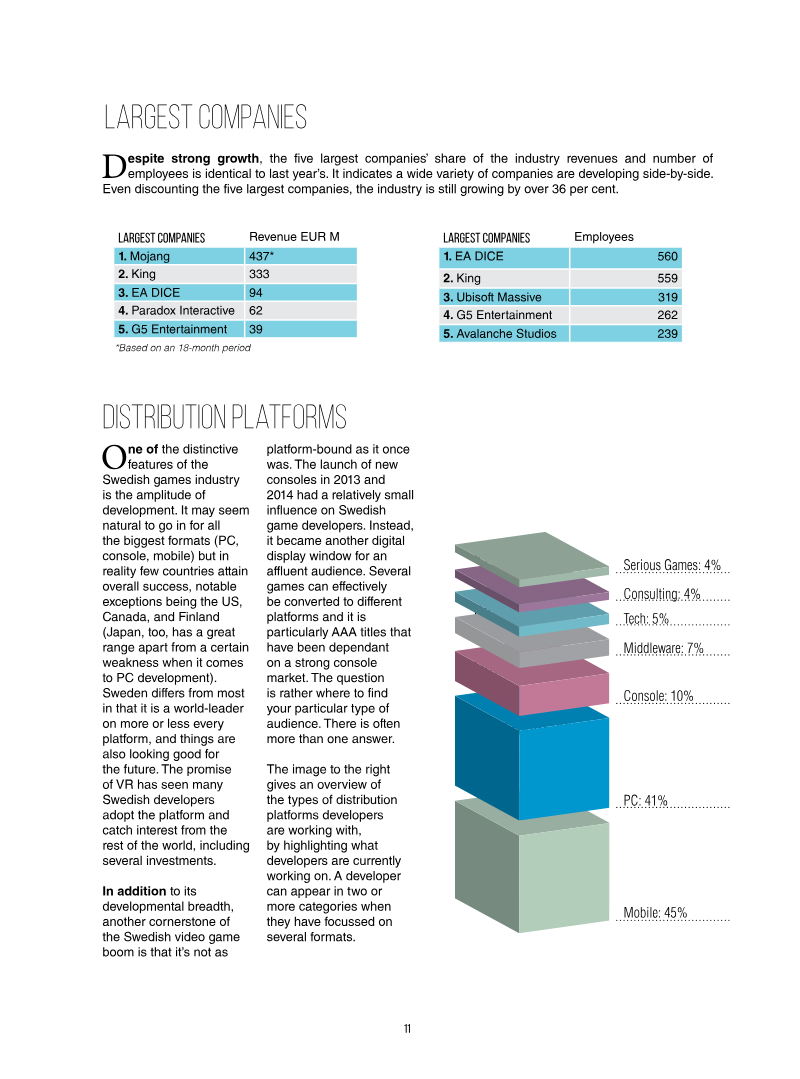
this thing together with uh with the baltics and you know ea projects and stuff trying to make everything grow so we're trying to maybe um make share some of our craziness with them um maybe they can do do uh things together with us um if you we go back 10 years uh this was the biggest game out of sweden and if we look at our data from back then it was 130 million euros turnover and blah blah blah companies and blah blah but now 10 years later we we have 3.3 billion euros in revenue which is a bigger export than iron ore which is like the thing we did back 100
years ago or or you know exports of trucks like volvo scania or paper and pulp industry was our most recent thing we could measure ourselves with uh so we're surpassing that as an export uh which is like the cornerstone of swedish enterprise and that's been for 100 years so that's a lot of fun i like to brag these things so this is a comparison between between these uh um two decades which is crazy and i mean we're all part of the same industry so this is just the growth that happens to a lot of a lot of parts of of europe but we've been really lucky with this so uh this can happen for a few reasons i think the nordic region has been very born global in the sense that we don't sub we don't dub our shows on tv we watch american tv um and a lot of stuff in english we don't think about our own country when we create culture or you know write pop
songs or anything like that we do it in english because that makes more sense otherwise you can cater to like a few hundred thousand maximum right um so i if i would correct myself about born globals were born westerns probably because we don't really know how to sell culture to chinese or taiwanese or japanese people or koreans as much as we do with americans or or european europeans uh and we're lucky to be able to be passionate about the things you do uh we're not really grow you know raised as kids to be doctors or lawyers or dentists or anything like that but it's more like what do you want to do when you grow up because you you should do something you think is fun what do you what's your passion in life and you put that pressure on the poor five-year-old to decide and then people want to make video games or write pop songs and stuff like that uh we also have long dark winters so that yeah
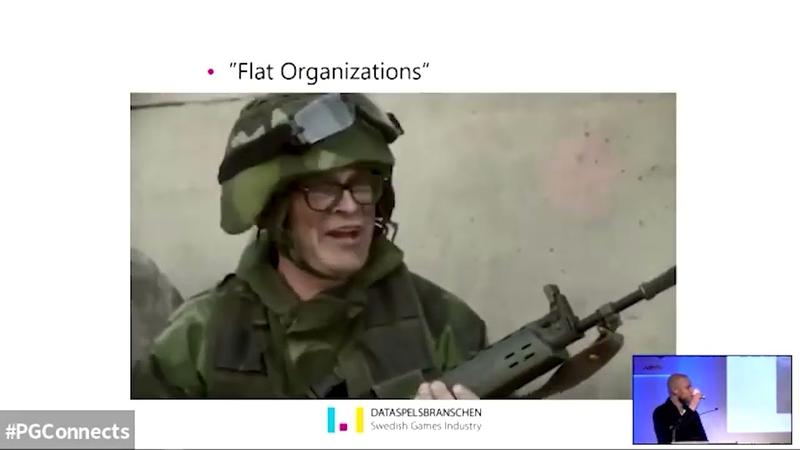
that explains itself i think uh we make games instead hanging out oh wait what all right i have another one we have flat organizations what's interesting is the screens are it's not really working though my slide is acting up what's interesting is you have a still image are an extremely equal people there are no hierarchies here the swedes prefer the so-called flat organization okay that is if you feel like it i mean i don't have to decide everything all the time you want to make a decision hope everything is done [Music] so anyway yeah it's more funny when it's not lagging and acting up like that but uh the idea is is that we have very flat social structures in a sense i mean
like any other organization you will instead create uh inofficial you know hierarchies but anyway it's it's really flat in the sense that if you're like an intern design intern you can you know have to have uh opinions about things that you normally wouldn't maybe in japan or or united states uh we have a welfare state which which helps a lot uh people you know have uh they they don't have to um get loans student loans and stuff so most my friends who started game companies they they did it while you know pretending to be work studying at the university or sometime and a culture of a collective over the individual we are a very collectivistic culture in the nordic region people don't really refer to us as that because we have a very uh um individualistic maybe
uh structure as well but we have a collectivistic uh culture referring to systems of doing things and organizing things so it's always like create a system and that will be power powered over individuals um which is great for making games as well because it's a it's a lot of complicated things you have to create and that's maybe better for playing soccer i don't know slot done has been really provided a lot for our soccer team but the women usually win a lot so they don't have a star player like that so i think that helps as a team anyway sports nobody cares um we focus on what's bad um so there's this thing lutheran culture i guess you're many of you are familiar with but we if you ask like the most brilliant people i know uh as game designers they will still only talk about what's wrong and what they need to fix and what's left to to uh
to create even though it's like an amazing game already and i think that's that kind of pessimistic attitude about what you have to do all the time er translates to a better game experience in the end we also have low self-esteem which is great um it's like it's actually norwegian but we share basically the same culture and it's it's all this it was actually written as a satire but it sort of explains a culture of people how people talk to each other it's a bit hillbilly i guess but that's i mean we we got rich like 30 years ago or something so um about this like attitude of you shouldn't really stand out or brag about who you are or what you what you do it should be the work itself should be talking right and you shouldn't talk about yourself um so yeah that's that was written as a satire like i said by a norwegian author uh and everybody was like oh yeah this
is us we're almost proud of it and we have a we got this in the 80s so the roleplay games became really popular we even had our own uh swedish authors who did you know uh draco de moaner which is dungeons and dragons but but slightly better and a lot of commodore 64s all over the place so people start coding and from that we get demo scenes uh just as well as you know you had over here and in germany and blah blah blah i have a whole talk about that but you can skip that um so yeah i think this all could happen because of several things uh infrastructure fiber fast internet we had international airports you should that's actually really important if you want to sell games in the 90s so that's that's something we had pop culture and it was it was not even dubbed because we didn't have i don't know a budget to dub kids shows in the 80s which is kind of weird but
yeah we watched t-man in english growing up um good education and social structure that works for this so anyway what we we're doing here is we have a lot of cool games so we have this project called baltic explorers we happen to be sponsoring this thing as well logos great so a lot of games shown here from sweden finland estonia latvia uh that you can check out and they're looking for partnerships they're looking for investor investors and and publishers mostly so yeah come check out our booth and get to know us more and that's that's us i think i have time questions thank you right uncle thank you very much indeed yeah great and we have definitely got a few minutes for questions so so absolutely um you mentioned that you've got a um a booth here if people have seen this talk or they're around the
show and they they want to get involved in the in the swedish scene what's the best thing for them to do is make an appointment and meet to match your comment to your booth and yeah go just go there grab somebody uh working there me or somebody else um so and uh get to know more we have more information there no uh and who's participating most of these games are being shown there uh so get to talk to us yeah and also uh not that you know i want to promote rival events obviously pt connects but are there events in sweden as well but people can connect with you and of course uh so nordic game conference in may you should go to that um we also have sweden game conference right in in october every year uh in uh if you want to try to pronounce swedish words um which is great where we got goat simulator and the satisfactory and valham it's from kubda right so that's one of those bubbling um startup areas fantastic any questions uh francis uh brian uh so i'm brian bagle i work with the team
at pocketgamer but i also i look after the games industry in scotland and i'm sitting here nodding along but yet yep got that i had dark winters yeah oh yeah it's um the issue that we we face as a country at the moment is almost uh a lack of ambition we've got quite a lot of small indie studios but none of them are kind of aiming for the scale the growth and kind of i guess hitting the global market as it exists you know they're quite satisfied with sticking stuff out on on itch or steam and if they're sustainable to game number two and it's a big f then they're happy with that how did how did sweden kind of raise its game if you'll forgive the pun how did you guys decide that you you could actually do more and successful i think it actually people have the same mindset but mostly it happened by accident actually there are some exceptions like candy crush where they were early and they scaled up and they they explored free to play and blah blah and of course in finland there's plenty of examples but in sweden they are a lot
like that too starving artists trying to do cool stuff and want to impress their friends rather than make a lot of money and there's nothing wrong with that definitely and you can you have to be really good and really lucky with timing as well for wall hem for example i don't know if that game would have worked as well if it wasn't a global pandemic if it wasn't the time where people are ready for that and they want to explore this genre crafting survival and it's really big already maybe five years ago or 10 years ago that wouldn't have worked as well if you're looking at you know production value and stuff like that compared to the market as a whole um so i think the the short answer to that is is like we don't really know i worked at mojang before and marcus didn't he i mean he made minecraft on his spare time working at king he wasn't you know looking to make the most sold game in the world just
surpassing tetris ten years later that was not his idea he would be happy to sell like 50 000 copies and make more games like like like the guys you're referring to so i think that's more common actually and then there are just some exceptions where they are i don't know good capitalists as well so when they start you know investing in new projects and stuff like like that they actually uh have a nose for it i guess as well so there has to be a combination of course so some people can do it most can i think um unless anyone's got a question we haven't we've still got a couple of minutes so please do raise your hand but you mentioned it very briefly there actually about no doubt the global pandemic had an impact on the global games industry what was its effect on sweet the swedish game industry in particular did it did did it have a did the last the last two years particularly affected uh the swedish games community for our members most uh um admitted that that they the their um
it actually increased so so yeah they became more productive um i don't know if that's the case two years later people are getting depressed and kind of lonely uh but but like like from the get-go it was kind of people were like felt guilty about it because they were making more money five year old games were getting you know attraction again you heard of this game among us that i guess you some of you maybe know those guys i i believe it yeah well i didn't want an award i think the pocket gamer was last year right exactly yeah yeah and they i gave me there there were there are things like that but in smaller scale as well yeah where like 10 5 year old games are are starting to make money again so so they are super lucky to just have their games out but for newer teams who haven't who don't have their games on markets yet or fan bases or communities for them it's been really hard because they have they couldn't go here and promote their games exactly and stuff like that so it's been a rough time
absolutely yeah they've been not being able to go to pitching competitions and and so on for india's has been quite a hard hard time we're kind of a point where we can move on so anthon thank you very much again thank you thank you guys and uh yeah your emails on the screen as well so folks if you want to catch up with anton there was a there was a slide there [Music] [Music] you
Summary
The Swedish and Finnish games industries have evolved into global powerhouses, with the Nordic region now generating 3.3 billion euros in annual revenue. This growth has transformed the sector into a cornerstone of the regional economy, surpassing traditional export industries such as iron ore, pulp, and heavy vehicle manufacturing. The industry’s success is characterized by a diverse output ranging from mobile casual titles like Candy Crush to AAA and indie projects such as Minecraft and Valheim.
Several cultural and structural factors underpin this success. The region benefits from a "born global" mindset, fostered by a lack of television dubbing, which encourages early adoption of English and international market orientation. Social structures are notably flat, promoting egalitarian collaboration and allowing junior staff to contribute meaningfully to decision-making. Furthermore, the Nordic welfare state provides a safety net that enables entrepreneurs to pursue game development without the burden of significant student debt. A collective, system-oriented culture, combined with a self-critical, perfectionist approach to game design, further drives the high quality of the region's output.
The industry’s development was also supported by early investments in fiber-optic infrastructure and international connectivity. While the global pandemic initially boosted productivity and revenue for existing titles, it created significant challenges for newer studios that lacked established fan bases and were unable to attend in-person pitching events. Moving forward, initiatives like Baltic Explorers are working to integrate the Baltic states into this ecosystem, fostering new partnerships and cross-border collaboration to sustain growth. The region continues to emphasize passion-driven development, where success is often the result of a combination of creative talent, timing, and the ability to scale effectively within a competitive global market.