1 free read left. Create a free account for unlimited reading + AI research.
Create free accountReport The Swedish Games Industry
1 free read left. Create a free account for unlimited reading + AI research.
Create free accountReportThe Swedish Games Industry
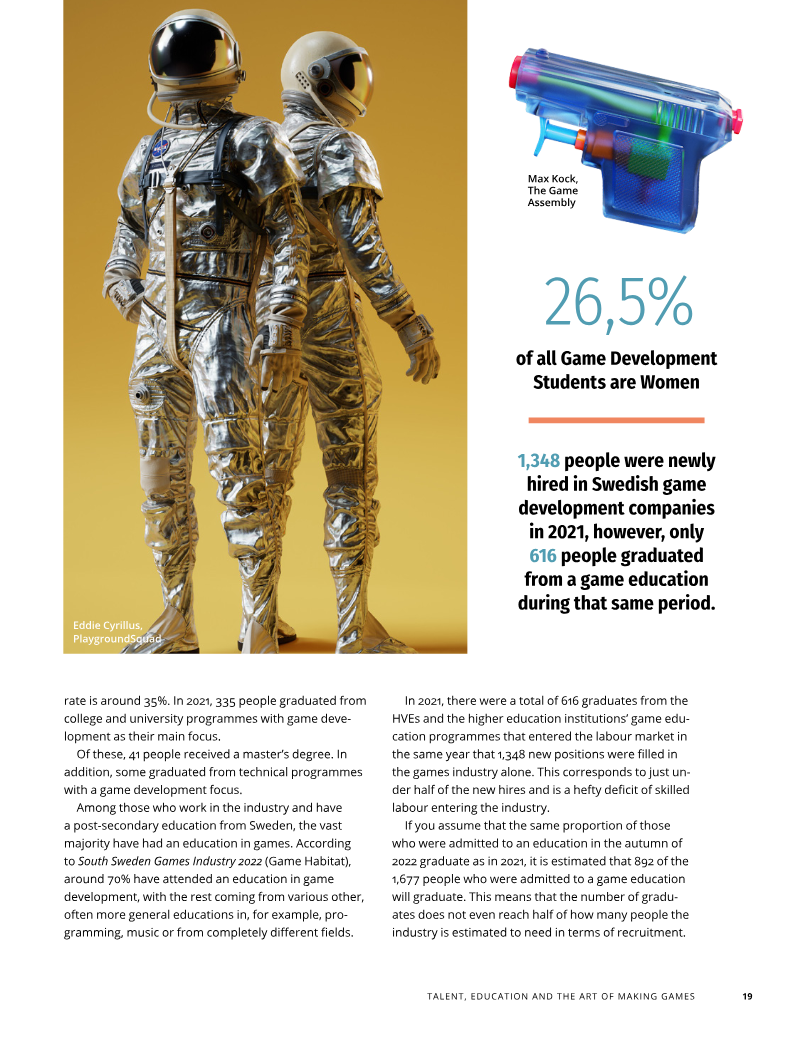
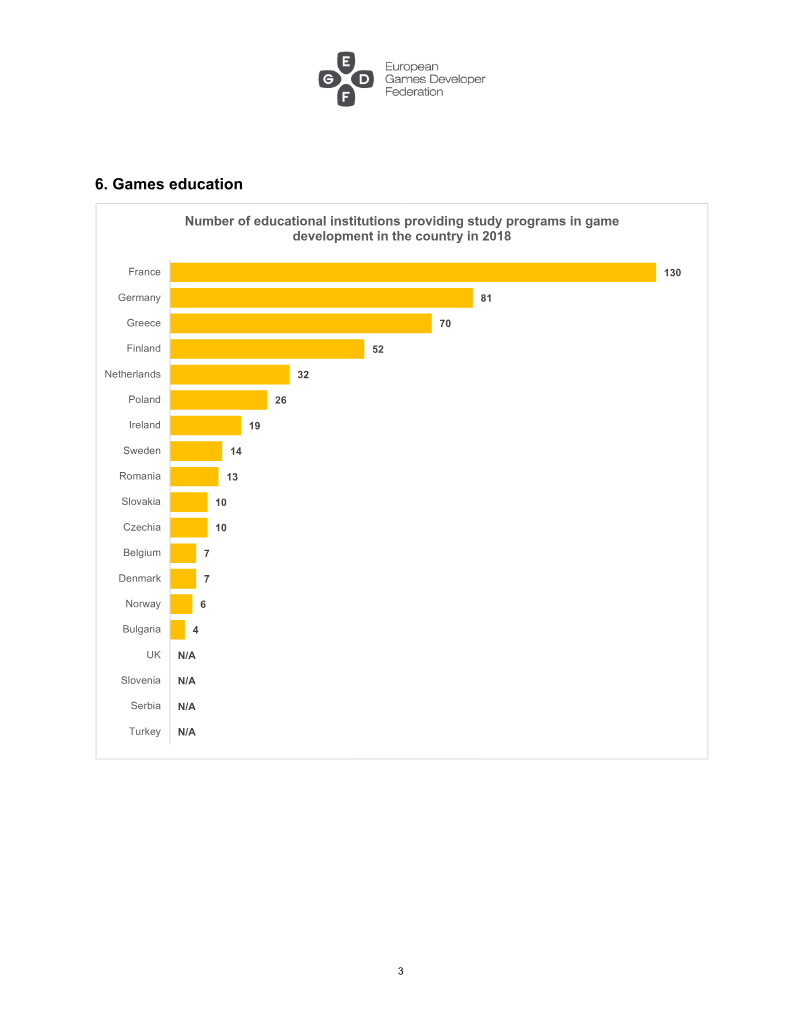
Domestic educational institutions produce fewer than 50% of the graduates required to meet annual hiring demands. This shortfall threatens the industry's continued expansion.
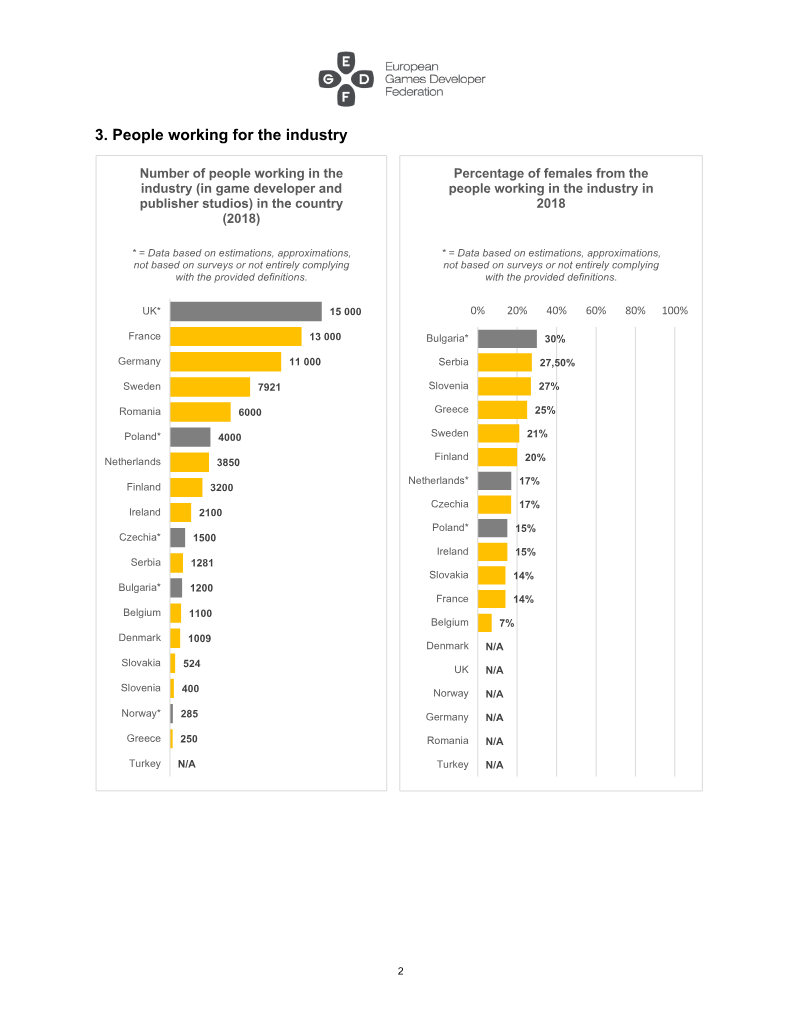
Talent Shortfall. Domestic education provides fewer than 50% of the graduates needed by the Swedish games industry.
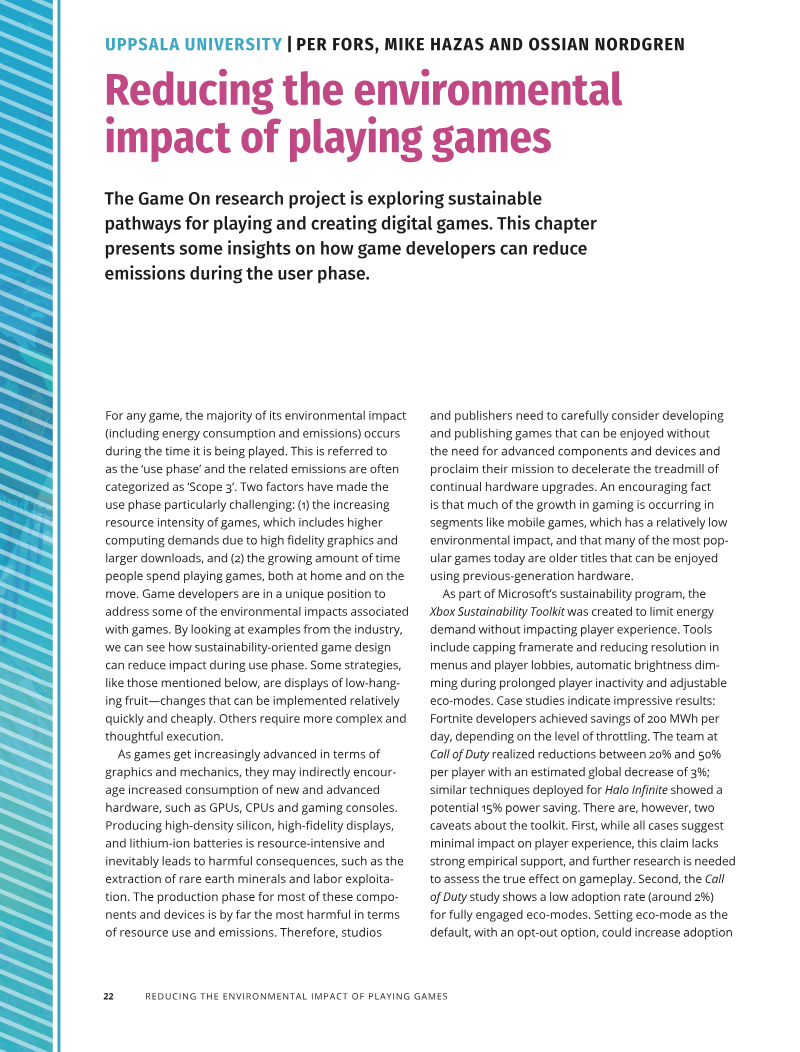
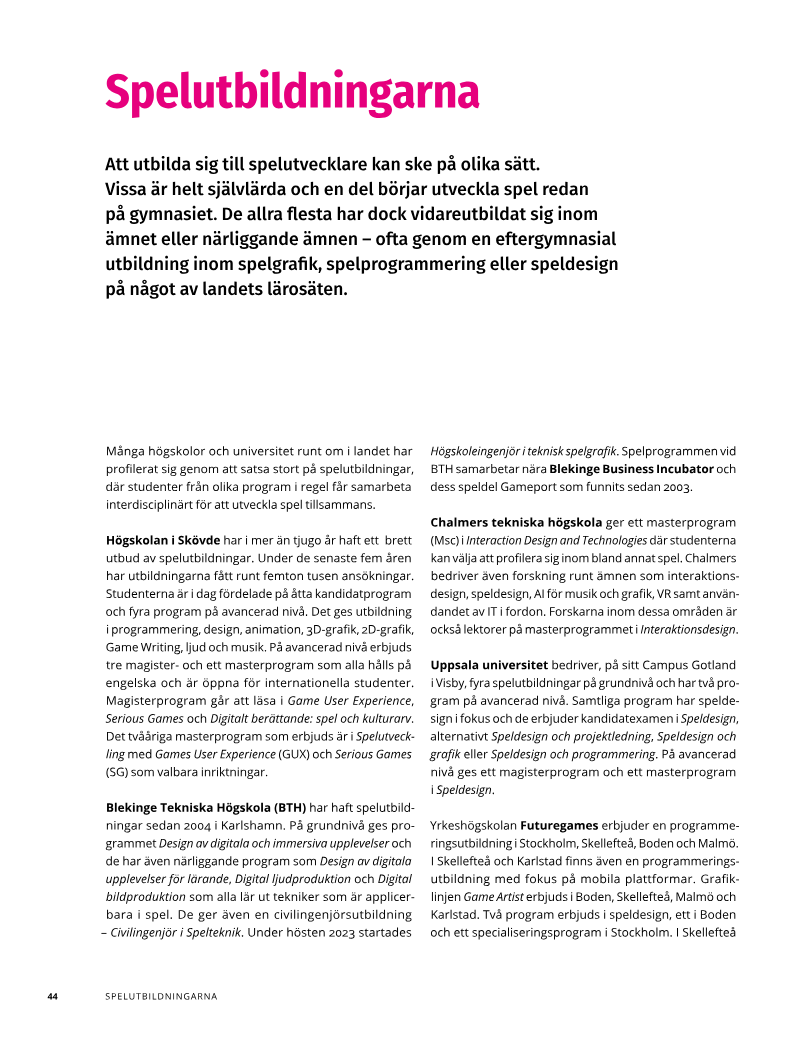
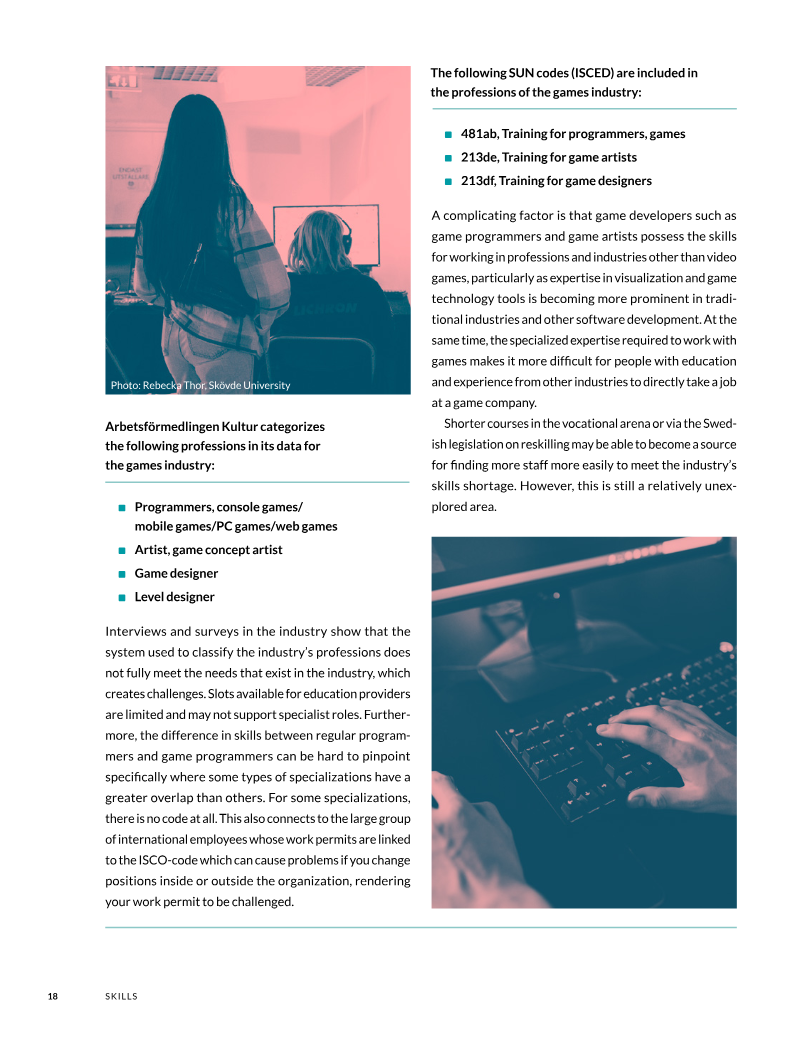
The Swedish games industry stands as a global powerhouse, yet its continued expansion is currently threatened by a persistent and widening talent gap. Domestic educational institutions, which span a diverse ecosystem of folk high schools, vocational programs, and university degrees, currently produce fewer than half of the graduates required to meet annual hiring demands. While these programs excel at fostering interdisciplinary collaboration—mirroring the real-world production environments where artists, programmers, and designers must work in concert—the academic pipeline remains insufficient to sustain the sector’s rapid growth trajectory.
To compensate for this domestic shortfall, the industry has become heavily reliant on international recruitment, with foreign nationals accounting for between one-third and half of the total workforce. This dependency creates a strategic vulnerability, as the sector faces significant bureaucratic friction. Lengthy work permit processing times and restrictive residency policies for international graduates create substantial barriers to entry, effectively stifling the industry’s ability to scale. These administrative hurdles, combined with the need for increased educational capacity and targeted research funding, represent the primary obstacles to maintaining Sweden’s competitive edge in the global market.
Addressing these challenges requires a dual approach focused on both internal capacity building and policy reform. Strengthening the domestic pipeline, particularly by increasing participation among women and aligning academic curricula with professional requirements, is essential for long-term stability. Simultaneously, streamlining immigration processes for skilled professionals and international students is critical to ensuring that the industry can attract and retain the global talent necessary to fuel innovation. By fostering deeper collaboration between academia and the private sector, Sweden can better align its educational output with the evolving demands of the professional games market, securing its position as a leading hub for digital entertainment.
The Swedish Games Industry · 2025
The Swedish Games Industry · 2024

The Swedish Games Industry · 2023
Dataspelsbranschen · 2016
Dataspelsbranschen · 2025