1 free read left. Create a free account for unlimited reading + AI research.
Create free account
G-Star and the South Korean games market
Key insights
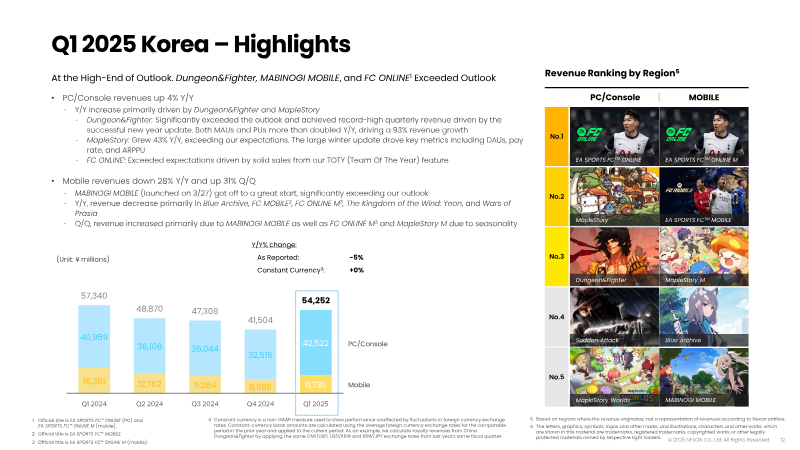
7 takeaways- 01The South Korean gaming market is valued at approximately $10 billion, with online PC games holding a 46% market share and mobile gaming accounting for 36%.
- 02The mobile landscape is heavily Android-centric, with Google Play capturing 60% of all downloads, making a mobile-first development strategy essential for market entry.
- 03RPGs are the dominant genre, representing over half of the top 48 games and characterized by high player engagement and integrated automated gameplay features.
- 04Market entry strategies involve a trade-off between remote publishing, partnering with local firms, or establishing a direct branch office, with the latter offering the highest potential for long-term success.
- 05Regulatory scrutiny is intensifying regarding monetization practices, particularly loot boxes, which are now subject to stricter oversight due to concerns over gambling-like mechanics.
- 06Developers are increasingly pivoting toward webtoon-based intellectual property and established franchises like Lineage to maintain revenue, while simultaneously looking toward Western markets as access to China remains difficult.
- 07The annual G-Star trade show in Busan functions as the primary hub for international companies to network with local publishers and navigate the specific cultural nuances of the Korean market.
Ask AI about this video
Transcript
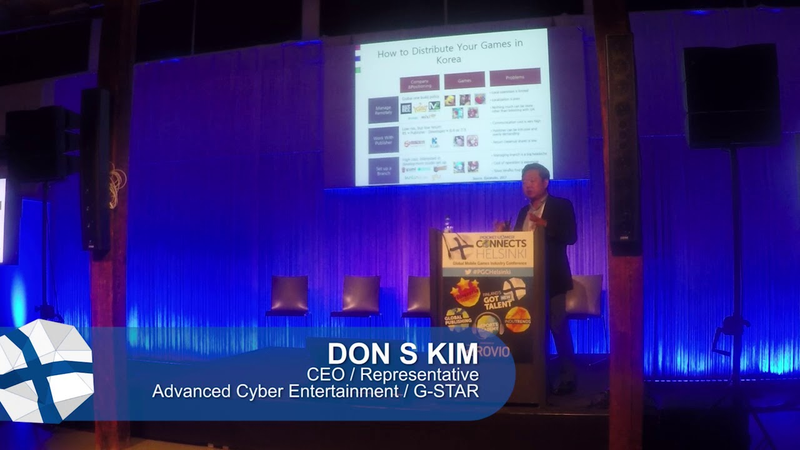
[Music] [Music] hi nice to meet you my name is Stannis Kim and I'm the CEO of the advanced cybernetic month and which is located in the near Frankfurt Germany and then since I'm Korean and I'm doing a preacher role between the Korea and Europe and I'm also working for the G star as I am so they're forded their brands okay so today that I'm gonna wrap up a little bit of the overview of the Korean market Korean especially mobile game market and and I will give you some the slide facts of the G star as well
and as you see that you know the out of the total gaming market Asian market accounts for about 45 percent of a forty seven percent of the whole world class worldwide market and then out of that China accounts for the 25 percent and which is a little bit larger than the United States and yeah right now that their the market share is growing really really fast and they also about a half of them are the mobile game and then the Korea is account for about a little bit less than ten yeah ten billion dollars so this is Korean the mobile game market and then the out of the whole world that
the Asia Asian mobile game market is very dominant and it is around 25 u.s. dollar words and the whereas the USA market is only the seven billion and the Europeans to 2.4 billion so in the Asian market mobile game is really dominating and out of the mobile game sales the three countries the China Japan and the Korea is really major player definitely China is the largest market with the eleven point four billion US dollar wars and the Japanese about that eight billion seven point five seven point eight billion US dollar and the Korea is around the size of the three point two billion dollar volume of the mobile game market and then in the
Korean out of the Korean gaming market mobile game is around the 36% of the total gaming market and the still online game is around a forty five for his forty five point nine percent so still today in the Korean market the whole night game is very popular and very dominant but mobile gaming is growing very fast and regarding the Korean top ranking gaming's top Google Play sales in Korea ever G daily sales by ranking is that the first one sells around seven hundred forty thousand copies and then downloads and then the second to third around the thirties three hundred sixty thousand downloads and four to tenth ranking
games is around one hundred thousand games downloads per day so this the the rest around us 300 to 400 ranking games daily download is about 300 to 500 downloads per day okay and in Korean market is pretty much that Google dominant market Android dominant because of the Samsung LG and all those you know Korean mobile phone brands so in Korean mobile gaming market people download the game from Google around the 60% and then the out of the App Store around 25% so if you want to move into the Korean market or also it's a similar situation in China then the you have to develop
the Android version first instead of the Apple version this is the current trend in the Korean mobile gaming market out of the 48 the the top 48 games about the 25 games are RPG games and then the casual port game is around 9 9 games and the strategic game is 6 and then the 5 sports games so not like today you know the Western mobile gaming market in the Korean gaming market most of the people play the RPG on a mobile phone which is very unique trend and I think this trend will follow in the Western market as well so I think this kit will give you some a little bit of the insight to what you have to do in the next couple of
years okay so how to dispute your games in Korea I mean the it is we must be related to the previous session that how to you know they develop the sale or publish the game in the Asian market or Japanese market I think this is nearly the same and the most of the the games are remotely the publish it and then some of those examples are supercell King and then you know the the quality and those kind of games public game publishers they managed remotely some of them have been successful and some of them are not and then all of the out of the oldest games that all of the these
publishers there's some problem with this kind of way is that the local operation is very limited because they are not present in the in the in the market and then the most of time that they have a problem with the localization so most of the these games are doesn't need much the languages or the texts or whatever but the problem is that the Korean game gamers are very picky and that they want the best house a attention from the publishers so if they ask something and the answer is not satisfactory they just turn turn out to be a very negative customer so that that makes a little bit trouble to the publisher so you have to take a good care of that these kind of gamers and
the second way is that you know work with the local publishers you know that we did that the you can have a lower low risk but of course you have to share the profit with the local publisher so it will turn give you the lower return but this is a relatively safe and the most of the Chinese games are doing this way that working with the Korean publishers like the so it was pretty successful and that the many Korean publishers like annexin always or the other publishers they they bring the Chinese game to the Korean market and it was pretty successful and then but the problem is that the communication cost is very high and the
publisher can be intrusive and overly demanding so you have to make balance they demand a lot but after then the day when it turned out to be flopped and then then they don't care very much and then of course as I said that return is very low and the third one is that setting up a branch but you have to be very brave to do that and it will cost very high and some of the companies like a goomy agree order Kabam Kunlun they developed they set up the Korean the you know branch offices and then some of them are very successful attended because of the their dedications and their local partners and the local staffs you know they take care of the Korean gamers very well and then
of course the the lessons what they learned from there they can expand it to the Japan or the China or the other Asian market as well most of these companies are of course they came from the Japan and they know the Asian market and they know the Korean market so they invested a little more on the Korean market and but the other side is that it will cost much much more for them also managing the branches and the hiring the people is could be the headache in some cases and the cost of operation is too expensive and that take time to find the right you need to take a time to find the right people here is the Korean current status of the Korean gaming market and and
right now that of course the big big publishers in Korea accounts for about nearly over the quarter of the total market like Nexen on nhn on the those kind of Sunday toes they they are very you take a high share and their their position is very strong but also the small studios there are many many small studios and that they develop the new games and the getting popular and that they expanding the more shares and from the last months to this month and about 1 percent of the market share growth took place for the smaller studios and I think that is very much encouraging for the smaller studio and that when they are lucky and that they are picked up by the larger larger the publishers or
their overseas publishers as well and then right now that as you see that the Chinese market is very big but their publishers power is very strong as well so especially the power of the $0.10 are phenomenal and the day demands a lot and the most of time small publishers don't get enough share or they don't get enough profit even after following all the demanding rules from the 10 cent or other other publishers so it is less and less attractive for the local publishers local developers small developers so date and then also we have a little bit of the problem at Korean market as a little bit problem with the Chinese government and then they don't allow the
Korean gaming developers or publishers to get the permission so I mean the now everybody has developed it recently for the Chinese market but it didn't turn out very nice so that most of the developers or the publishers right now turn out the ghosts looking for the other market other than the Chinese so they are coming to the Europe or close with Japan Southeast Asia but also Europe East Europe or the you know United States market as well so I think it is a good you know a good point or the good development even after the other path situation and we have a little bit technical issue well it's a natural issue within the mobile game but you know the asked mobile more and
mobile mobile game goes to the RPG games you know they cannot play as they spent a long time in the mobile game so they put you know autoplay function for the most of the RPG game so which is quite an interesting technical issue but you know now that everybody accept that as a fair fair in a way of the playing so this is a new way of the you know the RPG games on mobile and that there was a regulation on trance item or the lottery item that is that you can you know most of the Korean games are free to play game said that you know that they sell the items but they are not only selling the item normal items but though they make this kind of a lottery items that you'd you buy items without knowing what's in the box and then if you're lucky you have a better item you've done lucky that you
have nothing so they developed this kind of way of the monetizing the you know gamers and this makes a lot of issue because the you know some developers use too much of the this items at it becomes a lottery and then the kids are spending too much money on the is a kind of betting so it is not morally accepted by the most of the parents and that this is strongly regulated and that bridge the issue among the developers and the new trend is of the developing the game in Korean market is that they developed a lot of the webtoon based the Korean likes to read you know the cartoon on the mobile phone and that they there are many many the popular webtoons aroused and then many mobile developers are
mostly also worked for the webtoon company and that they developed a a mobile game based on that and that it becomes a very popular so this is a new new market as well and then also the because of the the mobile games get bigger and gaming developers are more larger and larger and they there are many Indies also were existing you know in the Korean market which was not at the same situation before but right now that the more in the people indie developers are working or predominant in in a Korean market as well and that there are a lot of the new games developed with the existing IP like led G and the nuances
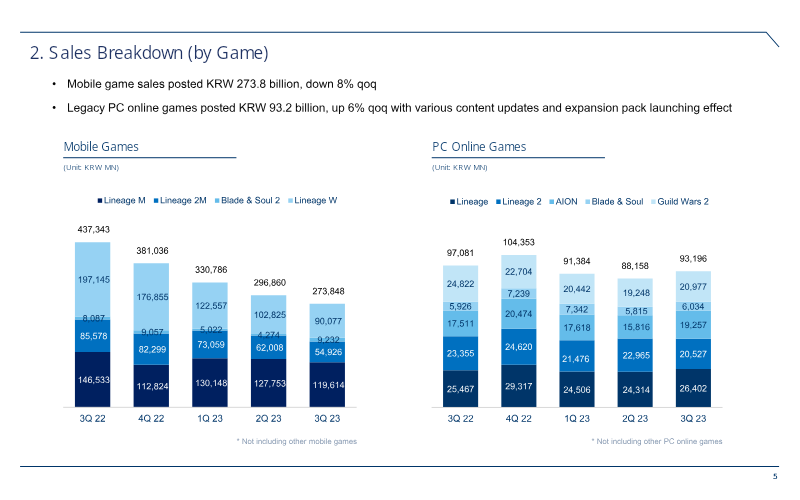
of to the owner of the lineage has licensed their mobile the take game IP to the game publishers like nan marble and the dateable of the lineage revolution and it become very popular and an se self also developed another variation of the lineage II which called the mobile energy which become very popular and then all together it is it creator really about a 10 and a 1 billion US dollar market out of the only these two mobile games and then also the as I told you before that you know Mobile Bay game become a more and more RPG based games and the recently Korea has developed a new very popular the PC base to online games called you know black desert and the battleground and I
think this game when it's popular and it big ethically the similar situation will happen so this is the wrap-up of the Korean market and I want to introduce a little bit of the G star as well G Star is that Korean the game show like the games come or eastery and and it has been established since 2005 so it is 12 the year this year and then the last year that there were about over 200,000 visitors nearly 2,000 trade visitors and the 653 exhibitors from 35 countries and this year that you will take place in the small port city actually large port city
in the Korea called the busan between the 16 to 19 of the November in Busan Korea and I like to recommend you to come to the G star when you have a chance because he's actually one-stop solo shot for the entering the Asian and the Korean market it is a very nice way to meeting the people all the industry people in the Asia and the Korea and you know you can meet the really large publishers mobile publishers like Nexen or the smile gate or the net marburo all those kind of a famous names that people are there so you can show if you are the mobile developer you can show your games and talk with them and then it's a good
opportunity for you and then not only the meeting the industry people you can get a feeling of the Korean and Asian gaming market which is very difficult to feel when you are sitting here or the Indo Western market well their culture is different and of course that the city is different it you know is much more populated you know is a very crowded compared to the especially compared to the Helsinki or other Western cities and for example that you know most of the cities in in the Asia the like Tokyo hi picking or the sold all are the over the 10 million people more than 10 million populations so that you know
that's why you know that how they play how did you know what they play do what they told think you know those kind of cultural thing it's very important to enter into the Curia that if you developed your mobile game here and then just put a post on the you know Google the new Google plate and that's not enough I think that you know it's better if you aim at the Asian market you have to be there and then see what people think and the the final one that I think they're very interesting for the Busan the history is that it is held in the Busan Busan is a very certain the port city of Korea and which is very nicely located and then the the Exhibition Centre and the hotel area in the beach
is very close and the most of time that you meet people in the exhibition time during the time but much more you know networking opportunity during the party near the beach area after the exhibition so you can meet a lot of people during the party and then getting close to each other and if you participate the two or three times you you really become a very close friend then you can develop the many business opportunities that's why I think that I would like to recommend you to come to Korea maybe can you play this video just okay I just moved I think this my time is up so if you have any questions Easter down the phone yeah
and hi so my name is well eat my questions that what are the synergies for Finnish mobile game companies in Korea like where where do you see them where do you see the fit okay I think that both is my personal thinking but you know both Finnish company and the Korean company doesn't know each other all right I mean the actually the super super sir is very big and the very famous and that they really take a good advantage of the Korean market or Asian market as well as other other worldwide market but most of the Finnish developer doesn't know really very much about the Asian market whereas Korea publishers doesn't know much about Finnish
developers capability what they can think how they develop where all the process something I think both are very big players in a both word but they don't know each other that is I think the very big gap between two cultures so if you introduce what you what you can do I think that the Finnish developer have a very unique you know how they did their merits or the you know the advantage on the over there other developers so I want you to introduce yourself to the you know Korean market about your capabilities thank you [Music] [Music]
Summary
The South Korean gaming market stands as a significant global player, currently valued at approximately $10 billion, with mobile gaming accounting for roughly 36% of the total sector. While online PC games remain dominant at nearly 46%, the mobile segment is experiencing rapid growth. The market is heavily Android-centric, with Google Play serving as the primary distribution channel for approximately 60% of downloads, necessitating a mobile-first development strategy for companies seeking to enter the region. RPGs represent the most popular genre, accounting for over half of the top 48 games, a trend characterized by high engagement and the integration of automated gameplay features.
Market entry strategies generally fall into three categories: remote publishing, partnering with local publishers, or establishing a direct branch office. Remote publishing often faces challenges regarding localization and the high expectations of Korean gamers, who demand responsive, high-quality customer service. Partnering with local firms reduces risk but requires profit sharing and navigating complex communication demands. Establishing a local presence is the most resource-intensive approach but offers the greatest potential for long-term success by fostering deep relationships with local staff and players.
Current industry trends include a pivot toward webtoon-based intellectual property and the continued dominance of established franchises like Lineage, which generate significant revenue. Regulatory scrutiny has increased regarding monetization practices, specifically loot boxes, which are now subject to stricter oversight due to concerns over gambling-like mechanics. As developers face difficulties accessing the Chinese market, many are increasingly looking toward Europe and North America for expansion. The G-Star trade show, held annually in Busan, serves as a critical hub for international companies to network with major Korean publishers and gain firsthand insight into the unique cultural and operational nuances of the Asian gaming landscape.













Comments