1 free read left. Create a free account for unlimited reading + AI research.
Create free account
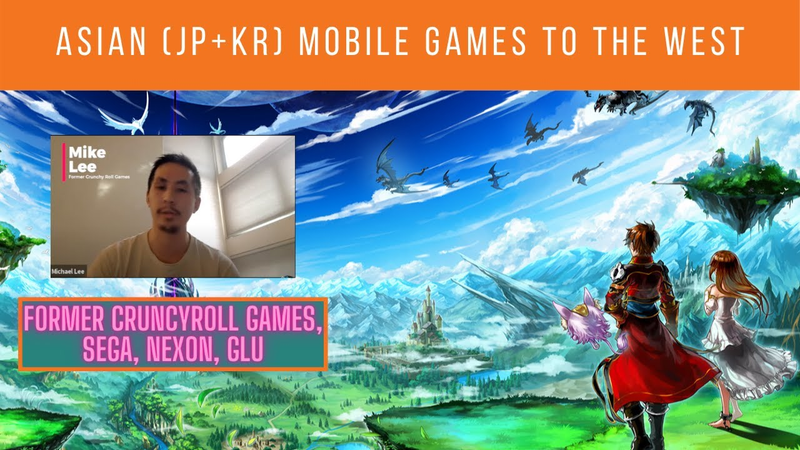
How Do Asian Game Pubs (JP + KR) Bring Games to the West? | Mike Lee (Crunchyroll, SEGA, Nexon, Glu)
Key insights
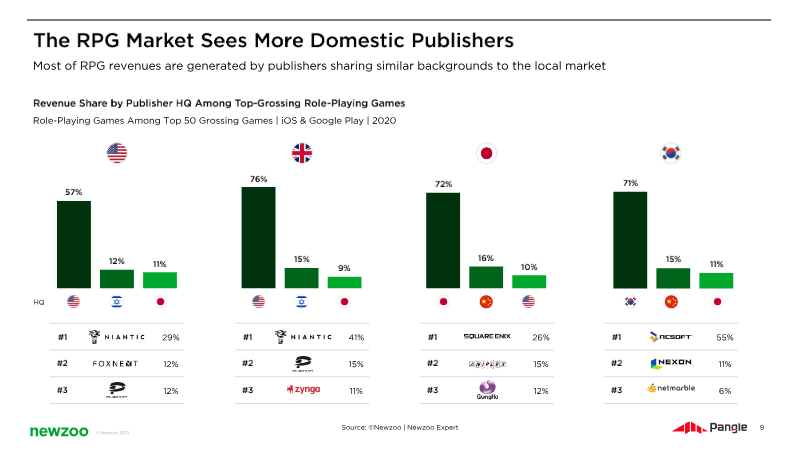
6 takeaways- 01Japanese and Korean publishers often treat the West as a secondary market for incremental revenue, leaving them vulnerable to Chinese developers who prioritize aggressive, global-first strategies.
- 02Successful Western market entry for Asian studios frequently relies on combining high-fidelity RPG mechanics with established anime or Western intellectual properties, as demonstrated by companies like Netmarble.
- 03A lack of sophisticated, data-driven decision-making and conservative management styles often results in stagnant, incremental updates rather than the innovation required to compete globally.
- 04Asian publishers face significant financial risk due to high licensing costs and the difficulty of adapting games designed for isolated domestic markets to Western consumer expectations.
- 05To improve performance, Asian studios should adopt a global-first development model that utilizes soft launches in secondary markets like Southeast Asia to optimize products before a full Western release.
- 06Western publishers can act as strategic partners by providing the necessary expertise in localization, monetization, and analytical frameworks to help Asian studios achieve sustainable commercial success.
Ask AI about this video
Transcript
hey everybody and welcome today we are here with michael lee and michael the topic of the discussion today is a little bit different it's going to be about asian game companies coming to the west but maybe we could first start just by kind of establishing your background if you can talk about your experience in terms of games in terms of working with asian game studios yeah uh i can certainly go into it um like joe said my name is mike uh i've been working in the mobile games industry for probably about eight years uh or so um you know previous venture i mean previous companies were you know disney interactive net marble um sega glue uh previously at crunchyroll games uh so those are some of the you know different types of companies i've worked at both western and asian so i definitely have a lot of
experience really understanding the nuances of you know how both types of companies run but yeah looking forward to you know chatting more about this topic that i'm really passionate about maybe we could first start by just talking about the differences between so you worked at netmarble which is korean sega japanese and so so on so what but between those two countries do you notice any differences in terms of like approach or how they think about western markets yeah so i would say between like i would start off with the korean market first right so uh on the korean side i think their mentality is uh one you know they have a background with you know mmorpgs uh pc gaming kind of almost similar to china but i would say that it's a little bit more refined and they're a little bit more aggressive than japanese counterparts um the way they think about um going into the west is really thinking about adaptive adaptability so if you think about
korean culture in general right surrounded by you know on the on the western side you have china right and on the you know the eastern side you have japan and so you know historically they've actually you know uh had to fend off both and they've also been you know uh culturally have influences by both as well so adapt adaptability and speed are really some of the big things about korean publishers that um are a little bit more different than japanese publishers which tend to be much more um i would say in my honest opinion a little bit slower a little bit more consensus driven um and generally speaking they're that they're making games obviously for the japanese market i mean korean market as well right they're making games for the korean market but i think because of that mmo pc type of experience that is a much more broad genre across that can translate easier to western markets okay and in your experience how do you
think they have approached thinking about the kinds of content to bring to the west so i think with uh korean games you probably see a mix of mmorpgs and animated uh just anime look and feel type games so i would say that's kind of the specialty that they bring to the western market uh japanese games right just depends tend to be almost pure anime you don't really get a lot of mmorpgs it's not really in their blood to you know have those kind of socially open you know type games uh i would say the monetization schemes are a little bit different a little bit more aggressive on the korean side where you have uh more randomization of gotcha so for example you know you'll do a gotcha right but maybe you'll have a certain percent chance of you know uh fail or success right so there's like an additional layer of gotcha on top of that you do see more guild and you know real-time pvp oriented uh features uh
in korean games whereas japanese games tend to be much more single player oriented and if there's any multiplayer it's very asynchronous or you're playing against kind of a computer bot uh so i think that's why korean games tend to have a lot more success in the western market is just because their features are a lot more social and i think western gamers especially if you've played you know mmorpgs or you've you know played kind of real-time battle games right especially with like you know the popularity of league um you're you're much more used to those types of things as a western uh player right and in terms of like the decision-making process so not only like the types of content to bring over but when you think about the the process to approve or to fund a new game coming to the west how is that what does that process typically look like sure i think uh for both korean and japanese uh type games there it can go either one of two ways
right there's uh i was actually actually i would say three ways so the first way is you know you have what's called a global one build right so let's say it's you know launched in korea and you know korea and worldwide first right so that means it's it's translated localized like there's not necessarily a separate build um kind of like how western game launches you know will launch you know worldwide even into japan korea and just simply localize it that's kind of the first way and that's actually more on the rare side i'd say for a lot of asian games reason why is a lot of times you know korean and japanese developers they want to prove out uh the game in their market first before they actually you know push it over to you know the western markets or expand to say like you know japan or korea china et cetera second version is you know they launch in korea or japan first right uh they see how the game actually performs and then they will work on a build that is more
western or global oriented so i think the difference between korean and japanese games that take this route is that korean games tend to be much faster in terms of or i would say korean developers or publishers tend to be a lot faster in pushing out the next version of the global build so maybe instead of it being you know one year two years three years etc usually they'll push it out probably within three to six months of launch obviously they need to see whether the game is successful but they move very very quickly and i think they move a lot faster than japanese companies um japanese companies right if they're going to you know push out a build right it's usually going to be for japan first and uh they typically don't have the resources or kind of the interest necessarily to go out to western markets oftentimes i think japanese studios they're a little bit more hesitant to expand they want to find you know a live ops partner
to to take their you know source code and bring it over as a ported game um very rarely do you kind of see them uh bringing it themselves um and also bringing it themselves in a very timely manner it usually takes a lot more time to you know decide internally whether to bring it over or not what are the resources things like that so that's kind of diff that's kind of the korean and japanese kind of publishing model when they're thinking about going out you know to the west uh the west generally speaking to them is uh it's more operations oriented it's not necessarily to build a brand or anything it's like hey we can we can make some additional money you know in the us by putting out a ported version or having the live version as well um it's less about you know us you know u.s penetration and you know getting you know a ton of learnings or anything like that it's more just how can we you know uh quickly make some cash knowing that the build you know the
korean builds and the global builds are roughly the same yeah i would argue that that's kind of the perspective now right but there was a time in which i would say both japanese and korean companies thought that the west could be a huge big new business for them we saw you know even with net marble big investments in jam city other big investments from other korean companies made large investments and they've kind of scaled that back a lot and even when we were at sega i mean at least on the pc side they've been successful acquiring studios and things of that nature trying to get bigger successes but i think what we've seen is on the korean side probably the biggest success is a game like summoner's war on the japanese side i think currently dragon ball those games have been quiet quietly making really good money here but besides those games i i think that i'm i don't know i would i would you consider japan and korea to have failed
where as i would say a lot of chinese game developers on the contrary are actually finding a lot of success getting mass especially on the rpg side getting massive audience in the west i would say um that the genres are a little bit different like i i was listening to your other you know deconstructor fund podcasts uh where they're talking about you know chinese developers coming into the us i would say that you know those are obviously mostly forex you know style games uh those are the typical ones that are coming out you know to the west as as of late obviously you have you have expect you have kind of exceptions with you know afk arena um lilith games right like they almost borderline that anime uh kind of audience and you could even say with afk they're trying to get more into the anime audience with their latest collaboration of overlord which is a really popular anime ip and so uh they know that that is the audience they kind of want
to go after at least from the little side i would say but i would say for the other gaming companies uh from china that are trying to do more forex type of stuff um your typical audience that's going to expect ported games or you know typically it's the anime audience they're not really going to play those 4x games like that genre is essentially for um a more broad you could almost say a broader audience but i almost say want a more core audience like someone who's played kind of like you know the machine zone you know type games um i think that's kind of the sector that they're kind of going after so i don't think it's necessarily the right lens in terms of thinking about it as like chinese developers korean developers and japanese developers they're all kind of tackling different segments of you know a core market in the u.s yeah although i guess i would argue with you in that i actually think that the chinese developers have had a lot more success relative to japan and korea so not just in forex not just igg not just fun plus not just lilith but you know lilith created the
auto battle gotcha collection and the idol like the idol is on legends uh you know and now star wars galaxy of heroes and marvel strike force they're all based upon the the kind of model that was innovated by lilith and then in terms of shooters right like all the big shooters call of duty mobile pub gmo or yeah actually pub g mobile those are developed by basically chinese development i would say that yeah you're correct in terms of that those genres i think probably just being you know a lot more popular in china as well especially if you think about like you know pc mmo uh just esports in general right um you obviously korea is you know huge in esports as well i would say it's probably a little more on like the mmo um obviously league of legends side but they haven't really you know come up with their own type of league of legends in the you know type of clones in the way that um let's say you know chinese developer you know has you know brought over that type of model which is already pretty popular in the
in the west to begin with so i think it's just more tackling that esports market and the pc mmo audience um in that sense so to some degree we could say that there was kind of like this initial excitement and push from japanese companies to the west like gree tried you know kind of came in big failed and then the korean companies kind of came in and i would say that they had a lot of missteps as well uh and i would say 10 cents currently trying to do that right they're building out a big office in la they're trying to but clearly they also understand that they don't understand the western market i think they're just being a lot more intelligent about how they tactfully execute against trying to up go after opportunities in the western market but what do you think and i don't know you know please feel free to push back but what do you think is wrong with the japanese and korean companies what are they doing wrong i would say i mean and by the way yes sure there's dragon ball online or not
dragon ball online but there's there's a dragon ball battle there's some some of these successes but they're kind of more accidents i would say i would say if you think about the the really popular like the examples that you use let me take it back a little bit so okay you know if you think about um you know green dna kind of coming you know to the west right you know the first big popular game i think from dna was uh rage of bahamut from cy games right like you know the graphics weren't that great but you know that was kind of the first like core rpg um game that was you know top grossing for a pretty long time maybe at least for a year or two relatively speaking when you know it wasn't expected that you'd have you know great graphics or anything like that as long as you kind of had a core meta game you know there was obviously a small audience but a small audience with you know huge spending potential um so i think you're you slowly move right like from you know 2012 2013 to kind of like low graphic
you know fidelity type games um from basically uh rage of bahama to then puzzle and dragons right like a little bit more higher fidelity but still a match three rpg game and you know relatively speaking if you compare it to graph games now the graphics are kind of you know on the on the lower end um you didn't really have any sort of the major japanese ips you know coming out with their own games other than let's say like one piece treasure cruise right which was you know innovative game and you would see it spike up in the top grossing charts every so often yeah but you know it wasn't necessarily kind of like the huge 3d immersive games that you see today and that also has to do with just the technology in general on the you know the iphone and android devices at that point in time so they're much uh lighter weight games in terms of graphical fidelity um a lot of the games like sumner's war dokon battle they're released in like 2014 2015
so yeah so the audience that they capture right um at that point in time right it's easier to capture that audience when there wasn't as much competition so if you look at you know how where they are now right like they've had a core fan base to build up and basically almost like a five-year head start over you know other competitors because if some north war and docon battle came out today it may not have necessarily the same type of level of success that you know we kind of recognize on the top grossing charts uh i think that's a lot of times i think we we forget right we forget that they were kind of the first mover advantages and that they secured a specific market um when there wasn't a lot of high fidelity type anime style games um i think 2016 you really see the entrance of net marble coming in with you know marvel future fight um that's i think to me one of the more interesting cases where you have a korean developer coming in partnering
with you know a big you know ip and marvel right you just didn't really see a ton of um asian developers partnering with uh western ipas i mean dna had done it with i think a marvel card game that they made obviously there was you know disney tsum tsum um but i think that was the first time it was actually like almost like a global like build that came out at the same time which you don't really even now today really see but it basically took you know what was called creature academy which they partnered with kabam right and applying that same uh you know engine right that if it didn't have the marvel ip on it it may not have performed as well but when you have the marvel ip on it it allows for that core metagame um to really come through and you know all the things about like you know that type of gotcha mechanic or uh you know wouldn't work because it's too aggressive but if you pair it with you know a really popular ip right where
the audience is already attuned to those kinds of things then it obviously is a perfect synergy yeah although i would say that i still am concerned by a lot of the games that have the marvel ip attached to it it's a fantastic ip but after licensing fees and so on and so forth it's very hard to be profitable yeah we even saw with like star wars galaxy of heroes right like ea didn't didn't do ua for like two years i think but if you're in that marble right and you're trying to get into the western market and this is your first foray like you need to you know obviously have a presence right and obviously marvel is a great way to do it you know especially if you're you have more like ipo type ambitions um so not only is it just a brand kind of you know positional play right to be able to say hey i want to try to acquire you know uh more studios in in the west or you we want to basically you know use this as a test case to actually be successful have a success in the west relatively speaking yeah um
it definitely can you know really be helpful uh wanted to continue on like in terms of 2017 2018. really you really do see the the graphical fidelity of you know some of these uh games really come to life i think um whether it's you know seven nights or i think you have a game like uh grand summoners exos heroes um epic seven um you're really starting to see that the fidelity for a lot of these types of ported and anime games are really raising the bar right and so the thing is when the bar is being raised especially in the west right like if you're just competing in you know japan or korea or china right like your game has to compete right with uh all the other let's say anime games right or the games that are targeting that same audience and it's a pretty red ocean market as you know the graphic fidelity goes up there's there's a certain type of expectation from you know users whether it's anime
games or mmorpgs right like once that that bar goes up it's really hard to you know like make a game as if you're a competitor trying to come in and just limp in right like it's almost gonna be near next to impossible yeah so in terms of like the japanese or korean companies that you've looked at who do you think is best position like it seems like right now again if i'm being honest no no japanese or korean companies doing well and i i mean you can make an argument that netmarble is being aggressive but i don't necessarily equate that to doing well yeah like so for you and what if for me it's really ultimately always going to come down to you know generating a long-term sustainable business who do you think is the best position to do that uh i would say probably i mean honestly it's probably net marble generally speaking i just think that out of all the asian companies they probably have the most globally minded uh strategy
generally speaking like i don't i can't think of another publisher that has you know uh you know a marvel game right plus also you know trying to focus on their own market but they're also semi successful in the west generally speaking it doesn't have to be necessarily like you know top 100 grossing but just to even have success both in you know asia and the us right like it may not just be concentrated in one area but the fact that it's more globally diversified um that's kind of one of the things that especially i've seen i know they just recently you know released seven deadly sins grand cross i think it was about a year ago almost as of now um and that is basically a hit for the anime gaming audience um both uh is that this is when is that launched is that already that launched in globally in march right march of this year i think last uh last year it released roughly around uh june i want to say is that like another one of these titles kind of like
you know these arpd's in korea that yeah whoop ass in korea but then like do nothing here is that no no actually it does really well really well here it's a tough progressing game uh one of the things yeah one of the things that makes it that really stands out right is one that you know they've had a lot they've tried to push a lot of mmorpgs you know into the us or the western markets um really hasn't i mean you'll see it kind of spike and then it'll kind of die down and you know the mmorpg market i think if you came i think a little too early um it was kind of a really hard market to crack um you know our internet speeds over here are not the same as you know being in asia the marketing tactics are different obviously cost of acquisition you know is a lot higher as well uh but really i think what they've done is you know they have taken those learnings of uh you know mmorpgs what worked you know in the us what didn't right and i almost equate it to like a kind of kim kardashian model right where
you had stardom and you apply ip to it appropriate ip and then it takes off so if you look at seven deadly sins grant cross it's it has a lot of mmorpg type elements and you can tell it's like based off of like hey they took learnings from lineage to um revolution and applied you know an anime model or anime ip on top of it and they the thing about it is that they've always been very graphically impressive right like you would not really expect a net marble game uh to have you know terrible graphics like that isn't the question so when you apply like you know more of a core uh rpg mechanic um with the proper uh ip that attracts you know the types of users that are going to engage in that um core mechanic you don't really have to sacrifice anything um with seven deadly sins uh the graphics are pretty amazing in terms of when you see comments from on youtube saying like hey these graphics are better than season three of the anime
right you know that culturally speaking you've shaken up uh let's say the anime gaming audience right and you gotta say like gentian impact right that was another step above and yes it's coming from a chinese developer but you know it every single time that a new game comes out right it has to kind of take it to the next level and i think a lot of the the japanese and korean games right the way that the audience that plays their games is starting to trend um a lot of the games are coming out they're kind of expecting it more to be like a console level type of experience in terms of graphic fidelity so if you're let's say a developer right that's kind of just starting out it's going to be really hard to compete you know especially when uh the expectation is you know graphic level quality or console level quality for a lot of these kind of korean and japanese games yeah and mike i didn't ask you too much about the chinese guys but in terms of do you follow the some of the chinese developers and publishers yeah so i think you know some of them
especially for like mihoyo right like uh obviously they had honkey their impact i think they're also really pushing the the graphical quality you know as well um i i definitely did not expect you know genji impact to come out of you know from nigoyo just because hong kai third impact right like roughly speaking it's a top 200 to 100 grossing game relatively speaking it wasn't necessarily you know making huge waves um but you know you would always see them at anime cons and whatnot so they definitely knew their audience and uh yeah those are typically the i would say mihoyo is kind of like uh falls in that realm of kind of the anime space game right maybe the one other thing because uh currently you from your experience at crunchyroll yeah like one of the main advantages in terms of the japanese has been bringing some of that anime content over would you and that seems like to date at least
that's been the primary benefit of having a japanese company come over is yeah even so even for let's say some uh korean companies i'll even use like netmarble for example right yeah they have a japanese office right so they can actually go right to you know kodansha or kataka or any of the major ip holders and say like hey we want to make you know a xyz game will be willing to pay you know x amount for it uh obviously for some of the um the more temple ips the shonen jump type ips those are all unfortunately probably held by bandai right so it's like you have to work with them in order to to use it but you know for anything that's not a shonen jump specific title it's it's actually pretty hard right to to find another ip that's going to hit the same level as let's say bleach or dragon ball so yeah i would say definitely for a lot of the japanese ips um or not japanese ips japanese developers right like
their gameplay even though you have the the anime ip attack attachment associated with it you still need the gameplay to back it up and oftentimes you know like i said before japanese developers tend to make games for the japanese market but it's just inherently that their games are just not as social and not as competitive compared to some of the game mechanics used you know from a chinese developer perspective or a korean developer perspective where they use the mmo and guild um and pvp live pvp type mechanics already built into their game and that's what honestly the western uh what that's what game western gamers want you know as well but uh unfortunately a lot of times i think they feel that they're beholden to just here's the game and this is what we're gonna get and especially if the game is already built you know in japan and it's not going to have those features most likely you're not going to get those features in the western market and given that given that you have been
working at crunchyroll you guys must have thought about trying to take japanese enemy ip and bring it to the west not to speak about any any any specific opportunity but it's talking about when you try to characterize for any given japanese anime ip whether it's naruto or bleach or seven deadly sins or whatever how do you what's what's the thought process in terms of okay we have this ip then we marry it with some type of gameplay monetization system and then this is how we think how well it might do in the west like what is that thought process typically like i mean the thought process is typically like hey we know that we're not going to make the western virgin's not going to make as much money as the japanese or korean version it's just that the audience is so it's a lot smaller right compared to it sounds like you're already starting from the perspective of there's an existing game and then you want to support that game yeah usually there's an existing game that we want to bring over right and you can
kind of do some estimates i mean if you need to look at sensor tower or you know app any you can tell that there is a revenue discrepancy uh and an install discrepancy just because you know obviously even though the western market is really big right the the appetite for let's say like an mmorpg or an anime based game is gonna be a lot smaller than say like uh a shooter right like an esports shooter or whatnot um so typically we we have to adjust our numbers to be a little bit lower um when we're thinking about bringing over a specific title the difficult thing about that is you know because those markets let's say whether it's in korea or japan they work in isolation right they're not necessarily competing against you know other chinese game developers or korean game developers right it's just japan or korea or whatever um when a new entrant comes into the market right like or let's say because maybe it's a ported
game something that we're maybe thinking about bringing over right a newer version of that game is coming out and it's only in the more it only maybe came out more recently in japan or korea versus let's say if we're bringing over a game that was you know out two years ago right like game models and stuff like that are going to be very different so that's the kind of complicated part about you know the ported game strategy is that you don't necessarily know who else is bringing over let's say another ported game or you know another live game that may have better features maybe very similar to your game and uh yeah i would say that's probably one of the biggest difficulties in forecasting and so i think that what do you think that the strategy should be so kind of here's my my my world view or at least the way that i'm thinking about it is that i just fundamentally think that there's a fundamental problem with japanese companies and korean
companies that is preventing them from having bigger success in the west now i i don't know exactly what that is i think it's partly cultural partly the approach probably not being able to move as quickly partly about about trying to invest too much in proven concepts and and competing against what was or what currently is rather than what's coming up next right but i think that you know that's why i believe like a lot of the chinese developers are actually a lot more innovative creative going after opportunities much more much more successfully and i actually think the the sky is the limit for a lot of chinese studios and developers to be successful not for the reasons why i you know i actually haven't listened to that podcast that you're talking about but i have heard that they talk a lot about the work ethic and all that kind of stuff i don't think that's it i personally i i don't know korean and japanese companies they do 996 as well it's maybe to a lesser degree but i mean they still work i have not seen that level of hard work and
i dude i i visit a lot of chinese gifts yes so i don't know whatever i mean you know i think there's talk and then there's actually reality and certainly i'm sure there is some studio out there that's doing that or if you're trying to hit a deadline sure yeah but i i i don't buy that i think it's more because a lot of the chinese game studios are more entrepreneurial in nature but i do think that there is going to be an upcoming stuff that we've already talked about before with respect to uh the u.s china app wars and the fact that if you are launching in china you're probably gonna have to turn over all of your data to the chinese government and things like that and that's not gonna fly so then there is an opportunity for japanese and korean developers what advice would you give to them or how do you think they need to change in order to be more successful in the west to give some background information i know uh when i talk to a japanese
executive about you know when they're thinking about you know risk for games right usually it's japanese companies will only copy japanese companies right like even if they see chinese you know developers or korean developers in japan you know they won't really they'll just kind of say oh like they're there right they're they're a little bit different right but like if you want i think in japan if you want to you know raise your um your case about why you should move forward with you know uh a specific i don't know metagame or whatever i think a lot of executives will ask like well who else has done it right and like you know you're talking about that entrepreneurial spirit of doing something new right like that's a lot harder i think in a more conservative environment where they kind of want it to be a little bit more cookie cutter or you only want inc there maybe you only want incremental you know changes just to kind of hedge their risk but you know as you know with games right like you know you gotta risk it for the biscuit right like you gotta you gotta put some to put out something new um occasionally and you gotta swing
you know for the fences a little bit bigger in terms of any sort of new ideas or how you wanna integrate different monetization mechanics i think incrementality doesn't necessarily work out as well especially if you're coming out with like a new creative concept unless you're working with like an ip but even then right like um it's you still need to you know obviously adapt the ip to your business model but that's the only point in time where i think incrementality kind of works but uh in the long term right like you're still creating the same type of game just with a different ip and the level of success that you're looking for is not going to necessarily be as high as the base version yeah i i think you know now that kind of some of your comments are making me think that i also think the problem is honestly a lot of japanese and korean execs don't understand nuance they don't understand situational context so they will say hey we tried we did that we bet big before
on you know whether it's greed trying to launch big in in the in the west and other japanese companies and korean companies trying to launch pigs but i think for that the problem i see is they don't understand that for them it's like okay well we bet this huge amount of money on the west and it failed it just doesn't fail but they don't think well wait a minute what was the approach who were the people that we had on right yeah that and that is why i think this is an area where the chinese are actually so much better because they understand that sometimes it's not it's the people right so there there's a lot of operator error where and so in 10 cent they might have three teams three teams worked on wechat 1-1 right because you know and you know i had that same experience when when i was at sega you know i was told hey we tried that before it didn't work i was like okay but we're always the audience right you're right like the audience really does matter and i think because
you know especially if you're talking about games that are reported right it's kind of like well we tried but it's just like well obviously the game's not like who was it what was the approach you know like it's not just like yeah we tried that it so much depends on the who and the the circumstance so i don't know i i do agree with that approach um and what you're saying in terms of just that entrepreneurial spirit but also you know i think for chinese developers you know understanding the audience a little bit more plus also covering a lot more genres of different types of games whereas you know japanese korean games are pretty much just anime games or mmos for them yes maybe the one other thing just in my experience is that i think that japanese and koreans are too focused on name brands rather than depth oh this dude has this name even though that dude may know jack but they're like we're gonna hire that guy yeah i think i think there is an element to that but i think at the end of the
day it still has to come down to what kind of you know game you're building you know as well and you know if the game isn't as competitive with you know other games in the market whether it's other korean games chinese games japanese games you know especially in the west we have i'd like to think of us kind of as like asia brings the best of the best over to the west and you know you essentially have to compete out you know you have to compete right with you know other developers that um or everyone else's other ported games or whatever right and so i think that's something that makes the west interesting is that we actually get to see all the different perspectives of different games that were you know competing or we get to play a lot of different types of games from from china korea japan right whereas you know if you know in japan korea china right there markets are so you know uh secular right that um they don't really look at they don't actually really know what the competition looks like until they actually reach their market and actually has a you know a real big
dent in their bottom line so like even in japan like more korean and chinese developers are coming in right like i'm worried for japanese developers because they haven't necessarily adapted as well you know to kind of the more aggressive and different um you know monetization and retention tactics that a lot of those developers are bringing right so maybe i could ask you one last question which is given the big you know and i guess your experience is more with the japanese and korean companies but given the companies that you know of and from more of a western game studio developer perspective what are the best ways that a western game studio could potentially partner with a japanese game company i would say you know something i thought about a lot is like in the most ideal state right i guess there's two levels one is um a lot of korean game korean and japanese game developers they just don't have really good analytics right they don't have kind of the
science-based approach that i think we we tend to take in the the western market you know particularly when it comes to performance marketing and you know different things like life cycle emails and stuff like that like all the automated stuff just really isn't there in you know the korean and japanese markets primarily because like if most of your audience is in seoul or tokyo right like doing kind of ott branded stuff right like you're gonna because it's so dense like you know showing a billboard can actually you know net out profitably versus like here everyone's spread out right or now we're all kind of at home and so um just that level of you know analytics approach right is something that uh i think korean and japanese game developers really need i can give you examples so for japanese developers the way they think about ua right uh they think about it more on a p l basis so what i mean by that is let's say for example you know you get a month sports of installs right they only look at how many how much revenue did those
uh installs generate within that month not from a future cohort like you know one full you know month baked out it's literally calendar month and so that puts them you know at a huge disadvantage when they're trying to spend for you know ua yes it's a little bit riskier to do kind of you know pl tv or you know spending on p rose but um obviously there's better track we have better tracking systems or the you know if you're working on a more mature publisher um they have better tracking systems to say like hey actually like it actually makes financial sense but if you don't have that kind of analytics infrastructure uh baked into your studio or your publishing unit then it's a lot harder to kind of be aggressive with the major players that's the i guess that's kind of the long kind of first part i think the second part is really helping those types of developers in japan and korea be much more global you know most of the time you don't really see them do soft launches right it's pretty much just hey we're
gonna put it on pre-order and pre-reg on google play and then you know launch the ported game kind of as is um i i really would like to see a situation where it can be like hey you know what basically the anime like anime gamers and stuff like that they don't want the ported version they actually prefer it to be you know a much more globally uh global one-build version yeah um because if you look at like the you know discord channels for a lot of the popular type of you know anime or mmorpg based games it's like we know what's coming down the pipeline because they've all played let's say the japanese or korean versions you know in japan or whatever so helping studios to actually be uh you know western first and then actually asia second and you actually have seen this with i actually have seen this in more recent times i think with langrisser and epic seven where they actually as chinese and korean developers uh respectively they obviously launching whatever korea
china their home country first right and then they would go to launch the western version um second and then they would do the japanese version third right just because they figured japanese uh the japanese audience has a very you know specific taste but also it is it can make a lot more money you know it probably will make a lot more money in japan than it will in the the us so that's only like one step of optimization but what i really would like to see is like hey uh if our publisher uh a western publisher trying to bring over a asian game i would help them you know obviously with the analytic stuff but also the resources to actually you know localize a one like a global one build game do soft launch in somewhere like singapore or australia or somewhere in southeast asia where you do have a mix of western and chinese games but english is the common you know language and so you can get a decent ltv read i think from you know the southeast asian uh markets with singapore let's say taiwan
hong kong et cetera and then kind of you know figure out how do you want to optimize the game over time uh by starting out with english first and then you know pushing it out to you know at the same time to the us and you know korea or japan or whatever i think that would probably be the the smartest and most uh analytical and thoughtful approach to doing it but i know that a lot of times the big fear is that hey if this doesn't work in japan like our game is sunk right or korea right like they need to justify in their home country first but i think that's where you know a larger investment in asian studios i think from a western perspective uh would be great to diversify into that area because they do make a lot of good games and i think the cost of the studios in japan or korea is probably a lot less than you know what's in let's say the u.s so that's something that i think a lot of you know executives from the western side haven't really thought about probably because they don't really know too much about you know that specific
market and kind of the developers that are involved and what that work culture and process is like got it actually let me ask you one more question since we were both at sega at the same time yeah i personally still have a lot of love for sega i would love to see sega whoop some ass in the west so if you if you're thinking in the context of sega and you know we we don't have to necessarily limit it to mobile but what do you think should do and i actually interviewed tom kalinski recently asked him the same question but how should what should sega do to get revive their business maybe more specifically with mobile but you can speak more generally if you'd like sure i think with uh sega obviously they have a lot of uh ipa obviously with sonic much more popular in the west but they do have you know pretty you know big mobile gaming decently sized mobile gaming business in japan as well that's something that no one really talks about whether it is puyo puyo quest or i think there's a hatsune miku game that just came out is doing really well um there's also potentially a re-zero game you know in japan as well so they
they definitely do touch upon let's say like the you know the anime audience right on that side and i think that's something historically that you know sega hasn't really leaned into a lot whereas you know you can have success um with let's say anime-based games you know in the west but you know for whatever reason always very hesitant to bring those over and maybe it's because you know a lot of western publishers or even maybe the western publishing arms of the japanese uh publishing or japanese company don't actually really understand you know the anime audience and so um i would say yeah uh for a nice shot in the arm right definitely bring over you know your titles that you know have already done really well in japan and bring them over for for what they are because there is an audience that you know wants you know those same kind of authentic you know anime experiences so that would be my first uh push i guess right yeah and it's still a really strong brand there's still a lot of love for the brand so hopefully we'll keep our fingers crossed since definitely all right cool and with that
do you have any final messages for our audience or and if someone wanted to reach out to you how could they get in touch with you yeah so i think you can find me on linkedin i'm also on twitter as well those are the primary places that you can find me i think with the i'm really excited to see how western publishers can really try to help asian developers uh come over to the west i think that's especially with you know a lot you hear a lot of the m a m a talk and uh and whatnot and so i would like to see that kind of expand you know to really bring kind of that western analytical approach and uh investment um into asian developers that really do have great game ideas they just need you know a little bit more help in terms of uh bringing that over to the us just from like a monetization perspective or even just how to just approach
it localize um soft launch all those things right like i think they have the capability to be successful it's just that no one has really helped them or taught them you know what's the best practice in terms of coming over to the less all right cool well mike thanks so much for your time and that'll do it thanks [Applause] [Music] thanks [Music]
Summary
Japanese and Korean game publishers face distinct strategic hurdles when expanding into Western markets, often characterized by a tension between domestic design philosophies and global consumer expectations. While Japanese firms typically favor consensus-driven, single-player experiences, Korean publishers prioritize real-time, social multiplayer mechanics. Despite these differences, both regions frequently treat the West as a secondary market for incremental revenue rather than a primary destination for long-term brand development. This approach contrasts sharply with the aggressive, global-first strategies employed by Chinese developers, who have successfully captured significant market share in competitive genres like shooters and auto-battlers.
Success in the West often hinges on the effective marriage of high-fidelity RPG mechanics with established anime or Western intellectual properties. Companies like Netmarble demonstrate that high-end graphics and MMO-style features can resonate with Western audiences, provided the product meets rising quality standards. However, profitability remains elusive for many, as high licensing costs and the difficulty of adapting games originally designed for isolated domestic markets create substantial financial risk. These challenges are compounded by a reliance on conservative management styles and a lack of sophisticated, data-driven decision-making, which often leads to stagnant, incremental updates rather than genuine innovation.
To bridge this gap, Asian studios must shift toward a global-first development model that integrates rigorous performance marketing and analytics. Utilizing soft launches in secondary markets like Southeast Asia allows for necessary optimization before a full Western release. Furthermore, there is a clear opportunity for Western publishers to act as strategic partners, providing the expertise in localization, monetization, and analytical frameworks required to translate high-quality Asian game concepts into sustainable commercial successes within the United States. By adopting these more entrepreneurial and data-centric methodologies, Asian publishers can better navigate the complexities of the Western landscape.