1 free read left. Create a free account for unlimited reading + AI research.
Create free accountReport Neogames Finland
1 free read left. Create a free account for unlimited reading + AI research.
Create free accountReportNeogames Finland
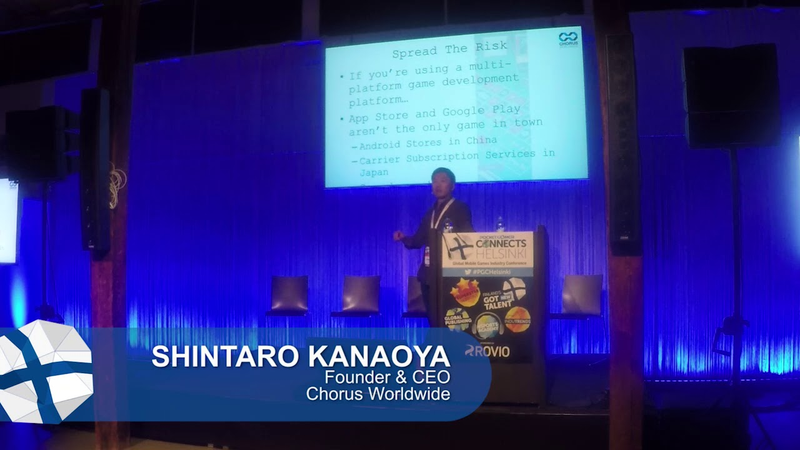
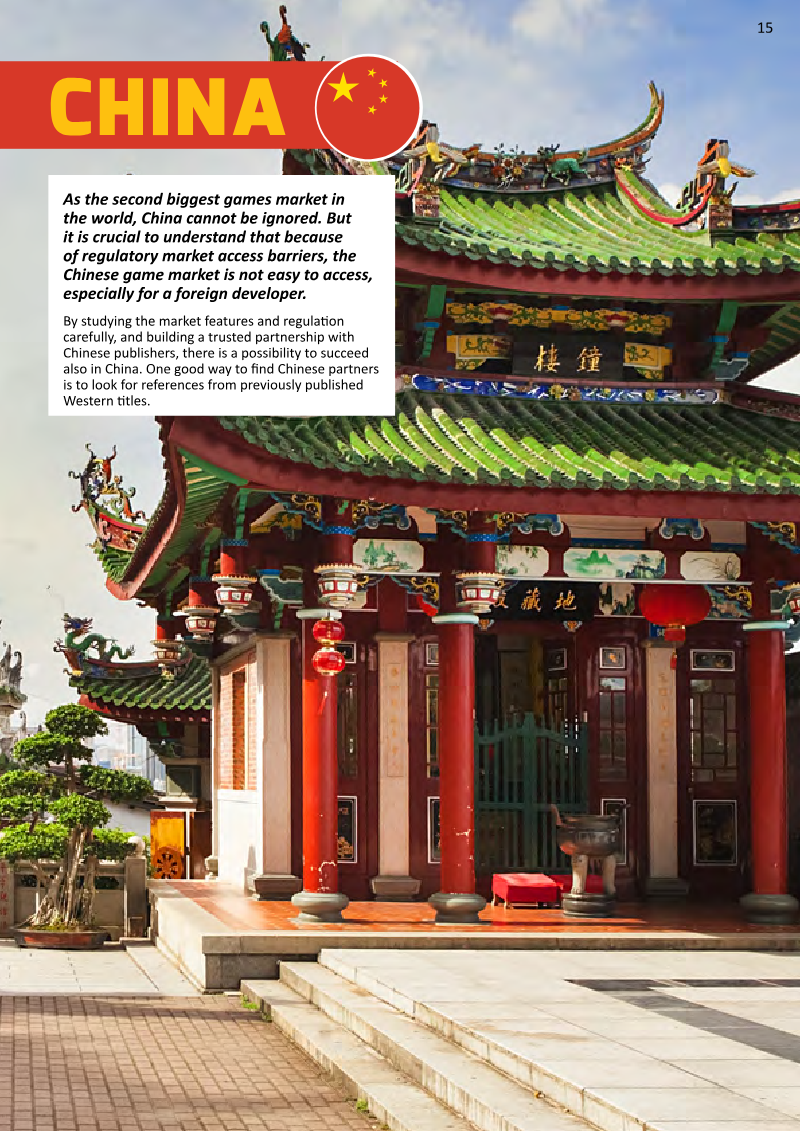
This is necessary to navigate mandatory ISBN licensing, strict government censorship, and a fragmented Android ecosystem.
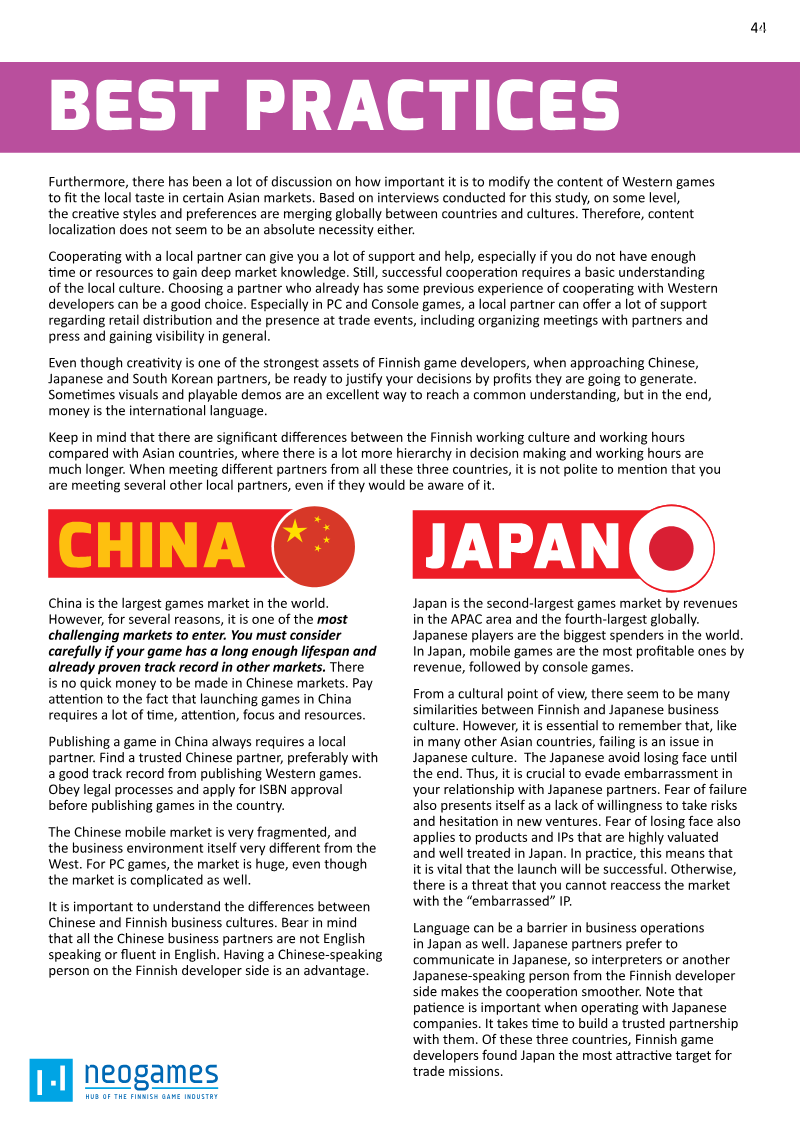
The Asia-Pacific region stands as the global leader in the gaming industry, generating 49 percent of total worldwide revenue. China, Japan, and South Korea serve as the primary engines of this growth, yet each nation presents a distinct landscape defined by unique cultural preferences, technological infrastructure, and regulatory frameworks. Successfully capturing market share in these territories requires moving beyond Western-centric strategies to embrace deep localization, long-term commitment, and a nuanced understanding of regional business hierarchies.
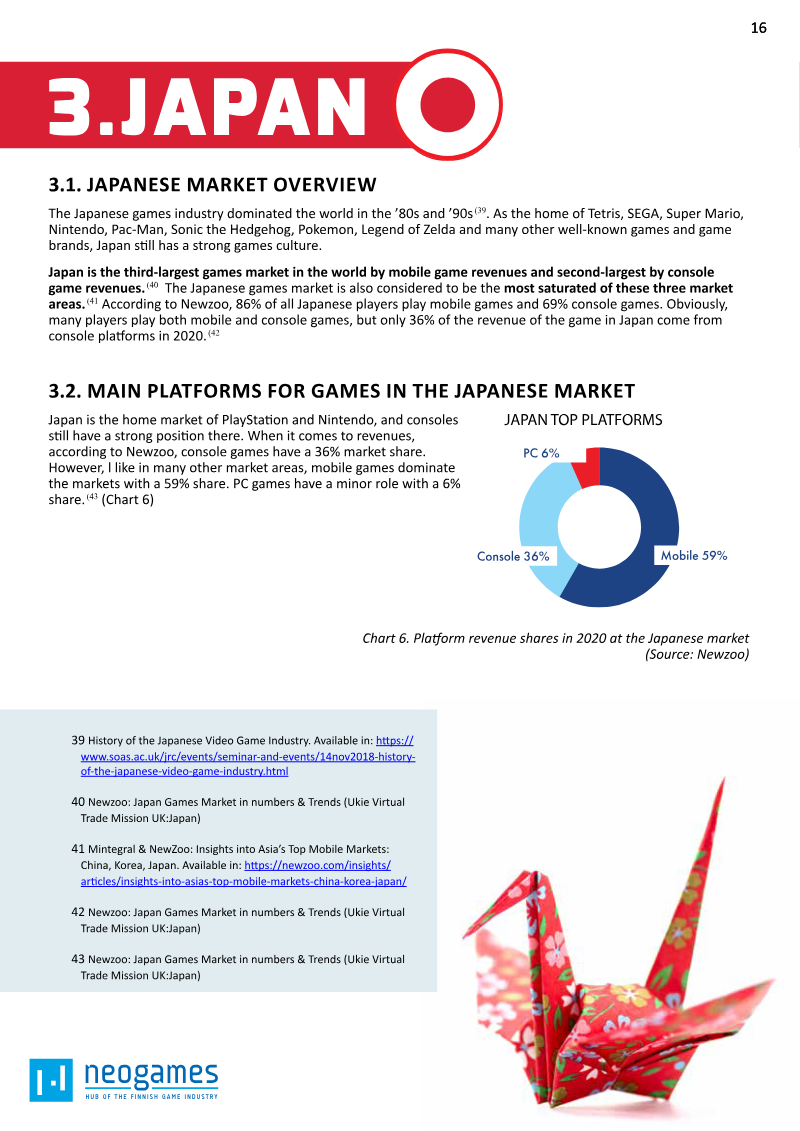
China remains the most complex environment, characterized by stringent government oversight, mandatory ISBN licensing, and a fragmented Android ecosystem. Navigating these barriers typically necessitates collaboration with established local publishers to ensure compliance with censorship and data privacy laws. Conversely, Japan represents a mature, saturated market where success hinges on high-quality RPGs, gacha mechanics, and a strong social media presence. While console hardware maintains a dominant position in Japan, mobile platforms continue to drive the majority of revenue, supported by a consumer base that prioritizes domestic titles and long-term brand trust.
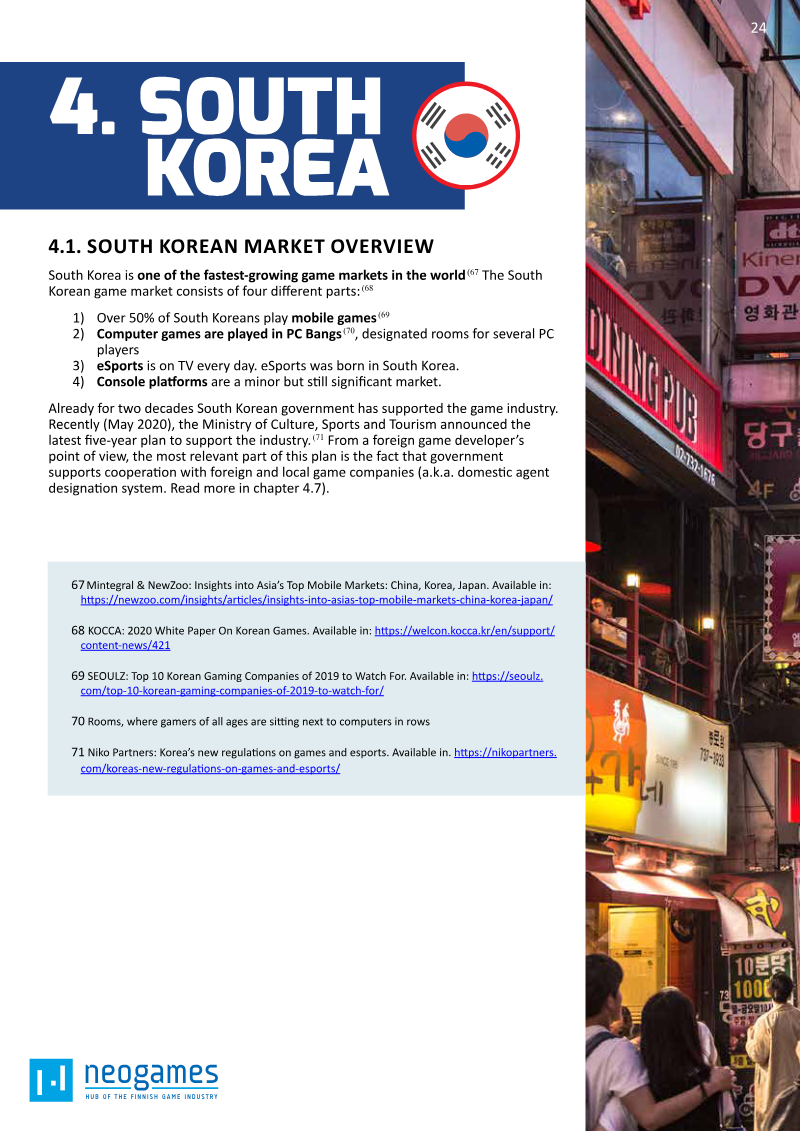
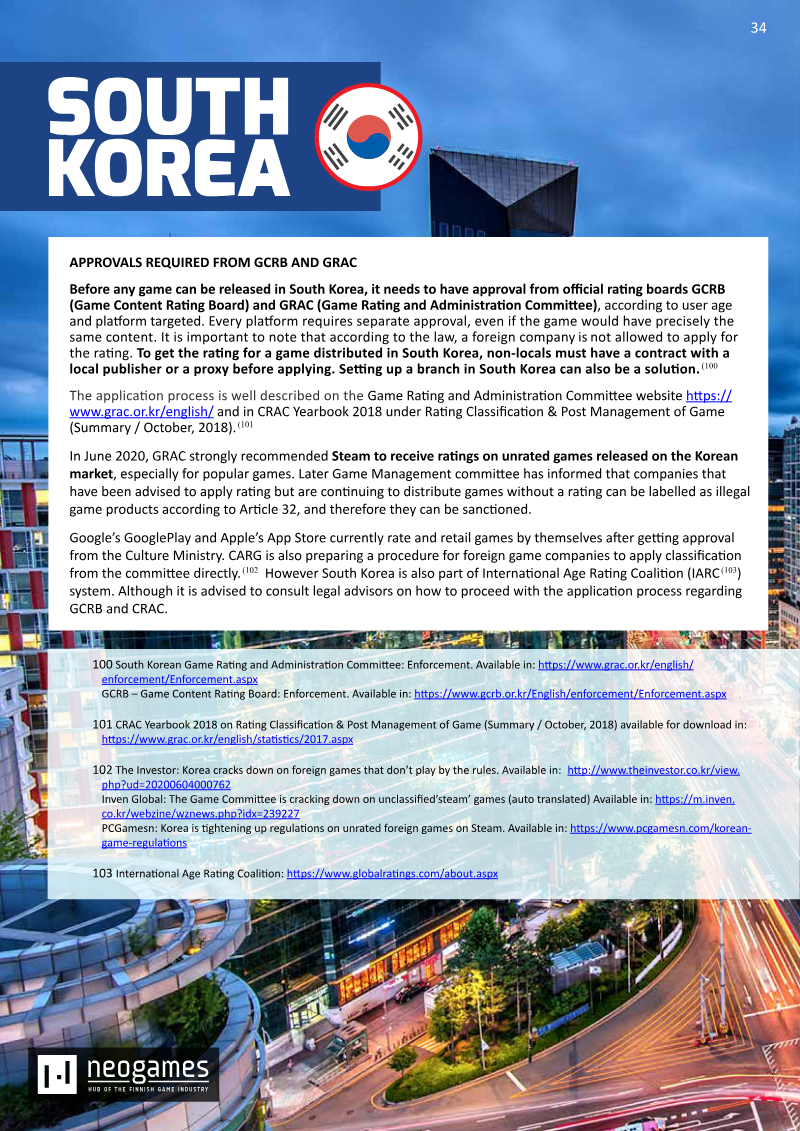
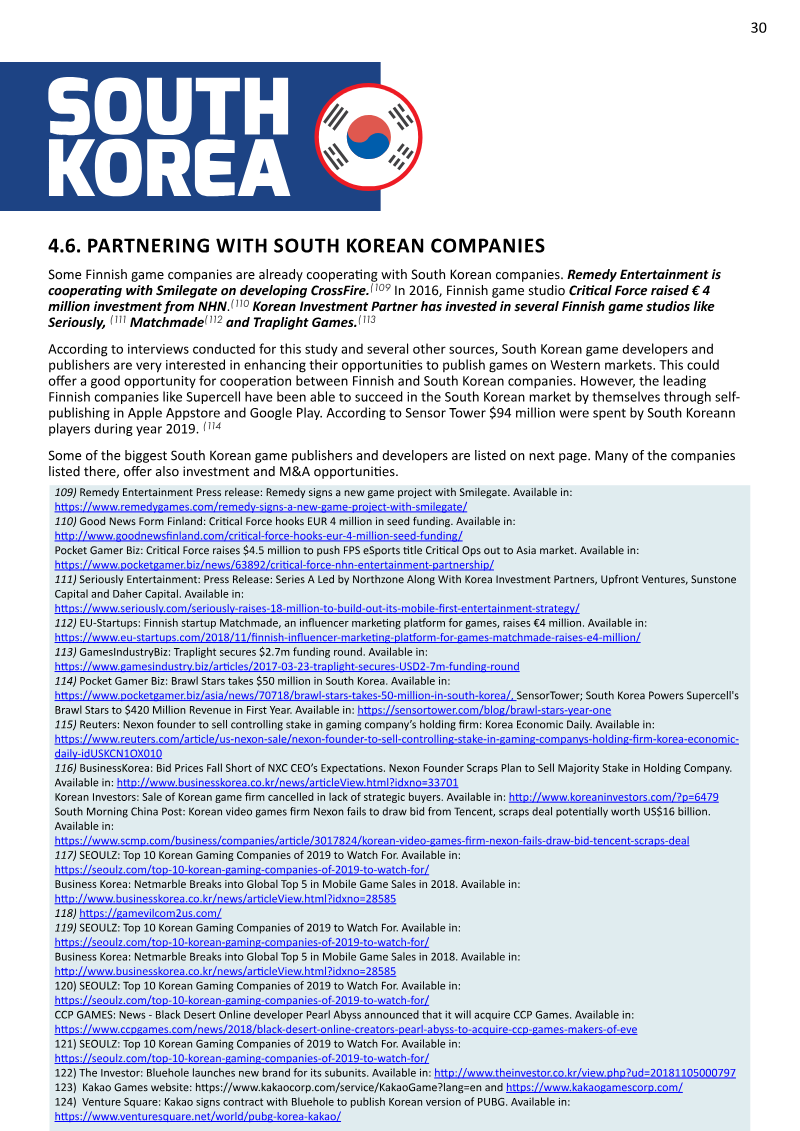
South Korea functions as a tech-forward hub where mobile gaming, PC Bang culture, and eSports converge. While the government provides active support for the industry, developers must contend with rigorous age-rating requirements, mandatory loot box probability disclosures, and the recent implementation of a domestic agent designation system for foreign entities. Despite geopolitical tensions and regulatory hurdles, the region remains highly lucrative for developers who tailor their marketing to local platforms like Naver and Kakao. Ultimately, the path to profitability in these three markets relies on a dedicated, localized approach that treats each country as a unique, high-demand ecosystem rather than a monolithic extension of global gaming trends.
Neogames Finland · 2026
Neogames Finland · 2025

Neogames Finland · 2024
Neogames Finland · 2024

Neogames Finland · 2022

Neogames Finland · 2022
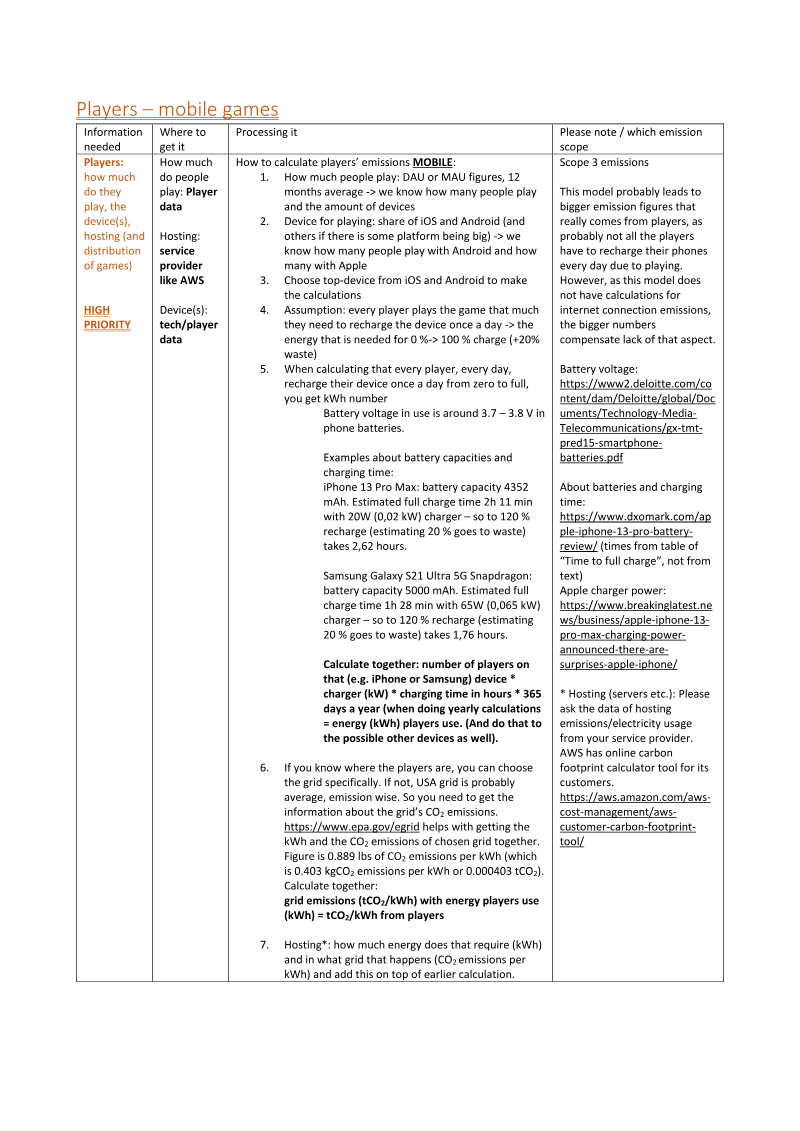
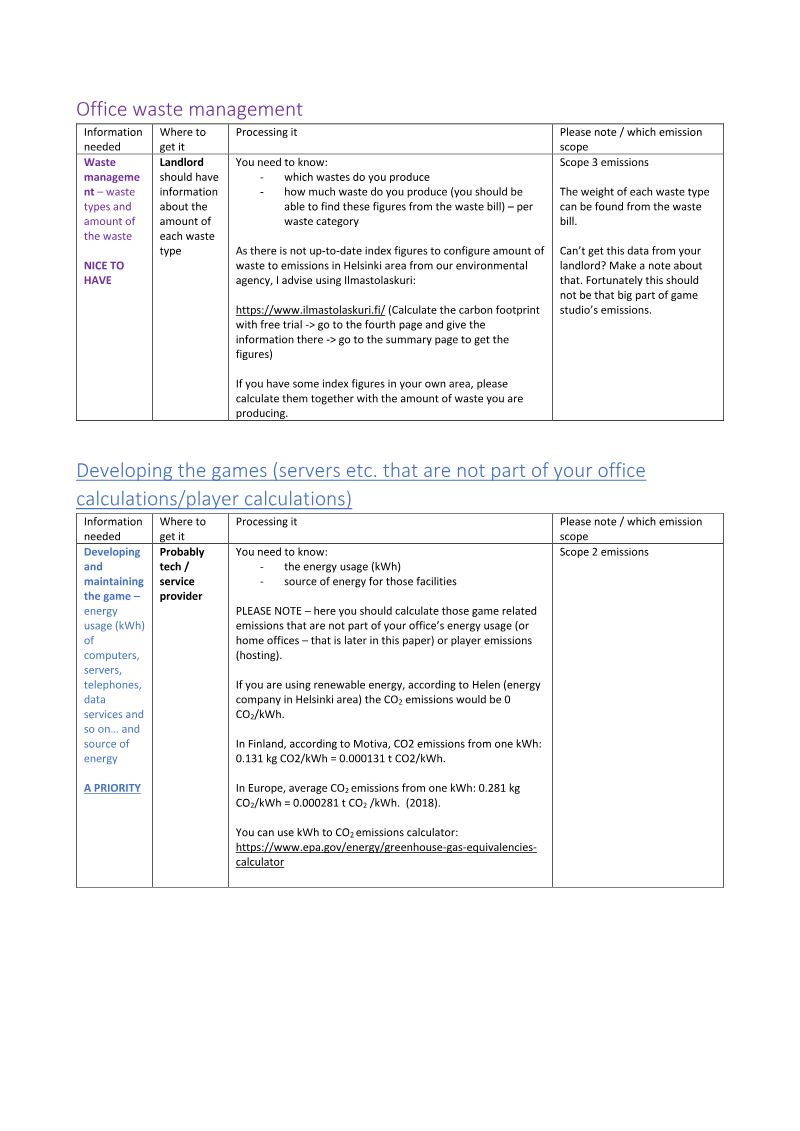
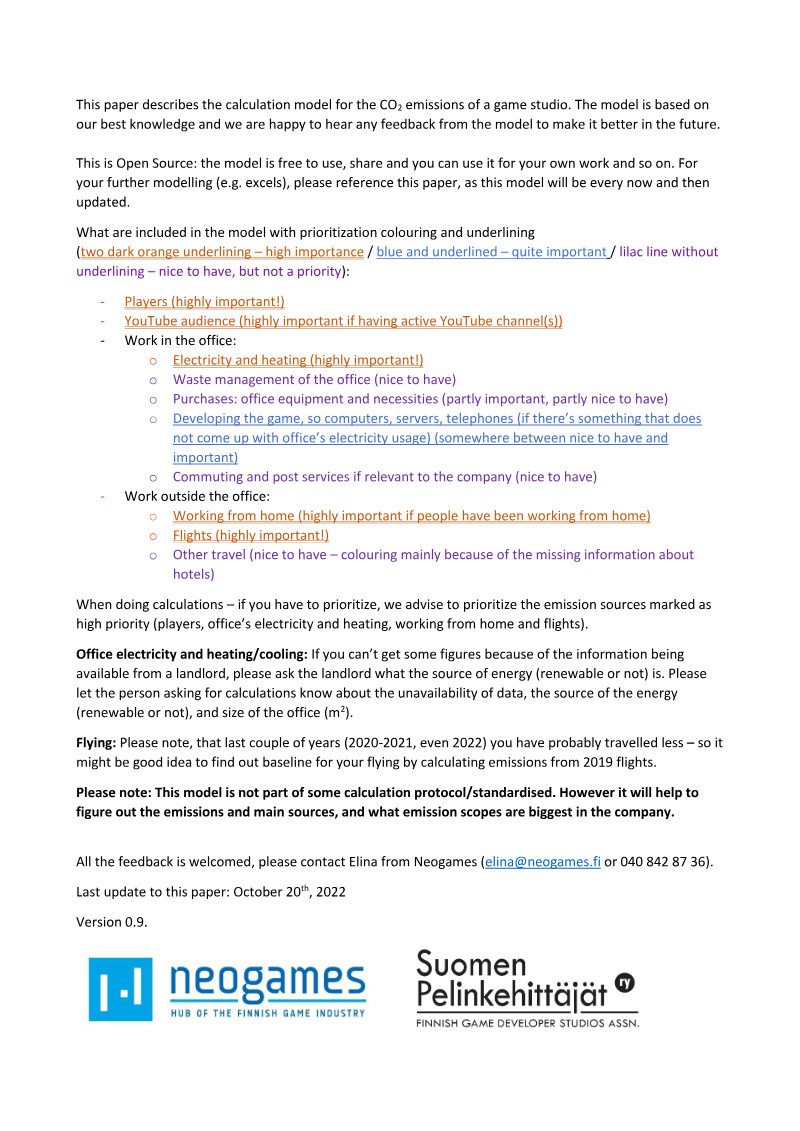
Neogames Finland · 2022
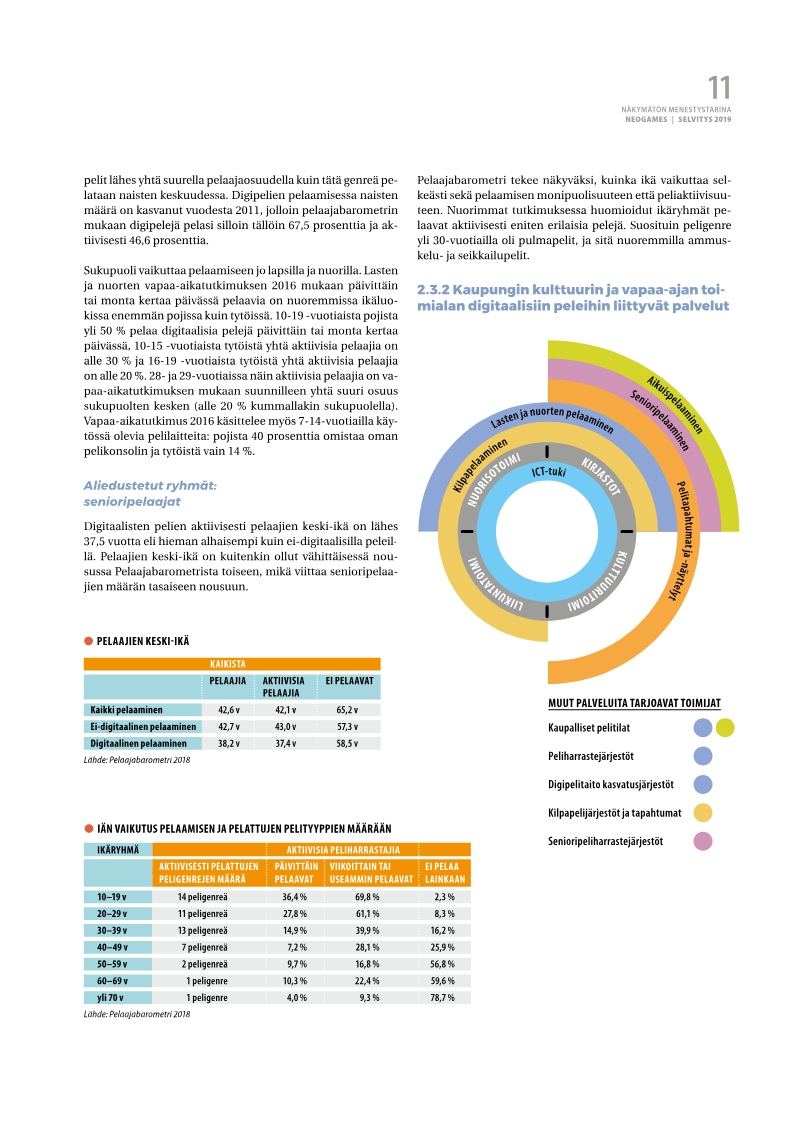
Neogames Finland · 2020
Neogames Finland · 2019

Neogames Finland · 2019
Neogames Finland ry · 2019
Neogames Finland · 2018