1 free read left. Create a free account for unlimited reading + AI research.
Create free accountReport Neogames Finland
1 free read left. Create a free account for unlimited reading + AI research.
Create free accountReportNeogames Finland
These markets require tailored, long-term strategies rather than standardized global approaches. They represent a high-demand environment with distinct cultural preferences.
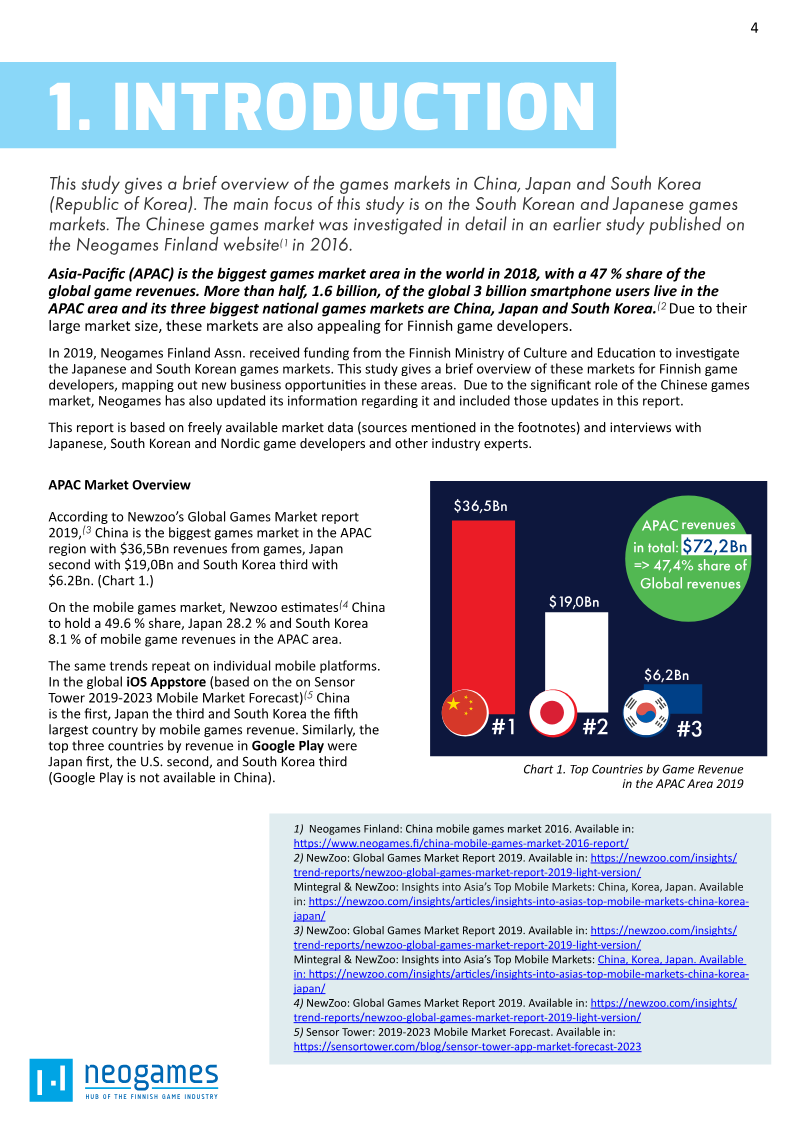
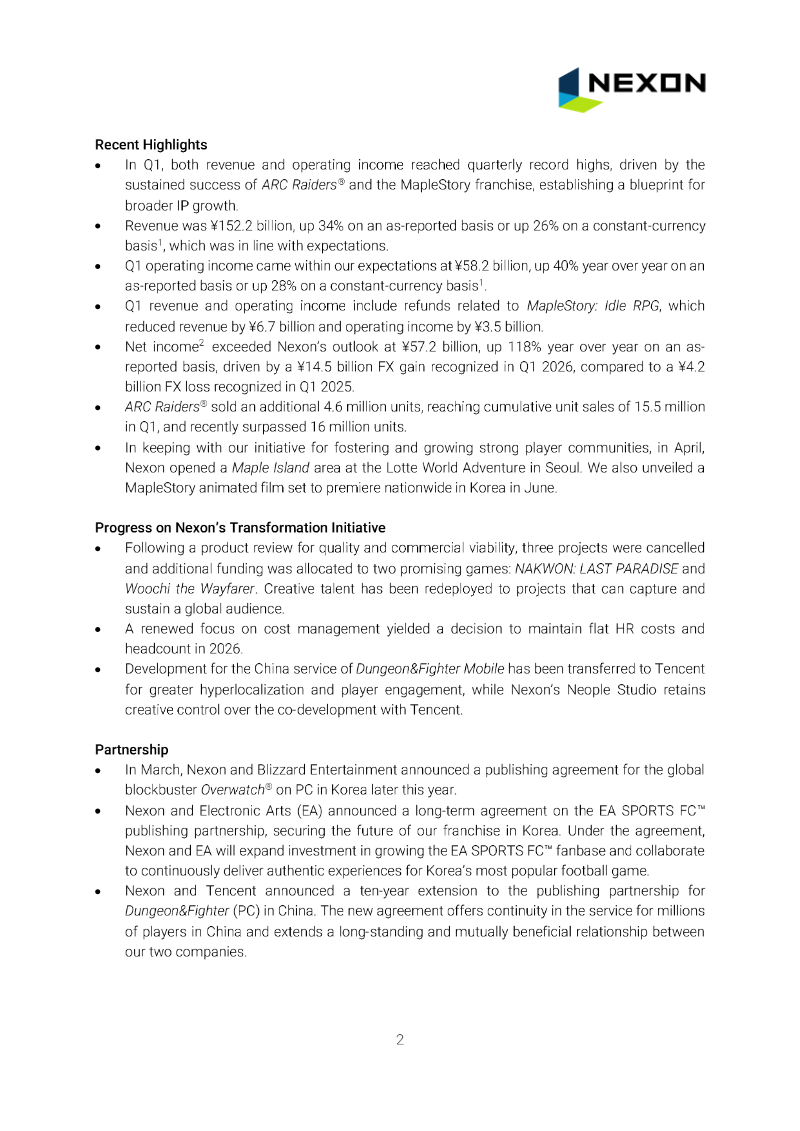
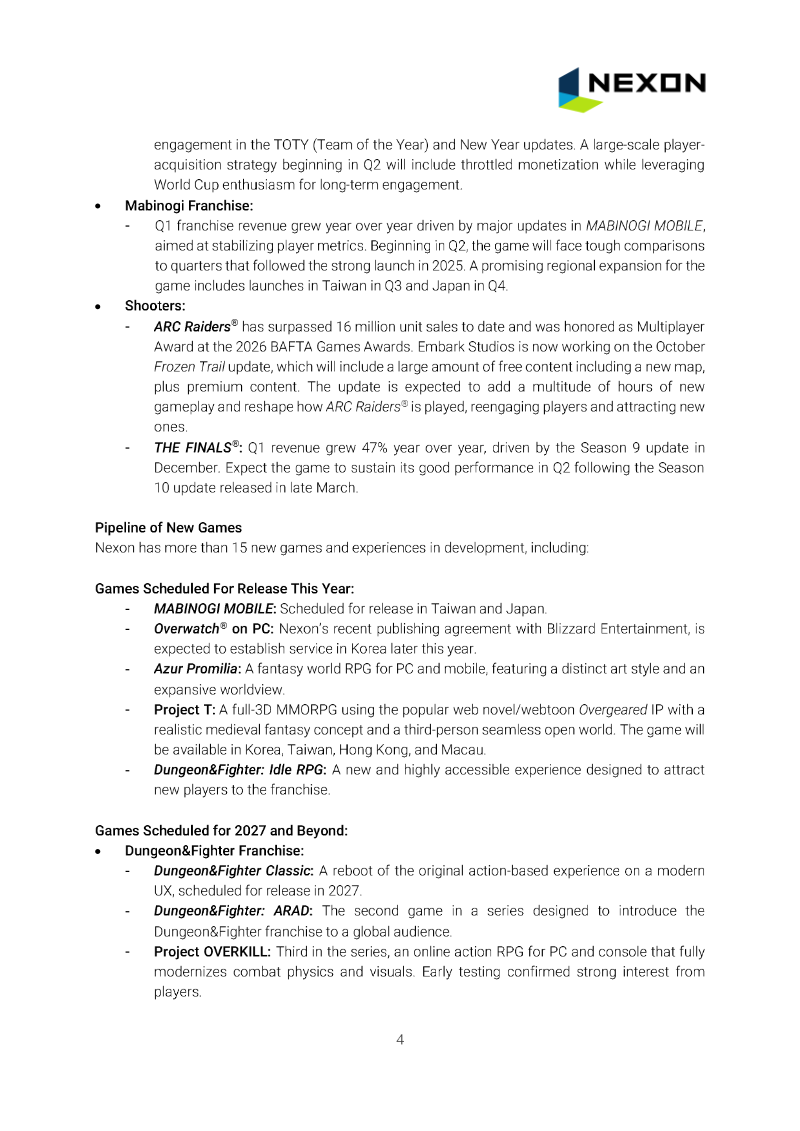
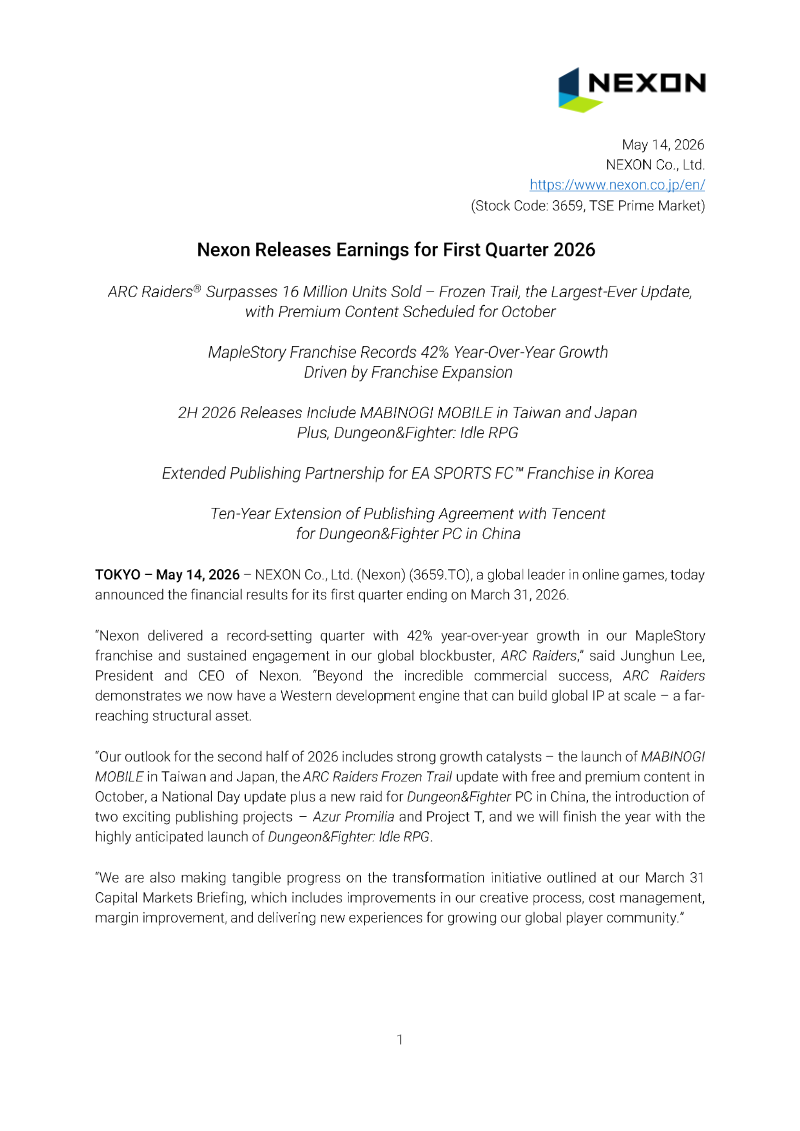
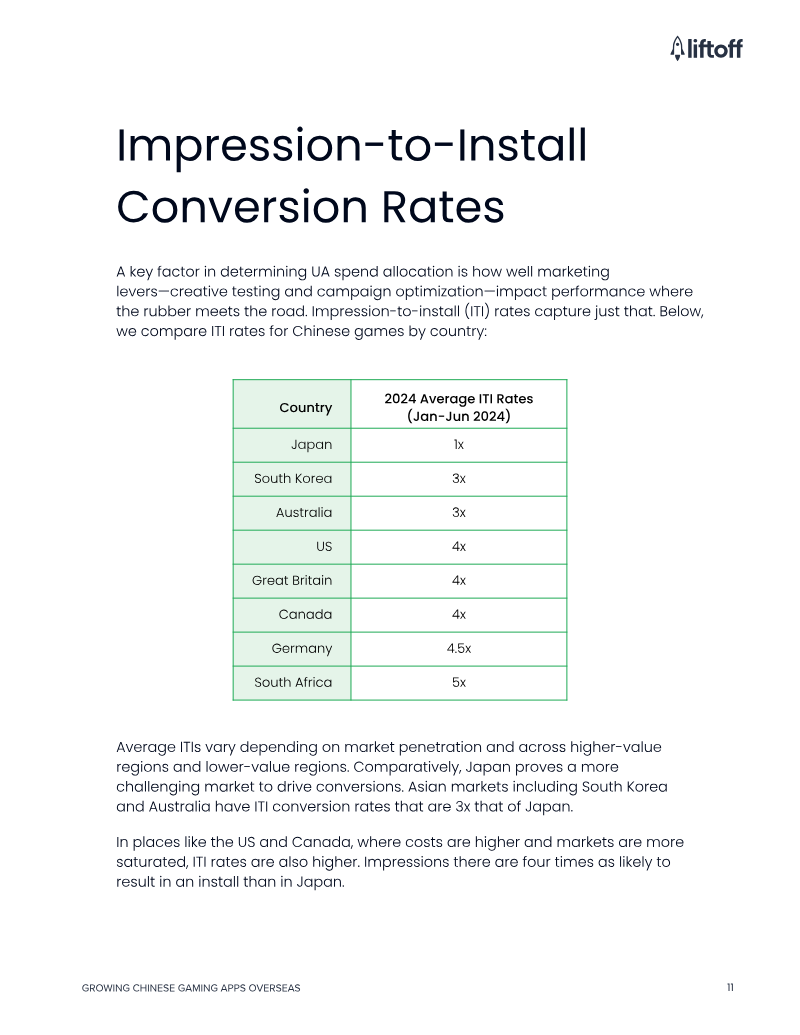
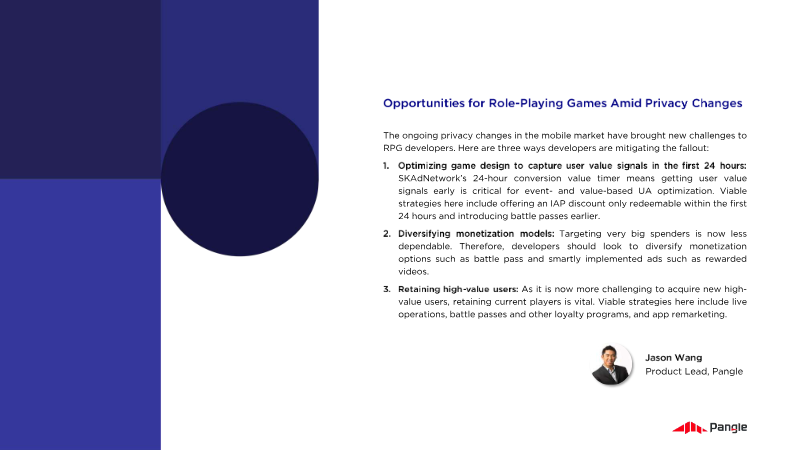
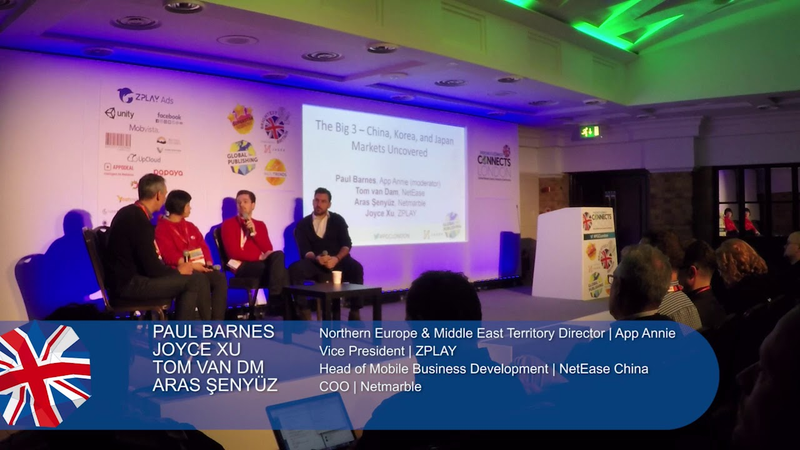
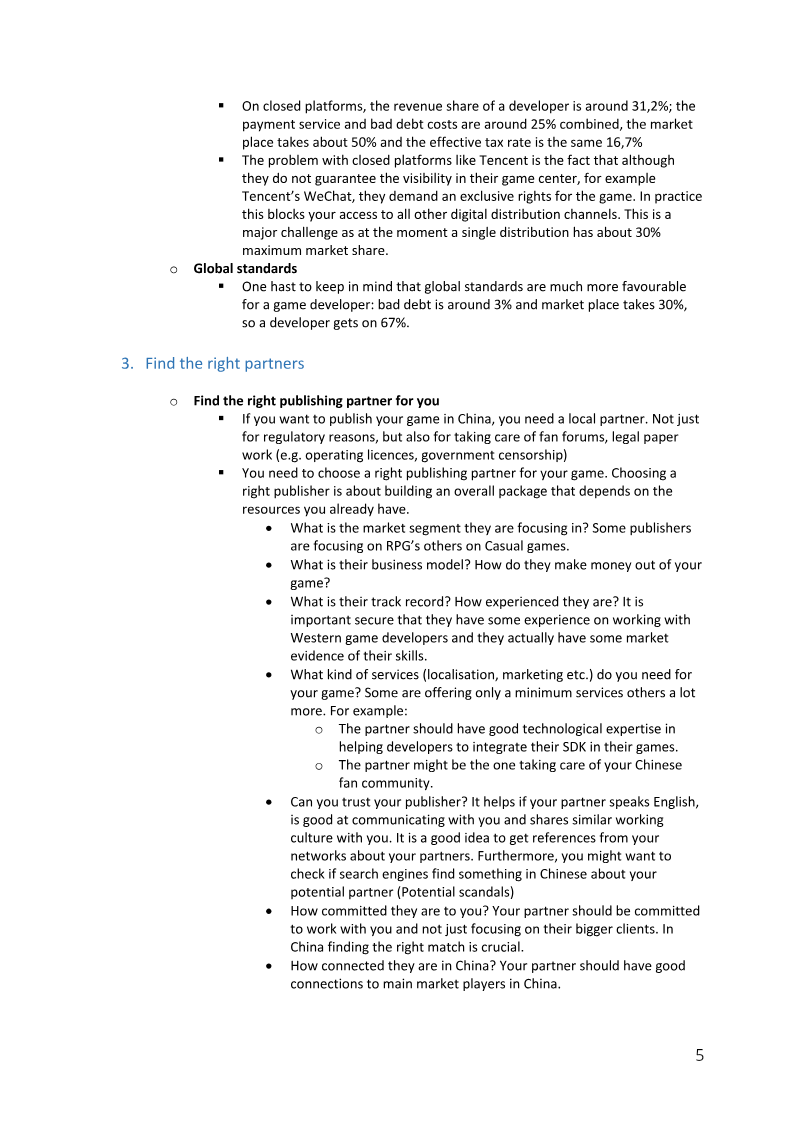
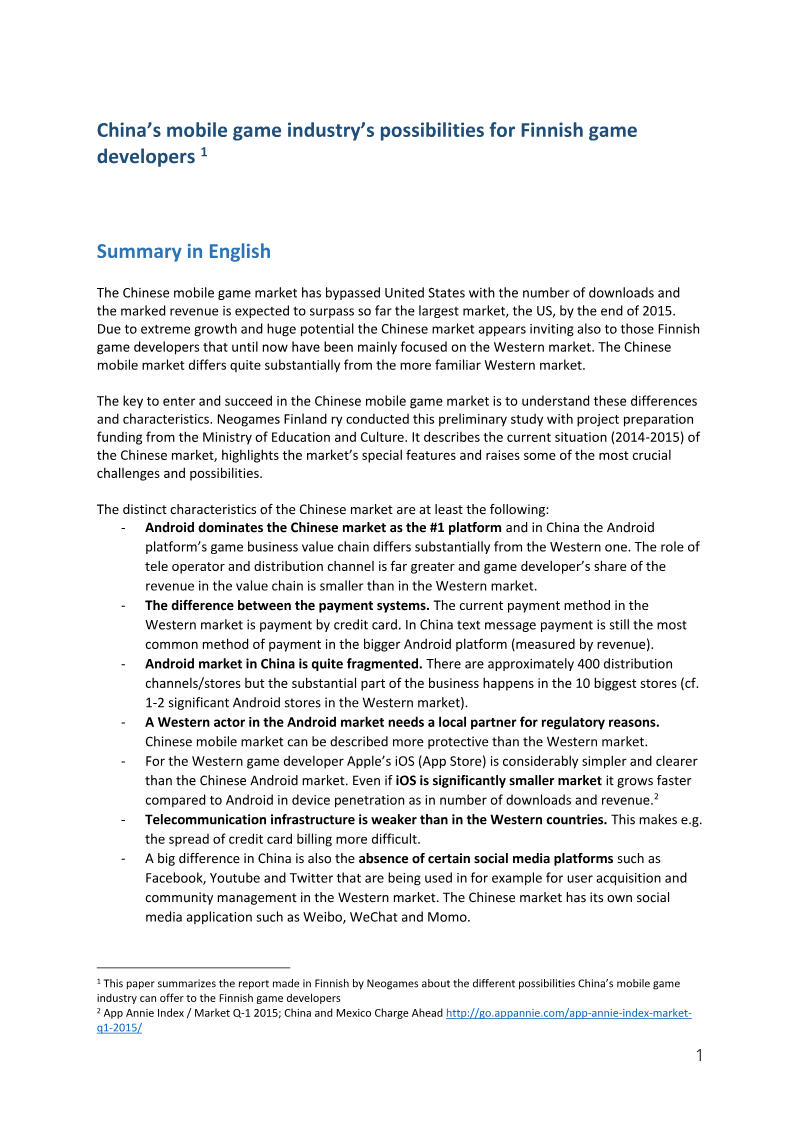
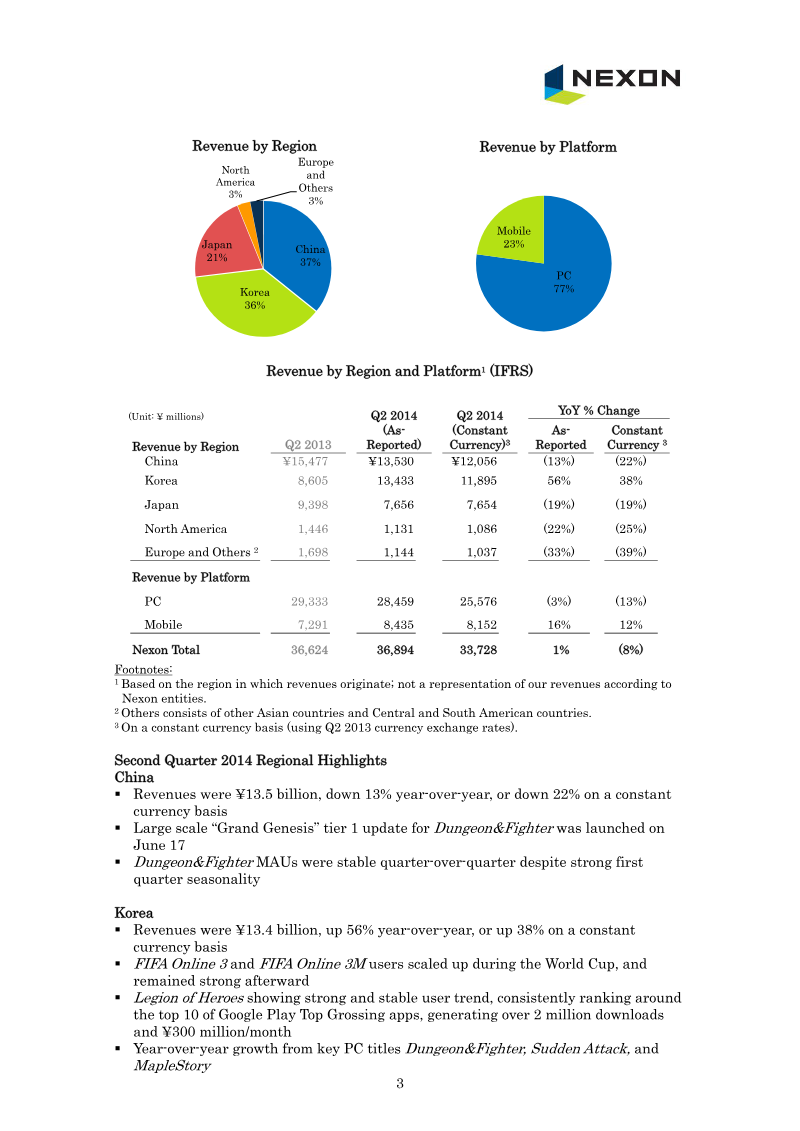
The Asia-Pacific region stands as the preeminent global gaming hub, with China, Japan, and South Korea serving as the primary engines for industry growth. These markets collectively represent a high-demand environment characterized by distinct cultural preferences, mobile-first consumption, and complex regulatory frameworks. While the region offers unparalleled revenue potential, success necessitates a departure from standardized global strategies in favor of tailored, long-term commitments that prioritize deep localization, local partnerships, and an acute understanding of regional business hierarchies.
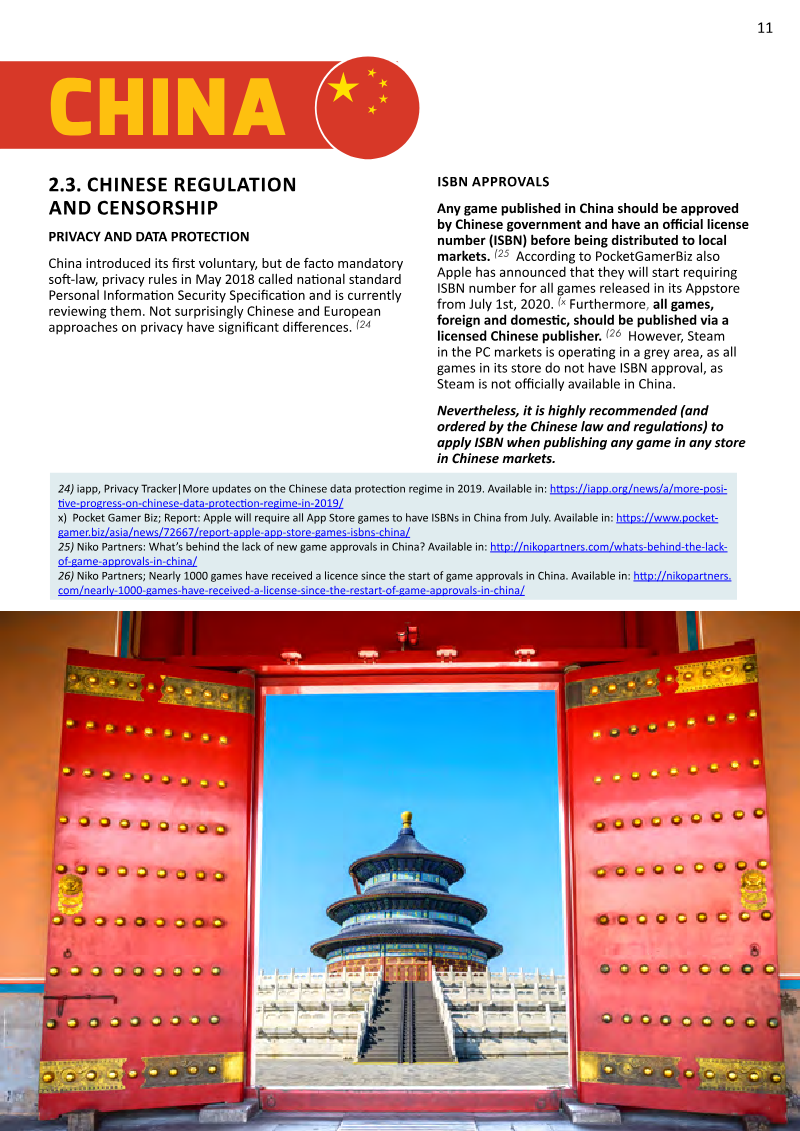
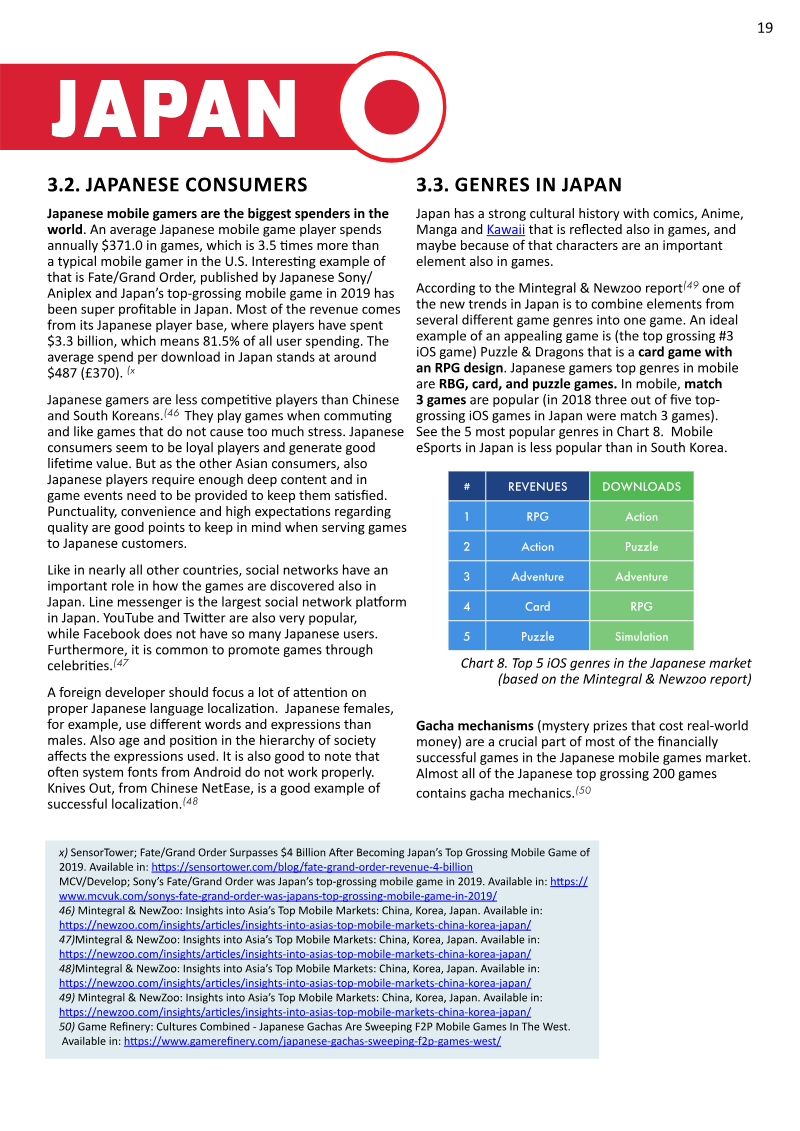
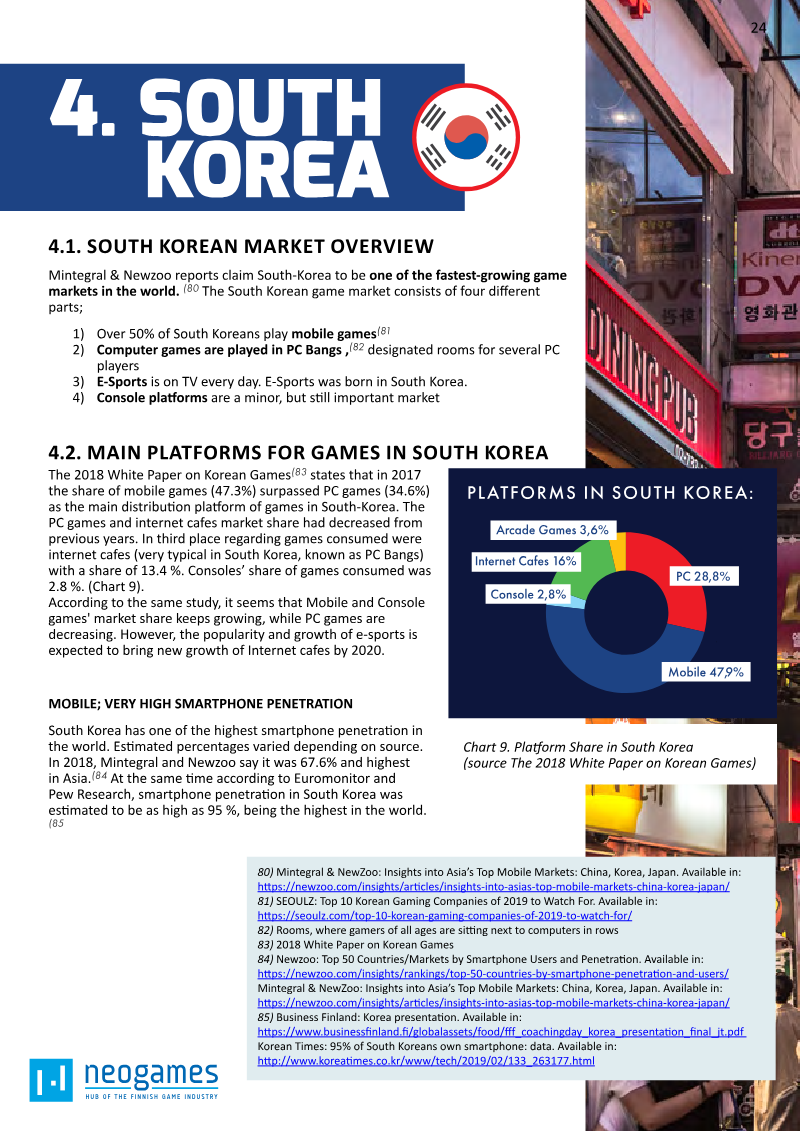
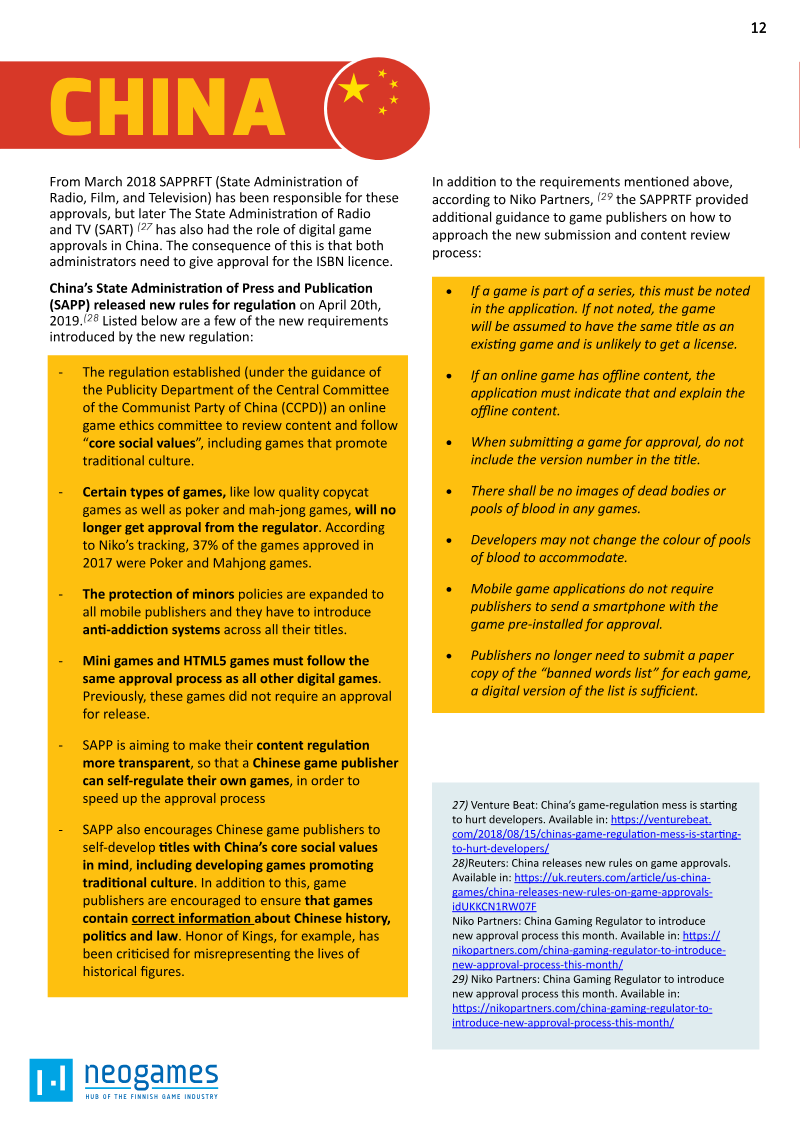
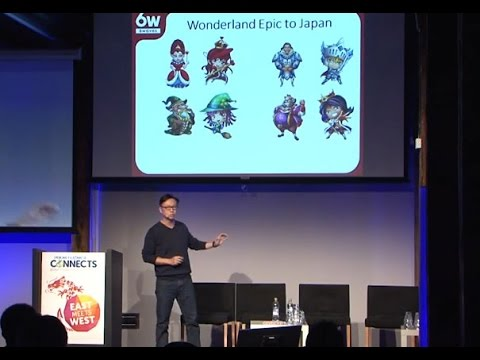
China remains the most challenging landscape due to its mandatory ISBN licensing system and stringent content censorship, which often mandate collaboration with local publishers to ensure compliance. In contrast, Japan maintains a highly saturated mobile market where players exhibit the highest global spending habits, particularly within RPG and gacha-based genres. South Korea functions as a tech-forward, competitive environment that balances a robust PC-based e-sports culture with a rapidly expanding mobile sector. Despite political tensions and trade barriers that occasionally disrupt cross-border commerce, these nations remain critical targets for international developers seeking growth.
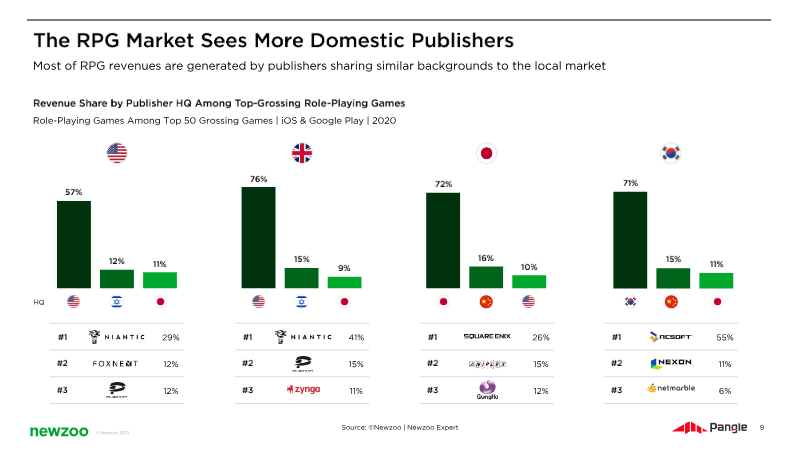
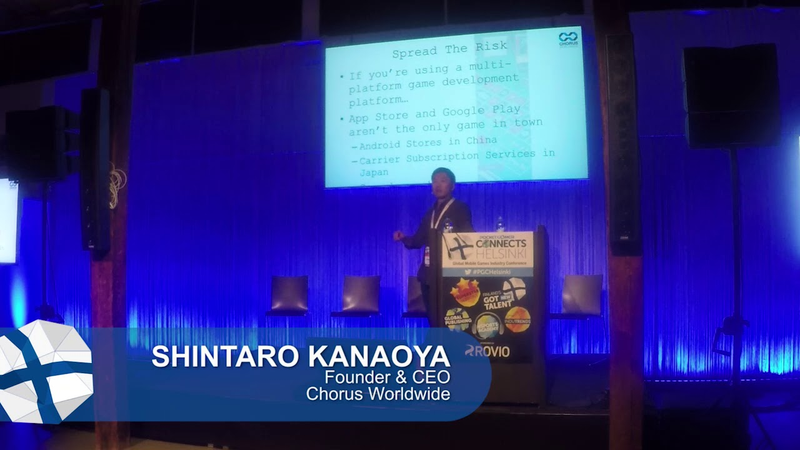
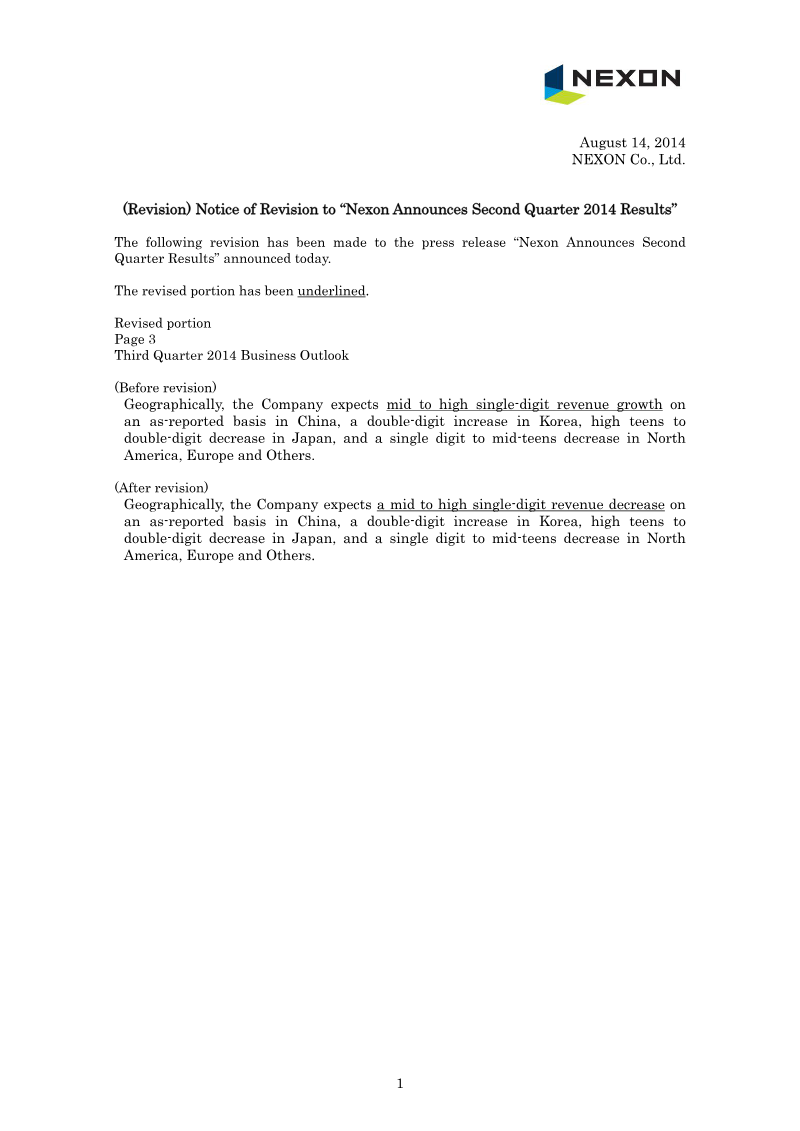
Strategic entry into these markets requires navigating fragmented distribution channels and evolving regulatory scrutiny regarding monetization mechanics like loot boxes. While local partnerships are frequently the most effective route for market penetration, evidence suggests that self-publishing remains a viable alternative for developers who invest heavily in performance marketing, local language support, and content volume. Ultimately, the ability to adapt to the specific nuances of each country—whether through strategic investment, local collaboration, or independent digital distribution—is the defining factor for developers aiming to secure a sustainable foothold in the world’s most influential gaming territories.
Neogames Finland · 2026
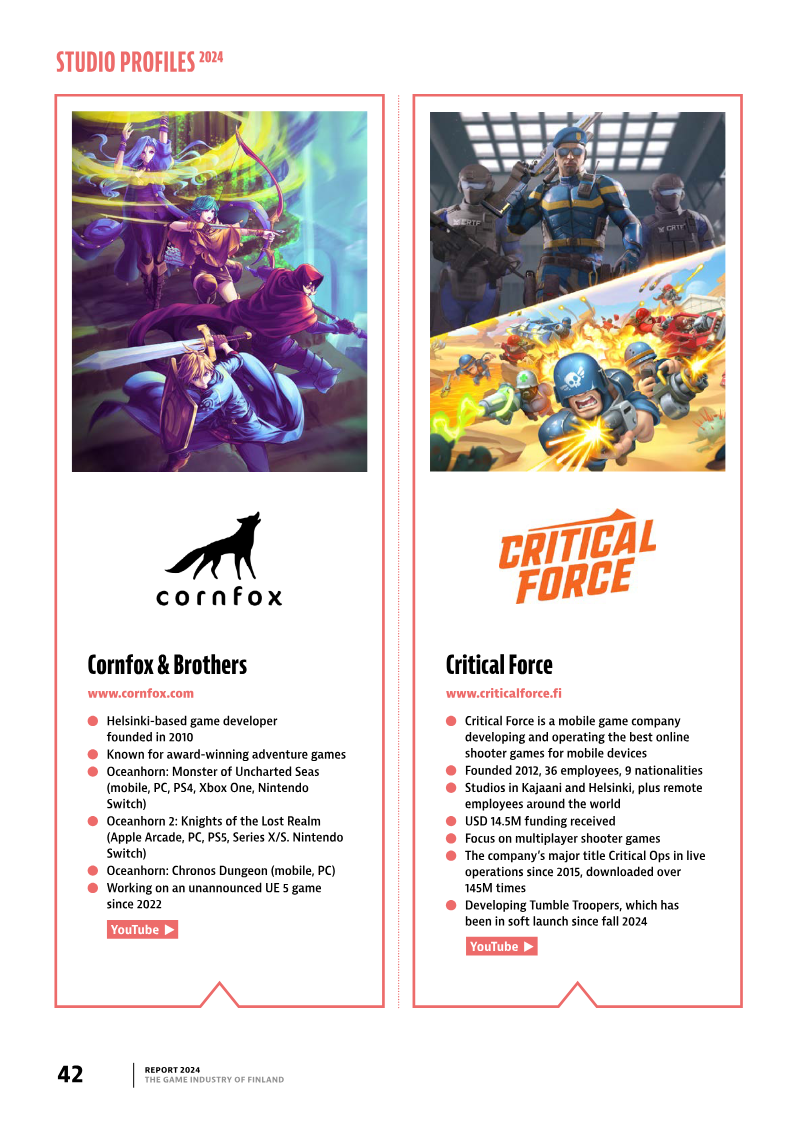
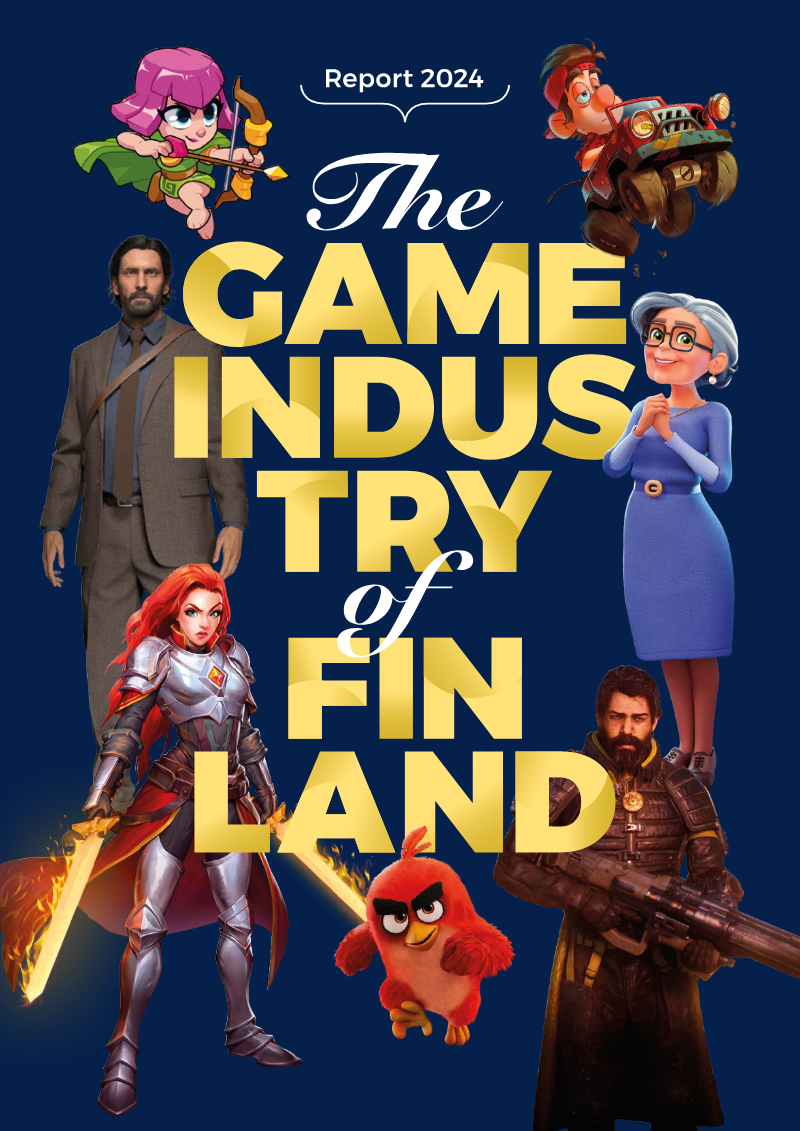
Neogames Finland · 2025
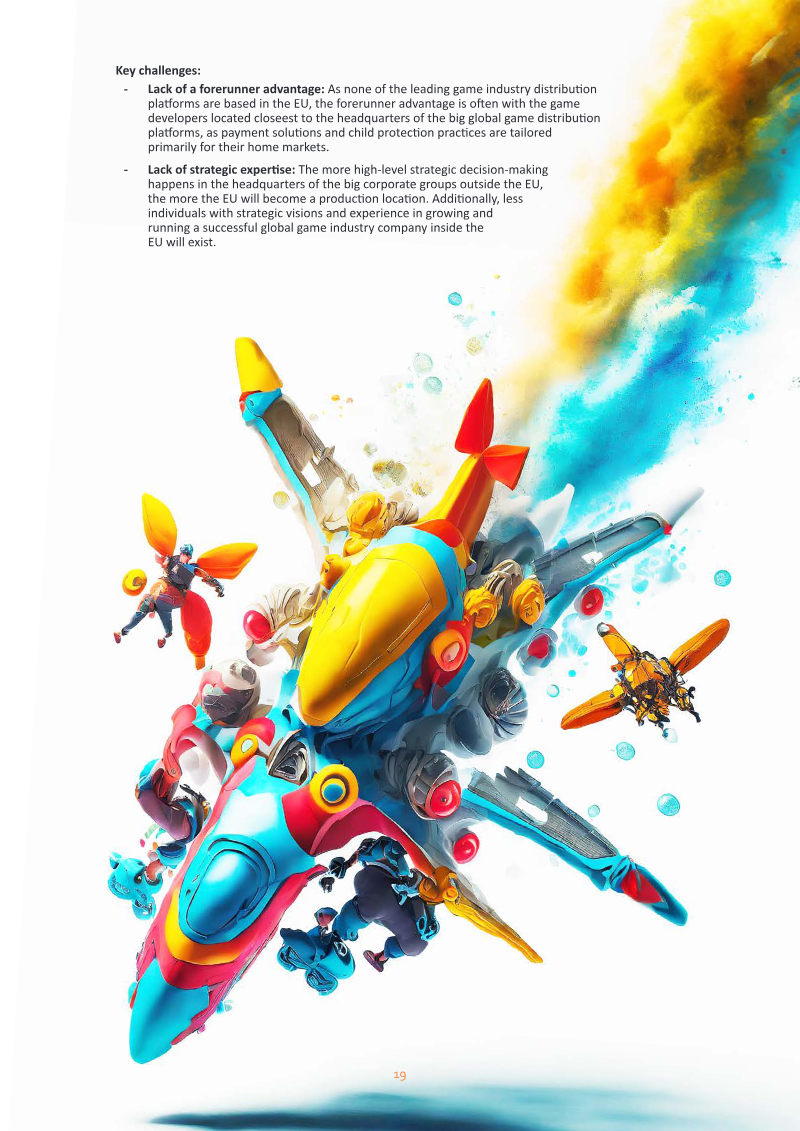

Neogames Finland · 2024
Neogames Finland · 2024
Neogames Finland · 2022

Neogames Finland · 2022
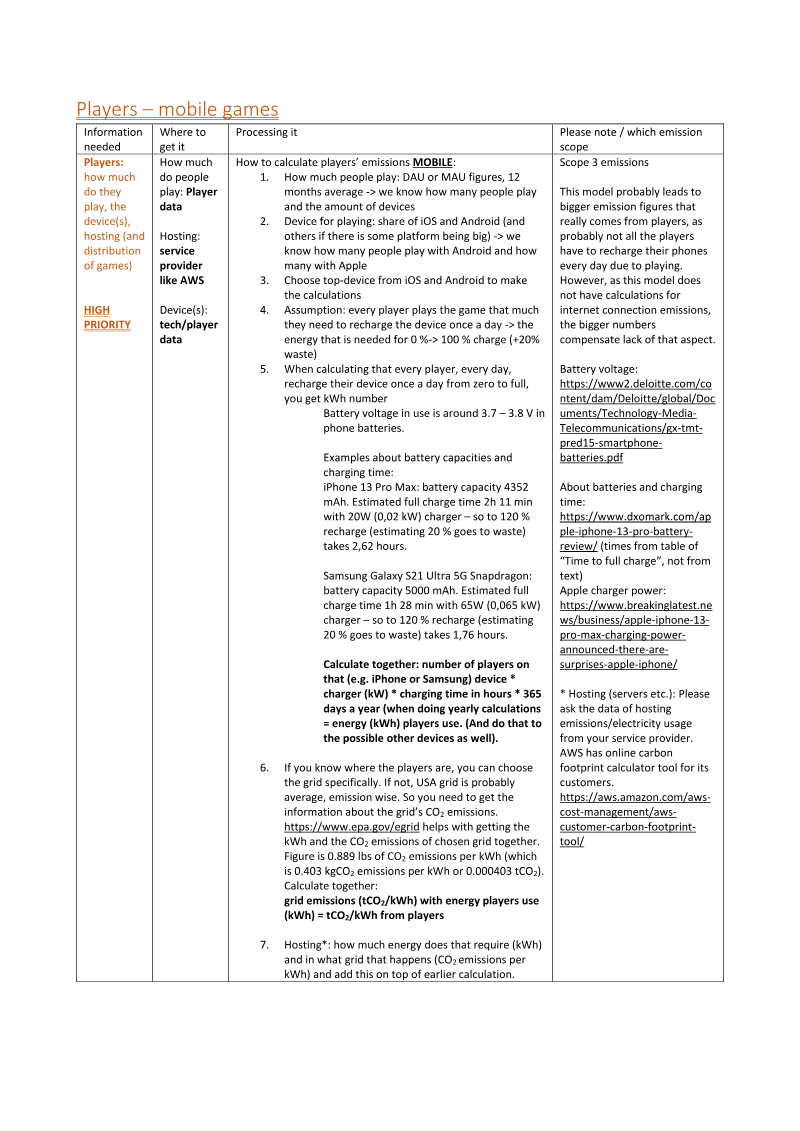
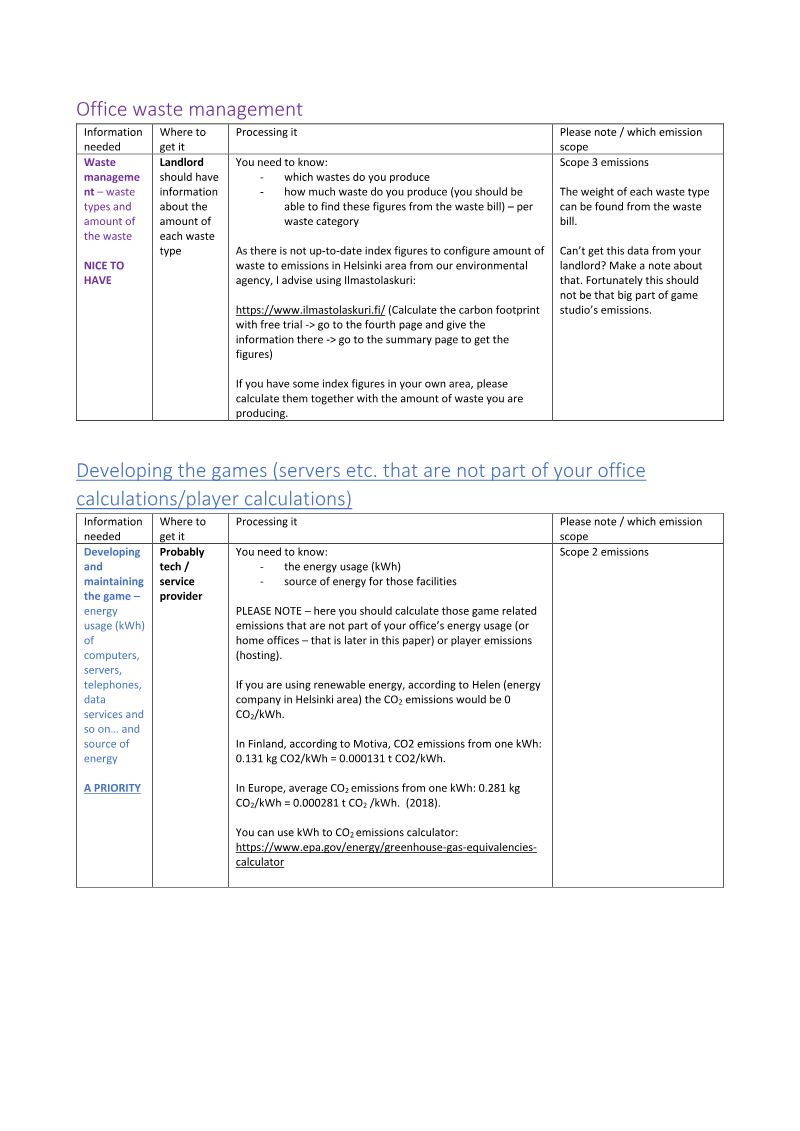
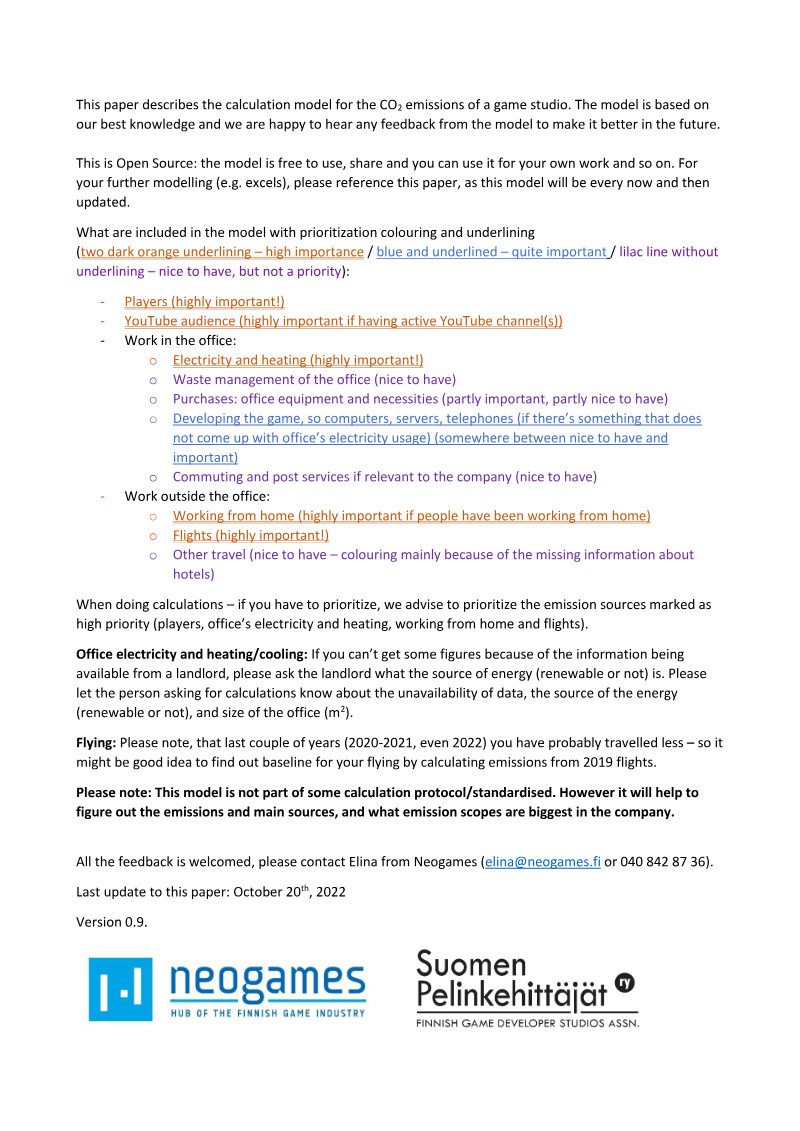
Neogames Finland · 2022

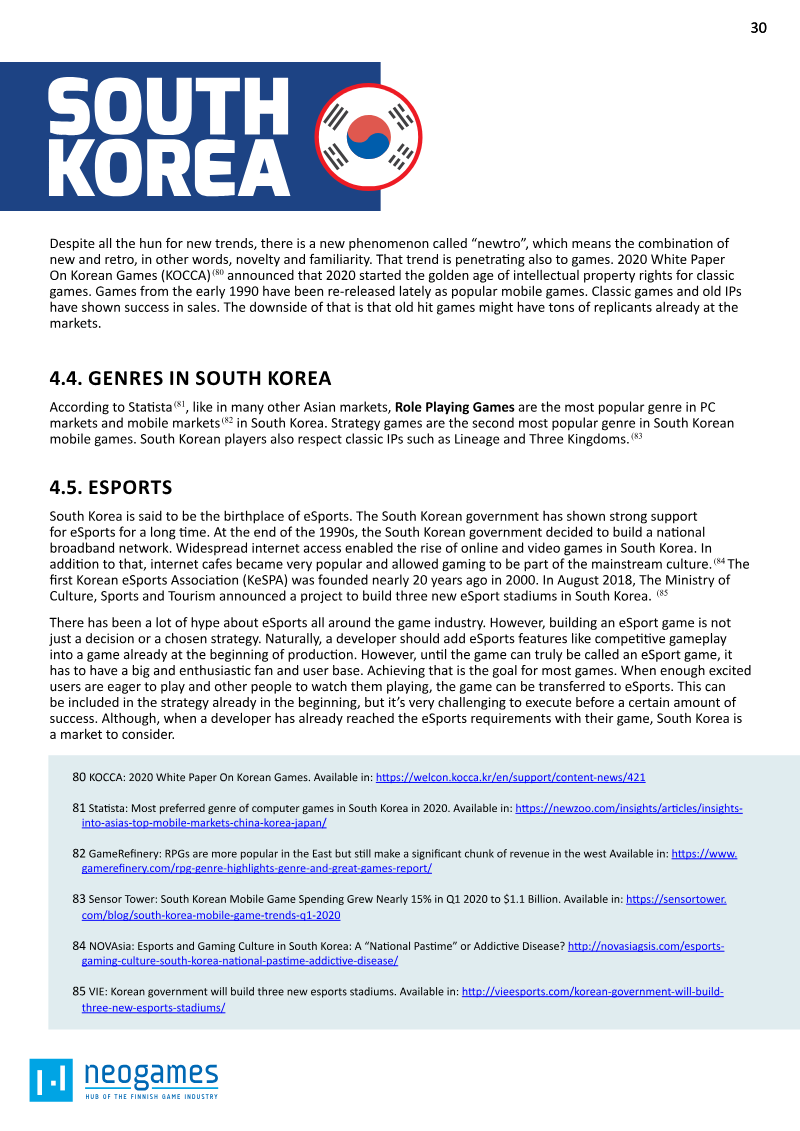
Neogames Finland · 2021
Neogames Finland · 2020

Neogames Finland · 2019
Neogames Finland ry · 2019
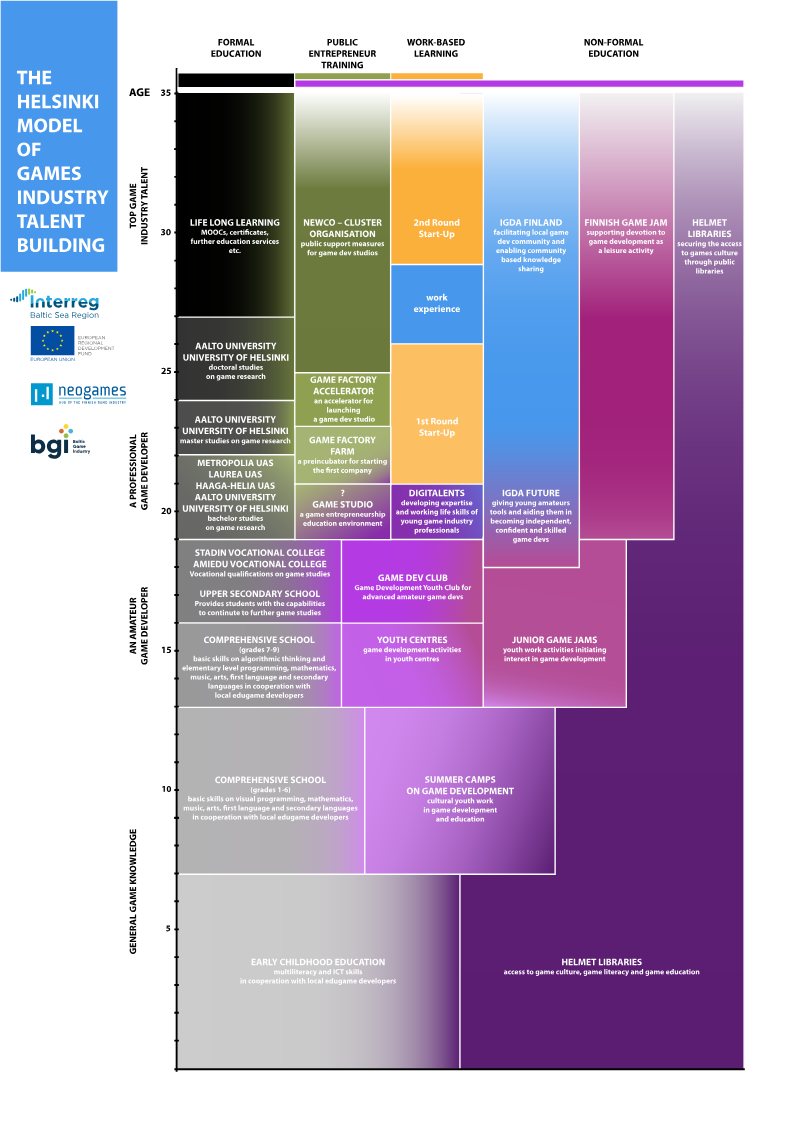
Neogames Finland · 2018
Electronic Arts · 2025