Serious Games reports and market data
Documents
The Effect of Procedural Rhetoric and Narrative Content in a Narrative Game-Based Fear Appeal
Game-based health interventions for alcohol addiction among young adults rely on the interplay between procedural rhetoric—mechanics that simulate real-world cause-and-effect—and narrative framing.
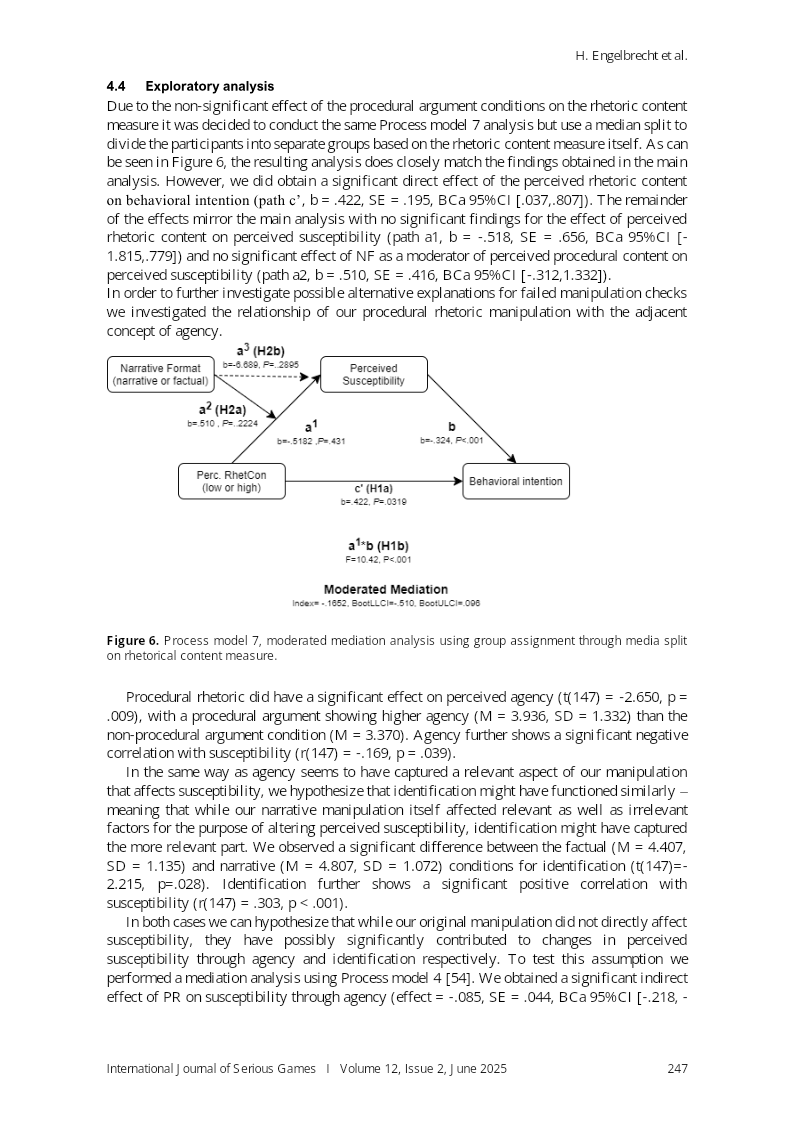
- Procedural rhetoric and narrative content, when used as independent variables, fail to significantly influence behavioral intentions or perceived susceptibility regarding health risks.
- High player agency is not inherently optimal for persuasive communication and may actually be less effective than restricted agency when conveying future threats.
- The study utilized a 2x2 experimental design with 149 participants to evaluate the efficacy of game-based interventions for alcohol addiction.
Development of Serious Games for Science Assessment: Using Educational Design Research
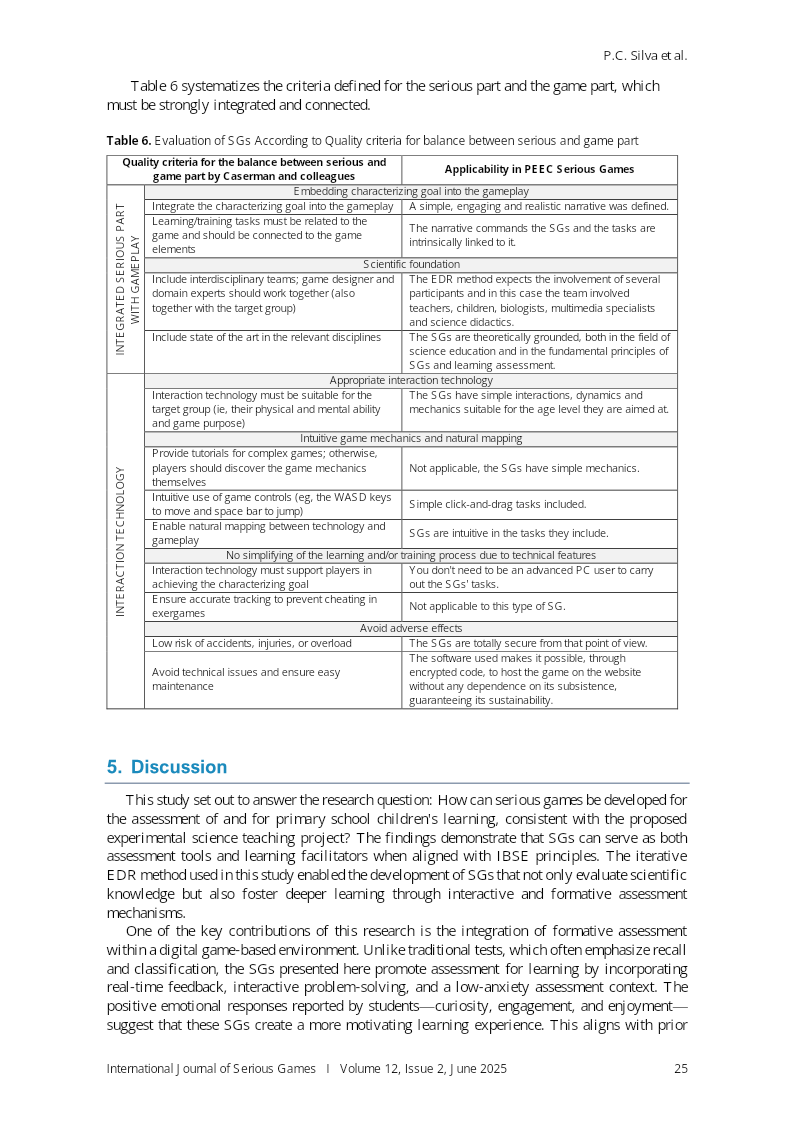
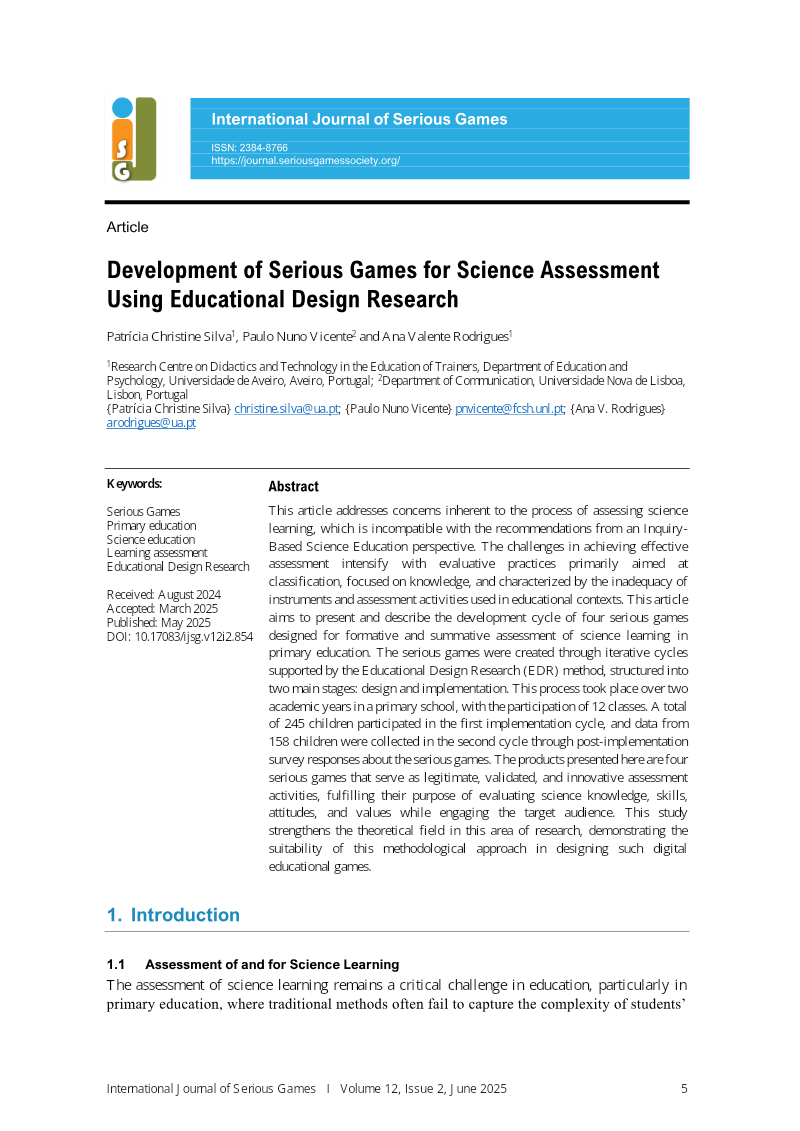
Traditional rote-memorization methods often fail to capture the nuances of student learning in primary science education.
- Educational Design Research (EDR) frameworks effectively integrate serious games as both formative and summative assessment tools, providing a more comprehensive evaluation of student knowledge than traditional rote-memorization methods.
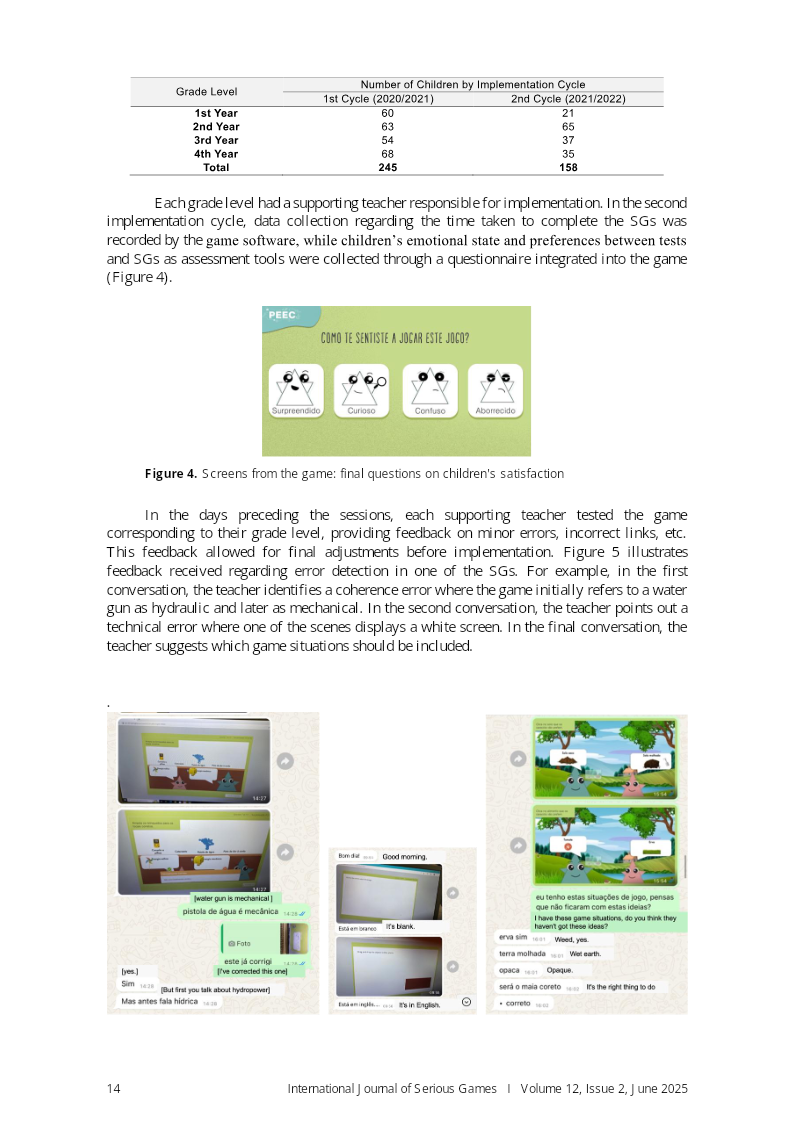
- A two-year study within the Portuguese primary education system demonstrated that narrative-driven, interactive game mechanics significantly reduce assessment-related anxiety while increasing student engagement.
- The developed games support differentiated learning for grades one through four across biology, physics, and environmental science by utilizing flexible, self-paced structures and drag-and-drop mechanics.
IdeAM: A Serious Game to Foster Creativity in Additive Manufacturing
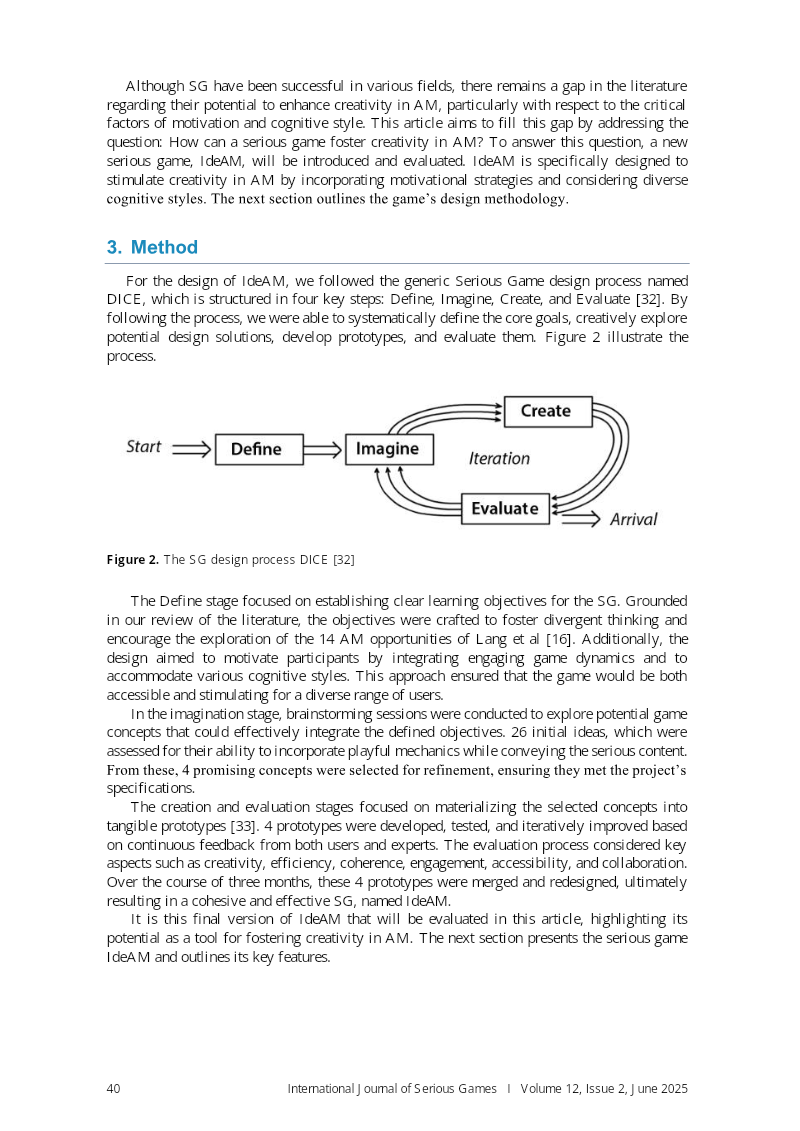
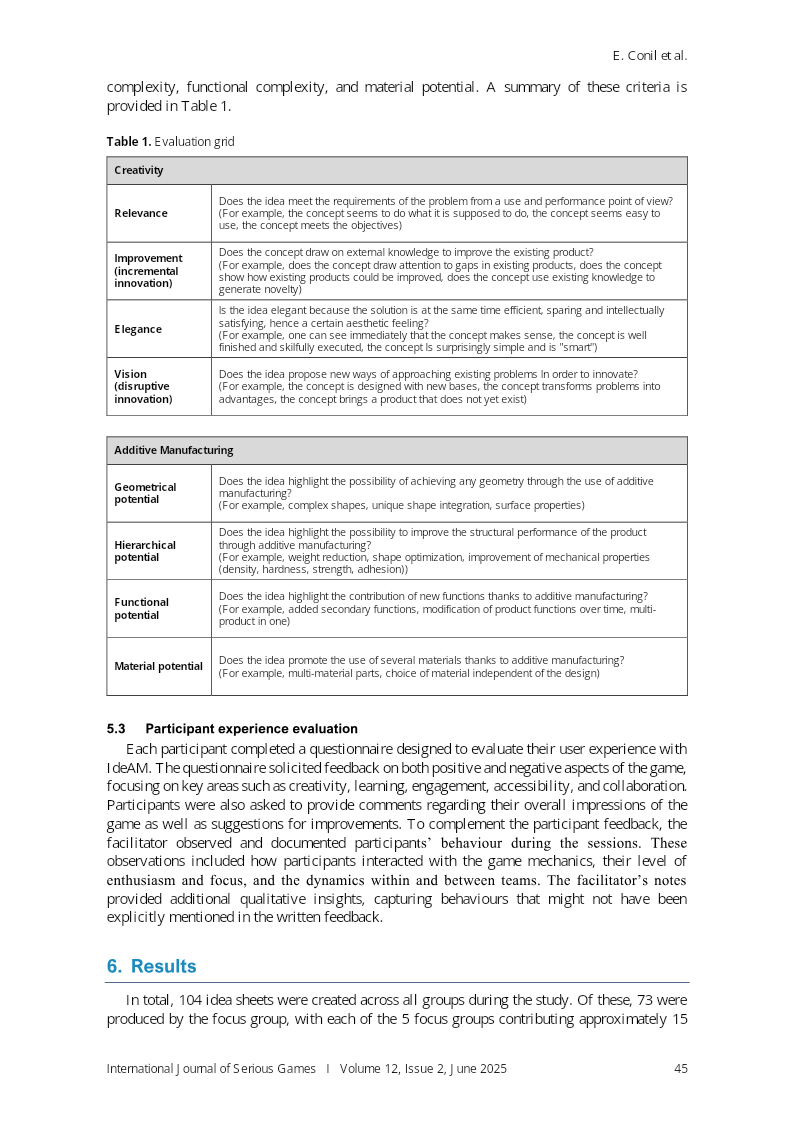
IdeAM functions as a serious game designed to mitigate cognitive biases and stimulate creative problem-solving within the specialized field of additive manufacturing.
- IdeAM is a serious game designed to improve creative problem-solving and technical design quality specifically for additive manufacturing.
- Experimental testing with thirty-three students demonstrated that IdeAM participants consistently outperformed control groups across all metrics of creativity and technical viability.
- The game utilizes the DICE framework combined with fourteen specific technical opportunities to help designers overcome conventional manufacturing constraints.

D2.2 Workshop Report: Games, Heritage, Arts, & Sport
The GAMEHEARTS D2.2 Workshop Report sets out to strengthen the European video game industry ecosystem (EVGIE) within the broader creative and cultural industries.
- The European video game sector is valued at over €23 billion annually, and European player numbers grew from 222 million in 2019 to 246 million in 2023.
- Women make up only 22% of the European video game workforce (2020 figure), highlighting a persistent diversity gap across the industry.
- Stakeholders widely criticised grant systems as film-oriented, bureaucratic, and lacking game-specific expertise, and called for milestone-based payments, plain-language applications, and greater developer involvement.
Serious Games and Cognitive Assessment: A Psychometric Approach to Serious Games Analytics
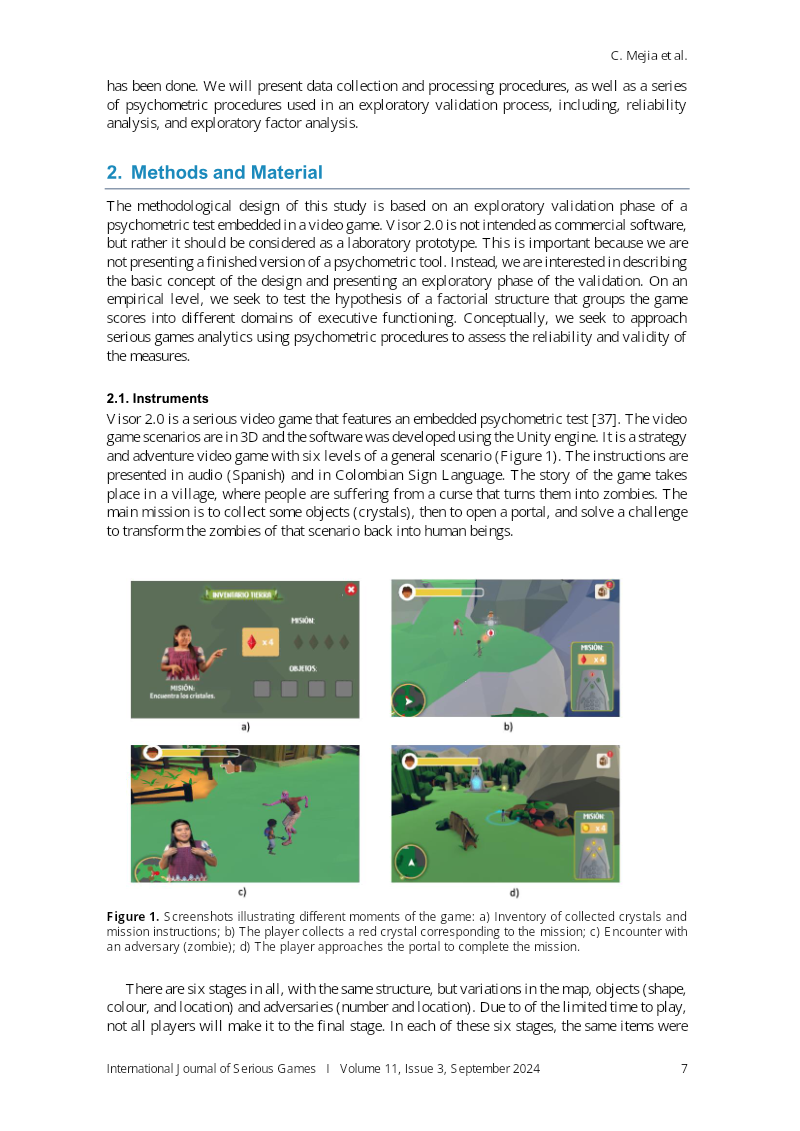
Serious games serve as a sophisticated medium for cognitive assessment, offering an ecologically valid alternative to traditional neuropsychological testing.
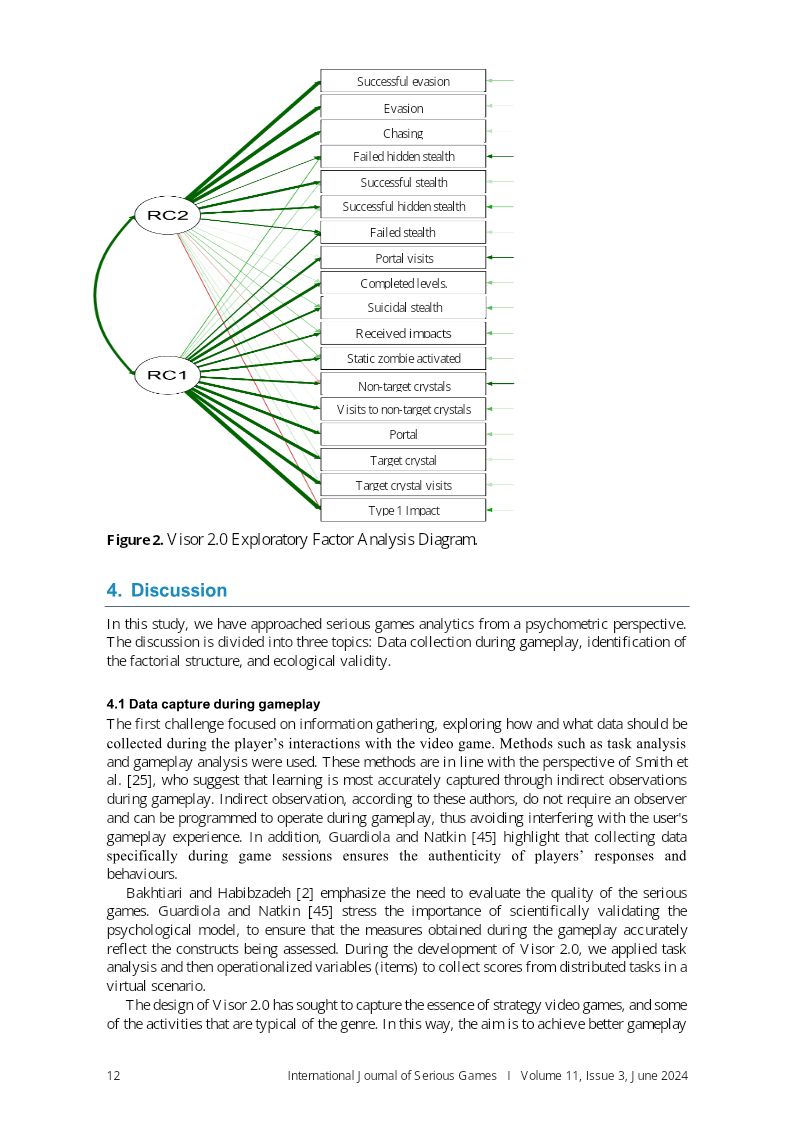
- Serious games can function as valid, scalable alternatives to traditional neuropsychological testing by embedding psychometric frameworks directly into 3D gameplay environments.
- Validation of the Visor 2.0 platform with 171 participants aged 5 to 12 confirmed that task-based analytics reliably measure complex cognitive traits.
- Exploratory factor analysis identified two core cognitive dimensions measurable through gameplay: inhibition and planning, and monitoring and flexibility.

From Play to Prediction: Assessing Depression and Anxiety in Players Behavior with Machine Learning Models
Machine learning models offer a highly effective, non-intrusive method for identifying depression and anxiety by analyzing behavioral patterns within serious games.
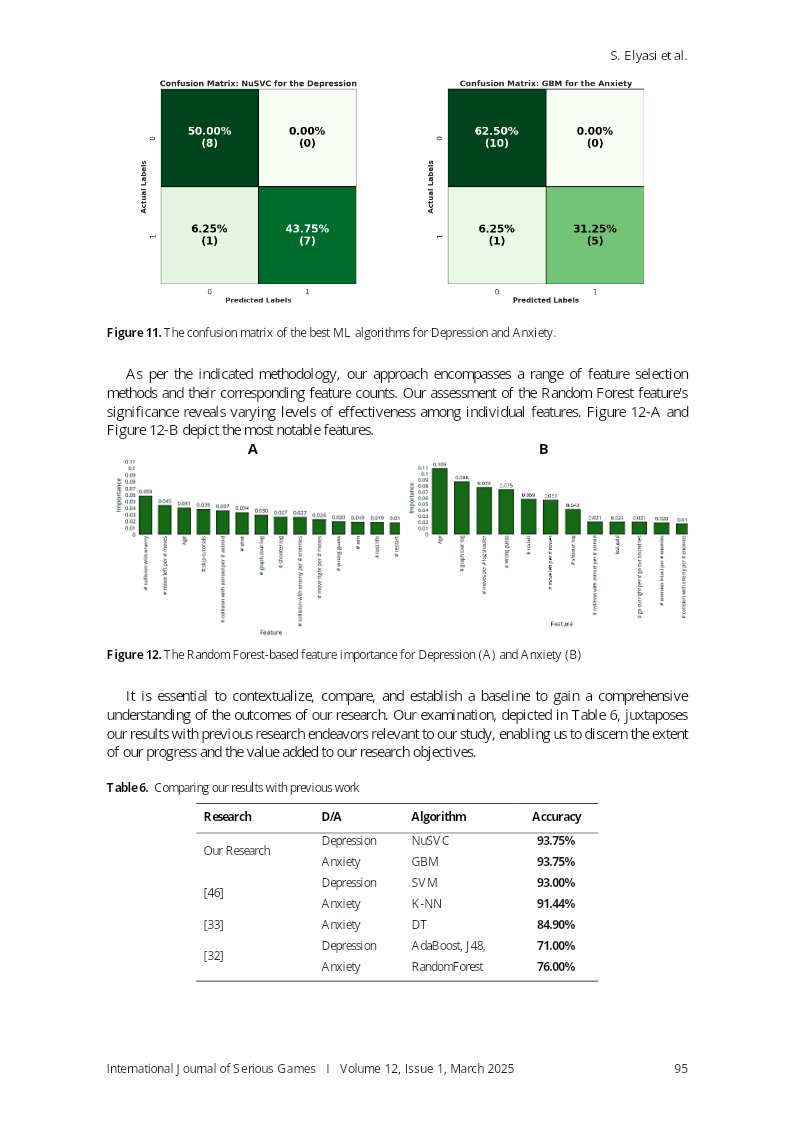
- Machine learning models, specifically NuSVC and Gradient Boosting Machines, achieved 93.75% accuracy in identifying depression and anxiety through gameplay analysis.
- Gameplay-based assessment provides a non-intrusive, objective alternative to traditional self-reporting, which is often hindered by social stigma, respondent fatigue, and subjective bias.
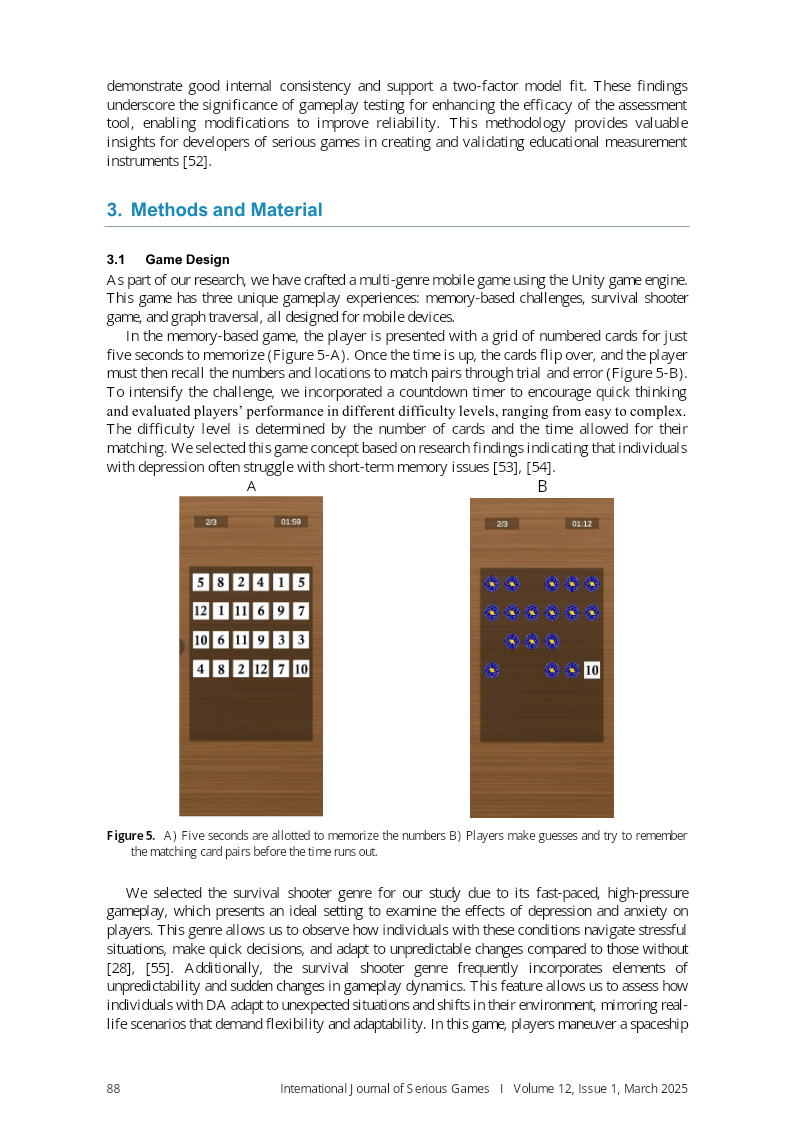
- Researchers identified approximately 127 distinct behavioral features from a custom mobile game suite involving memory, survival, and traversal challenges.
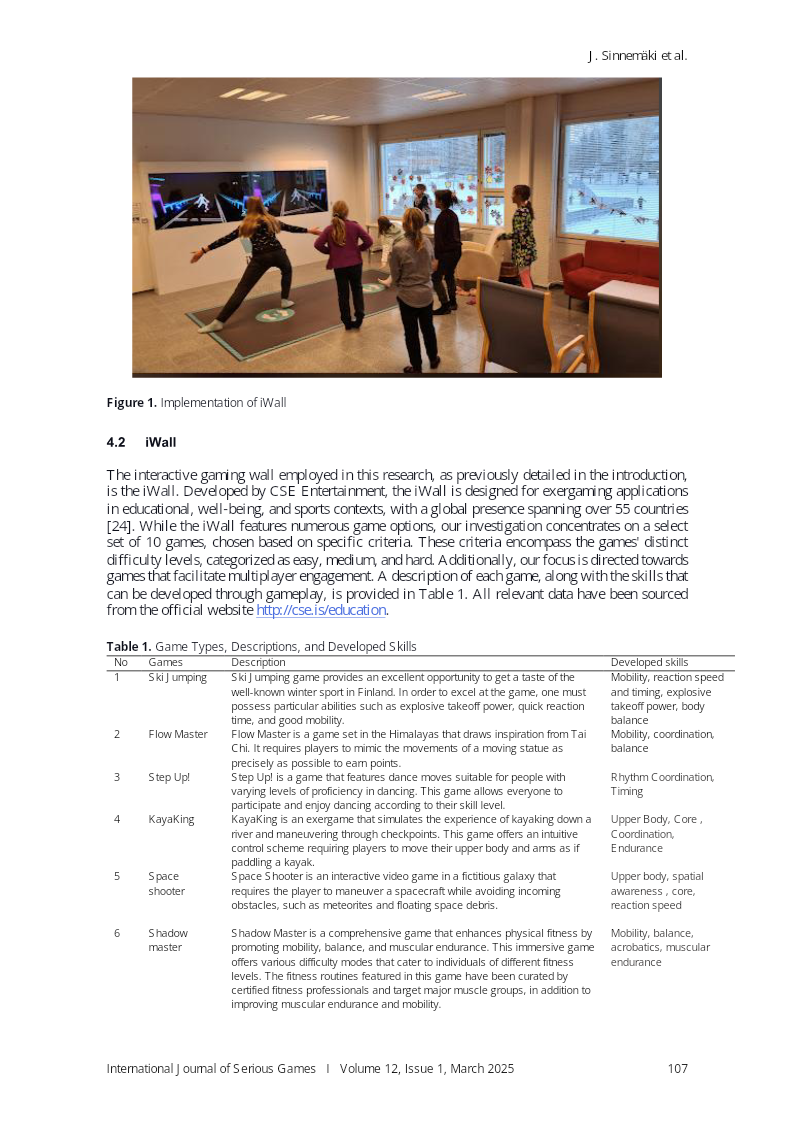
Exploring Educational Exergames in Well-being Education: A Study in a Finnish Primary School
The integration of interactive gaming systems into primary education serves as a critical mechanism for enhancing student well-being through physical activity.
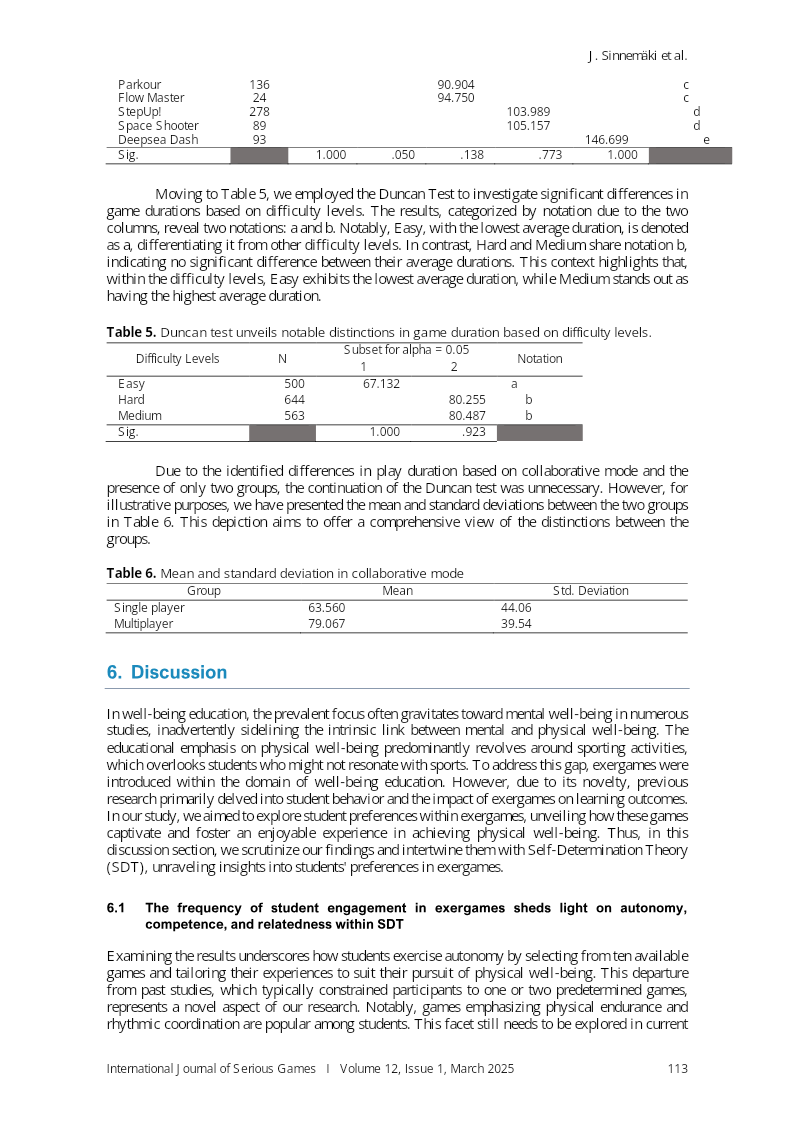
- Multiplayer modes are the primary driver of sustained engagement in exergames, consistently outperforming solitary play in student preference.
- Analysis of 1,707 sessions using the iWall system confirms that collaborative play combined with medium-difficulty settings creates the most effective environment for student participation.
- Game mechanics that emphasize physical endurance and rhythmic coordination, such as parkour-style movement, result in significantly longer play durations.
Gamification in Physics Education: Play Your Way to Better Learning
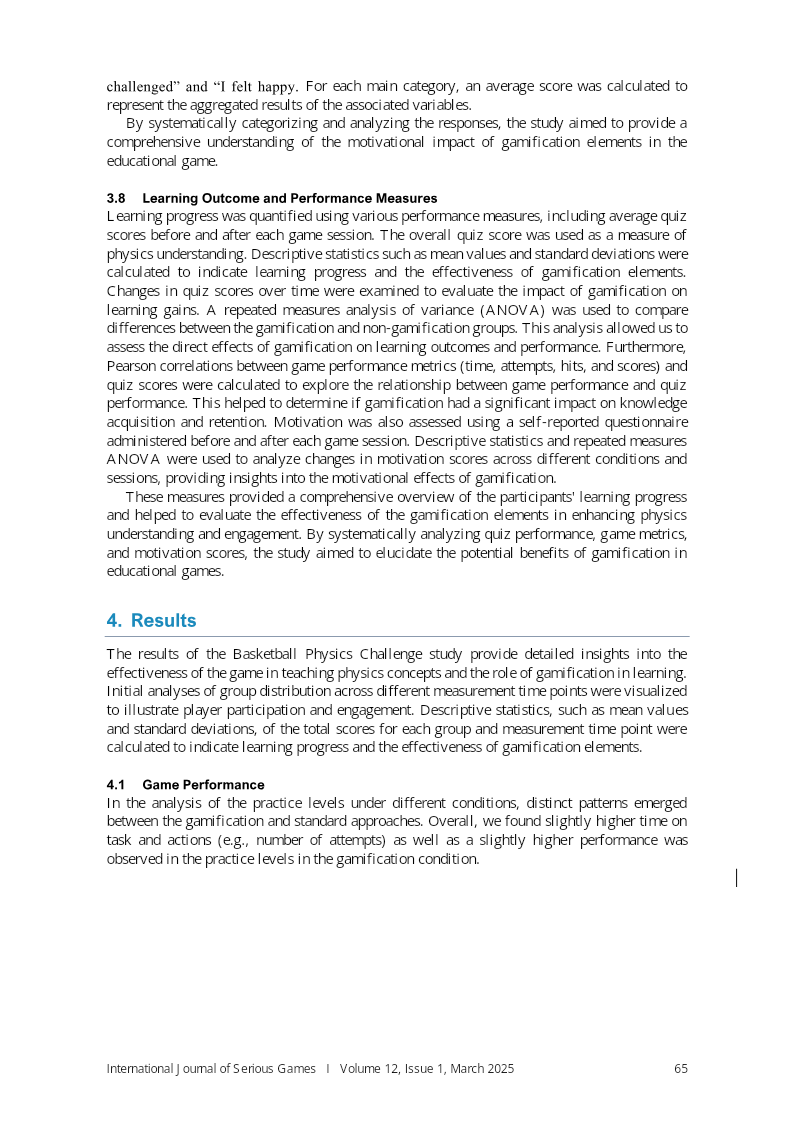
Gamification serves as a potent mechanism for enhancing student engagement and motivation within physics education, particularly when integrated into interactive digital environments like physics-based simulations.
- Gamification significantly increases student time-on-task and engagement levels in physics education compared to traditional instructional methods.
- The correlation between gamified learning and improved standardized test scores is inconsistent, suggesting that game-based motivation does not automatically equate to higher academic performance.
- Knowledge acquisition through gamification is moderate and likely requires repeated exposure to be effective, serving as a support tool rather than a replacement for traditional pedagogy.
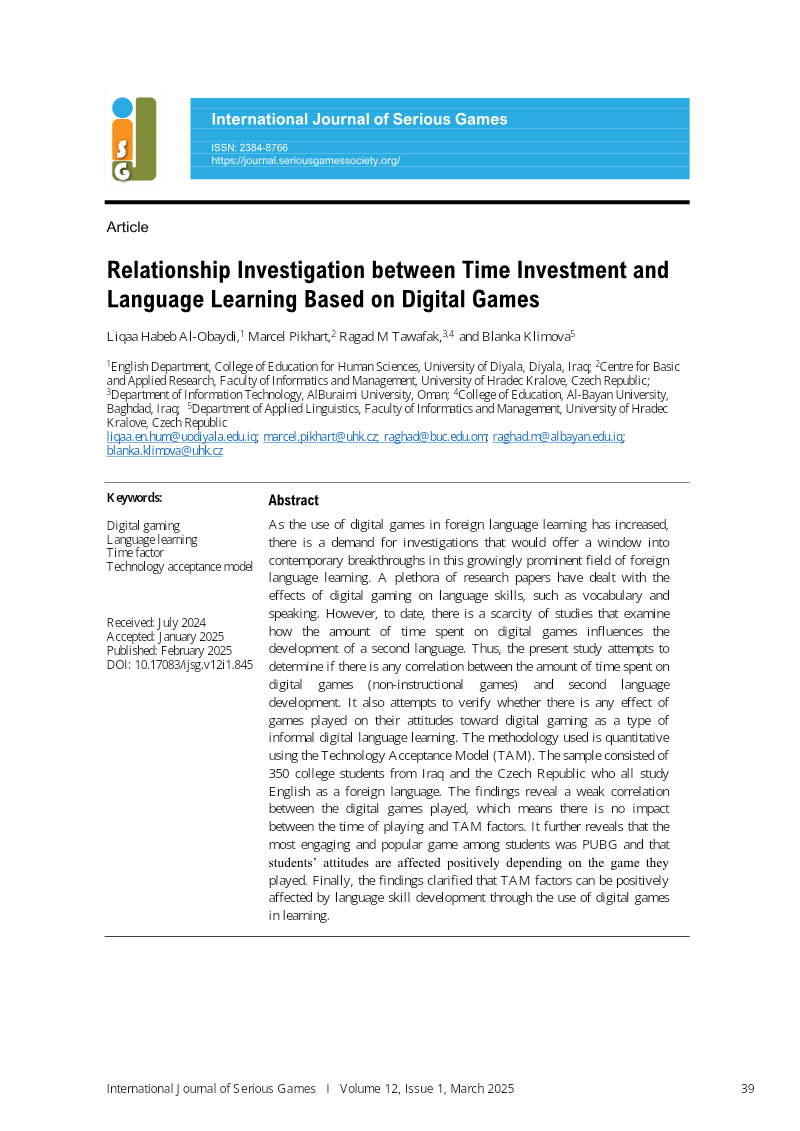
Relationship Investigation between Time Investment and Language Learning Based on Digital Games
Digital games serve as effective, informal tools for second language acquisition, though their educational value is determined by qualitative factors rather than the sheer duration of engagement.
- Total time spent gaming does not correlate significantly with second language acquisition, indicating that duration is a poor metric for measuring educational progress.
- The effectiveness of game-based learning is driven by qualitative factors, specifically the learner's perceived usefulness of the platform and the game's interactive, narrative-rich mechanics.
- Research involving 350 university students in Iraq and the Czech Republic confirms that meaningful interaction and specific game design are more critical to language development than frequency of play.

Influence of Gamification on Skill-Based Training of Surgical Residents
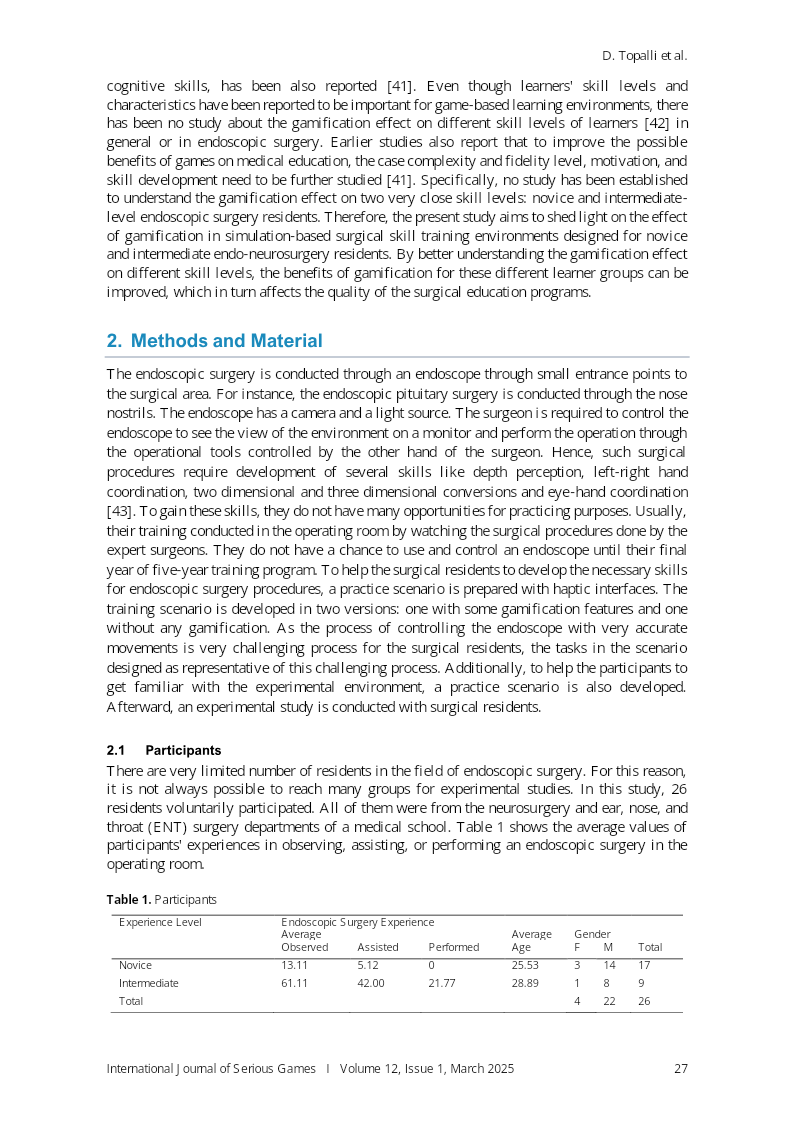
Gamification serves as a potent pedagogical tool in surgical education, significantly enhancing the technical proficiency and cognitive engagement of residents during endoscopic simulation training.
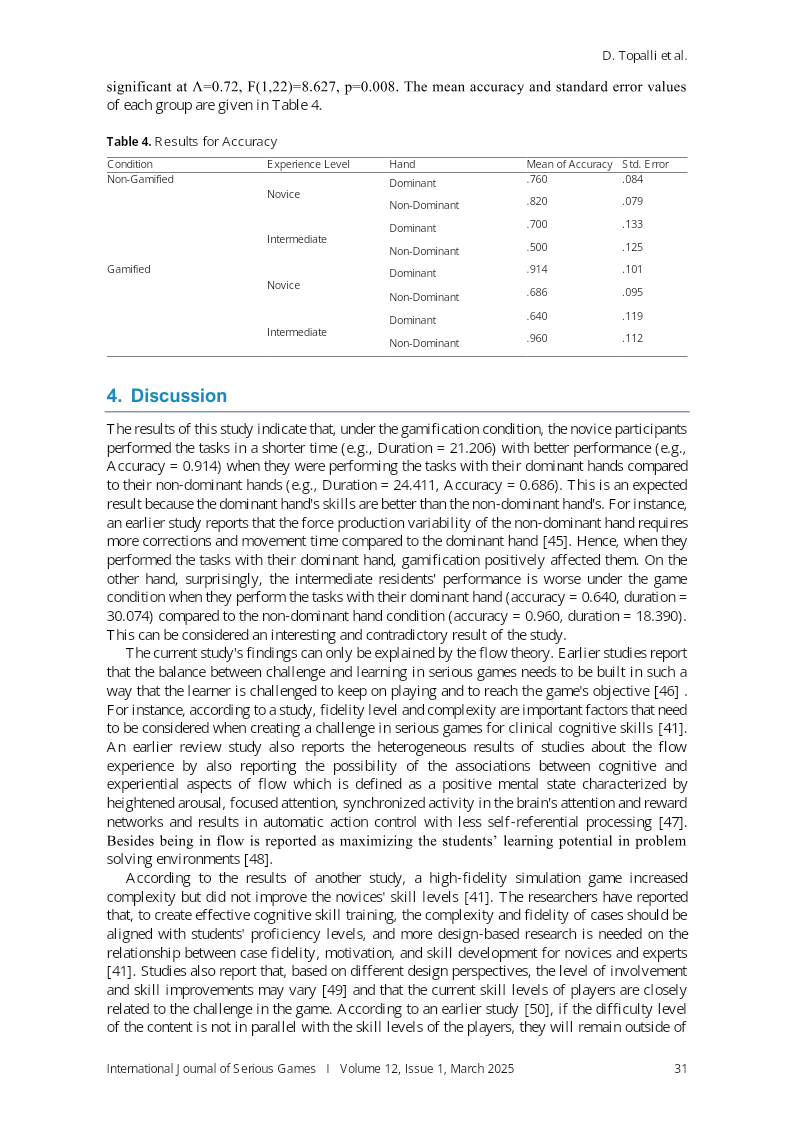
- Gamification significantly improves technical proficiency and cognitive engagement in surgical residents by integrating game-based mechanics into haptic-based endoscopic simulations.
- The effectiveness of gamified training is highly dependent on the learner's existing skill level, requiring adaptive curriculum design to prevent cognitive overload or disengagement.
- Performance gains are most pronounced when task difficulty is meticulously calibrated to the trainee's proficiency, as evidenced by improvements in both dominant and non-dominant hand conditions among novices.
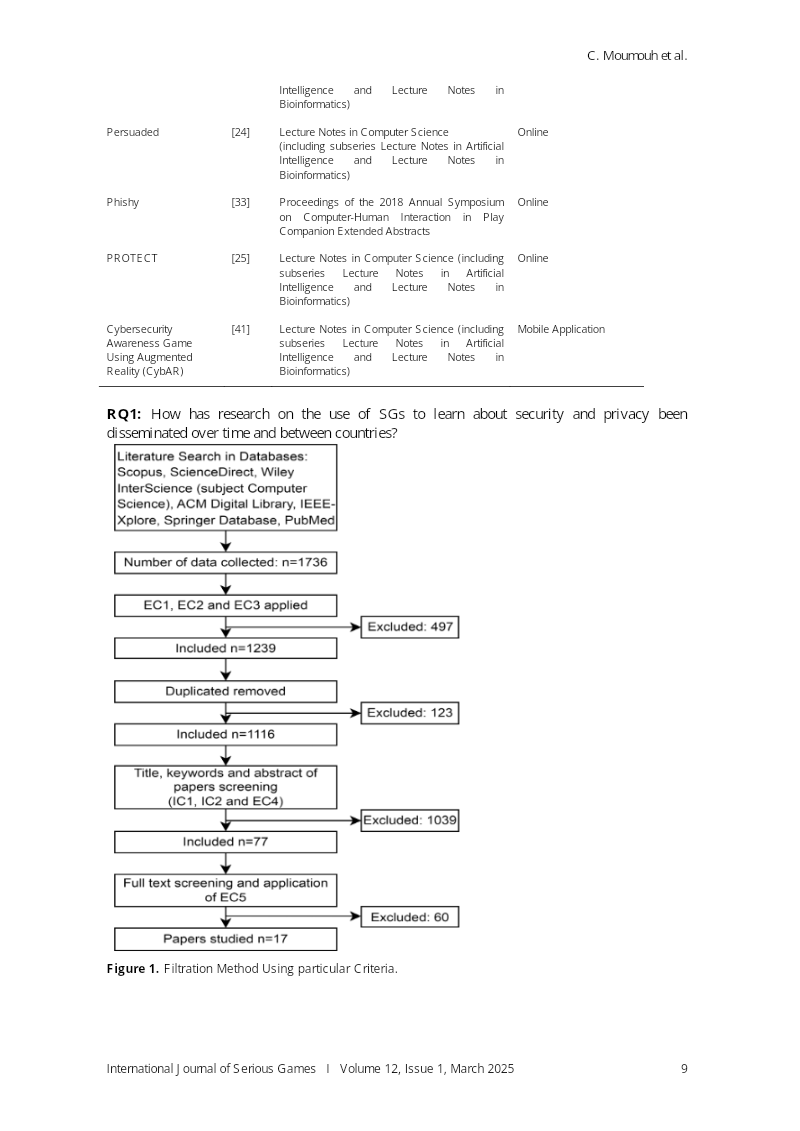
Serious Games to Improve Privacy and Security Knowledge for Professionals: A Systematic Literature Review
Serious games serve as a potent pedagogical tool for enhancing cybersecurity and privacy awareness among professionals, offering risk-free environments where users can learn from simulated errors.
- Serious games effectively improve cybersecurity and privacy awareness by providing risk-free, simulated environments that utilize role-playing and competitive mechanics to enhance critical thinking.
- The industry currently lacks standardized design frameworks, which prevents the consistent measurement of long-term efficacy across different professional environments.
- There is a significant gap in sector-specific applications, as current offerings focus on general awareness rather than the nuanced, high-stakes requirements of industries like healthcare.


Gamevironments Revisited: 10th Anniversary Issue
Ford's work, building on Radde-Antweiler's revised gamevironments concept, examines how digital games and datafication reshape community.
- Networks revealed by gamevironments, linking human and nonhuman actants such as data, hardware, and distant cobalt miners, are not necessarily experienced as connections or communities, so affordances of digital infrastructure determine which relationships people actually feel.
- Drawing on Benedict Anderson's 'imagined community,' the analysis argues that some communities must remain unimagined to sustain exploitative or unsustainable systems.
- Datafication produces alienation by abstracting digital subjects from real people, and networked technologies can isolate users even as they connect them, with internet connectivity coinciding with rising loneliness, though the effect depends heavily on how platforms are used.