Key insights
4 slides
Key finding
Procedural rhetoric and narrative content do not significantly influence behavioral intentions.
When treated as independent variables, these elements fail to impact perceived susceptibility to health risks or behavioral intentions.
1 / 4
- 01Procedural rhetoric and narrative content, when used as independent variables, fail to significantly influence behavioral intentions or perceived susceptibility regarding health risks.See it on page 18
- 02High player agency is not inherently optimal for persuasive communication and may actually be less effective than restricted agency when conveying future threats.See it on page 19
- 03The study utilized a 2x2 experimental design with 149 participants to evaluate the efficacy of game-based interventions for alcohol addiction.See it on page 6
- 04Game mechanics often fail to communicate health risks effectively due to their abstract nature, while a disconnect between narrative and mechanics can undermine player immersion.See it on page 17
- 05Effective health interventions require a synergistic integration of narrative and mechanics rather than treating them as separate components.See it on page 3
- 06Current models of procedural rhetoric are insufficient to drive behavioral change in isolation, necessitating a more cohesive design approach to bridge the gap between engagement and action.See it on page 18
Ask AI about this report
Summary
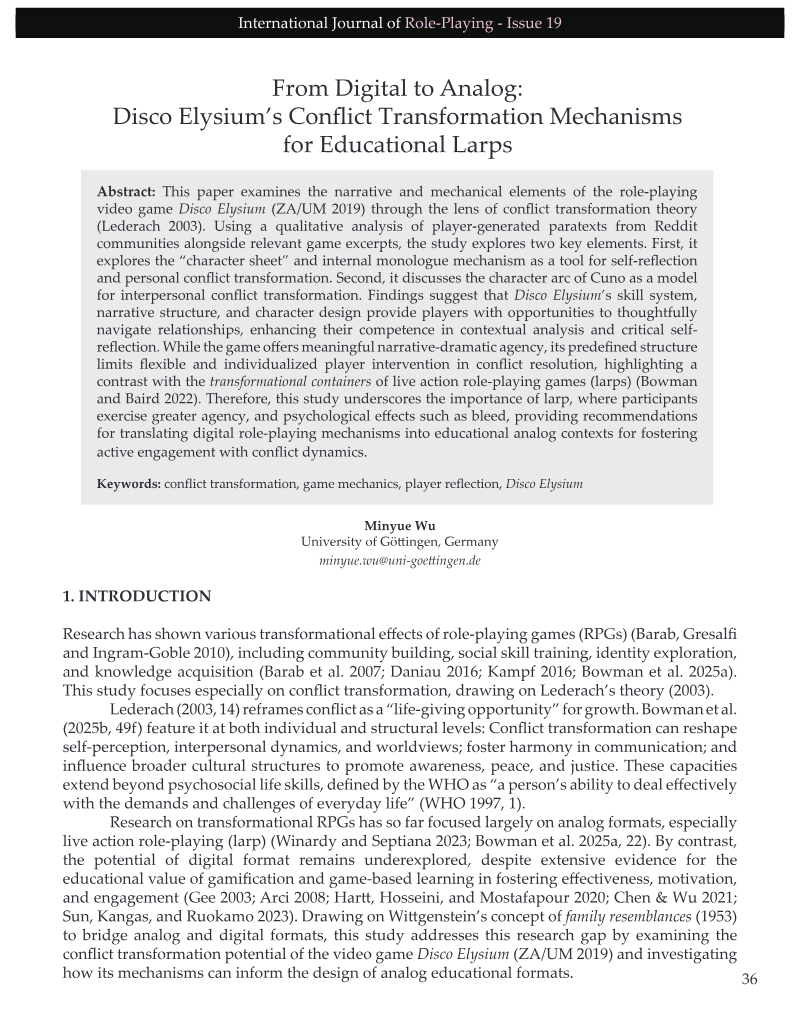
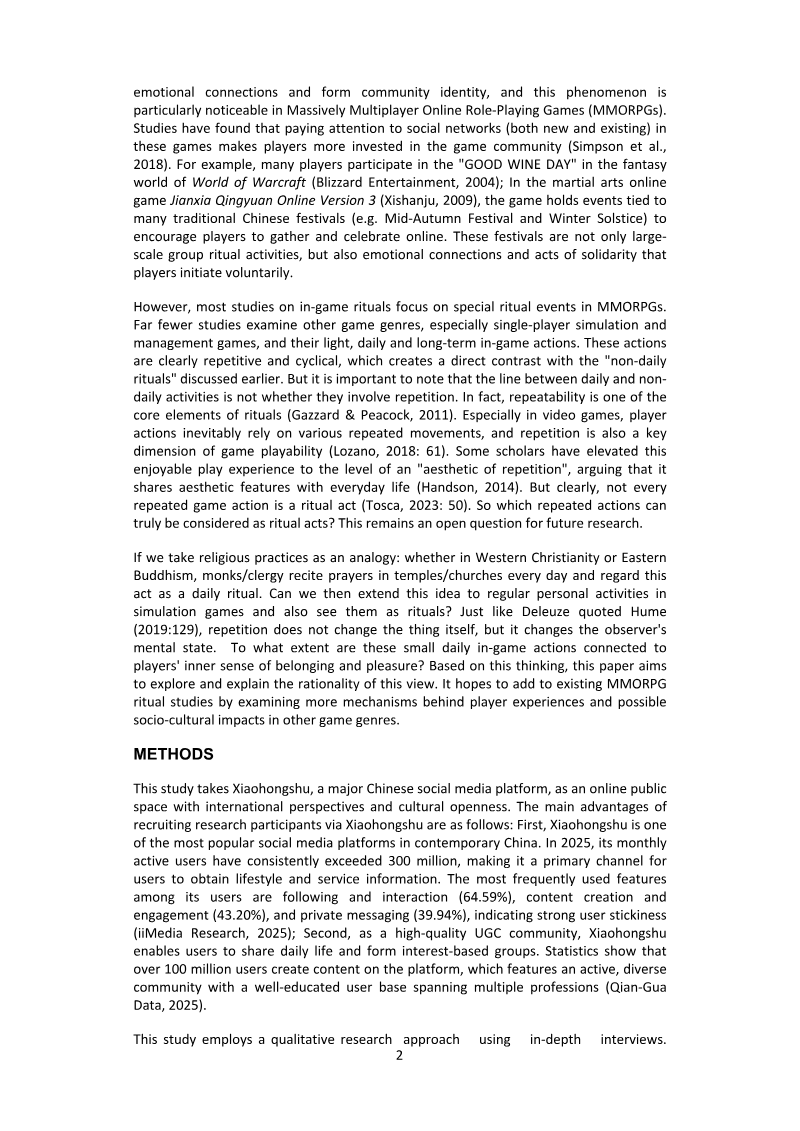
Game-based health interventions for alcohol addiction among young adults rely on the interplay between procedural rhetoric—mechanics that simulate real-world cause-and-effect—and narrative framing. By utilizing a 2x2 experimental design with 149 participants, researchers examined whether these elements could effectively increase perceived susceptibility to health risks and alter behavioral intentions. The study sought to determine if the simulation of social, health, and educational stressors through game mechanics could serve as a potent tool for persuasion in public health contexts.
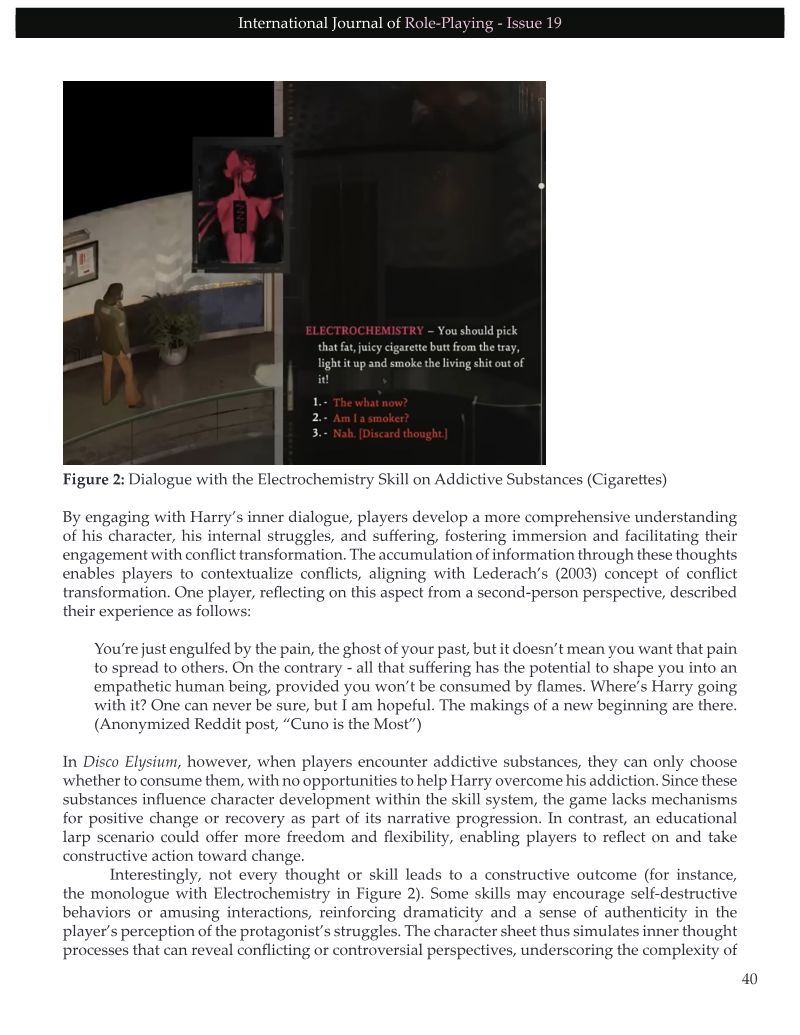
The findings indicate that neither procedural rhetoric nor narrative content, when treated as independent variables, significantly influences behavioral intentions or perceived susceptibility. While narrative elements successfully foster player identification and procedural mechanics facilitate a sense of agency, these factors do not directly translate into the intended persuasive outcomes. The research suggests that the abstract nature of game mechanics often fails to communicate health risks effectively on its own, and the disconnect between narrative storytelling and mechanical decision-making can undermine overall immersion.
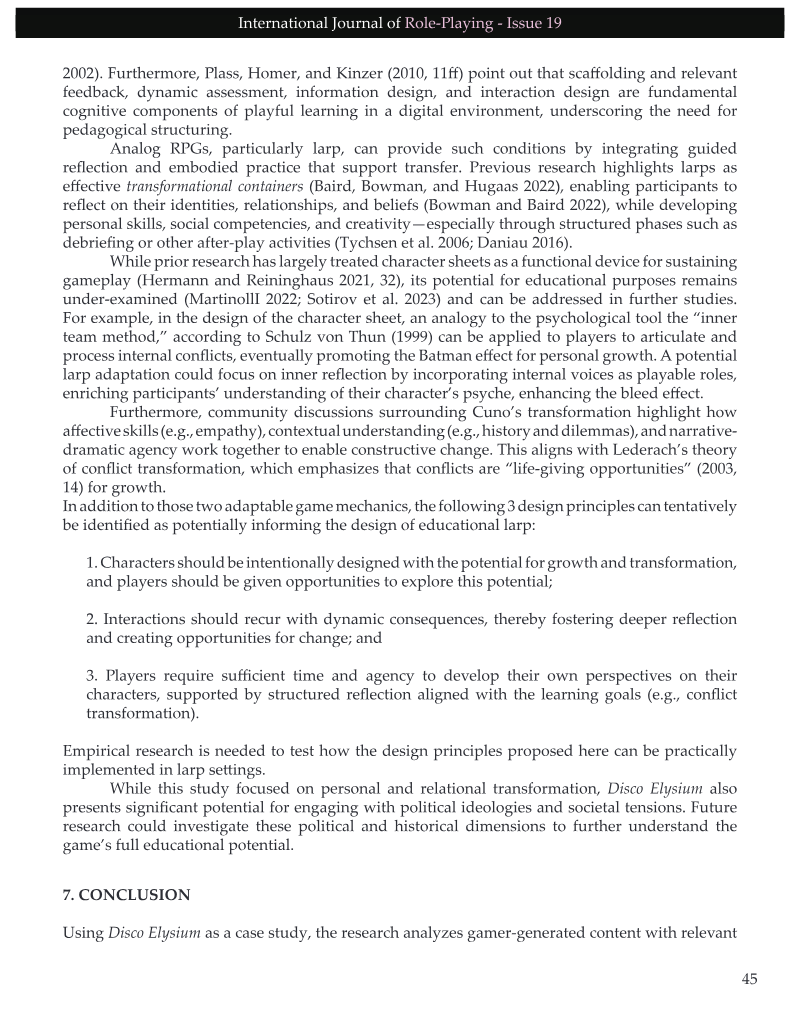
Ultimately, the study challenges the prevailing assumption that high player agency is inherently optimal for persuasive communication. Instead, the results suggest that intentionally restricting agency may prove more effective when conveying future threats. Future interventions should move away from treating mechanics and narrative as separate components, focusing instead on the synergy between the two. A more integrated approach is necessary to bridge the gap between game-based engagement and the actual modification of health-related behaviors, as current models of procedural rhetoric appear insufficient to drive behavioral change in isolation.