Serious Games reports and market data
Documents
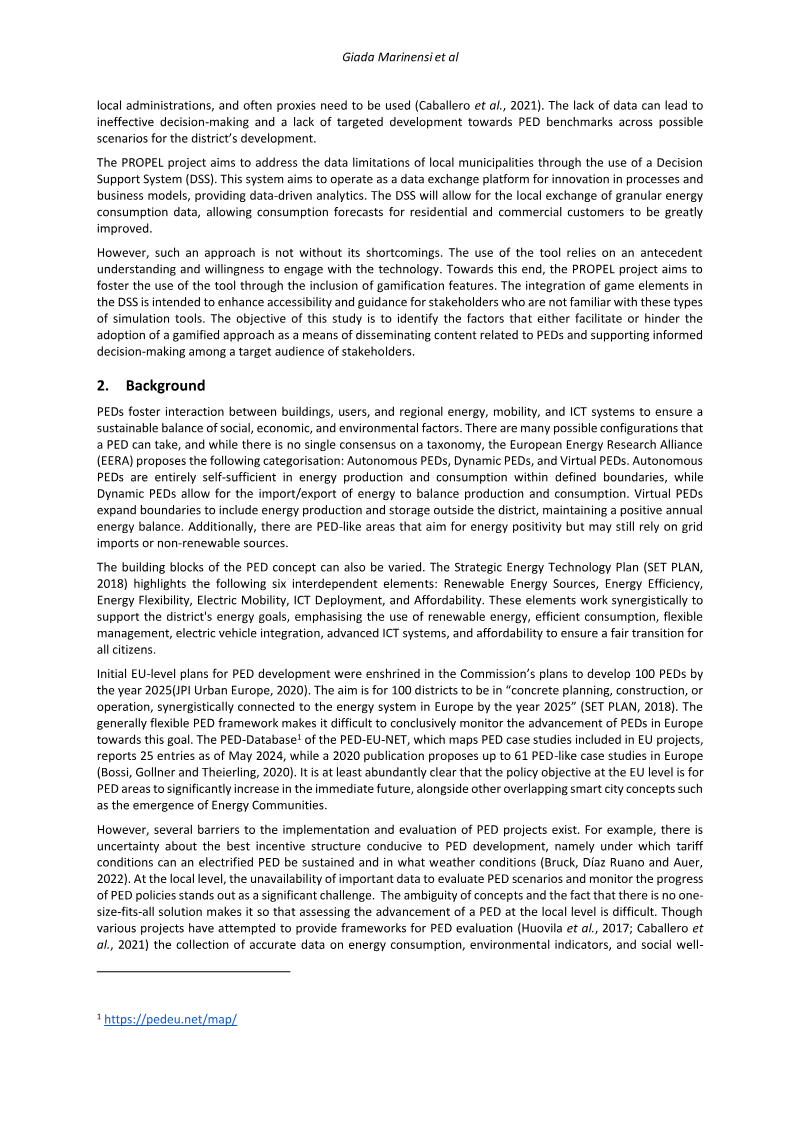
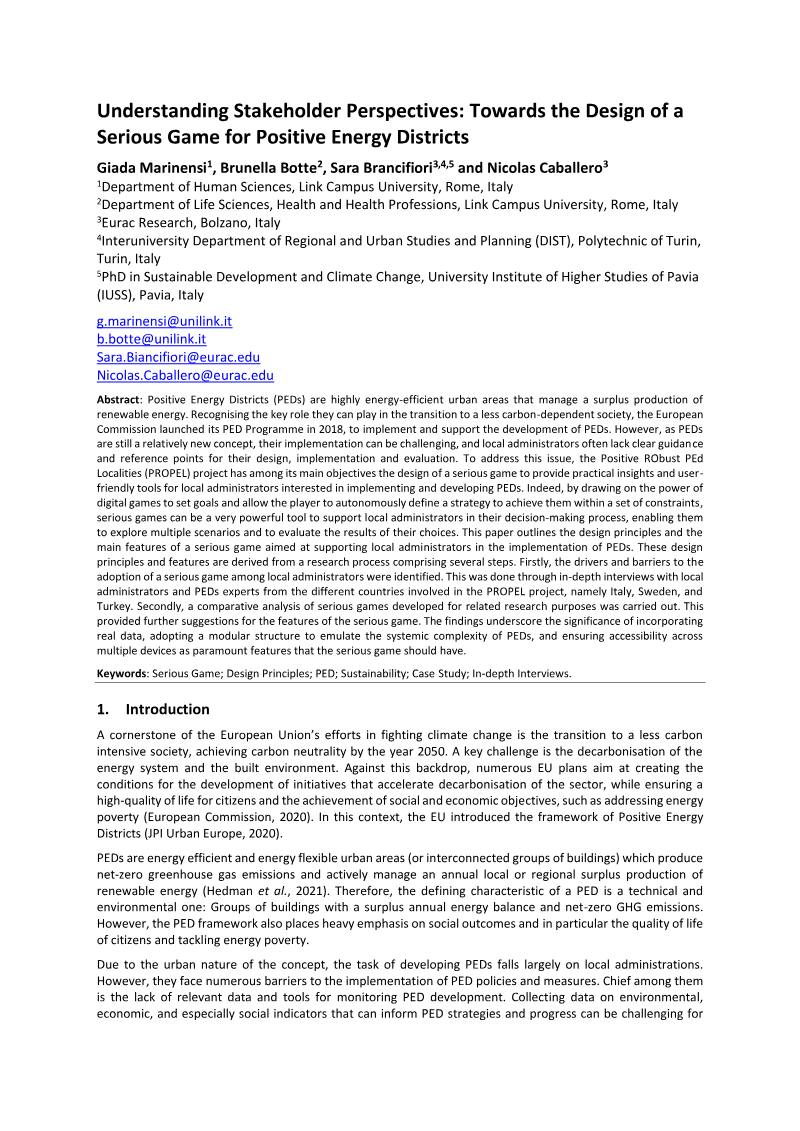
Understanding Stakeholder Perspectives: Towards the Design of a Serious Game for Positive Energy Districts
This study examines how serious games might support the adoption of Positive Energy Districts (PEDs), urban areas that produce more energy than they consume, by addressing the shortage of data, tools, and guidance that local administrators face when implementing them.
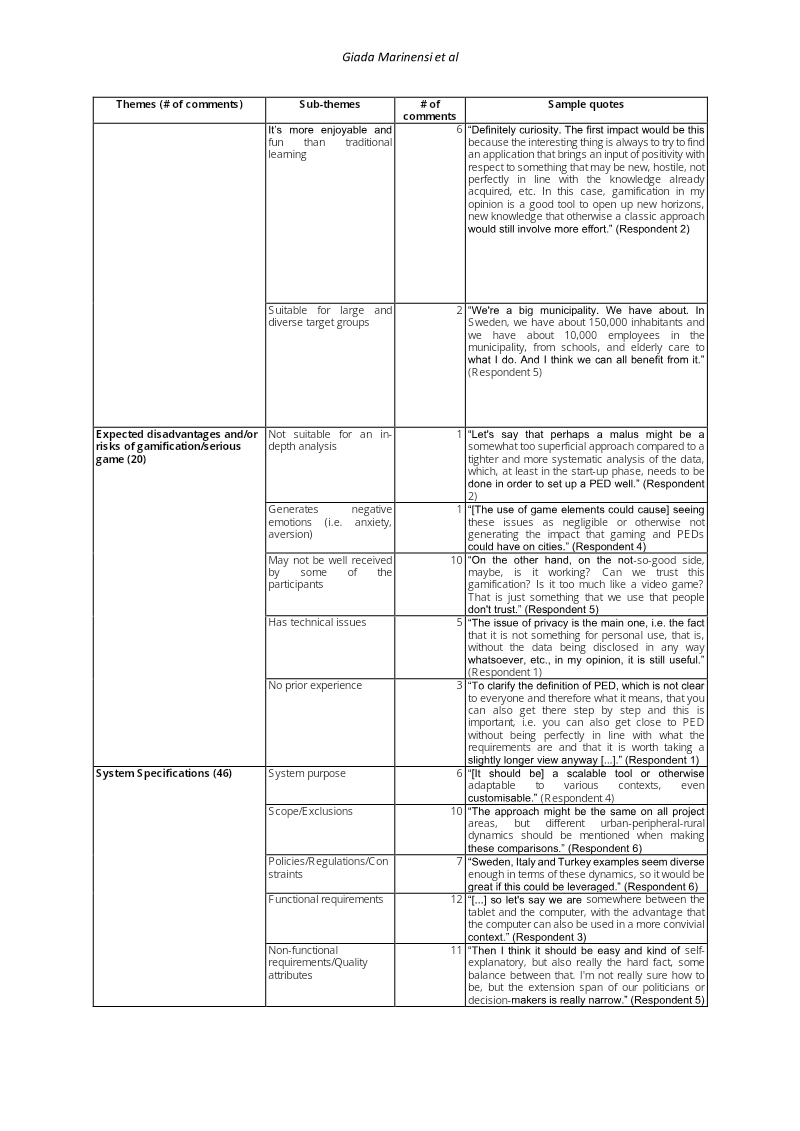
- Serious games are seen by stakeholders as a way to improve attitudes toward learning, encourage positive behaviours, and make education on Positive Energy Districts more enjoyable than conventional approaches.
- The study rests on six in-depth interviews with local administrators and experts in Italy, Sweden, and Turkey, which produced 38 driver statements and 20 barrier statements.
- The main stakeholder reservations are skepticism about whether game elements belong in serious contexts and privacy concerns tied to the data involved.
Games in Mathematics Education: Trends and Methodological Approaches in the CERME Review
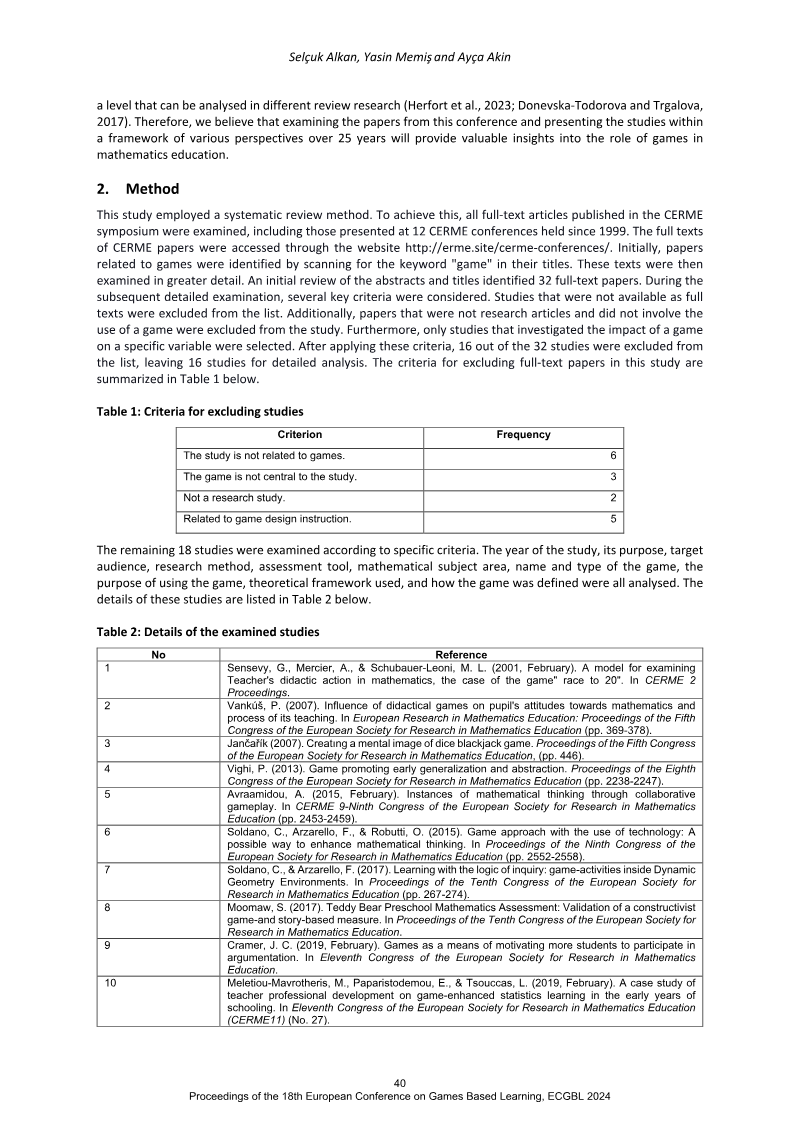
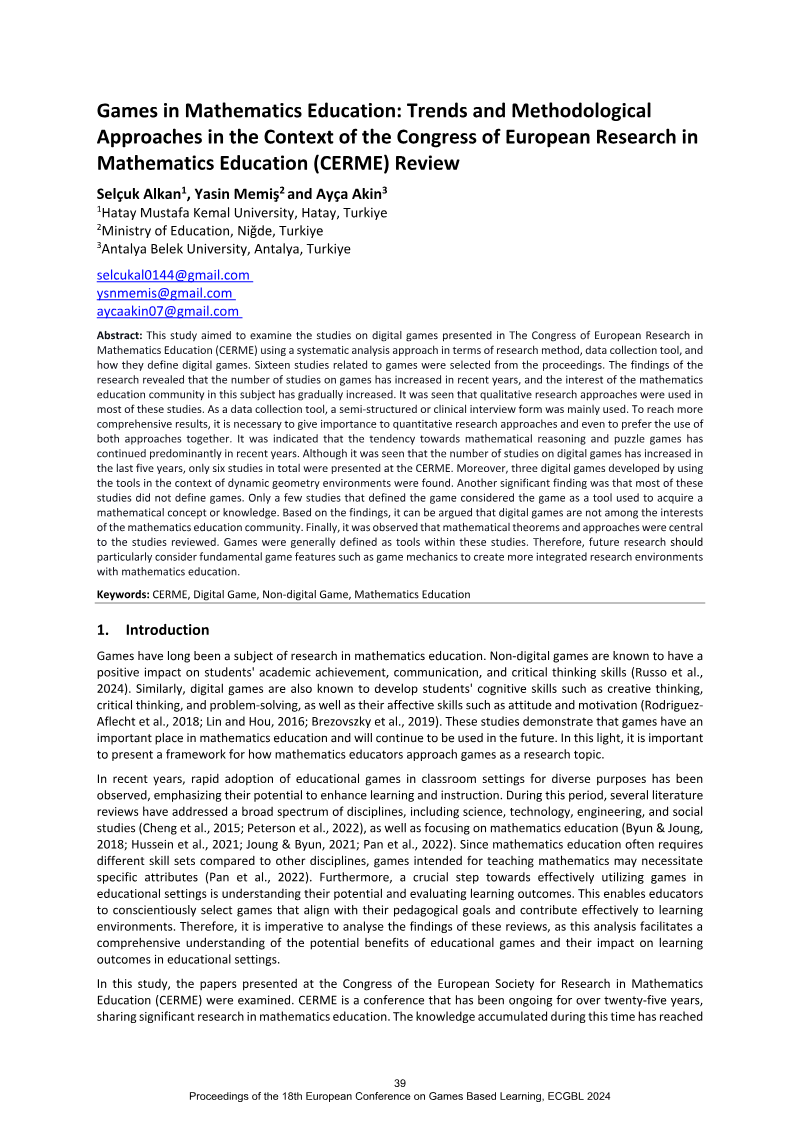
A systematic review of games in mathematics education examines sixteen studies drawn from twelve CERME conferences held since 1999, selected from an initial pool of thirty-two papers that contained "game" in their titles and were filtered against criteria covering full-text availability, research design, and centrality of the…
- Across 12 CERME conferences since 1999, a systematic review narrowed 32 candidate papers to 16 studies on games in mathematics education, and publication counts peaked in 2020, which the authors link to heightened interest in digital tools during COVID-19.
- The field has shifted from non-digital didactic games in the early 2000s toward digital puzzle games and dynamic geometry environments in recent years.
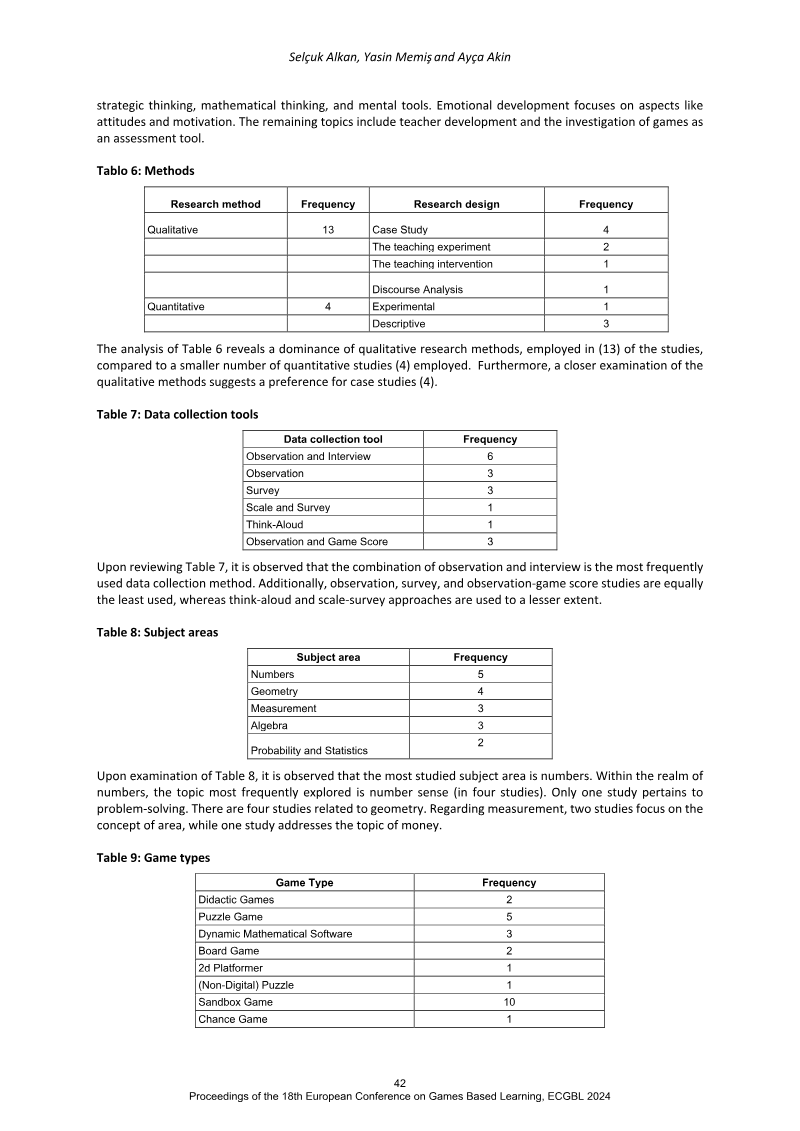
- Qualitative designs dominate, with 13 of 16 studies using them, most often case studies, and observation combined with interviews is the most common data collection pairing.
The Expert, The Novice, and The Skeptic: Game Literacy and Pedagogical Practice
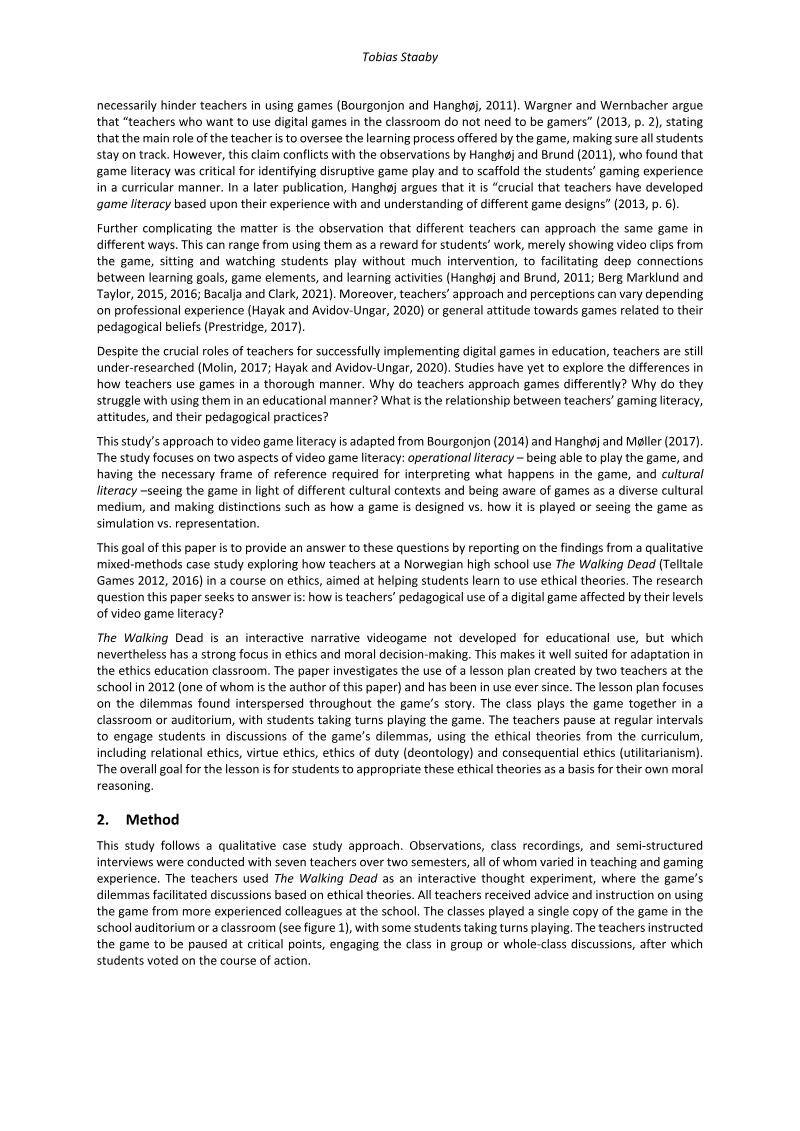
This qualitative case study examines how teachers' video game literacy shapes their pedagogical use of The Walking Dead in an ethics course at a Norwegian high school.
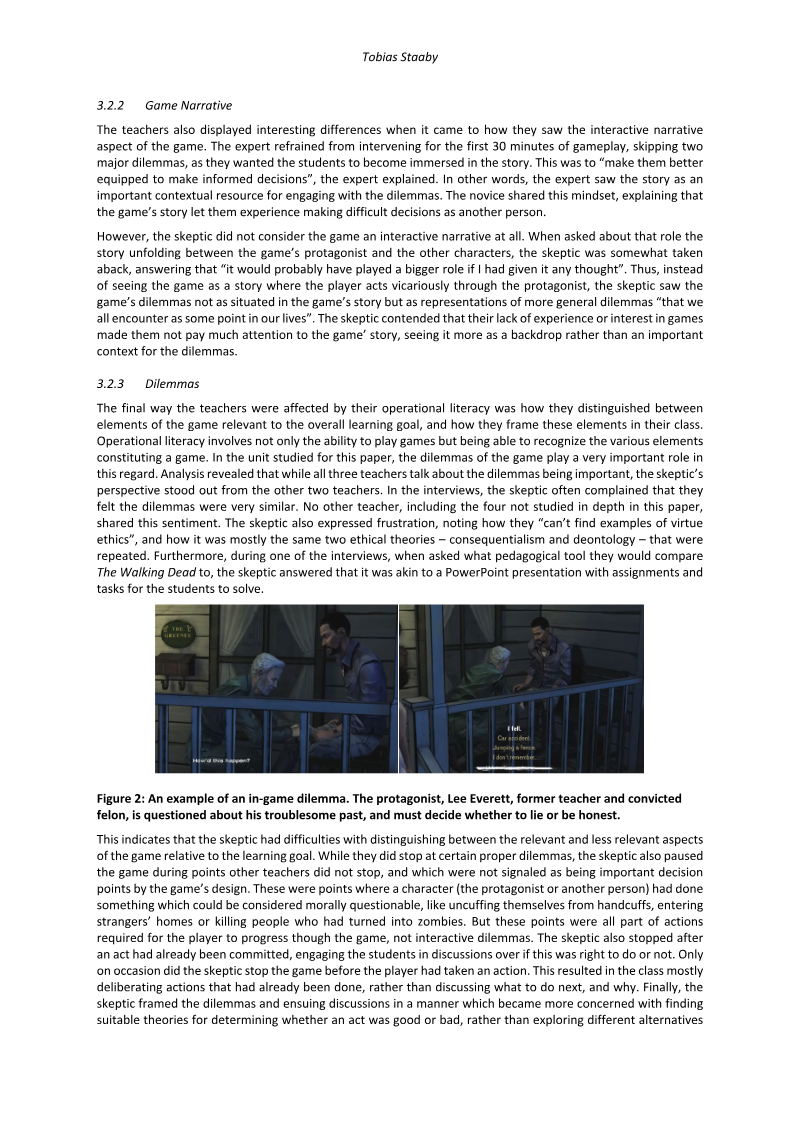
- Operational literacy, the ability to play and interpret a game's mechanics and structure, strongly shaped how teachers navigated gameplay and identified its moral dilemmas in a Norwegian high school ethics course using The Walking Dead.
- The teacher with low operational literacy (the skeptic) treated the narrative as mere backdrop and struggled to separate pedagogically relevant decision points from routine, incidental actions.
- The skeptic tended to pause only after actions had already occurred and framed discussions around identifying ethical theories rather than exploring alternative choices.
Radical Digital Fishing: From Minigames to Bad Environmentalism
This paper examines digital fishing in video games through a posthumanist and ecocritical lens, arguing that fishing mechanics can expose and complicate the binaries that separate human society from the natural world.
- The paper argues that fishing mechanics in AAA games such as Red Dead Redemption 2 serve as a reflective counterpoint to neoliberal game temporalities, but tend to reproduce an idealized, escapist vision of nature that mirrors real-world angling attitudes.
- Drawing on social science research by Adrian Franklin and Jacob Bull, the paper characterizes angling as ambivalent: it can reinforce the modernist separation of humans and nature while also foregrounding embodiment and the materiality of water and flow.
- The paper proposes "radical digital fishing" as a category, reading Ridiculous Fishing through absurdist humor and irony and Dredge through a grotesque conflation of human subjectivity with the nonhuman waterscape, drawing on Jeff VanderMeer's concept of the new weird.
Big Brother Meets Joystick: Ethical Perspectives on Surveillance Imagery in Digital Games
This paper examines how surveillance is depicted in digital games and evaluates those depictions from an ethical and epistemological standpoint.
- Games shape players' imaginaries of surveillance, and their depictions, both visual and mechanical, can either normalize questionable monitoring practices or make distributed surveillance visible and open to critical reflection.
- The authors propose a two-dimensional framework for analyzing surveillance in games: visual aesthetics (e.g., eye-in-the-sky cameras, scan lines and glitches, blue/green overlays and binary code) and ludic, rule-based embedding.
- Many games, including some ostensibly critical of surveillance, reward players for hacking cameras or data mining in consequence-free minigames, which can create a false sense of empowerment.
Gaming the Future: How Games Help Us Play What's to Come
This paper argues that science fiction videogames can serve as critical tools for examining technology's social and ethical implications, rather than merely providing aesthetic backdrops.
- The paper argues science fiction videogames can serve as critical tools for examining technology's social and ethical implications, not merely as aesthetic backdrops, drawing on Cameron Kunzelman's concept of "mechanics of speculation."
- Speculative play works best when player action is necessary and outcomes remain uncertain, turning games into virtual playgrounds where players imagine alternative futures and confront the consequences of technological change.
- The study contrasts escapist SF titles such as the Mass Effect series, Starfield, and Titanfall, which treat advanced technology as set dressing, with newer games that foreground contested technologies like artificial intelligence, biotechnology, and brain-computer interfaces.
Poverty (Is All Fun) and Games
This paper examines how poverty and minimalism are represented in digital games, arguing that games simulating financial hardship occupy an ambiguous space between social education and playful entertainment.
- The paper argues that games simulating financial hardship, such as Spent, Ayiti: The Cost of Life, Broke: the game, and Nanopesos, can build empathy and awareness of privilege, but risk trivializing poverty when played purely for pleasure.
- The author links the trivializing risk to 'slumming' and to the exploitative genre of 'poornography,' cautioning against treating poverty as entertainment.
- Most of the poverty-themed games analysed are 'broken games' that make victory difficult or impossible, a design choice the paper suggests serves their didactic purpose.
Framework-based Roguelike Game for AI/ML Education
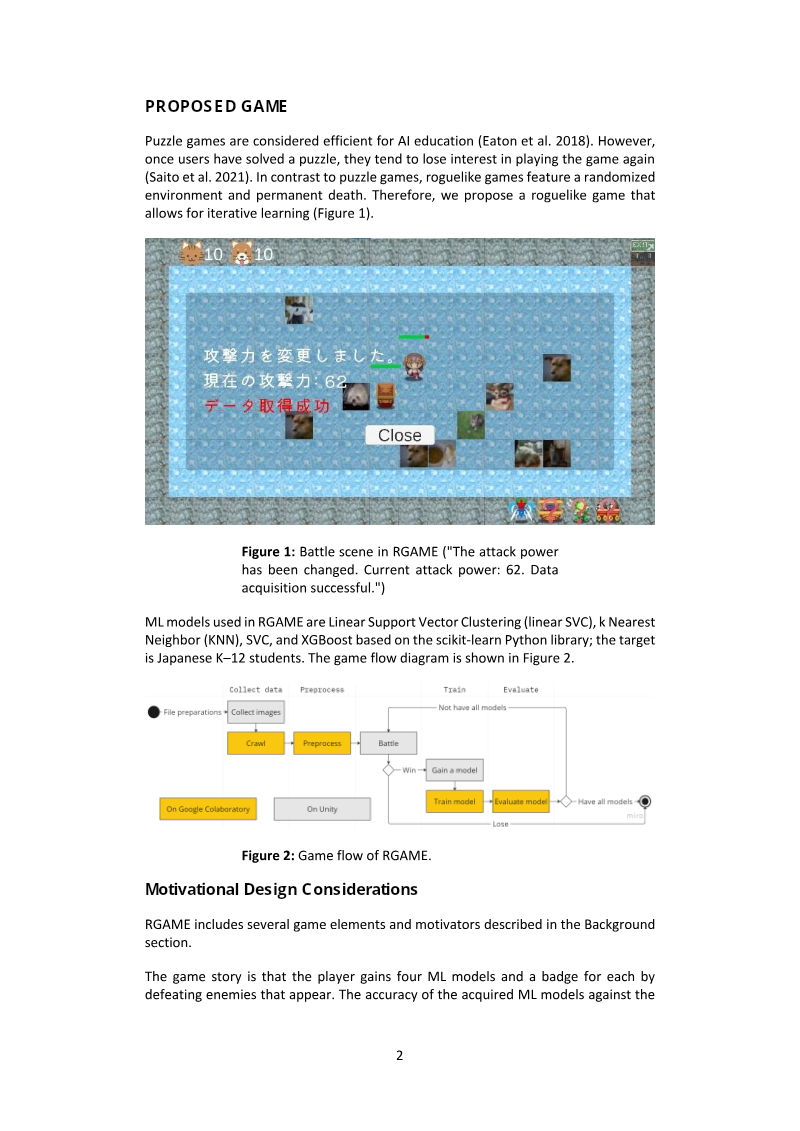
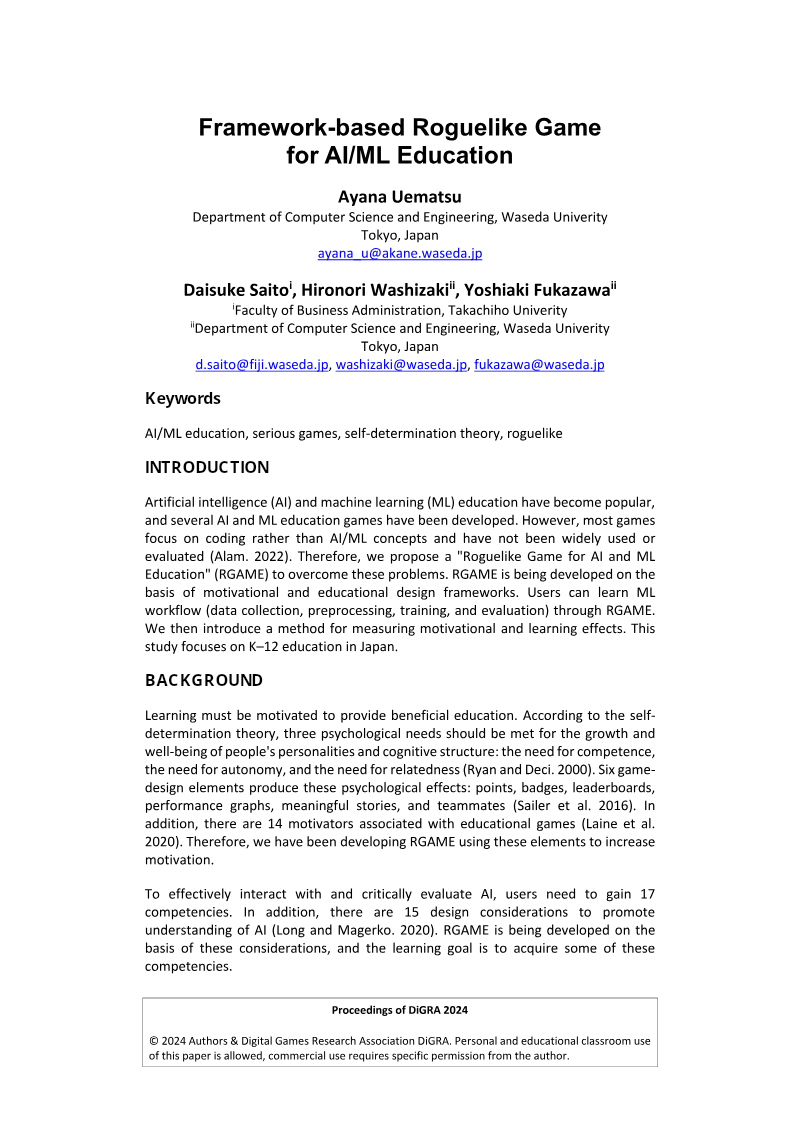
The paper introduces RGAME, a roguelike serious game designed to teach the machine learning workflow (data collection, preprocessing, training, and evaluation) to Japanese K-12 students, specifically middle and high school learners aged 13 to 18.
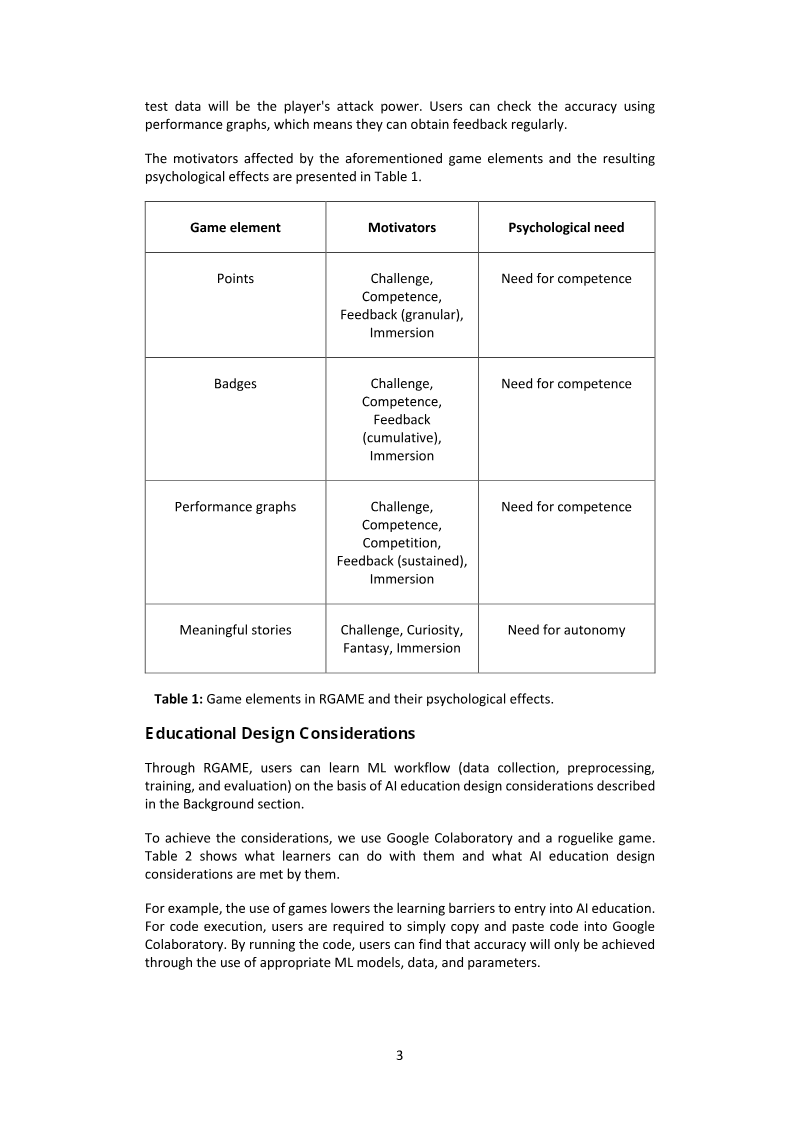
- RGAME is a roguelike serious game that teaches the machine learning workflow (data collection, preprocessing, training, evaluation) to Japanese K-12 students aged 13 to 18, pairing game play with Google Colaboratory where players run scikit-learn models such as linear SVC, KNN, SVC, and XGBoost.
- The authors argue that most existing AI/ML education games emphasize coding over conceptual understanding and have seen limited adoption or evaluation, which motivates RGAME's focus on conceptual learning.
- Game design is grounded in self-determination theory, mapping points, badges, performance graphs, and stories to the psychological needs of competence, autonomy, and relatedness.

The Subject of Games: Cartesian Anxiety in Game Cultures, Game Studies, and Gameplay
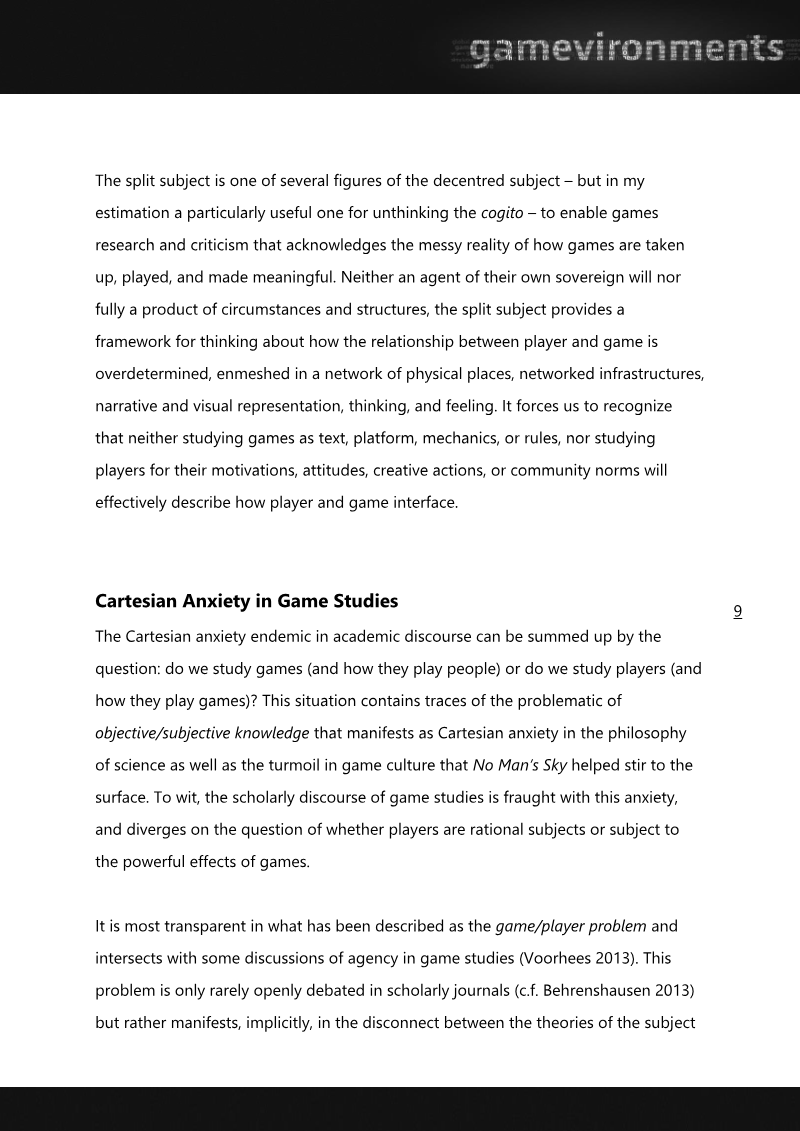
Gerald Voorhees's argument in "The Subject of Games" is that game studies is divided by a "Cartesian anxiety" over whether the player is a self-coherent, rational agent in control of play or a relational, malleable subject shaped by the games and social structures around them.
- Voorhees argues game studies is split by a "Cartesian anxiety" between viewing the player as a self-coherent, rational agent in control of play versus a relational, malleable subject shaped by games and social structures.
- The author traces the rational Cartesian cogito to Western colonial and imperialist traditions and proposes Lacan's split subject as a more productive alternative.
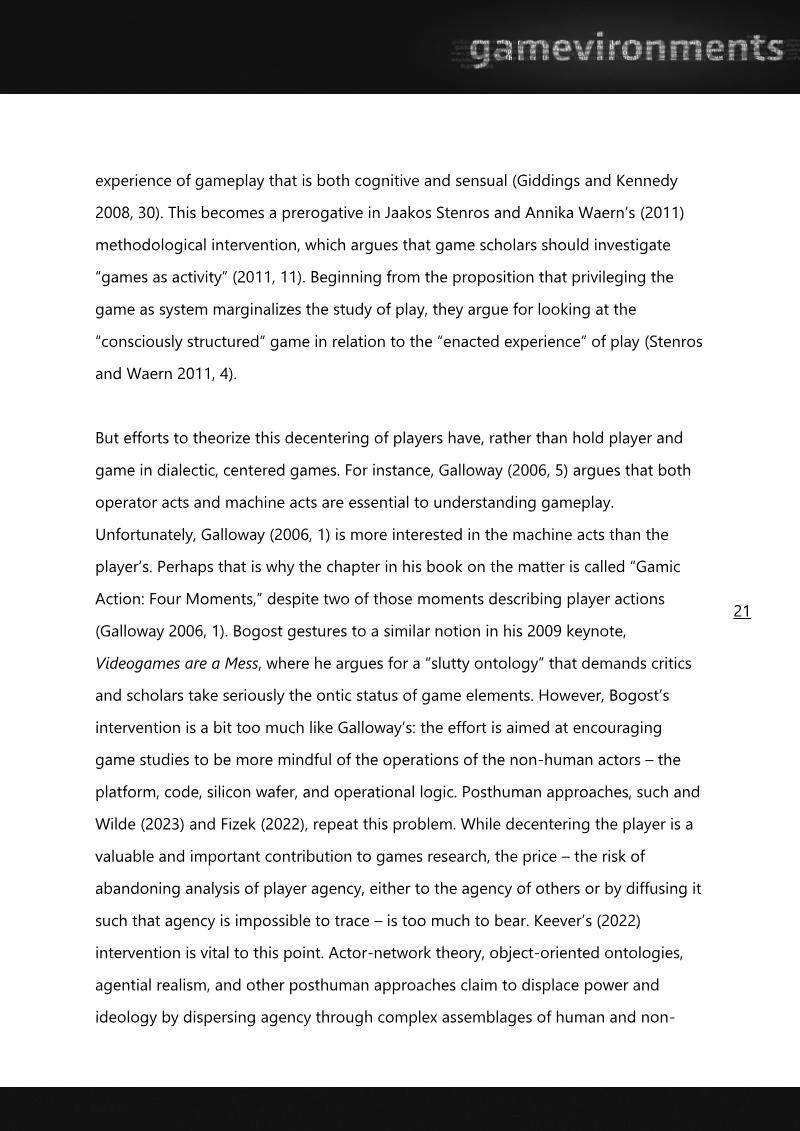
- The core thesis is that the field should develop a theory of the subject that is self-coherent yet lacks a stable foundation, rather than resolving the tension toward sovereign player agency or dissolving the player into posthuman or structural accounts.
Nordic Larp as a Method in Mental Health Care and Substance Abuse Work: Case SÄRÖT
The SÄRÖT project establishes Nordic larp as a viable, innovative methodology for supporting individuals navigating mental health challenges and substance abuse recovery.
- Nordic larp functions as an effective experiential therapy tool for mental health and substance abuse recovery by allowing participants to process trauma through immersive, character-based role-play.
- The methodology relies on a combination of realistic scenarios and structured post-game reflection to increase participant self-awareness and engagement with professional healthcare services.
- Rigorous safety protocols, including expert facilitation and comprehensive debriefing workshops, are essential to mitigate the emotional intensity and potential triggers inherent in the larp experience.
Learning from Ludemes: An Inventory of Common Player Actions within TTRPGs
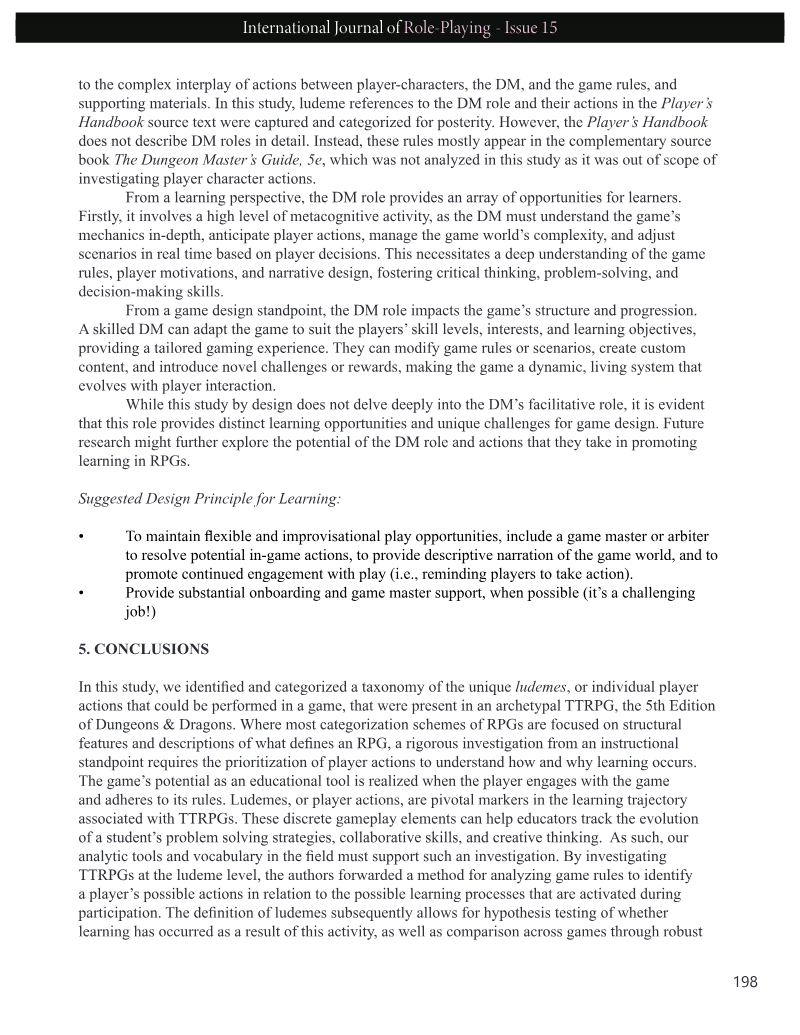
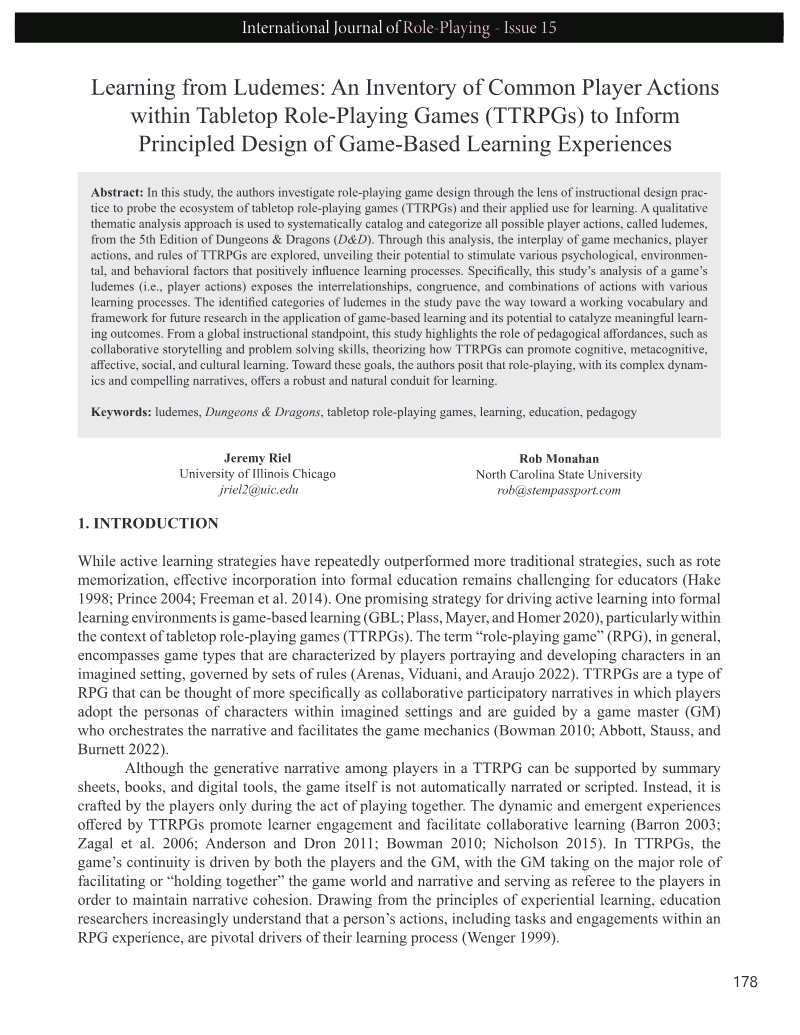
Tabletop role-playing games function as immersive, low-risk simulations that facilitate significant cognitive, social, and metacognitive growth through collaborative storytelling and structured rule systems.
- The research establishes a standardized taxonomy of 'ludemes'—discrete units of player action—to move TTRPG analysis from anecdotal observation to systematic measurement of educational outcomes.
- Dungeons & Dragons 5th Edition gameplay actions are categorized into four primary domains: mechanical resolution, character realization, information processing, and social coordination.
- Gameplay mechanics in TTRPGs function as scaffolding for learning by aligning player actions with established frameworks like Self-Determination Theory and Information Processing Theory.
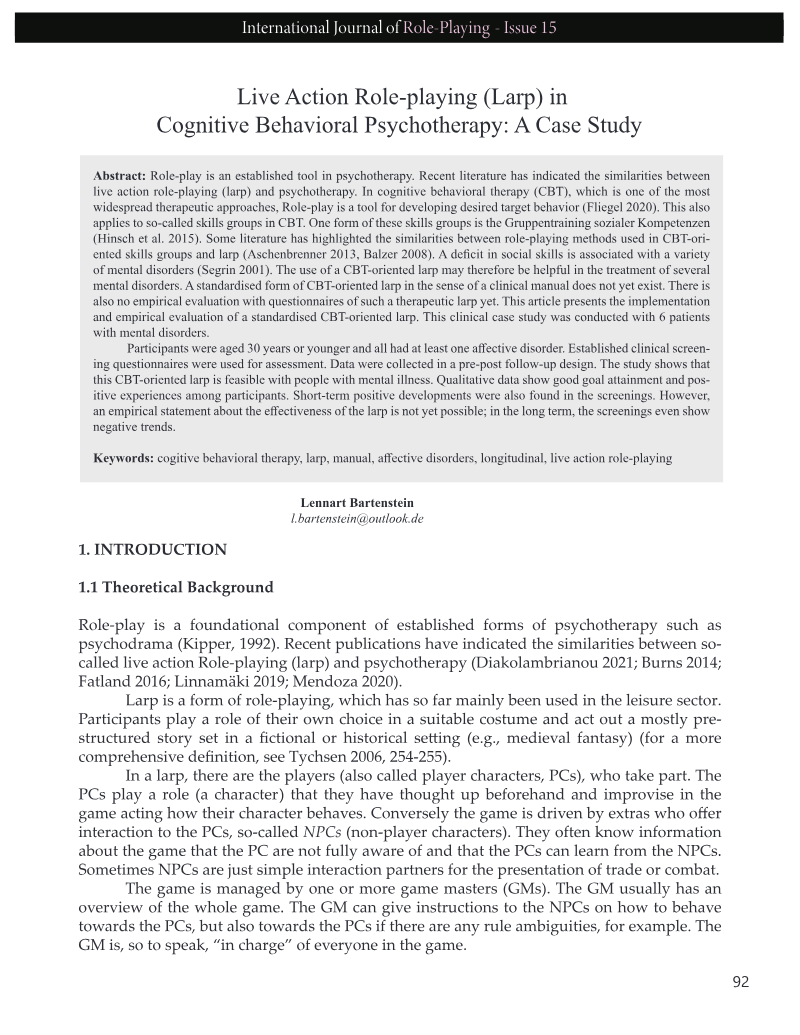
Live Action Role-playing (Larp) in Cognitive Behavioral Psychotherapy: A Case Study
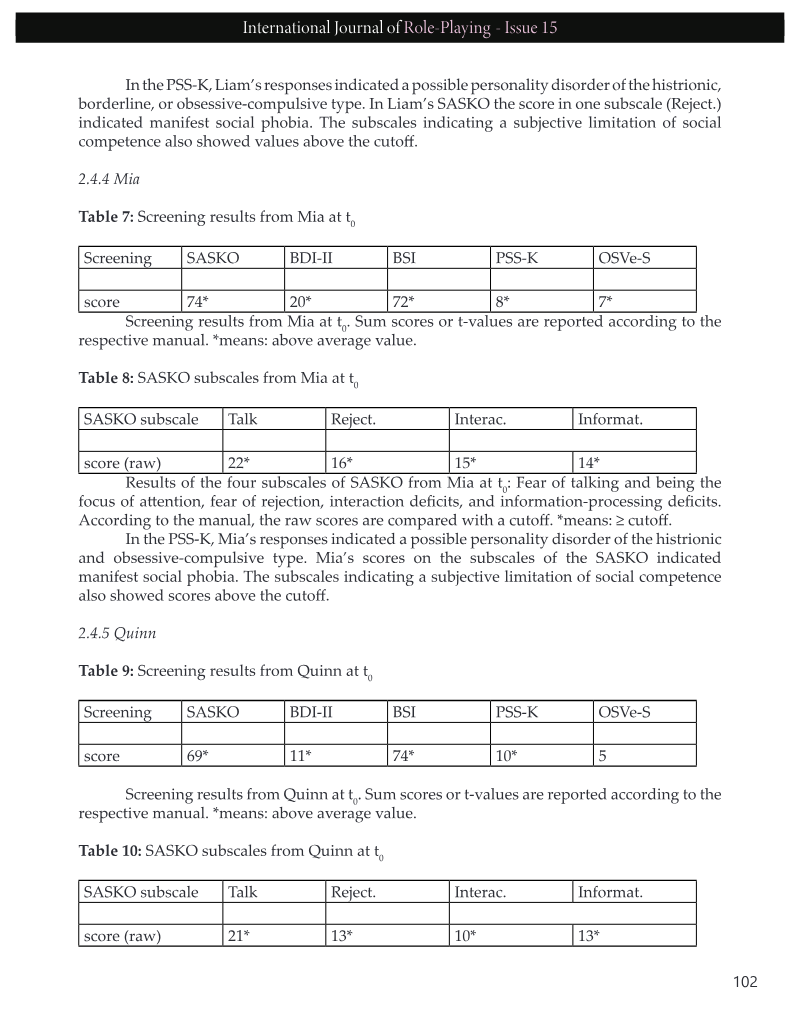
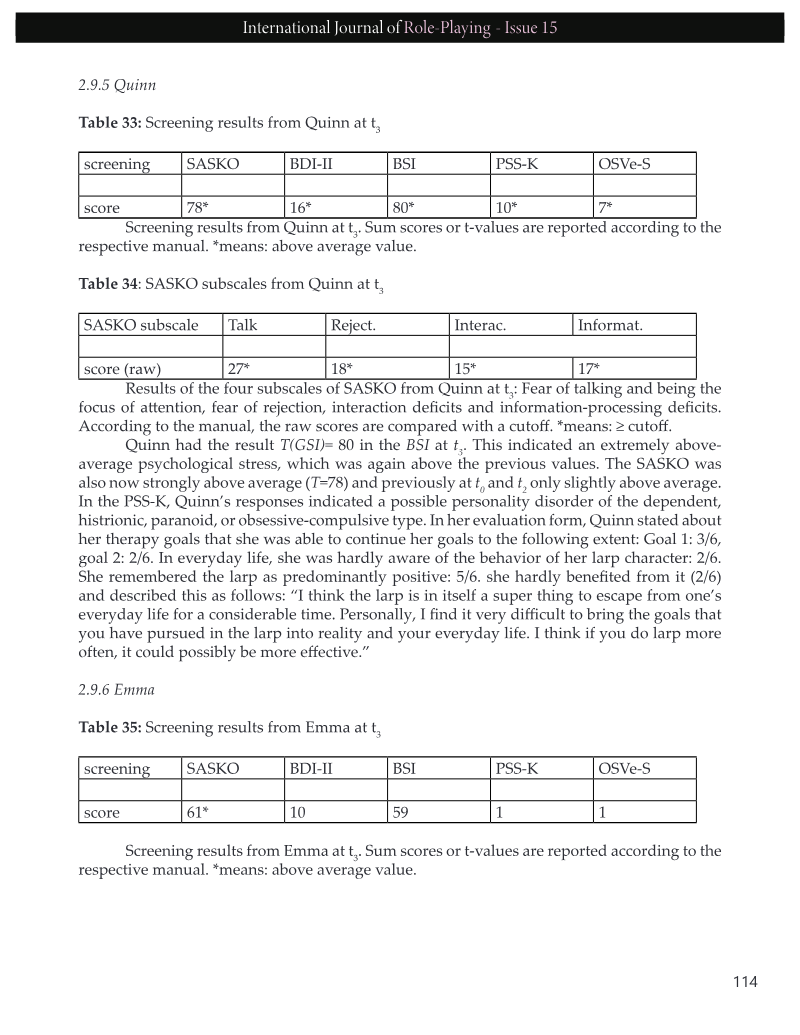
Integrating Live Action Role-playing (Larp) into Cognitive Behavioral Therapy (CBT) serves as a novel, feasible intervention for young adults struggling with affective disorders, social anxiety, and personality-related challenges.
- Live Action Role-playing (Larp) serves as a feasible, high-engagement supplementary tool for addressing social anxiety and affective disorders in young adults under 30.
- While participants reported high subjective well-being and success in meeting behavioral goals during sessions, clinical outcomes remained inconsistent across the six-person study group.
- The intervention lacks evidence for long-term symptom reduction, as some participants experienced symptom regression within three months of completing the program.