1 free read left. Create a free account for unlimited reading + AI research.
Create free accountWhitepaper DiGRA
1 free read left. Create a free account for unlimited reading + AI research.
Create free accountWhitepaperDiGRA
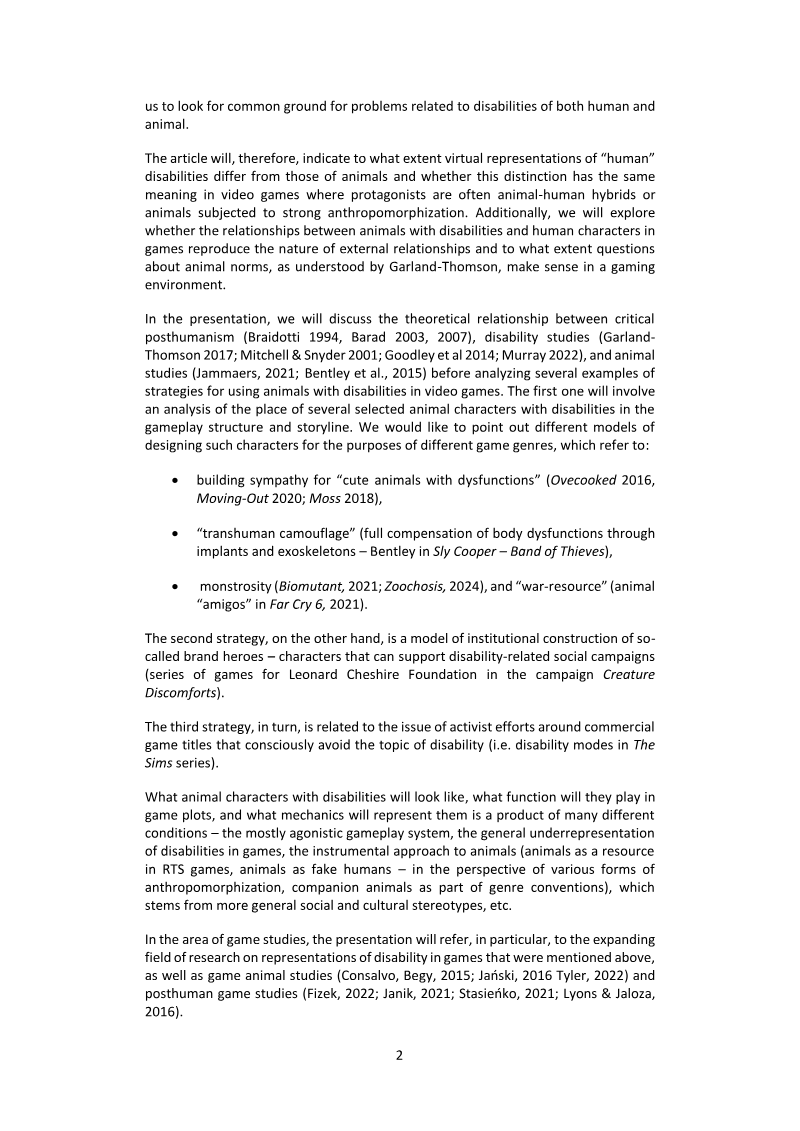
The paper examines how poverty and minimalism are represented in digital games. It treats such games as occupying an ambiguous space between social education and playful entertainment.
This paper examines how poverty and minimalism are represented in digital games, arguing that games simulating financial hardship occupy an ambiguous space between social education and playful entertainment. It situates the dream of a clutter-free life within a longer history of anti-consumerist thought, from Diogenes and the Stoics to the contemporary minimalist movement, and notes that in late capitalism possessions shift from being tools for meeting needs to becoming clutter that requires time and resources to manage. The author's central claim is that games like Spent, Ayiti: The Cost of Life, Broke: the game, and Nanopesos, which simulate financial struggle, can foster empathy and awareness of privilege, but risk trivializing poverty when played purely for pleasure, a phenomenon the paper links to "slumming" and to the exploitative genre of poornography.
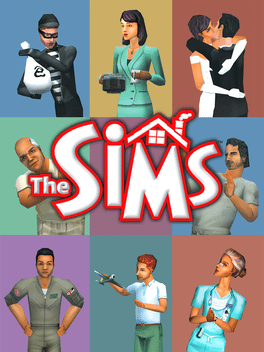
The analysis focuses on these four games, which depict respectively a single parent in the United States, a family in Haiti, multiple people facing homelessness, and a young professional earning minimum wage in Chile. The paper observes that most of these titles are "broken games" in the sense that they make victory difficult or impossible, a design choice that may serve their didactic purpose. It also surveys a wider range of games that incorporate budgeting, such as The Sims and Animal Crossing, and titles centered on material objects, such as Gone Home. The scope is primarily conceptual and interpretive, drawing on game studies, sociology, and cultural criticism rather than presenting new empirical data, although it references prior experimental research on a poverty simulation.
The paper concludes that such play is not inherently harmful when it does not involve disregard for people experiencing financial hardship, and may even help players question wasteful consumer norms and enjoy structured activities such as budgeting and tidying. The author proposes that designing games about frugality and poverty could open new avenues for combining satisfaction with moral value, drawing on arguments that failure in games carries anti-capitalist potential.
Each row is a game or company this document names, each column a document, oldest first. A mark means that document names it. Select a row to see those documents.

DiGRA · 2026

DiGRA · 2026



DiGRA · 2026
DiGRA · 2026