Delft University of Technology
5 reports, presentations and talks by Delft University of Technology in the Game Industry Library, the newest “Stimulating Ideation in New Teams with the Mobile Game Grapplenauts” (2019).
Documents
Stimulating Ideation in New Teams with the Mobile Game Grapplenauts
The mobile game Grapplenauts serves as a strategic intervention designed to overcome the cold start problem inherent in newly formed professional teams.
- Teams using the mobile game Grapplenauts during their initial two-week formation phase show statistically significant improvements in psychological safety compared to control groups.
- The game replaces traditional facilitator-led icebreakers with digital mechanics that normalize failure and require interdependent play to mitigate early-stage team dysfunctions.
- By fostering a low-pressure environment, the game effectively reduces social loafing and encourages the fluid exchange of ideas among new team members.
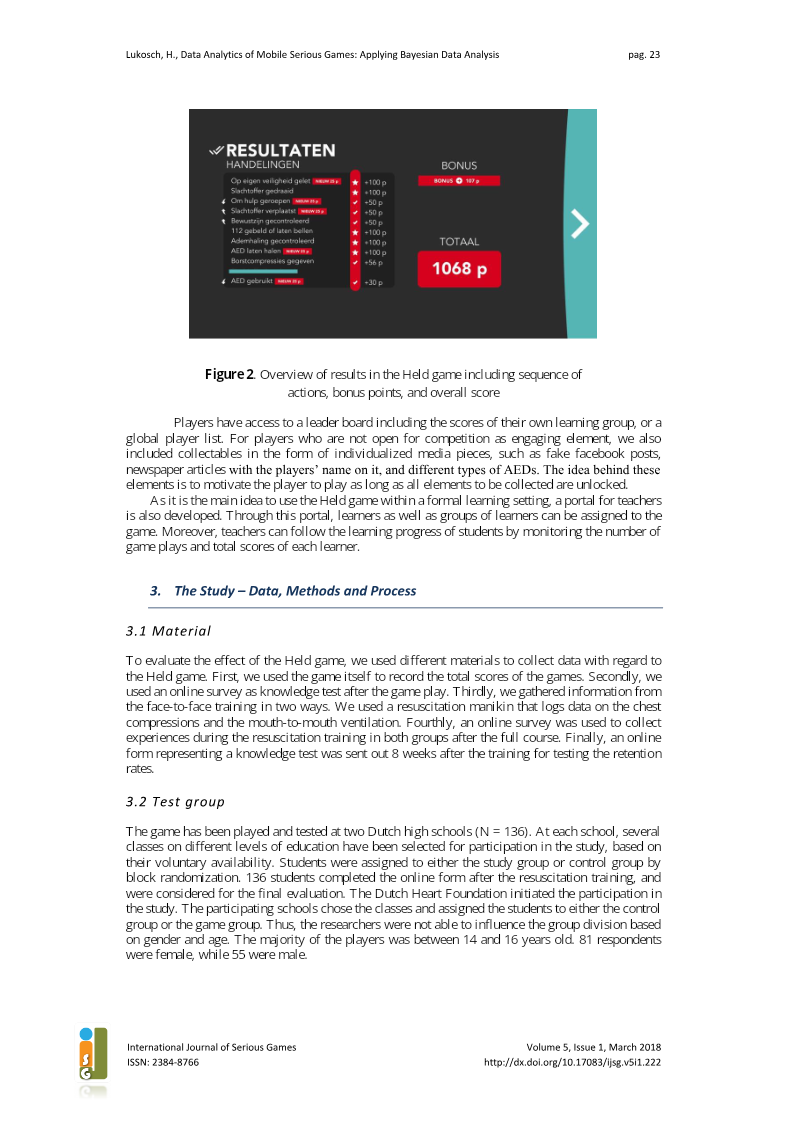
Data Analytics of Mobile Serious Games: Applying Bayesian Data Analysis Methods
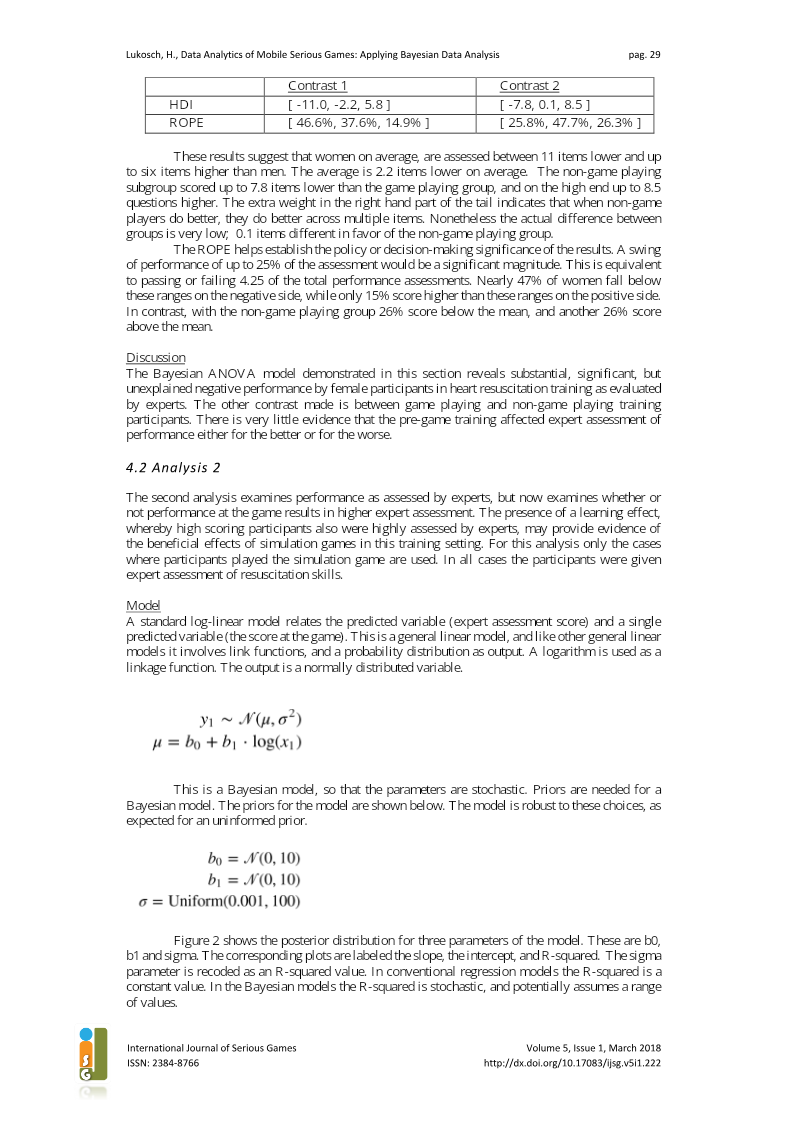
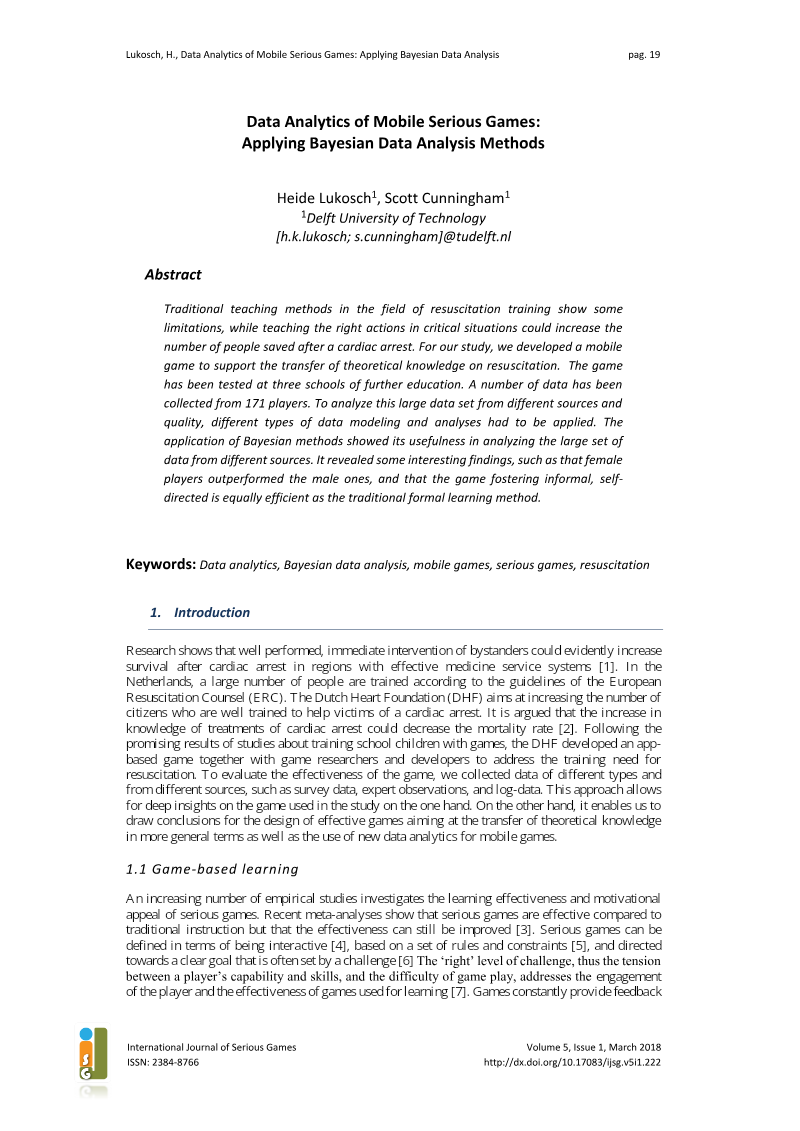
The mobile serious game Held functions as a highly effective pedagogical tool for teaching resuscitation theory and practical skills to secondary school students.
- Mobile serious games like 'Held' achieve knowledge transfer outcomes equivalent to traditional classroom instruction for teaching resuscitation skills.
- Bayesian data analysis, specifically using Beta distribution models, provides a more accurate assessment of student performance than frequentist methods by isolating metrics from subjective variables like motivation.
- Objective game-log data reveals that female students consistently outperform male students, despite a systematic bias against female participants found in expert observer ratings.
A Cookbook Method for Persuasive Game Design
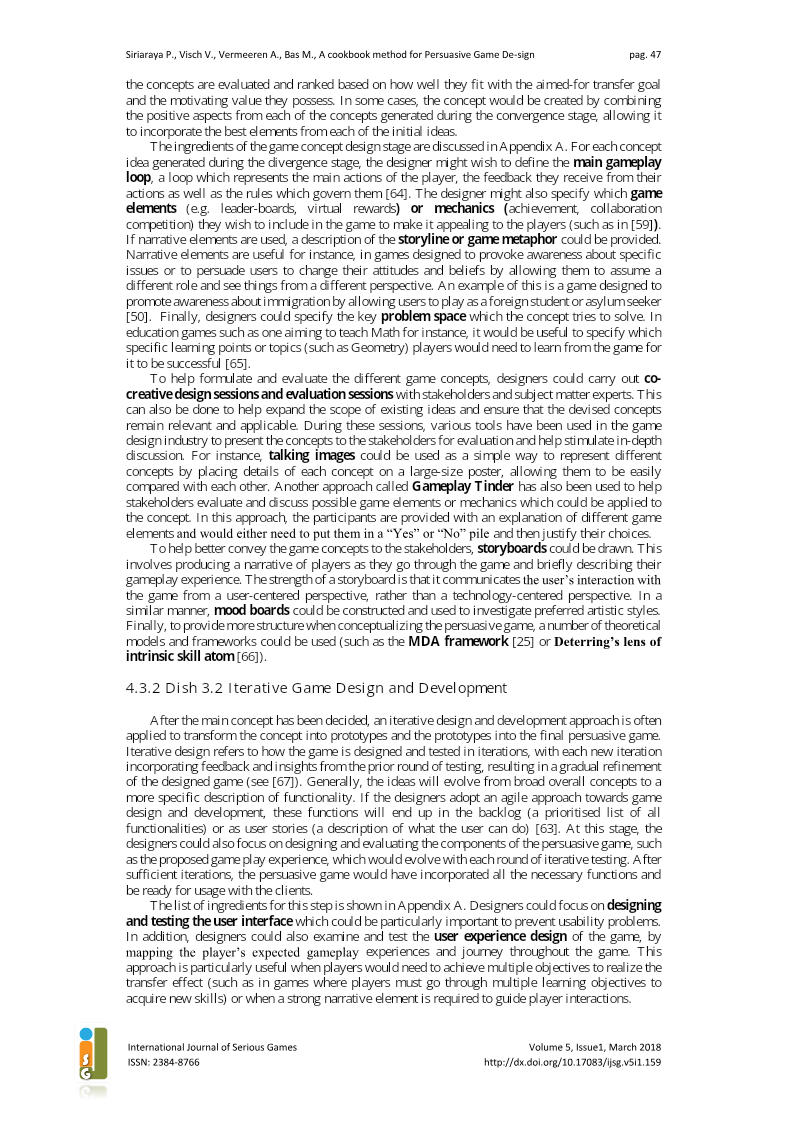
The Persuasive Game Design (PGD) method offers a structured yet adaptable framework for developing serious games intended to foster real-world behavioral or attitudinal change.
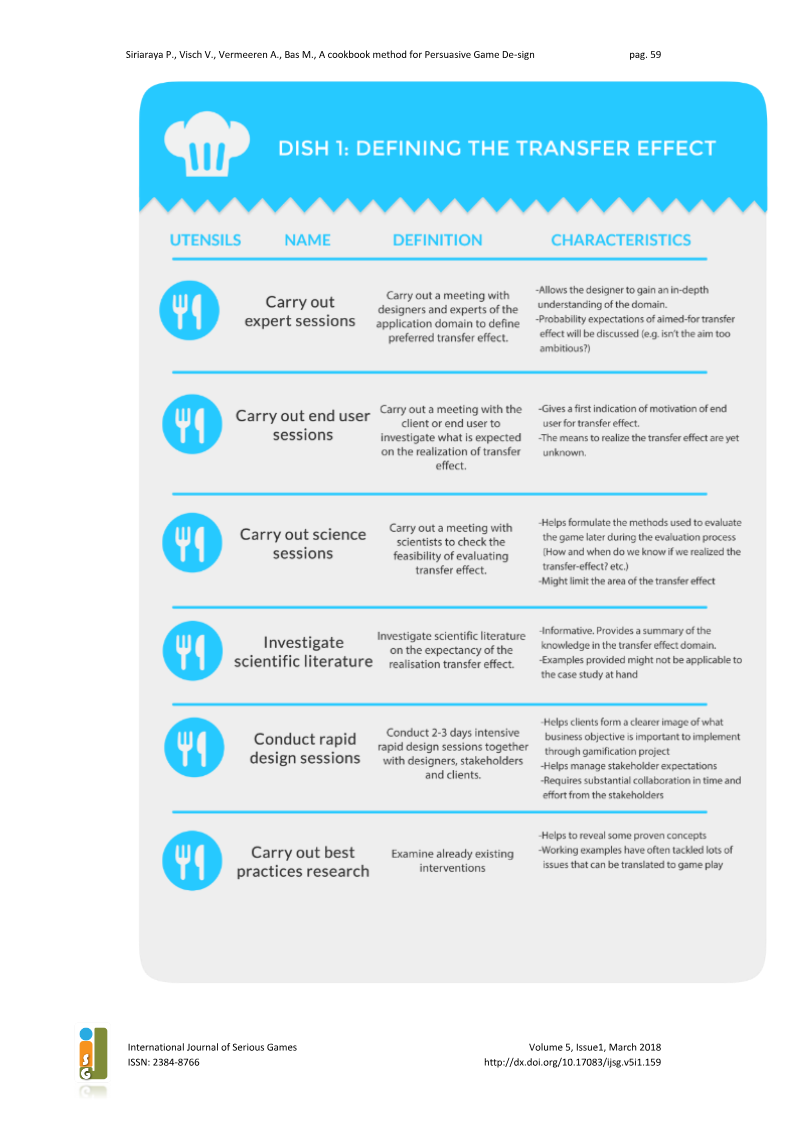
- The Persuasive Game Design (PGD) method organizes development into four distinct phases: defining transfer effects, investigating user context, game design, and rigorous evaluation.
- The 'transfer effect' is the central pillar of the framework, requiring designers to define specific, measurable real-world behavioral or attitudinal outcomes before development begins.
- Effective design requires an iterative cycle of conceptualization and stakeholder engagement to ensure game mechanics remain aligned with the target audience's specific motivations.
Player Experiences and Behaviors in a Multiplayer Game: Designing Game Rules to Change Interdependent Behavior
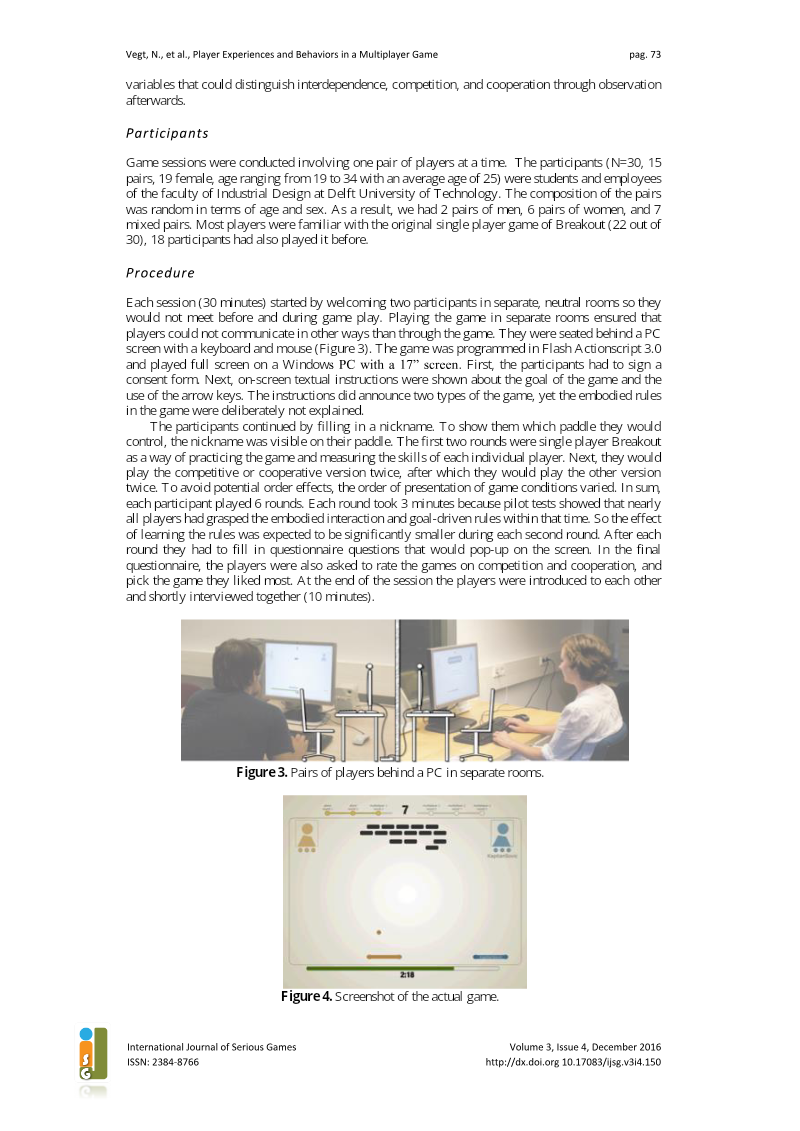
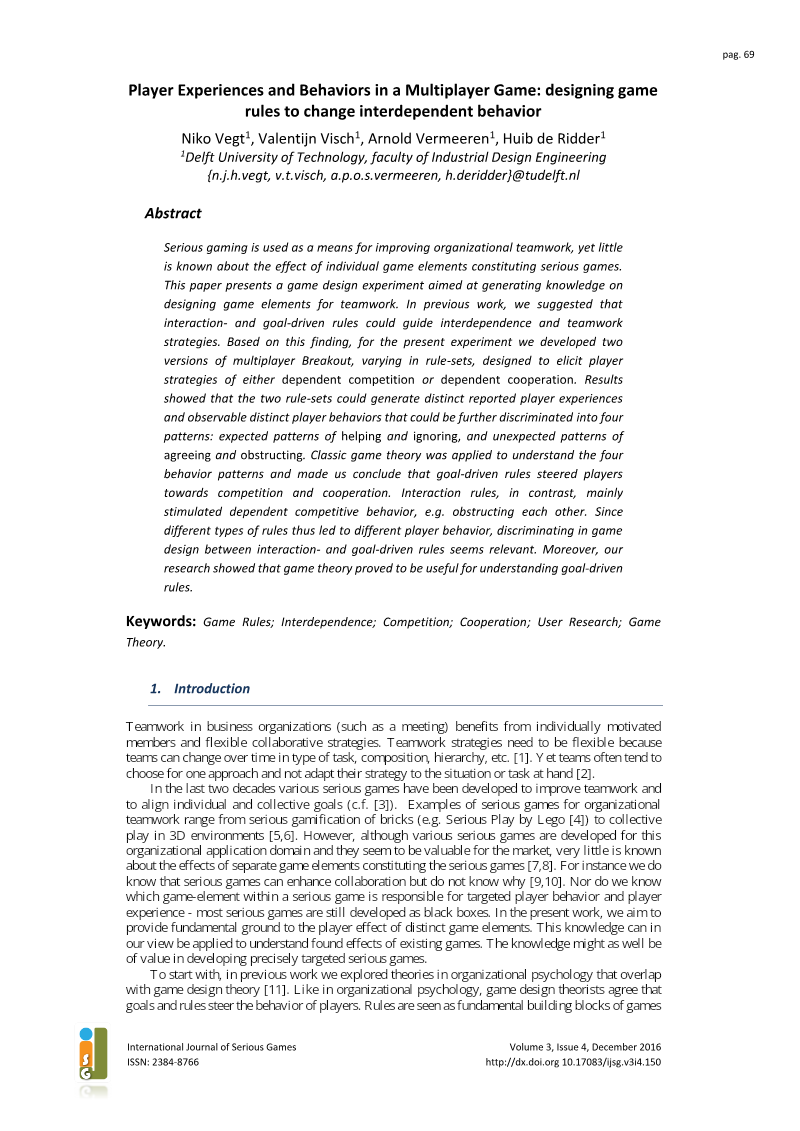
Game design strategies significantly influence player behavior and social dynamics through the deliberate manipulation of goal-driven and interaction-based rules.
- Goal-driven rules and interaction rules function as distinct design levers: goal-driven rules steer players toward competition or cooperation, while interaction rules primarily stimulate competitive behaviors like obstruction.
- Players reported significantly higher feelings of interdependence in cooperative game variants (M=3.99) compared to competitive ones (M=3.45), with obstruction reported as significantly higher in competitive settings (M=4.02 vs M=2.79).
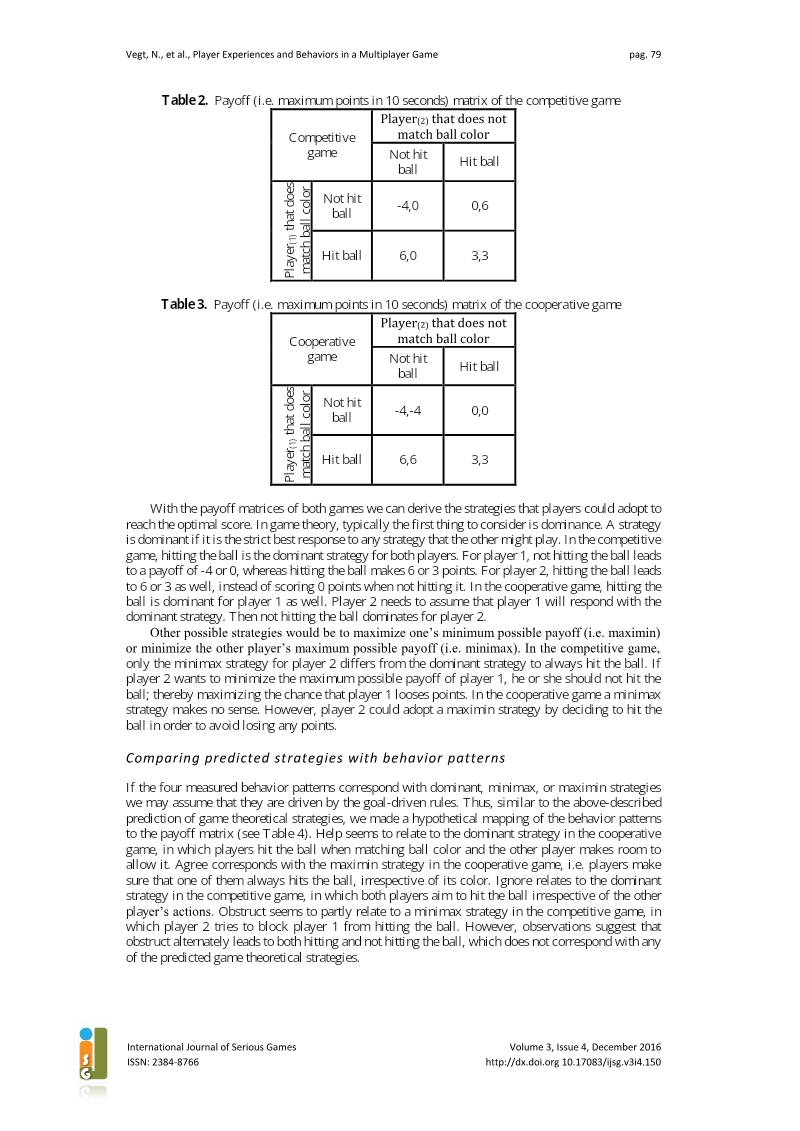
- Player behavior can be categorized into four distinct patterns: helping, ignoring, agreeing, and obstructing, which can be effectively mapped to classic game theory strategies like dominant, maximin, and minimax.
Personalization in Game Design for Healthcare: A Literature Review on its Definitions and Effects
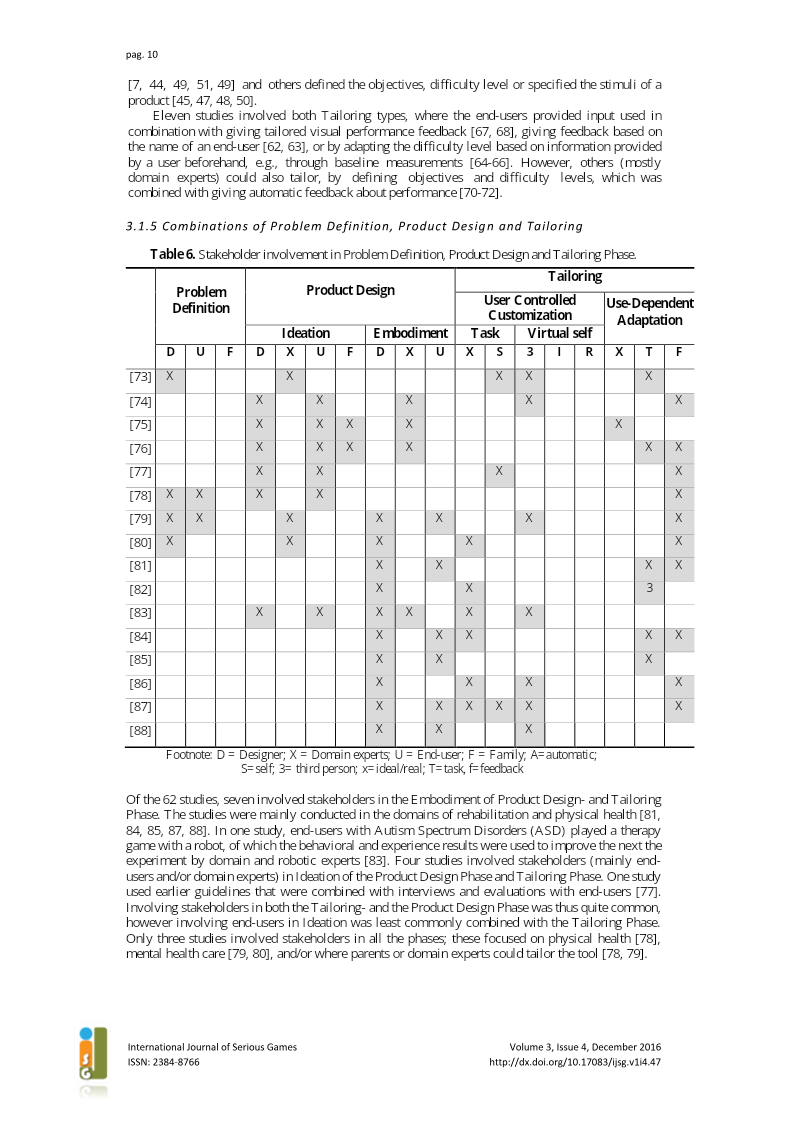
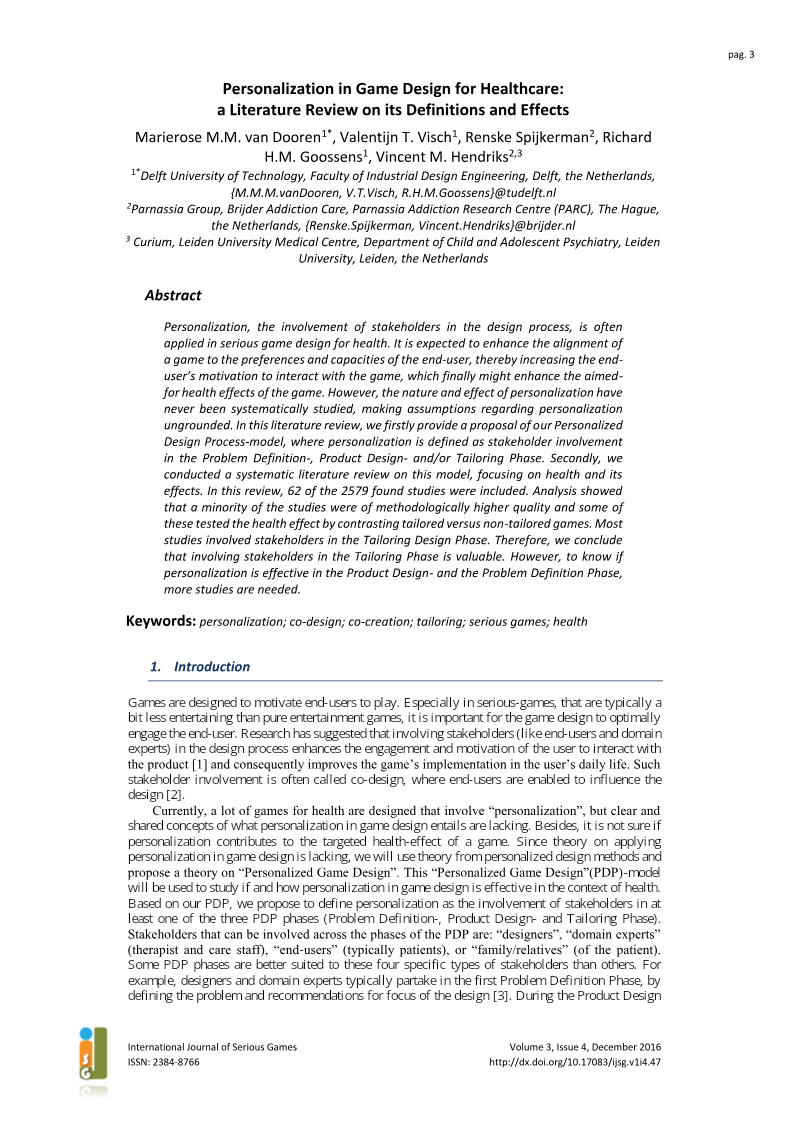
The Personalized Design Process model serves as a framework for integrating stakeholder involvement into the development of healthcare games, categorizing the lifecycle into three distinct phases: problem definition, product design, and tailoring.
- Personalization in serious games is defined as the active involvement of stakeholders—such as end-users, family, or domain experts—during the Problem Definition, Product Design, and/or Tailoring phases of development.
- A systematic review of 2,579 studies identified only 62 that met the criteria for stakeholder-involved personalization, indicating that the field lacks a standardized, evidence-based approach.
- Studies involving stakeholders in the Product Design phase frequently exhibit low methodological quality, though they report positive outcomes such as improved health knowledge, increased social interaction, and better feasibility.