Serious Games reports and market data
Documents

D2.2 Workshop Report: Games, Heritage, Arts, & Sport
The GAMEHEARTS D2.2 Workshop Report sets out to strengthen the European video game industry ecosystem (EVGIE) within the broader creative and cultural industries.
- The European video game sector is valued at over €23 billion annually, and European player numbers grew from 222 million in 2019 to 246 million in 2023.
- Women make up only 22% of the European video game workforce (2020 figure), highlighting a persistent diversity gap across the industry.
- Stakeholders widely criticised grant systems as film-oriented, bureaucratic, and lacking game-specific expertise, and called for milestone-based payments, plain-language applications, and greater developer involvement.

Gamevironments Revisited: 10th Anniversary Issue
Ford's work, building on Radde-Antweiler's revised gamevironments concept, examines how digital games and datafication reshape community.
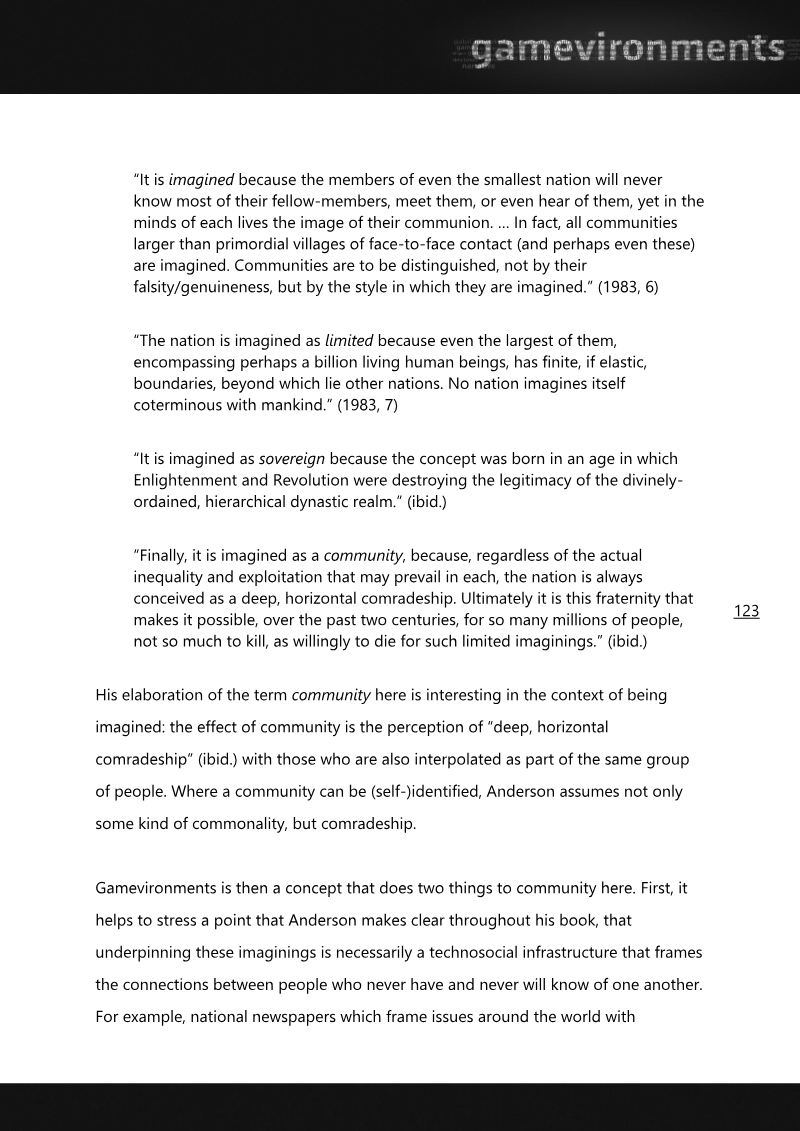
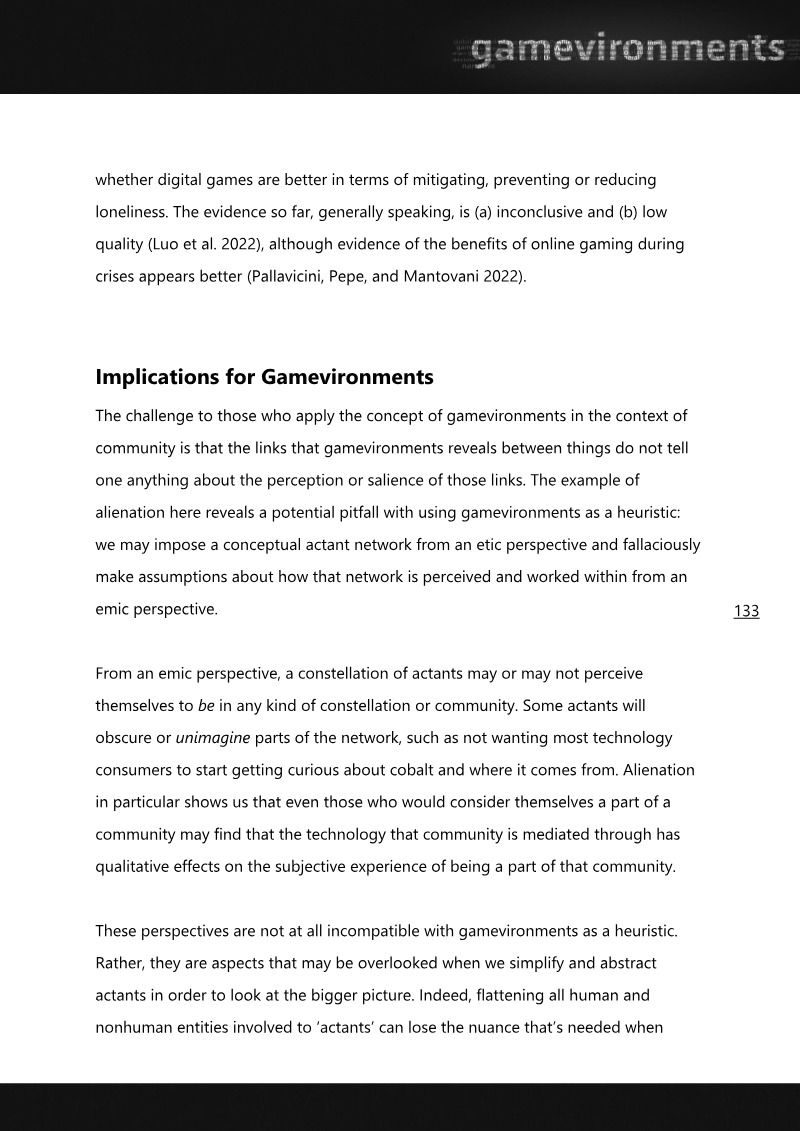
- Networks revealed by gamevironments, linking human and nonhuman actants such as data, hardware, and distant cobalt miners, are not necessarily experienced as connections or communities, so affordances of digital infrastructure determine which relationships people actually feel.
- Drawing on Benedict Anderson's 'imagined community,' the analysis argues that some communities must remain unimagined to sustain exploitative or unsustainable systems.
- Datafication produces alienation by abstracting digital subjects from real people, and networked technologies can isolate users even as they connect them, with internet connectivity coinciding with rising loneliness, though the effect depends heavily on how platforms are used.


Gamification of a College Course: A Case Study
A 2021/2022 case study conducted at the University of Wrocław examines whether gamification can improve student engagement in a university course on internet texts.
- Gamifying a University of Wrocław internet-texts course (2021/2022) changed how students interacted and were assessed, but not the course content or intended learning outcomes.
- Students in the two gamified groups submitted 19 and 22 special tasks versus 9 in the traditional control group, though the authors caution that pre-existing student predispositions may explain part of this gap.
- Of the 14 students who answered the post-semester survey, half said they did not regret the gamified format, citing higher motivation, transparent assessment, and greater learning autonomy.
Traditional Quizzing with a Twist: Involving University Students in the Development Process
This pilot study by Haave, Slyman, and Vold, based at Inland Norway University of Applied Sciences and Roehampton University, examines how a low-tech, paper-based quiz developed by university students can support games-based learning in a research methods course.
- Analogue, paper-based quizzes written by students offer a way to keep games-based learning engaging while complying with GDPR, after several Norwegian universities withdrew licences for platforms like Kahoot! because their servers sat outside Norwegian jurisdiction.
- The authors frame the approach as linking student co-creation, low-technology design, and data-protection compliance within a single pedagogical model for games-based learning.
- The evidence is a small, exploratory qualitative pilot based on informal group interviews with students in a single research methods course at one institution, so the authors describe its conclusions as preliminary.
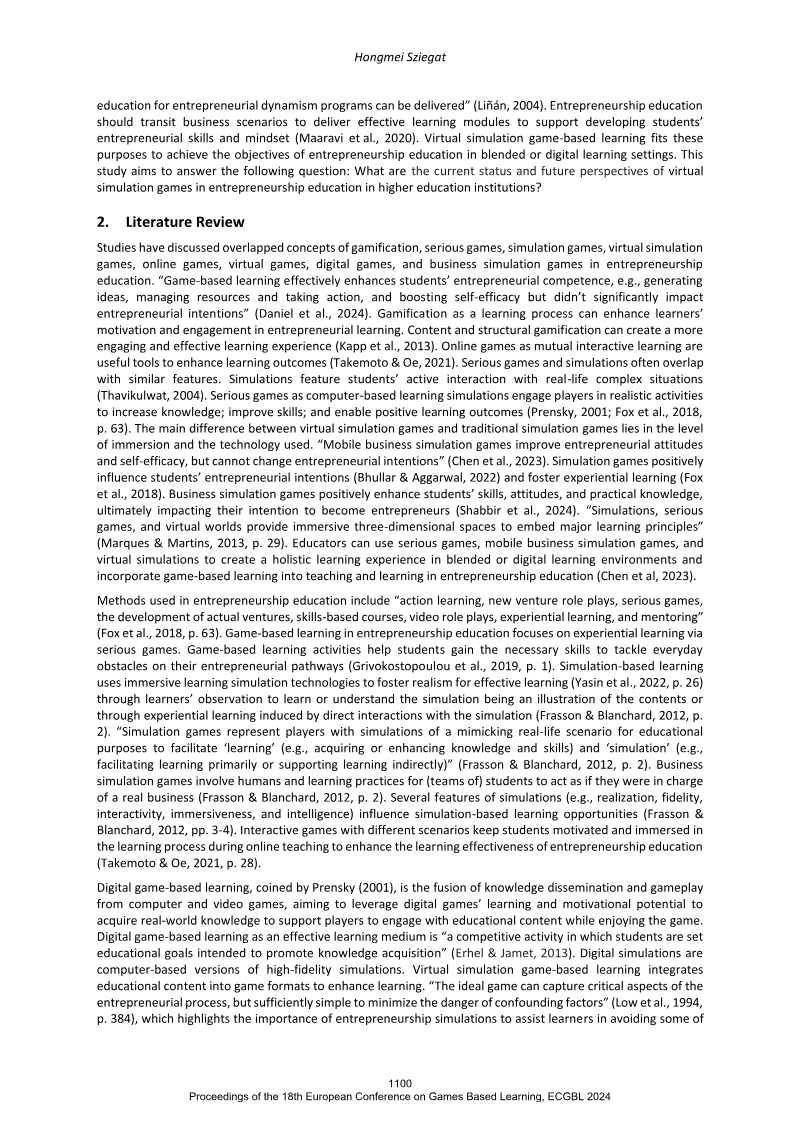
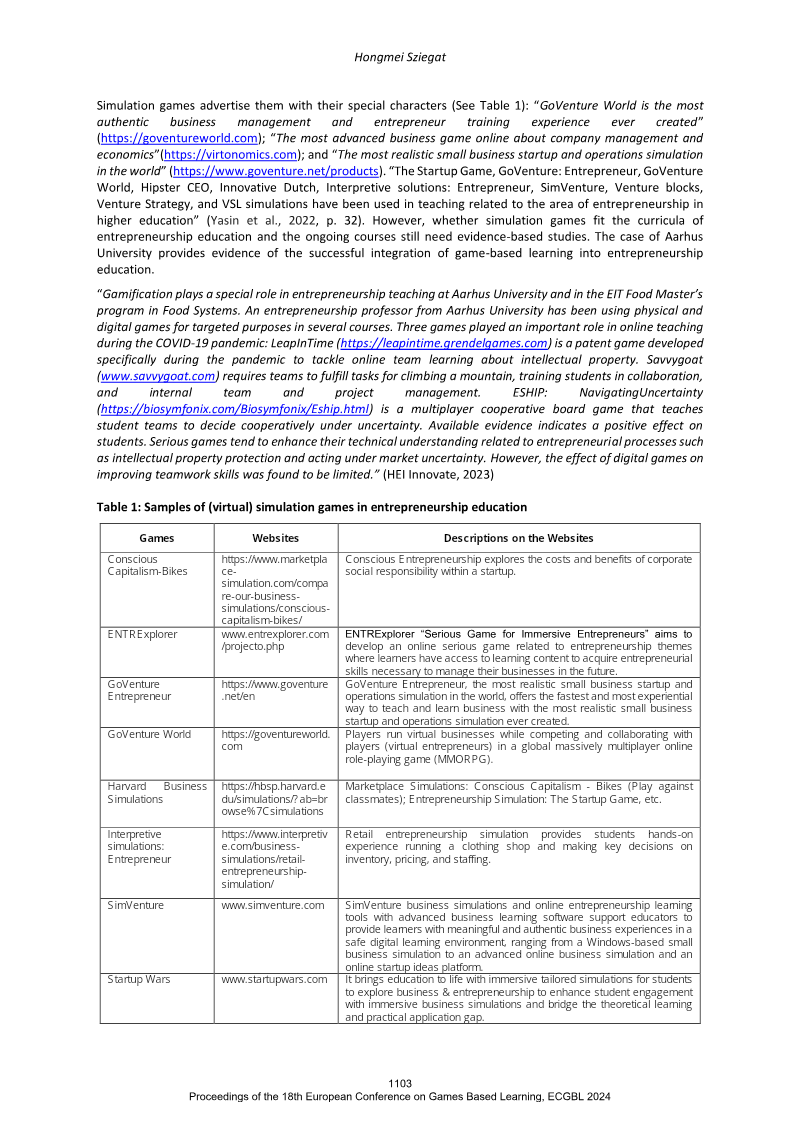
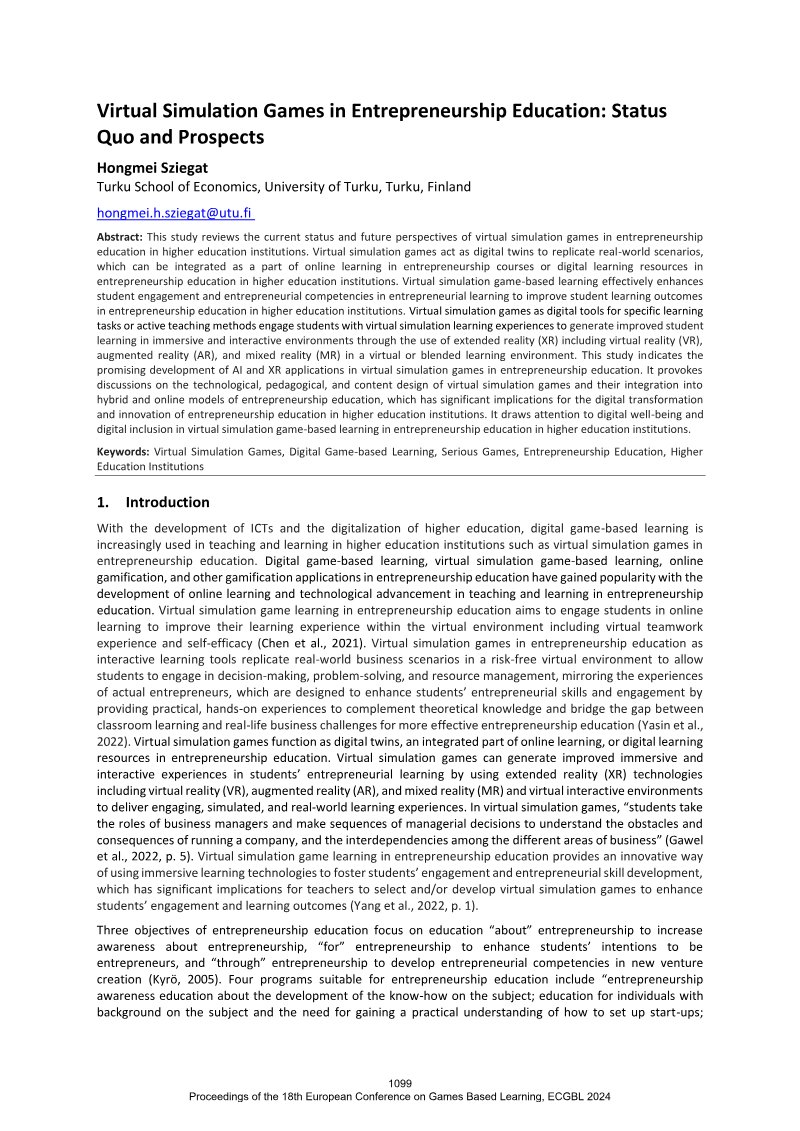
Virtual Simulation Games in Entrepreneurship Education: Status Quo and Prospects
Virtual simulation games, which use extended reality technologies such as virtual, augmented, and mixed reality to recreate business scenarios in risk-free settings, are examined in this paper as tools for entrepreneurship education in higher education.
- Virtual simulation games use extended reality (VR, AR, mixed reality) to recreate business scenarios in risk-free settings, and the paper argues they complement classroom entrepreneurship instruction by building decision-making, teamwork, risk management, and self-efficacy.
- The evidence on effectiveness is mixed: several studies link simulation-based learning to better engagement, self-efficacy, and collaboration, but others find no significant effect on entrepreneurial intentions, and digital games show limited influence on teamwork skills.
- A mobile business simulation study found improved attitudes and self-efficacy without any change in entrepreneurial intentions, underscoring that skill-related gains do not automatically translate into stated career intent.
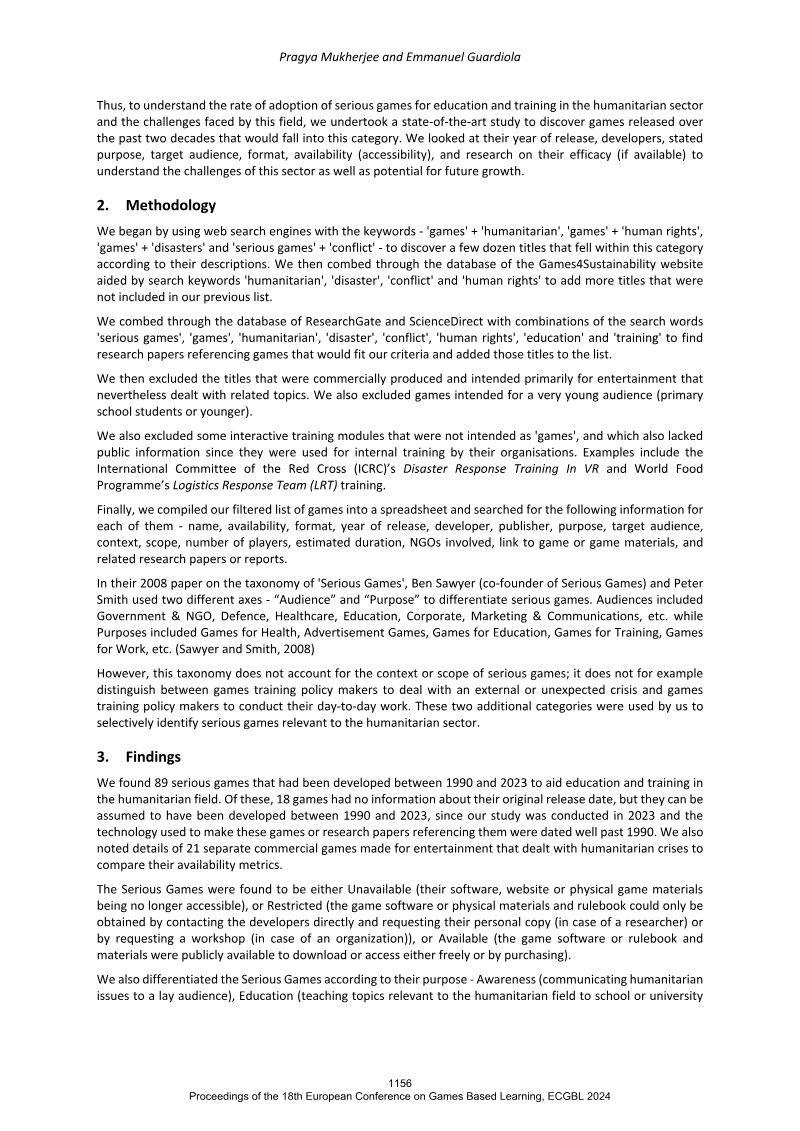
Serious Games for Education and Training in the Humanitarian Sector: State of the Art
This study by Mukherjee and Guardiola surveys the state of serious games for education and training in the humanitarian sector, a field where adoption has lagged despite the demonstrated value of game-based learning in other domains.
- Of 89 non-commercial serious games on humanitarian topics released between 1990 and 2023, 49 targeted awareness, 9 classroom education, and 31 professional training of humanitarian workers, policymakers, and stakeholders.
- Accessibility is a serious problem: 11 of the 31 professional training games are no longer available and 10 require direct contact with developers or a workshop to access, unlike commercial titles on related themes, which remained almost entirely accessible via archives, resellers, or abandonware sites.
- Analog, multiplayer games dominated professional training, while digital titles were mostly single-player and used largely for awareness and education.
The Impact of Language and Social Communication on the Sense of Belonging among International Students Using ScLINGO Application
This study examines whether ScLINGO, a web-based gamified language-learning tool, can strengthen language skills, social communication, and sense of belonging among international students at the University of Liverpool, with particular attention to future health professionals.
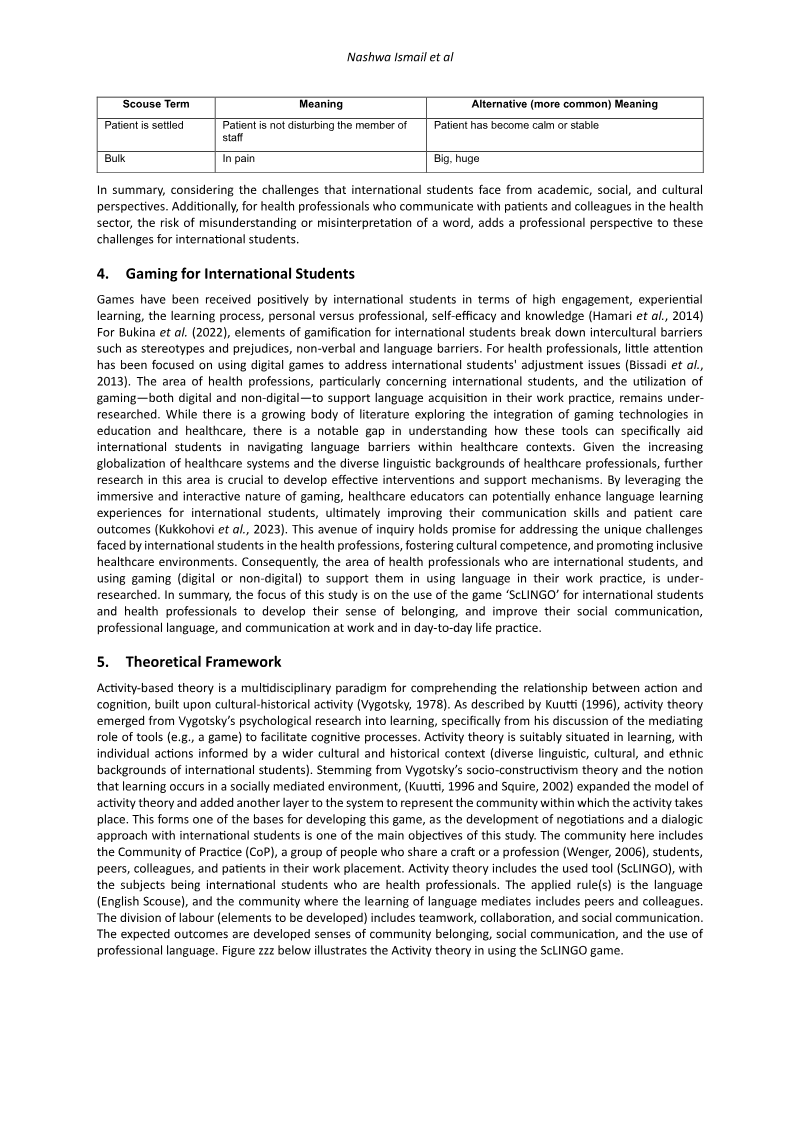
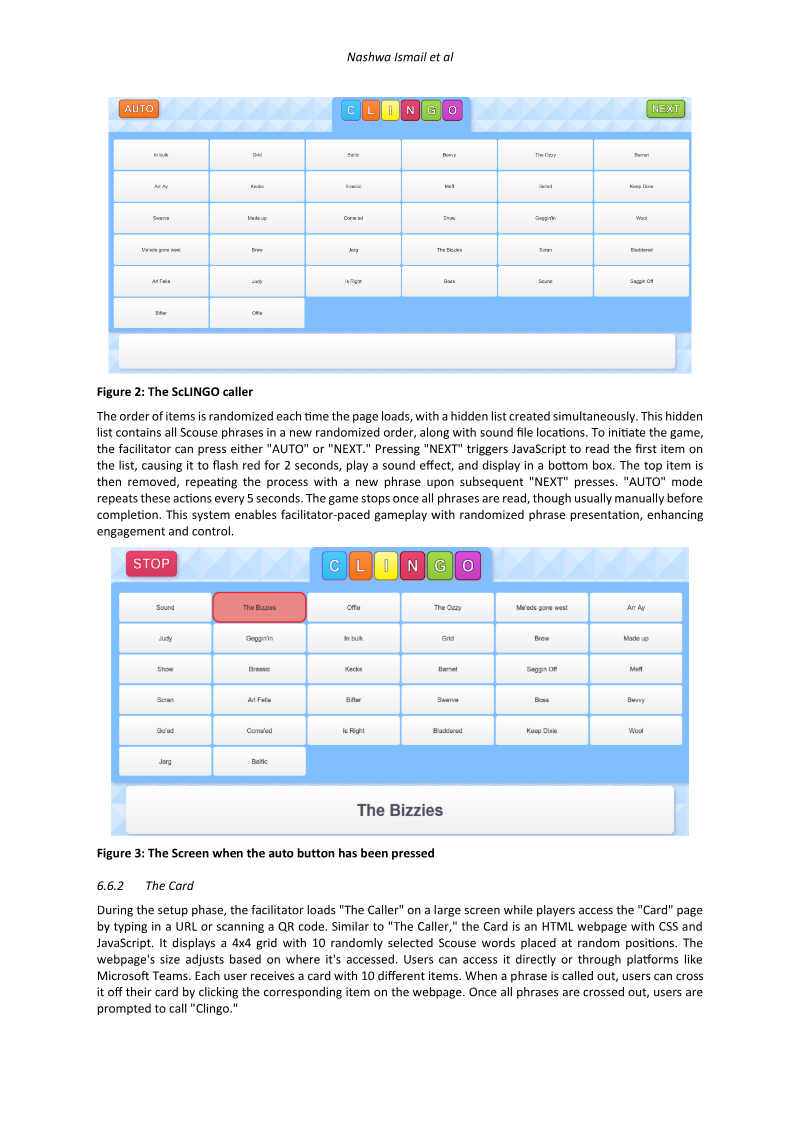
- ScLINGO is a gamified, bingo-style language tool blending professional mental health terminology (CLINGO) with Liverpool Scouse dialect (SLINGO), designed to strengthen language skills, social communication, and belonging among international students at the University of Liverpool.
- International students make up roughly 20 percent of the UK student population (679,970 overseas students in 2021/22), and they often face acculturative stress, isolation, and communication barriers that motivate the study.
- The tool is still in development and pilot stages; a pilot with twelve first-year MSc mental health nursing students reported gains in language confidence, social connectedness, and clinical communication, but these findings are preliminary and based on small-scale qualitative evidence.
Game Designers’ Experiences with Educational Game Design Elements: From Practice to Conception
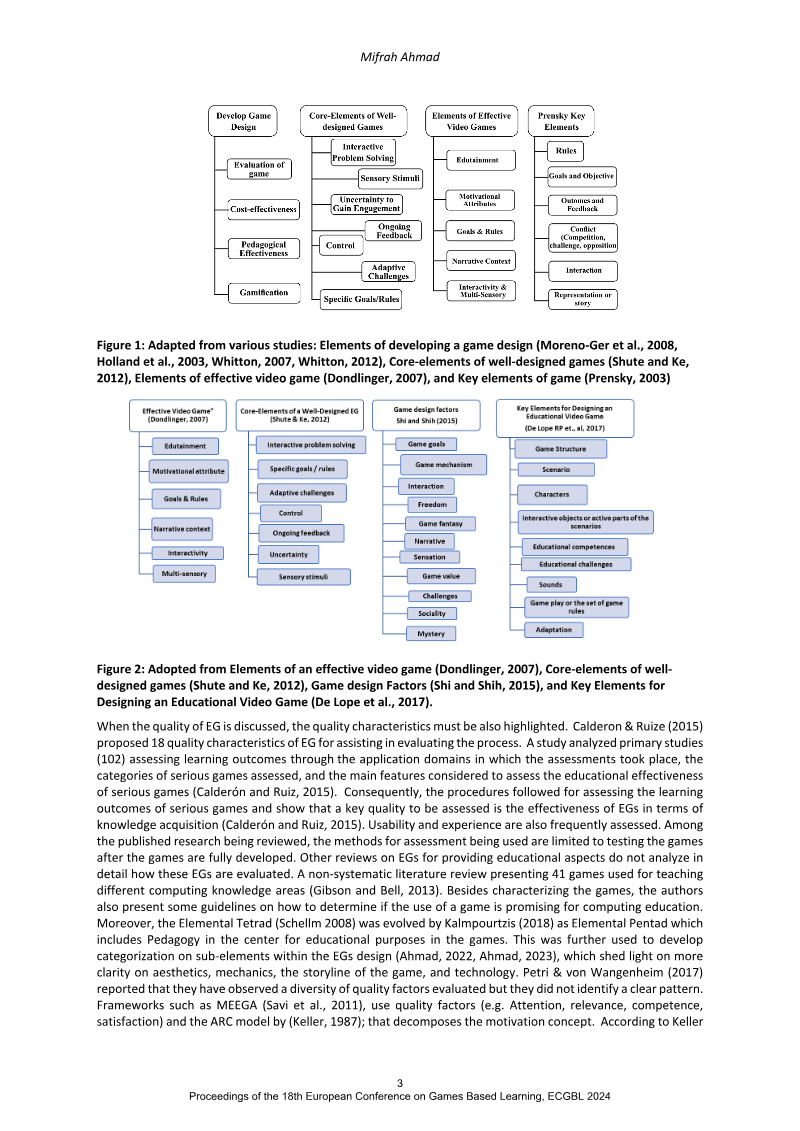
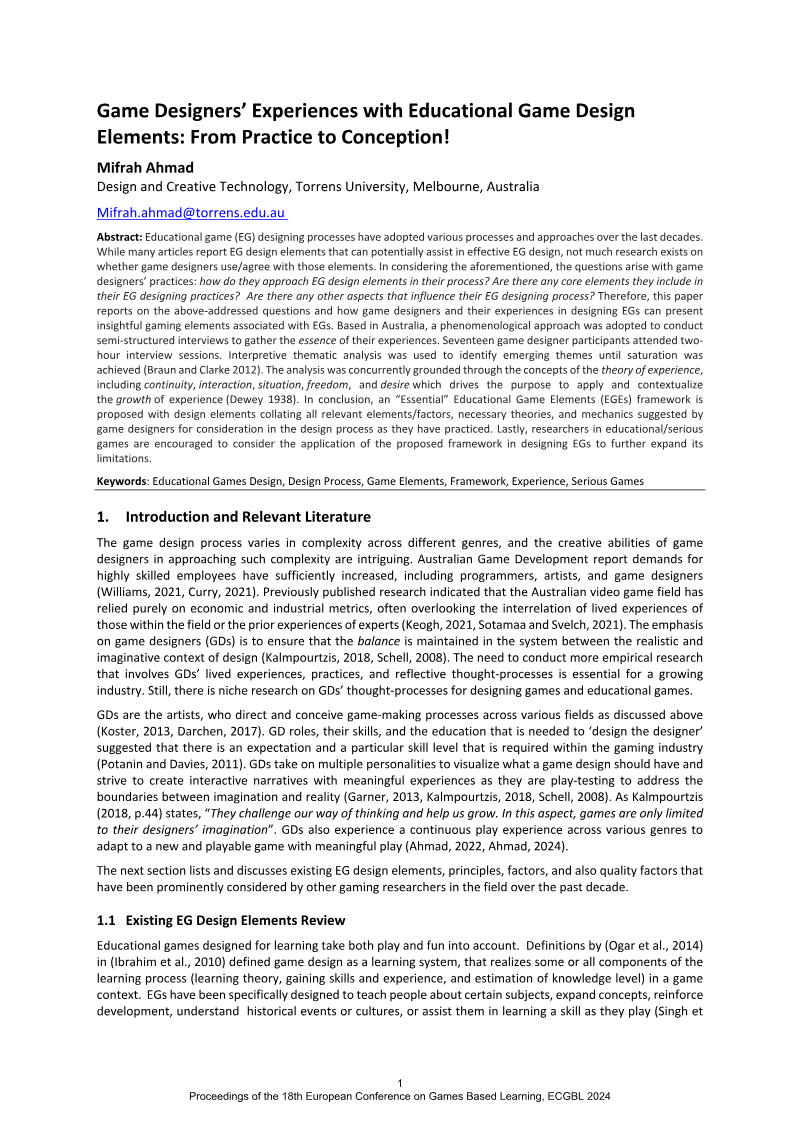
This study examines how game designers in Australia apply educational game design elements in actual practice, rather than relying solely on theoretical frameworks.
- Interviews with 17 Australian game designers (5–15 years' experience) found that most did not substantially change their processes when working on educational projects, with only a small number adapting their approach.
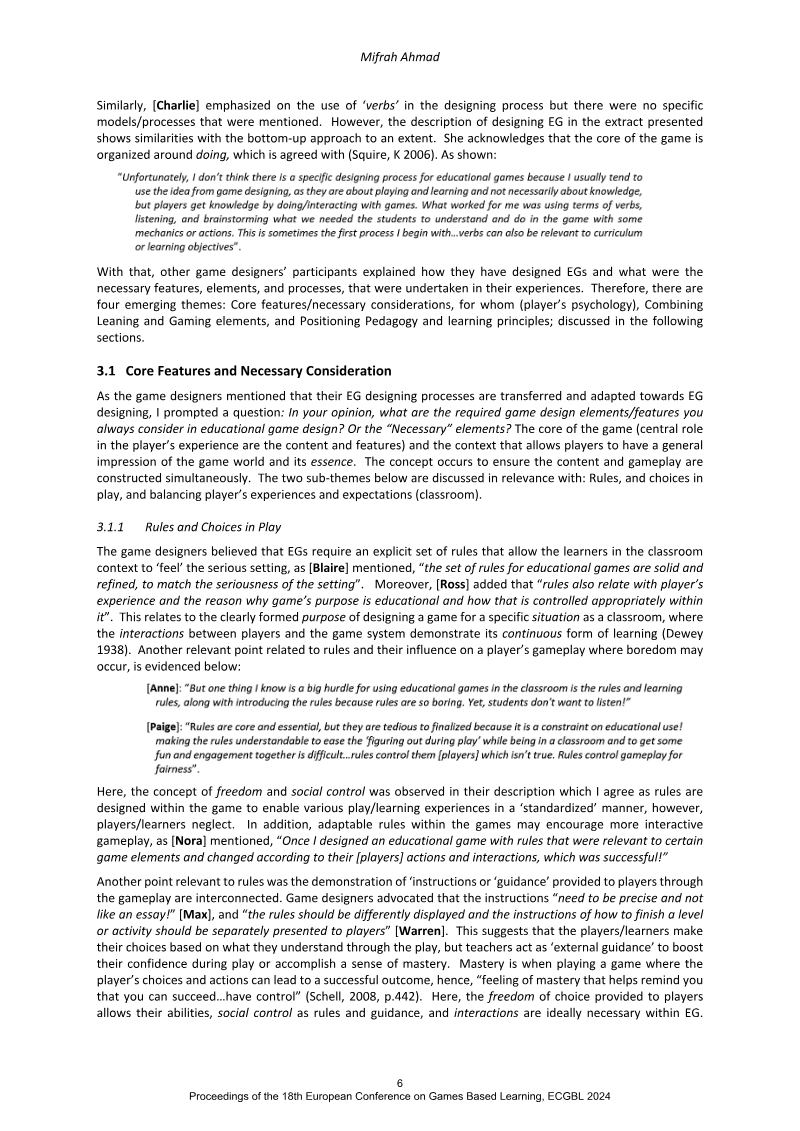
- Two designers stood out: one used a bottom-up design approach, and another structured gameplay around verbs drawn from the curriculum.
- Designers emphasised that educational games need explicit, carefully refined rules, a balance between seriousness and engagement, graduated difficulty, and memorable experiences that support learning.
Comparison of Two Different Game Mechanics Applied to Learning of Electromagnetism: Slovakia
This paper compares two educational escape games designed to teach magnetism and electromagnetism to upper secondary students in Slovakia, with the goal of reinforcing physics content while building communication, teamwork, problem-solving, experimental, and analytical skills.
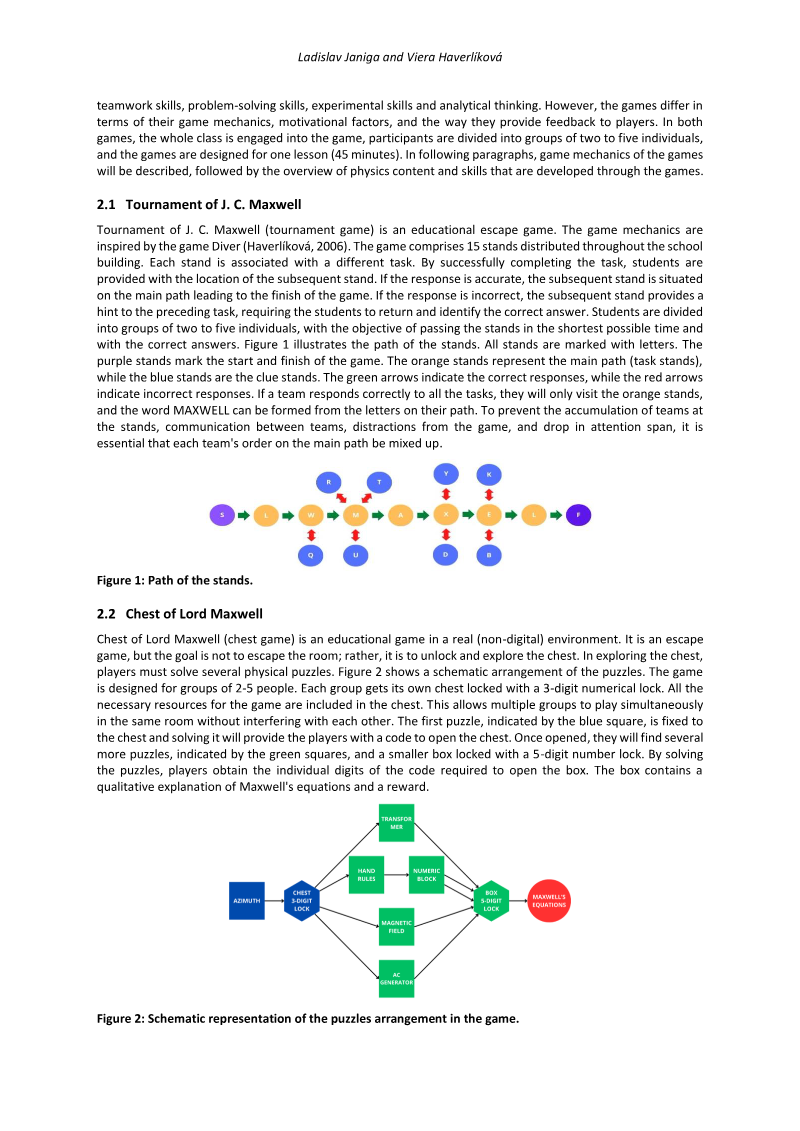
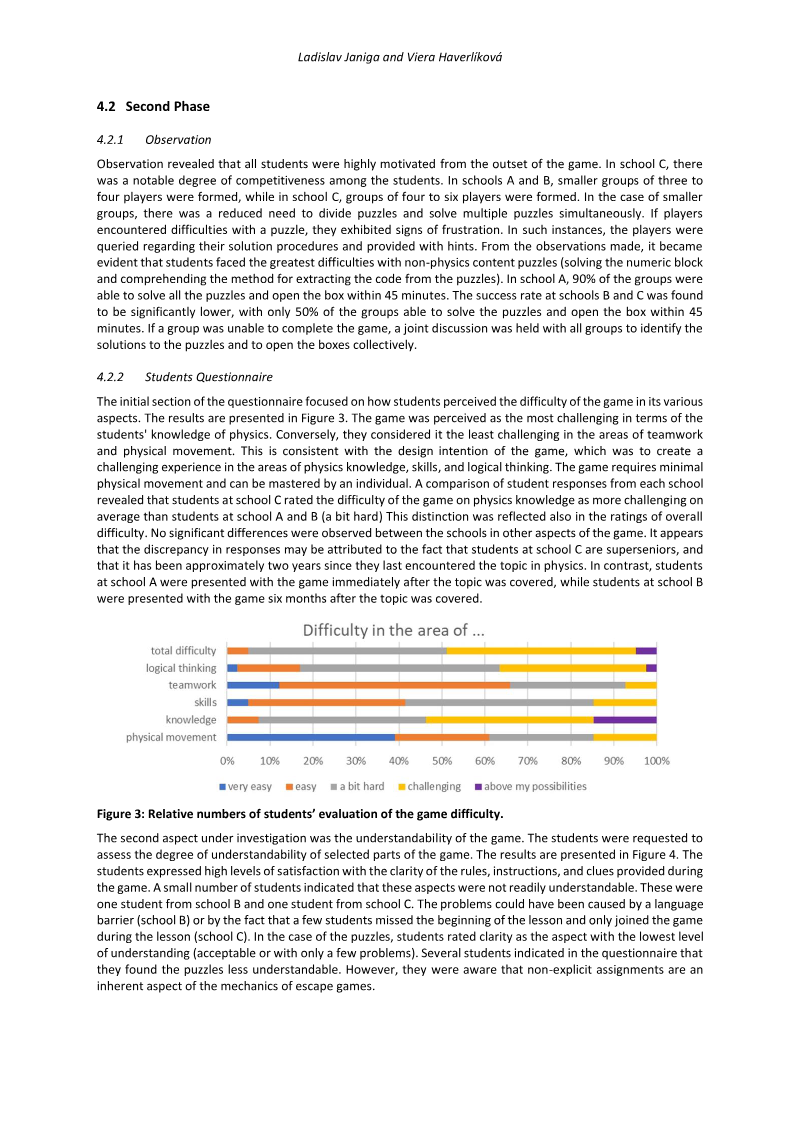
- Two escape games teaching electromagnetism to Slovak upper secondary students were compared: a distributed 15-stand tournament across a school building and a non-digital puzzle sequence inside a locked chest, both designed to a 45-minute lesson format.
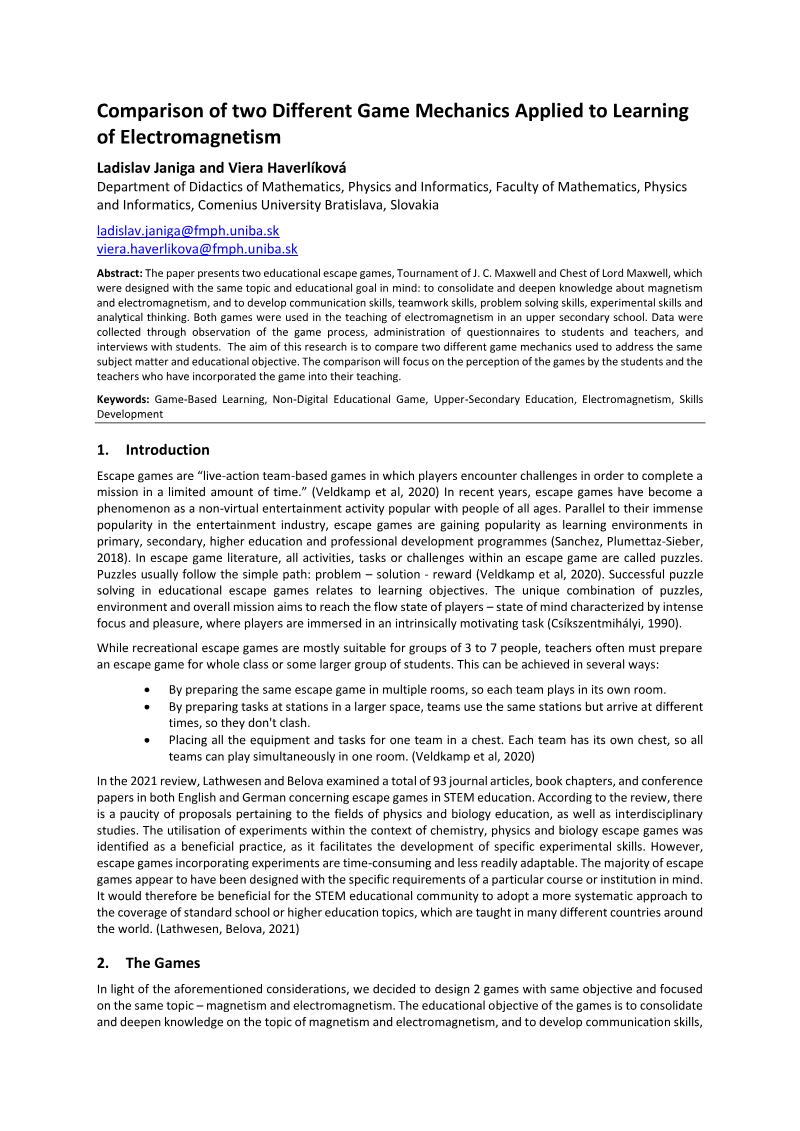
- Students rated both games as challenging yet achievable, with the physics content judged the most demanding element, across a first phase of 55 students and a second phase of 142 students at three schools in Bratislava.
- Teamwork was consistently seen as a strength, but group composition was critical: weaker teams sometimes became discouraged or gave up.
Limes (the Roman Frontier): Developing a Video Game for History Learning
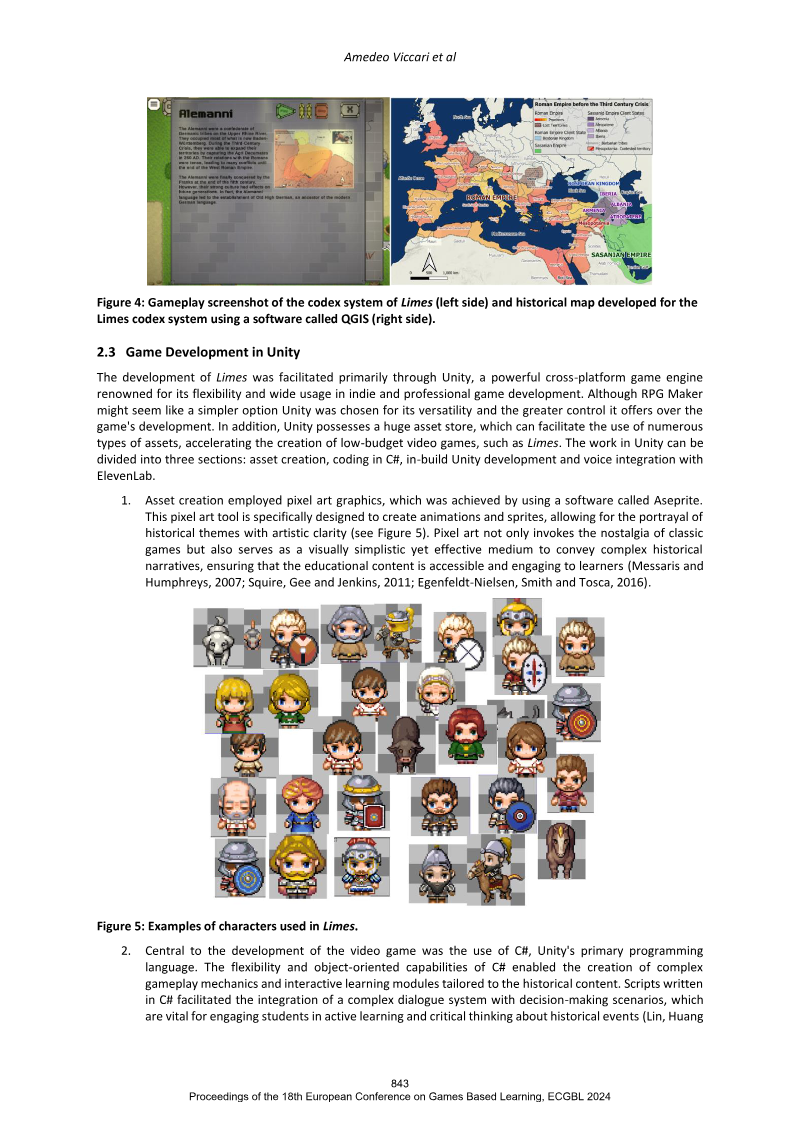
The paper presents the design and development of Limes, a 2D top-down educational video game built in Unity with pixel art graphics, intended for use in 5th and 6th grade German secondary school history classes.
- Limes is a 2D top-down educational game built in Unity with pixel art, designed for 5th and 6th grade German secondary school history classes and aligned with curricular objectives so it can be integrated into classroom teaching.
- The game is set in third-century AD southwestern Germany and follows an Alemanni child who befriends a Roman centurion, Ariovist, amid rising tensions between the two groups, targeting goals such as motivation, Roman-Germanic relations, historical empathy, critical thinking, and intercultural outcomes.
- Gameplay spans five levels, each with a mandatory main mission and an optional secondary mission featuring stealth, combat, puzzles, and horse racing, plus a performance-based star rating.
Impact of LEGO® Based Therapy on Skills Development and Quality of Life in People with Neurodevelopmental Disorders
This thesis evaluates whether LEGO® Based Therapy, a structured social-skills intervention that uses collaborative LEGO® construction, can benefit people with neurodevelopmental disorders beyond autism, and whether it improves quality of life for beneficiaries and their families.
- LEGO® Based Therapy was evaluated in France on 108 analysed participants aged roughly 5 to 88 with diverse neurodevelopmental and other diagnoses, after 317 learners were trained to deliver it to 76 practitioners' service users between February 2022 and June 2024.
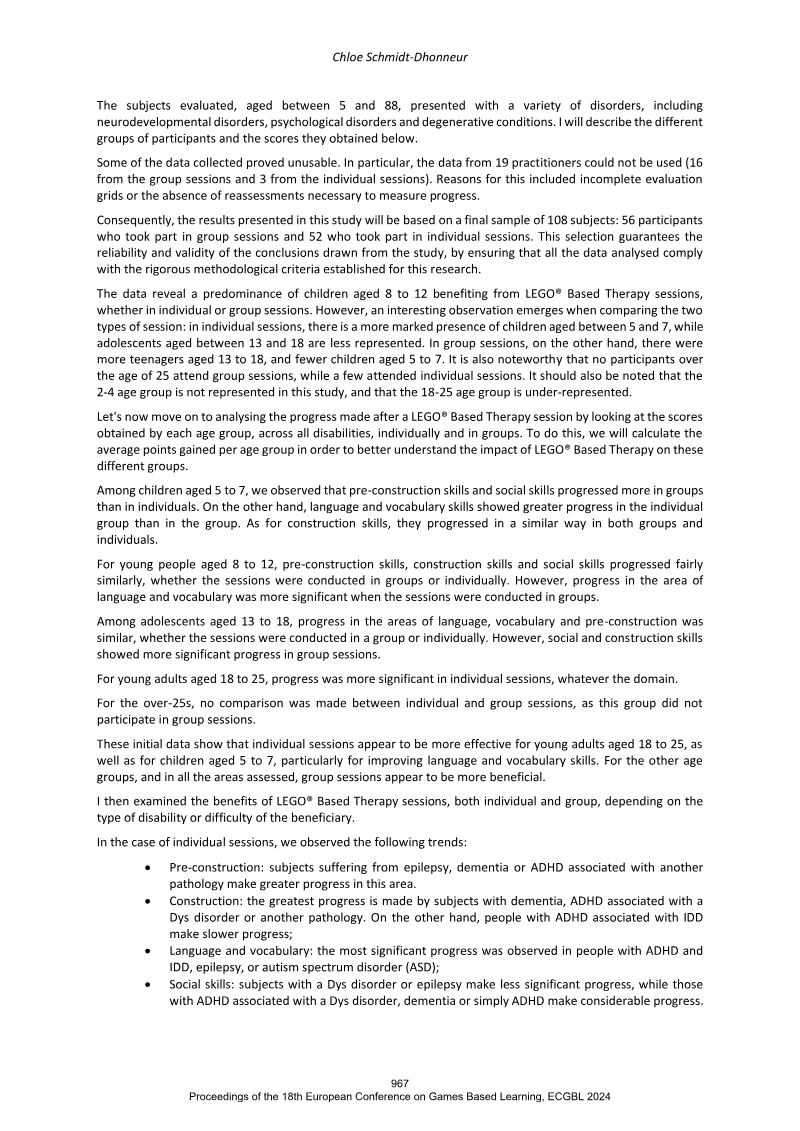
- Individual sessions appeared more effective for children aged 5 to 7 in language and vocabulary and for young adults aged 18 to 25, while group sessions seemed more beneficial for most other age groups.
- Participants with ADHD showed notable gains across several domains, whereas participants with schizophrenia showed the least change, likely because their baseline scores were already high, suggesting the evaluation grid may not suit that functioning level.
Exploring the Affordances of Vernacular Digital Games in Developing 21st-Century Skills
This paper argues that the boundary between formal and non-formal learning should be bridged rather than dismissed, and it proposes shifting the focus from gamification, which adds game elements to non-game contexts, toward adding an educational layer to entertainment games that were never designed for pedagogy.
- The paper argues for adding an educational layer to entertainment games not designed for pedagogy, rather than gamification, which adds game elements to non-game contexts.
- Vernacular digital games are presented as capable of cultivating 21st-century competencies such as critical thinking, collaboration, multimodal and information literacy, emotional competence, and technology literacy, but no single game or context can develop them alone, so a holistic combination of learning environments is needed.
- Design features shape outcomes: multimodality supports literacy but excessive or purposeless multimedia can impose cognitive load, while adaptivity sustains flow by balancing challenge and skill.