1 free read left. Create a free account for unlimited reading + AI research.
Create free accountWhitepaper European Conference on Games Based Learning (ECGBL)
1 free read left. Create a free account for unlimited reading + AI research.
Create free accountWhitepaperEuropean Conference on Games Based Learning (ECGBL)
The qualitative case study used observations, class recordings, and semi-structured interviews over two semesters in 2019, with The Walking Dead as the game.
This qualitative case study examines how teachers' video game literacy shapes their pedagogical use of The Walking Dead in an ethics course at a Norwegian high school. Drawing on observations, class recordings, and semi-structured interviews with seven teachers over two semesters in 2019, the author focuses on three teachers with comparable teaching experience but differing gaming backgrounds, labeled "the expert," "the novice," and "the skeptic." The study frames video game literacy along two dimensions: operational literacy, the ability to play and interpret a game's mechanics and structure, and cultural literacy, the awareness of games as a diverse medium and of distinctions such as game design versus play, or simulation versus representation.
The findings indicate that operational literacy strongly affected how teachers navigated gameplay and identified the game's dilemmas. The expert and novice treated the narrative as a contextual resource that prepared students to engage with moral decisions, while the skeptic regarded it as a backdrop and struggled to separate pedagogically relevant elements from incidental ones, such as routine actions that were not genuine decision points. The skeptic also tended to pause after actions had already occurred and framed discussions around identifying ethical theories rather than exploring alternatives. Cultural literacy shaped teachers' judgments about student engagement and their efforts to distinguish playing for fun from playing to learn. The expert doubted that the game would motivate every student, the novice encountered students who prioritized winning over the learning goal, and the skeptic's less explicit framing left some students unmoved by the intended moral discussion.
The author concludes that teachers' video game literacy significantly influences how digital games are used in classrooms, and recommends that teacher education address both operational and cultural dimensions. The study acknowledges limitations including its small sample, its focus on a single game, and the possible influence of other forms of media literacy, such as familiarity with the zombie genre.
Each row is a game or company this document names, each column a document, oldest first. A mark means that document names it. Select a row to see those documents.



European Conference on Games Based Learning (ECGBL) · 2026



European Conference on Games Based Learning (ECGBL) · 2026



European Conference on Games Based Learning (ECGBL) · 2026



European Conference on Games Based Learning (ECGBL) · 2026



European Conference on Games Based Learning (ECGBL) · 2026



European Conference on Games Based Learning (ECGBL) · 2026



European Conference on Games Based Learning (ECGBL) · 2026
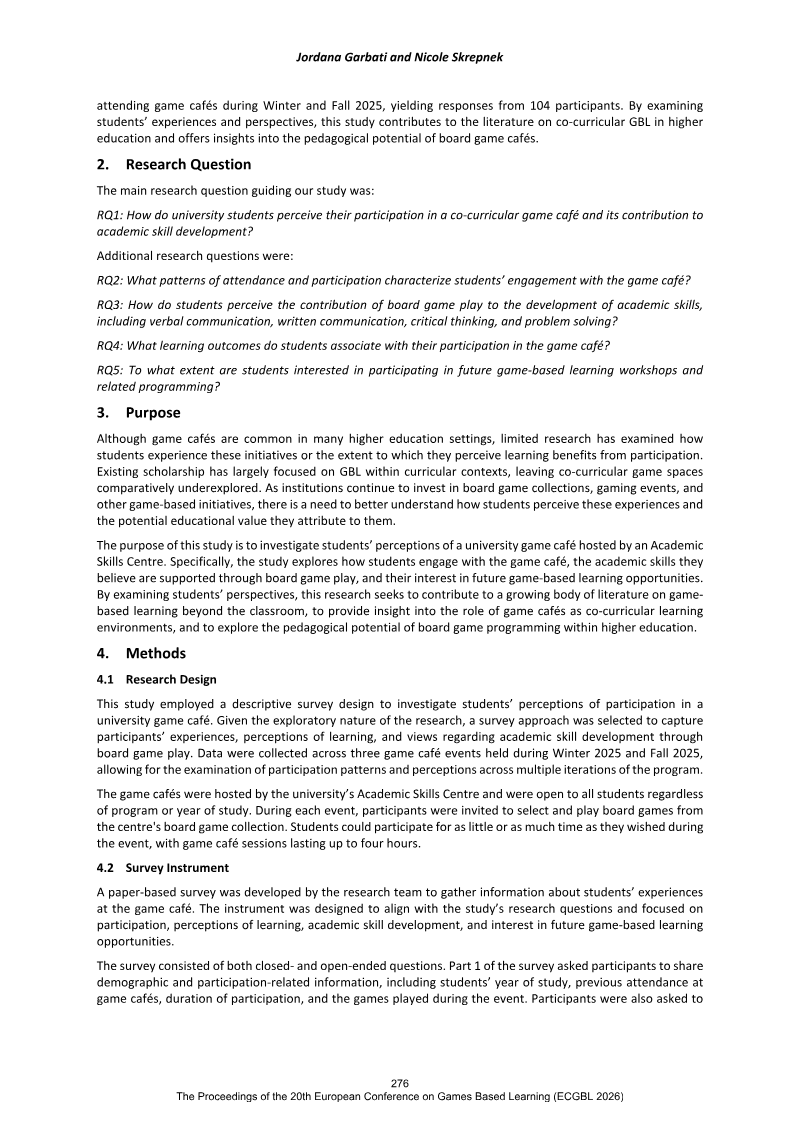
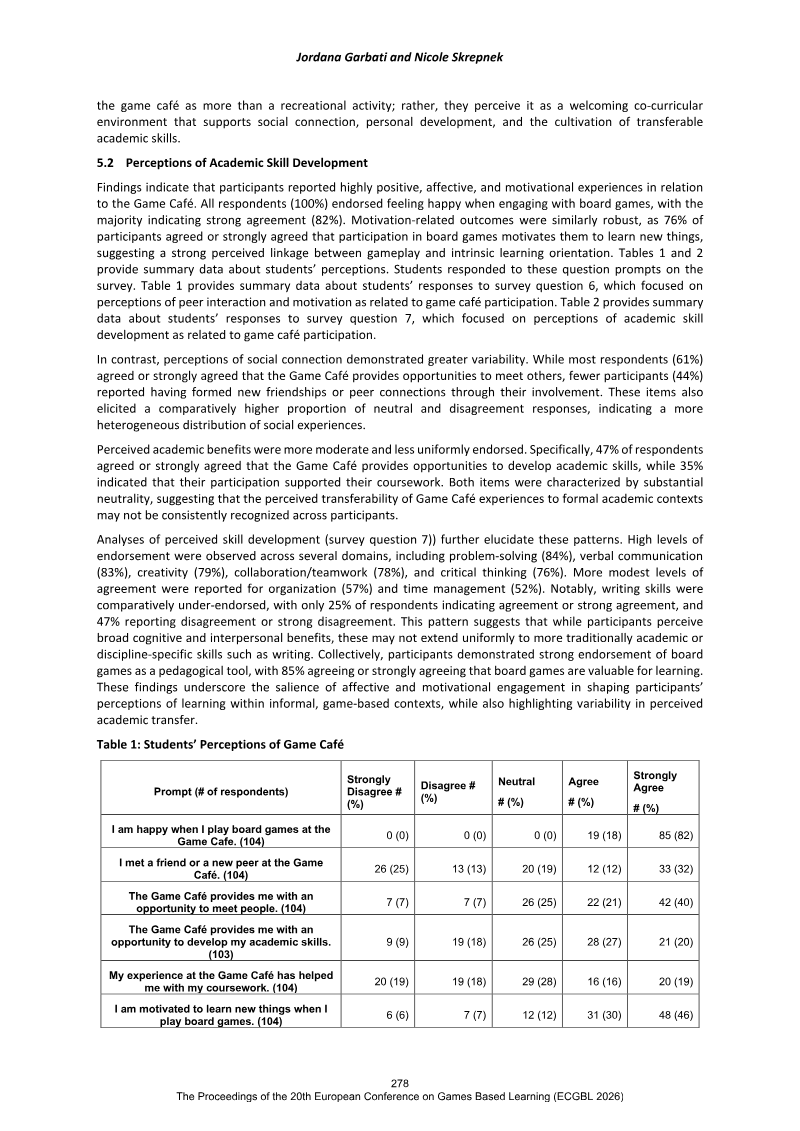
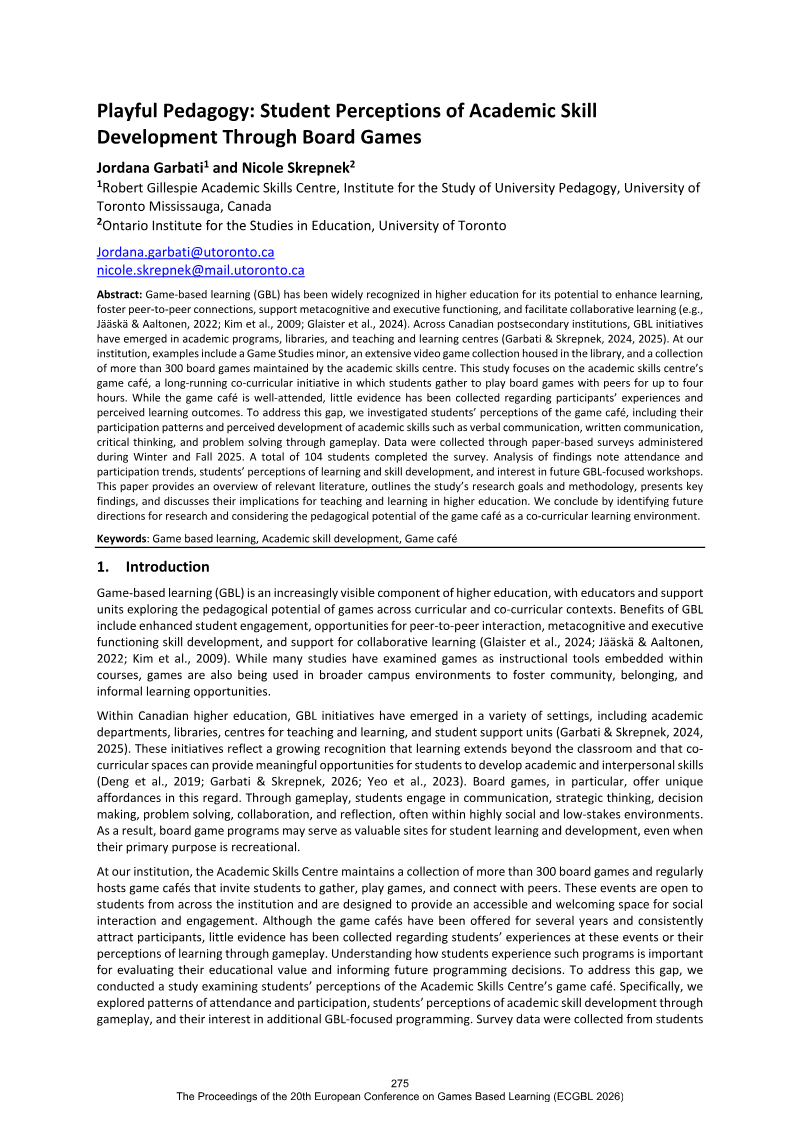
University of Toronto · 2026



European Conference on Games Based Learning (ECGBL) · 2026



European Conference on Games Based Learning (ECGBL) · 2026



European Conference on Games Based Learning (ECGBL) · 2026



European Conference on Games Based Learning (ECGBL) · 2026
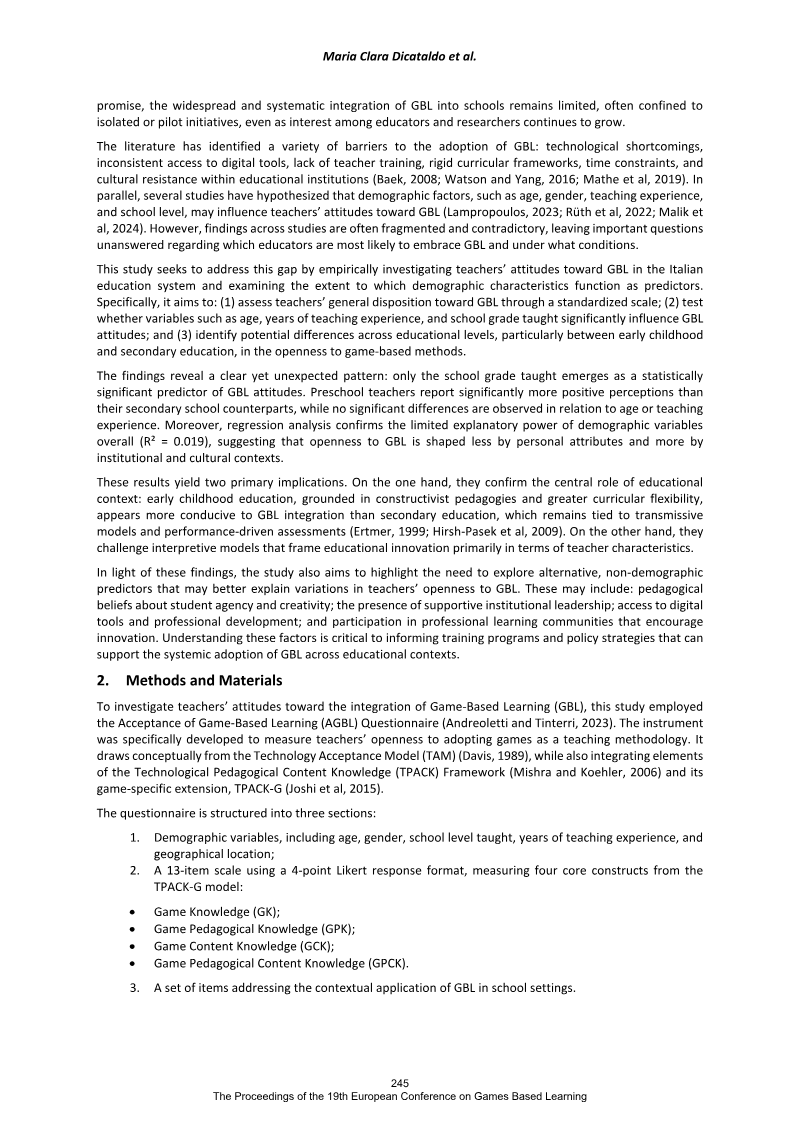
European Conference on Games Based Learning (ECGBL) · 2025
European Conference on Games Based Learning (ECGBL) · 2024
European Conference on Games Based Learning (ECGBL) · 2022