1 free read left. Create a free account for unlimited reading + AI research.
Create free accountWhitepaperInternational Journal of Role-Playing
Larp can address social anxiety and affective disorders in individuals under 30.
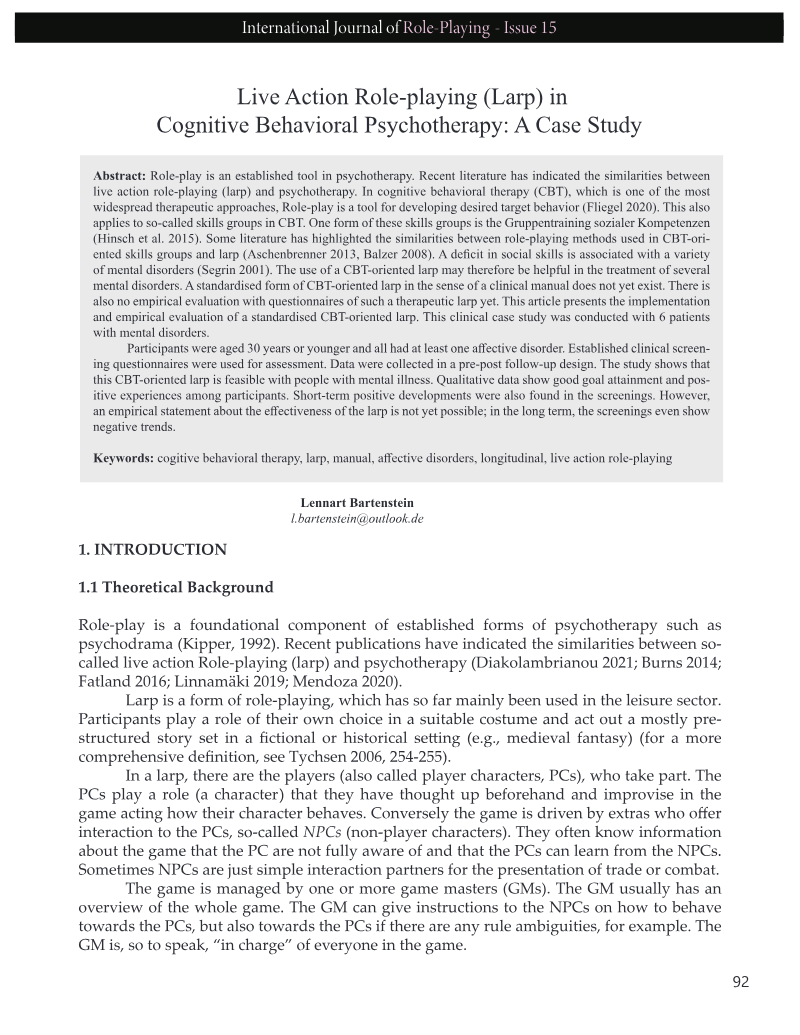
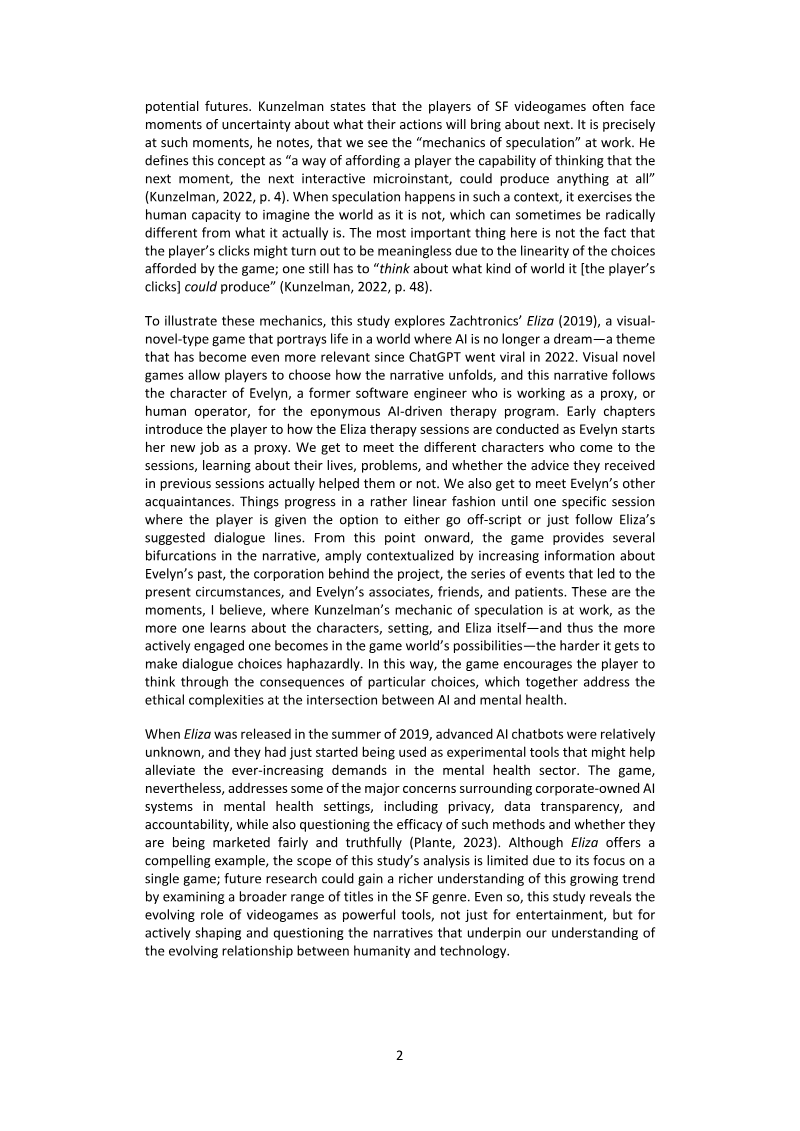
Integrating Live Action Role-playing (Larp) into Cognitive Behavioral Therapy (CBT) serves as a novel, feasible intervention for young adults struggling with affective disorders, social anxiety, and personality-related challenges. By utilizing immersive role-play environments, this therapeutic approach aims to address social competence deficits and psychological distress in a controlled, engaging setting. The primary thesis posits that while Larp functions effectively as a high-engagement tool for short-term goal attainment and improved self-perception, its capacity to generate stable, long-term clinical symptom reduction remains inconclusive without further empirical validation.
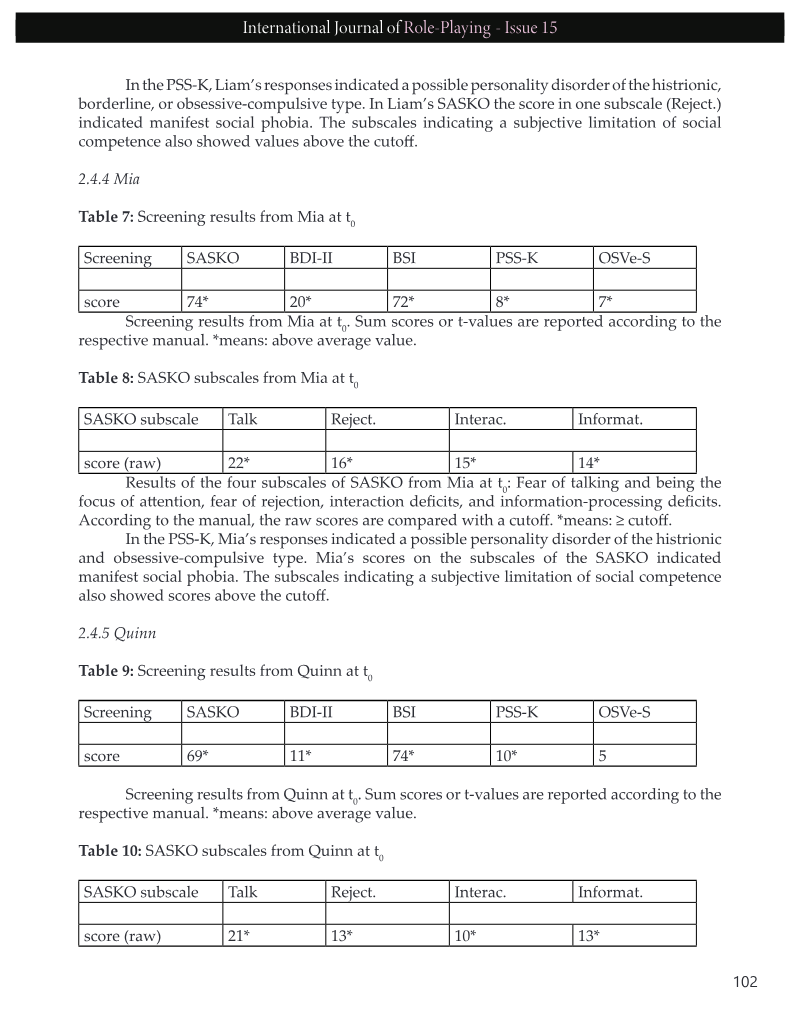
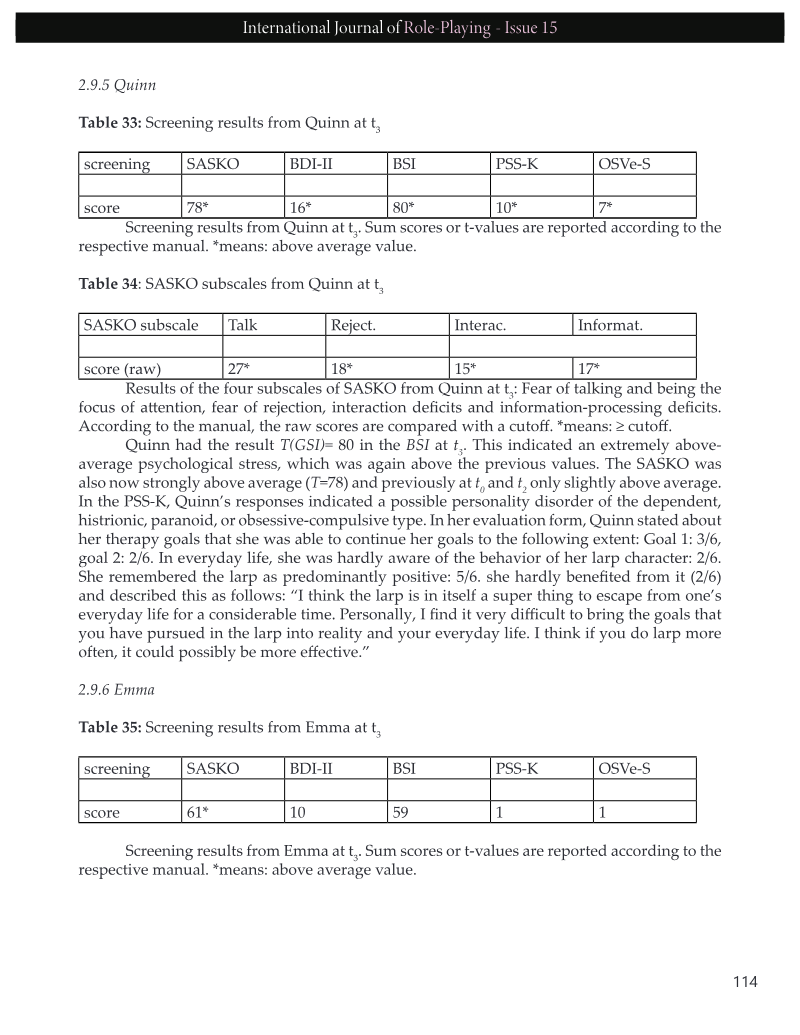
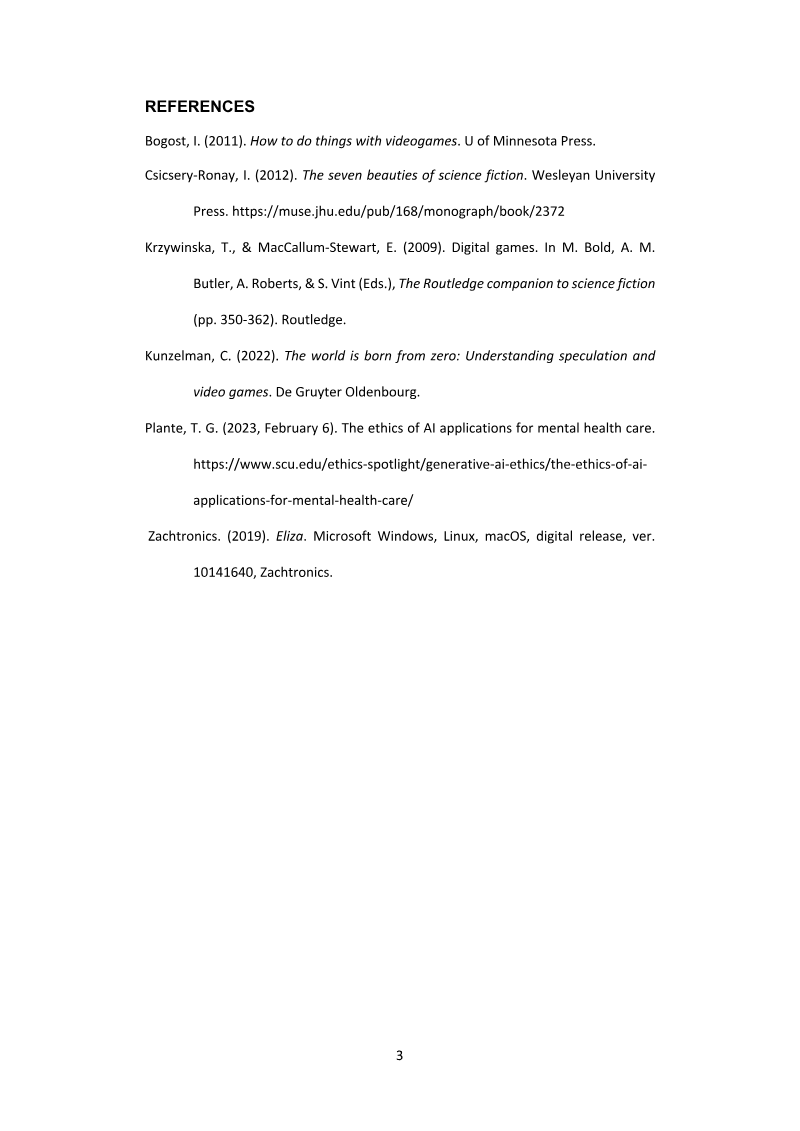
The study tracks six participants under the age of 30, establishing baseline psychological profiles through standardized clinical tools such as the BDI-II and BSI. Data collected throughout the intervention reveal a consistent pattern: participants report high levels of enjoyment and subjective well-being during the Larp sessions, successfully navigating behavioral goals within the game world. However, post-treatment and three-month follow-up assessments indicate significant variability in clinical outcomes. While some individuals experience measurable improvements in depression scores and social competence, others struggle to translate these gains into their daily lives, leading to a regression in symptoms over time.
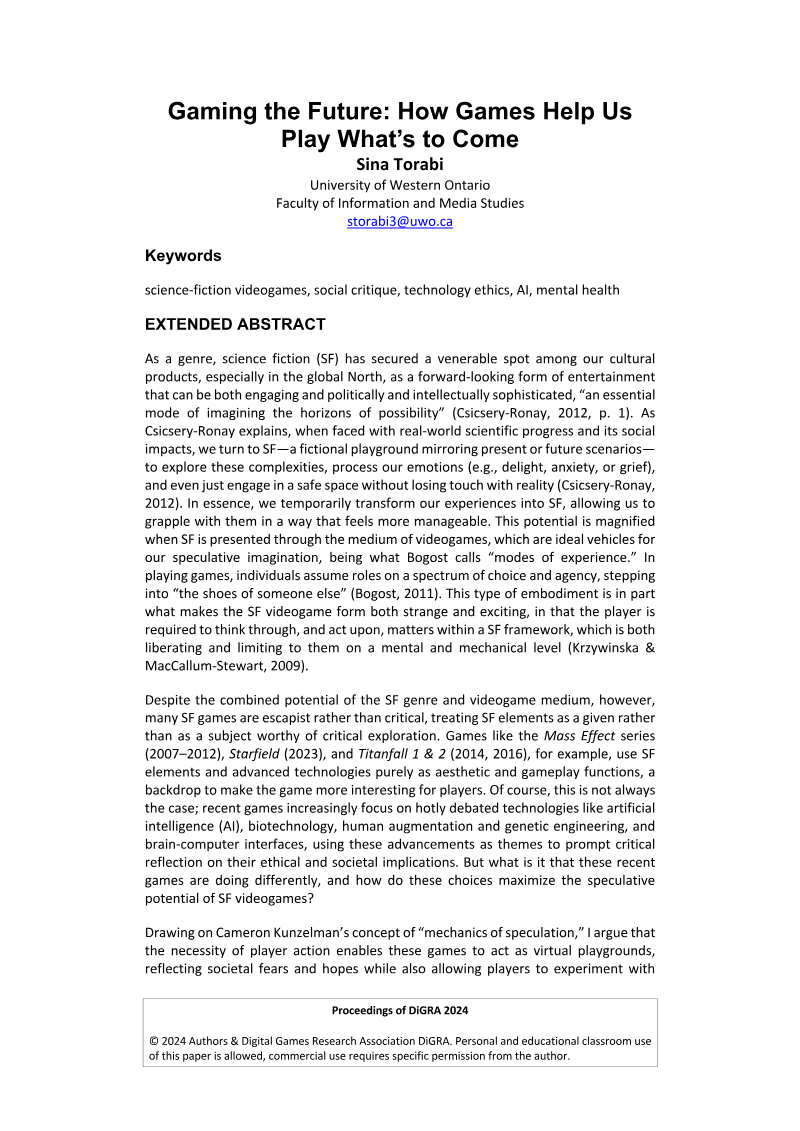
Ultimately, the findings suggest that Larp should not be viewed as a standalone cure but rather as a supplementary training exercise. To achieve lasting behavioral change, the intervention requires integration into broader, ongoing psychotherapeutic frameworks and more frequent, recurring sessions. Future research must focus on longitudinal efficacy to determine how to better bridge the gap between the immersive therapeutic experience and the maintenance of mental health gains in real-world environments.
International Journal of Role-Playing · 2026
International Journal of Role-Playing · 2026



International Journal of Role-Playing · 2026
International Journal of Role-Playing · 2026
International Journal of Role-Playing · 2026



International Journal of Role-Playing · 2026
International Journal of Role-Playing · 2026
International Journal of Role-Playing · 2026
International Journal of Role-Playing · 2026
International Journal of Role-Playing · 2026
International Journal of Role-Playing · 2026
International Journal of Role-Playing · 2026
International Journal of Role-Playing · 2026







Comments