Serious Games reports and market data
Documents
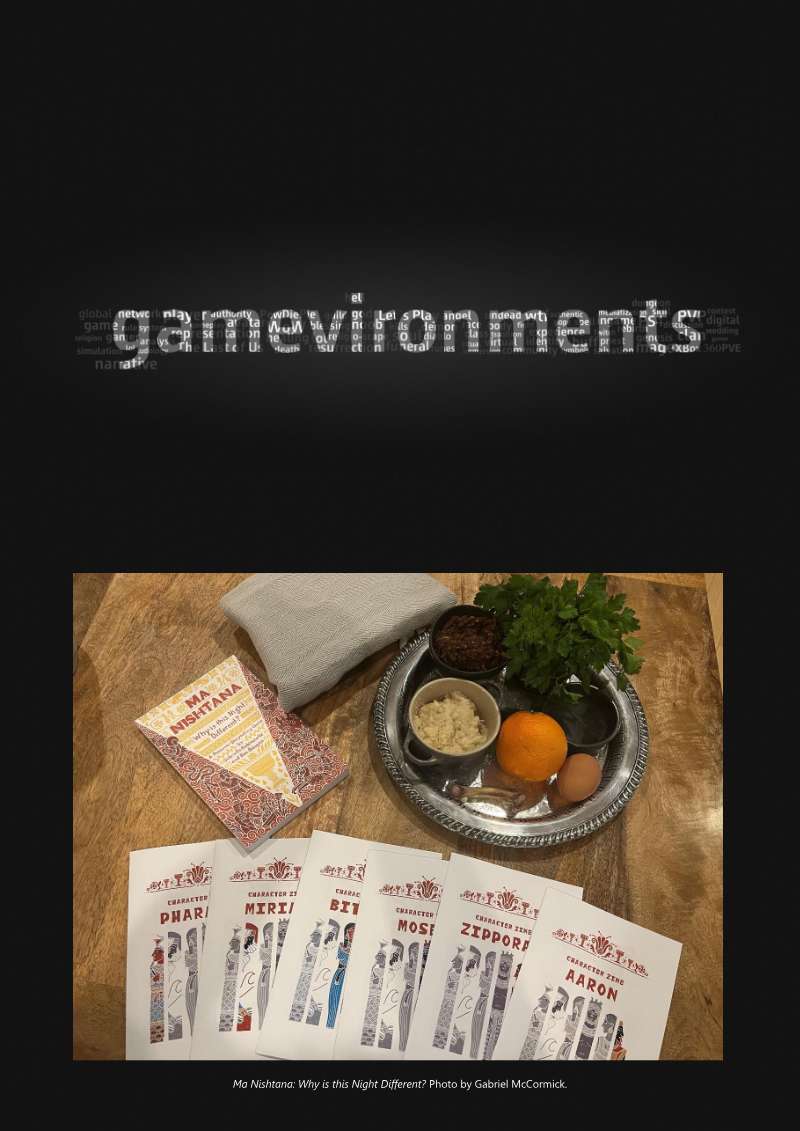
Teaching with Games: Formative Gaming in Religion, Philosophy and Ethics
Playing to Grow examines whether video games can serve as meaningful instruments of character education, social and emotional learning (SEL), and moral instruction.
- A 2023 roundtable of game scholars and educators argues that player-choice games may offer richer pathways to character development than extrinsically rewarded systems such as PBIS and MTSS, positioning games as conversation openers rather than standalone solutions.
- The most concrete empirical evidence is a UNESCO MGIEP study of the interactive fiction game Bury me, my Love with students in Dubai and New Delhi, which found a positive correlation between empathy and compassion, with compassion gains attributed to players translating empathy into action.
- Beyond the UNESCO MGIEP study, supporting evidence is largely qualitative and anecdotal, drawing on titles such as Lost Words: Beyond the Page, Quandary, This War of Mine, Sky: Children of the Light, and the Lost & Found series, a limitation participants openly acknowledge.
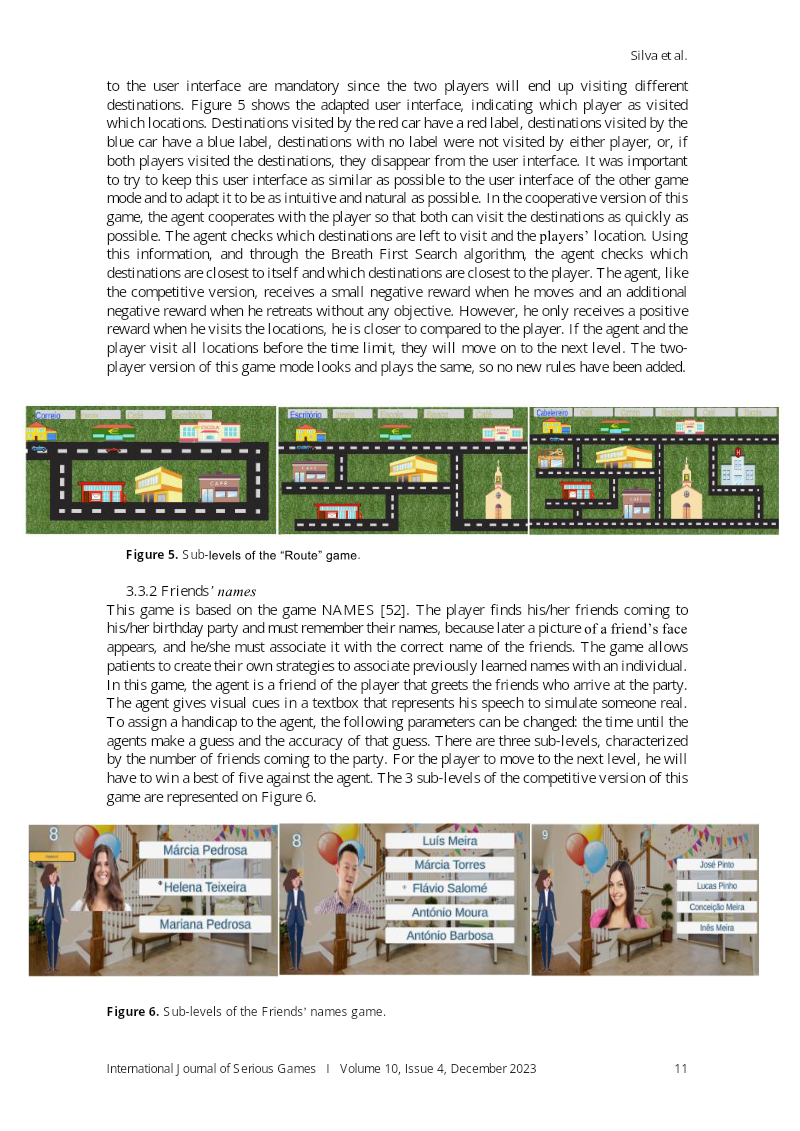
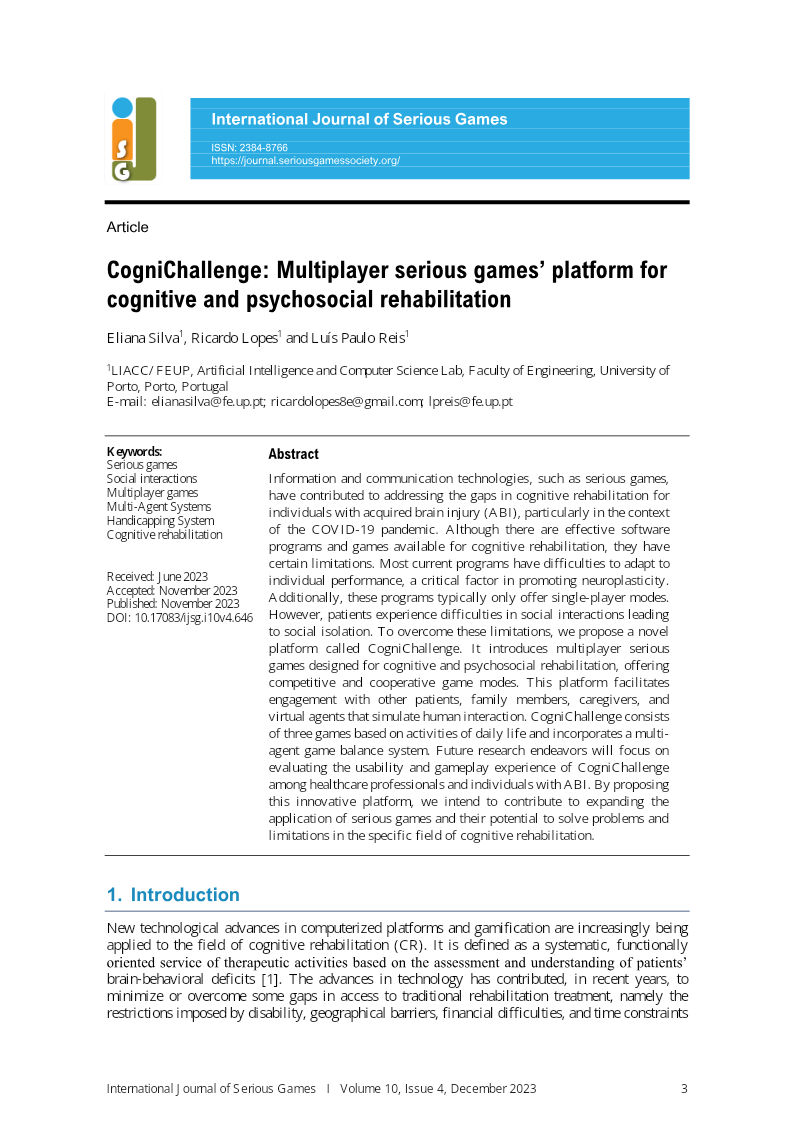
CogniChallenge: Multiplayer Serious Games' Platform for Cognitive and Psychosocial Rehabilitation
International Journal of Serious Games https://journal.seriousgamessociety.org/ CogniChallenge: Multiplayer serious games' platform for cognitive and psychosocial rehabilitation Eliana Silva1, Ricardo Lopes1 and Luís Paulo Reis1 1LIACC/ FEUP, Artificial Intelligence and Computer Science Lab, Faculty of Engineering, University…
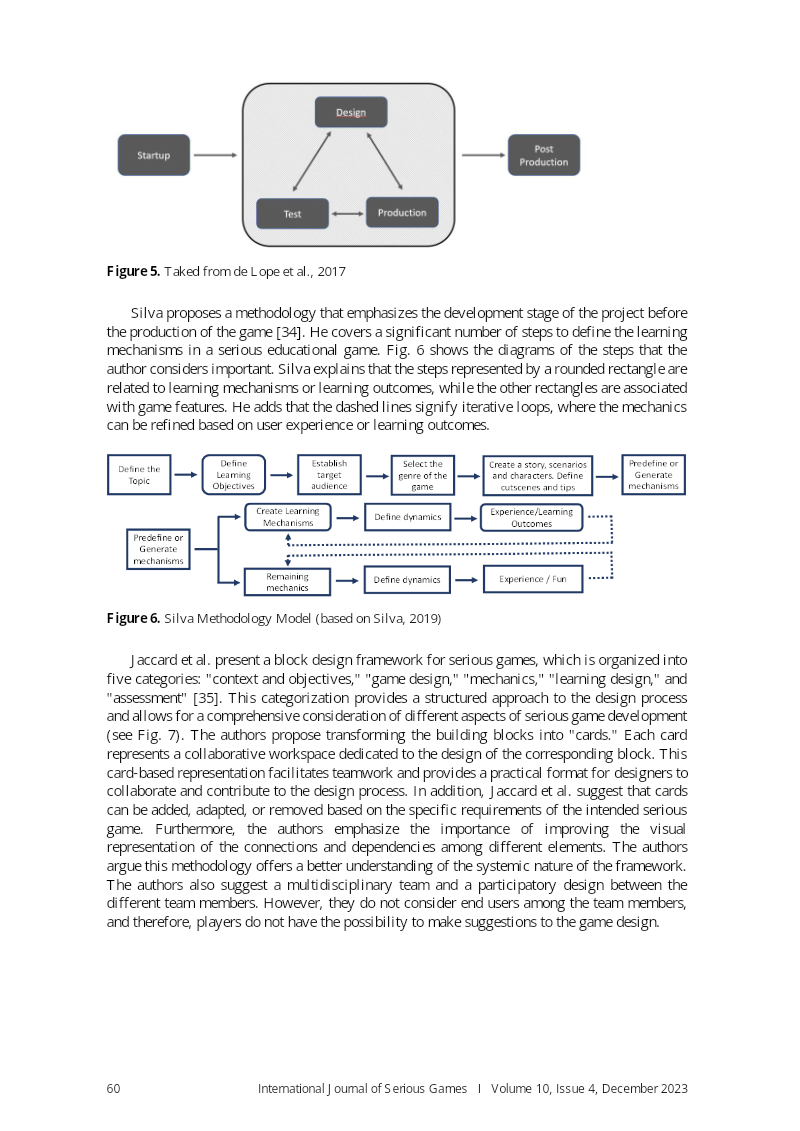
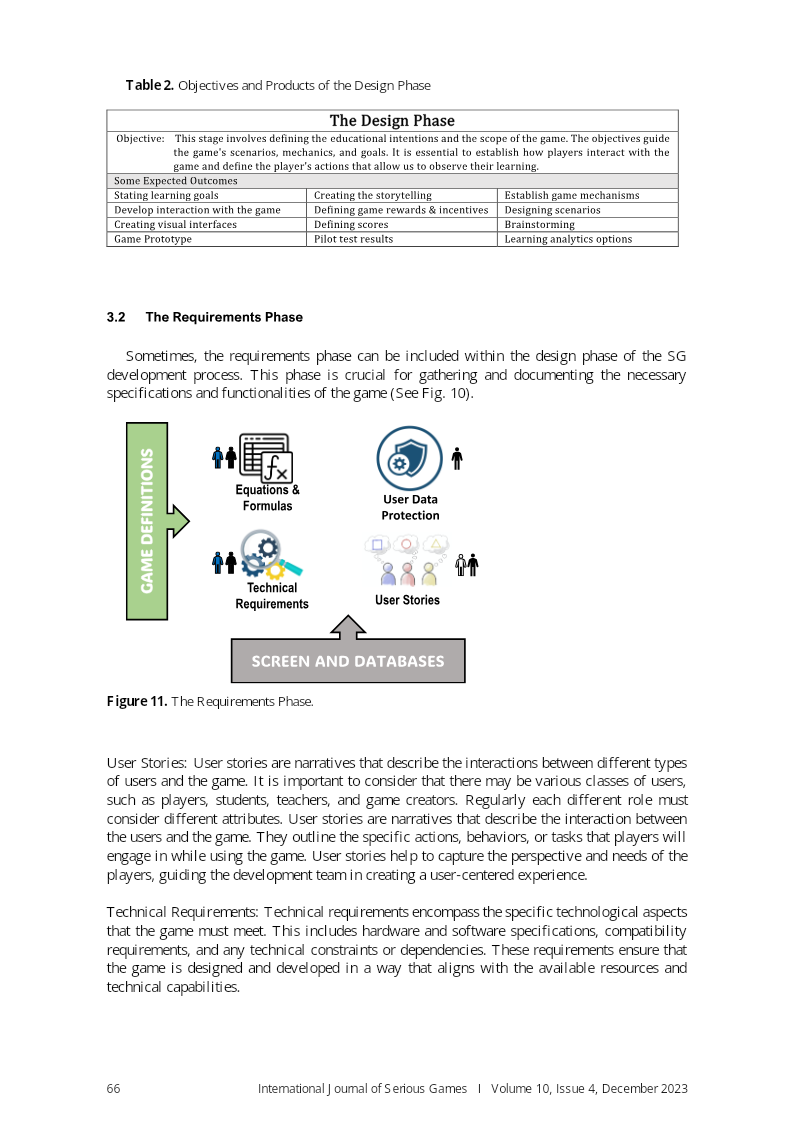
How to Create Serious Games: Proposal for a Participatory Methodology
International Journal of Serious Games https://journal.seriousgamessociety.org/ How to Create Serious Games?

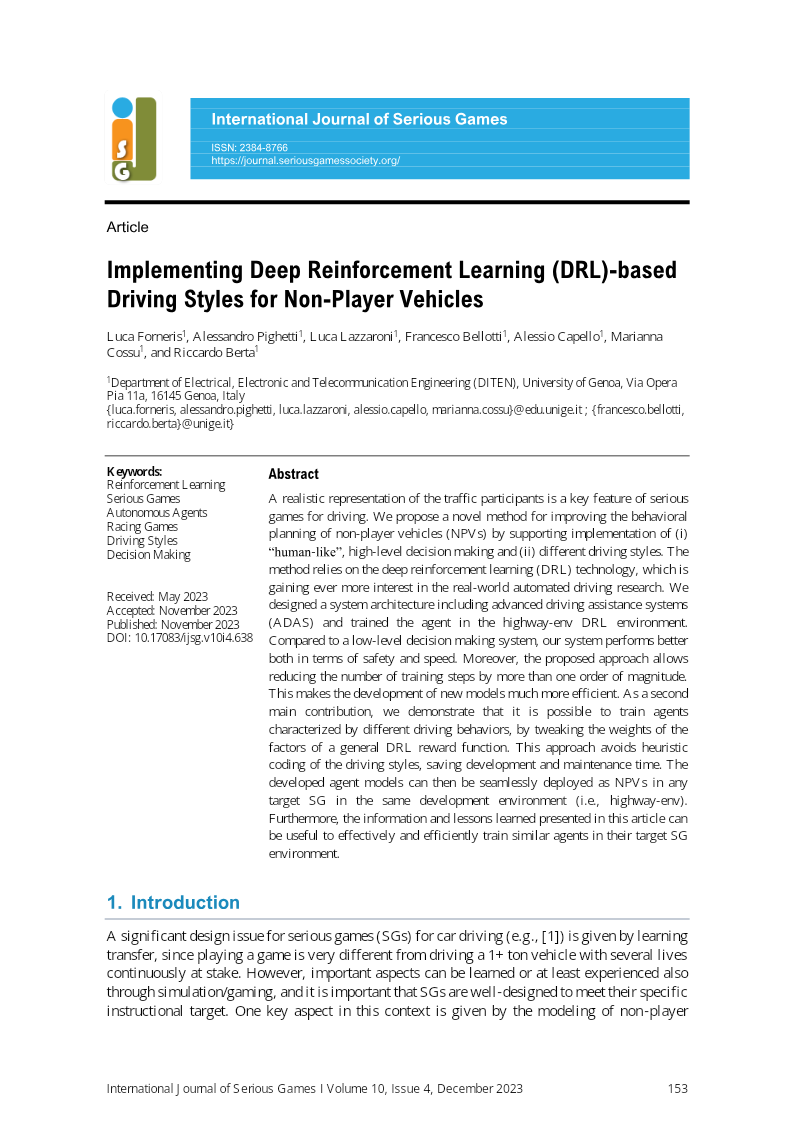
Implementing Deep Reinforcement Learning (DRL)-based Driving Styles for Non-Player Vehicles
International Journal of Serious Games https://journal.seriousgamessociety.org/ Implementing Deep Reinforcement Learning (DRL)-based Driving Styles for Non-Player Vehicles Luca Forneris1, Alessandro Pighetti1, Luca Lazzaroni1, Francesco Bellotti1, Alessio Capello1, Marianna 1Department of Electrical, Electronic and…
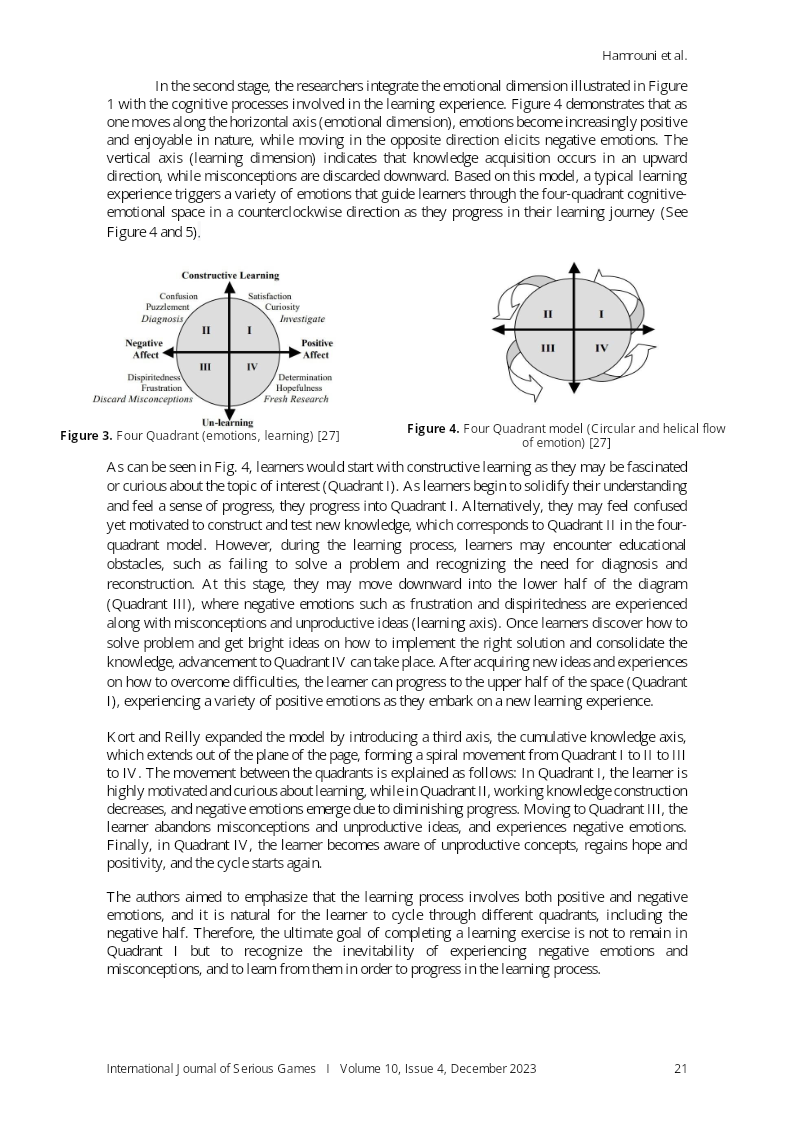
A Taxonomy of Learner-Player's Emotions in Serious Games
International Journal of Serious Games https://journal.seriousgamessociety.org/ A taxonomy of learner-player's emotions in serious games Abir Hamrouni1, Fatima Bendella1 1SIMPA Laboratory, Department of Computer Science, Université des Sciences et de la Technologie d'Oran Mohamed Boudiaf USTO-MB, BP 1505, El Mnaouar,31000…
Mathematical Game Performance as an Indicator of Deliberate Practice
International Journal of Serious Games https://journal.seriousgamessociety.org/ Mathematical game performance as an indicator of Jake McMullen1, Phuong Bui1, Boglárka Brezovszky1, Erno Lehtinen 1,2 and Minna M. Hannula-Sormunen1 1Department of Teacher Education, University of Turku, Turku, Finland; 2 Vytautas Magnus University…
Demystifying the Relations of Motivation and Emotions in Game-Based Learning: Insights from Co-Occurrence Network Analysis
International Journal of Serious Games https://journal.seriousgamessociety.org/ Demystifying the Relations of Motivation and Emotions in Game-Based Learning: Insights from Co-Occurrence Kristian Kiili, Juho Siuko, Elizabeth Cloude and Muhterem Dindar Faculty of Education and Culture, Tampere University, Tampere, Finland…
Toward a Framework for Analyzing Adaptive Digital Games' Research Effectiveness
International Journal of Serious Games https://journal.seriousgamessociety.org/ Toward a framework for analyzing adaptive digital games' Stefanie Vanbecelaere1, 2, Febe Demedts1, 2, Bert Reynvoet3 and Fien Depaepe1,2 1Itec, research group of Imec and KU Leuven, Kortrijk, Belgium; 2Centre for Instructional Psychology and…
Enhancing Pre-Schoolers' Learning Motivation in Jawi Subject Through Game-Based Learning Application
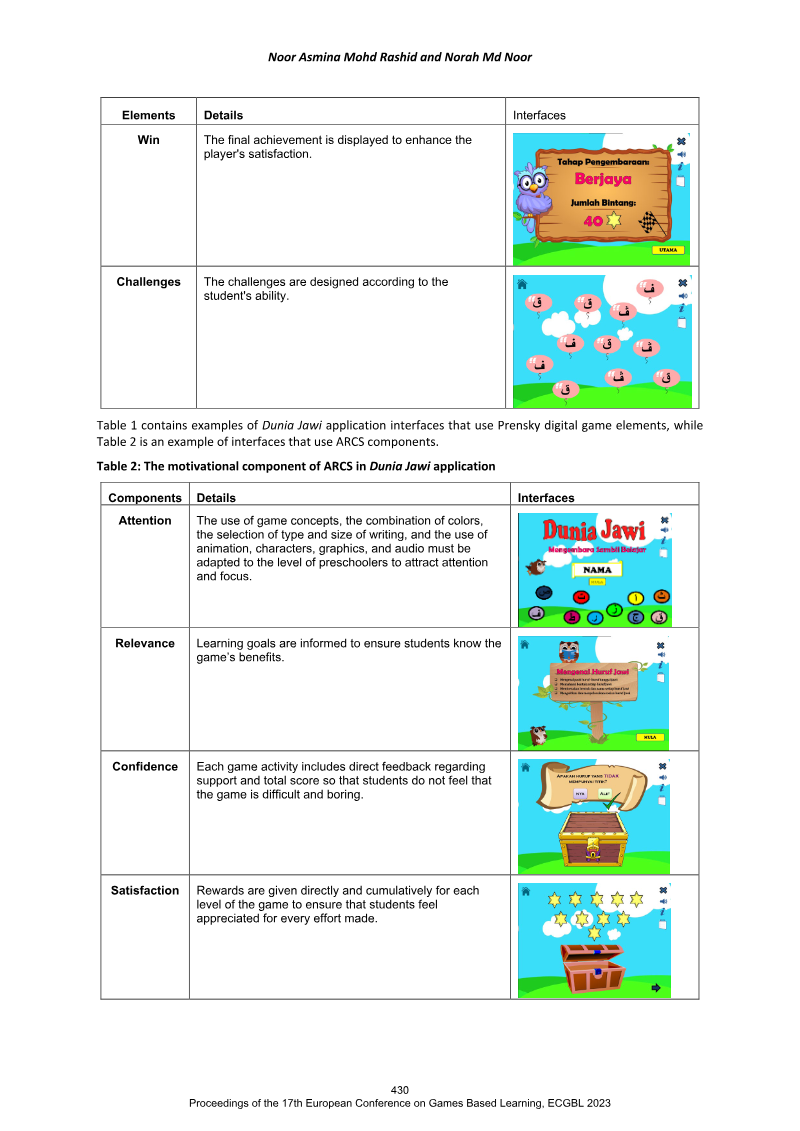
This study examines whether the "Dunia Jawi" mobile game application can increase preschoolers' motivation to learn Jawi, the Malay script written in Arabic letters, which has been losing ground in Malaysian primary education partly because of unengaging instructional materials.
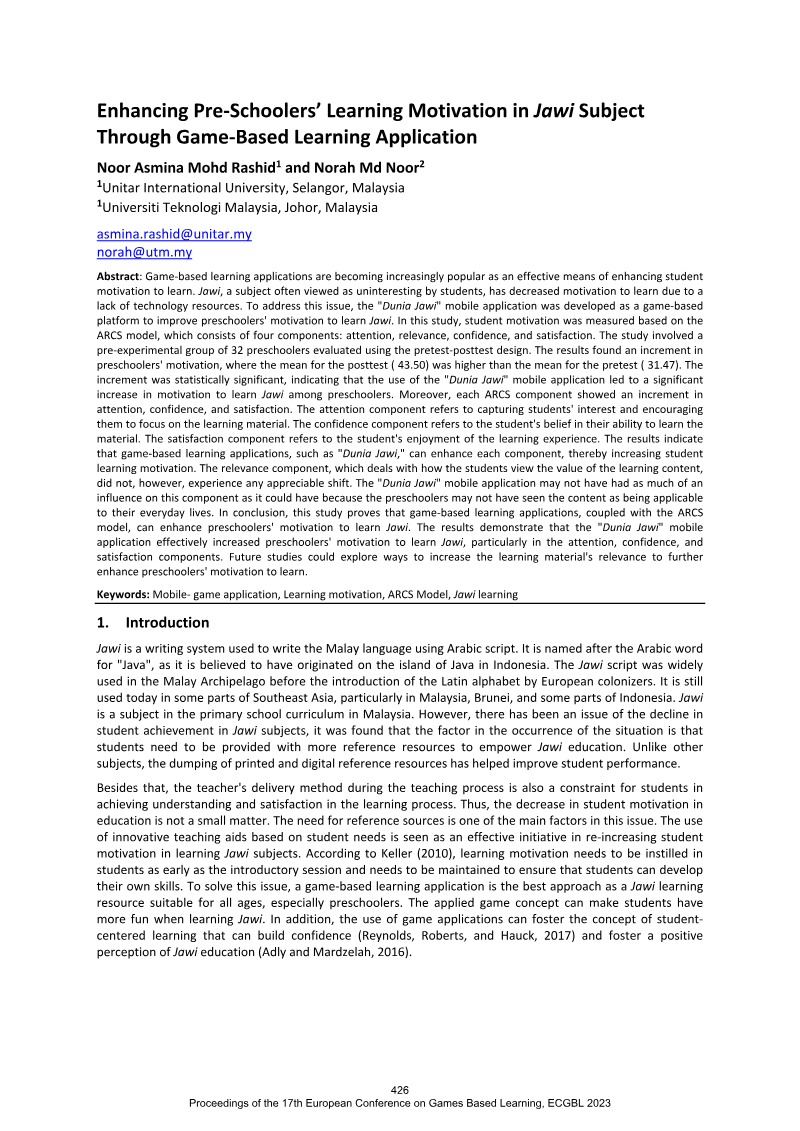
- A quantitative pretest-posttest study of 32 six-year-old preschoolers using the 'Dunia Jawi' mobile app found motivation to learn Jawi rose significantly, from a pretest mean of 31.47 to a posttest mean of 43.50 (p = .000).
- Gains were statistically significant for the attention, confidence, and satisfaction constructs of the ARCS motivation model, but not for relevance (p = .079), which the authors attribute to children not seeing the content as connected to their everyday lives.
- The app was built on Prensky's digital game elements (rules, challenges, feedback, and rewards) and calibrated for touchscreen use by children aged five to six.
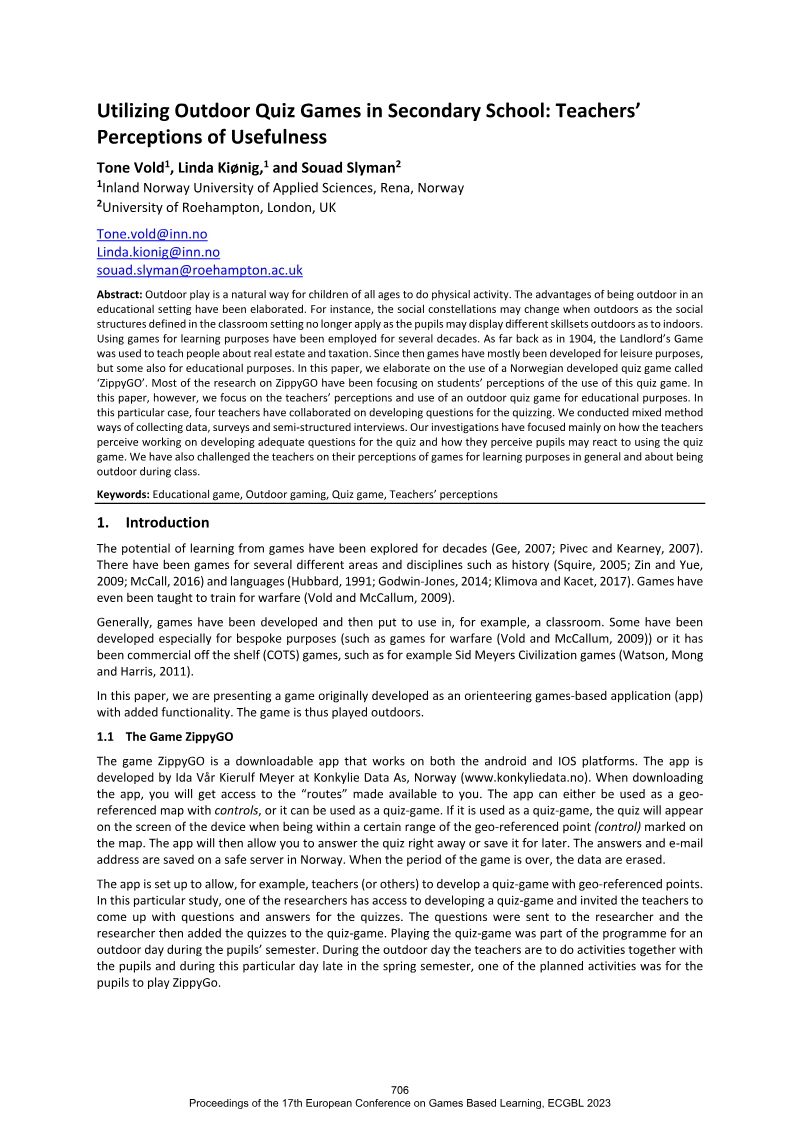
Utilizing Outdoor Quiz Games in Secondary School: Teachers' Perceptions of Usefulness
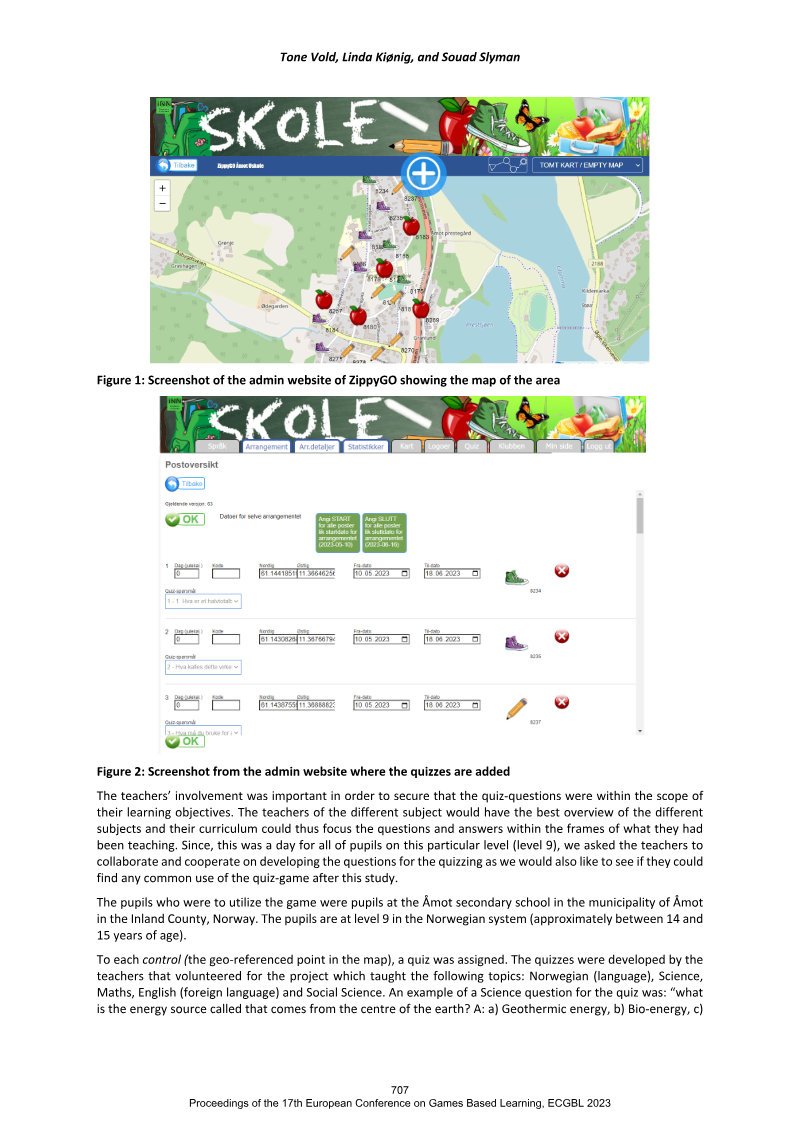
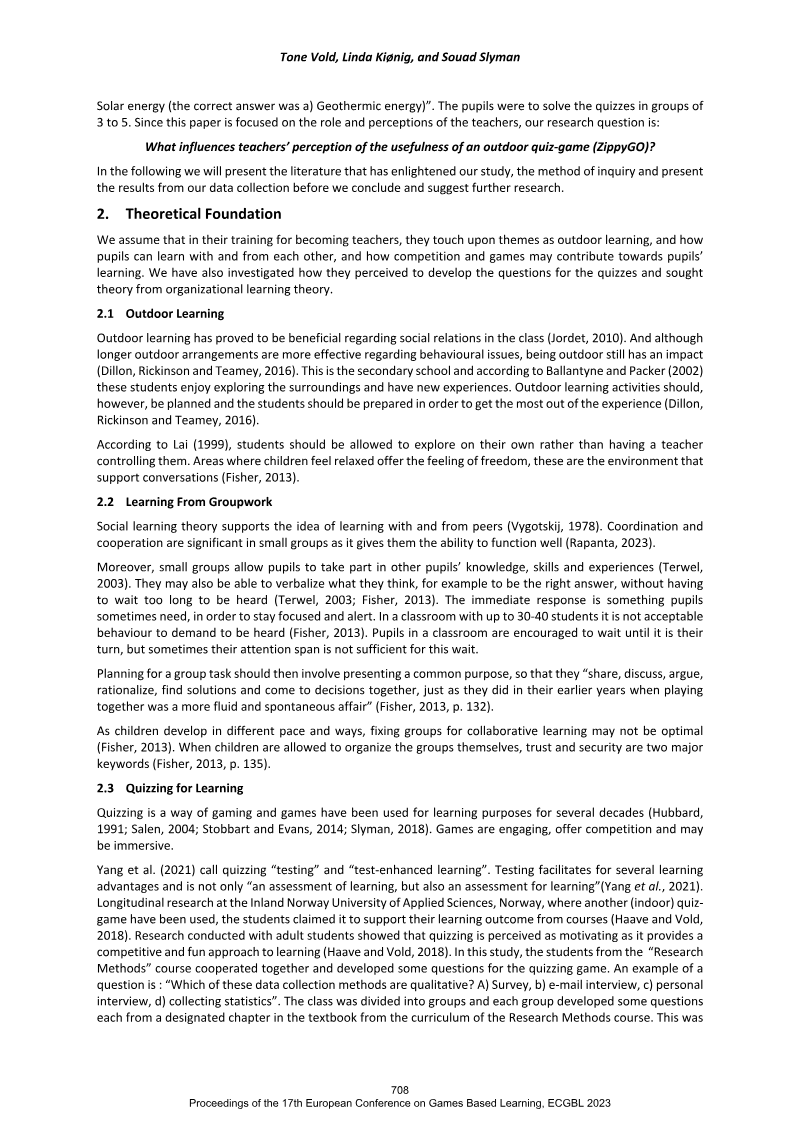
This study examines how secondary school teachers in Norway perceive the usefulness of ZippyGO, an outdoor quiz game that combines geo-referenced map controls with quiz questions.
- Teachers' perceptions of ZippyGO, an outdoor geo-referenced quiz game, were mixed in this single-case study of four teachers at a Norwegian lower secondary school (level 9, ages 14–15).
- No respondent questioned the learning potential of the game itself; concerns centred on factors beyond teachers' control.
- Positive perceptions focused on the novelty of outdoor group work and the high engagement pupils showed, who were described as excited, laughing, and competitive.
On Supporting Game-Based Learning via Recommendations
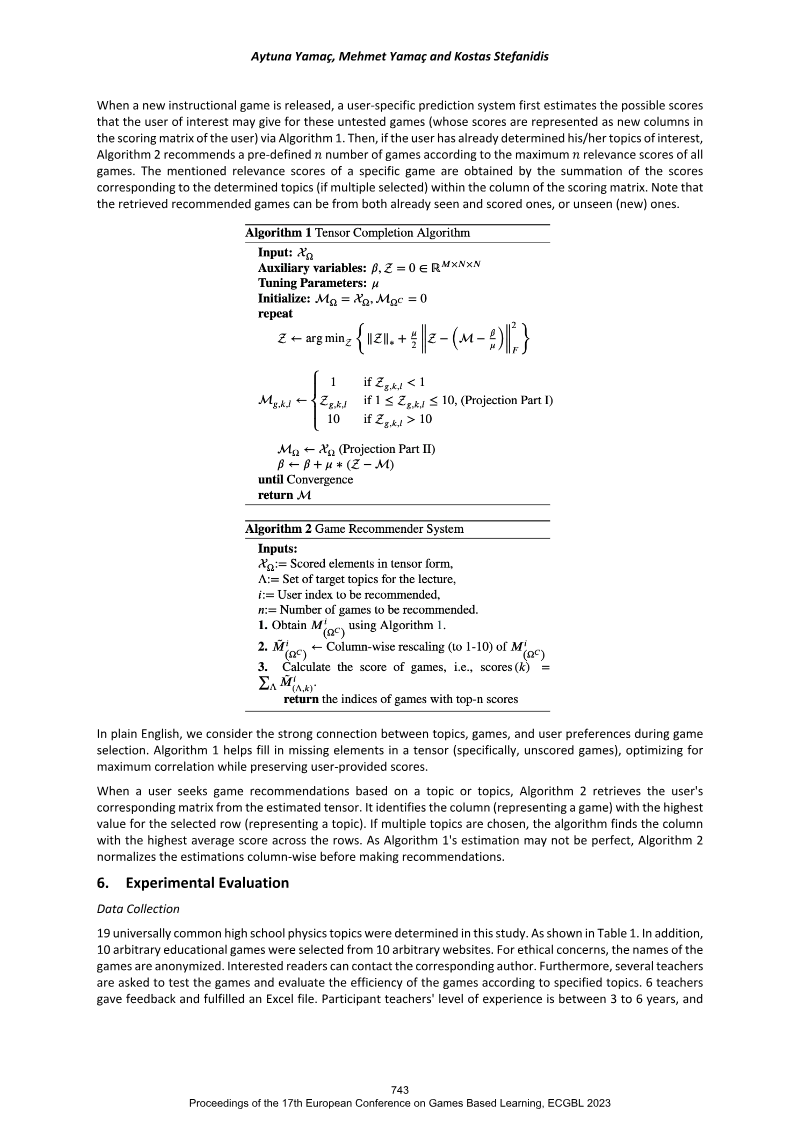
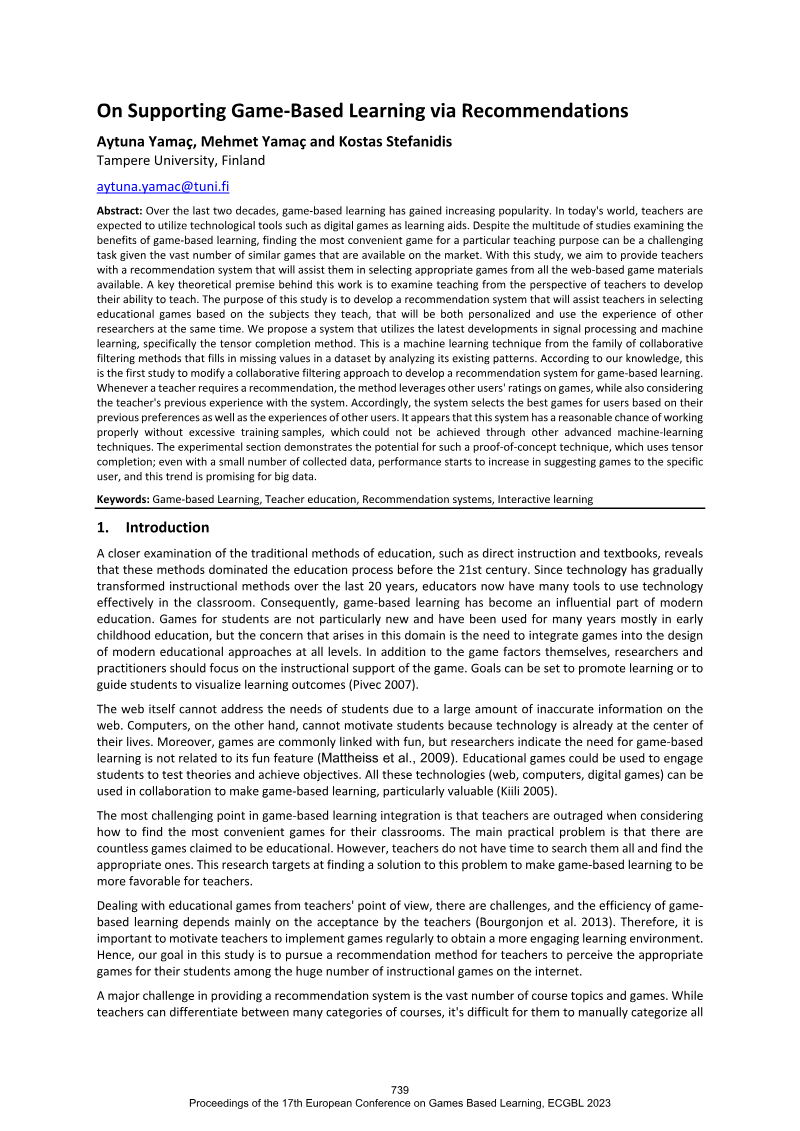
This paper proposes a personalized recommendation system to help teachers select educational games suited to particular course topics, addressing the difficulty of sifting through the large and growing number of games marketed as educational.
- The paper proposes a recommendation system that helps teachers select educational games for specific course topics, motivated by the growing volume of games marketed as educational and the impracticality of manually categorizing them by topic.
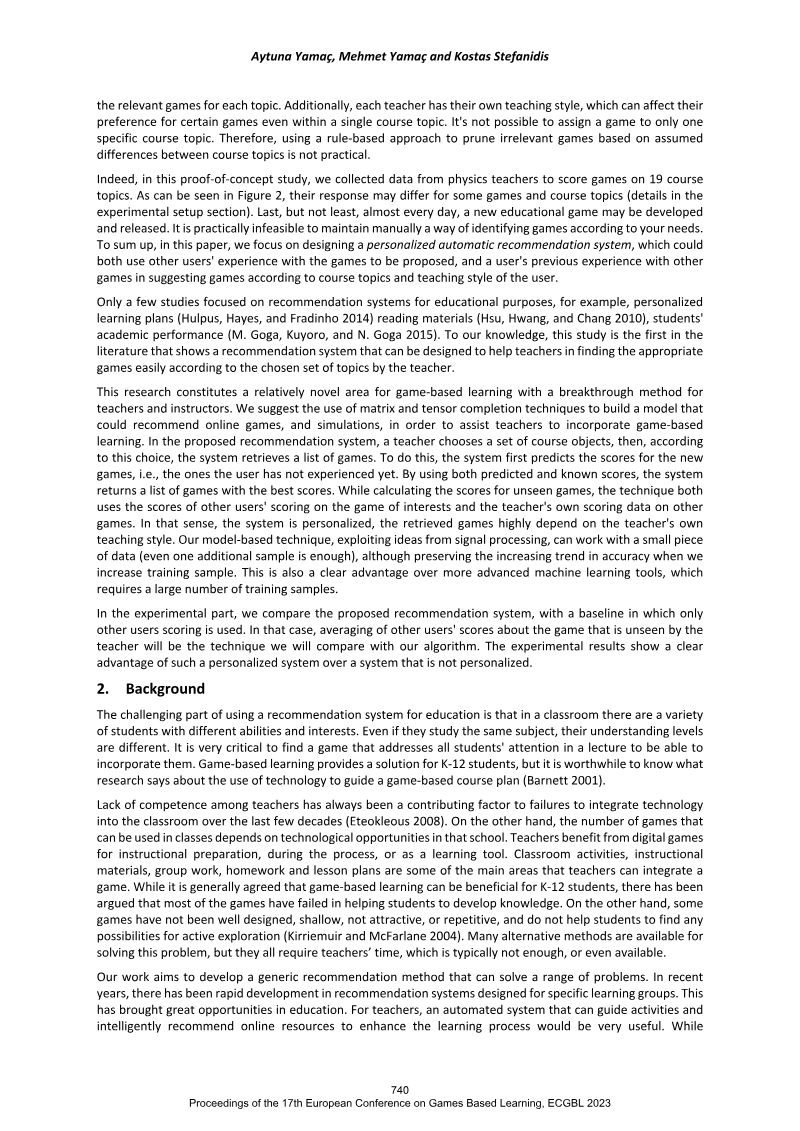
- The method models teacher-game ratings as a tensor, where each layer is one teacher's score matrix across topics and games, and applies tensor completion based on the tensor nuclear norm to predict scores for games a teacher has not tried, then ranks games by summed predicted relevance across selected topics.
- The authors position this as the first collaborative filtering approach modified specifically for game-based learning recommendation.
Evaluating the Efficacy of a Serious Game in Enhancing Word Reading Speed
This study evaluates Tachistoscopio, a tablet-based serious game that gamifies tachistoscopic reading, a technique in which words are shown briefly and must be reproduced by the reader, with the goal of improving word reading speed in children.
- Tachistoscopio, a tablet-based serious game built on tachistoscopic word presentation, was tested on the question of whether it can improve word reading speed in children, addressing three aims: discriminating proficiency levels, usability/appeal, and short-term training gains.
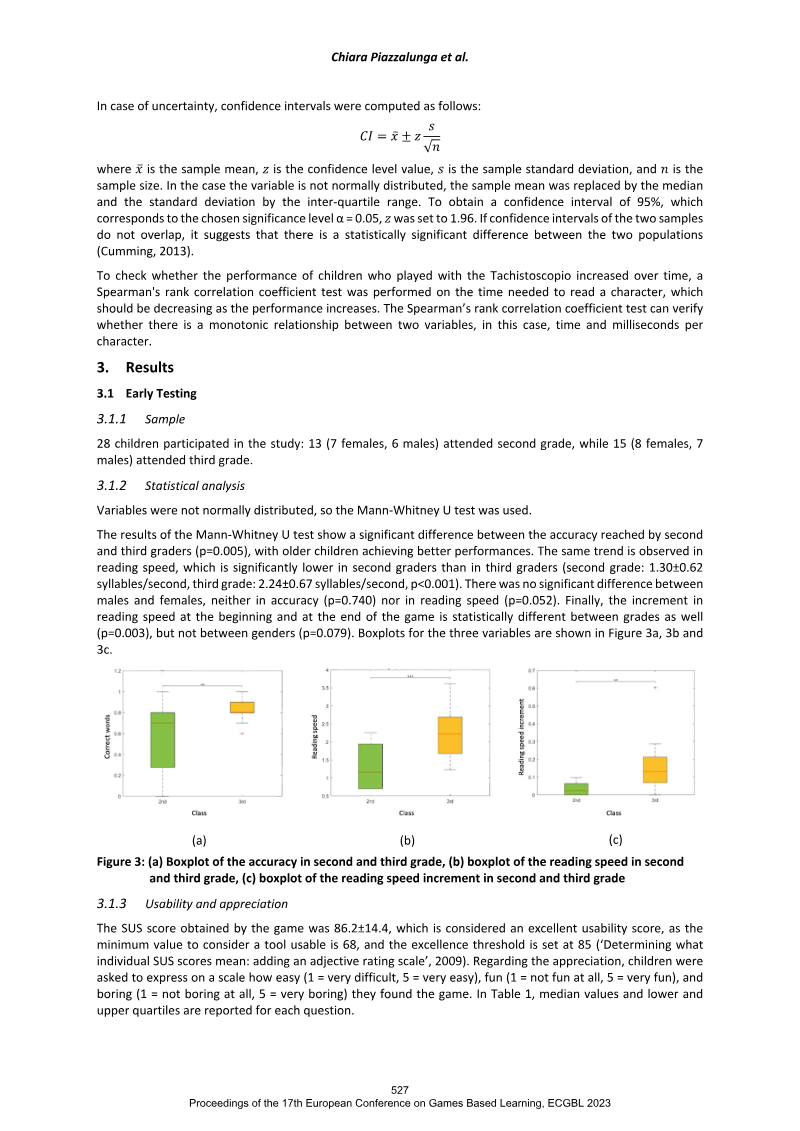
- In an early study of 28 second and third graders, the game distinguished grade levels, with third graders reading at 2.24 syllables/second versus 1.30 for second graders (p<0.001), and showing significantly higher accuracy.
- Usability was rated excellent with a Pictorial System Usability Scale score of 86.2, children found the game highly enjoyable and not boring, and no significant gender differences were observed.