Serious Games reports and market data
Documents
Security Awareness Level Evaluation of Healthcare Participants Through Educational Games
Gamified training serves as a highly effective methodology for enhancing information security awareness among healthcare personnel.
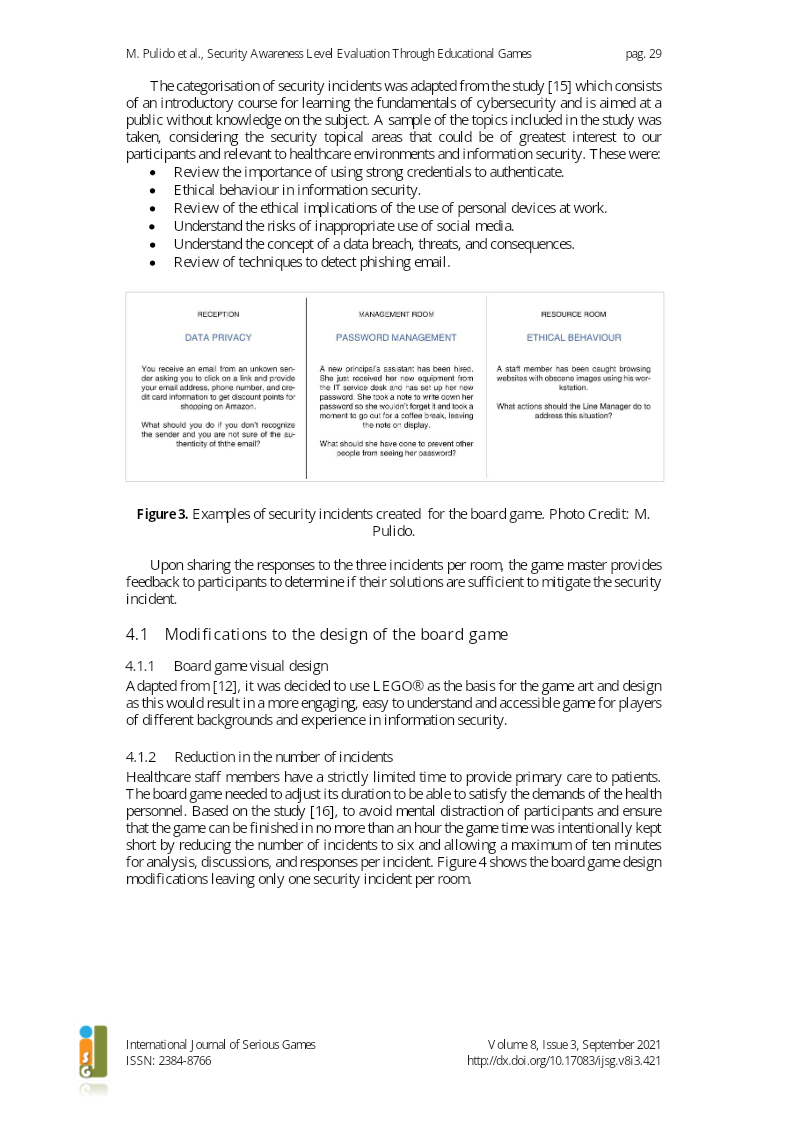
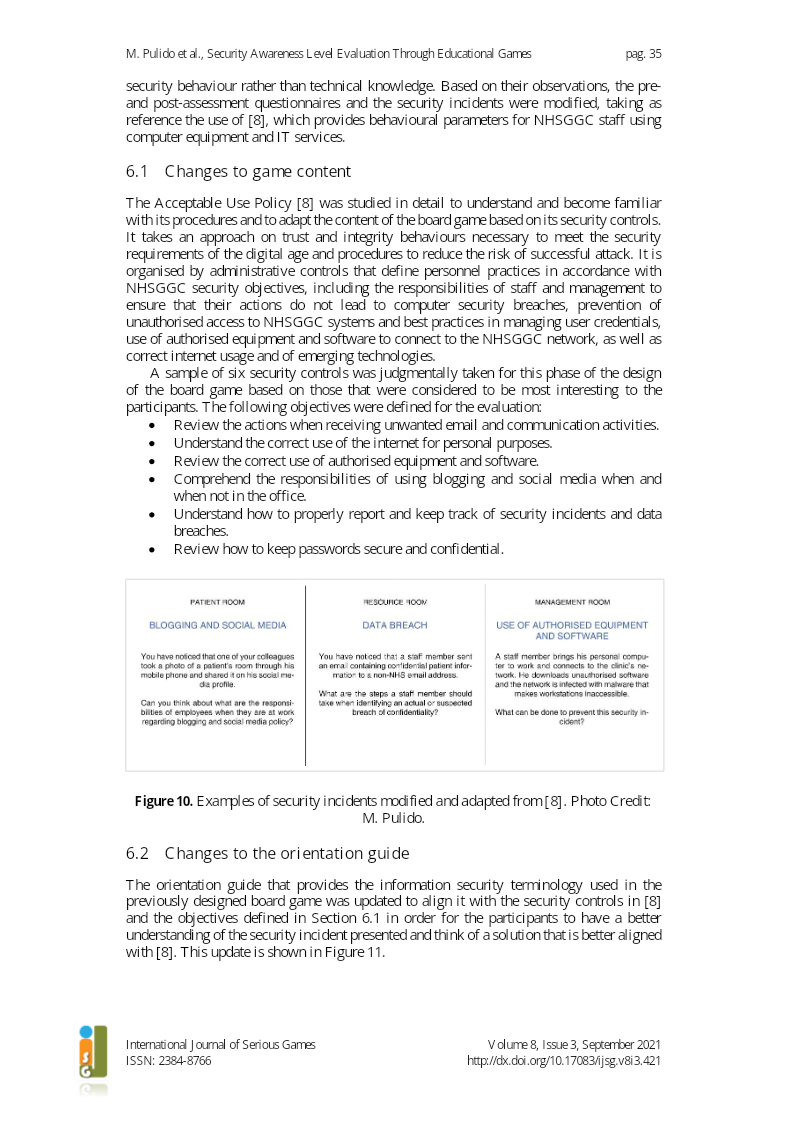
- Gamified training, specifically through collaborative board games, effectively bridges the gap between abstract organizational security policies and practical daily behaviors like password management.
- Educational games based on Vygotsky’s social development theory improve ethical decision-making and procedural compliance across healthcare staff, regardless of their prior technical expertise.
- To ensure knowledge retention, game mechanics must be directly aligned with specific organizational Acceptable Use Policies rather than generalized security concepts.
Gamified Learning Theory: The Moderating Role of Learners' Learning Tendencies
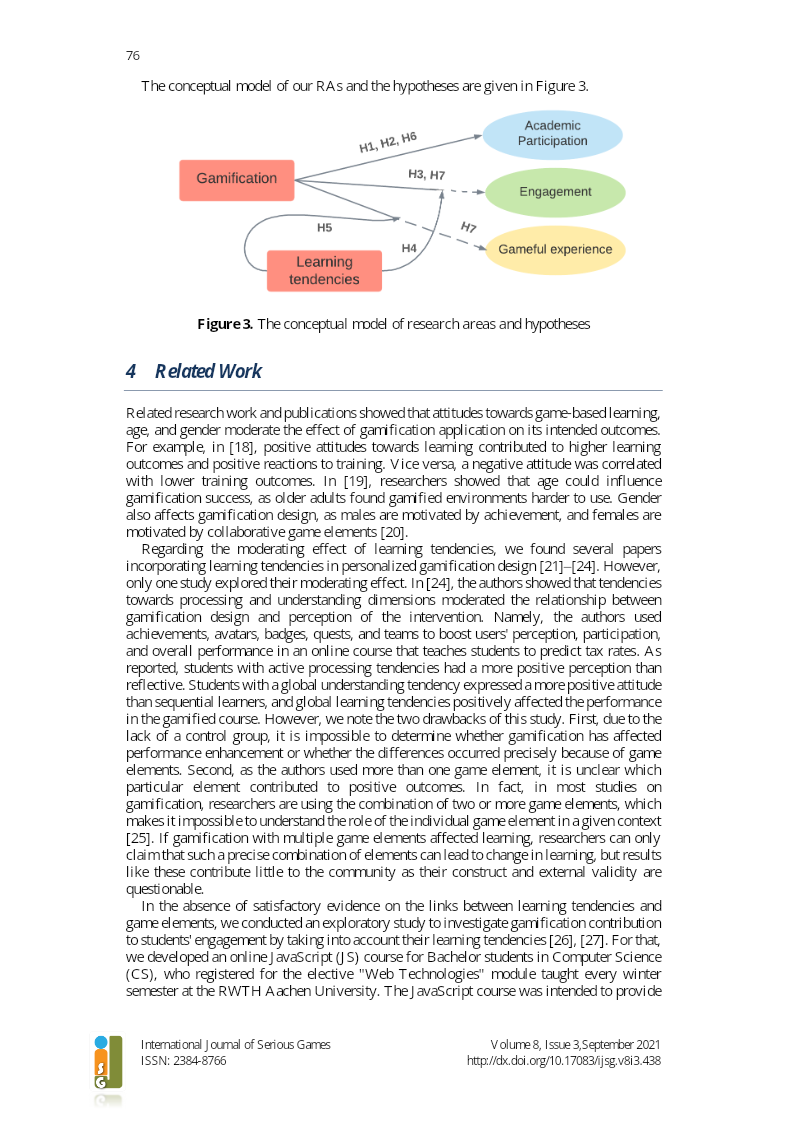
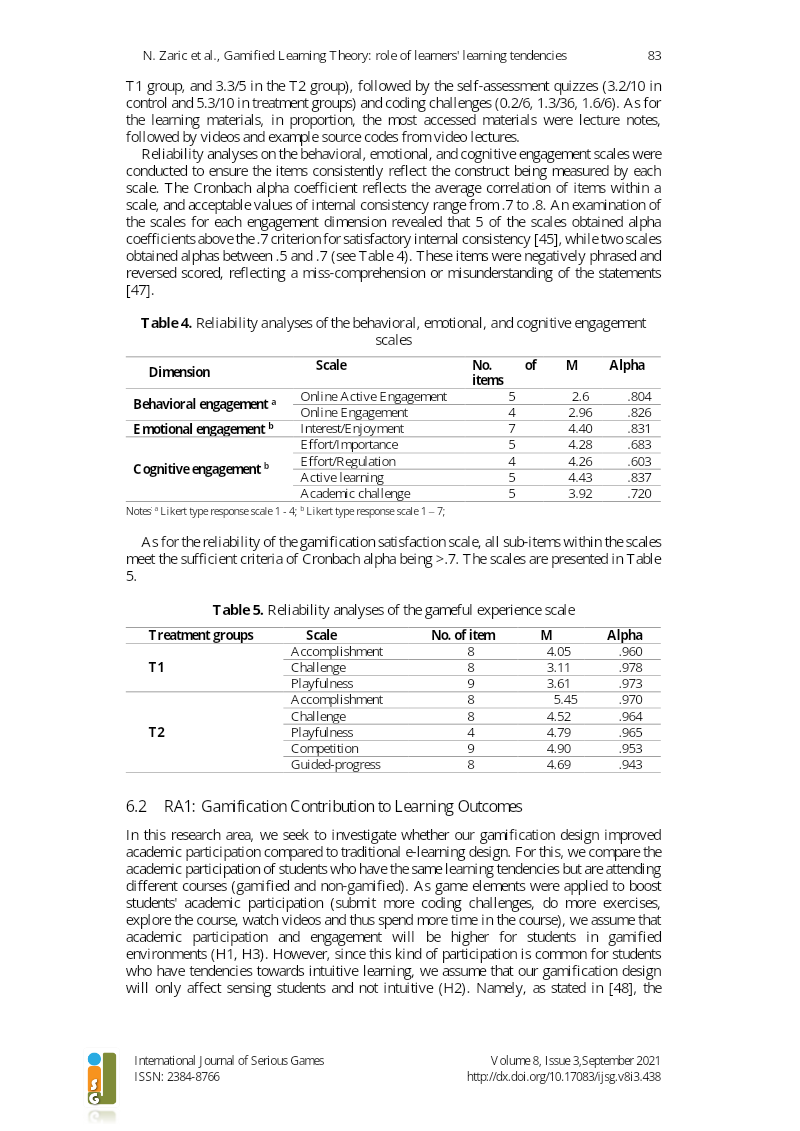
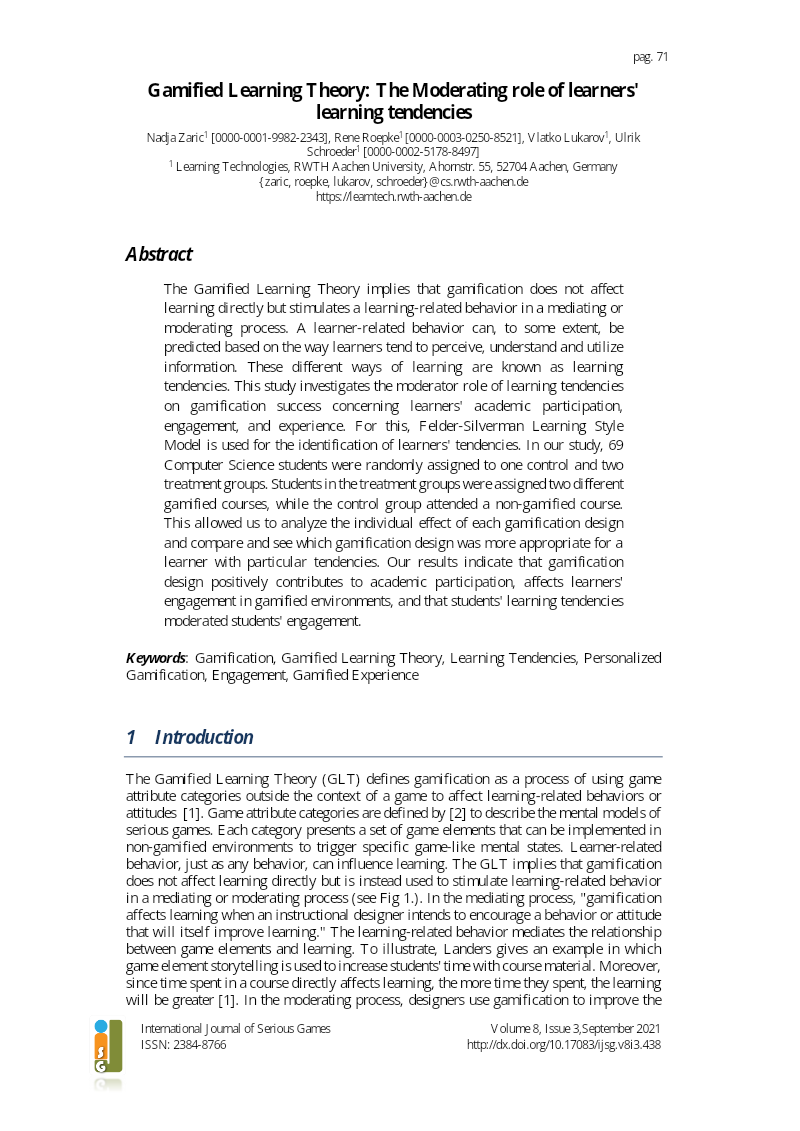
Gamification serves as a potent pedagogical tool for enhancing academic participation and engagement, though its efficacy is fundamentally contingent upon the specific learning tendencies of the student population.
- Gamification effectiveness is not universal; it is moderated by individual cognitive profiles, meaning interventions must be tailored to specific learner tendencies to achieve results.
- Students with sensing learning tendencies show significant improvements in cognitive, behavioral, and emotional engagement through gamified interventions, especially in subjects they typically avoid.
- Intuitive learners demonstrate little to no significant change in participation levels when exposed to gamified elements, indicating that gamification is not a one-size-fits-all solution.
Evaluation of HackLearn COFELET Game User Experience for Cybersecurity Education
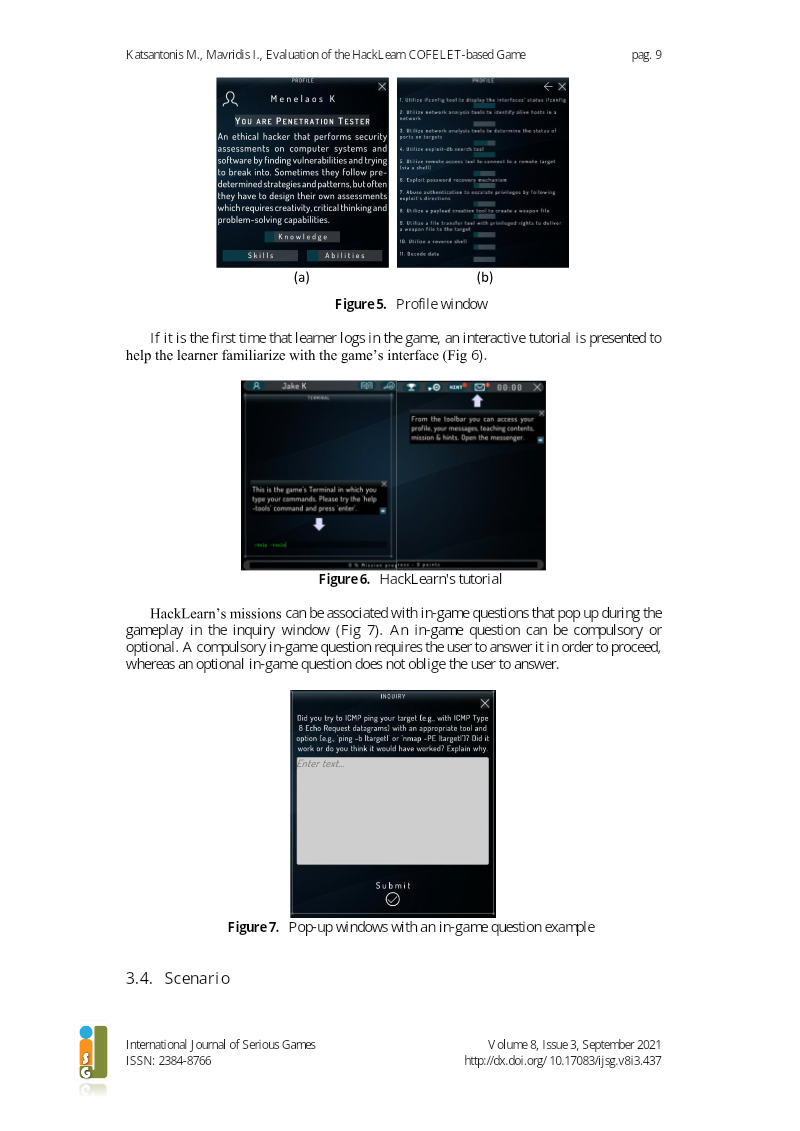
The HackLearn project serves as a robust proof of concept for integrating serious games into cybersecurity education, specifically leveraging the COFELET framework to deliver scenario-based, hands-on training.
- The HackLearn platform effectively bridges the gap between theoretical cybersecurity knowledge and practical application for undergraduate students by utilizing the COFELET framework and a browser-based terminal interface.
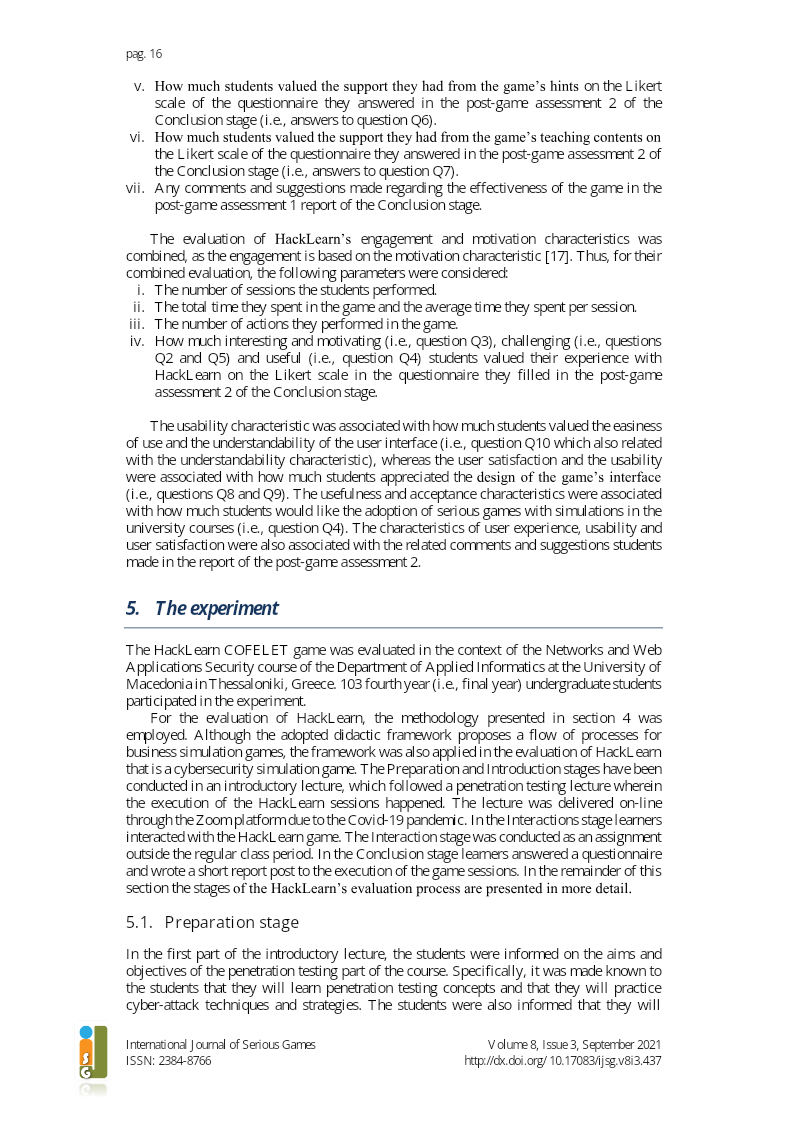
- A study of 103 undergraduate students validated the platform's design, confirming that the integration of the Cyber Kill Chain model and commedia dell'arte metaphors fosters high levels of learner engagement and motivation.
- Participants identified a critical need for improved pedagogical scaffolding, specifically requesting more sophisticated hint systems to better support the learning process during complex attack scenarios.
Reflections on Ludification: Approaching a Conceptual Framework
Ludification functions as a distinct conceptual framework for understanding how computer game structures and attributes increasingly permeate narrative media such as film and television.
- Ludification represents the integration of game architectures into narrative media like film and television, distinct from the behavioristic reward models found in gamification.
- The shift toward ludification necessitates a multidisciplinary analytical approach that moves beyond narrow, incentive-based frameworks to account for complex player motivations and design structures.
- Ludo-interpretation functions as the primary analytical tool, positioning media consumption along a continuum between spontaneous 'paidia' (free play) and disciplined 'ludus' (rule-based play).


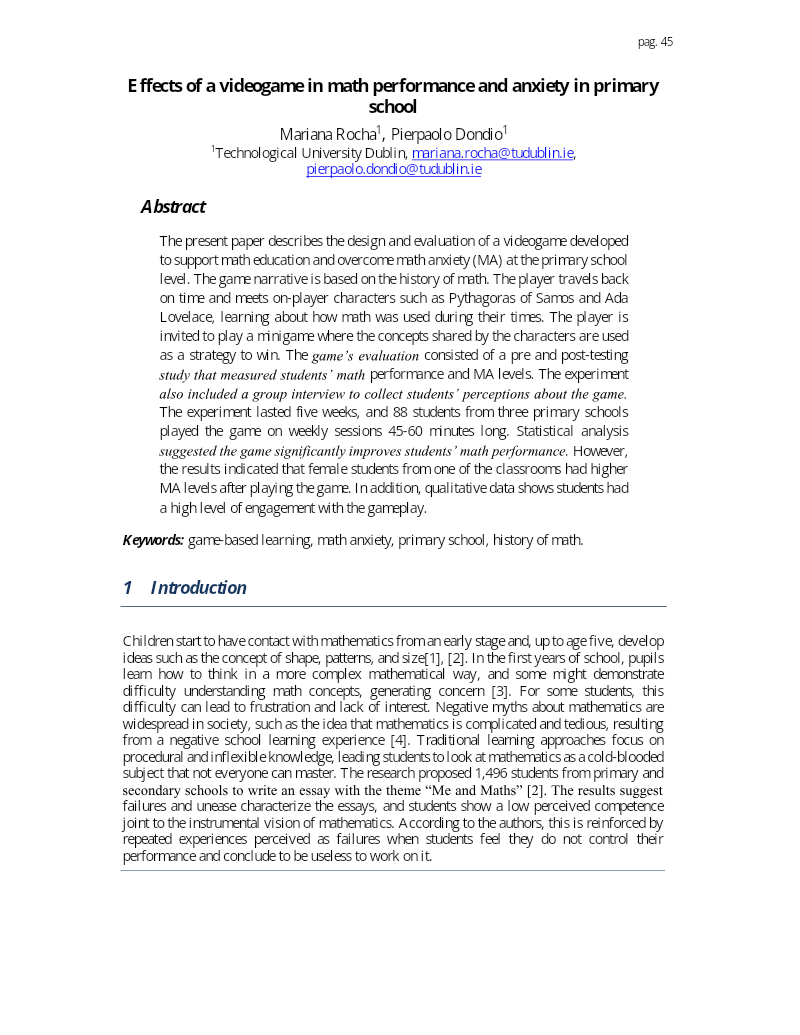
Effects of a Videogame in Math Performance and Anxiety in Primary School
The educational game Once Upon a Maths serves as a pedagogical tool designed to enhance primary school mathematics performance through narrative-driven, situated learning.
- The educational game 'Once Upon a Maths' successfully improved mathematical performance across all 73 participating primary school students during the five-week intervention.
- Despite academic gains, the game-based intervention failed to produce a measurable reduction in overall math anxiety among students.
- A persistent gender disparity exists, with female students reporting higher levels of math-related apprehension than male counterparts both before and after the study.
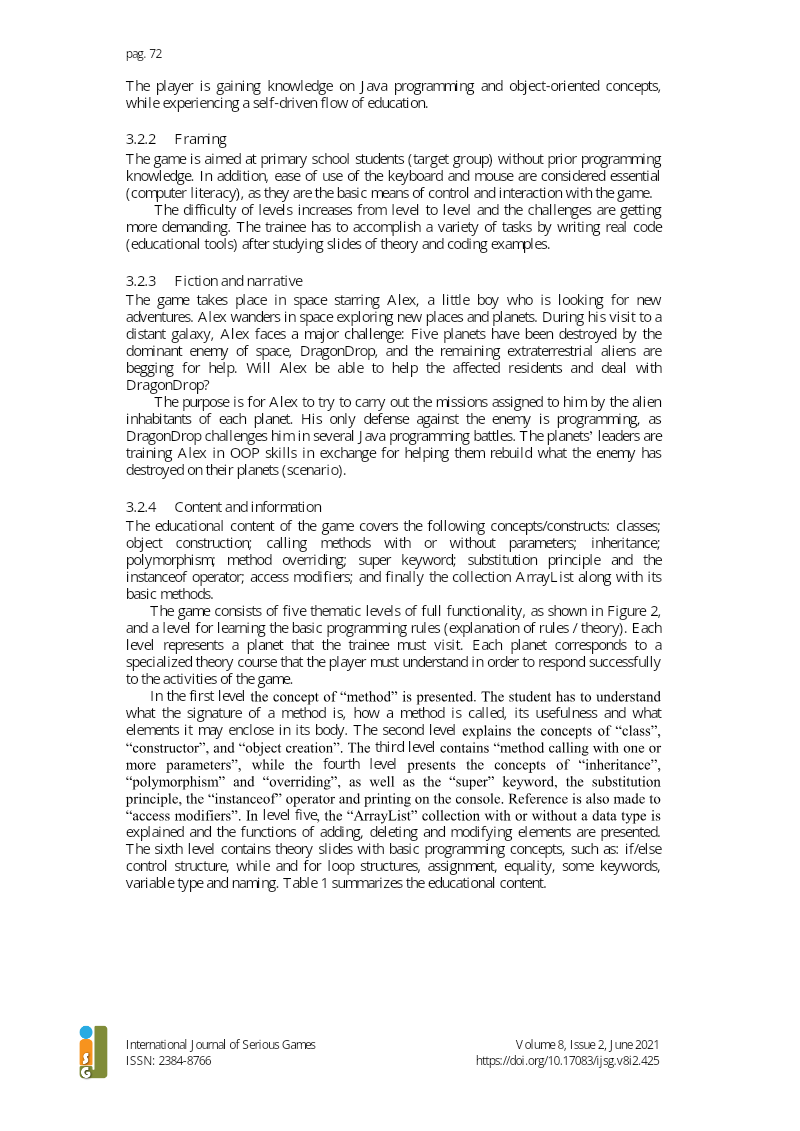
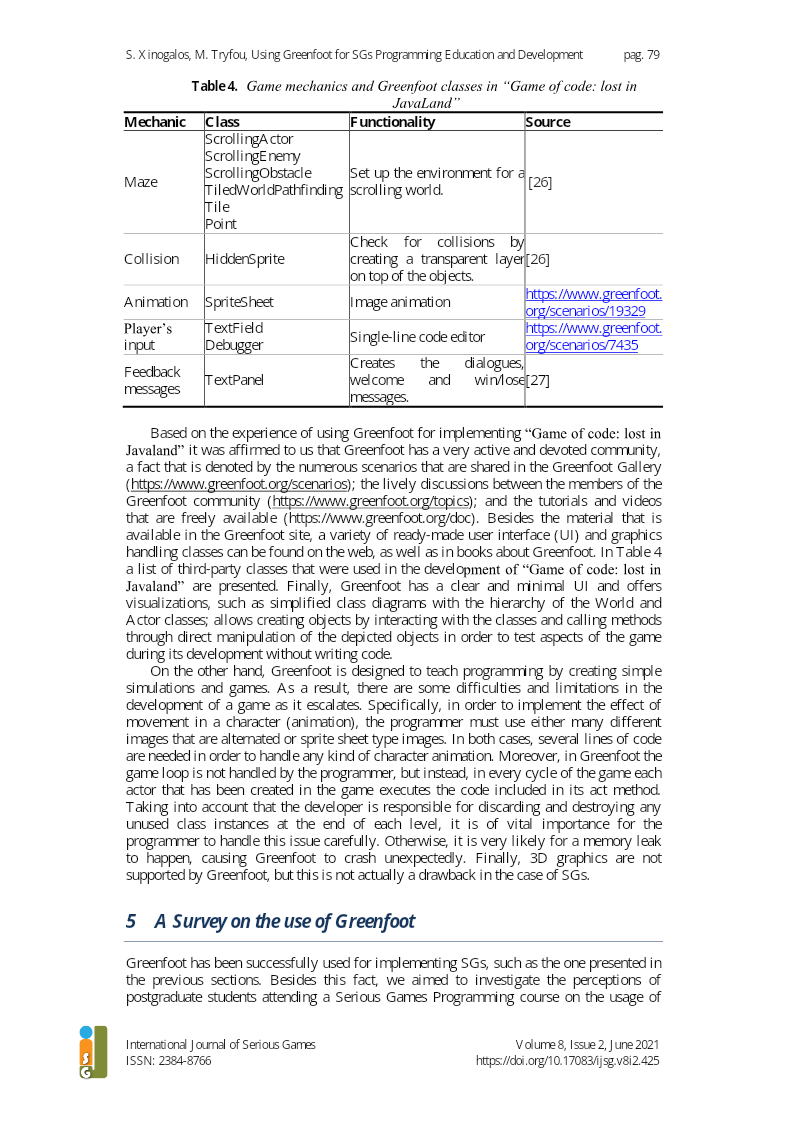
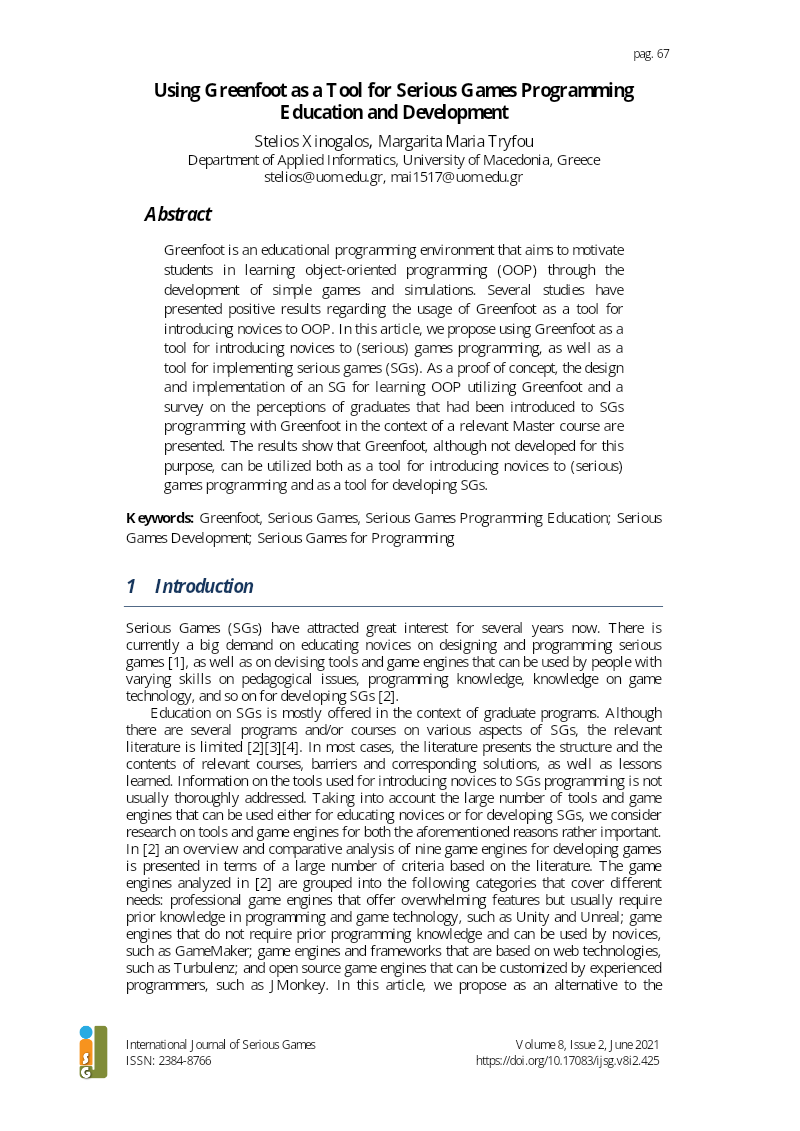
Using Greenfoot as a Tool for Serious Games Programming Education and Development
Greenfoot serves as a highly effective pedagogical environment for teaching serious games programming and facilitating the development of functional educational prototypes.
- Greenfoot serves as an effective educational environment for teaching serious games programming by using a simplified interface to lower the barrier to entry for Java-based object-oriented development.
- Nearly 70 percent of postgraduate students and graduates endorse the platform for its user-friendliness and express intent to use it for future serious game projects.
- The platform is best utilized as an educational springboard for prototyping rather than as an engine for full-scale commercial game production.

Developing a Novel Psychographic-Behavioral Qualitative Mapping Method for Exergames
A novel psychographic-behavioral mapping method provides a comprehensive framework for analyzing player engagement and constraint negotiation within location-based augmented reality exergames.
- A new psychographic-behavioral mapping method for location-based AR exergames provides a framework to analyze how player engagement and structural constraints influence long-term participation.
- Survey data from 1,052 participants indicates that high levels of involvement, emotional attachment, and brand loyalty are the primary factors that allow players to overcome structural, intrapersonal, and interpersonal barriers.
- Strong psychological connections to titles like Pokémon GO and Harry Potter: Wizards Unite are essential for sustaining player persistence, which is critical for achieving the intended health and fitness outcomes of serious exergames.
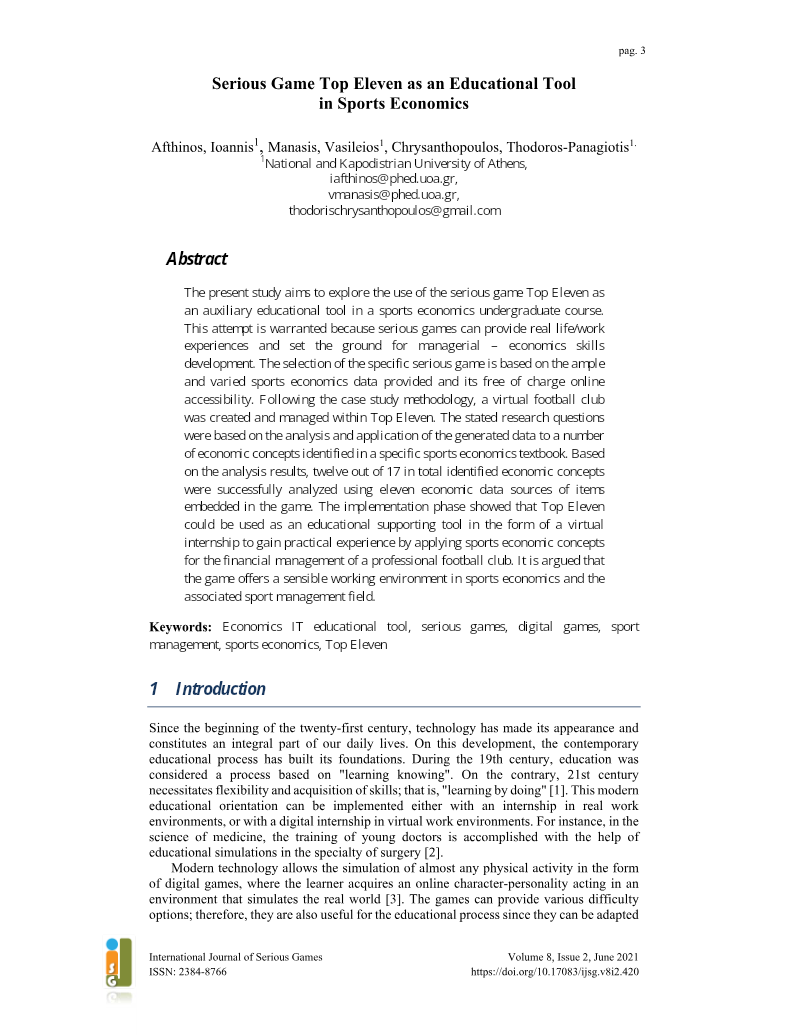
Serious Game Top Eleven as an Educational Tool in Sports Economics
The serious game Top Eleven functions as a viable auxiliary educational instrument for undergraduate sports economics curricula.
- The game Top Eleven serves as a viable auxiliary educational tool for undergraduate sports economics by simulating real-world financial management in professional football.
- Students can actively apply 12 of 17 fundamental economic principles, including supply and demand, market equilibrium, marginal cost analysis, and breakeven point calculations.
- The platform functions as a virtual internship, allowing learners to navigate budgetary constraints and fiscal performance metrics within a gamified environment.


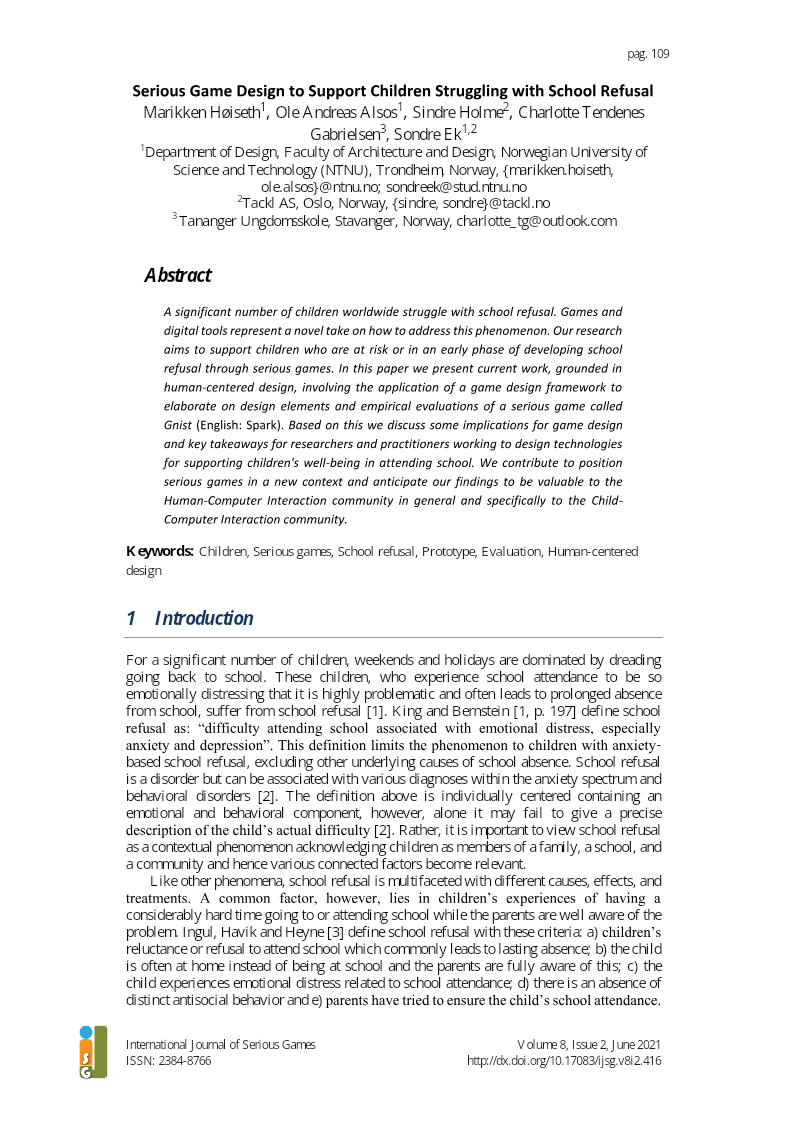
Serious Game Design to Support Children Struggling with School Refusal
School refusal, a complex condition driven by anxiety-based absenteeism, requires multifaceted interventions that extend beyond traditional psychosocial treatments.
- The mobile application Gnist functions as a serious game for children aged 10 to 13 to mitigate anxiety-based school refusal by gamifying daily routines and providing structured tasks.
- The platform utilizes a collaborative design that connects children, families, and healthcare professionals to supplement traditional clinical care with interactive, low-pressure interventions.
- Character-driven, humorous game elements effectively lower the barrier for children to express difficult emotions and engage with therapeutic objectives.

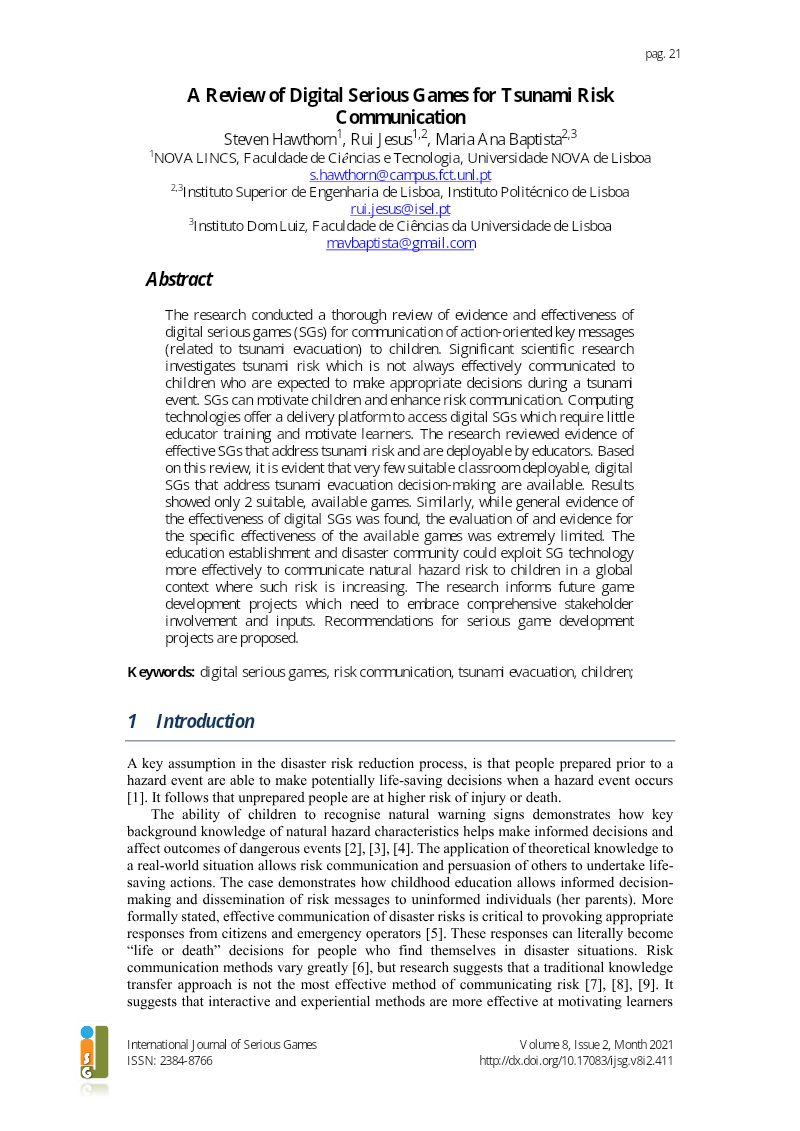
A Review of Digital Serious Games for Tsunami Risk Communication
Digital serious games represent a transformative, albeit underdeveloped, frontier in tsunami risk communication for secondary school students.
- Serious games for tsunami risk communication are currently hindered by a lack of standardized frameworks, resulting in tools that often fail to align game mechanics with established safety protocols.
- Existing educational resources, including titles like Disaster Master, Stop Disasters, and Tanah, lack rigorous, large-scale experimental evidence to validate their effectiveness in improving student preparedness.
- A primary design conflict exists between altruistic gameplay mechanics and the Tendenko evacuation philosophy, which emphasizes individual survival as a prerequisite for community safety.
Serious Board Games: Modding Existing Games for Collaborative Ideation Processes
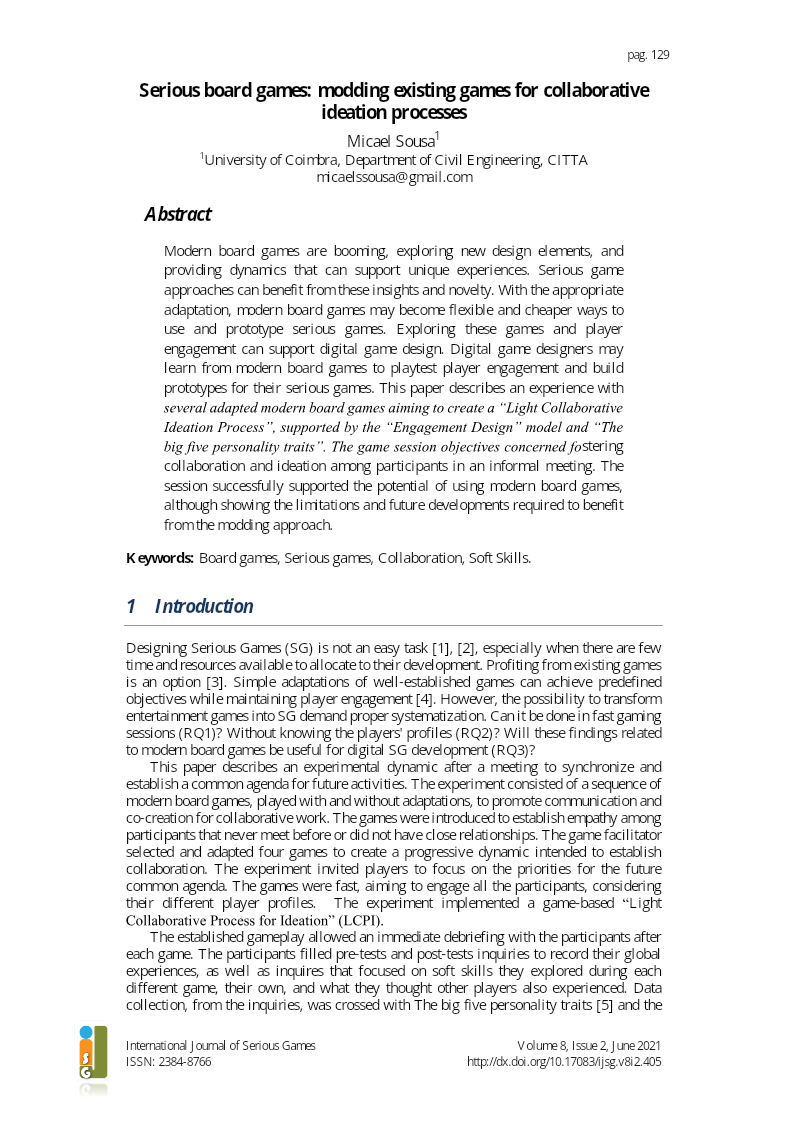
Modding existing board games offers a highly effective, cost-efficient strategy for fostering collaborative ideation and soft skill development within professional environments.
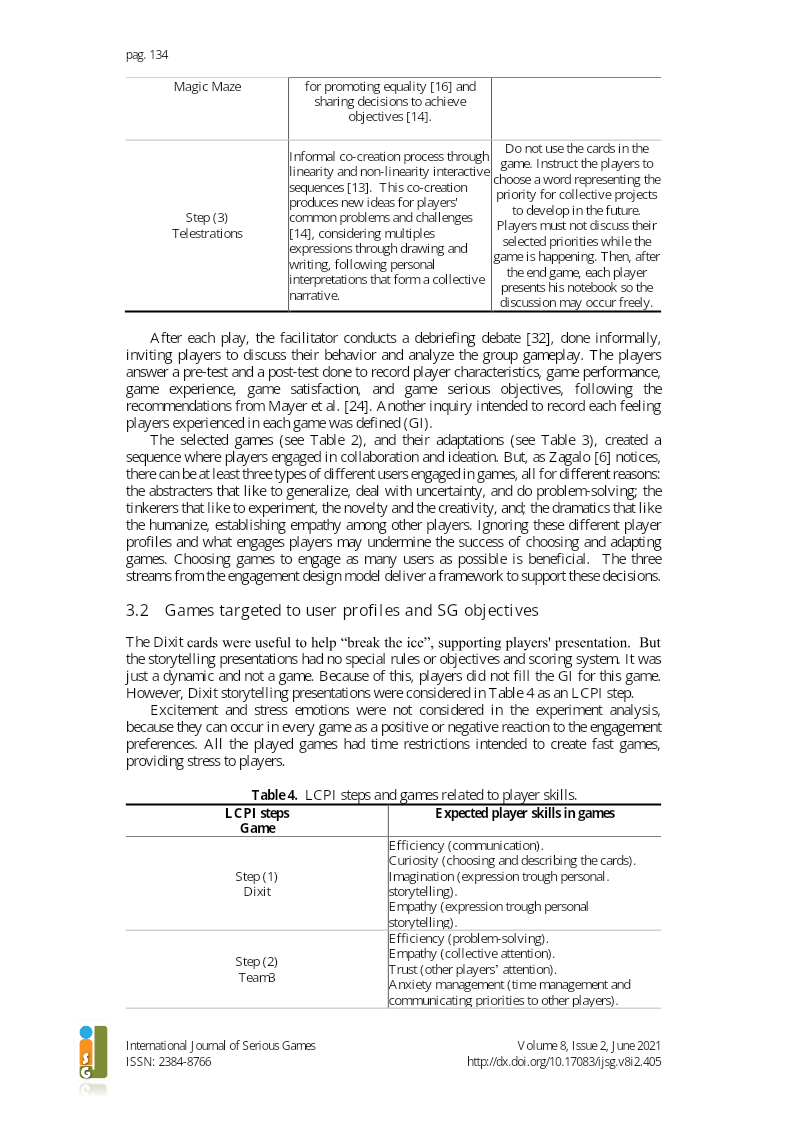
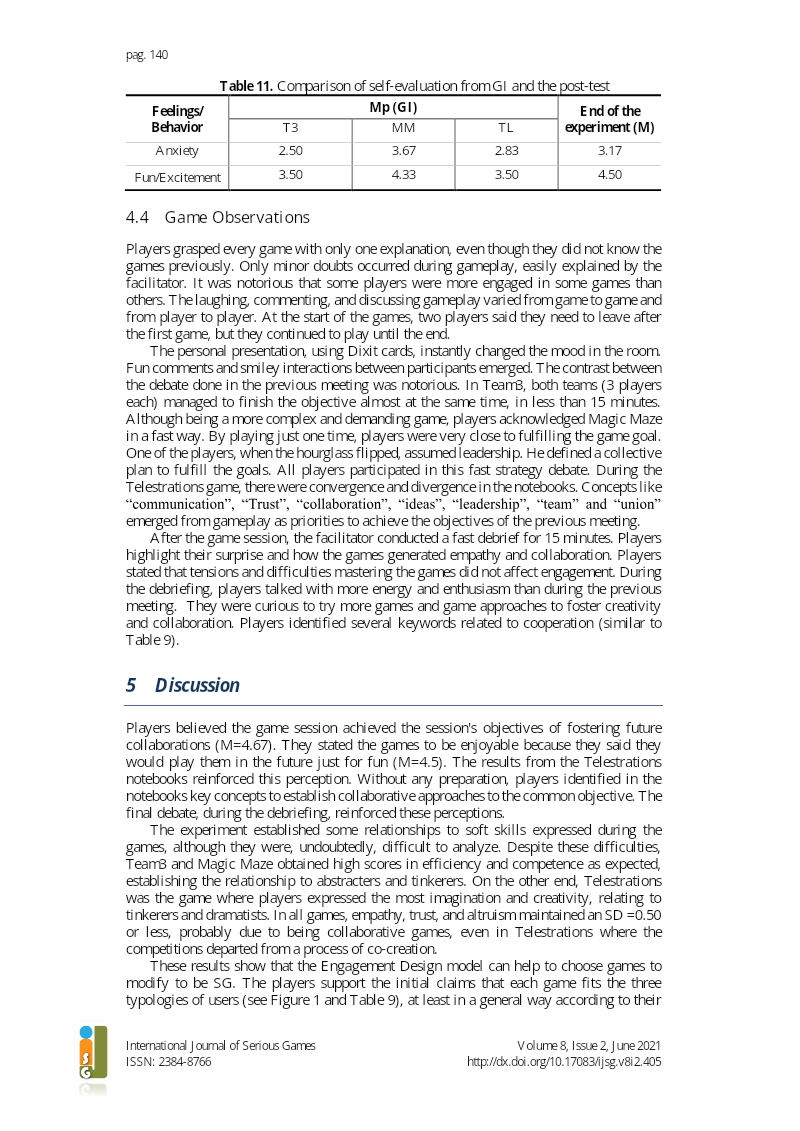
- Modding existing board games like Team3, Magic Maze, and Telestrations provides a cost-efficient, scalable framework for fostering collaborative ideation and soft skill development in professional settings.
- Integrating the Engagement Design model and Big Five personality traits allows facilitators to customize gameplay mechanics to suit diverse professional profiles and organizational objectives.
- Mechanics such as time constraints and restricted communication are effective at balancing challenge and excitement, consistently driving high participant engagement.

Procedural Generation of Problems for Elementary Math Education
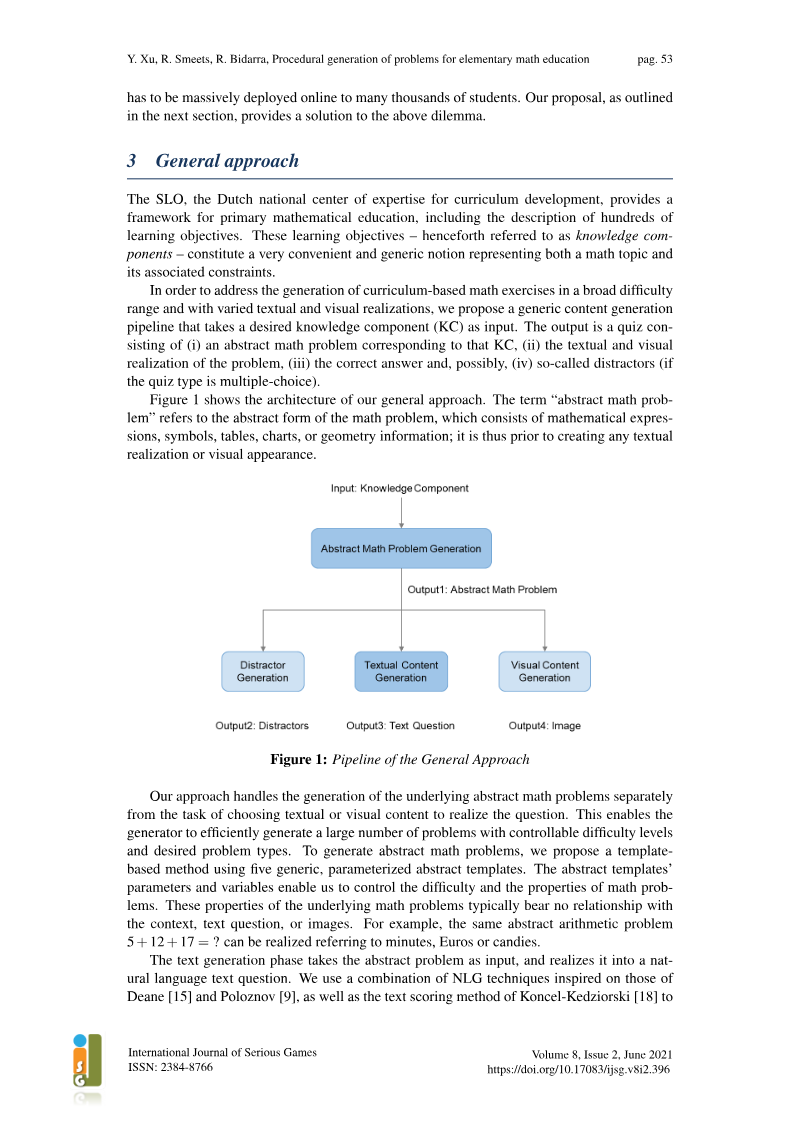
The procedural generation of elementary mathematics problems offers a scalable solution to the challenges of content creation by decoupling abstract mathematical logic from natural language realization.
- Automating elementary math problem generation through a template-based, rule-driven framework reduces content creation time by an average of 56%.
- Expert evaluations indicate that 82% of users rate the procedurally generated educational content as good or excellent in quality.
- The system decouples abstract mathematical logic from natural language realization, allowing for the automated production of curriculum-aligned exercises with high grammatical accuracy.