1 free read left. Create a free account for unlimited reading + AI research.
Create free accountWhitepaper International Journal of Serious Games
1 free read left. Create a free account for unlimited reading + AI research.
Create free accountWhitepaperInternational Journal of Serious Games
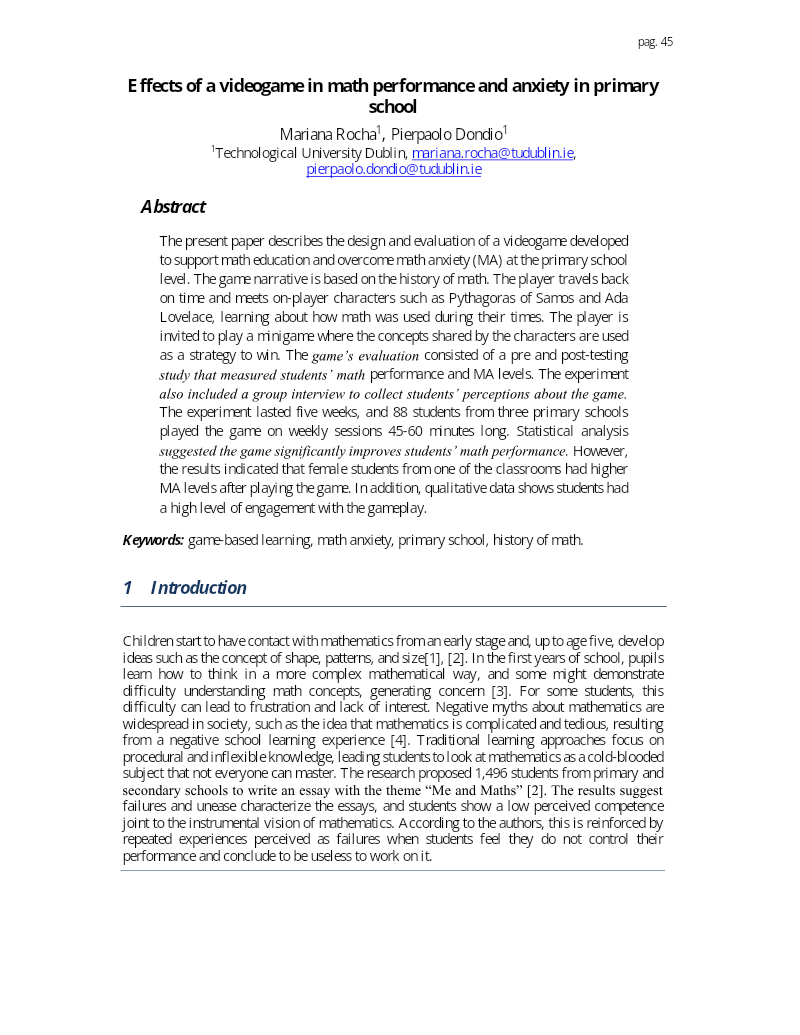
The game uses narrative-driven, situated learning with historical themes and non-competitive mechanics. It replaces traditional assessments with constructive feedback.
Distilling the key insights…
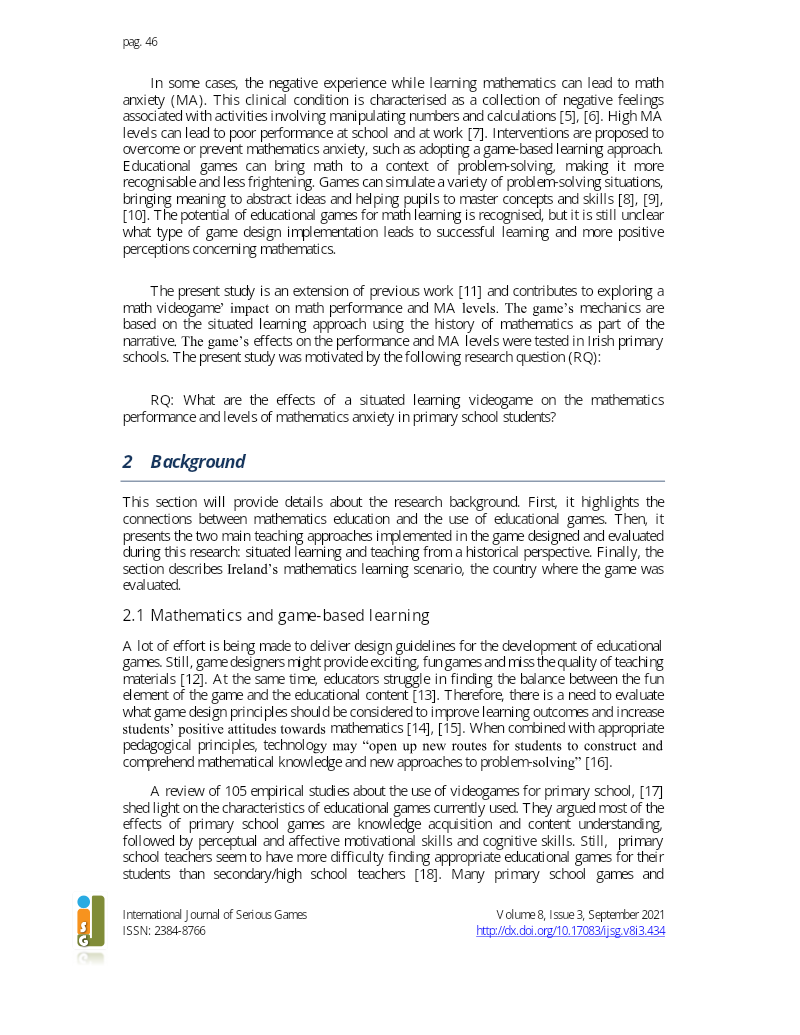
The educational game Once Upon a Maths serves as a pedagogical tool designed to enhance primary school mathematics performance through narrative-driven, situated learning. By utilizing historical themes and non-competitive, scaffolded mechanics, the game aims to foster engagement while mitigating the psychological barriers associated with math anxiety. The intervention, conducted over a five-week period with 73 primary school students, focuses on replacing traditional, high-pressure assessment methods with constructive feedback and positive reinforcement to encourage academic persistence.
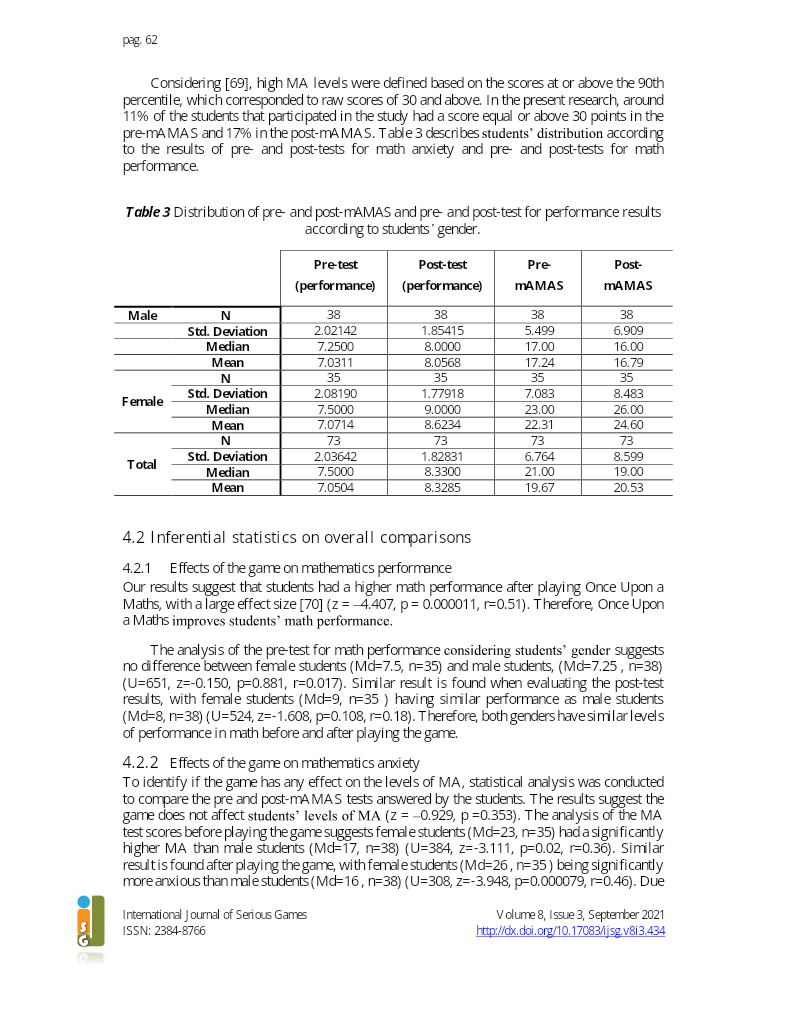
Quantitative analysis confirms that the game successfully improves mathematical performance across all participating classrooms. Despite these academic gains, the intervention does not produce a measurable reduction in overall math anxiety. Data indicates a persistent gender disparity, as female students consistently report higher levels of math-related apprehension than their male counterparts both before and after the study. In some instances, female participants experienced an increase in anxiety, which may be attributed to external stressors such as standardized testing environments rather than the game design itself.
These findings suggest that while game-based learning is a highly effective vehicle for curriculum delivery and student engagement, it is not a panacea for deep-seated emotional responses to mathematics. The results underscore the necessity for gender-sensitive design in educational technology, particularly when addressing the intersection of STEM education and anxiety. Future efforts must account for the complex social and psychological factors that influence student performance, ensuring that digital interventions are calibrated to support both the cognitive and emotional needs of diverse learners.
International Journal of Serious Games · 2026
International Journal of Serious Games · 2026
International Journal of Serious Games · 2026
International Journal of Serious Games · 2026
International Journal of Serious Games · 2026
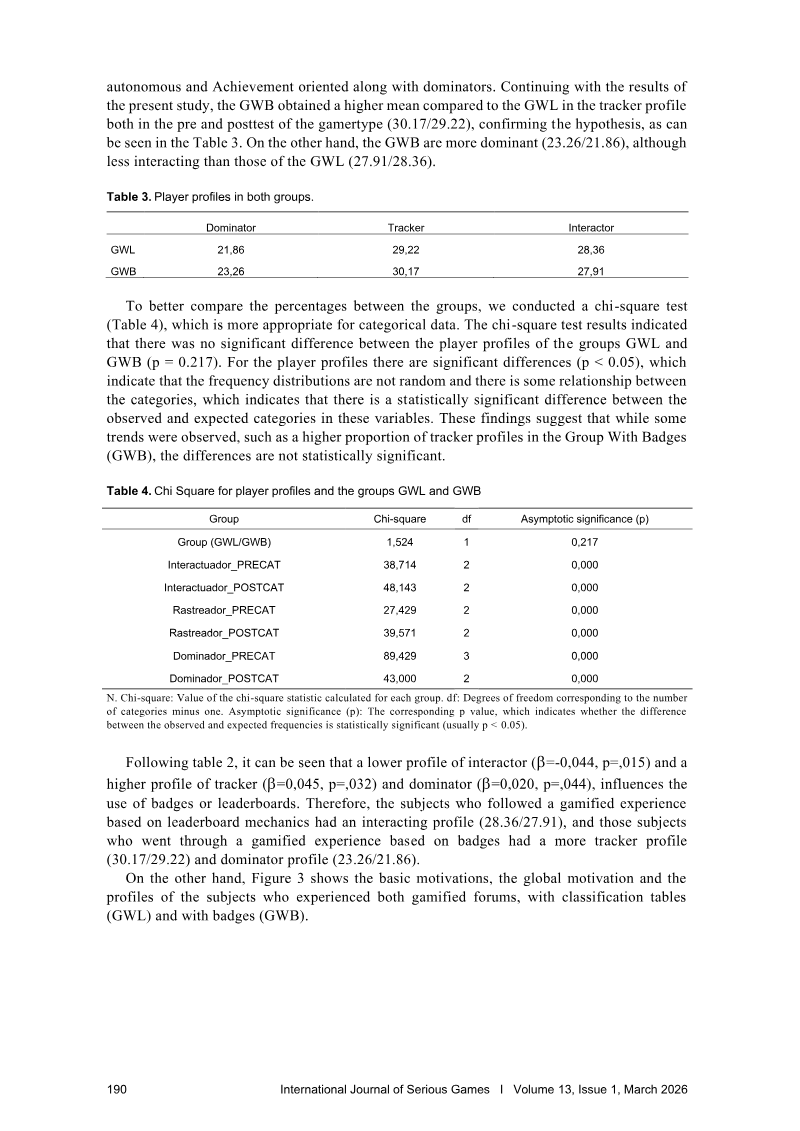
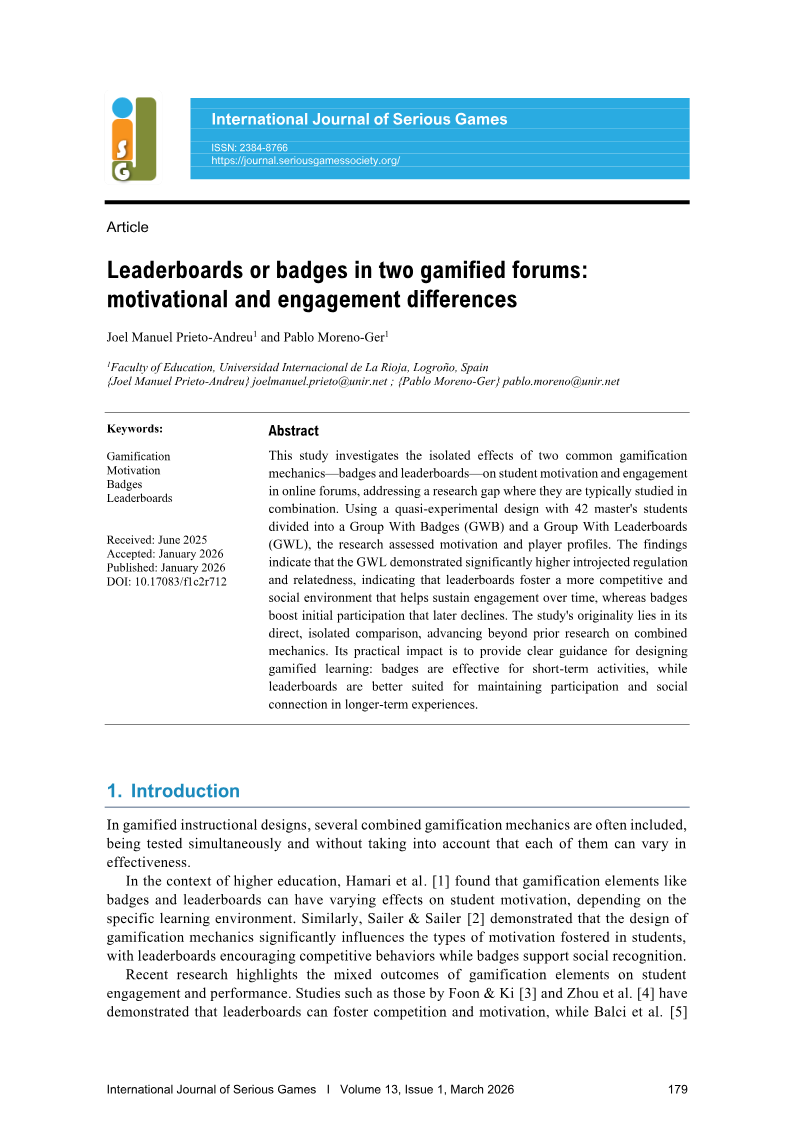
International Journal of Serious Games · 2026
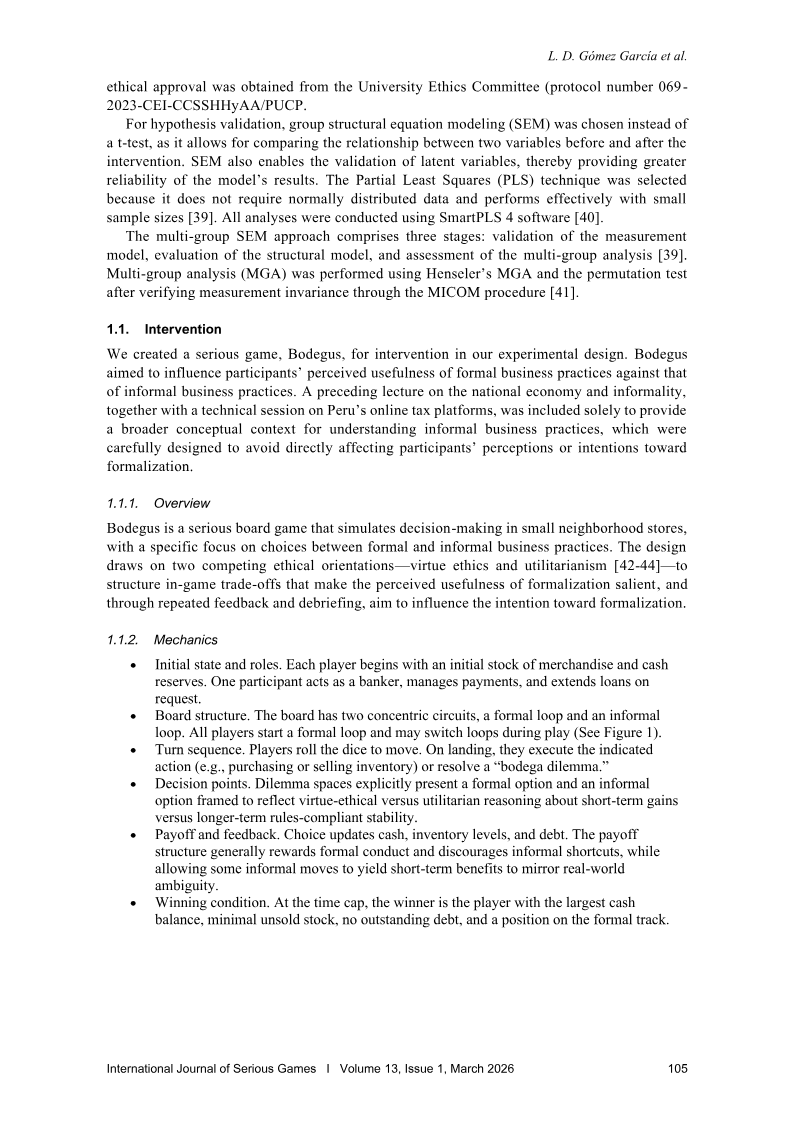
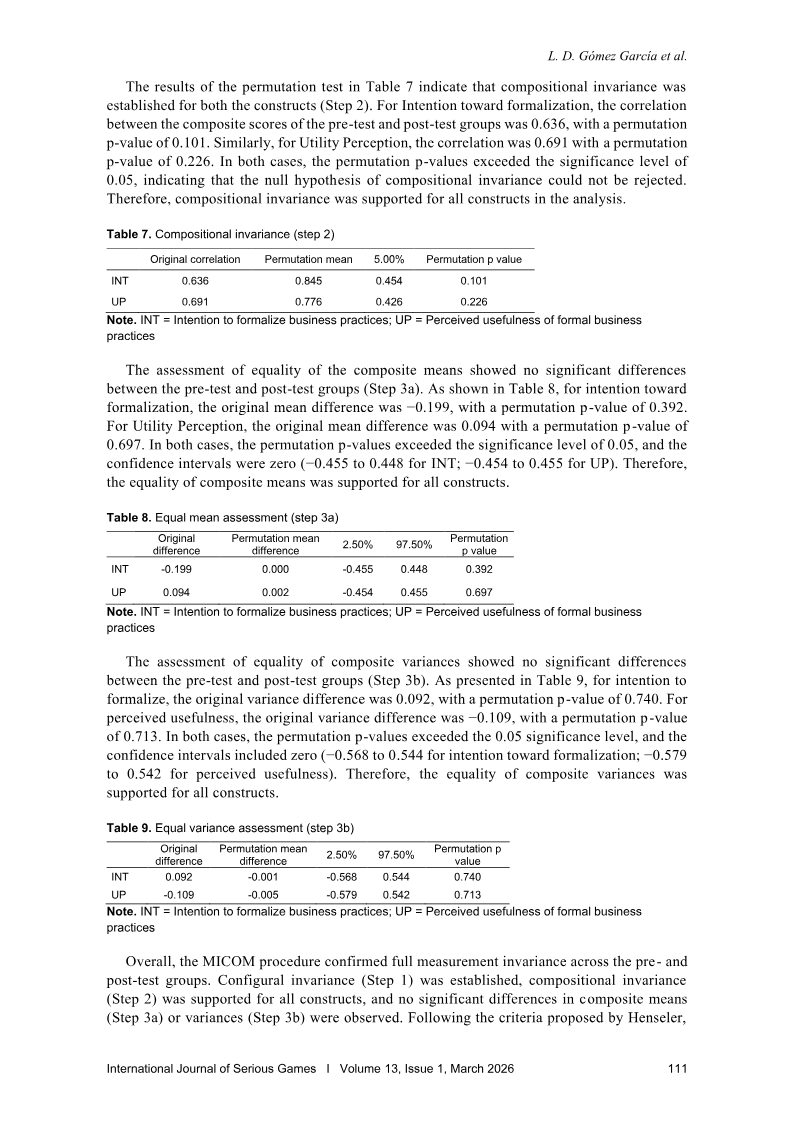
International Journal of Serious Games · 2026
International Journal of Serious Games · 2025
International Journal of Serious Games · 2025
International Journal of Serious Games · 2025
Serious Games Society · 2025
International Journal of Serious Games · 2025
Serious Games Society · 2025