Indonesia reports and market data
11 game industry reports, presentations and talks about indonesia from writers such as PocketGamer.biz, Two & a Half Gamers and Korea Creative Content Agency, newest from 2026. Every document has a summary and key insights with the page they come from, and 325 charts and tables are extracted as data.
Documents
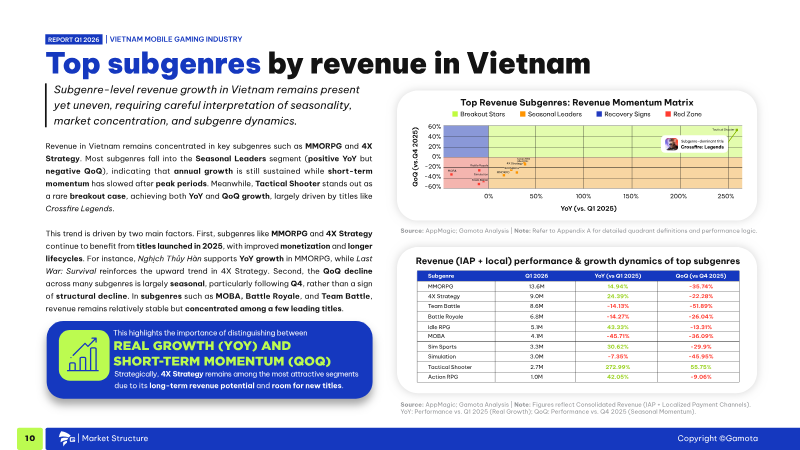
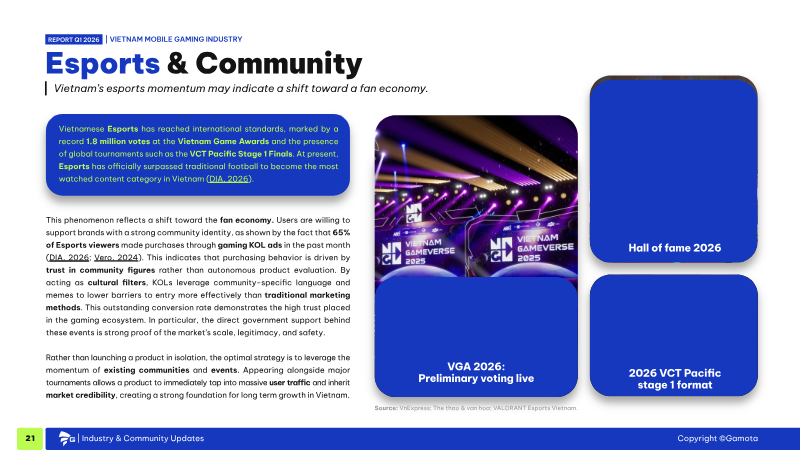
Vietnam Mobile Gaming Industry Report: Q1 2026
The Vietnamese mobile gaming market in the first quarter of 2026 demonstrates significant resilience, maintaining stable download volumes despite a seasonal contraction in in-app purchase revenue.
- International developers should prioritize co-publishing agreements with domestic partners to navigate strict regulatory requirements, including mandatory KYC protocols and a 49% cap on foreign ownership under Decree 147/2024/ND-CP.
- Midcore revenue remained stable in Q1 2026, experiencing a minor year-over-year decline of only 1.28% when accounting for shifts toward local payment channels.
- While download volumes remain resilient, in-app purchase revenue has contracted due to inflationary pressures and a consumer shift toward more cautious discretionary spending.
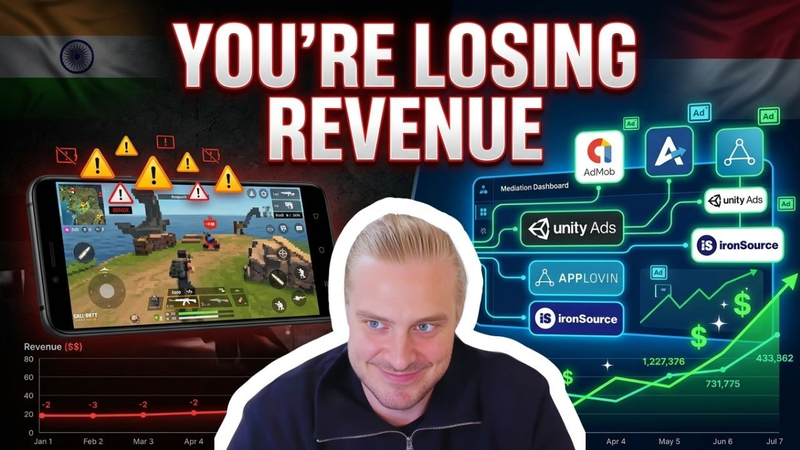
How to maximize ad revenue in Tier 4 geos (+Japan bonus) by Felix Braberg
Maximizing ad revenue in Tier 4 markets, specifically India and Indonesia, requires a specialized approach to mediation stacks that differs significantly from Tier 1 strategies.
- Prioritize technical stability in Tier 4 markets by delaying ad loading until after SDK initialization and restricting ad requests to devices with at least 2GB of RAM to prevent ANR errors and crashes.
- In India, integrate InMobi as both a bidder and waterfall source, and utilize multiple Google Ad Manager (GAM) MCM resell partners to maximize exposure to AdX demand.
- Boost eCPMs in India by segmenting users based on device language and applying higher bid floors to English-language users.

🐻 SAVED $1.6 mil UA BUDGET! How Super Bear Adventure became a MASSIVE ad revenue game with 0 spent
Super Bear Adventure demonstrates that high-scale mobile gaming success is achievable without traditional user acquisition budgets by prioritizing organic growth and sticky, nostalgic gameplay.
- Super Bear Adventure generates $1.9 million to $2.5 million in monthly revenue through a rewarded-ad economy without any traditional user acquisition spend.
- The game has achieved a scale of over 6.5 million daily active users by targeting Tier-2 and Tier-3 markets like Indonesia, Brazil, and Russia with a nostalgic, console-style platformer aesthetic.
- Organic growth is sustained by a long-tail effect where community-generated content on YouTube consistently drives new installs years after the initial release.

From Failures to Funding: Strategic Moves Founders Should Know with Joe Wadakethalakal, CEO of PvX
Building a high-growth business requires a strategic focus on massive total addressable markets, specifically within the United States, China, or India.
- Founders should prioritize tech-led business models over those dependent on non-recurring revenue or programmatic advertising to ensure long-term scalability.
- Non-dilutive financing strategies allow companies to borrow against predictable user acquisition returns, enabling growth and M&A activity while preserving equity.
- High-growth potential is primarily found by targeting massive total addressable markets within the United States, China, or India.

A Study on Global Game Policies and Laws: 2023
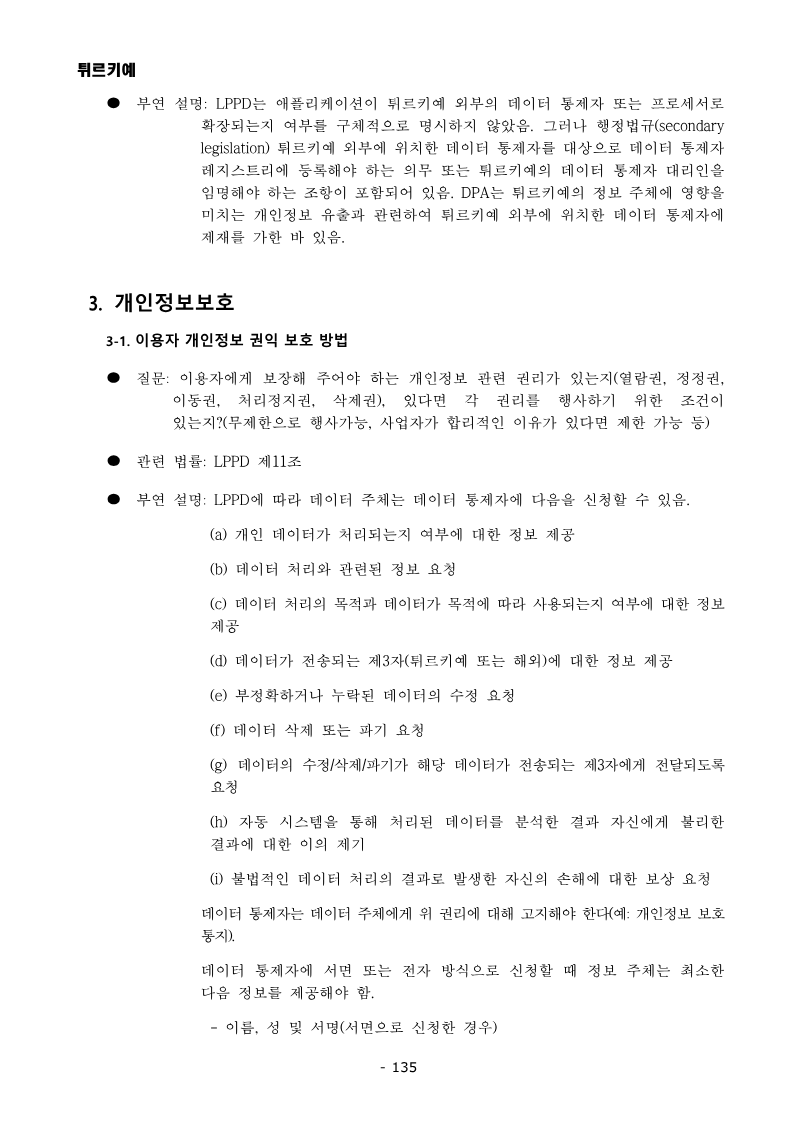
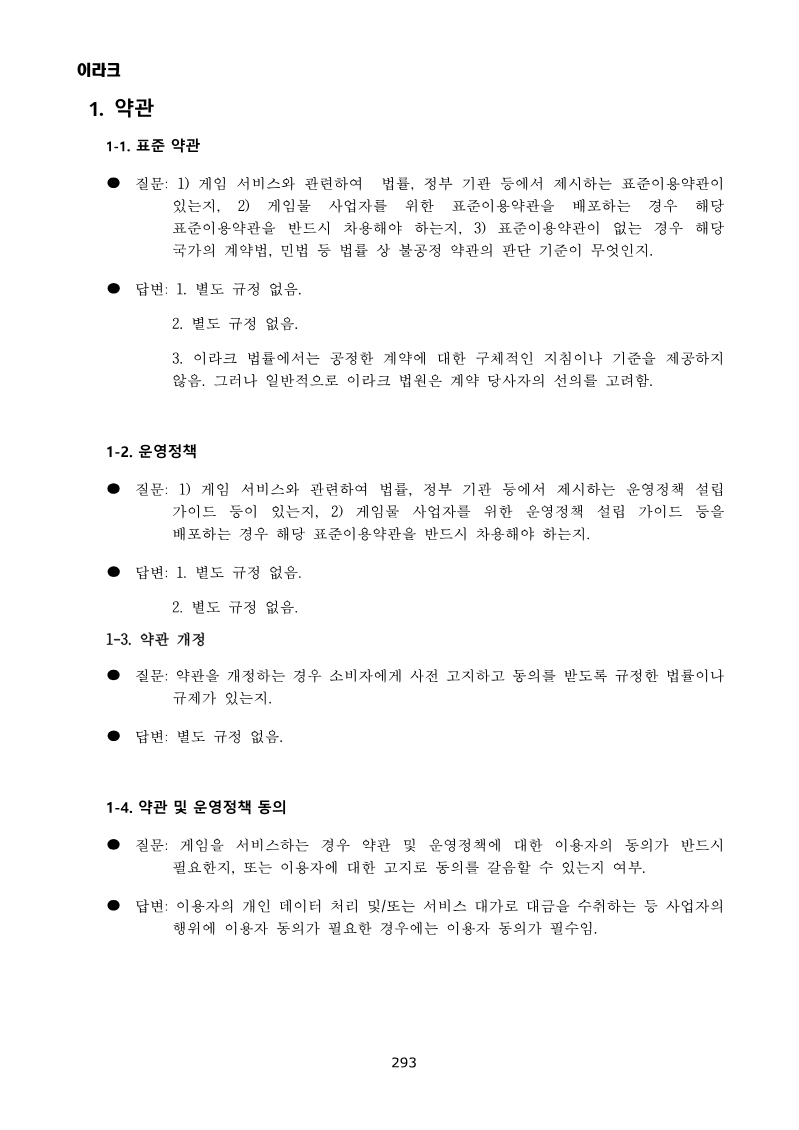
This analysis examines the legal and regulatory landscapes for the game industry across 11 key export markets, specifically focusing on the Middle East, North Africa, and Southeast Asia.
- Regulatory maturity varies significantly across the 11 surveyed markets in the Middle East, North Africa, and Southeast Asia, ranging from formalized oversight in countries like Indonesia and the UAE to a reliance on broad, non-specific civil laws in nations like Iraq, Pakistan, and Kuwait.
- In markets lacking industry-specific game legislation, companies must navigate general consumer protection and anti-gambling laws to mitigate legal risks, as the absence of dedicated statutes does not equate to total regulatory freedom.
- Data privacy has become a universal priority, with most jurisdictions adopting strict requirements for explicit user consent, transparent data handling, and enhanced protections for minors that carry severe penalties for non-compliance.
State of Mobile 2022 – Indonesia
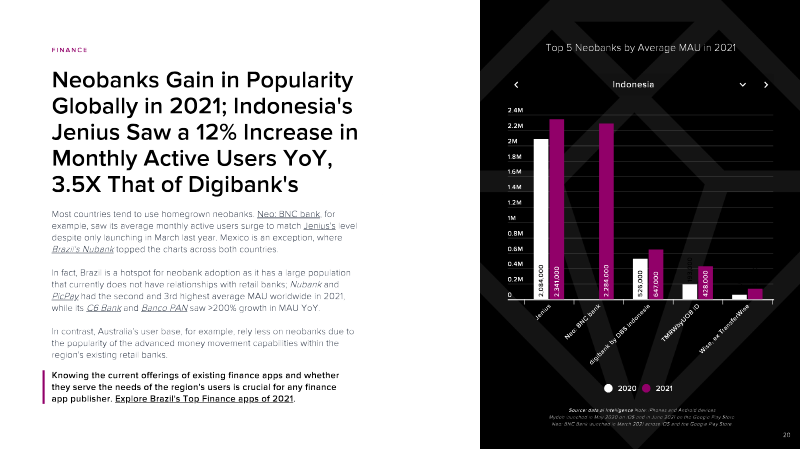
Indonesia emerged as one of the world’s most mobile-centric markets in 2021, with users averaging 5.4 hours daily on mobile devices, representing a 38% increase since 2019.
- Gaming remains the primary economic driver in Indonesia, accounting for 42% of all app downloads and 61% of total consumer expenditure, with titles like Mobile Legends: Bang Bang and Free Fire leading the market.
- Indonesian mobile users averaged 5.4 hours of daily screen time in 2021, a 38% increase since 2019, totaling 7.31 billion downloads and $532 million in consumer spending.
- The Food and Drink category experienced the most explosive growth, with session counts increasing by over 480% due to the rise of delivery services and quick-service restaurant brands.
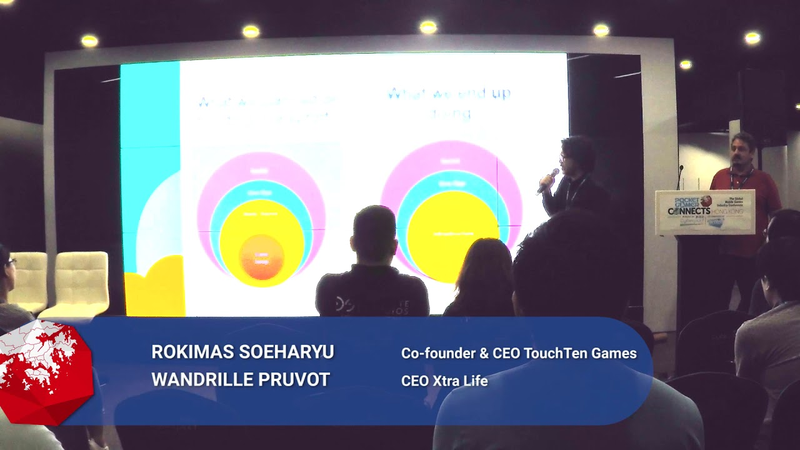
TouchTen: How we Doubled Iteration Speed Using SaaS Back End
The mobile game developer TouchTen, in partnership with the backend-as-a-service provider XtraLife, demonstrates that leveraging external infrastructure solutions significantly accelerates iteration cycles and improves competitive outcomes in the mobile gaming market.
- TouchTen reduced overall development time by approximately 25% by offloading backend infrastructure to the service provider XtraLife.
- Leveraging a Backend-as-a-Service (BaaS) model allowed TouchTen to maintain a bi-weekly sprint cycle, facilitating rapid concept validation and market responsiveness.
- XtraLife supports over 200 live games and processes 500 million API calls monthly, providing the necessary scale to handle growth from 10,000 to 500,000 daily active users.
The emerging markets power panel
The emerging markets panel at Pocket Gamer Connects London 2019 explored the growth, challenges, and strategic opportunities within the mobile gaming sectors of India, the Middle East, and Turkey.
- India has surpassed China in monthly mobile game download volume and data consumption, establishing itself as the world’s fastest-growing smartphone market.
- Turkey is a strategic hub for hyper-casual game testing due to its combination of low cost-per-install (CPI) rates and high user engagement with in-game advertisements.
- Monetization in India is evolving as digital payment solutions and debit card integration begin to overcome the historical barrier of low credit card penetration.

Biz Daily: Lower App Store pricing for India and Indonesia
Apple has implemented a strategic adjustment to its App Store pricing structure, responding to shifting global exchange rates and tax regulations.
- Apple has introduced two new low-price tiers, 'alternate tier A' and 'alternate tier B,' to lower the cost of digital content in India, Indonesia, Russia, and other markets.
- South Korea, a key mobile gaming hub, is experiencing a 10% price increase on the App Store as part of a broader global pricing adjustment.
- Price increases are being implemented in four specific markets: South Africa, Mexico, Turkey, and South Korea, to account for shifting exchange rates and tax regulations.
Casual Games Sector Report: Southeast Asia 2015
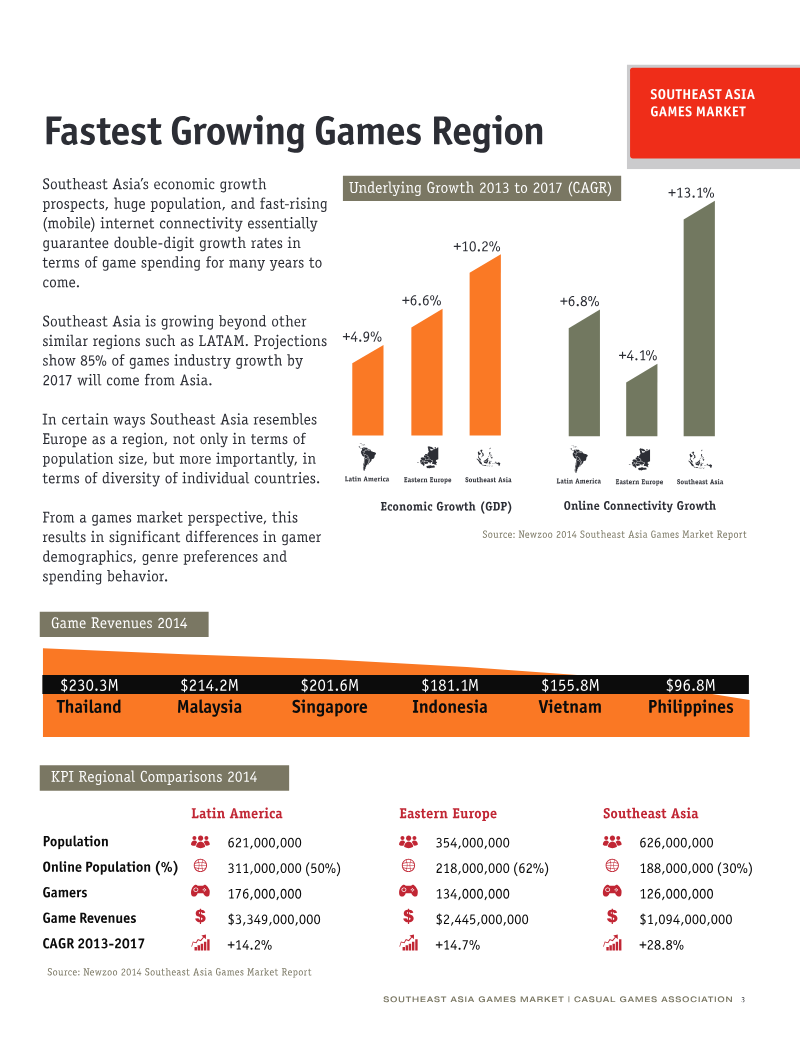
The Southeast Asia games market is positioned as a primary growth engine for the global industry, with total regional revenues projected to double to $2.2 billion by 2017.
- The Southeast Asia games market is projected to reach $2.2 billion in revenue by 2017, growing at a compound annual rate of 28.8%.
- Mobile gaming is the dominant sector across the region, with Western titles from publishers like King and Supercell consistently ranking among the top-grossing applications.
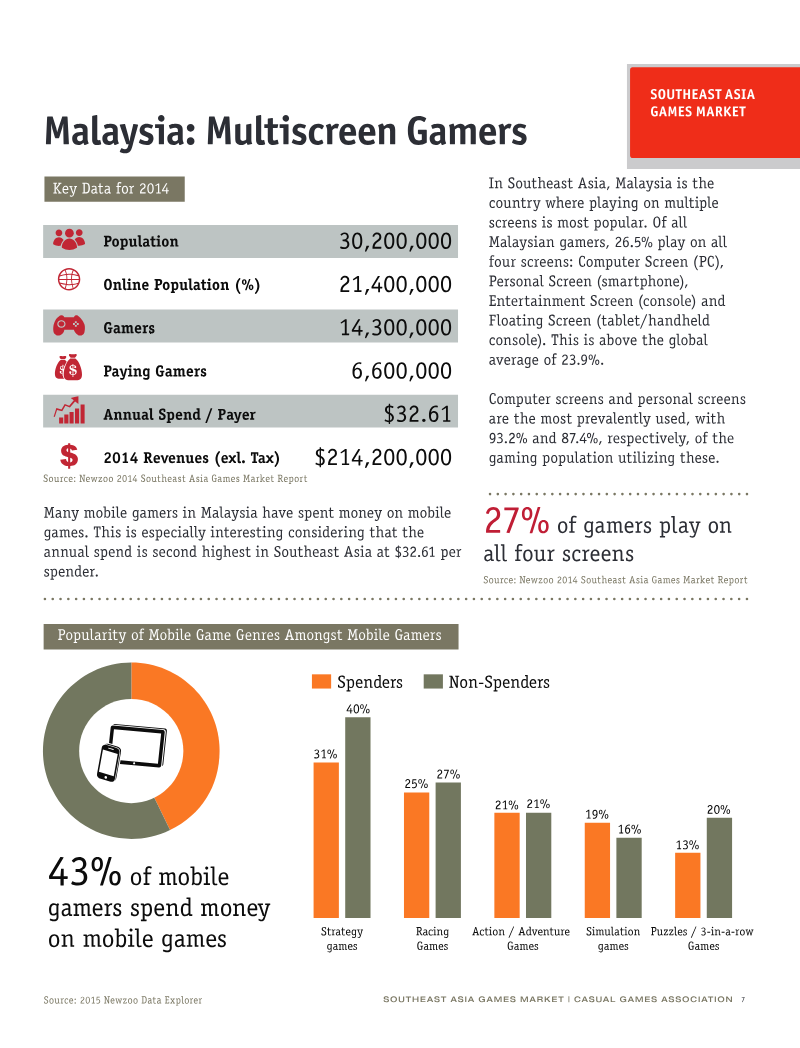
- Thailand currently generates the highest total game revenue in the region, while Singapore leads in monetization with an average annual spend of $189.30 per payer.

Antix Labs' CEO Francis Charig explains its cross platform gaming service
Antix Labs provides a high-definition, cross-platform gaming service designed to function across a diverse ecosystem of hardware, including smartphones, tablets, set-top boxes, PCs, and smart TVs.
- Antix Labs provides a cross-platform gaming service that supports diverse hardware architectures including Intel, MIPS, and ARM across smartphones, tablets, PCs, and smart TVs.
- The platform utilizes a single-binary distribution model to ensure performance and visual consistency, explicitly rejecting game streaming due to economic and technological constraints.
- The service enables offline content sharing and progress synchronization via Bluetooth, Wi-Fi, and Wi-Fi Direct, allowing for gameplay in regions with limited network infrastructure.