1 free read left. Create a free account for unlimited reading + AI research.
Create free accountWhitepaper International Journal of Serious Games
1 free read left. Create a free account for unlimited reading + AI research.
Create free accountWhitepaperInternational Journal of Serious Games
The platform integrates the Cyber Kill Chain model and commedia dell'arte metaphors to create an interactive and motivating learning experience.
It's like turning a complex textbook into an interactive play, making learning more captivating.
Design success. A study of 103 undergraduate students validated the platform's design, confirming that the integration of the Cyber Kill Chain model and commedia dell'arte metaphors fosters high levels of learner engagement…
The HackLearn project serves as a robust proof of concept for integrating serious games into cybersecurity education, specifically leveraging the COFELET framework to deliver scenario-based, hands-on training. By utilizing a browser-based terminal interface and incorporating cultural metaphors from commedia dell'arte, the platform guides undergraduate students through the Cyber Kill Chain model. This approach transforms complex technical concepts into an interactive experience, requiring learners to apply penetration testing skills and creative problem-solving to navigate virtual attack scenarios.
The evaluation methodology employs a comprehensive assessment strategy, integrating didactic, COFELET, and quality control frameworks to measure learning outcomes. Through a study involving 103 undergraduate students, the research confirms that the game is highly effective at fostering engagement and motivation. Data collected from pre-game, in-game, and post-game assessments indicate that the simulation successfully bridges the gap between theoretical cybersecurity knowledge and practical application, validating the underlying design principles of the COFELET framework for formal educational settings.
While the platform demonstrates significant educational value, the findings highlight specific areas for technical and pedagogical refinement. Participants reported high satisfaction, yet identified a need for more sophisticated scaffolding, such as improved hint systems, to better support the learning process. Furthermore, technical stability remains a priority for future iterations, with recommendations emphasizing the implementation of save-load functionality and enhanced connection-buffering mechanisms. Moving forward, the project aims to expand its scenario repository to accommodate diverse learner roles, ensuring the framework remains a scalable and adaptable tool for cybersecurity training.



International Journal of Serious Games · 2026
International Journal of Serious Games · 2026
International Journal of Serious Games · 2026
International Journal of Serious Games · 2026
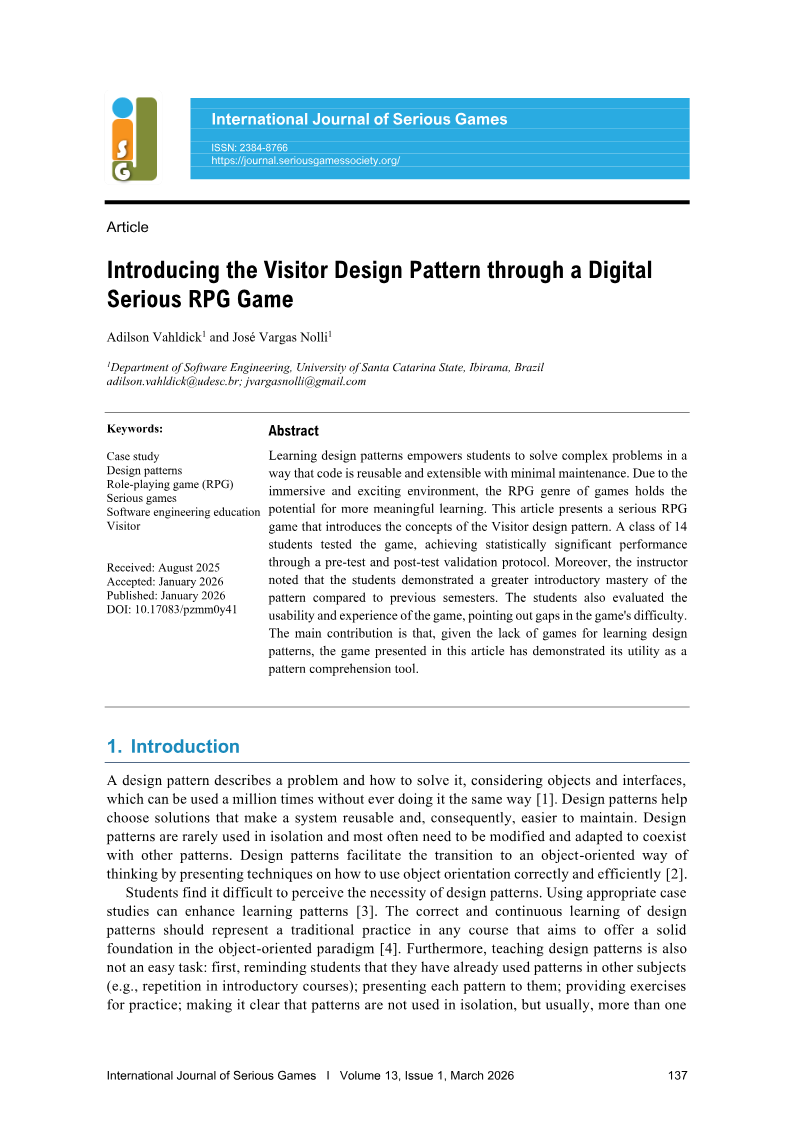
International Journal of Serious Games · 2026



International Journal of Serious Games · 2026
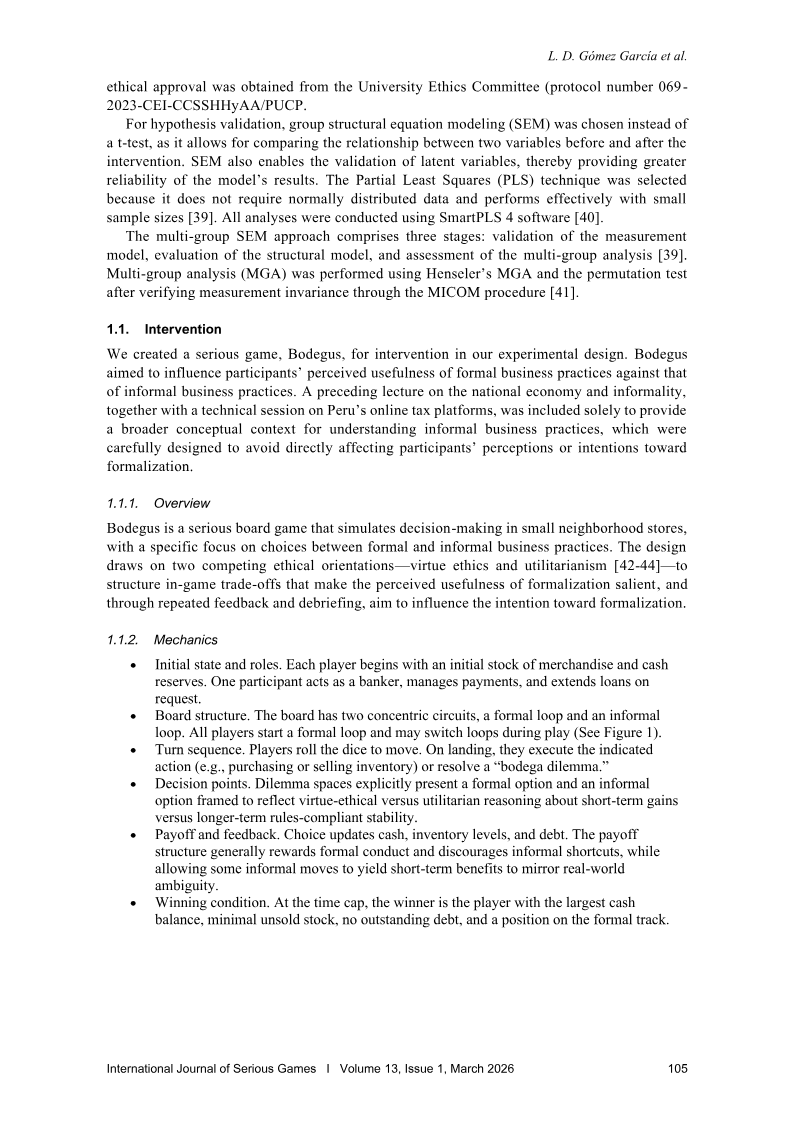
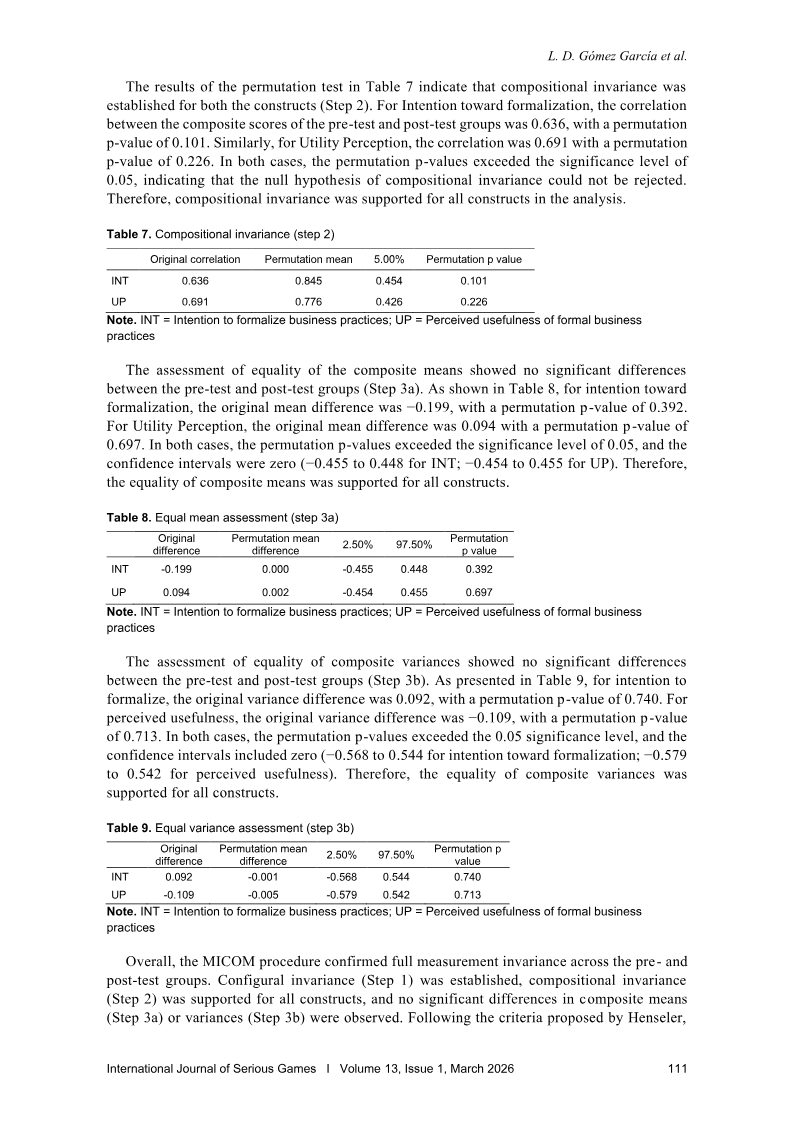
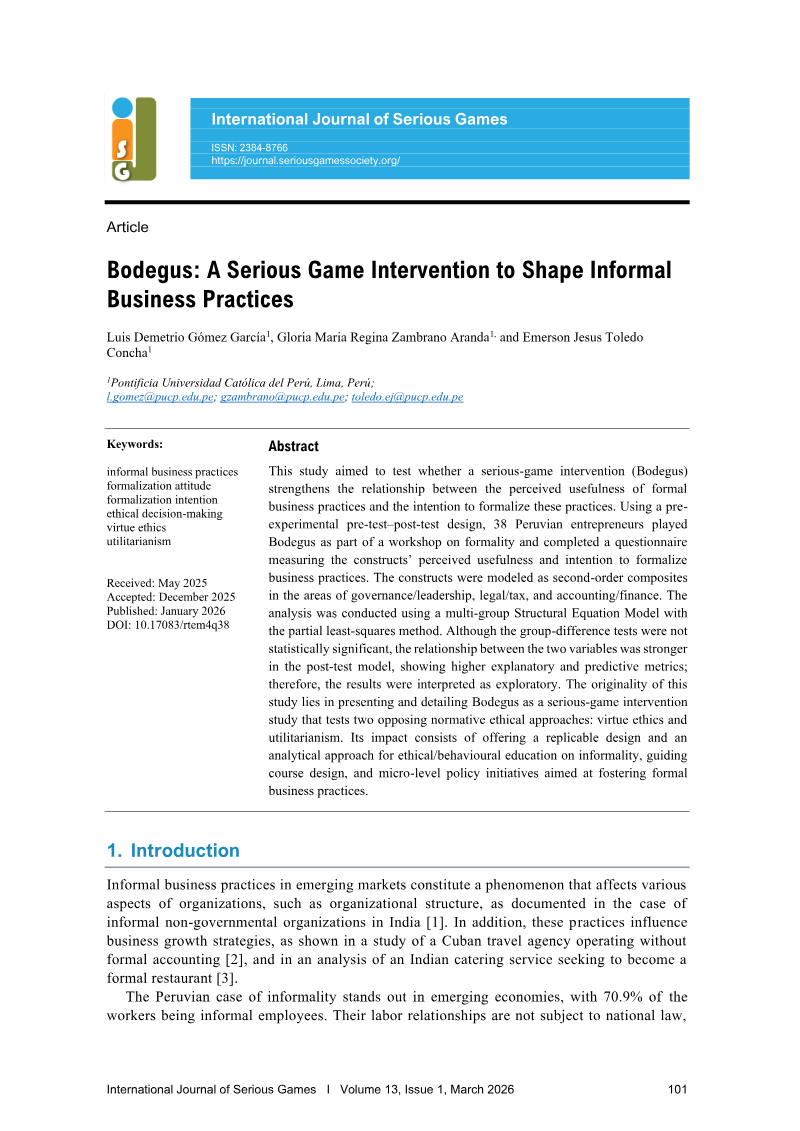
International Journal of Serious Games · 2026
International Journal of Serious Games · 2025
International Journal of Serious Games · 2025
International Journal of Serious Games · 2025
Serious Games Society · 2025
International Journal of Serious Games · 2025



European Conference on Games Based Learning (ECGBL) · 2026
European Conference on Games Based Learning (ECGBL) · 2026
International Journal of Role-Playing · 2026