North America reports and market data
Documents
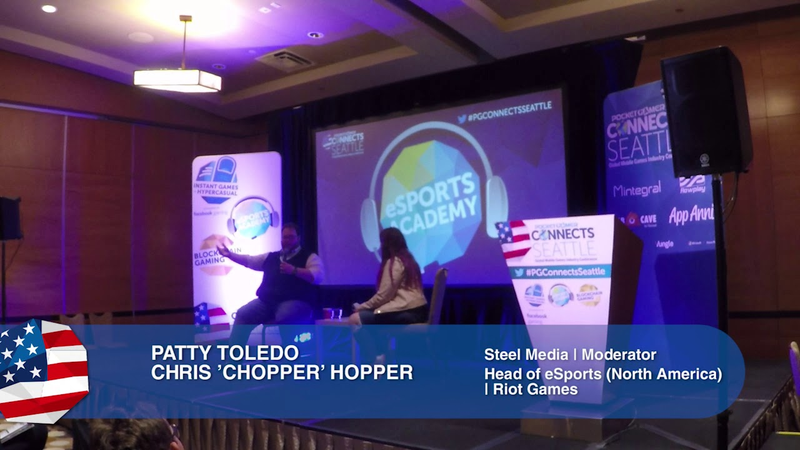
Creating a multi-generational esport in North America
Riot Games’ approach to building a sustainable esports ecosystem in North America centers on professionalizing the industry by emulating the structures of traditional sports.
- Riot Games is institutionalizing the League Championship Series (LCS) by emulating traditional sports structures, including franchising, revenue-sharing, and the creation of a Players Association.
- To ensure long-term viability, Riot is building a competitive pyramid that integrates League of Legends into collegiate and high school athletic systems to foster multi-generational engagement.
- Despite 85% of esports viewership being concentrated in the 18–34 demographic, Riot must actively educate advertisers to overcome the industry-wide hesitation to shift budgets from linear television to digital platforms.
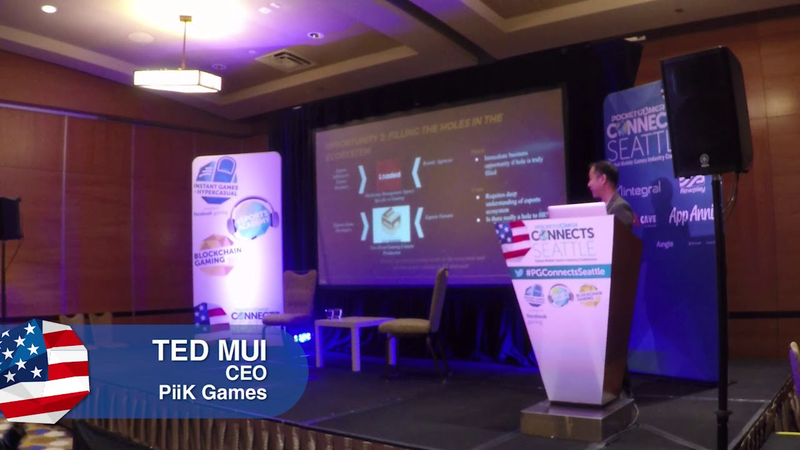
Identifying new business opportunities in the esports ecosystem
The esports ecosystem offers significant business potential for entrepreneurs and investors, provided they approach the market with a structured strategy for identifying underserved niches.
- New entrants should prioritize sustainable business models that address specific gaps in the esports ecosystem rather than relying on industry hype.
- Five strategic entry points include adapting successful models from other industries, filling functional holes, integrating emerging technologies, creating new demand, and refining existing products.
- Success is often driven by making existing processes less painful for the end user, as demonstrated by the operational growth model of companies like Zoom.

Google Stadia E3 Press Conference | Games ReCAP Episode 001
The gaming industry is undergoing a fundamental transformation as traditional trade shows like E3 lose their status as the primary hubs for publisher announcements.
- The gaming industry is shifting away from physical trade shows like E3 toward digital-first, company-led events that offer publishers greater control over messaging and direct-to-consumer marketing.
- Google Stadia faces significant market skepticism due to a reliance on third-party titles rather than exclusive content, failing to provide a unique value proposition against established ecosystems like Sony and Microsoft.
- Widespread adoption of cloud-based gaming platforms like Stadia is currently hindered by technical barriers, specifically the requirement for high-speed internet and the risk of data throttling.
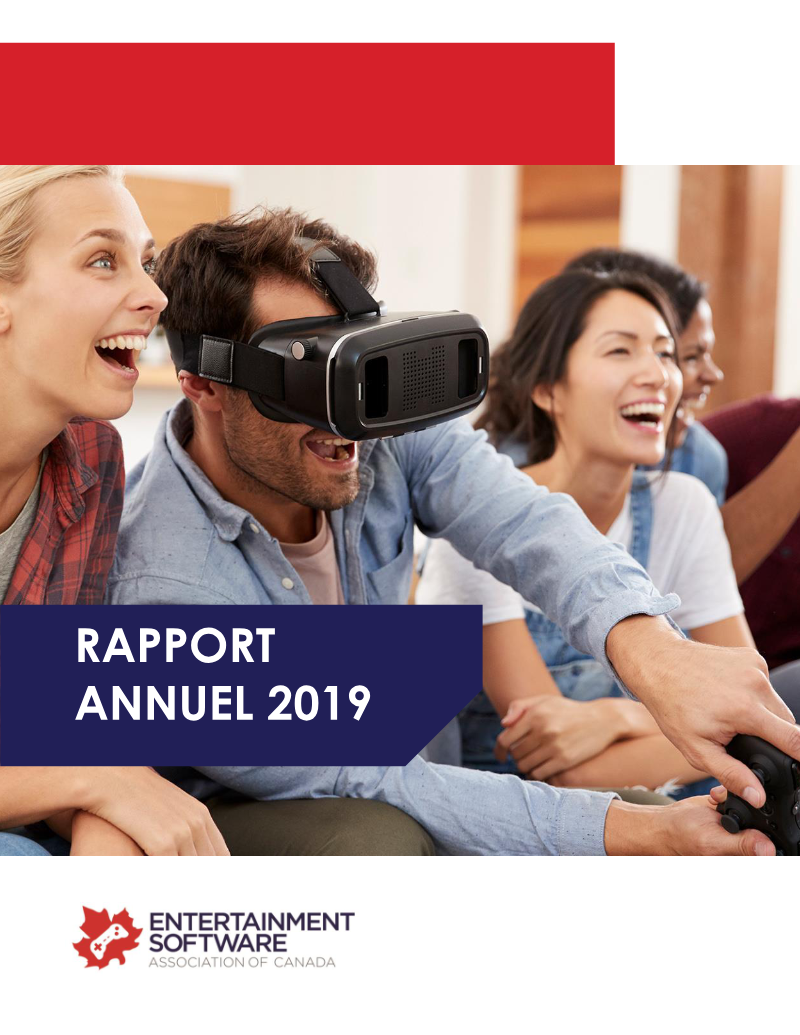
Rapport Annuel 2019 Entertainment
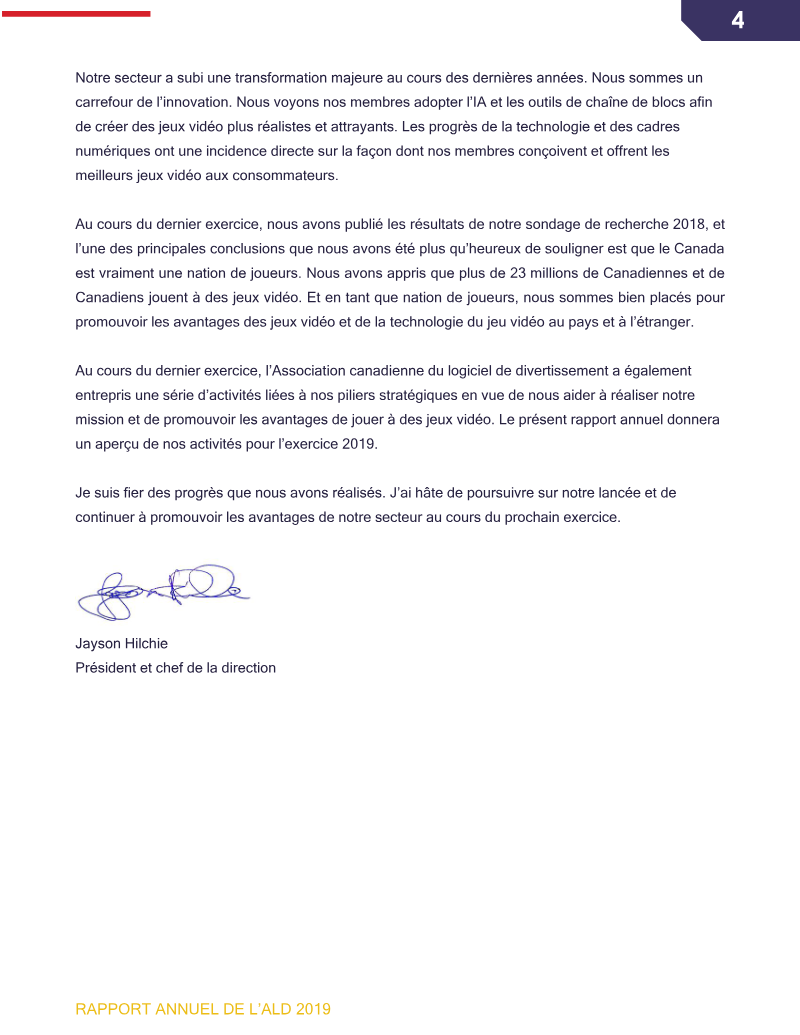
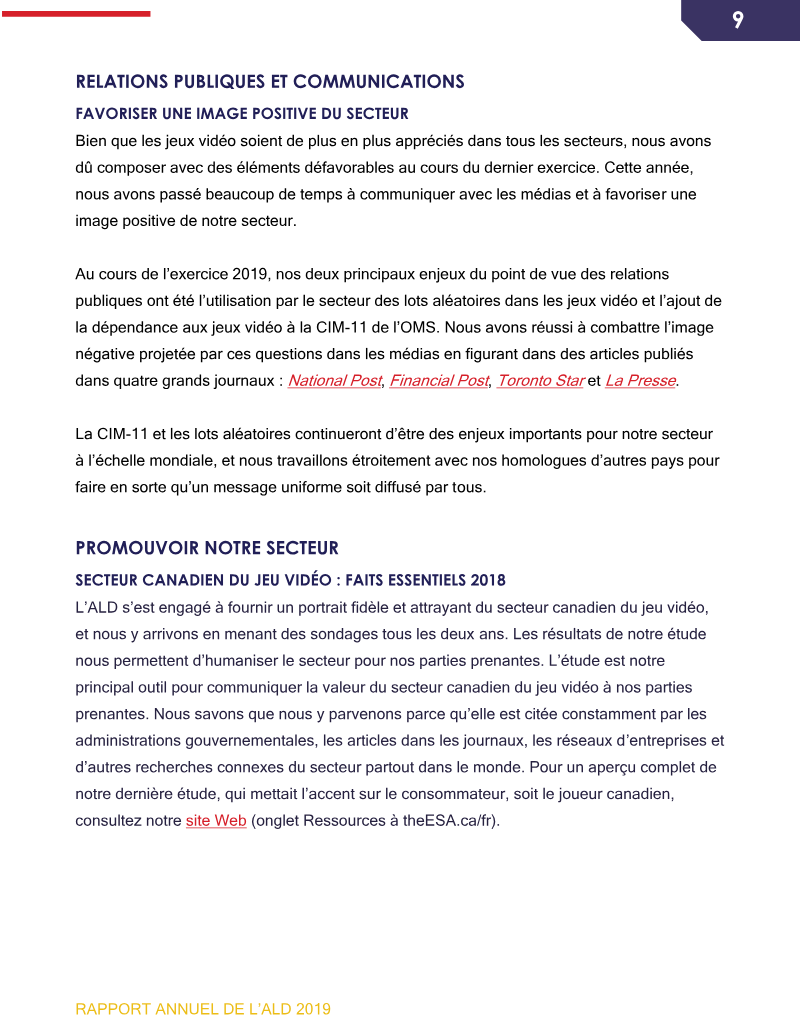
The 2019 annual report of the Canadian Entertainment Software Association (ALD) outlines the organization’s role as the principal advocate for Canada’s video-game sector, emphasizing a strategic focus on member-first principles, regulatory advocacy, and public perception.
- The Canadian video-game market remains robust, with a 2018 NPD Group survey identifying over 23 million regular gamers in Canada.
- The Entertainment Software Association (ALD) successfully engaged 25 federal legislators and major industry players including Ubisoft, Nintendo, EA, and Xbox during the 'Jeux vidéo sur la Colline' event.
- Lobbying efforts focused on securing tax-credit frameworks and innovation policies through direct dialogue with Minister Navdeep Bains and testimonies before parliamentary committees.
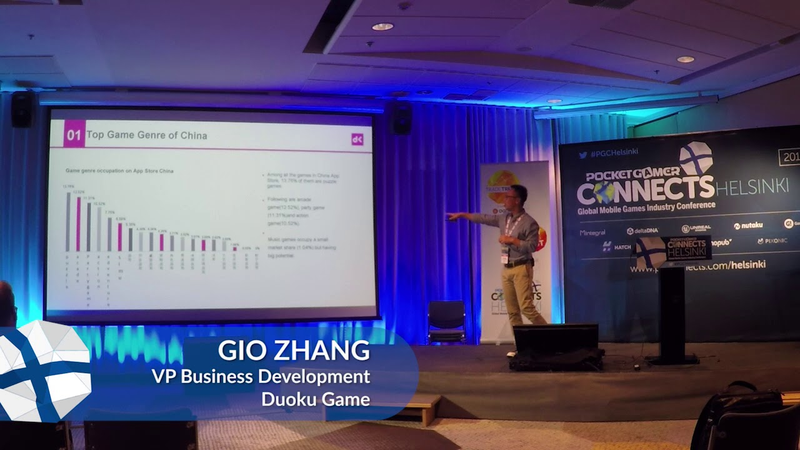
Why Western games struggle in Asia (and vice versa)
The Chinese mobile gaming market presents a significant opportunity for Western developers, provided they navigate the complex landscape of local distribution and cultural preferences.
- China’s mobile gaming market serves a user base of approximately 700 million people, representing half of the country's 1.4 billion population.
- The Chinese Android market is highly fragmented, requiring developers to navigate numerous third-party app stores rather than relying on global platforms like Google Play.
- Successful market entry typically requires a local partner to manage complex logistical hurdles, including device compatibility testing, regulatory licensing, and local store algorithms.

Indie Game Developers and Canada
Canada has emerged as a premier global hub for independent game development, driven by a combination of favorable government policy, a robust professional ecosystem, and high quality of life.
- Canadian provincial governments provide aggressive financial incentives for game studios, including tax credits that can reimburse up to 50 percent of employee salaries.
- Vancouver serves as the primary hub for Canadian independent game development, hosting a high density of mobile developers and indie studios.
- The Canadian ecosystem has successfully fostered high-profile titles such as Celeste and supported the growth of established studios like Klei Entertainment and Hothead Games.
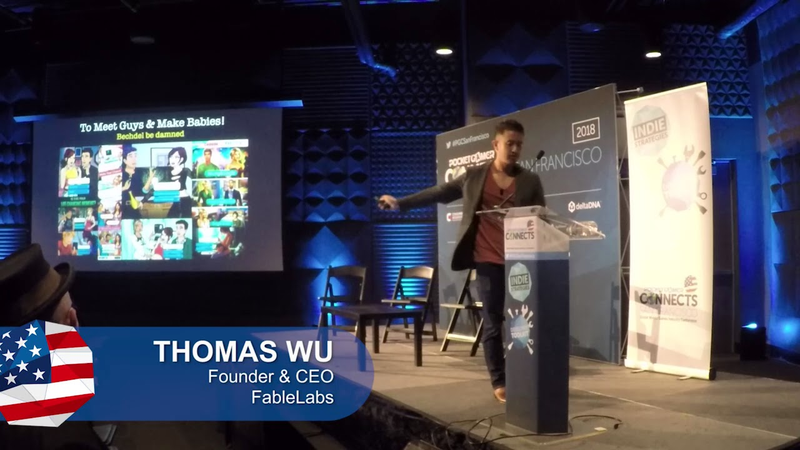
Talking narrative in games
The presentation argues that the video game industry frequently relies on flawed, exclusionary patterns and oversimplified data models that stifle innovation and misidentify target audiences.
- Industry reliance on rigid, bias-driven data models frequently leads to the misidentification of target audiences and the stifling of creative innovation.
- Historical industry generalizations regarding gender-based genre preferences are inaccurate, as female audiences represent significant viewership segments for high-fantasy, horror, and sci-fi content.
- Developers should shift from reactive, data-obsessed design to first-principles thinking, using data only to validate hypotheses and identify pain points rather than to dictate creative direction.
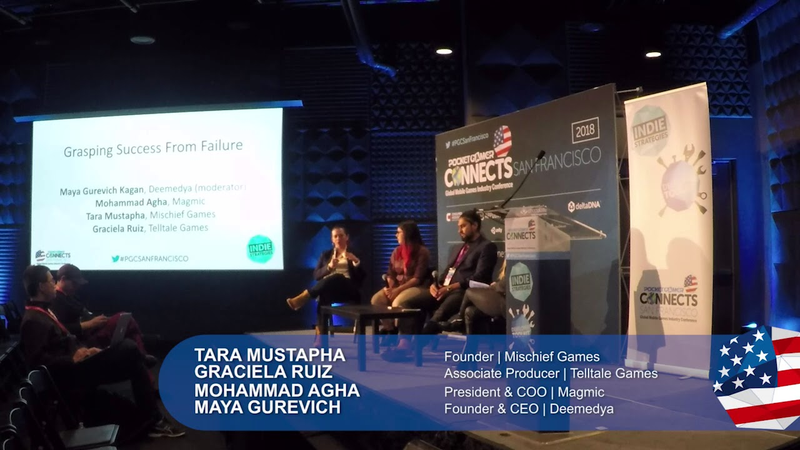
Grasping success from failure
The mobile gaming industry faces significant hurdles regarding user acquisition, development scope management, and the emotional difficulty of abandoning underperforming projects.
- Adopt a data-driven methodology that treats project failure as an inevitable part of the creative process to optimize production workflows and decision-making.
- Utilize regional soft launches to rigorously test core game loops and identify churn triggers before committing to a global release.
- Integrate monetization models during the earliest stages of development, as these choices fundamentally dictate the design of the core game loop.
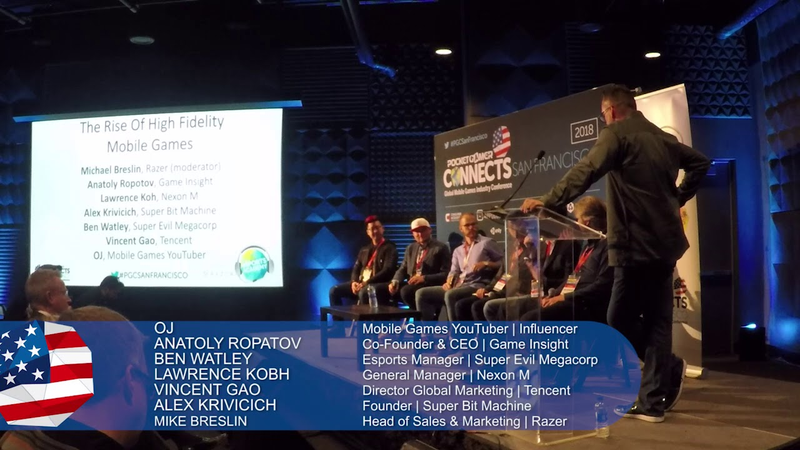
The rise of high fidelity mobile games
The mobile gaming industry is undergoing a fundamental transformation as it shifts from casual, low-complexity titles toward high-fidelity, hardcore experiences that rival traditional console and PC gaming.
- The mobile gaming market is shifting from casual, low-complexity titles to high-fidelity, hardcore experiences that directly compete with console and PC gaming.
- Technological advancements, specifically the widespread adoption of high-refresh-rate displays and 5G connectivity, have removed latency barriers to enable complex, synchronous multiplayer gameplay.
- High-fidelity titles like battle royales and MOBAs are increasingly displacing traditional puzzle games in Western markets due to superior monetization potential and deeper player engagement.
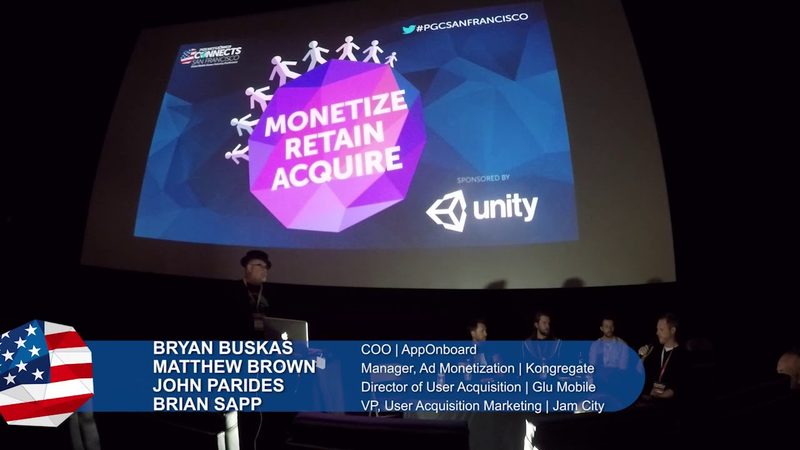
The future of the mobile monetisation and user acquisition market
Mobile monetization and user acquisition are undergoing a fundamental shift toward prioritizing high-quality user experiences over aggressive, short-term tactics.
- Mobile monetization is shifting from aggressive, short-term tactics toward high-quality, authentic, and playable ad formats that prioritize long-term user engagement.
- Developers are diversifying distribution strategies beyond the traditional Facebook and Google duopoly by increasingly leveraging emerging platforms like Snapchat and Pinterest.
- Machine learning is automating targeting processes, allowing marketing teams to shift their focus toward creative strategy and rapid iteration cycles.
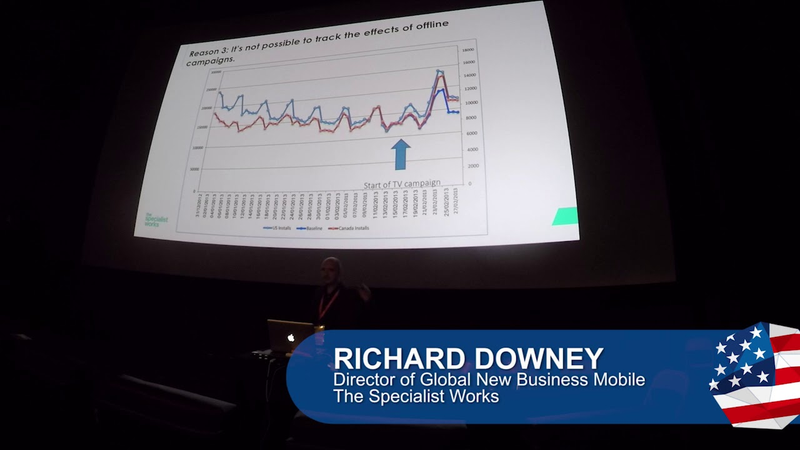
How offline advertising can boost your mobile and digital acquisition performance
Offline advertising, particularly television, serves as a powerful, trackable, and optimizable tool for mobile game user acquisition when executed with a data-driven strategy.
- Offline advertising, particularly television, functions as a measurable and optimizable channel that improves digital KPIs such as click-through rates, lifetime value, and brand authority.
- Integrating offline media with digital campaigns creates a halo effect that increases the overall efficiency and purchase intent of Facebook, PPC, and influencer marketing efforts.
- Developers can isolate the impact of TV campaigns on app store spikes and organic growth by using baseline tracking to compare performance across regions with and without offline support.

How To Market Your Indie Game — Exclusive SCAD Panel Discussion
The modern indie game landscape has shifted from a purely creative endeavor into a highly competitive business environment where technical quality no longer guarantees commercial viability.
- Success in the current indie market requires treating marketing as a core business skill rather than an afterthought, as technical quality alone no longer guarantees commercial viability.
- Developers should avoid broad audience targeting in favor of identifying a specific niche and cultivating a dedicated community of evangelists through authentic, personal storytelling early in development.
- Building genuine, long-term relationships with influencers and streamers is more effective for organic reach than relying on standard promotional posts.