Monetization reports and market data
Documents

CEO of DeNA West Clive Downie talks about why it's focused on fun not money
DeNA West prioritizes user engagement and the creation of high-quality content over immediate monetization strategies within the mobile gaming sector.
- DeNA West prioritizes user engagement and long-term retention over immediate monetization, operating on the premise that high-quality content naturally drives sustainable revenue.
- The company manages the Mobage platform, which hosts a portfolio of over 100 first- and third-party mobile game titles.
- DeNA West maintains a workforce of over 300 employees, focusing on internal culture and developer satisfaction to ensure the production of high-quality, engaging gaming experiences.

Com2uS USA's Don Lim talks about the Korean publisher's great success
Com2uS established itself as a mobile-first developer with a fifteen-year history, achieving significant growth in 2012 by transitioning its business model from paid applications to a free-to-play strategy.
- Com2uS achieved significant growth in 2012 by pivoting its business model from paid applications to a free-to-play strategy, anchored by the success of the social title Tiny Farm.
- The integration of KakaoTalk as a gaming platform was a critical driver for developer success in 2012, utilizing social features like friend invitations and gifting to boost virality and engagement.
- Widespread Android adoption in the Korean market during 2012 served as a foundational catalyst for the company's expansion by facilitating broader Google Play distribution and revenue.

AppGratis CEO Simon Dawlat on building the best app distribution channel
AppGratis functions as a global app discovery and distribution channel, connecting mobile users with curated daily promotions for free or discounted applications.
- AppGratis operates a discovery platform that generates up to 1.5 million app installs per day for developers.
- The company maintains a user base of 10 million total members, including 3 million daily active users.
- The business model focuses exclusively on non-incentivized downloads to ensure long-term sustainability and avoid artificial inflation of metrics.

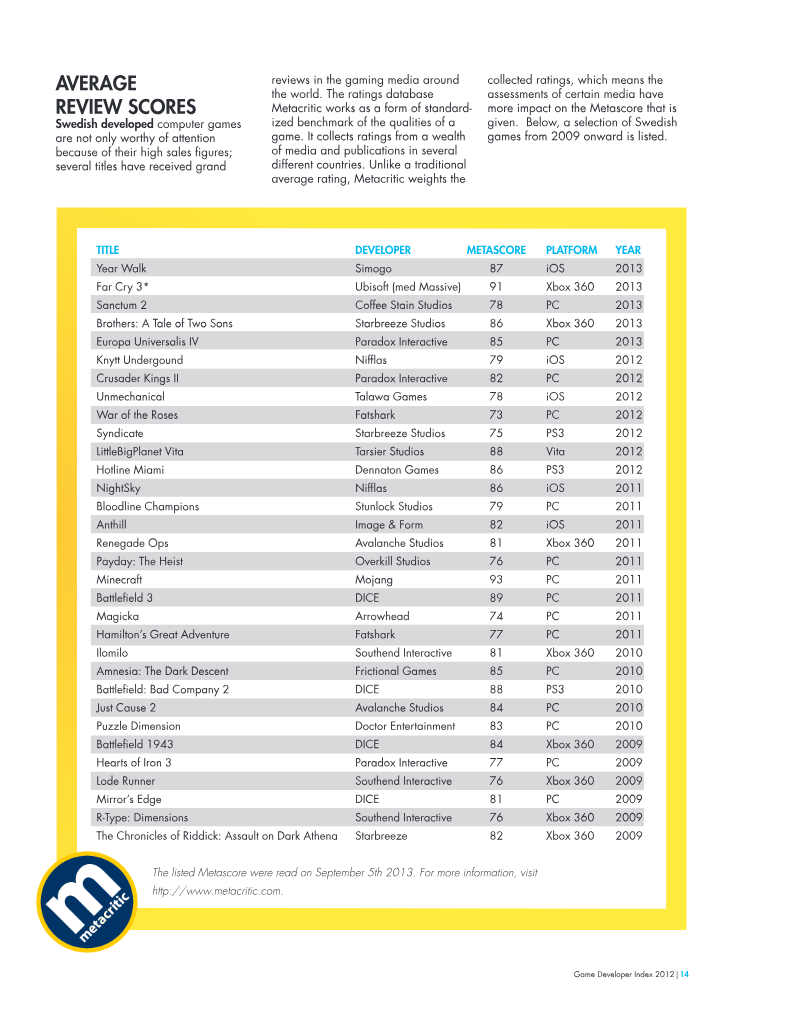
Game Developer Index: Sweden 2012
The Swedish video game industry underwent a period of unprecedented expansion in 2012, characterized by a 60 percent increase in total turnover to 414 million euros and a 163 percent surge in profits to 38 million euros.
- In 2012, the Swedish video game industry experienced rapid growth, with total turnover rising 60% to 414 million euros and profits surging 163% to 38 million euros.
- The industry workforce expanded by 30% to 1,967 full-time professionals, supported by the launch of 37 new companies.
- Market success was driven by global hits like Minecraft and Candy Crush Saga, alongside established AAA output from studios such as DICE and Starbreeze.

Digital Rentals and the Online Arcade - How Will We Buy Games in the Future? - Extra Credits
The gaming industry is currently undergoing a significant transition as traditional retail models, centered on sixty-dollar boxed products, give way to digital distribution and diverse monetization strategies.
- Monetization strategies must be integrated into the game design process from the start, as payment structures fundamentally dictate mechanical requirements and the overall player experience.
- The industry is shifting away from the traditional $60 boxed-product model toward diverse digital distribution methods that move beyond a one-size-fits-all approach.
- The 'online arcade' model, which charges per life or session, is best suited for short, skill-based genres like fighting games or platformers.
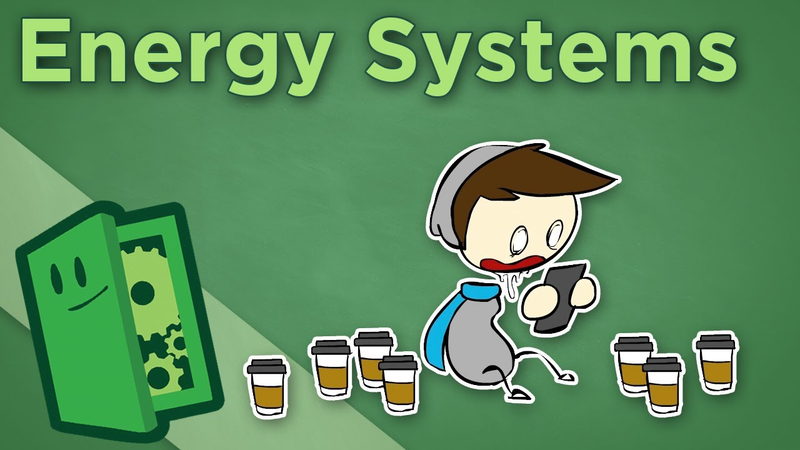
Energy Systems - How Casual Games Suck You In - Extra Credits
Energy systems in modern gaming serve as psychological tools designed to regulate player behavior through three primary mechanisms: monetization, content restriction, and habituation.
- Energy systems function as psychological tools designed to regulate player behavior through monetization, content restriction, and habituation.
- Developers use artificial scarcity and limited play sessions to integrate games into a user's daily routine, prioritizing long-term retention over one-time engagement.
- Early implementations like World of Warcraft’s 'rested experience' system leveraged the psychological drive for efficiency to encourage regular play without causing user frustration.

Pocket Gamer Biz interview Henry Fong, CEO of Yodo1
Yodo1 serves as a specialized gateway for Western mobile game developers seeking to navigate the complex Chinese market.
- Yodo1 provides a service that enables Western mobile game developers to distribute and monetize their titles in the Chinese market in under seven days.
- The Chinese mobile market is experiencing rapid growth, with an estimated 200 million smartphones in use and a penetration rate of less than 20%, signaling significant long-term potential.
- Yodo1 differentiates itself by aggregating and federating access to China's fragmented ecosystem of top ad networks, payment methods, and distribution channels rather than forcing developers into a proprietary network.
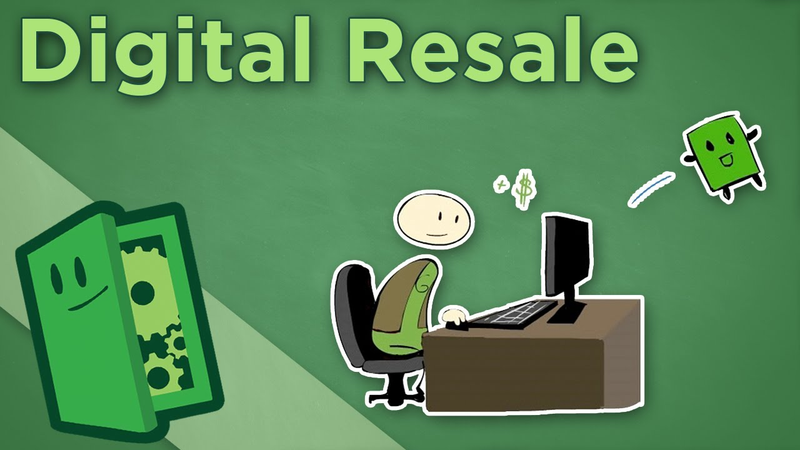
Digital Resale - Can You Borrow a Friend's Steam Games? - Extra Credits
The digital distribution landscape is approaching a significant shift as legal precedents, particularly within the European Union, begin to classify digital goods as property rather than licensed services.
- Legal precedents in the European Union are shifting the classification of digital goods from licensed services to property, which mandates that consumers eventually gain traditional ownership rights like resale and transfer.
- Digital storefronts are under pressure to develop infrastructure for digital resale to comply with evolving laws that bridge the gap between physical property rights and modern digital distribution.
- A centralized trade-in model, where distributors offer store credit for returned games, is identified as a viable strategy to retain customer loyalty and keep capital within a platform's ecosystem.

Crowdfunding - How Kickstarter Helps Games Innovate - Extra Credits
Crowdfunding has emerged as a transformative alternative to traditional game development funding, enabling developers to bypass publishers and investors to bring niche or experimental projects to market.
- Crowdfunding platforms like Kickstarter and Rocket Hub allow developers to bypass traditional publishers and venture investors, shifting the power dynamic toward direct consumer funding.
- This funding model enables studios to prioritize creative quality and niche appeal over the mass-market profit-maximization strategies typically required by traditional financial backers.
- Traditional publishing agreements often force developers to sacrifice intellectual property rights and adhere to rigid milestones that risk project cancellation.
Mass Effect 3 DLC - Can Day 1 DLC be a Good Thing? - Extra Credits
The practice of releasing downloadable content (DLC) on a game’s launch day is often viewed as a predatory business tactic, yet it serves a functional role in the modern console development cycle.
- The console certification process creates a mandatory six-to-eight-week gap between the completion of a game and its retail release, which developers use to produce day-one DLC.
- Day-one DLC serves as a functional economic model to keep development teams employed during the post-gold, pre-launch window when the base game is already finished.
- Publishers rely on day-one DLC because consumer interest in a new title drops precipitously shortly after the initial release, creating a narrow window for monetization.
The Diablo III Marketplace - Economy Design in Games - Extra Credits
The introduction of a real-money marketplace in Diablo III represents a significant shift in game industry business models, moving beyond traditional retail sales toward sustainable, player-driven revenue streams.
- The Diablo III real-money marketplace shifts the business model from one-time retail sales to a sustainable, player-driven revenue stream that reduces the need for constant new content production.
- By formalizing the global gray market for virtual goods—an industry estimated to reach hundreds of millions of dollars annually—developers can capture significant revenue through transaction fees.
- The implementation of a real-money marketplace necessitates a persistent internet connection to ensure transaction security, a trade-off that sacrifices potential sales in regions with limited connectivity for projected transaction fee revenue exceeding tens of millions of dollars.
Microtransactions - What Does Good Monetization Look Like? - Extra Credits
Microtransactions represent a significant shift in the gaming industry, offering a sustainable alternative to traditional retail models if implemented with ethical, player-centric design.
- Monetization must focus on convenience and cosmetic items rather than selling power, as selling competitive advantages undermines game balance and alienates the player base.
- Non-paying players are essential to the ecosystem because they provide the necessary population density to sustain multiplayer game functionality.
- Developers should allow all players to earn premium currency through gameplay to build trust and lower the psychological barrier to making initial purchases.