1 free read left. Create a free account for unlimited reading + AI research.
Create free account
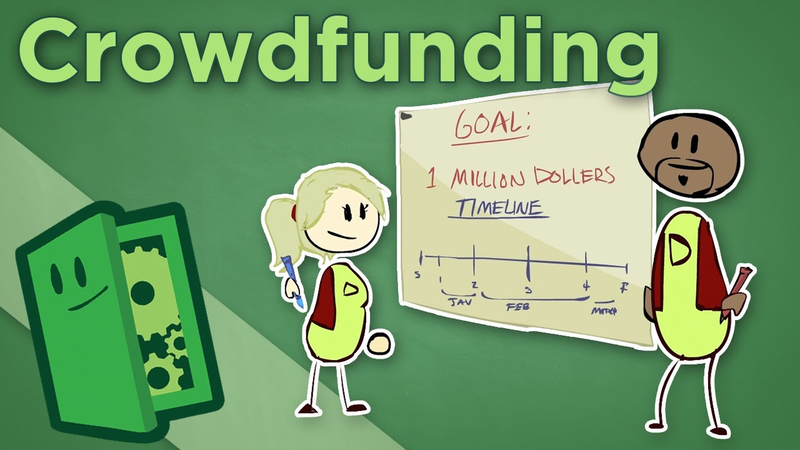
Crowdfunding - How Kickstarter Helps Games Innovate - Extra Credits
Key insights
6 takeaways- 01This funding model enables studios to prioritize creative quality and niche appeal over the mass-market profit-maximization strategies typically required by traditional financial backers.
- 02Traditional publishing agreements often force developers to sacrifice intellectual property rights and adhere to rigid milestones that risk project cancellation.
- 03Venture capital investment frequently prioritizes building a sellable brand or company over the creation of a single high-quality game, creating misaligned goals between studios and financiers.
- 04Crowdfunding platforms like Kickstarter and Rocket Hub allow developers to bypass traditional publishers and venture investors, shifting the power dynamic toward direct consumer funding.
- 05Crowdfunding provides a mechanism to revive 'dead' genres and unconventional projects that major publishers otherwise deem too small or risky to support.
- 06By voting with their capital, consumers gain a direct role in shaping the industry and ensuring that niche games find a viable audience.
Ask AI about this video
Transcript
Well, this sure turned into a thing. Here's something we've got to talk about because this may end up changing everything. This is exciting times, guys. Through sites like Rocket Hub and Kickstarter, just in the last few months, we've seen projects like The Banner Saga, Double Fine Adventure, Code Hero, and several others find the capital they need to come to life. For the first time since the '80s, games with bigger budgets are being made without publisher funding. Now, some of you may be wondering what about this is so significant. What does this really mean for the industry? Well, it means the consumers can finally have a real say in what gets released. All those genres that people have been declaring dead, all those games that were deemed too small or unpopular to be worth the time of a larger publisher, suddenly all of those games have an outlet. So, let's talk a bit about how this works and contrast it with the traditional models of getting funding. For those of you who have been hiding under a particularly soundproof rock, let's lay out the crowdfunding model first. So, most crowdfunding sites basically work like a PBS funding drive. The game studio
looking to raise money sets a goal, establishes an amount of time to raise enough funding to hit that goal, and then tries to do everything they can to get people involved in putting money toward the cause. One of the tools fundraisers often use to get people involved is to offer rewards for different tiers of participation. So, for example, for putting in $10, a person might get a pre-release copy of the game. Whereas, if they put in $1,000, they might get a statue of themselves incorporated into the game for all to see. So, once a developer manages to raise their money, the crowdfunding service takes their cut, usually somewhere between 4 and 8%, and the studio is ready to begin working on their project. So, that's the basic crowdfunding model. So, what happens in the traditional models? Well, there are really only two other ways to fund the game unless you finance it on your own dime. The first is via a publisher. In this model, the group creates a prototype for their game idea and starts shopping it around to publishers. This can be a difficult span of time, especially if your studio isn't already a hot commodity with some big titles on your resume. Plenty of publishers will seem to be interested in your project at first because, hey, it doesn't cost them anything to look. But, once it comes time to buckle down and seriously make money change hands, small studios
sometimes end up seeing a lot of that interest vanish. In fact, the publisher is kind of incentivized to let this shopping process drag out as long as possible. You see, while all the negotiations and the talks are happening, the team's still going to be working on the game. And if the publisher can string things along for a month or two, that's one or two months less of development that they're going to have to pay for. And since the developer's going to have to keep scraping by on their own funds during that time, their operating budget's going to start dwindling. So, they're going to start getting more and more desperate, giving the publisher a serious upper hand at the negotiation table. Now, I'm not trying to make publishers sound evil here, and things don't always play out that way. But, it is how the incentive system is set up, so it does tend to happen a lot. So, let's say a developer does land themselves a publisher for their game. They get an agreement to be given money at regular intervals, so long as they meet development milestones decided upon by the publisher. Of course, the developer usually has to give up all the rights to the intellectual property of their game and a lion's share of the post-release revenue. In exchange, they're often also given some guarantees about publishing, distribution, and marketing. Although, that can be a little bit of a double-edged sword, as this can mean that the publisher has the right to ask for things marketing-wise that may not be the best for the game.
Anyway, once things go into development, the publisher usually has regular review sessions and can send someone down to the developer to check on progress when necessary. And sometimes that can be a very beneficial thing for less experienced developers. But, again, double-edged sword. If the developer doesn't meet their milestones, the publisher usually has the right to pull the remaining funding without returning control of the intellectual property to the developer. And again, that's not the publisher being evil. That's just a necessary measure to protect themselves from having people take their money and not deliver a product. Suffice it to say though, when those milestones aren't hit and funding gets pulled, no one leaves happy. But, enough about publishers. They're not the only route. You could always take money from investors instead. So, how does that work? Well, investors get stock, which means they get a say in how your company is run. Any major investments will usually come with a demand of a seat on your board of directors. So, even if they don't have full control over things by having a majority stake in your company, they do have a fair say in the overall company planning, which might be fine, but there's one other tricky thing about taking money from investors. You see, investors don't get their money back the same way a publisher does. Publishers get their cut from the game sales. Investors only see money if the company
itself is sold, or if it makes a public offering that appears on the stock exchange. This means that as a developer, your goals and the goals of your investors may not sync up very often. You want to create an awesome game. They want to create a sellable company. Sometimes those goals overlap, often they don't. You remember a few years back when we saw all those companies springing up trying to build multiple MMOs at once. Companies who had never launched a title before. This is why. See, a successful game release is all well and good, but multiple games, or a full-blown MMO platform, that creates a brand. A company that can constantly deliver. Investors love the sound of that. And as we saw, it doesn't always work out. But now, suddenly, a third option appears. Publishers, investors, and now crowdfunding. That changes everything. Of course, I'm not saying this model doesn't have its own problems. At some point, we're going to see one of these big crowdfunded projects fail. Some developers' reach is going to grasp, and the whole thing is going to fall apart with nothing to show for it, and no one to hold accountable. And it'll be pretty disappointing for everybody involved. But despite the reality of that risk, consider the
benefits. Of the three funding methods I've listed, crowdfunding is the only one that simply asks the developer to make the best game they can. No conflicting investor goals, no getting worked over by a publisher. Just take this money we raised and make it into something awesome. And without the obligations that the current funding sources put on them, developers will be able to pursue projects that would be deemed as madness by publishers and investors. Crowdfunding will allow us to break the cycle of sequels and safe releases. More than that, it creates a strange new dynamic. Developers working with crowdfunding sources are no longer bound by the profit motive. If all you really care about is just creating games, getting to try different things and explore new ideas, then all you've got to do is raise the funds to create your game. That's it. You don't have to concern yourself with maximizing profits at the expense of play or any of that nonsense. You just make your game. And when it's done, you crowd raise funds for your next project. You may never end up becoming a millionaire going this route, but you'll be able to create high-quality work without ever being forced to compromise that quality for the sake of mass appeal. You can finally appeal to niche audiences, so long as those audiences are willing to pay a little bit more for their experiences by
giving to your crowdfunding drive. You can actually work on dead genres again. Adventure games, Baldur's Gate-style RPGs, anything you can think of. You can make a game with a prohibitive level of depth or difficulty and not worry that doing so will keep some people from playing your game, something the AAA world has been increasingly loath to do. But most importantly, thanks to all of you guys who are out there putting money into these things, we can make better games. For the first time since ever, consumers can have direct say about what gets created. You can go around the publishers. You no longer have to beg to see something released in your region or sit there frustrated watching millions of dollars get wasted on terrible games while the unpopular or less accessible games you would or get passed over. This really could change everything. All of the things we've been arguing about on this show, everything you've written to us about, every letter we ever received asking, "What can I do?" is answered here by letting the consumer truly pick what you want to see produced. We are consumer, and our currency megaphone just got a whole lot louder. The future is looking pretty awesome right now. We'll see you next week.
Summary
Crowdfunding has emerged as a transformative alternative to traditional game development funding, enabling developers to bypass publishers and investors to bring niche or experimental projects to market. By utilizing platforms like Kickstarter and Rocket Hub, studios can secure capital directly from consumers, effectively shifting the power dynamic of the industry. This model allows developers to prioritize creative quality and depth over the mass-market appeal and profit-maximization strategies typically demanded by traditional financial backers.
The traditional funding landscape often forces developers into unfavorable compromises. Publishers frequently leverage their financial position to strip studios of intellectual property rights and impose rigid development milestones that can lead to project cancellation. Similarly, venture investors often prioritize building a sellable company or brand over the creation of a single, high-quality game, leading to misaligned goals between the studio and its financiers. In contrast, crowdfunding requires only that a developer deliver the best possible version of their proposed game, freeing them from the cycle of sequels and safe, predictable releases.
While crowdfunding carries inherent risks—such as the potential for project failure without traditional accountability—it offers a unique mechanism for reviving "dead" genres and catering to specific, dedicated audiences. By allowing consumers to vote with their capital, the model empowers players to influence the industry directly, ensuring that games deemed too small or unconventional by major publishers can still find an audience. Ultimately, this shift represents a significant evolution in game production, granting developers the autonomy to pursue artistic innovation while providing consumers with a more direct role in shaping the future of the medium.












Comments