1 free read left. Create a free account for unlimited reading + AI research.
Create free account
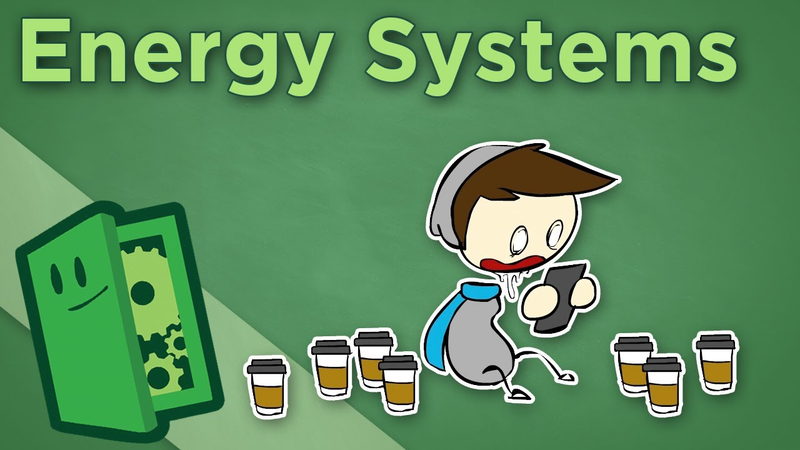
Energy Systems - How Casual Games Suck You In - Extra Credits
Key insights
6 takeaways- 01Sustainable game design favors using energy systems for pacing and habituation rather than aggressive, transaction-based extortion.
- 02Energy systems function as psychological tools designed to regulate player behavior through monetization, content restriction, and habituation.
- 03Early implementations like World of Warcraft’s 'rested experience' system leveraged the psychological drive for efficiency to encourage regular play without causing user frustration.
- 04Developers use artificial scarcity and limited play sessions to integrate games into a user's daily routine, prioritizing long-term retention over one-time engagement.
- 05Social network game companies like Zynga popularized energy bars to align gameplay with social media habits and to mask a lack of substantial content by preventing players from exhausting offerings in one sitting.
- 06Modern energy systems often prioritize short-term monetization by forcing players to pay to bypass artificial wait times, a tactic that can diminish the overall player experience.
Ask AI about this video
Transcript
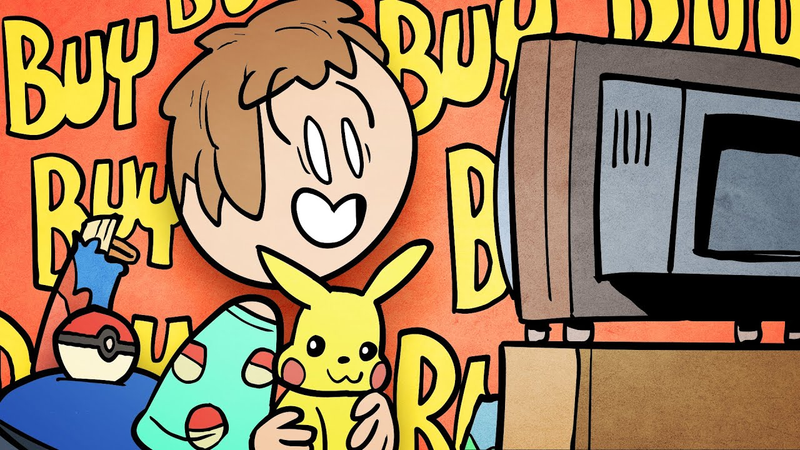
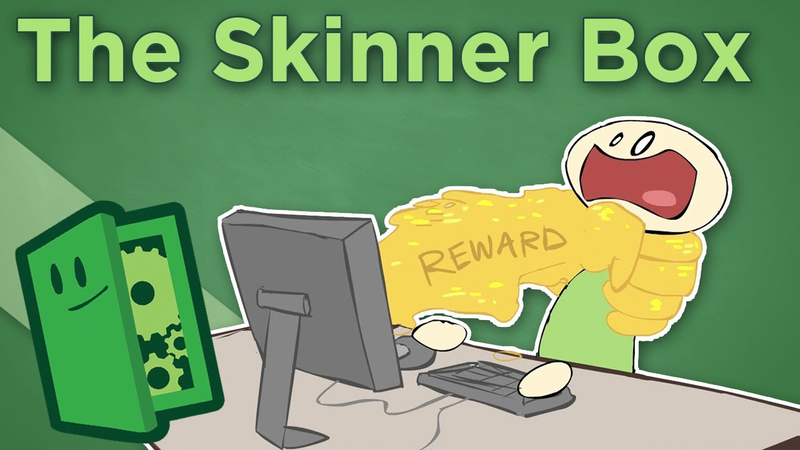
You know how almost every social game these days uses a system that limits how much you can play at a time? They all seem to either have everything you do consume energy from a bar that fills up over time or simply put your actions on a timer. Let's talk about that business because I've started seeing it creep into other types of games. Now, you may hate these systems and I'm kind of with you on that, but as they become more ubiquitous, one of the things that's bugged James the most is that they just keep getting used wrong. He keeps seeing games that implement these systems just because other popular games are doing it without realizing why those systems were built in the first place. So today, we're going to go over what these systems are intended to do from a game design perspective, which I'm hoping will be useful information for designers and players both because more often than not these systems are a lot like the Skinner box stuff we talked about before. They're not about good design, they're psychological traps meant to take advantage of human nature. I figured the more you know about them, the better you can see through what they're doing and avoid the really heinous ones. Okay, so these systems are built for three reasons: monetization,
content restrictions, and most importantly by far, habituation. Businesses recognized long ago that if they can get you to make their store part of your daily routine, they're going to get a lot more money from you and have to spend a lot less money advertising to you. You know those buy 10 get one free cards they give you at your local coffee shops? Those aren't just an attempt to lure you in with a functional 9% discount, they're actually an attempt to get you to keep coming back until going to their store becomes routine. And that's exactly what these energy systems want you to do. They want you to get in the habit of playing their games every day. These systems have been cropping up in games for a while, but they were first popularized by World of Warcraft. The rest experience system in World of Warcraft is a habituation system. It's powerful because one of the core drives for many people playing WoW is the strange human desire for efficiency. In any MMO, you'll find a subset of players who are all about maximizing how efficiently they can blaze through the game. But in almost every human being, you'll find that when presented with clear mathematical efficiencies, there's almost a compulsion to take the most efficient path. If you've ever been pained by missing out on your rest experience or had a fleeting thought of the rest XP you're missing while on vacation, you know exactly what I mean. Then, when
social network gaming came into being, Zynga took this to the next logical extreme. They made games that were essentially nothing but Skinner box efficiency traps and put these sorts of timing systems in them because they needed their players to become habituated to playing their games whenever they checked in on their social network. Without this sort of habituation, their games would simply fail. But, they built in an additional element. Rather than just penalizing you for playing more than a certain amount in a short period of time, they actually mechanically prevented you from doing so. The reason for this is twofold. First, they wanted players to engage with their games in time increments that roughly corresponded with their existing Facebook habits. They only wanted players to play for 5 to 10 minutes at a time, so the game could become part of their normal Facebook routine. And the second reason, they simply didn't have a lot of content in their games at launch. So, they couldn't afford to have a player blaze through the whole thing in one 6-hour sitting and then never pick up their game again. Now, in both of these cases, this artificial timing system habituates the player to play on a regular, predictable schedule. Both of these systems are also designed to get you to play for the length of time that the designers feel is optimal for the game, whether it be to fit their platform or to graduate the player toward a more hardcore play pattern. And
both of these systems are also directly tied to the principal reward systems in their respective games. And I mean directly. They don't have you waiting on every single thing in these games, only on things that can feel good when you come back to them. And they're built around things that drive you to play the rest of the game. The only real difference between the two is that World of Warcraft has slightly better optics. In reality, the rest system in World of Warcraft is actually a penalty and was originally designed as such. But, during early testing, they found that players weren't a big fan of this unrested experience penalty. So, Blizzard started referring to the system as bonus experience for being rested. Players responded much better to that. They literally changed nothing about the system itself, just the way they referred to it. And it went from being a feature players hated to one they loved. Zynga's energy and time systems didn't benefit from such rebranding. Okay, so we've talked about habituation and content restrictions, which I consider the two central and most powerful elements to this sort of timer energy system. Unfortunately, I'm seeing a lot of games instead focusing on a third aspect, monetization. These sorts of systems aim to capitalize on our impatience, getting us to pay just to be allowed to continue playing. But, that's
not what these systems were originally designed to do, and frankly, as a game creator, that's not where their strength lies. By focusing on using this play restriction to extort money from their players, they make an already tedious system even more unpalatable. It's a short-sided cash grab that does nothing to enhance the game or keep the player engaged. Trust me, if you must use a system like this, you'll make far more if you can keep your players coming back for more rather than restricting how much they can play without paying. Next time you see one of these systems, see if you can deconstruct it and figure out if they're just trying to get you to pay up, or if what they really want is to get you to play and play and play and play and play. I hope that was helpful, or at least interesting. We'll see you guys next week.
Summary
Energy systems in modern gaming serve as psychological tools designed to regulate player behavior through three primary mechanisms: monetization, content restriction, and habituation. While often perceived as mere obstacles to gameplay, these systems are fundamentally engineered to integrate a game into a user’s daily routine. By limiting play sessions or creating artificial scarcity, developers aim to foster long-term engagement, ensuring that the game becomes a habitual part of the player's life rather than a one-time experience.
The evolution of these systems highlights a shift from early, subtle implementations to more aggressive monetization strategies. Early examples, such as the rested experience system in World of Warcraft, utilized the human psychological drive for efficiency to encourage regular play. By framing a penalty for inactivity as a bonus for returning, developers successfully habituated players without causing frustration. In contrast, social network games popularized by companies like Zynga utilized energy bars to align gameplay with existing social media habits and to mask a lack of substantial content, preventing players from exhausting the game’s offerings in a single sitting.
While these systems can be used to structure healthy play patterns, contemporary trends often prioritize short-term monetization over design integrity. Many developers now use energy bars to exploit player impatience, forcing users to pay to bypass artificial wait times. This approach is characterized as a short-sighted tactic that diminishes the player experience. Ultimately, the most effective use of these systems lies in habituation and pacing rather than extortion, as long-term player retention remains a more sustainable goal for game designers than immediate, transaction-based revenue.














Comments