Monetization reports and market data
Documents

Whales in the wild: What big data reveals about the biggest game spenders
Mobile gaming revenue is heavily concentrated among a small segment of high-spending users known as whales.
- A small cohort of high-spending users, known as whales, accounts for 80% of total mobile gaming revenue despite representing only 16% of the spender population.
- A game's revenue performance shows a strong positive correlation with its 'wellness score,' a metric quantifying dependence on high-value spenders.
- While most top-grossing titles rely on whale-centric monetization, games like Pokémon GO prove that capturing a larger share of smaller wallets is a viable alternative strategy for financial success.
Meta-feature trends in social casino games
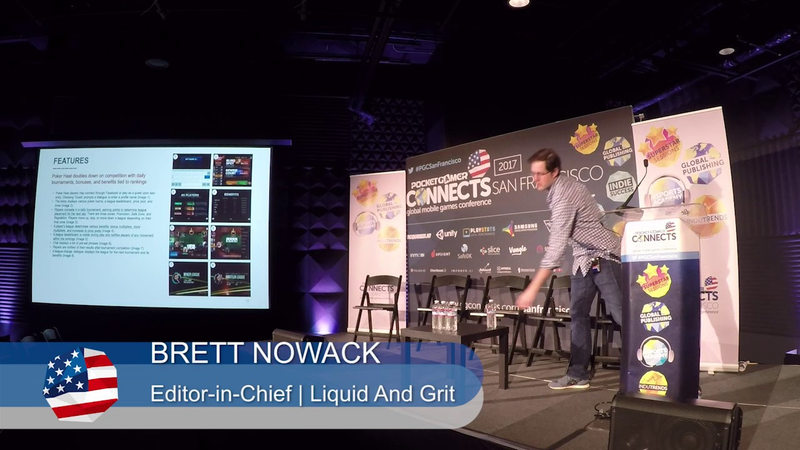
The social casino gaming industry is currently undergoing a significant shift in product development, moving away from simple slot-based mechanics toward complex meta-features that prioritize social engagement and long-term retention.
- Social casino developers are shifting from simple slot mechanics to complex meta-features to improve long-term retention and competitive differentiation.
- Industry growth is increasingly driven by social engagement tools, specifically the adoption of clubs and leagues that facilitate team-based competitive play.
- Developers are implementing multi-layered progression systems, such as quest-based challenges and level-difficulty customization, to better serve both casual players and high-spending VIPs.
Secrets to optimising your mobile game live ops
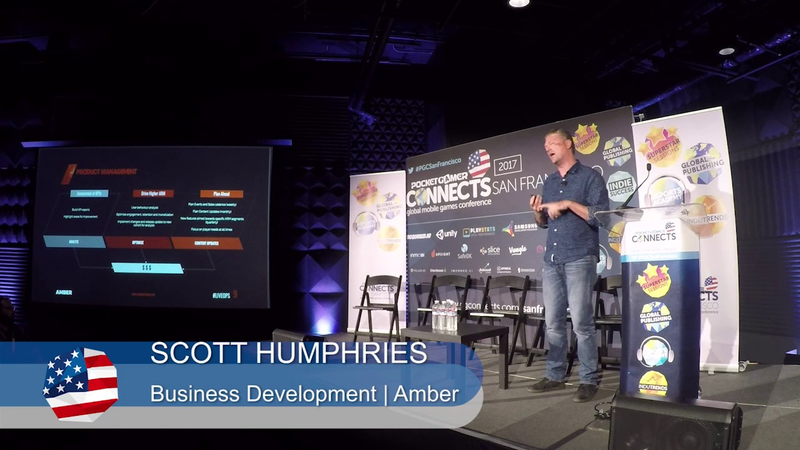
Effective live operations for free-to-play mobile games require a balanced approach across three core pillars: acquisition, retention, and monetization.
- Limited-time events can drive massive revenue spikes; for example, introducing a limited-time event in the puzzle game 'Inside Out Thought Bubbles' resulted in a 200% revenue increase over its first weekend.
- Live ops success relies on balancing three core pillars: acquisition, retention, and monetization; failing to optimize any one of these will prevent a service from reaching its full potential.
- Introducing new gameplay mechanics in every update—rather than recycling existing ones—keeps the user experience fresh and encourages long-term player retention.
The app is dead – How post-app store games increase social conversion
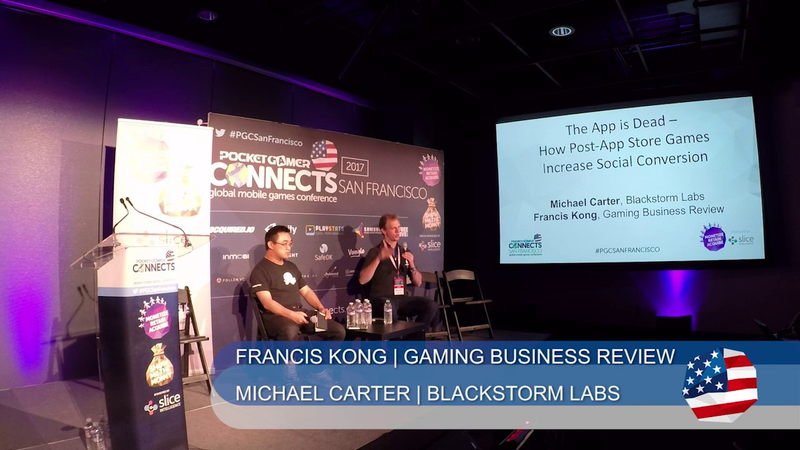
The gaming industry is undergoing a fundamental shift away from standalone applications toward a post-app store ecosystem.
- The gaming industry is shifting toward a post-app store ecosystem where games are hosted directly within super apps like Facebook Messenger, WeChat, and Line to bypass traditional download hurdles and high acquisition costs.
- HTML5 technology enables instantaneous game launches, which is critical for user retention because players are less committed than those who download standalone applications.
- Developers must capture user interest within 15 seconds and design gameplay loops that last approximately 30 seconds to maintain engagement in this frictionless environment.
A clear view into making in-app advertising work through a fair unified auction
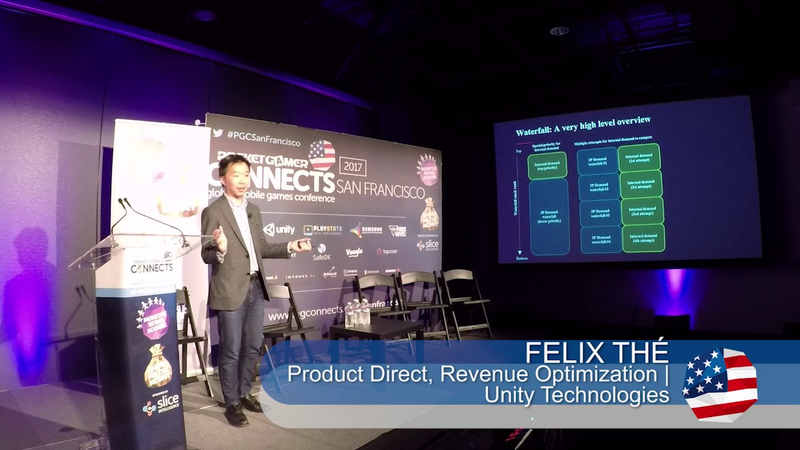
The mobile in-app advertising ecosystem currently relies on a fragmented mediation model that often creates conflicts of interest, as mediation providers frequently prioritize their own demand sources over others.
- The mobile advertising industry is shifting from the traditional waterfall model to a unified auction to eliminate conflicts of interest where mediation providers prioritize their own demand sources.
- Unified auctions allow all demand partners to compete simultaneously in a single environment, ensuring the highest bidder consistently wins and maximizing publisher revenue.
- The waterfall method suppresses publisher earnings by restricting bidder access based on arbitrary hierarchies, whereas unified auctions foster competitive pricing pressure.
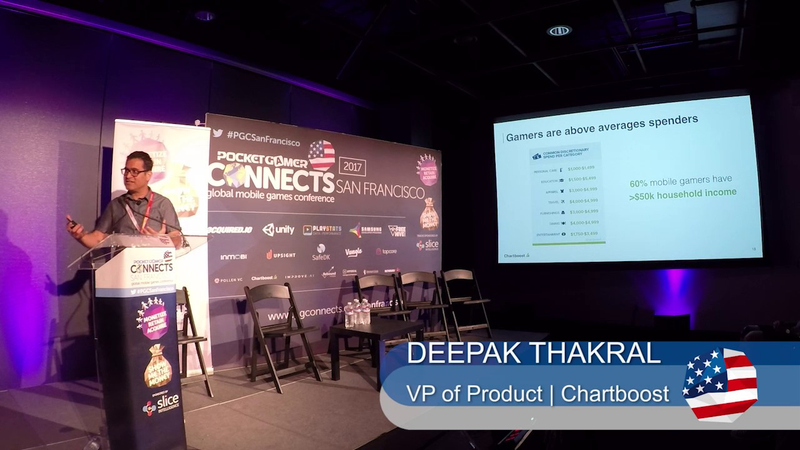
What you need to know about the future of mobile monetisation
The mobile gaming industry is currently navigating a transition from a period of rapid user acquisition to a more mature, saturated market.
- Publishers should transition from manual, waterfall-based mediation to real-time and programmatic header bidding to increase eCPMs and fill rates through competitive demand-side platform bidding.
- Vertical video ad formats should be prioritized over landscape alternatives, as they consistently deliver 10% to 20% higher conversion rates.
- Interactive playable ads are now an industry standard that effectively increase both install rates and long-term player retention by allowing users to sample mechanics before downloading.
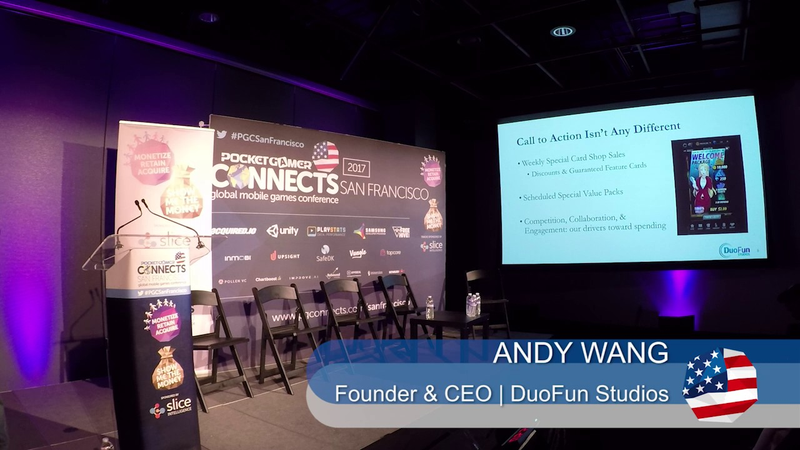
Uncovering DuoFun’s approach to mid-market IAPs
DuoFun Studios is shifting its monetization strategy away from the industry-standard reliance on high-spending "whales" toward a model centered on moderate, recurring spenders.
- DuoFun Studios is pivoting its monetization strategy away from high-spending 'whales' to target a mid-market cohort of players willing to spend between $20 and $60.
- The studio aims to mitigate high churn and 'regret spending' by replacing predatory mechanics like 'rage-pulling' with transparent value propositions for in-app purchases.
- DuoFun’s model prioritizes long-term retention and community engagement to build a sustainable revenue base that reduces reliance on aggressive, high-cost user acquisition.
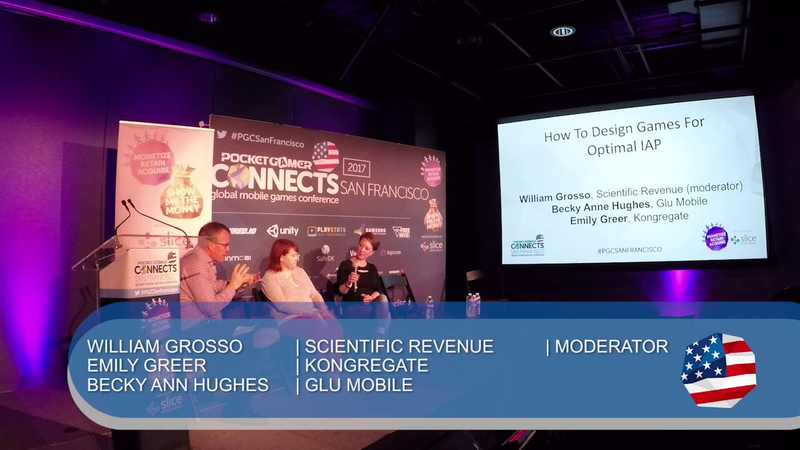
How to design games for optimal IAPs
The evolution of game design in the era of free-to-play monetization requires a fundamental shift from premium, one-time-purchase models to systems built around long-term player engagement and recurring in-app purchases (IAPs).
- Monetization should be integrated into core meta-systems to drive long-term retention rather than relying on punitive friction or artificial paywalls.
- Developers should avoid the 'paradox of choice' by presenting a limited, curated selection of offers tailored to specific user behaviors rather than overwhelming players with too many options.
- Revenue optimization is best achieved through data-driven personalization, such as adjusting price points and targeting offers based on individual player spending history.

Don't go it alone – How choosing the right partner is key to success
Achieving sustainable growth in the mobile gaming industry requires a strategic alignment between a game’s core design and its user acquisition framework.
- Developers should implement a waterfall bidding strategy for game launches, setting specific deadlines for partners to submit bids to maximize revenue during the high-traffic opening weekend.
- To optimize monetization, developers should use placement segmentation to show ads to specific user groups, such as serving high-CPM ads to non-paying users while limiting ad exposure for those already engaged in in-app purchases.
- When selecting user acquisition partners, developers should define clear goals and budgets based on their game's genre and target geography rather than relying on a generic number of partners.

Does paid user acquisition make sense as a way to scale my game?
Paid user acquisition (UA) serves as a critical engine for scaling mobile games, yet success depends heavily on a developer’s ability to interpret metrics and maintain profitability.
- Scaling paid user acquisition requires a shift from soft-launch metrics to global performance, as install costs typically rise and lifetime value (LTV) fluctuates when targeting broader audiences.
- Developers should establish a baseline of approximately 1,000 installs to achieve the statistical confidence necessary to justify increased marketing budgets.
- Successful UA strategies prioritize a focused set of core indicators—specifically retention, average revenue per user, and behavioral milestones—rather than tracking an excessive volume of metrics.

Is this really all there is? More ways to monetise mobile games
Mobile game developers frequently struggle to achieve financial sustainability, with industry data indicating that between 40% and 60% of independent studios fail to generate enough revenue to fund their subsequent projects.
- Between 40% and 60% of independent mobile game studios fail to generate sufficient revenue to fund their subsequent projects, highlighting the limitations of traditional premium, freemium, and advertising models.
- Developers can diversify revenue and increase player retention by selling physical merchandise through e-commerce platforms that manage printing, logistics, and returns, eliminating upfront inventory costs.
- Integrating streaming platform tools allows spectators to influence live gameplay through chat commands or paid interactions, effectively converting passive viewers into a new revenue stream.

Learn the key fundamentals to social casino game design, monetisation and marketing
The social casino industry represents a significant mobile gaming sector, estimated at approximately $4.5 to $5 billion in total value.
- The social casino industry is a $4.5 to $5 billion mobile gaming market driven primarily by high-spending 'whale' players rather than mass-market user volume.
- Success in this mature sector requires prioritizing high lifetime value (LTV) and sophisticated retention strategies over broad user acquisition.
- Developers are increasingly differentiating their products by targeting underserved demographics, such as younger or male-oriented players, through quest-based systems and mission-driven progression.