1 free read left. Create a free account for unlimited reading + AI research.
Create free account
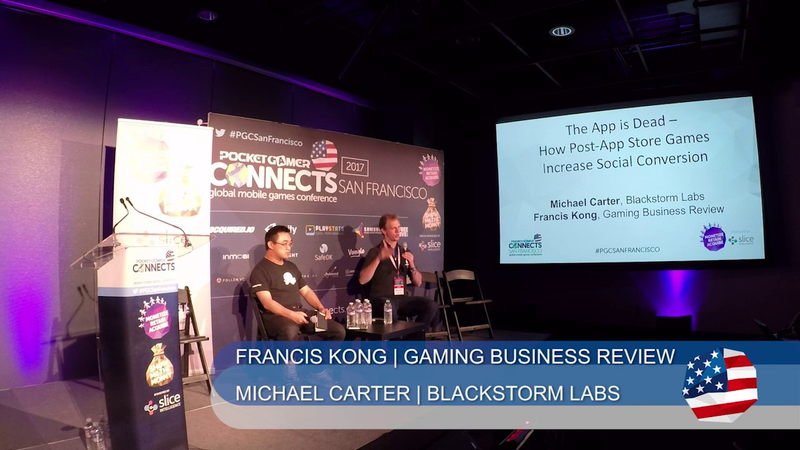
The app is dead – How post-app store games increase social conversion
Key insights
7 takeaways- 01The gaming industry is shifting toward a post-app store ecosystem where games are hosted directly within super apps like Facebook Messenger, WeChat, and Line to bypass traditional download hurdles and high acquisition costs.
- 02HTML5 technology enables instantaneous game launches, which is critical for user retention because players are less committed than those who download standalone applications.
- 03Integrating games into existing social graphs allows for rapid scaling, with some titles growing from zero to millions of users in a matter of hours.
- 04Developers must capture user interest within 15 seconds and design gameplay loops that last approximately 30 seconds to maintain engagement in this frictionless environment.
- 05Games in this ecosystem can achieve high engagement levels, with some titles reaching daily average play times of nearly one hour.
- 06Asynchronous, collaborative social features—such as group-based boss raids—are essential for success, enabling players to contribute to collective goals regardless of individual schedules.
- 07Sustainable monetization is achieved by applying established mechanics, such as gacha systems, to these social-integrated gaming pods.
Ask AI about this video
Transcript
[Music] do you have black storm labs here represented so the talk talk goes ahead so what I'd like to do first of all is sir it's hand over for the for our first talk which is about how the the year of the standalone app is evolving and changing and now we're we're very much into a into an area of social messenger apps and where that go so for our first talk the app is dead I'd like to introduce Michael Carter who is the CEO and co-founder of black storm labs who will be in conversation with a Franciscan who's moderating it was a games reporter from from gbr so thanks very much Francis over to you compute ated so this is the top of the atmosphere how the close app store increases social conversion and they fit with me on stage here is echo Carter co-founder of black
gem labs and my name is Francis Khan when as a reporter for I came to this review so let's get started here Michael thanks for joining us today yeah thanks a lot it's great to be here with some familiar faces and a lot of new faces too awesome so we haven't created a conference there obviously there's a lot of things that you want to ask you I just want to kind of overall broad question what's your background in gaming and how that you can get started in gaming the first place Oh so my background in gaming I mean I think it starts with a lot of people's background starts you know the my earliest memories of playing games and I'm like five or something I don't know how far back people remember but for me it's probably like five years old or something um and I really fell in love with computer games particularly like a bunch that were written in qbasic so they would run on like old dos and you could actually just look at the game and see the source code and so you could actually like for example Bill Gates wrote a game called donkey bas and it's just kind of this ridiculous game you go back and forth on a on the street but
the cool part is you could look at the source code you could actually change things make you go a bit faster or change how it rendered on the screen and so that's when I really fell in love with not just playing games but the idea that it could be more than just a participant you know sort of a consumer of games you actually a participant in creating games and I think I've been sort of in the industry at least as a hobbyist you know ever since from six years old on in some capacity okay that's that's pretty much all I got start engaging as well too now this closet is about the App Store and that the change is coming on the pipe right now right so most people here in the mobile industry they basically access their game through at so if the app is potentially plateauing now and there's a new frontier coming how would people access these a Speed game besides App Store yeah so that's a great question um
so first I'd like to introduce briefly you know blocks from labs more a company that has two offices one in Tokyo one in Mountain View we've got about 25 to 30 members we've raised about thirty million dollars to date and we've actually got involved in what we call the post app store ecosystem both in Japan specifically but then also globally through Facebook and so the the kind of fundamental difference between how a lot of people currently look at the world in the games market and us is that most folks are building apps for the App Store and we consider ourselves part of a new trend which is the post app store and it's where you don't ever actually have a home screen icon you don't actually put a game on the App Store you instead put it inside of a would call a super app and so it's sort of embedded inside of another app which serves as the distribution channel okay so well that's pretty cool so basically and ask embed
inside a super apps they're boys and going further I'm just so we're all on the same page here how do you define or how this is defined as what a super app actually yeah so there's a lot of new things here I'll just try to like go through it really quick but but clearly hopefully so for a long time the the distribution channel that independent or large game publishers and developers have would be the Apple App Store and the Google Play Store and these are two of the fastest growing mobile channels for publishing games however if you now look at something like a facebook messenger for example if you open up their games inside of it and so we have one of those games it's a game called ever winged and what's so interesting about ever winged is that it doesn't exist on the App Store at all it actually is just discoverable only through facebook Messenger so it's something where we're in the traditional sense the way a lot of people would measure like KPIs or metrics around a mobile gaming company we don't adhere to any of those
measurements really like how many installs do we have last month well technically zero right but we still did very successful month and the reason is that we basically have to use a new type of technology which is powered by html5 so it's a brand new set of tools to be able to create an experience that's fun interactive and full screen has great sound you know audio and visuals except it sort of compacted down where it can load instantly from within another app and so what it means then that Facebook has done is they've created a new game platform it's a new distribution source where you can actually show up inside the the chat interface as a game you can go viral people can spread the game around and they do it's a very very viral game and you can basically drive millions and millions of users worth of growth and so the new relationship is that instead of us submitting to the App Store but we work with Facebook and publish there and then in in exchange for for us bringing them serious
engagement and kind of diversifying the users experience they give us access to one point you know over the last count is 1.2 billion folks so it's a very blue ocean and a very new new world and so we call messenger than a super app because it's not just the app throat it was intended and now it serves as its own platform and so it's sort of a that became a platform or more simply put a super app and so the simple definition of a super app would be any app that has hundreds of millions of monthly active users minimum it serves some kind of core purpose on its own like it's a messenger or it's a dating app or something like that and it has access or it allows access to third parties as a platform and so there's a rise of super apps right now you know we chat is a super app Facebook Messenger is a super app and then there's a probably five or six more in the horizon that are coming out with their own platforms that's actually intriguing because now you're talking about how you're mobilizing an existing user base
that have been built by previous app to grow a secondary agendas cosmetics a primary function as also so with this new type of technology what advice do you have for petitioners to already themselves for this new frontier that well so the ecosystem actually is completely different it shares some overlap like a lot of the same UI and kind of interaction for a player like the immediate core game a lot of what you already learned on mobile works because it's the same screen the same device the kind of same engagement I'm with different is is kind of the distribution and in the game loop and kind of a lot of the metagame for how people play with each other and the other thing that's different is is the the the speed at which you scale up is shocking I think we were shut off by our cloud providers for exceeding internal quotas not even external quotas they told us about some internal quota that their own switches would hit because we went from like zero to millions of
people in a matter of hours and so the the thing you have to understand now is that I mean we've already gotten probably a hundred million dollars worth of free marketing if you look at the cost of an install and you look at the number of people who played our game I mean we basically had about a hundred million dollars of marketing budget spent on every wing but we'd have to spend a dime and that happened in a very compacted way and so we went from zero to a giant game in almost overnight and if you think about like just the server capacity and the ability to scale up like that's the first thing it's it's not saying you put out and you know slowly gain and it's only when you spend marketing dollars you grow something you put out when you grow instantly it's almost like it looks like a clip it goes like this and just straight up and then the second thing though is that the context in which people are discovering the game is fundamentally different they're not going to the App Store thinking oh I'd like to install something to kill time they're actually in an active group with like two or three or four or five or twenty or thirty of their friends and people are talking they're all they're talking to each other it's very very social and to go from that talking
context to seamlessly with no friction and instantaneously move into a gameplay context it is a completely different mindset because now you have players who are very social and they want to play the game together and so the era of these kind of like semi single-player games you know that you go to the App Store it's actually kind of a lonely experience or even games you play with strangers from around the world you know I think of supercells games for example as really great online multiplayer games but even those sorts of games don't cut it because you actually need games that you play with your friends and these group chats and it's not quite like it used to be on old Facebook on the desktop because that wasn't a chatting environment that was just kind of like a social feed and so thinking about how you take that context and you turn it into a gameplay experience that engages you know and retains and monetizes users if you can figure that out then the acquisition comes you know for free that's actually interesting because from the hearing here is that sort of
download the game and then hoping to gain engagement with the players you already have engagement already installed and then you choose the game based on engagement already they're just like it's more organic that's actually pretty cool so now you've already send this with obviously every wings when a flagship products how has every way where do you learn from in a house that actually proven allowed you've modeled ready and then the world market out there yeah so the first thing to note is that the onboarding experience of the game because it's so frictionless you know think about the funnel of discovering an app store game having to go to the App Store download 100 megabytes wait for it to finish maybe turn on Wi-Fi then kind of go to your home screen turn it on it's a social game you'd have to connect it back to your social graph I mean there's many many steps and you compare that to the experience it's like you tap and then like the game starts and right right away and you're now playing the game you never even switch app context cheers right there that can be amazing it can also be a bit of a double-edged sword because it means you have to
instantly sort of engage people in the first like three seconds and give them something that feels fun and feels like like you know they want to keep going a little bit farther a little bit farther usually if someone goes and downloads like a you know 200 megabyte game they're going to at least give it five minutes of their time to figure out like what it's about right roast with an instant game they're going to give it 15 seconds of their time and so you have that moment to like really grab them and so every wing does that by by making it so that right from the beginning the moment you touch the screen like the game is just live which is running the second it starts I mean we found that if we make you jump to any hoops or any kind of tutorial you know the drop-off of conversions starts to get pretty steep and so it pops up and then the game is ripped live just like that and the second thing is we very quickly then get you once we get you past that first 15 seconds we have to get into a tight game loop where you feel like you're progressing and that tends to be like 30 seconds loops where you get through like five or ten of
these where every time you go through you get a little bit more powerful you get a little bit farther you get a little bit of a higher score and it feels like you're you're really excelling and progressing and doing well and then we have to as soon as we get you through that very quickly layer on top look at the context or it's like okay I was just in a chat and I like learn this strange game but like why did I get here and it's like Oh to play with my friends we then have to bring back the idea that you're in this environment with your friends you're either competing against them or collaborating with them and so I think that onboarding experience is very tricky to get right and you got to really focus on the mindset and like the second-by-second engagement and that's very very different than an app but but fundamentally the kind of technologies you're disposed are like the UIs and the kind of the level of immersion that you can provide is basically the same I think that this is are good the next major thing then is okay say we have on-boarded millions of views and they are organized into these kind of pods these active group chats where you know on average to think it's about
six people per chat but but it is actually a number of groups that are much larger like 50 people or up and I think the Facebook cutoff is probably like 300 but you have all of your players like you cannot play this game unless you're in a chat right so by definition your players are all organized into these social pods we then need features that take advantage of that and it's actually really really tricky to get exactly right because on the one hand you you want to allow people to play with each other and so you think oh synchronous multiplayer but the problem is then like everyone in that shadows to be there to make that work and so then you say oh well maybe we should do turn-based like like a game of checkers I take it turn them you take a turn but those are fundamentally two-player games you have a group shot of 20 people and 18 just watch two people play checkers like that's not going to work so so what we do is we say okay we're going to have a collaborative asynchronous experience where everybody in this group together is trying to achieve some big goal and
as everyone plays it contributes their their success to the group progress and so we have this idea of boss raids where we launched this just in March actually it's fairly new but every single week there's a progression of these really tough bosses we're talking like like like these aren't your your kind of bosses you grew up with these are bosses that will kill you 300 times you know before you manage to like do 10% of damage to them right and so it's fairly punishing but you you you work as a group so everybody can deal some damage and then it shows back in the group kind of how far along you are and then everybody earns treasure together and what's so interesting about that then is that there's a certain amount of coordination and collaboration where you can you can jump in you can play the game for three hours straight or you can play the game for three minutes and either way it kind of fits into this asynchronous mode where everybody's collaborating at the same time and we found that has been incredible for engagement in fact you know the folks in our game play the game on average just under an hour a day so it's a 55 minute
engagement per day that's inside of messenger in side of ever wing and so we've been able to nail that through you know I think probably at least half to two-thirds of our engagement is that ball stirring future and then the last thing is that you know it's just we got to take everything we learned you know it's a brand new platform right but but it's a brand new platform the context of a decade of mobile gaming experience so everything we learned about monetization the whole game is built around like a gotcha mechanic where where you're trying to basically buy chances at earning you know collectible items that you then put together to create better collectible items and so every single like rule or trick or play book you've seen out of Japan you know we've sort of like reincorporated that put in the game and so together you know we have a game that the that the chat experience but has all the standards like you know retain engage monetize acquire type hooks in the product that you'd expect that's genius Michael running out of time right now it was really fast there actually but before we finish up is
there any parting words or with a film that you want to give anyone out there either in business development media that are looking at this HTML and new technology this new frontier of going beyond just the app store yeah so I mean it's kind of funny you know I have a company that is leading in the space right and so probably what I should do is not be here on stage and telling you guys how great it is I should just go and like take over the whole space but the truth is that the market is immense it's much bigger than any other market out there that you can possibly imagine because on one super Apple loan you have more than a billion active users that nobody is competing with you for and you can acquire virally in for free and that's one single super app and from from what we've been seeing and just like if you just read the news and like what people are looking at and what other apps are trying like if you look at the fact that line messenger launched an html5 game you've got kick and tango you've got WeChat and then you think
sort of what could you BER do what contender do and you look at all of these apps very soon we'll be in a world where there are half a dozen super apps each with a billion folks in the app and if you get into that space that built like like we are one of the largest games right now you know in the world and definitely one of the fastest-growing it's not D fastest-growing and we're completely under the radar and and and the whole market will be these super apps fairly soon and so what I would say is that it makes a lot of sense to help grow this ecosystem together I think what we're looking for is to see more mature developers investing in the space you know we're in a position to kind of help with that as either a publisher or a technical platform and and we're trying to take a very collaborative approach because it's so big that we were talking about hundreds of billions of dollars of value over the next few years there's no way a single company kind of because it could sort of you know monopolize it so what I would say is just go take a good hard look at what's out there and kind of what's
working and how it's working and and then if you're just I'm talking you know feel free to come chat you know or just go launch a game in html5 thank you so much Michael is thank everyone here for joining us with the post app store thank you so much thank you [Music]
Summary
The gaming industry is undergoing a fundamental shift away from standalone applications toward a post-app store ecosystem. This transition is defined by the rise of super apps—platforms with hundreds of millions of active users, such as Facebook Messenger, WeChat, and Line—that host games directly within their interfaces. By embedding games inside these existing social environments, developers can bypass traditional app store hurdles, such as lengthy download times and high user acquisition costs, while leveraging massive, pre-existing social graphs to drive organic growth.
The primary thesis is that social conversion is significantly higher when games are integrated into the chat context where users are already interacting. Unlike traditional mobile games that require a deliberate download and a solitary or anonymous multiplayer experience, post-app store games utilize HTML5 technology to launch instantaneously. This frictionless onboarding is critical; because users are less committed than those who download a large file, developers must capture interest within 15 seconds and maintain engagement through tight, 30-second gameplay loops.
Key findings indicate that this model enables rapid scaling, with some titles growing from zero to millions of users in hours. Success in this environment relies on asynchronous, collaborative social features, such as group-based boss raids, which allow players to contribute to a collective goal regardless of their individual play schedules. This approach has proven highly effective, with some titles achieving daily engagement averages of nearly one hour. By applying established monetization mechanics, such as gacha systems, to these social pods, developers can create sustainable, high-growth products. The industry is currently in a "blue ocean" phase, with significant potential for developers to capture value across multiple super apps as the ecosystem matures.



















Comments