1 free read left. Create a free account for unlimited reading + AI research.
Create free account
A clear view into making in-app advertising work through a fair unified auction
Key insights
6 takeaways- 01Header bidding, while an early workaround for waterfall limitations, faces significant adoption hurdles in mobile environments due to technical fragmentation and lengthy SDK integration cycles.
- 02The mobile advertising industry is shifting from the traditional waterfall model to a unified auction to eliminate conflicts of interest where mediation providers prioritize their own demand sources.
- 03Unified auctions allow all demand partners to compete simultaneously in a single environment, ensuring the highest bidder consistently wins and maximizing publisher revenue.
- 04The waterfall method suppresses publisher earnings by restricting bidder access based on arbitrary hierarchies, whereas unified auctions foster competitive pricing pressure.
- 05Transitioning to a unified auction improves app performance by utilizing server-to-server integrations that reduce the software footprint compared to traditional SDK-heavy methods.
- 06Unified auctions provide operational efficiency through a centralized reporting structure, replacing the complex, hack-based nature of previous header bidding implementations.
Ask AI about this video
Transcript
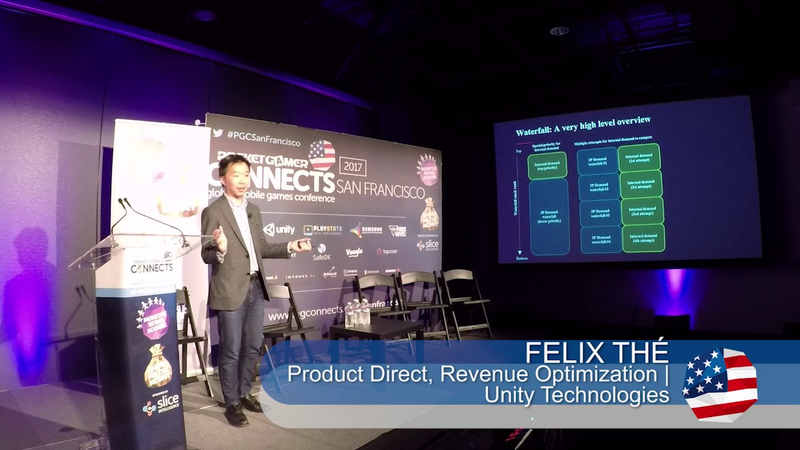
[Music] all right thank you guys so one of the ways to make your monetization experience works for your app is through advertising I'm here to talk about one specific section about advertising that is very fundamental to all of us both in principle as well as its practicality it's called oxygen fairness or transaction fairness that is actually one of the reason why header bidding came about it's a hack it's really a hack to basically making sure that there's a separation of power to make sure that the options are fair so the three things that I'm going to cover today in the short minutes we have is one about header bidding what it is and two the challenges that header bidding is facing in the mobile environment and then third what is that viable alternative that we at unity ads are
very happy to share as well as like the momentum that we're seeing in the industry before getting into header bidding I think it's important to understand about the advertising ecosystem in general when it's a mobile in-app environment so one if your player of your game opens up you know your app it will actually request for an app to a mediators app server this mediator app server is the brain of the entire operation today what that means is they have the sole power to basically decide who they want to call who do they want to allow to participate in your auction who's going to win and this is exactly the issue right now because that entity is holding so much power and along with it because this mediation app server owns also have their own interests and actually winning the auction because they have their own demand then the whole conflict of interest and fairness comes to play so that's what header bidding is header bidding is really meant to basically solve that problem in
a nutshell what it does is instead of just calling the mediation app server when you know your player is playing your app it's going to subsequently call the demand partners you want at the same time so what that demand partners could do then is to basically conduct an auction so when everything gets consolidated nobody's playing games the auctions is being done and very fair away and you improve your revenue performance that's at our bidding in a nutshell there is though the problem that header bidding is facing which is why it's a buzz it's a legitimate buzz in web in mobile and app there are challenges one the web app server provider is really centered around one entity and that one entity we all know they also happen to be providing search services for all of us online but in mobile in app the app server environment is fragmented you have a lot of major players a lot of them are the mediation partners some of them are like the ad networks themselves but given
that header bidding is a hack what that means is a header bidding provider needs to basically conduct this hack ten different times to basically retrofit and fit every single one of the app server that is provided for the mobile in that environment second is the ad server or the mediation provider needs to actually accept that hack and not all of them does accept it which basically makes the challenge even more challenging and then the third factor that contributes to the challenges of header bidding in mobile in app is SDK adoption cycle in web if you're trying to basically conduct a header bidding hack you put the code in the header of your page you publish it everything is basically live on day one in mobile in app you have to worry about the entire review cycle the by Apple and then the adoption cycle the release all of these things basically takes time and then if you have a problem along the way then you have to redo the process so with all of these three things in
conjunction that is why higher bidding is just having this extra challenge that it has a mobile in app that it didn't have in web but we have to respect the entire spirit of header bidding the problem is trying to solve and the problem was created because of the monolithic way of how advertising transactions was being done in mobile in up through waterfall there are two prime examples of waterfall mechanism and transactions that I can basically create a example by using a Christie auction let's say so imagine that all of us here in the room and a bit for a very beautiful painting that is behind me except instead of letting all of you participate in the auction I split this room into two I just happen to like the people that are on deal left side of them this room better than the right side of the room so you guys cannot participate they will have a first chance in buying this painting no matter how high you are willing to pay for it they got it the moment one of them wants it it's not
fair worse yet the second scenario is I'm going to partition this room into like per row and each row will have an ability to bid before the next row so people that are sitting on the front row power to you guys you guys will have the first chance and buying accept I also happen to really like the gentleman right here so every time you guys are bidding I will whisper something to this ear and say can you bid that touched by a penny if you can I'll give it to you and then the next row comes in and tried a bit and I will again whisper the same thing to this gentleman can you bid it again buy a penny if you can I'll give it to you that's the two forms of waterfall transactions that are happening in mobile enough advertising today and that is the whole route cost we're headed bidding came about the hack is really relevant because it's trying to solve a legitimate problem but because of the challenges we feel that there is an alternative it's called unified auction of course at this point you guys are probably thinking like this is not really a new concept in fact let me tell you a unified auction would exactly be the way a Kris the option
should be run everybody participates in a bit and the highest bidder will win but before we get into the details because I think the details is really what's going to excite all of us the one principle that we're trying to respect is under the waterfall model the highest bidder may not win the auction under the unified auction model we want the highest bidder to always win the auction but as they say it's not the ideas but the details the execution that matters there are four main key benefits on the way unified auction we feel should be implemented that we add unity adds are proud to share that we feel is going to directly translate to the publisher benefit one is the publisher revenue up side if you have everybody bidding in the same auction environment the highest bidder will win they will create an upward competing of pricing pressure so that will translate to more revenue for the publisher a second and this is a long and hard-fought battle for us but we demand
every single partners that we integrate with whether it's view ability verification or demand partners to have no impact to your SDK footprint what that means is everything is being done through server to server so when you partner with entity like unity adds for example that will basically new not will not deteriorate your ab stability and it will not increase your app footprint third and this is really the theme of this talk it's a fair auction we have our own demand and we basically let our own demand compete fairly in the same auction so no gaming everybody has a fair shot at winning last but not least it's a one-stop shop what this means is we don't have any commercial restrictions that prevent us from integrating and partnering with anybody you're interested in having by virtue of us partnering with many different entities by partnering with a unified auction provider such as unity apps you will get a one-stop shop experience in
terms of reporting as well as the demand coverage across the board so that's all we have thank you as I mentioned to recap unified auction is a viable alternative to header bidding header bidding has its own challenges in mobile and app but it is fair that it's trying to solve an auction fairness problem so you will have a lot of partners to choose from but when you choose your partner please don't forget to ask them two things one is your auction fair and two can they bring you the benefit that unified Oxygen's can bring to you as you monetize your in-app environment thank you [Applause] [Music]
Summary
The mobile in-app advertising ecosystem currently relies on a fragmented mediation model that often creates conflicts of interest, as mediation providers frequently prioritize their own demand sources over others. This structural imbalance, historically addressed through the waterfall method, often prevents the highest bidder from winning, thereby suppressing publisher revenue. While header bidding emerged as a technical workaround to bypass these limitations and ensure auction fairness, it faces significant implementation hurdles in the mobile environment, including technical fragmentation, resistance from mediation providers, and lengthy software development kit adoption cycles.
To address these inefficiencies, the industry is shifting toward a unified auction model. Unlike the waterfall approach, which restricts bidder access based on arbitrary hierarchies or preferential treatment, a unified auction allows all demand partners to compete simultaneously in a single, transparent environment. This structure ensures that the highest bidder consistently wins, fostering competitive pricing pressure that directly increases publisher revenue.
The implementation of a unified auction provides four primary benefits: increased revenue through competitive bidding, improved app performance via server-to-server integrations that minimize software footprint, guaranteed auction neutrality, and simplified management through a one-stop-shop approach to reporting and demand coverage. By moving away from the complex, hack-based nature of header bidding toward a native unified auction, publishers can achieve greater transparency and operational efficiency. Ultimately, the transition to this model represents a necessary evolution in mobile monetization, prioritizing fair market dynamics to ensure that publishers maximize the value of their advertising inventory while maintaining a stable and performant user experience.


















Comments