Monetization reports and market data
Documents
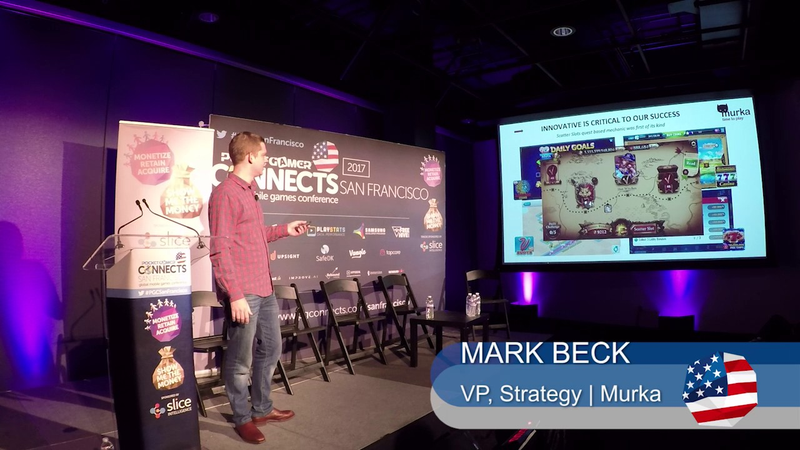
Learn the key fundamentals to social casino game design, monetisation and marketing
The social casino industry represents a significant mobile gaming sector, estimated at approximately $4.5 to $5 billion in total value.
- The social casino industry is a $4.5 to $5 billion mobile gaming market driven primarily by high-spending 'whale' players rather than mass-market user volume.
- Success in this mature sector requires prioritizing high lifetime value (LTV) and sophisticated retention strategies over broad user acquisition.
- Developers are increasingly differentiating their products by targeting underserved demographics, such as younger or male-oriented players, through quest-based systems and mission-driven progression.
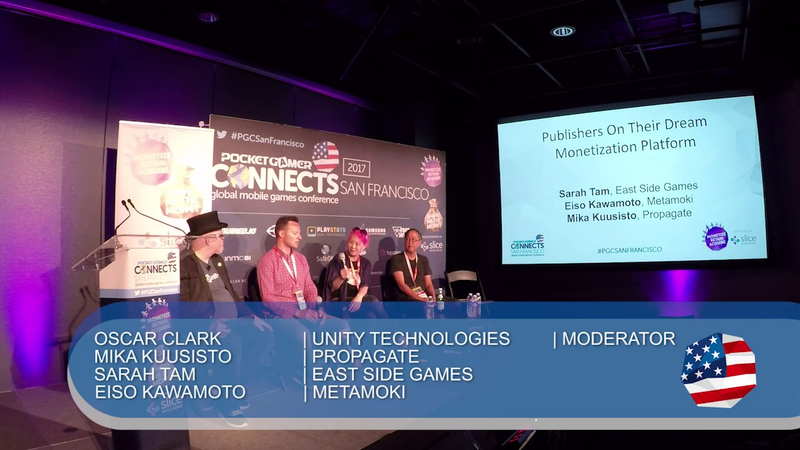
Publishers on their dream monetisation platform
Game developers and publishers currently face a fragmented monetization landscape characterized by high technical overhead and the burdensome management of multiple ad networks.
- Publishers prioritize low-friction, stable monetization SDKs over unproven yield increases to avoid technical debt and administrative overhead.
- Developers frequently encounter performance degradation in ad networks after the initial onboarding phase, necessitating scalable and reliable long-term solutions.
- The industry faces a persistent tension between the need for granular eCPM data and the requirement to maintain a high-quality, seamless player experience.
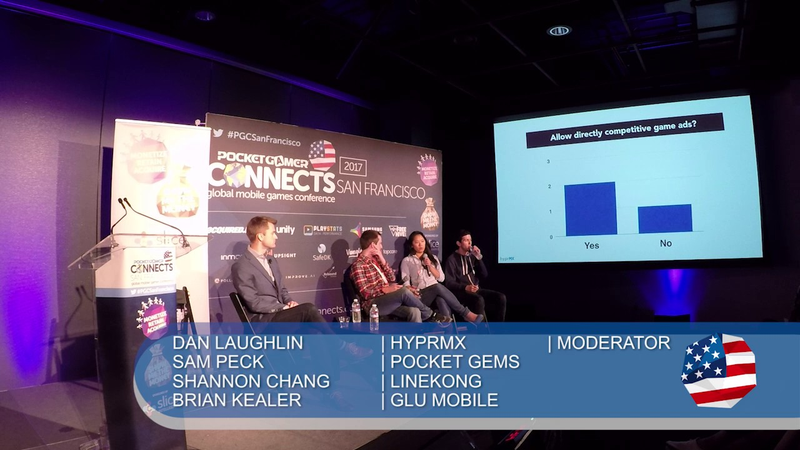
Monetisation masterminds
This discussion features monetization experts from Pocket Gems, Linekong, and Glu Mobile, focusing on the strategic integration of in-app purchases (IAP) and advertising within mobile games.
- Successful mobile monetization requires integrating five to nine ad networks to drive competition and maximize fill rates, despite the technical complexity of managing multiple SDKs.
- Rewarded video ads are now essential for all players, including those who already make in-app purchases, as they increase overall engagement and provide incremental value.
- Developers should move beyond basic payer versus non-payer segmentation by incorporating geographic and behavioral data to optimize both pricing and ad delivery.
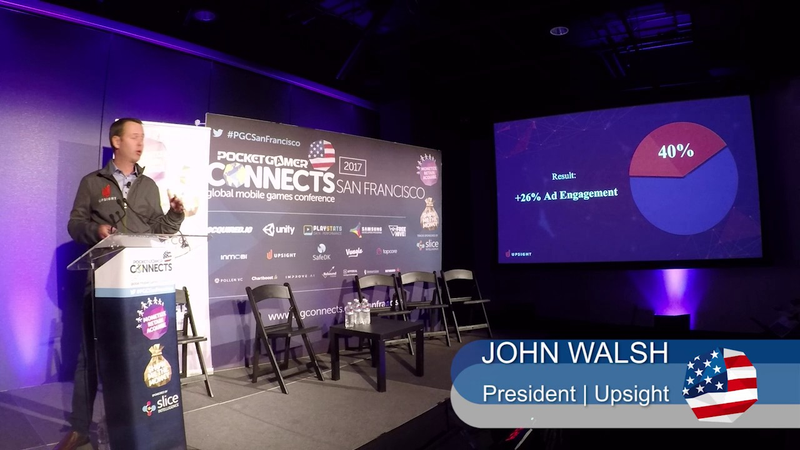
Advanced ad strategies that drive revenue and boost engagement
Mobile game developers often fail to maximize ad revenue due to overly conservative monetization strategies and a lack of granular player segmentation.
- Implementing a dynamic, behavior-based ad strategy can increase daily revenue for an app with 200,000 daily active users from $2,000 to over $7,800, yielding an incremental annual gain of more than $2 million.
- Developers should aim for at least 40% of the daily active user base to engage with rewarded video ads to maximize monetization potential.
- Ad opportunities should be integrated directly into the core game loop rather than hidden in menus, and developers should remove arbitrary restrictions like level-gating or wait times to boost engagement.
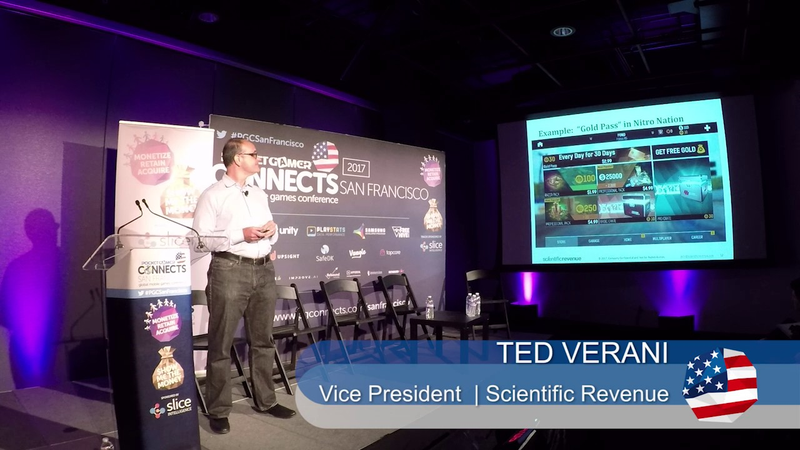
How to design annuities for your mobile game
Annuities serve as a strategic monetization tool in mobile gaming, designed to increase conversion, retention, and overall player satisfaction by targeting "planner" behavior rather than impulse purchasing.
- Annuities convert non-paying, highly engaged users by offering a large lump sum of virtual currency at a steep discount, delivered in daily increments to target 'planner' rather than impulse-driven behavior.
- To build player habits without cannibalizing full-price revenue, annuities should be structured for a duration of 14 to 28 days.
- Daily reward values must be calibrated by setting a minimum based on existing login bonuses and a maximum derived from the average daily spend of the player base.
Fighting mobile apps piracy
Mobile app piracy represents a significant and growing threat to the global mobile ecosystem, affecting both premium and free-to-play titles across Android and iOS platforms.
- Piracy is a pervasive threat across all platforms, with pirated installations accounting for between 20% and 95% of a developer's total install base.
- Security research indicates that 97% of top Android premium apps and 87% of top iOS apps have been compromised, while 80% and 75% of top freemium titles are similarly affected.
- The financial impact of mobile app piracy is substantial, with projected losses reaching $14 billion by 2021.
Quick to market – One game every eight weeks
QuickByte Games, a specialized unit within the independent studio Hybrid Interaction, employs a high-velocity development model to disrupt the free-to-play mobile market.
- QuickByte Games utilizes a high-velocity development cycle of eight weeks or less to produce minimalistic, arcade-style mobile games.
- The studio employs an aggressive prototyping strategy where designers create new concepts every two days, discarding 95% of them to ensure only viable projects reach production.
- To maximize profitability, the studio targets a 40% day-one retention rate and prioritizes rewarded ads over in-app purchases.
Eastside Games' indie lessons learned from Trailer Park Boys
The development of Trailer Park Boys: Greasy Money serves as a case study for independent studios navigating the complexities of licensed intellectual property (IP) in the mobile gaming market.
- Trailer Park Boys: Greasy Money achieved 2.5 million installs in its first 45 days and reached the top 100 in over 100 countries by pivoting from a mechanics-heavy design to a narrative-driven idle game model.
- The studio successfully balanced profitability and retention by utilizing a hybrid monetization model where in-app purchases generate 75% to 80% of revenue, supplemented by secondary ad revenue.
- Leveraging niche intellectual property significantly reduces user acquisition costs and increases project visibility with platform holders, provided the studio maintains creative control and agility.
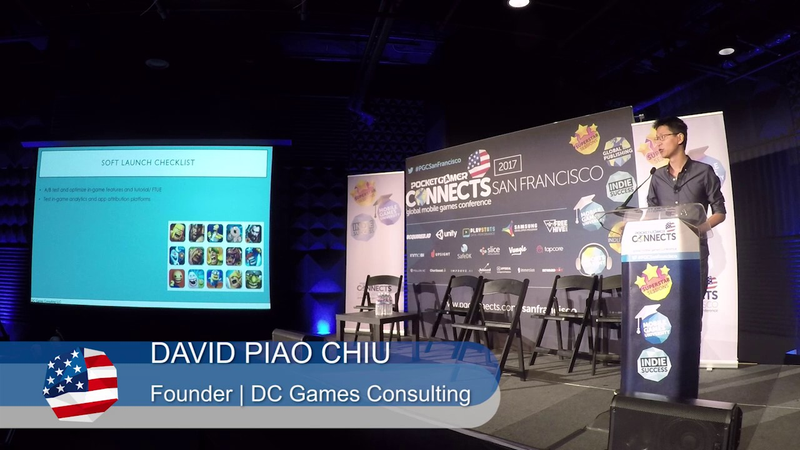
An indie survival guide to self-publishing in the mobile free-to-play world
The mobile free-to-play (F2P) landscape is characterized by high market saturation, with over 800,000 games on the iOS App Store and thousands of new titles launching weekly.
- The mobile F2P market is highly saturated, with over 800,000 games on the iOS App Store and thousands of new titles launching weekly, driving user acquisition costs to record highs.
- Developers must choose between self-publishing and partnering with a publisher based on their internal capacity for managing UA, ASO, and community engagement versus the trade-off of revenue sharing and creative control.
- When selecting a publisher, developers should prioritize alignment on monetization strategies—specifically the use of offer walls—and verify the partner's track record and portfolio fit for their specific genre.
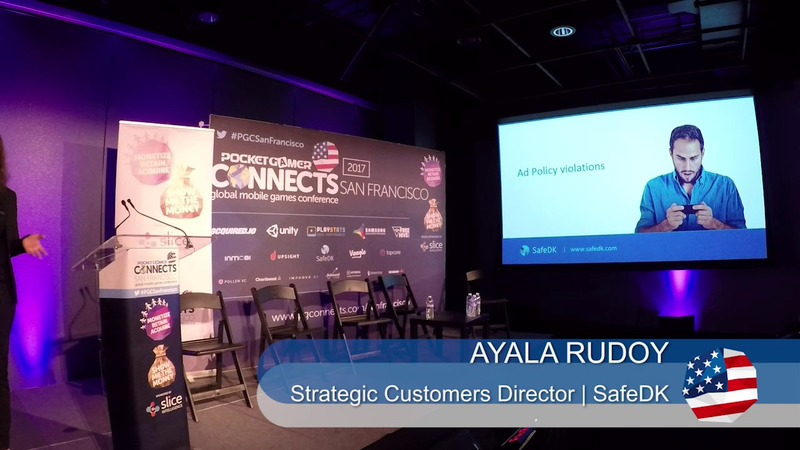
Mobile monetisation – Are all $ made equal?
Mobile monetization strategies often focus exclusively on revenue generation, frequently overlooking the significant financial losses caused by poor-quality or inappropriate advertisements.
- Ad networks frequently fail to honor publisher blacklists, with approximately 70% of requested restrictions being violated.
- Poor-quality ad experiences, such as non-functional exit buttons and broken web links, create a 'leaky bucket' scenario that directly causes user churn and reputational damage.
- Developers must shift their monetization focus from raw gross revenue to net value, ensuring ad delivery does not undermine long-term player retention.
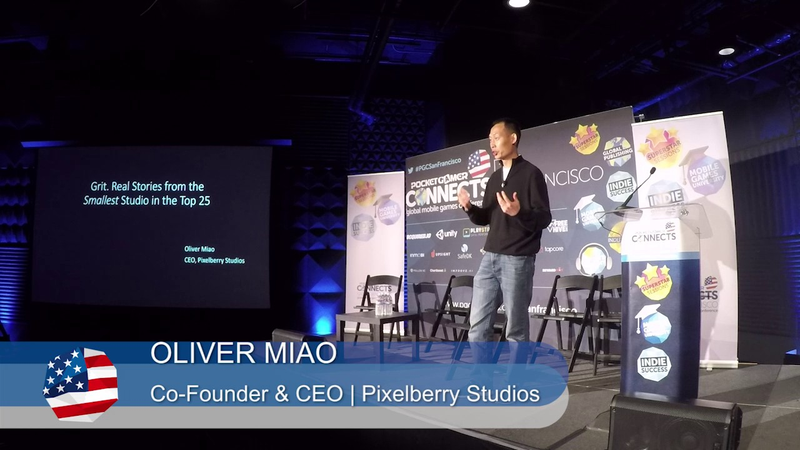
Grit: Real stories from the smallest studio in the top 25 mobile grossing charts
Pixelberry Studios, a mobile game developer known for the title Choices: Stories You Play, serves as a case study in organizational resilience and the importance of long-term team cohesion.
- Pixelberry Studios achieved a top 25 grossing position on the US iPhone charts in 2016 by maintaining a consistent core team through over a decade of industry shifts and corporate pivots.
- The studio’s survival strategy relies on three pillars: business agility, professional networking, and internal trust, which were refined through early failures in the browser-based gaming market.
- During financial crises, the team ensured the launch of new intellectual property by collectively opting for temporary pay cuts to avoid layoffs and maintain cohesion.

Dark Patterns: How Good UX Can Be Bad UX
Dark patterns in game design represent a critical intersection where effective user experience (UX) techniques are repurposed to manipulate player behavior for short-term monetary gain.
- Dark patterns prioritize short-term revenue through deceptive UX, but they ultimately damage brand reputation and increase long-term player churn.
- Common manipulative tactics include bait-and-switch advertising, UI designs that trigger accidental purchases, and notifications using guilt-tripping language.
- Exploitative design relies on psychological pressure, such as leveraging social peer pressure or low-probability rewards, to force player compliance.