Monetization reports and market data
Documents

Hidden ways to double your rewarded video ads revenue
Optimizing rewarded video ad revenue requires a strategic approach during the soft launch and post-production phases of mobile game development.
- Top-performing mobile games achieve a rewarded video engagement rate of 50% or higher, with users watching an average of 3.5 to 4.5 ads per day.
- Developers should treat ad integration as a core game mechanic, ensuring it is designed as an opt-in feature rather than an afterthought to maximize monetization without harming retention.
- Using unique placement IDs for every ad integration point is essential for isolating performance data and identifying which specific areas of the game drive revenue or create friction.
The power of audio
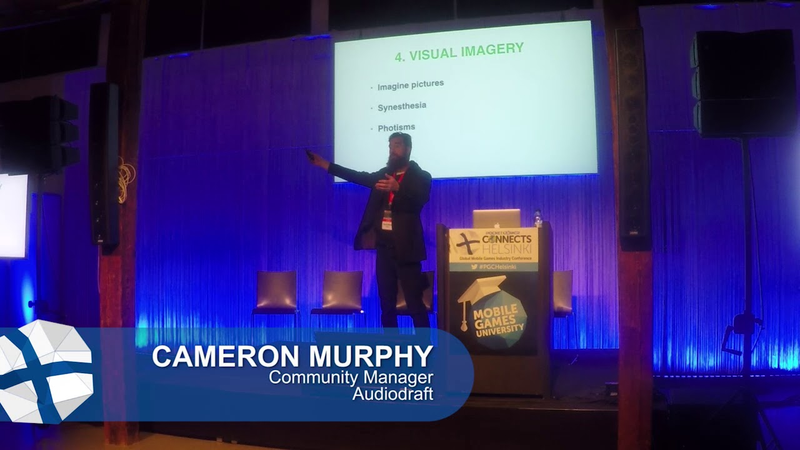
The primary purpose of this analysis is to demonstrate how game developers can leverage the psychological power of music to enhance player immersion, increase user engagement, and drive monetization.
- Music functions as a sophisticated communication tool that directly enhances player immersion, engagement, and monetization rather than serving as a mere aesthetic afterthought.
- Developers can trigger specific emotional responses through six core psychological mechanisms: brainstem reflexes, episodic memory, emotional contagion, visual imagery, evaluative conditioning, and musical expectancy.
- Scientific research confirms that audio exerts measurable physiological effects on players, including changes in heart rate variability, task performance, and spatial perception.
How a hidden object game can reach the top grossing chart
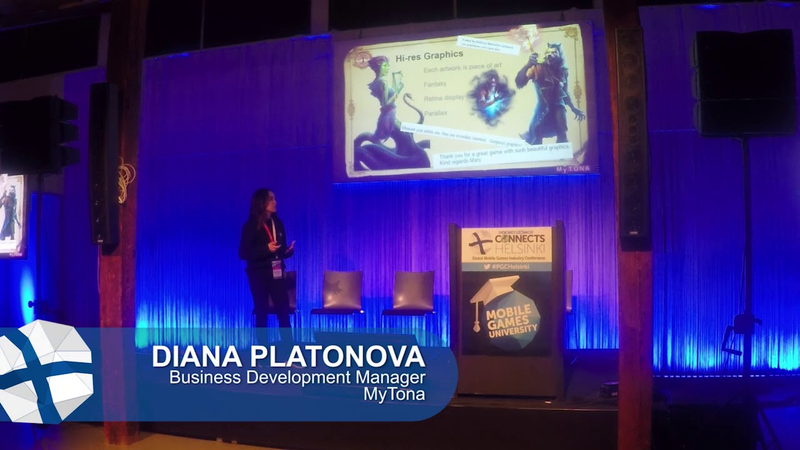
The primary objective of this analysis is to outline the strategic framework used by MyTona to elevate its flagship hidden object game, Seekers Notes: Hidden Mystery, to the top-grossing charts on the US iPad and iPhone platforms.
- MyTona increased bank conversion rates by 15% to 20% and offer conversions by 50% to 75% by using A/B testing to trigger targeted in-app offers based on specific player behaviors like energy depletion or level failure.
- Maintaining a rigorous monthly update cycle—which includes approximately 200 new quests and time-limited events—is essential for driving player retention and deepening narrative engagement.
- Technical optimization, specifically reducing the application package size to under 100 megabytes, was a critical factor in improving user acquisition efficiency on iOS platforms.
How to combine user engagement and monetisation
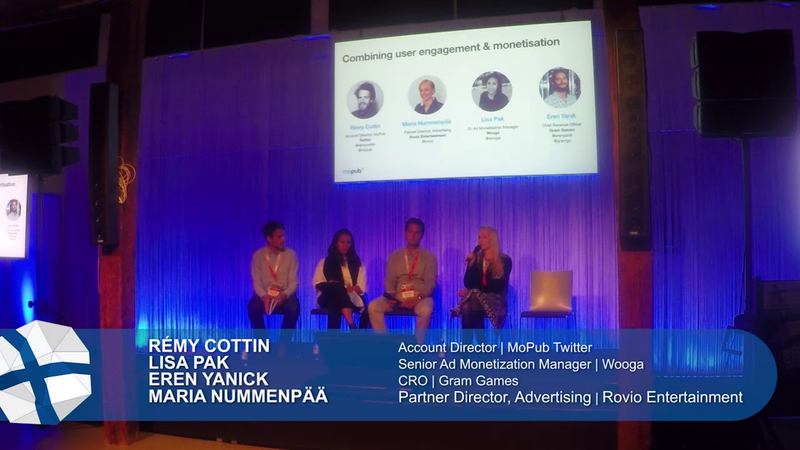
The integration of rewarded video advertising has emerged as a cornerstone strategy for balancing sustainable monetization with player retention in the mobile gaming industry.
- Rewarded video advertising serves as a primary strategy for balancing monetization with player retention by utilizing an opt-in model that maintains neutral or positive engagement.
- Successful ad integration requires planning placements during pre-production to ensure they function as a core design element rather than an afterthought.
- Rewarded video adoption rates range from 30% to 80%, with higher engagement occurring when rewards are perceived as essential for game progression.

Agile live services – The secret sauce to building a long lasting mobile game product
The primary objective of live service management in mobile gaming is to extend a product's lifecycle by transitioning from initial qualitative design assumptions to data-driven, quantitative iterations.
- Live service management shifts mobile game development from initial design assumptions to quantitative, data-driven iterations that treat the launch as the beginning of the product lifecycle.
- Long-term success in free-to-play titles is exemplified by SimCity BuildIt, which has maintained sustained growth in both engagement and revenue since its 2014 launch.
- A/B testing serves as the primary methodology for optimizing monetization and gameplay, allowing developers to refine pricing and mechanics based on actual player behavior.
What makes a price a “good price” in a mobile game?
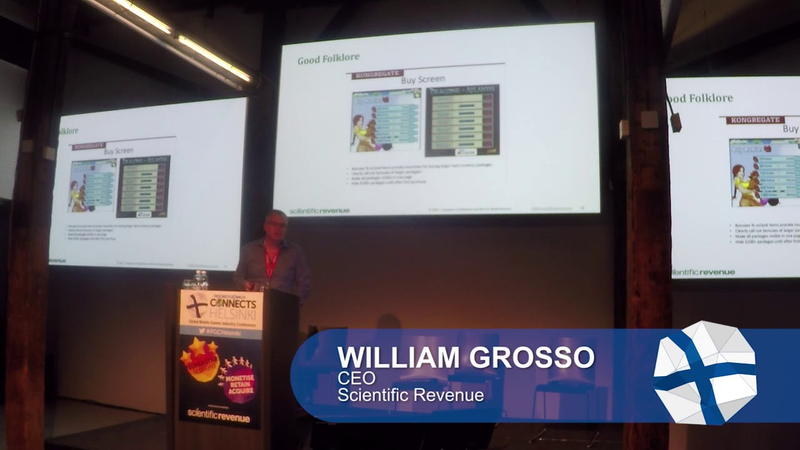
Effective mobile game pricing requires moving beyond standard industry practices by integrating behavioral economics and rigorous data measurement.
- Redesigning payment walls and offer structures based on behavioral economics can drive revenue growth exceeding 20%, even when conversion rates remain volatile.
- Pricing should be treated as an empirical science that tracks specific metrics, including repeat conversion rates and the time users spend evaluating purchase options.
- Developers should leverage the 'left-digit effect' by using standard price endings like 99 cents and avoiding 'weird' price points that create cognitive friction and increase abandonment.
Losing Player Trust - The Data Dilemma - Extra Credits
The gaming industry’s heavy reliance on absolute metrics—such as revenue, play time, and review scores—often masks long-term declines in product quality and consumer sentiment.
- The gaming industry’s over-reliance on absolute metrics like revenue and play time obscures long-term declines in product quality and consumer sentiment.
- Short-term financial gains from aggressive monetization often mask the erosion of brand equity, creating a cycle where the loss of a loyal player base eventually outweighs the benefits of marketing spend.
- Developers should integrate 'soft data'—such as relative, positional, or ordinal scales—to track subjective qualities like player trust that absolute numerical values fail to capture.
Legendary: GoH 5 Lessons from 12 Months of LiveOps Growth
Legendary: Game of Heroes demonstrates that sustained growth in the mobile free-to-play sector relies on a disciplined, data-driven approach to LiveOps.
- Legendary: Game of Heroes achieved a 652% increase in average revenue per daily active user and a 136% rise in daily engagement time over a 16-month period through disciplined LiveOps.
- A compact, cross-functional team of approximately 16 people drove growth by prioritizing high-impact features such as competitive leaderboards, guild systems, and time-sensitive events.
- Long-term success requires a rigorous, data-driven approach that aligns development capacity with measurable business outcomes rather than relying on accidental discovery.
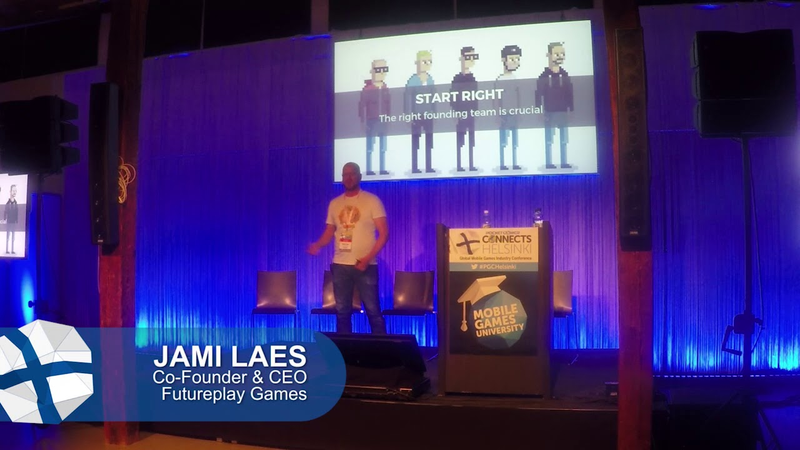
How to build a games company
Building a successful games company requires a strategic focus on team composition, market timing, and a culture of radical autonomy.
- Founding teams should be assembled like a family, prioritizing a cohesive group with complementary skill sets in technology, design, art, and business to ensure early-stage self-sufficiency.
- Success depends on identifying and capitalizing on market shifts that are currently underway but not yet fully realized by the broader industry.
- Operational efficiency is best achieved through the 'Total Zen' framework, which replaces rigid hierarchies and bureaucratic processes with a culture of radical autonomy, trust, and accountability.
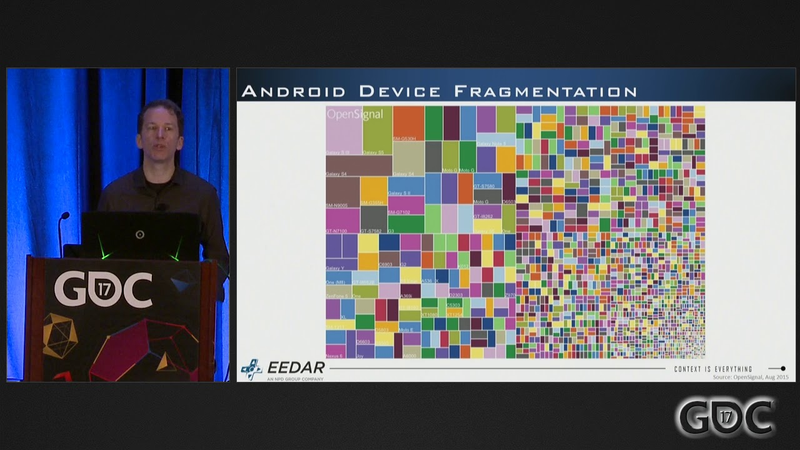
Awesome Video Game Data 2017
The video game industry in 2017 is defined by a maturing hardware market and a shift toward a core-focused portfolio.
- The U.S. gaming industry generated $23.5 billion in 2017, with mobile gaming accounting for approximately one-third of that total revenue.
- Console sales for the PlayStation 4 and Xbox One outperformed previous hardware generations by 34 percent, demonstrating strong demand for high-fidelity gaming.
- Market success is highly concentrated, as the top 2 to 10 percent of titles capture the vast majority of industry revenue.
3 Ways Your Crappy Game Can Make Millionz $$$$
The commercial success of an indie video game is often determined less by the inherent quality of the product and more by the effectiveness of its marketing and business strategy.
- Commercial success in the indie game market is driven primarily by marketing and business strategy rather than the inherent quality of the product.
- Developers must create a compelling hook by distilling the game's unique value into a single, concise sentence or feature that differentiates it from competitors.
- Treating game development as an entrepreneurial venture requires shifting focus from technical production to resource management and concrete, actionable business planning.
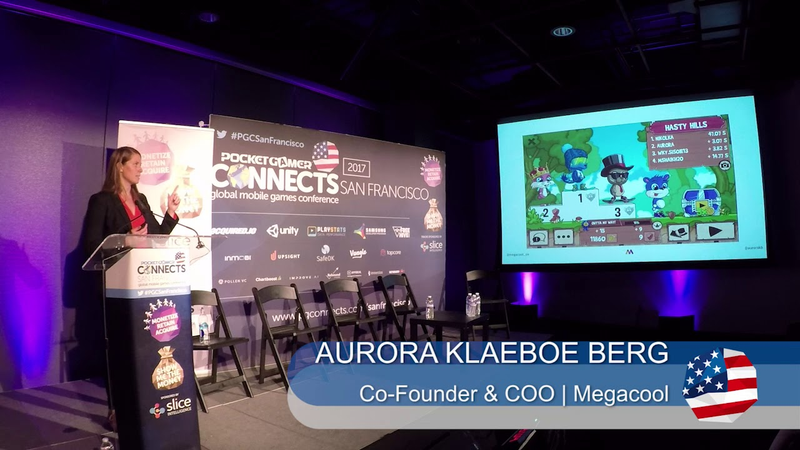
The growth techniques that every game developer should know about
Game developers often face the challenge of high user acquisition costs that far exceed the lifetime value of their players.
- To maximize organic growth, integrate native sharing tools that allow users to easily capture and share unique, personalized gameplay moments rather than generic marketing content.
- On average, 80% of users open a game only once, making the initial onboarding experience critical; A/B testing often reveals that removing tutorials and dropping players directly into gameplay improves retention.
- Delay requests for push notification permissions until the user understands the value proposition, as asking immediately upon launch creates friction that leads to high opt-out rates.