Monetization reports and market data
Documents
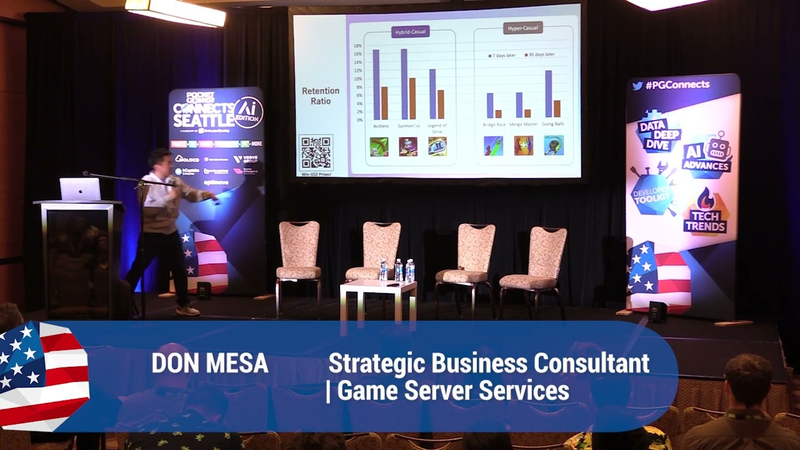
Ride the "Hybrid-Casual" Wave to Enhance User Engagement & Monetization - Kazutomo Niwa & Don Mesa.
The hybrid-casual gaming genre has emerged as a critical evolution in the mobile market, addressing the limitations of hyper-casual titles that struggle with long-term retention and monetization.
- The hybrid-casual genre addresses hyper-casual retention issues by integrating deep progression systems, character customization, and sophisticated economy management.
- In 2022, the hybrid-casual market reached 5.1 billion downloads and generated $1.4 billion in revenue.
- Successful hybrid-casual titles like Archero, survivor.io, and Legend of Slime utilize long-term engagement mechanics such as login rewards and balanced resource economies to extend player lifetime value.

Keynote: Understanding SKAN 4 0 & Its Implications Mark Menery, Verve Group.
SKAN 4.0 represents a significant evolution in Apple’s privacy-centric attribution framework for mobile app install campaigns.
- SKAN 4.0 replaces rigid privacy thresholds with a tiered 'crowd anonymity' system, allowing advertisers to receive varying levels of data granularity based on install and conversion volume.
- The framework extends LTV tracking capabilities by introducing three distinct postback windows that capture user activity from day zero through day 35.
- Advertisers can now utilize 'lock windows' to trigger postbacks earlier, enabling faster data retrieval for campaign optimization.
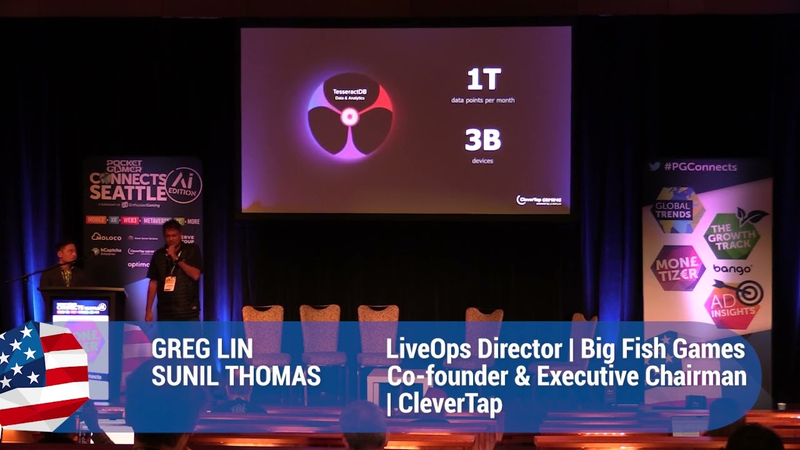
Keynote: Mastering Revenue Growth Using LiveOps & Contextual Personalization, Sunil Thomas/Greg Lin
The gaming industry is currently navigating a challenging landscape defined by rising user acquisition costs and shifting privacy regulations, such as Apple’s App Tracking Transparency.
- Implementing comprehensive personalization strategies can increase player lifetime value (LTV) by approximately 35 percent.
- Rising user acquisition costs and privacy regulations like Apple’s App Tracking Transparency are forcing a strategic shift from new player acquisition toward maximizing the LTV of existing player bases.
- Studios are adopting a 'personalization ladder' that progresses from basic demographic segmentation to behavioral targeting and fully personalized content.
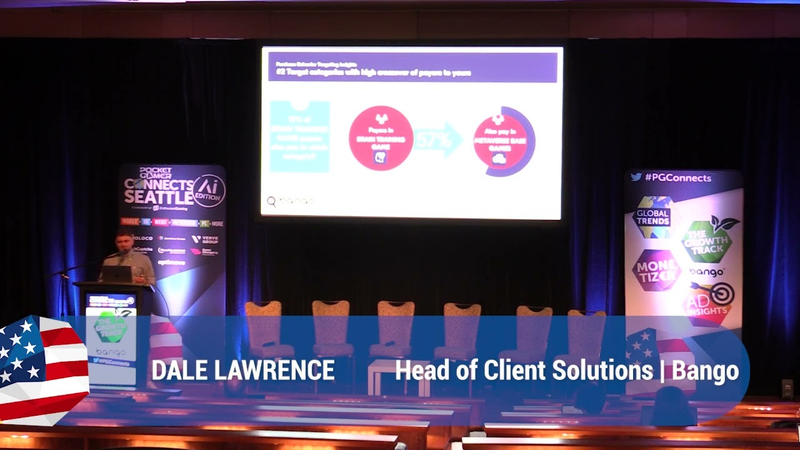
Keynote: Scale Your IAPs With Purchase Behavior Targeting Data Insights, Dale Lawrence, of Bango.
The mobile gaming industry faces a significant challenge in user acquisition due to the deprecation of identifiers like IDFA and third-party cookies.
- In the mobile gaming industry, 95% of users do not make in-app purchases, while the remaining 5% of payers generate over 80% of total revenue.
- The deprecation of IDFA and third-party cookies has forced developers to move away from traditional tracking toward purchase behavior targeting, which utilizes first-party payment data to remain privacy-compliant.
- Purchase behavior targeting allows developers to segment audiences based on actual transaction history, such as payment frequency and volume, rather than relying on demographic assumptions.

Mobile Growth: IDFA Deprecation Scapegoat or Reality?
The mobile gaming industry has frequently cited the deprecation of the Identifier for Advertisers (IDFA) as a primary cause for declining marketing performance and the perceived impossibility of successful new game launches.
- The deprecation of IDFA is often used as a scapegoat for internal operational failures, such as poor financial modeling and an inability to adapt to market shifts, rather than being the sole cause of declining performance.
- iOS remains a viable platform for user acquisition, with sophisticated advertisers continuing to achieve scale and profitability despite privacy-related technical constraints.
- The withdrawal of competitors from the iOS ecosystem has created a favorable market environment characterized by lower cost-per-mille (CPM) rates and reduced advertising competition.

MAU live 2023 - Growths Gems, Creative testing processes, UA for apps vs games!
The digital landscape for user acquisition and monetization is defined by a convergence of strategies between gaming and subscription-based applications.
- Creative strategy is the primary driver of sustainable user acquisition, with visual elements consistently outperforming text-based copy in engagement.
- Subscription-based apps should integrate ad revenue only after reaching a daily active user base of 30,000 to 50,000 and ensuring core subscription funnels are fully optimized.
- To mitigate creative fatigue, teams should monitor performance over 14-day cycles and introduce new assets once a frequency threshold of five is reached.

Best Advertising Networks for Hyper and Hybrid Games in 2023
The transition from hyper-casual to hybrid-casual gaming represents a strategic evolution in the mobile game industry, driven by the need for sustainable growth and diversified revenue streams.
- The mobile gaming industry is shifting from hyper-casual to hybrid-casual models to combat declining eCPMs, evidenced by a 34% increase in in-app purchase (IAP) revenue.
- Hybrid-casual success requires moving beyond short-term CPI metrics to blended ROAS campaigns that account for both ad revenue and long-term IAP value.
- Developers should utilize mediation platforms like AppLovin or Unity to manage the complex data tracking necessary for optimizing long-term user value.
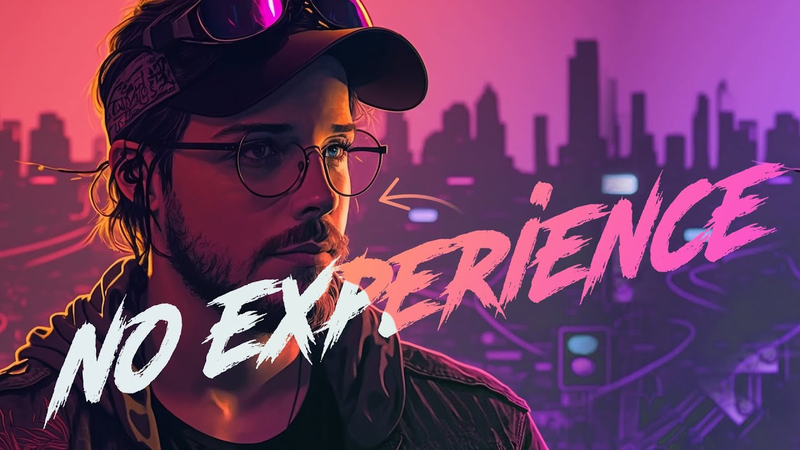
How I Started Making Games with No Experience
The transition from an amateur hobbyist to a full-time independent game developer is driven primarily by the willingness to embrace creative imperfection and overcome social anxiety.
- Prioritizing consistent output over polished perfection is the primary driver for transitioning from an amateur hobbyist to a full-time independent game developer.
- Embracing 'shamelessness' by releasing unrefined work allows developers to bypass the paralysis of self-doubt and gain the practical experience necessary for long-term career sustainability.
- Early, low-quality projects serve as the essential foundation for building technical proficiency in coding, animation, music production, and storytelling.
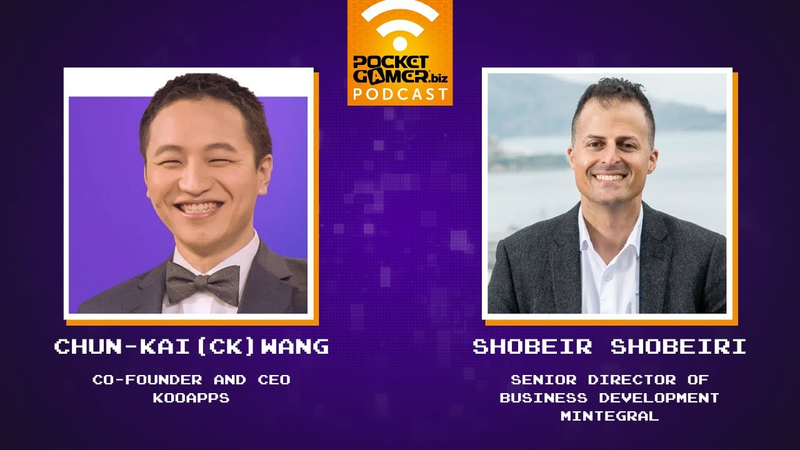
Kooapps’ CK Wang And Mintegral’s Shobeir Shobeiri On Increasing ARPDAU By 40-80% With In-App Bidding
The mobile gaming industry is undergoing a strategic shift toward a unified casual model that blends traditional hyper-casual mechanics with deeper meta-progression and live events.
- Transitioning from manual, waterfall-based ad management to automated in-app bidding has enabled publishers to achieve ARPDAU increases ranging from 20% to 80%.
- The mobile gaming industry is shifting toward a hybrid model that combines hyper-casual mechanics with deeper meta-progression and live events to improve retention.
- Developers are leveraging rigorous A/B testing of interactive formats, such as playable ads, to optimize engagement and revenue performance.

How DLC boosts engagement for PC and console games
Downloadable content (DLC) serves as a critical driver for player engagement and long-term monetization in the PC and console gaming sectors.
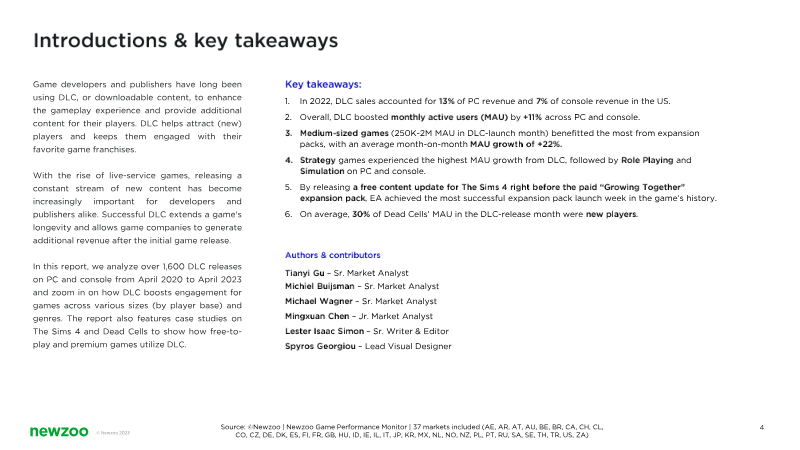
- DLC releases drive an average 11% increase in monthly active users (MAU), with medium-sized games (250,000 to 2 million MAU) seeing the highest impact at 22% growth.
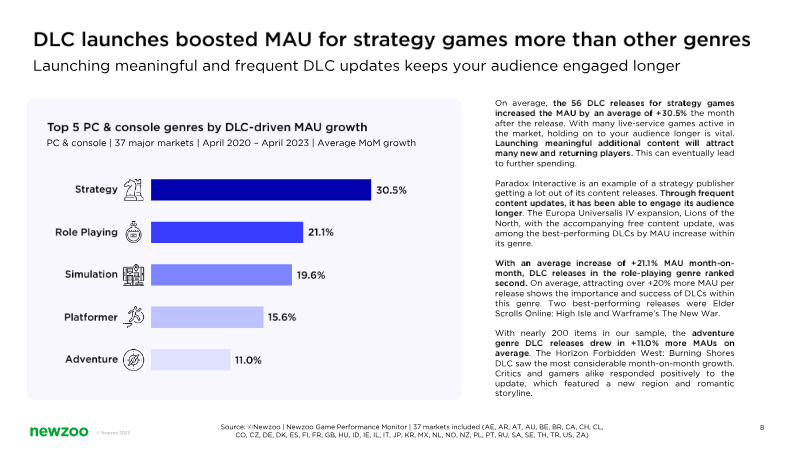
- Strategy games benefit most from the DLC model, recording a 30.5% average increase in MAU, followed by role-playing and adventure titles.
- DLC is a significant revenue driver, accounting for 13% of PC revenue and 7% of console revenue in the U.S. during 2022.
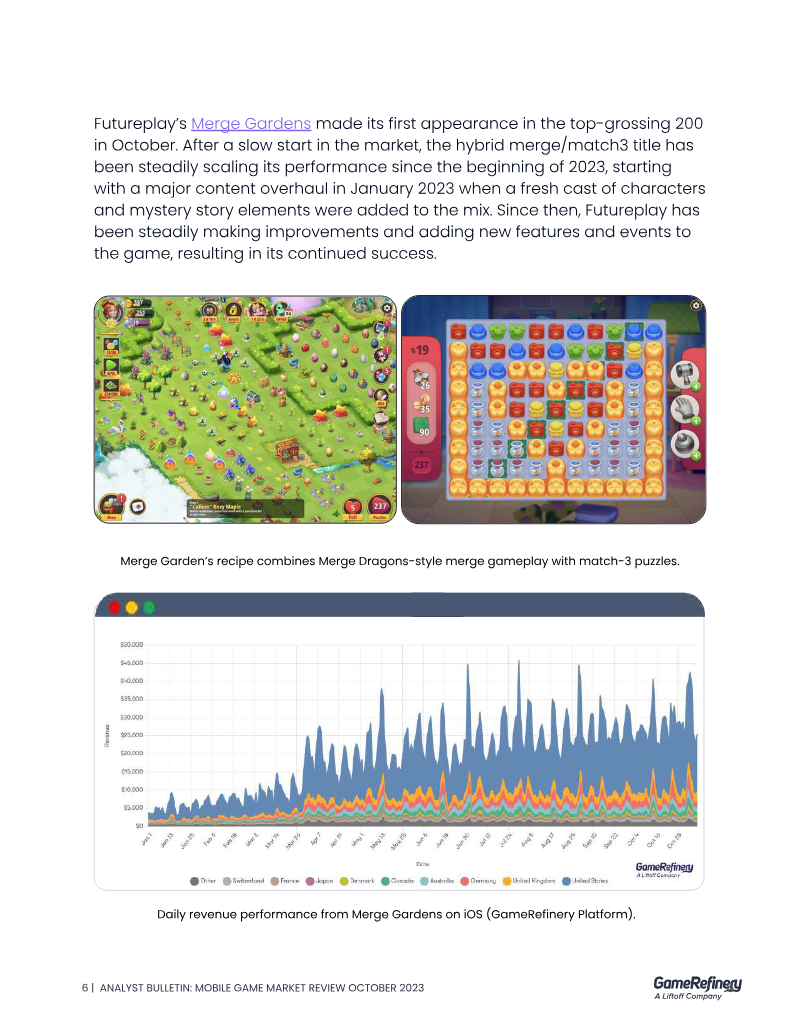
Mobile Game Market Review October 2023
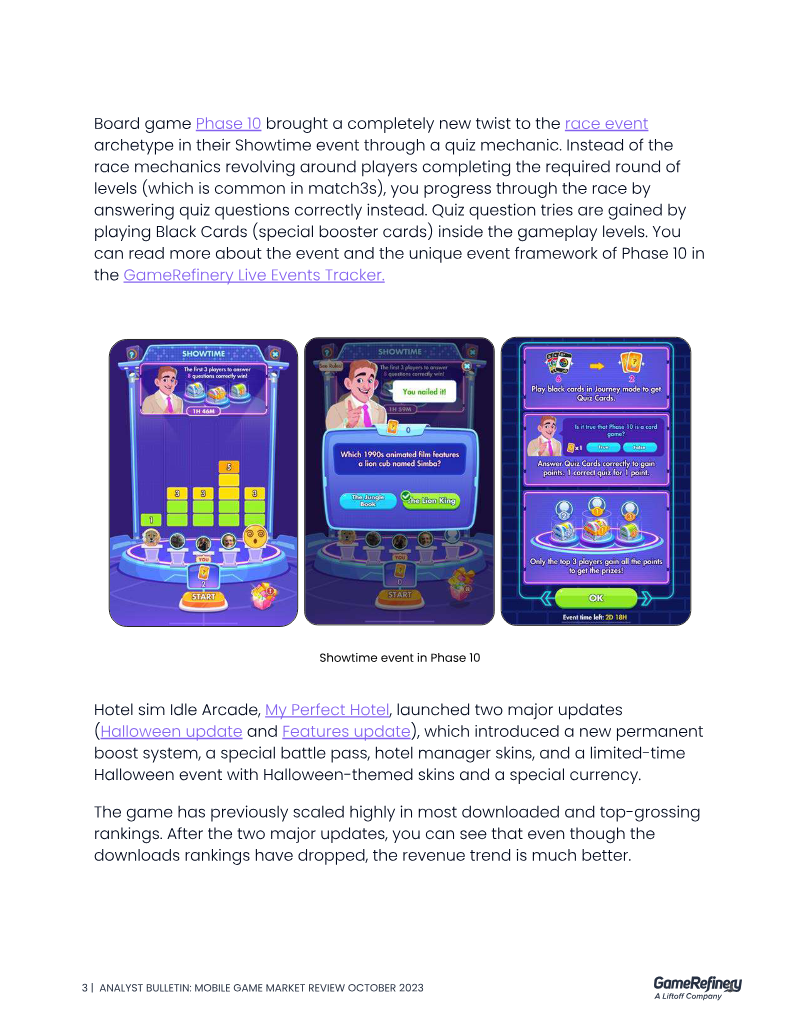
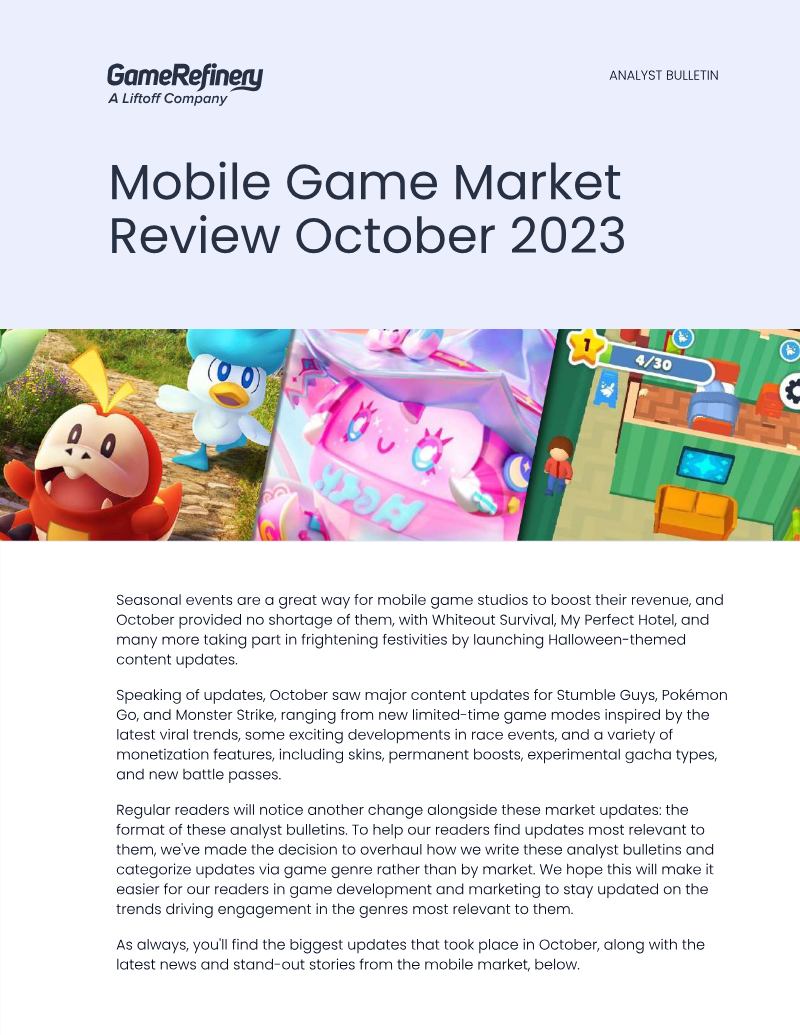
The mobile gaming market in October 2023 was characterized by a heavy reliance on seasonal Halloween content and innovative social features to drive monetization and engagement.
- Live operations and seasonal content, particularly Halloween-themed events and crossover collaborations, were the primary drivers for revenue and engagement across casual and midcore mobile titles in October 2023.
- Casual games are increasingly integrating social and competitive features to sustain retention, exemplified by Pokémon Go’s four-player party system and Eggy Party’s social-focused 'Pedestrian Street' mode.
- The midcore sector continues to rely on long-term live service strategies, evidenced by Monster Strike maintaining top-tier status in Japan through its 10th-anniversary celebrity and anime collaborations.
The Rise of UGC: Uri Marchand, Founder of Overwolf
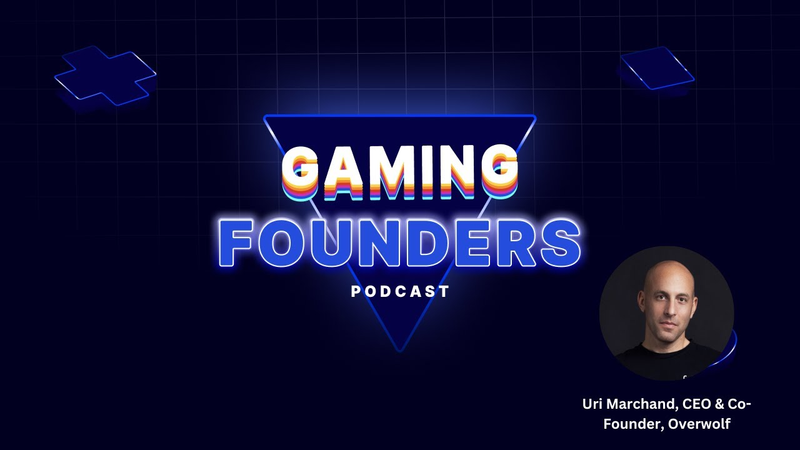
The gaming industry is undergoing a fundamental shift as user-generated content (UGC) transitions from a peripheral hobby to a core pillar of sustainable game development.
- User-generated content (UGC) is shifting from a peripheral hobby to a core pillar of sustainable game development, allowing studios to offload content updates to third-party creators.
- Overwolf has scaled its platform to support 98,000 creators and 33 million monthly active users across more than 1,000 game titles.
- The integration of legacy modding communities, such as CurseForge, combined with custom programmatic advertising for desktop overlays, serves as a proven model for monetizing creator ecosystems.