1 free read left. Create a free account for unlimited reading + AI research.
Create free account
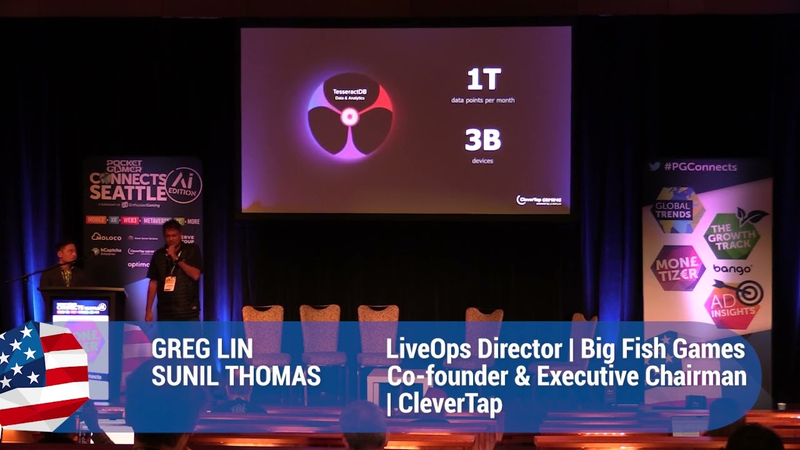
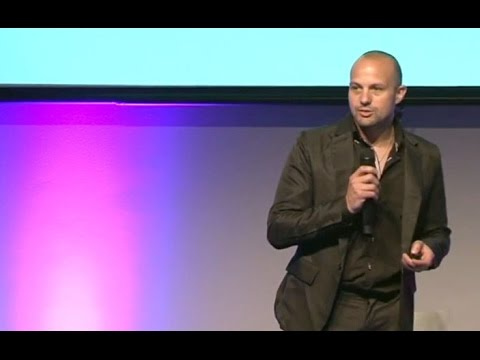
Keynote: Mastering Revenue Growth Using LiveOps & Contextual Personalization, Sunil Thomas/Greg Lin
Key insights
6 takeaways- 01Rising user acquisition costs and privacy regulations like Apple’s App Tracking Transparency are forcing a strategic shift from new player acquisition toward maximizing the LTV of existing player bases.
- 02Studios are adopting a 'personalization ladder' that progresses from basic demographic segmentation to behavioral targeting and fully personalized content.
- 03Implementing comprehensive personalization strategies can increase player lifetime value (LTV) by approximately 35 percent.
- 04Effective personalization relies on three core pillars: lifecycle marketing for re-engagement, LiveOps for triggered rewards, and remote configuration to dynamically adjust game difficulty based on individual behavior.
- 05Developers can overcome the technical and financial limitations of traditional analytics by integrating purpose-built data layers capable of handling high-volume, real-time behavioral data.
- 06Big Fish Games successfully revitalized legacy titles and scaled engagement across their portfolio, including EverMerge, by using their 'Marlin' platform for advanced segmentation and over-the-air event delivery.
Ask AI about this video
Transcript
[Music] thank you [Music] up next we have a keynote session and I would like to introduce uh Sunil Thomas from clevertap and Greg Lin from our broadened sponsors Big Fish Games they're going to be talking about mastering and mastering Revenue growth using live Ops and contextual personalization so welcome to the stage guys thank you my name is Sunil Thomas I'm the co-founder and now executive chairman of a company called clevertap with me a pleasure to introduce Greg Lin who's the director of live Ops at Big Fish Games
and today uh I think once the slides show up we're going to talk about monetization and how personalization drives monetization and a lot of it and and how you can use some modern tools and Technologies we'll hear a lot from Greg about what they do at Big Fish Games specifically using live operations and so on so suspense music please [Music] there you go that's the click okay perfect okay actually it's you know it's a it's a nice Segway a lot of you I see were in the previous presentation too it's kind of a nice segue
from that actually from the content there it's our industry is changing I mean apple with uh with with ATT has significantly affected cost of acquisition uh there's opt-in rates to ads is now not the default anymore to be targeted by ads is not the default anymore and we have actually you know 30 percent is a is a pretty I mean it's it's it is not even that much in in our real experience but adopt-in rates at best are about 30 percent and that's really taken the cost of acquiring new users like tremendously High politica one of the biggest you know big game developers has stopped actually developing any new games they don't think that the ROI is worth it to develop new games and try to get you know more users into those games and so on so this is changing and if cost of acquisition is changing what is
the other side of the monetization game and that is LTV so cost of acquisition significantly changing not much we can do it's it's the big boys Apple Google Etc but LTV is the other side of the equation if we are able to still keep lifetime value more than the cost of acquisition we have something to work with so what do you need to improve LTV is what we look at there are three big parts to this it's it's really about creating engaging games and and sort of holistic player Journeys through all of that engagement and there are really three big buckets of of what you do I mean there's a traditional lifecycle marketing these are these are nudges these are you know sort of things to get players back into the game talked about some of the some channels like push notifications and so on when the when the players are not in
the game retargeting via Facebook Google all of these things work to get people back into the game but that's more well known you know life cycle marketing many people do it in different ways it helps with segmentation and so on live Ops we'll talk a lot about that live Ops is the ability to sort of calendar events to do you know triggered events and we'll talk uh specifically with with Big Fish Games to to to get you you know get you to understand that and remote configuration is actually changing the experience of the game I mean that's where you sort of increase the ball speed or you know make it more difficult or easy based on how the player is personalized to how the player is progressing or not progressing through the games it's it's all of those different things where you you can even like you know for your for your like you know good players who are actually doing a bunch of in-app purchases and all that you can even reduce ad roles and and get more advanced uh in order to improve their experience so these three things
are the big you know three buckets if you will of a holistic Journey but the middle layer is what drives it unless you have sort of player data Behavior data different kinds of sort of first party data that you can control that you can collect the foundation of how good you are doing these three things you know changes there is a white paper I mean lean Plum so a lot of you in the gaming space no lean Plum better than clever tap clever tap acquired lean Plum about a year ago now lean plums being serving the gaming Market big customers you know Big Fish tilting point a whole bunch of epic games and so on for 10 plus years now and they they had a you know they have a very very unique solution that lets you holistically do these things there's a white paper in the in the in a booth in sort of the main hallway that that goes
into a little more detail here but we call this a personalization ladder and the higher you climb the personalization ladder the more direct its impact on LTV is basic demographic segmentation is the bottom most step of the ladder if you will this is you know calling up a person by name maybe throw in some Geographic Target geography targeting and so on to make it a little personal right but you go up there into behavioral segmentation how often does does a player come into the game is he a weekend player this year we can player or a weekday player a morning night you know whatever what what levels has the player reached and so on you move it up one more layer to behavior triggered delivery of messages could be in-app messages these could be a lot of live Ops comes in here when you do things like defeat offers when you see somebody struggling to go past the layer when you do rewards on certain accomplishments and all of that
kind of stuff and the last I mean the topmost shrunk here is when the content itself is personalized so this is about learning you know Avatar said the player likes or or colors you know for for cars that the player chooses and so on so you so you get into not only triggered but delivering it to the to the kind of the pieces of content that I like drives your level up so overall I mean a lot more details in the white paper and two short a time here to look at it but about 35 percent of increase you can get in your lifetime value of players by you know getting these this personalization ladder going there's a lot of lots of examples I recommend you to pick up that white paper actually the reality is that data is hard right the reality is you know no matter what analytics platform no matter what in-house platform no matter what you use it's expensive costs and overages come
into play there are like limitations on how long you can store data for a player and and so on and so forth and overall it's it's hard to justify Roi on a pure sort of data platform or a CDP or or anything like that and I'll watch a short video uh the voice is not sounds not playing but but that's okay I mean this is the reason actually why we have invented clevitab gaming so the 10 years of experience that lean Plum has in its product has now been sort of underfitted with a data layer that you know we call Tesseract DB this is a proprietary sort of purpose-built data layer it has 11 product technology patent spending on it and and it's it's it's one of the core inventions that we have that makes data access and and hence segmentation hence personalization
hence the journey up the personalization ladder no matter how big or small you are as a game no matter hyper casual all of the different types of games so Tesseract DB think of it like a new Ferrari engine under the very familiar lean Plum product it works at a lot of scale and and we are able to really innovate pricing so you can get an Mau plan a monthly active user plan and that gives you unlimited data per gamer that you can stored on the platform so it's it's not lies it's a truth but unlimited data points no matter what your Mau plan is obviously if you have a million Maus you end up paying more than if you have 10 000 or 100 Maus but but irrespective of what your tier is you get unlimited data storage the other plans a data points plan a lot of large Studios take that they get a little more control on data and that obviously now it doesn't matter you get unlimited me use so if it's a seasonal
game you know you have these spikes in monthly active users Etc there are no surprises in your in your billing and I will actually not go into the two three slides but I want to invite Greg to talk about you know specifically live Ops and specifically what they do at Big Fish and then conclude a little bit thanks Anil um so thanks for inviting me to PGC um I I was uh invited to kind of talk about big fish's success story using lean Plum and funny enough it's my it's actually big fish's Second Story with limpang the first time it was actually lean Plum but a big fish was actually lean Plum's first ever customer and then when I joined Big Fish I joined uh under a studio that was managing the
Social Casino titles Big Fish Casino Jackpot magic slots and that was brought in to lead the live Ops for those two for those two games which are if you know two of the top grossing apps in the Social Casino space uh when I joined I did kind of an audit of our liveops capabilities and found that we we lacked the ability to really deliver what I consider modern day live Ops so that's the ability to do product optimization through a b testing deliver live Ops content with personalization segmentation and be able to engage with the users through messaging so one of the the projects I embarked on when I joined was to look in the market for the tool that can do all of that and be able to deliver market Standard live Ops and we we
looked at a bunch of tools and lean Plum checked all all the boxes um so on one hand we found the tool that could deliver the content we wanted with segmentation and personalization but on the other hand now we needed the engine to be able to create all this content so the other major project I embarked on when I joined big fish was to design and deliver this mission system which is essentially a way for us to create live off events and deliver them to the players over the air so once we had both of these together we were able to really drive the growth of both of those apps which are well over 10 years old so you can imagine how significant it is to drive LTV growth for for apps that we weren't even doing ua4 and been out in the market for
a long time um and that's due to having the right tools being able to create compelling engaging live Ops content in this case it was live Ops event and delivered using data so we're able to use lean Plum we're also able to use the power of our data science segmentation to drive content that are delivered using behavioral segmentation and thus make these events and live Ops content feel more personalized to the players and so with uh with the two of these combined the tools and the content creation capabilities we took that success story and in my kind of next role in Big Fish was to basically apply this to The Wider Big Fish Studios and so we packaged all of
this including how we're able to utilize lean Plum to drive that segmentation and turned it into a product called the Marlin platform now now the modern platform was designed for us to be able to basically replicate this winning formula not just in the Social Casino games but in other games on in our portfolio so we were able to basically get this platform working in our Flagship title ever merge and whereas today it is uh driving uh up Revenue uplift when we are able to run our live Ops content through that through that game so um it's it's been a really great fun journey to work with lean Plum make this a critical component of our liveop system and it is a key part of this what we call the Marlin platform and the idea is as big fish continues to grow and work
with other game studios and drive towards becoming a top 10 publisher of choice in the Casual space we will use these tools which are very embedded within our data ecosystem to really Drive Revenue uplift and essentially be able to maximize the value of all of our liveops content so uh yeah and now with uh with lean Plum becoming clever tap gaming I'm especially excited not only because of a really good relationship with lean Plum they see the value of the gaming space and why we need these kinds of tools but with all of these uh nice spells and whistles Tesseract asunio called it a Ferrari engine I'm excited to be able to test drive this Ferrari very soon so thank you
[Applause] we can take a couple of questions a lot of us including a Solutions engineer Solomon Barry a lot of people that you might already know are at the booth in case you want you know to dig into as many details as you'd like but a couple of questions we have a couple of minutes left no sorry all right in that case thank you very much I hope to see you around in the next couple of days in the conference thank you [Music] [Applause] [Music]
thank you [Music]
Summary
The gaming industry is currently navigating a challenging landscape defined by rising user acquisition costs and shifting privacy regulations, such as Apple’s App Tracking Transparency. With traditional acquisition strategies becoming less effective and ROI for new game development under pressure, the industry is shifting its focus toward maximizing the lifetime value (LTV) of existing players. This transition necessitates a more sophisticated approach to player engagement, moving beyond basic lifecycle marketing toward comprehensive, data-driven personalization.
To improve LTV, developers are increasingly adopting a "personalization ladder" that progresses from basic demographic segmentation to behavioral targeting and, ultimately, fully personalized content. This strategy relies on three core pillars: lifecycle marketing to re-engage players, live operations (LiveOps) to manage in-game events and triggered rewards, and remote configuration to dynamically adjust game difficulty or experiences based on individual player behavior. By leveraging first-party behavioral data, studios can create more meaningful player journeys, with industry data suggesting that effective implementation of these personalization strategies can increase player LTV by approximately 35 percent.
Big Fish Games serves as a primary case study for this approach, having integrated these methodologies into their "Marlin" platform. By utilizing advanced segmentation and over-the-air event delivery, the studio successfully revitalized legacy titles and scaled these engagement tactics across their broader portfolio, including flagship games like EverMerge. The integration of purpose-built data layers—designed to handle high-volume, real-time behavioral data—allows developers to overcome the technical and financial hurdles of traditional analytics platforms. Ultimately, the ability to deliver contextually relevant content through robust LiveOps infrastructure is identified as a critical competitive advantage for studios aiming to sustain growth and maximize revenue in the current mobile gaming market.













Comments