1 free read left. Create a free account for unlimited reading + AI research.
Create free account
Best Advertising Networks for Hyper and Hybrid Games in 2023
Key insights
6 takeaways- 01The mobile gaming industry is shifting from hyper-casual to hybrid-casual models to combat declining eCPMs, evidenced by a 34% increase in in-app purchase (IAP) revenue.
- 02Developers should utilize mediation platforms like AppLovin or Unity to manage the complex data tracking necessary for optimizing long-term user value.
- 03Hybrid-casual success requires moving beyond short-term CPI metrics to blended ROAS campaigns that account for both ad revenue and long-term IAP value.
- 04Product design must be adjusted for hybrid-casual titles by reducing interstitial ad saturation, which otherwise harms the long-term retention required for profitability.
- 05Professionalizing the creative strategy through specialized in-house talent or high-quality outsourcing is now essential to maintain profitability in the hybrid-casual market.
- 06Hybrid-casual games require deeper gameplay mechanics and sophisticated economic balancing to extend lifecycles beyond the typical three-month limit of traditional hyper-casual titles.
Ask AI about this video
Transcript
hi everyone this is Roman from tangenting and today I joined by a special guest Gorham from Voyager growth for him please introduce yourself hello Roman firstly thanks for having me so let me just introduce myself so I am Koran jabala so I was working as a head of growth in Ruby games almost two and a half years so I was managing a user acquisition creative and monetization processes there and actually four months ago I left Ruby games and I basically established my own Growth Company which is called Voyager growth in Voyager growth basically I mean you know like uh many game companies now just looking for sad publishing opportunities in the market so basically so I kind of established a partnership with them and made them ready make them ready for their
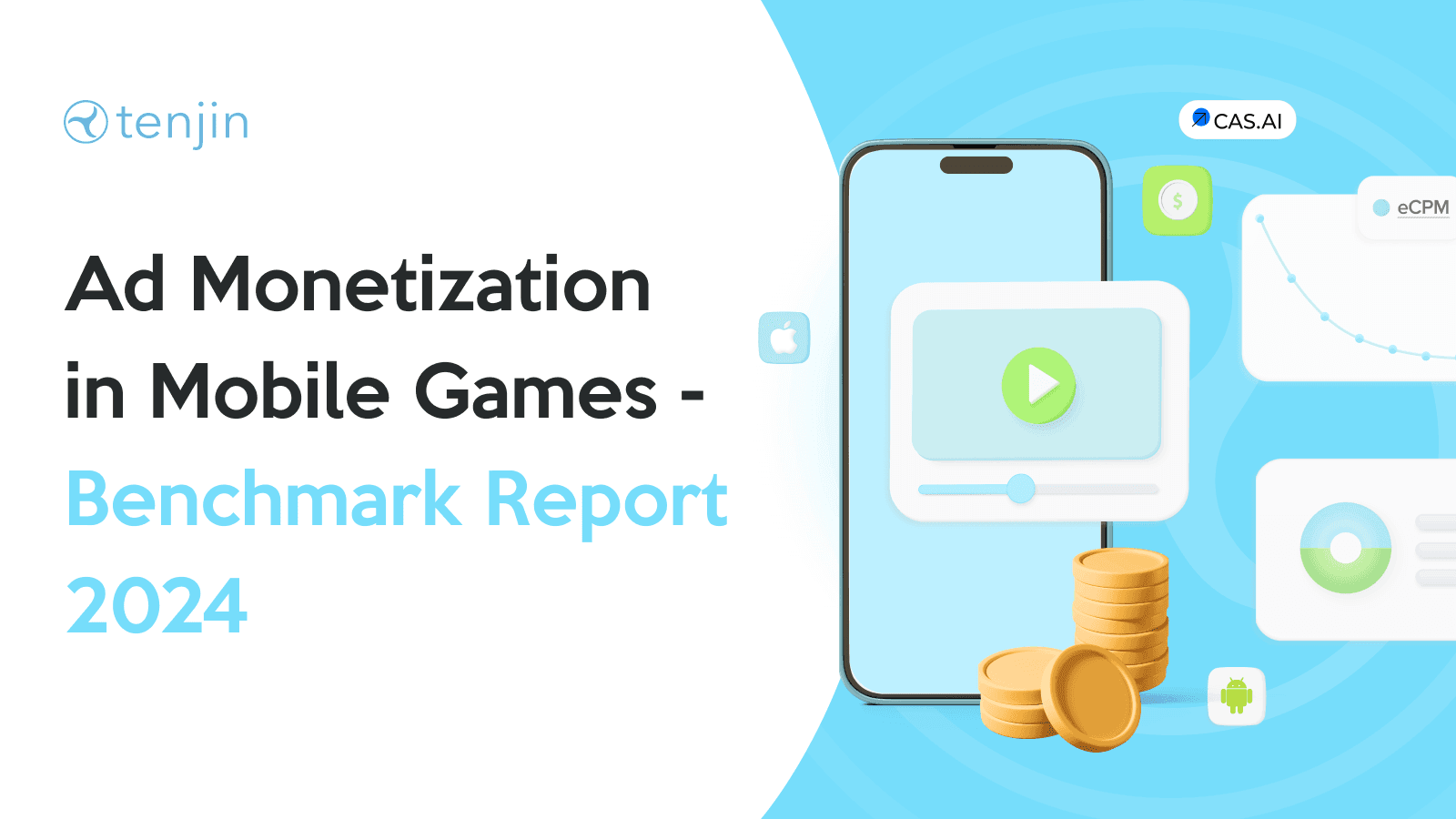
self-publishing within six months so if they are Financial uh with you know available for the self-publishing so we do that if they are not financially ready for you know self-publishing we I basically provide a publishing service for them but it's a kind of a different than you know like usual publishing service so I'm just kind of become their partner and provide mentorship with them so this is my journey over four months at the moment yeah yeah I also see like more and more uh have a casual developers starting to self-publish now um and of course more and more turning into a hybrid runners or hybrid like type of monetization and this is why we actually developed this report we'll basically do a short overview of the report and Pick Four Hands uh brain
about it so usually the question like we have like plenty of insights in the reports itself I would just briefly like scroll through it so you guys can see it but uh most popular uh questions that I hear like what is the best channel to advertise hyper casual or a hybrid casual game and today we'll talk um if there are strategy is going to be different depending on what type of the game they're running um to answer this question like of course you need to decide what is your main metric uh so for example if I know that for me uh they sell on adult TVs most important one uh So based on our data in 2022 uh the highest average OTV was iron source and not surprisingly for me on iOS that was Apple searches
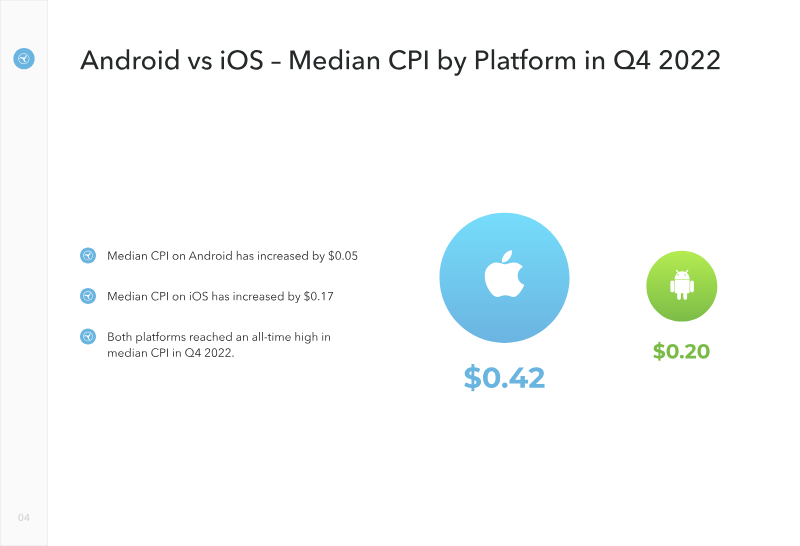
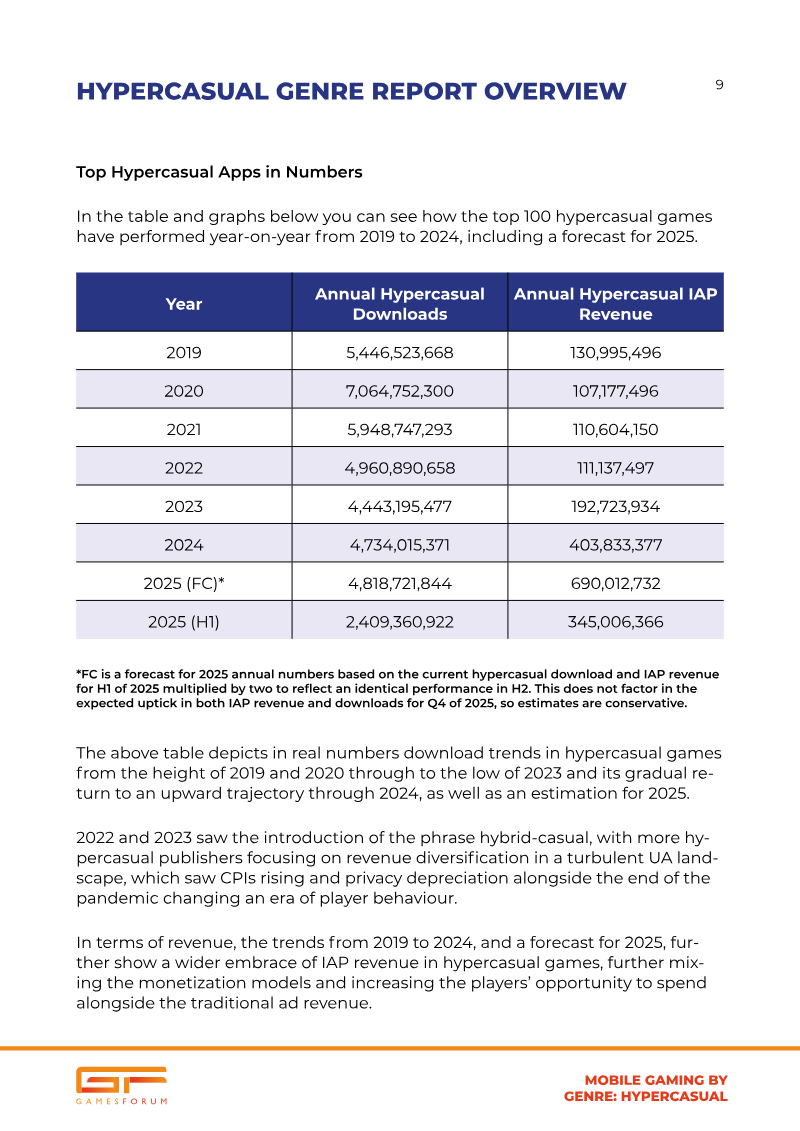
even though um not a lot of hyper casual developers uh running with a whole search um and same for the hybrid casual games right so this time we have day 7 in-app purchase OTV again iOS Apple search ads Android matter uh yeah and we we have like more metrics like this in a different breakdowns like countries so basically I'll leave the uh linked for the report in the description so you could like check it out uh but yeah back to you Koran what surprised you the most about this report yeah I checked the reports and you know like I realized that I'm actually surprised that number of iaps increased by 34 which is quite surprising for me you know like due to recession in U.S you
know I would explain like I would expect degrees in an iaps and also I think this is a good indicator that you know like uh stroking strong indicator that you know why many game companies should go for uh hybrid casual games you know at the end of today if iaps are more strong which means that uh you know like they will be easier process transition for them to get into hybrid casual games so yeah this is a really good indicator uh you know you know I would expect that you know like increase in 2023 for in terms of Yap as well so the game companies now should kind of uh establish kind of you know the across strategy uh how to kind of balance this Edge Avenue and IAP Revenue in their games and this is a kind of tricky point for them as well yeah I agree like and what I've seen also is like in the past hyper casual
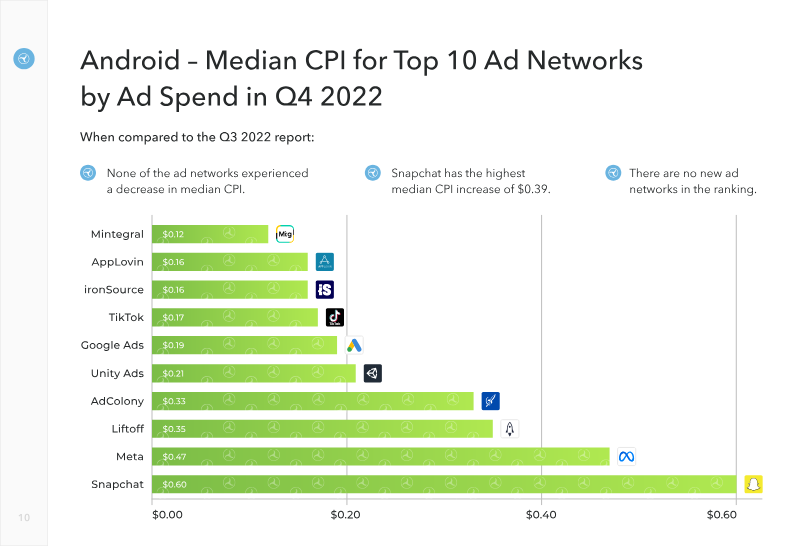
like okay maybe they try to do a bit of IAP but they didn't take it seriously uh but now with Edge Revenue like going down and ecpm is going down like just look at this yeah the Android right it makes a lot of sense yeah at the end of the you need to balance this situation so you know like just lasting feasibility at the end of today so you know like you need to kind of put balance between them [Music] you know like with IAP the increase in IAP Revenue in Revenue share in your monetization structure that would mean that you would go for Blinded Ross campaigns you know like uh which is basically aiming for both uh Edge revenue and IAP Revenue which means that you will be able to scale more in terms of spans you know uh this is a really good indicator for for the games
and talking about like scaling like if I'm running a hyper casual like Studio yeah right now what channel like would you recommend for me to use um yeah you know like for me you know if you have a you know like main aim to in hyper casual games to get lost CPI with the good retention right but the CPI is kind of more focused on the hyper occasional games so if you have a really low CPI that means that you would go for tick tock in the first stage you will see them a lot and you know like also this is a good opportunity for games to get into top hundred in the first stage with Tick Tock and sometimes meta but Tick Tock is I guess better at the situation and then you need to kind of you know support this UA spent with with you know like SDK networks performance networks such as apploving iron Source unity mean second and so on uh so also
you know from in terms of SDK networks it depends which mediation do you use you know what I mean like if you use a blowing Max mediation so organically you would uh do your scaling on uploading campaigns and so on so Tick Tock uploading and integral is really good and sometimes iron source and unity you know like depends on your game and it depends on your metrics but Tick Tock and I'm probably I think is the best in my case yeah sure but what if I like decided to turn into a hybrid game like would my UA channel change like drastically you know like first thing that you want to do if you just get into a hybrid casual game so you will change your campaign structure in this game like as I mentioned earlier so if you have a revenue from advertising plus IAP so you will start with the adross campaigns at
the first stage if you have a really strong IAP that means that you would go for Blended Ross campaigns like both focusing on IAP and energy reading and there are many channels in the market that you know you can advertise and you know like they are kind of saying that they provide you know like positive Roi which is the main concern for the growth managers uh so as long as like you have a positive array you can kind of you know like you can kind of launch these games in any platform unless they are they are not fraught you know what I mean and another option would be uh compared to hype and like hyper casual games would be apple searches so every type occasions the games you know like uh it's less likely that you're gonna spend on Apple searches but with hybrid casual games maybe you can just uh find an opportunity to spend on Apple searches as well right talking about Blended right campaigns is
it like supported by all channels now or is it only selected once uh actually I think it's supported by unity and uploading and I'm not sure about the nor even Source but kind of you need to use their mediation and to kind of especially the support as they have any address campaigns and so on yeah depends on which mediation do you use so you need to kind of establish your campaign structure and it is important you know which mediation do you use yeah that's a good tip yeah what is the most like common mistakes that developers make when they transition from hybrid hyper to hybrid actually at the moment like I am working with many studios so I see approximately 10 to 15 game tests within a week so I see mistakes and uh false Impressions
from series that we really discuss and change this uh wrong approaches with Studios look you know like these many studios just work was working on hyper casual games but at the moment they are transitioning to the hybrid casual games uh in the old days with Hyper casual games you know like with the low CPI even you will get your money back within four days sometimes even two within two days back but things have changed now that you know like you would get your money back uh maybe sometimes within 15 days 30 days 45 days so uh for they basically focus on just CPI but now they need to certainly go for the retention as well uh so you know like even like another mistake that too they basically cast their games and they look for the CPI if it's a little bit higher than usual they say we're gonna kill the game but this is a bit casual that you know
like if you have a good retention you know like really high retention on the day seven day 10 day 14 day 30. you would cover the high CPA as well you know like and this is the thing that they need to kind of consider you know like they need to check CPI retention play time uh what is the percentage between you know like Edge revenue and I have pre Revenue all the all these things that you need to evaluate uh before deciding just we're gonna kill this game or we're gonna just focus on this game and also you know like given that you know like for instance they do idle arcade and so on they put IAP but uh another mistake they do they put too many uh too many interstitials within this game so the aim is here just to get good retention to uh be sustainable to sustain uh you know strong growth over time so that means that you need to just
kind of adjust this uh time between interstitials you know like you you don't need to put too much too many interns you should be in first days but rather than just focus on the long-term return you know given that this is hybrid casual you need to change your strategy yeah and another thing that you know like uh many game campaigns just I guess underestimate the creative strategy uh I think like one of the most crucial aspects in the game industry is creative like bit professional uh creative guys uh you can change a lot of things you can change your profitability and everything and you don't you shouldn't underestimate the creatives or you need to kind of assign professional guy if you have a developer if you are a developer like you shouldn't do your creative by yourself you need to hire someone to just manage this process professionally
uh do you think it makes sense to go like to Sir parties or this is usually better when someone in-house is doing it I mean depends on depends on you know like there are some uh like creative artists that in the industry that you know like it's hard to hire them due to this kind of cost wise you know what I mean um you know like as a freelance and some if you ever find if you find a really good talent you would get into the house structure at the end of the day it depends depends yes it's working this process working doesn't matter but all in all it seems like the whole like game is getting like harder in terms of like publishing the games Blue Cycle that yeah yeah like Market is kind of saturated like there are many like discussion in the market that hyper
casual is gonna die is dying and so on I think it's evolving everything is evolving meaning you just need to adjust yourself strategically how you're gonna focus on like there are many Publishers that I'm working on uh hybrid puzzle games which is I think logical like if I would have a company I would call for definitely he with puzzle games you know like when you get a income from these games like you will basically sustain growth like more than three years with a good game and with Hyper casual hybrid casual game depends on the genre and game type and the Matrix but I don't wanna like talk about certainly about it but you know like you don't you don't get really good income like sustainable income like they kind of go soaring and then just go off you know within three months and so on if you need sustainable growth you need to go for like puzzle I guess in my opinion
like from the top of your head how long does it take to make a like this sort of a hybrid Bible game yeah it's actually depends on the game so there are some games that that look they look so simple but the gameplay and like deeper journey within this game it's harder to make you know you need to calculate loss of uh economic stuff like inflations you know uh it's a kind of product wise you know like and another thing that uh also uh Studios underestimate product sites you know like you need to have a really good product manager uh to kind of manage this process within this game and it's important and it's the most important thing that support Foster uh you know like retention like long-term
retention congratulations yeah cool like thanks a lot Quran that was super um insightful um I just but no worries I mean I'll leave a link in the description of the video uh if you have questions you can leave uh your question in the comments um yeah of course give us a thumbs up yeah anytime so I am here to help in any question yeah yeah and of course I'll leave the link to Voyage our growth in the description to the video too um so you can reach out to him directly all right then thanks a lot for watching happy hyper or hybrid growth thank you so much
Summary
The transition from hyper-casual to hybrid-casual gaming represents a strategic evolution in the mobile game industry, driven by the need for sustainable growth and diversified revenue streams. As advertising revenue and eCPMs face downward pressure, developers are increasingly integrating in-app purchases (IAP) to balance their monetization models. Data indicates a 34% increase in IAP revenue, signaling that hybrid-casual models are becoming a more viable and necessary path for studios seeking long-term profitability.
Successful user acquisition (UA) for these titles requires a shift in campaign structure. While hyper-casual games prioritize low cost-per-install (CPI) through platforms like TikTok and Meta, hybrid-casual games benefit from blended return-on-ad-spend (ROAS) campaigns that account for both ad revenue and IAP. These campaigns are most effective when aligned with specific mediation platforms, such as AppLovin or Unity, which support the complex data tracking required to optimize for long-term value rather than immediate, short-term returns.
Common pitfalls during this transition include an over-reliance on CPI as the primary success metric and the premature termination of games that show strong long-term retention. Developers often fail to adjust their product design, such as over-saturating games with interstitial ads, which can harm the retention necessary for hybrid success. Furthermore, creative strategy is frequently underestimated; professionalizing the creative process—either through specialized in-house talent or high-quality outsourcing—is essential for maintaining profitability. Ultimately, the industry is moving toward more complex, product-focused development, particularly in genres like hybrid-puzzle games, where deep gameplay mechanics and sophisticated economic balancing are required to sustain growth beyond the typical three-month lifecycle of traditional hyper-casual titles.