1 free read left. Create a free account for unlimited reading + AI research.
Create free account
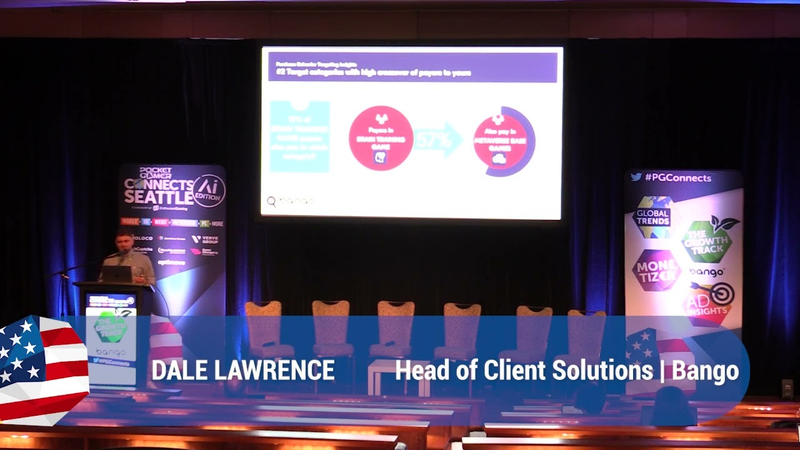
Keynote: Scale Your IAPs With Purchase Behavior Targeting Data Insights, Dale Lawrence, of Bango.
Key insights
6 takeaways- 01In the mobile gaming industry, 95% of users do not make in-app purchases, while the remaining 5% of payers generate over 80% of total revenue.
- 02Purchase behavior targeting allows developers to segment audiences based on actual transaction history, such as payment frequency and volume, rather than relying on demographic assumptions.
- 03Case studies across the metaverse, social casino, and casual gaming sectors show that purchase behavior targeting consistently results in lower cost-per-acquisition (CPA) and higher return on ad spend (ROAS) compared to broad campaigns.
- 04Developers can improve acquisition efficiency by targeting users who have already demonstrated spending habits in competitor apps or high-overlap game categories.
- 05Aggregated performance data from payment processors can be used to optimize social media campaign settings, such as refining lookalike audience percentages to maximize click-through rates.
- 06The deprecation of IDFA and third-party cookies has forced developers to move away from traditional tracking toward purchase behavior targeting, which utilizes first-party payment data to remain privacy-compliant.
Ask AI about this video
Transcript
[Music] thank you [Music] thanks again to Bangor for sponsoring the growth track here we've got four sessions coming up and the first of which is uh by Dale Lawrence of Bango himself talking about how to scale your in-app purchases so a round of applause for Dale [Applause] uh here's your clicker here's your clock great thank you very much hi everyone it's uh great to be here I know some of the sessions have overrun and everyone's looking forward to lunch but hopefully I can give you some interesting insights that are going to sort of keep you all engaged and you know give you some really great value for what mango do and what we are
so yeah my name is Dale Lawrence I'm the head of The Client Solutions team at Bangor audiences um and what I'm going to be talking to you today is how to scale your in-app purchases using purchase pay your targeting data and also the insights that we're in a unique position to give so the past two years have sort of turned app marketing on its head uh the apocalypse is sort of our tongue-in-cheek campaign that we run talking about how the app industry is really struggling as a result of some of the idfa changes uh cookies being deprecated you know Google had IDs are also going to be deprecated so we're now sort of living in an apocalypse where apps are really struggling and paying users are harder than ever to find so the data for targeting UA campaigns has reduced and decreased and when you monetize by in-app purchases this is obviously incredibly important to try and overcome and maximize internally so just on some data that we've sort of
seen so 95 of users who play your games will never actually make a payment so they'll only be monetized via in-app advertising so the elusive sort of five percent are the ones that do make the payments and create more than 80 of your Revenue so targeting those in-app purchases and the users that we know have made a payment are incredibly important to maximize performance we ran a survey which sort of said that 60 of app developers agree that the recent changes have made it harder to acquire new paying users and I think this has all been represented through a lot of the advertising on social platforms over the recent years obviously idfa has been deprecated and there's more changes coming which you know according to meta resulted in a 10 billion loss in ad Revenue last year alone so you know this is really big for the the platforms that are used to acquire users it's big for the app developers because they are not spending
as much and also the cost for acquisition have increased significantly so as a result of this of 27 of app developers were expected to shut down just because they couldn't bring in the users that they really needed to bring in that Revenue drive that Roi and that roast from the user acquisition campaigns so what does this look like for app developers now so let's quickly sort of go back in time so mid 2021 roughly was when idfa was originally deprecated people knew it was coming but no one really prepared for it as much as they probably should have and the ones who did for the ones who got the early success but the majority of people were sort of left a bit behind the curve in knowing what to do so this resulted directly in a loss of own data to segment and Target you know if you can't track the users that what they're doing within your app and what they're doing Across The Wider ecosystem it's really difficult to know what to do you know what are they interested in what are they spending their time doing
and what's resonating well with them so this was for iOS campaigns specifically so the result of this was that budget got moved to Android so people moved all of their budgets away from IOS they couldn't track the users they couldn't track success they were just sort of spending money blindly so they moved all of their budget to Android temporarily which then resulted in the Android targeting costs increasing significantly historically targeting Apple was very expensive and targeting Android users was very cheap and and this completely switched wait it didn't switch iOS stayed expensive and Android also became more expensive so you know it's something that people didn't know how to overcome so they were spent they needed to keep their UA active they needed to keep spending money to get users in their game and they had to rely on Android and the expensive costs that were coming there so you're spending more money on on Android it's really expensive to Target and getting that row ass is really difficult so the advertising platforms like meta Tick Tock snap and all the others Google started to advertise that you should
sort of advise that you should just Target your campaigns broadly so instead of really breaking down and segmenting who you're targeting just Target everyone so if you're looking to scale up UA in America just Target the whole of America or just Target really large cohorts of users and you know it was good at the time to try and help reduce those costs and keep giving you scale but the problems that came with that was that there was there was a significant loss of data to influence future development if you're acquiring 10 000 users from a campaign within the US that targeted broadly all you know about those users is that they're 10 000 users from the US that's all you know you might get some creative insights into which creatives work well for them but understanding the users what they're interested in and where they came from is non-existent you know nothing about them you just know that there's 10 000 users so the main issue with these problems is that you know AAA provided scale and low cost but you don't get any data interest targeting as well is an incredibly vague on meta if I'm friends with someone all
of the things I like they suddenly like it's a really really loose term if anyone has any spare time I would definitely advise looking into your advertising preferences on Facebook you'll be incredibly shocked by how many things you've never been interested in you don't care about and you never will care about but Facebook believe you do so go through and definitely delete the ones that you don't care about otherwise you'll keep getting advertisements from them so future development became really hard because people didn't know what were what the users liked what they're interested in and what resonated well with them so how do you sort of Take Back Control of your user acquisition targeting so you know there's been a big change in the industry massive marketing challenge for you acquisition and for apps that monetize via in-app purchases this is so so important to do so what do you need you need a compliant information source so cookie and idfa free potentially Google ad ID free soon when that finally comes to fruition it needs to be gdpr and CCPA compliant I think this sort of goes without saying you know there's
always new laws coming up about what data you can use what you can't use companies that you can work with and making sure that everyone is completely compliant so I think it's really important that you take this into account and what we're providing is that purchase Behavior targeting it's a novel and reliable data source so all of the audiences and data that we provide is first party to us we only see it if we process to it it doesn't rely on modeling multiple sources together or trying to use an algorithm to to make it make judgments and make assumptions it's a true data source so yeah again not to be subjective or broad-based demographic or psychographic information and 61 of app developers and marketers believe that purchase baby is targeting provides the solution to this so what does Van Gogh do so how do we provide purchase Behavior targeting at scale so Bango is predominantly a payments processing platform we've been around for roughly 20 years we process a whole multitude of different payments
that's across in-app purchases across the Google Play Store as an example we process subscriptions for the likes of Netflix and we process you know uh Xbox game pass for for console Gamers so we have a really good overview of people's different payments across it like a really wide ecosystem so by analyzing this purchase data it allows us to build custom audiences so if we have a pool of you know however million users and we have a client that says I'm really struggling with our UA in the USA and you know we need to find more payers because we're just not driving the brows that we need we can segment users into audiences that can be targeted to really help achieve these these problems that people are having so using these purchase baby targets targeting techniques you can scale your in-app purchases and see sort of very strong performance so we're going to sort of break it down into a few different areas that we're helping our clients focus on and different things that you can do using Bank audiences so the first is probably the most obvious one it's about
targeting users who pay in similar apps to yours people will be doing this all the time you know whether it is whether you are using interest targeting or whatever it might be if you're a casual game developer you want to Target your competitors because you know the users are interested in in the genre they're more likely to convert and provide value so doing this what we've allowed our clients to see for example is Upland so Upland are a metaverse based game we've been working with them since they first launched and being part of the metaverse they're a property trading game a virtual property trading game they relied heavily on all of the users they needed that were coming into the platform they needed to really drive those that row us and make those purchases so using the Bango audiences we managed to provide you know 95 higher OAS with our audiences 37 lower CPA and 34 lower average cost per unique purchaser so you can Target broadly and you can Target users that are never going to make a payment but targeting users that are proven to paying similar apps and products is a really great way to drive drive the returns
another example which you may have seen in the video just before I started speaking was around Nexon uh 3.9 higher row ass 3.6 higher lifetime value and 25 lower CPI so really strong results just by doing the most basic thing and targeting people that have paid and have proven to a pay in your competitors or similar apps to yours and a fun example try win which is our a social casino app developer 50 increase in day seven roast five percent higher conversion rate and Two Times Higher lifetime value so again some really really great great results here and great case studies that we've managed to get which can show the value of just targeting at the most basic level the the competitors players or people that played or paid in a similar similar category so the second Insight it comes around to trying to find new players you can Target your competitors all the time but eventually you're gonna you're gonna run out of finding new users so it's about targeting categories with a high overlap
of payers so what does this look like we can see from our platform across all of the payments that we processed that of 100 of people that have made a payment in an arcade game but 60 of them also make payments in casual games they're quite similarly like similar genres so it might not be a massive surprise but it immediately gives you another Pool of users that are going to be highly relevant and more likely to convert for your campaigns another example from 100 of the main payments in brain training games 57 of those have also made payments in metaverse games so again finding new pockets of players with high overlapping categories and then 70 of bubble shooter games also made payments in bingo games so it's these unique insights that we're in a position to see that can help our partners to really drive and scale their in-app purchases by finding new pockets of payers you can also Target users based on the top three so if you have an arcade game for example we know that
of this data so let's go back there's a high Crossover with dating apps casual apps and word games so you can dig into some really interesting new areas of focus that we can help provide that data for but again this is only one data point same for finance apps people also play in Adventure Games beauty apps and action games some of these are not obvious but we're in a really unique position that allow us to see these and this is the the data points that we help to provide to our partners so moving into the third Insight it's focusing on the high LTV payment behaviors there may be users that make one payment in one app for one dollar and they never make a payment again although they would be a payer and they have the propensity to pay you might need users if you're an RPG developer who make multiple payments really high value payments over a long period of time so what we can help you to do is break down the users that are making payments how many payments they're making so of all the payers in solitaire games 20 of those make seven or more
payments per month so again this is really useful data if you monetize and say okay we on average we get three purchases per month from our users you might Target Solitaire player game because they have the propensity to make seven or more payments per month so it can help drive that higher lifetime value higher OS numbers another example within casual games 28 make five or more payments per month and within webtune apps thirty percent make four or more payments per month so again we're in a really unique position you can come to us tell us what your game is let us know a little bit more information about the genre that you're in and we can provide some really unique Data Insights into what users are doing across a much wider ecosystem so then the next part is about okay well what if I want to bring this all together okay so I know that people pay in word games I know people paying trivia apps and they also play in action games if I'm an adventure game developer but within the word games you can see there's 10 plus purchases and spent over 300 within trivia it's six purchases so
less and only spent fifty dollars and Within action games on average people made 20 purchases and spent 270 or more so you can start to break down your strategy for user acquisition by looking into these different areas if you monetize off of a very high volume of payments if you take Candy Crush for example people are constantly buying live so they can keep playing but it might only be very low value payments then you might look into a certain area but in this case you might want users that are making a lot of purchases and spending considerable amount so action games could be a really great audience for you to Target and scale your your user acquisition strategy so the third Insight is around layering those purchase baby targetings everything we've spoken about when it comes down to you know looking at apps within your category or your competitors at the most basic level you then go a bit broader as you're scaling out a bit further looking into crossover and overlapping category audiences then you look at the high LTV payment behaviors
so then you have a full strategy around how you're going to acquire users who you need to Target to get the maximum returns and it's a very simple way that we can do this you know you find the right audiences in each category you can use them in your campaigns across social platforms so then we go one level further so you've got all these great insights these great audiences that we can provide to you how do you maximize the success from targeting them you know you know running UA on social platforms is changing all the time there's new best practices there's new you know ways to Target and get the maximum return but how do you do that so as we're in a unique position we work with lots of Partners and we can aggregate the data to say for example if you're a word game developer and you're targeting a word game audience and you want to expand the audience that we've provided to a look-alike audience which look-alike percentage do you go with is it one percent five percent ten percent you know it's a bit of a black box for you guys because it's hard to know which is going to drive the most return what we can do is average out this data and say in this example here that the high likelihood is you want the really high click-through rate so the
high box which you'll see comes from a 10 look-alike which is also driving the lowest CPI so this is a great area to Target initially because you're going to get really low costs and really high conversion rates from a 10 word audience it might not always be the most obvious one so you might think that well a one percent lookalike is going to drive it's closest to the seed audience so it should drive the most irrelevancy but it doesn't in this case another example when it comes to puzzle games if you're a puzzle game developer targeting a puzzle audience you know you've got a multitude of up to 10 sometimes even 20 lookalikes where do you focus your efforts and in this case a three percent drives the highest click-through rate and the lowest CPI uh massively compared to all of the others so again a really great Insight that can help you to get the most from your your campaigns and a final example comes to them bingo games again it's the 10 lookalike in this case that is driving the highest click-through rate and the lowest CPI so really great insights that can help maximize your social
performance and we can provide this across all of our partners whether it's a Geo whether it's a specific category these are data that we can provide and help you to see the best performance possible so just to sort of recap on everything one purchase Behavior targeting is a powerful solution to take back control of your UA it's a true first party data source that we can provide that you know isn't reliant on algorithms or machine learning or anything like that to make assumptions on users it's only based on fact and Truth two is that consumers and developer friendly this is one of the most important things we're always having to overcome changes to this industry and privacy and everything like that is probably at the Forefront of that there's always new laws new changes that we have to adhere to so making sure that it's safe for you guys and safe for us to Target these users puts us in a really unique position you don't need cookies you don't need idfa in many cases the identify that we use internally as a mobile phone number which puts us in a massively unique position because we still get really high match rates to the social platforms
and we're not relying on these identifiers that are being deprecated all around the ecosystem and then it's about sort of the the key purchase Behavior targeting strategies so similar apps to yours High crossover categories and high LTV payment behaviors and then we can help you to you know get the most from those audiences that you are targeting so that's everything from me and I don't know if anyone has any questions I'd love to answer what I suggest is because we all run them no problem is um why don't people find you all need to match you are right now [Music] thank you foreign
Summary
The mobile gaming industry faces a significant challenge in user acquisition due to the deprecation of identifiers like IDFA and third-party cookies. This shift has hindered the ability of developers to track user behavior, leading to increased acquisition costs and a reliance on broad, less efficient targeting strategies. Approximately 95% of game users do not make in-app purchases, meaning the remaining 5% of payers generate over 80% of total revenue. Consequently, identifying and targeting these high-value users is essential for maintaining return on ad spend (ROAS) and long-term profitability.
To address these challenges, purchase behavior targeting serves as a compliant, first-party data solution that bypasses the need for traditional tracking identifiers. By leveraging payment processing data, developers can segment audiences based on actual transaction history rather than demographic assumptions or broad interest-based modeling. This approach allows for three primary strategies: targeting users who have already paid in competitor or similar apps, identifying high-overlap categories where users demonstrate cross-genre spending habits, and focusing on specific high-lifetime-value (LTV) behaviors, such as the frequency and volume of payments.
Data indicates that these targeted strategies consistently outperform broad campaigns. Case studies involving metaverse, social casino, and various casual game developers demonstrate significant improvements, including lower cost-per-acquisition (CPA) and higher ROAS. Furthermore, by analyzing aggregated performance data, developers can optimize their social media campaign settings—such as determining the ideal percentage for lookalike audiences—to maximize click-through rates and minimize costs. This methodology provides a privacy-compliant, fact-based framework that enables developers to regain control over their user acquisition efforts in an increasingly restricted data landscape.

















Comments