1 free read left. Create a free account for unlimited reading + AI research.
Create free account
Keynote: Understanding SKAN 4 0 & Its Implications Mark Menery, Verve Group.
Key insights
6 takeaways- 01Advertisers must manage a complex transition period where multiple SKAN versions coexist, requiring ongoing support for older versions until full adoption across iOS, SDKs, and ad networks is achieved.
- 02SKAN 4.0 replaces rigid privacy thresholds with a tiered 'crowd anonymity' system, allowing advertisers to receive varying levels of data granularity based on install and conversion volume.
- 03SKAN 4.0 provides expanded source identifiers for more granular tracking of creatives, geographies, and exchanges, alongside 'coarse-grained' conversion values for instances where fine-grained data thresholds are not met.
- 04The framework extends LTV tracking capabilities by introducing three distinct postback windows that capture user activity from day zero through day 35.
- 05Advertisers can now utilize 'lock windows' to trigger postbacks earlier, enabling faster data retrieval for campaign optimization.
- 06The update introduces support for web-to-app attribution specifically for the Safari browser, increasing the available inventory for performance marketing.
Ask AI about this video
Transcript
[Music] thank you [Music] to kick off this uh part of the afternoon sessions we have a mark from dataseat which is also part of Verve group who's going to be talking about understanding scan 4.0 and its implications so do we have Mark here hey everybody my name is Mark mannery I'm the VP of sales at data seat and we are going to talk about scan today specifically scan 4.0 and some changes that Apple gave to us in Q4 of 2022. before we go into that just a little bit of background to add some credibility I've been the performance advertising
space for about 13 years now dating back to 2010 I got my start at a company called jump tap we were one of the first mobile ad networks acquired by a company called Millennial media in 2013. so I've worked with gaming performance advertisers UA teams pretty much my entire career now data seat is a privacy first mobile DSP focused on performance focused on gaming and we say privacy first because we this wasn't a pivot for us we were founded on the premise that Apple would deprecate idfa that Google would eventually follow suit okay so we were one of the few companies that was celebrating when ATT and scan and some of these things were announced so clicker does not work or does it wrong way Perfect all right good so we're going to do a scan overview talk about some assumptions and implications talk about different versions of scan and why they matter and why we have to pay attention to them talk about some scan Basics so you know what do certain things mean some definitions terminology and then
4.0 changes so what are some of the gifts that Apple gave to us with skin 4.0 we'll do a summary conclusions all that good stuff at the end so for starters what is scan and why was created so scan was created to provide private and accurate attribution to advertisers without revealing information of the user simply put scan is Apple's attribution framework for mobile app install campaigns older versions of scan matter so these are things we have to pay attention to things we have to look out for they're going to come up as we're optimizing campaigns probabilistic attribution is still the go-to method the full effects of skin have certainly not been felt yet privacy thresholds so you can't talk about scan without talking about privacy thresholds these were loosened up a little bit in Q4 of 2022 we'll go more into detail on that and then what are some gifts that Apple gave us right what are some things that we got with scan 4.0 well we got some things that gave us the ability to do better LTV tracking better optimization and optimize across
more channels but none of this actually matters fully enforces scan but we believe that's a when and not nif so this beautiful painting here this is a lifetime of a scan impression everyone can take a breath of relief because we're not going to talk about this in much detail if anyone wants more information on this we have a really good podcast that our CEO and founder did David Phillipson I can send the information after but I want to jump into older versions of scan and why they matter okay so they matter because of this graph so if you look at this graph this is an example of a campaign that ran over the course of a few weeks x-axis represents time here y-axis represents number of installs okay in the different colors here represent different versions of scan previous versions of scan so these are coming up in campaigns as we're optimizing as we're running these campaigns in each version of scan gave us something different scan 2.0 gave us privacy preserving ad attribution 2.2 gave us custom ad attribution scan 3.0 gave us
something called Loser postbacks and then we got most of our positive changes in scan 4.0 scan uh scan versions don't update overnight and they also don't update like iOS rollouts so with an iOS rollout Apple pushes out to all the devices all the users and typically within two to three months you have 80 plus adoption scan and specifically scan 4.0 there's a lot more things involves so first of all the advertised app needs to be on 16.1 or higher the SSP has to have the latest version of the SDK and then the Publishers have to be on that version of the SDK the ad network of the DSP bidding on the impression has to have their specific SK ad Network signature updated and then the user who actually sees the impression has to be on the minimum version of iOS that accepts that latest version of scan so as you can see there's a lot of moving pieces here is here now when we get scan post back what are some of the things that we're looking for what are some of the things that are important well first of all we want to know the version right the version does
matter so this is a 4.0 postback right you say it says 4.0 pretty simple straightforward right if this was 3.0 or a previous postback some things might be named differently there might be some Fields missing right but this is a 4.0 postback so all of these fields are arguably important but I want to focus on the most important ones okay so Source identifier Source identifier is a variable that means something to The Advertiser okay it means something to The Advertiser it's something that the ad Network or your DSP partner sets in order to help us optimize Source app ID this is where the conversion came from so was it an Angry Birds app was it you know Solitaire like where did the conversion come from if this was to say Source domain it would have been what mobile website did this come from and that's another GIF we got from Apple and then conversion value what was the conversion okay was it an install was it a 99 purchase was a certain level complete what was that conversion so we're going to go through all of these in more detail let's talk about high level changes with
skin 4.0 and sort of what we got well first and foremost we got more visibility so something called crowd anonymity came it was introduced and it sort of sort of loosened up privacy thresholds okay we got better optimization so Apple gave us more Source identifiers and more conversion values in order to help us better optimize we got improved LTV tracking we have the ability now to actually get more postbacks on our campaign in something called the lock window that we can enable and we have more inventory to optimize off of so scan 4.0 gave us web to app attribution so now we can attribute conversions across mobile web so we're going to go through all these in more detail we're going to start with more visibility so we said privacy threshold quite a few times what is a privacy threshold why was it created was created by Apple to ensure that advertisers wouldn't be able to identify a user okay so it was sort of like all or nothing at all if you didn't reach a number of installs or conversions in a 24-hour period on your campaign you wouldn't get back certain information it was kind of like if you
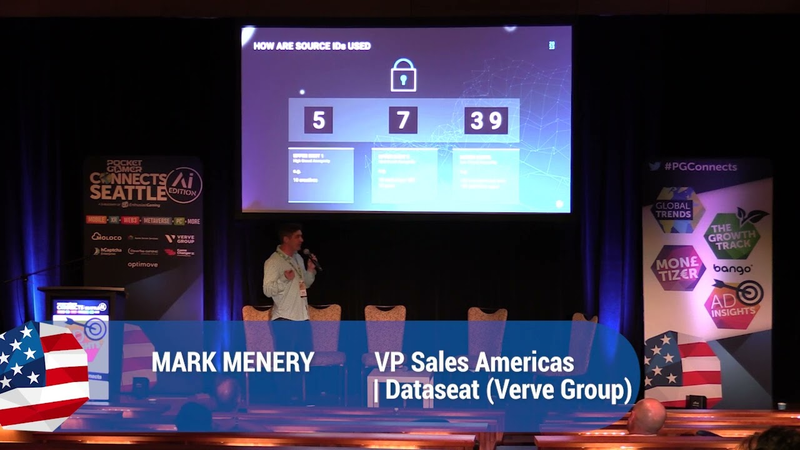
weren't This Tall you couldn't ride the roller coaster okay so basically there was three main fields that you wouldn't get back that are subject to a privacy threshold okay if you didn't get enough installs within that period you wouldn't receive back this information now crowded anonymity was introduced and this sort of tiered off privacy thresholds for us okay so basically if you had a low number of crowd anonymity or less crowded anonymity you'd get less information back if you had more you would get more campaign information and if you were at the highest level of crowd anonymity you would get the most information back from Apple so I want to talk about how this plays a part with Source identifiers and sort of what these are in more detail so Source identifiers were previously referred to as campaign IDs in previous versions of scan if actually means something to us okay you want to think of these in three parts there's upper part one which the five represents upper digit two which the
seven represents and then the lower digits which is that 39. so prior to scan 4.0 we only had the lower digits to work with we only had that 39. so scan 4.0 we got up our digit one and upper digit two in order to help us optimize but what are use them and all that good stuff well first of all that 39 represents one of a hundred variables okay so these are called the lower digits you could set this to be a hundred line items 100 publisher apps really whatever it is to help you optimize upper digit two the seven represents one of ten variables zero through nine this could be ten exchanges 10 GEOS and then the third variable upper digit one is again one of ten variables okay so this could be 10 creatives for example crowd anonymity right are these privacy threshold levels play a part with Source identifiers so let's say that you have five installs in a campaign within a 24-hour period Apple might say okay
you're at a level where we're going to give you those lower two digits so you know the conversion came from that 39th line item in example two you might have been at that middle level of crowd anonymity okay so Apple might say fine we're going to give you the lower digits in that upper digit too so you know that the conversion came from that 39th line item in that seventh Geo area that we set in example three maybe you hit that highest tier of crowd anonymity so Apple's going to say sure we're going to give you back the 39 the seven and the five so now you know it came from that 39th line item in that seventh Geo area from that fifth creative so the more crowd anonymity we have or the higher the level the more information we're going to get back okay we're going to talk about conversion values another gift that we got from Apple okay so we got more conversion values in skin 4.0 so in previous versions of scan we were given What's called the fine grain conversion value this was up to 64 variables you could set 0 through 63. to really be whatever you want and you didn't have to use all
those variables okay so it could be an install a certain level complete a 99 purchase a subscription whatever it is that you want doesn't matter okay you had up to 64 variables to set that was called the fine grain conversion value in scan for our app produced a new conversion value called The Core screen conversion value now this is a medium or a hot take those fine grain conversion values and bucket them into the course grain okay now you might be saying it's a fair question Apple really didn't give us much here right it's less granular so we had the fine grain what does the core screen really do for us well the core screen conversion value you can take the fine grain and bucket it into the chorus grain but also it's held to a lower privacy threshold or a lower level of crowd anonymity than the fine grain so you might be at a level where you didn't hit enough installs or conversions within a 24 hour period within your campaign to receive back any information at all okay no conversion
information will come through but you might be at a level now in this next example where at least you got enough conversions where Apple says okay we're going to give you the core screen so at least you know now that your conversion was a high conversion value okay and in the third example if you were at that highest tier of crowd anonymity Apple may give you back that 42 and you know the 42 is directly related to a 39.99 purchase okay so I want to talk about LTV impact for a second in previous versions of scan The Advertiser would receive one post back now in skin 4.0 we're given up two three postbacks so to wait the way to think about these is in different Windows okay any user activity that occurs within that first window day Zero through day two you'll get sent back that information in post back one any user activity that occurs in day three through seven you'll receive that information back in post back too and any user activity that occurs within day eight through day 35 you'll get back that back in post back three at the end
of each of these respective Windows okay any user activity that happens after day 35 you won't get that back it's lost now conversion values and postbacks post back one can it doesn't mean it's going to but it can contain the fine grain conversion value if you're at a high enough level of privacy threshold so in this example post pack one has a four and you know a four is directly related the way you set up your campaign to a 99 purchase okay now postbacks three contain the course conversion value okay so in post Pack 2 you might receive a low and post back three you might you might get back a high but regardless of the level of crowd anonymity that you're at regardless of the tier if you're at that highest tier you can only receive back these core screen conversion values okay lock window so this is important too Apple basically said you can enable a lock window so instead of receiving version values at the end or instead of receiving anything at the end of the post back window you can enable a lock
window and say I want to receive that information back right away so you can say this conversion is valuable enough to me that I want to enable a lock window in each of these windows and get that back right away okay so this slide is slightly different than the original one that I showed you with that post back pretty straightforward though Source domain replaces Source app ID so I had said that we're able to do web to app attribution on Safari okay so this said Source app ID in the first slide that I showed that means that the conversion came from an app so we're still meeting Source domain means it came from a mobile website okay so it is specifically Safari only but roughly 90 of iPhone users browser of choice is Safari so this is a win so now with scan 4.0 we can do mobile web our web to app attribution across Safari only which is definitely a win okay quick summary so we believe skin is inevitable it's coming it's going to be here to stay
best thing you can do is talk about it educate your partners touch your mmps your dsps you know really all your partners out there we do believe in previous versions of scan that they're going to be around for a while they exist based on what we showed in terms of how scan updates these are going to be around when we when we're optimizing campaigns uh we do believe that apple is going to continue to make improvements to scan over time okay so positive iterations are going to continue to come so in summary scan 4.0 we got more visibility so crowd anonymity sort of loosened up privacy thresholds for us which was a huge win we able to now do better optimization with more Source identifiers right and more conversion values we're able to better optimize our campaigns we have now improved LTV tracking with those two additional postbacks that we get and the ability to enable that lock window and more inventory so now that we can do web to app attribution right we can run campaigns across Safari and attribute those conversions properly
so just quick plug on references obviously data set internally Apple had some really great videos and articles that I referenced and then certainly apps flyer and singular and other mmps out there uh really really great reads all right everyone my name is Mark Metairie I'm VP of sales at dataset I really appreciate everyone's time thank you very much any questions questions any idea what the new pricing thresholds are in terms of volume no so um in terms of the the levels or um tiers of crowd anonymity I don't think anyone really knows what those are I don't think I don't think anyone's ever going to either to be honest ly thank you everyone
[Applause] [Music] [Applause] thank you
Summary
SKAN 4.0 represents a significant evolution in Apple’s privacy-centric attribution framework for mobile app install campaigns. The primary purpose of this framework is to provide accurate, privacy-preserving attribution without exposing individual user data. While previous iterations established the foundation for attribution, SKAN 4.0 introduces structural improvements that enhance visibility, optimization capabilities, and lifetime value (LTV) tracking for advertisers.
Key advancements in SKAN 4.0 include the introduction of "crowd anonymity," which replaces rigid privacy thresholds with a tiered system. This allows advertisers to receive varying levels of data granularity based on the volume of installs and conversions, effectively loosening previous constraints. Additionally, the framework expands optimization tools by providing more source identifiers—allowing for more granular tracking of creatives, geographies, and exchanges—and introducing "coarse-grained" conversion values that offer insights even when privacy thresholds for fine-grained data are not met.
LTV tracking is further improved through the introduction of three distinct postback windows, covering activity from day zero through day 35, and the ability to enable "lock windows" for faster data retrieval. Furthermore, the framework now supports web-to-app attribution specifically for Safari, expanding the inventory available for performance optimization.
Despite these updates, the industry must navigate a complex transition period where multiple versions of SKAN coexist. Because adoption depends on a combination of iOS versions, SDK updates, and ad network support, older versions remain relevant for ongoing campaign optimization. The consensus is that while the framework is still maturing, these iterative improvements provide advertisers with more robust data signals, making the adoption of SKAN 4.0 essential for effective mobile performance marketing in a privacy-first ecosystem.