Mobile reports and market data
Documents

Clayburger on looking for publishers for its claymation debut Hopply
Clayburger, a two-person Czech development studio, is currently developing Hopply, a mobile game distinguished by its unique aesthetic of handmade claymation graphics.
- Clayburger, a two-person Czech studio, is developing the mobile game Hopply, which features a unique handmade claymation aesthetic.
- The game incorporates a crowdsourced character design system that allows players to submit their own clay creations for integration into the game world.
- The studio founders transitioned from long-term gaming enthusiasts to professional developers, balancing the project alongside other employment commitments.

How Vancouver is building the next generation of game developers
Vancouver has established itself as a global hub for digital entertainment by leveraging a thirty-year history of cross-pollination between the film, visual effects, animation, and gaming industries.
- Vancouver’s digital entertainment ecosystem has evolved from a service-based model to an agile, independent development environment, largely driven by the rise of mobile gaming since the 2008 financial crisis.
- The region is leveraging a 30-year history of cross-pollination between the film, visual effects, animation, and gaming sectors to maintain its status as a global digital hub.
- To address talent shortages, the Vancouver Economic Commission is bridging the gap between industry and education through teacher studio tours and student roadshows that highlight non-artistic career paths in operations, finance, and technical roles.

Zemeho's Kimmo Kuusipalo explains music streaming plug-in Valinta
Valinta functions as a specialized Unity plug-in designed to integrate customizable music streaming directly into mobile game environments.
- Valinta is a free Unity plug-in that enables developers to integrate interactive, user-driven music streaming from a library of indie artists into mobile games.
- The tool allows players to select specific genres and tracks, shifting game audio from static soundtracks to personalized, interactive experiences.
- The mobile game Pale Harder, available on the Google Play store, serves as the primary live proof of concept for the plug-in's functionality.

Why is Finland so successful when it comes to mobile games?
Finland maintains a position as the most successful region globally for mobile game production on a per capita basis.
- Finland leads the world in mobile game production on a per capita basis due to a unique convergence of historical industrial influence and a robust educational system.
- The decline of Nokia acted as a primary catalyst for the industry, releasing a large pool of skilled technical talent and established business networks into the mobile gaming sector.
- Finland’s mobile gaming expertise is rooted in a long-standing technological foundation that dates back to the 1980s, including early mobile innovations like Snake.
Why you should be releasing mobile games in Brazil and Mexico
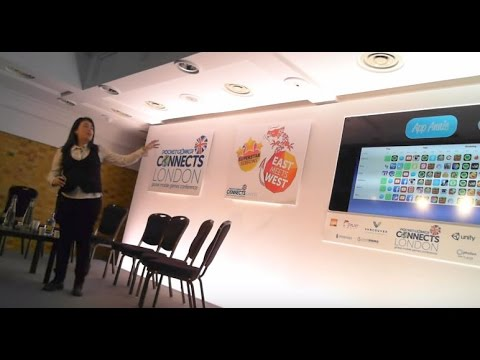
The Latin American mobile gaming market represents a significant growth opportunity for global developers, characterized by high engagement and a rapidly expanding user base.
- Brazil and Mexico are major mobile gaming hubs, ranking 11th ($1.5 billion) and 13th ($1.2 billion) in global annual revenue, respectively.
- Latin America represents 10 percent of the global gaming population and 5 percent of total global game revenue, indicating significant untapped market potential.
- Monetization in the region relies heavily on rewarded video advertisements, with 56 percent of Brazilian gamers and 62 percent of Mexican gamers reporting spending money on games.
NetEase explains the Chinese mobile games market
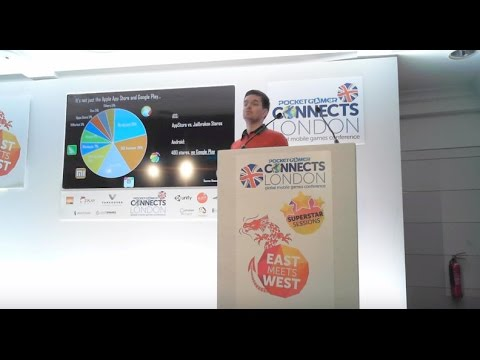
The Chinese mobile gaming market has undergone a significant transformation between 2010 and 2015, evolving from a nascent sector into a multi-billion dollar industry.
- The Chinese mobile games market is highly concentrated, with the top 10 companies capturing approximately 50% of the total revenue.
- Market trends show a significant shift toward MMO-style games, which grew from a 14% market share in 2014 to one-third of the market by Q4 2015.
- Android distribution in China is extremely fragmented, with no Google Play presence and a reliance on various third-party stores that often charge 50% to 60% of revenue, though direct downloads via QR codes can bypass these fees.

How to engage with Asian mobile publishers (Tencent, Gamevil, Nexon)
Engaging with major Asian mobile publishers—such as Tencent, Gamevil, and Nexon—requires a strategic approach that prioritizes long-term relationship building, deep market research, and a sophisticated understanding of free-to-play mechanics.
- Asian publishers prioritize developers who demonstrate a deep understanding of free-to-play mechanics, as this is the primary monetization model in markets like China.
- Publishers look for unique, innovative concepts rather than clones of existing hits; for example, Tencent evaluated over 6,200 games in a year but only a small fraction met their criteria for publishing.
- When pitching, developers must provide concrete, honest data, such as retention rates (e.g., Day 1, Day 7) and payment rates, rather than relying on best-case scenarios or anecdotal success.
The challenges and potential of the expanding kids games market
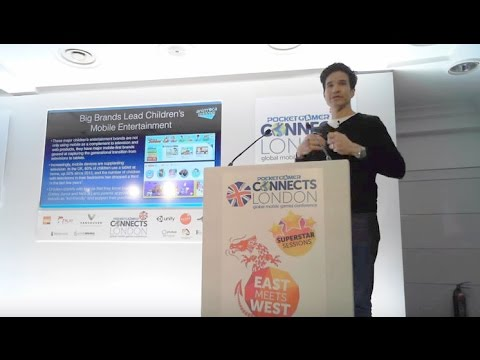
The children’s mobile gaming market represents a rapidly expanding segment of the industry, driven by the increasing prevalence of tablets among younger demographics.
- Regulatory compliance with COPPA in the US and strict EU guidelines necessitates a fundamental shift in development, as these laws prohibit standard third-party advertising SDKs and retargeting for users under 16.
- Monetization in the kids' sector has moved away from freemium and consumable-based models toward premium, paid, and subscription-based services to address parental concerns regarding data privacy and unexpected in-app purchases.
- Brand identity acts as a primary discovery tool and trust signal, with major franchises like Disney and Nickelodeon and mobile-first brands like Toca Boca dominating the market.
How big will eSports and mobile eSports be in 2016?
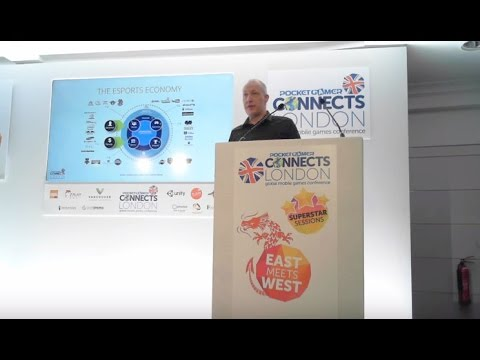
The global eSports market is experiencing rapid expansion, driven by a shift in consumer behavior where gaming has evolved from a solitary activity into a spectator-led entertainment ecosystem.
- The eSports market is projected to reach a billion-dollar valuation by 2019, growing from a current economic value of approximately $3.50 per fan.
- The industry is professionalizing through significant capital investment from traditional sports and media entities, including Turner and Madison Square Garden.
- Mobile eSports is a primary growth driver, as it facilitates seamless transitions between playing and spectating by integrating video content directly into game design.
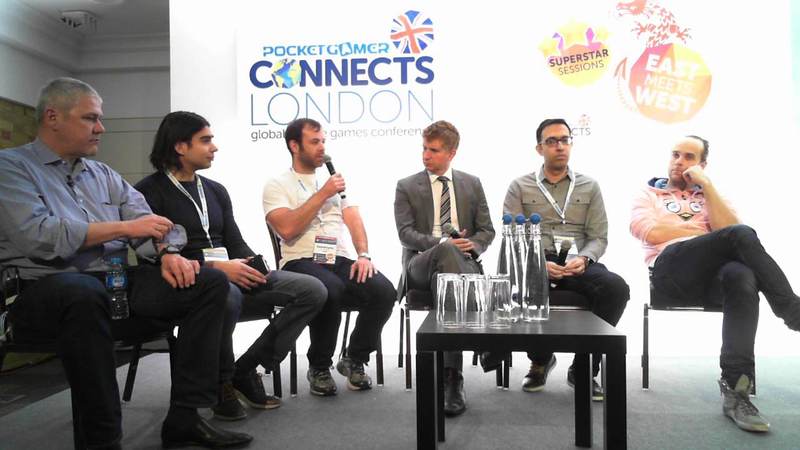
2016 trends panel at Pocket Gamer Connects London 2016
The mobile gaming industry is currently navigating a transition from simple, casual experiences toward more sophisticated, high-production titles that prioritize long-term player retention.
- The mobile gaming market is shifting from simple casual titles toward high-production, sophisticated games that prioritize long-term player retention.
- Industry growth is increasingly driven by the integration of social and messaging platforms to reach broader global audiences.
- Rising development costs are causing major publishers to become risk-averse and increasingly reliant on proven intellectual property.
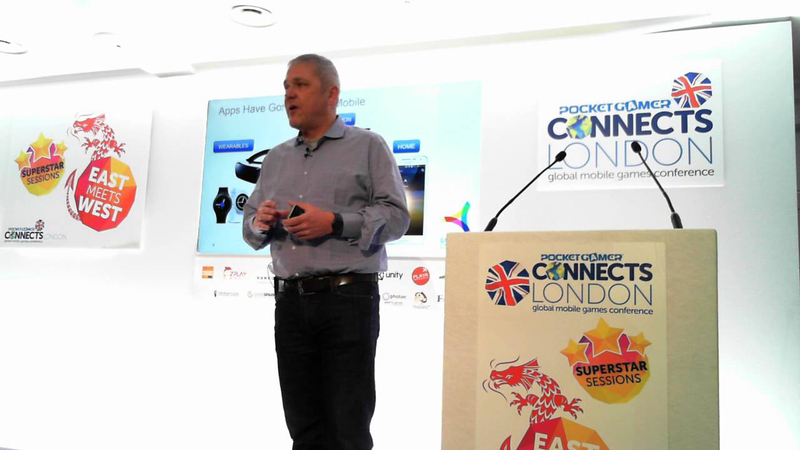
How and why Samsung is working with mobile game developers
Samsung’s strategy for mobile game developers centers on leveraging the Galaxy App Store as a premium distribution channel within the broader Android ecosystem.
- Samsung positions the Galaxy App Store as a premium alternative to saturated marketplaces by using human-led curation to solve developer discoverability issues.
- The platform reaches a significant audience through 92 million active devices in the United States and the distribution of approximately 40 million new devices annually.
- Samsung facilitates monetization for developers by leveraging a user base of 30 million registered accounts, many of which already have payment methods on file.
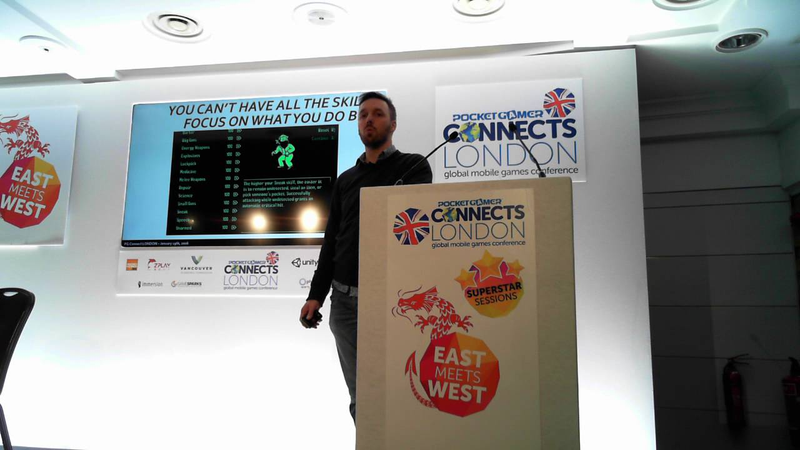
Square Enix Montreal on the hard learnings going from console to mobile success
Square Enix Montreal’s transition from a large-scale console developer to a successful mobile publisher serves as a case study in the necessity of organizational agility and strategic focus.
- Platform store discovery drives over 50 percent of user acquisition, significantly outperforming traditional media and social channels.
- Securing 'Editor’s Choice' or 'Game of the Year' status on app stores can triple revenue compared to standard featuring while generating millions of additional impressions.
- Transitioning from console to mobile requires hiring for a mobile-first mindset, as console-hardened developers often struggle with the leaner, iterative development cycles required for mobile.