Mobile reports and market data
Documents

Intro to UX Design - User Experience and You - Extra Credits
User experience (UX) design has emerged as a critical discipline in game development, serving as the bridge between complex game systems and the player.
- UX design acts as the essential bridge between complex game mechanics and the player, ensuring systems are presented, taught, and interacted with effectively.
- UX designers function as the player's primary advocate, collaborating across disciplines to simplify overly complex mechanics and ensure accessibility.
- Effective UX design is often invisible to the player, seamlessly facilitating gameplay through intuitive interfaces and flow management.

China Mobile Market Update: April 2017
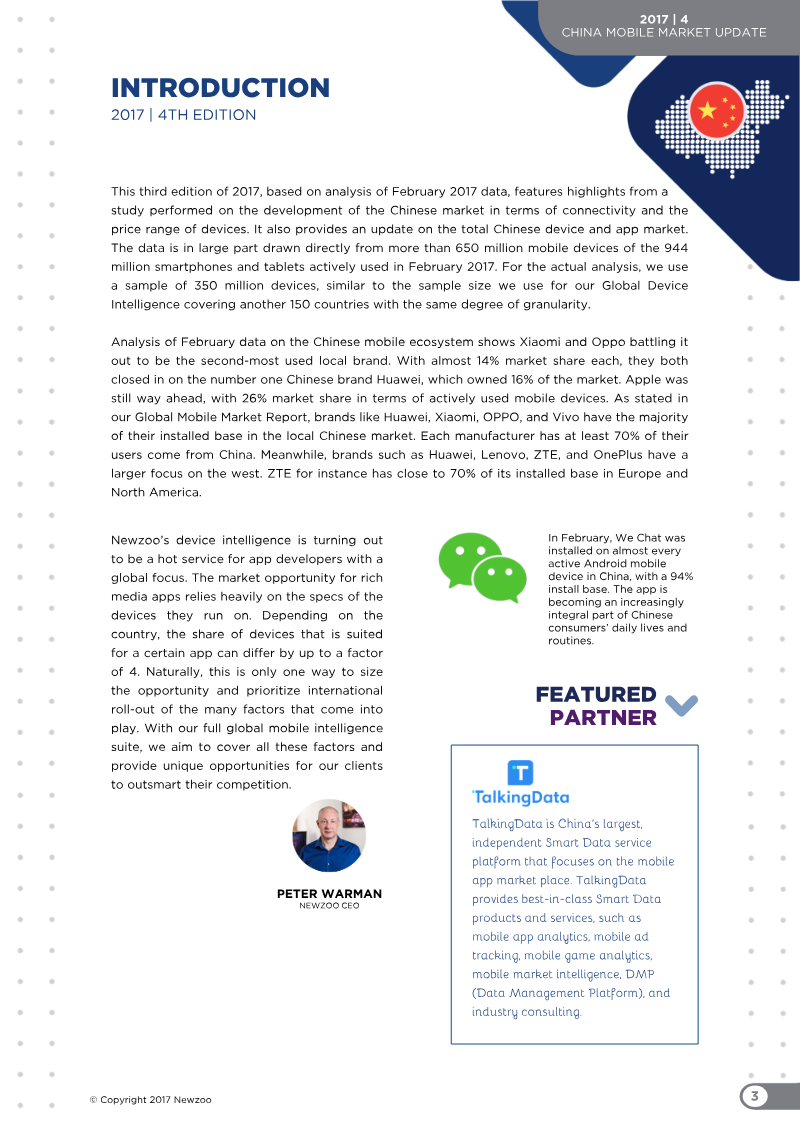
This analysis of the Chinese mobile market, based on February 2017 data, examines the landscape of device usage, app store penetration, and consumer connectivity trends.
- Apple leads the Chinese mobile market with a 26.3% share of active devices, followed by Huawei at 15.6% and Xiaomi and Oppo at 13.8% each.
- 4G connectivity has become the standard, with 57.9% of active devices using the network in February 2017 compared to 31.6% in 2015.
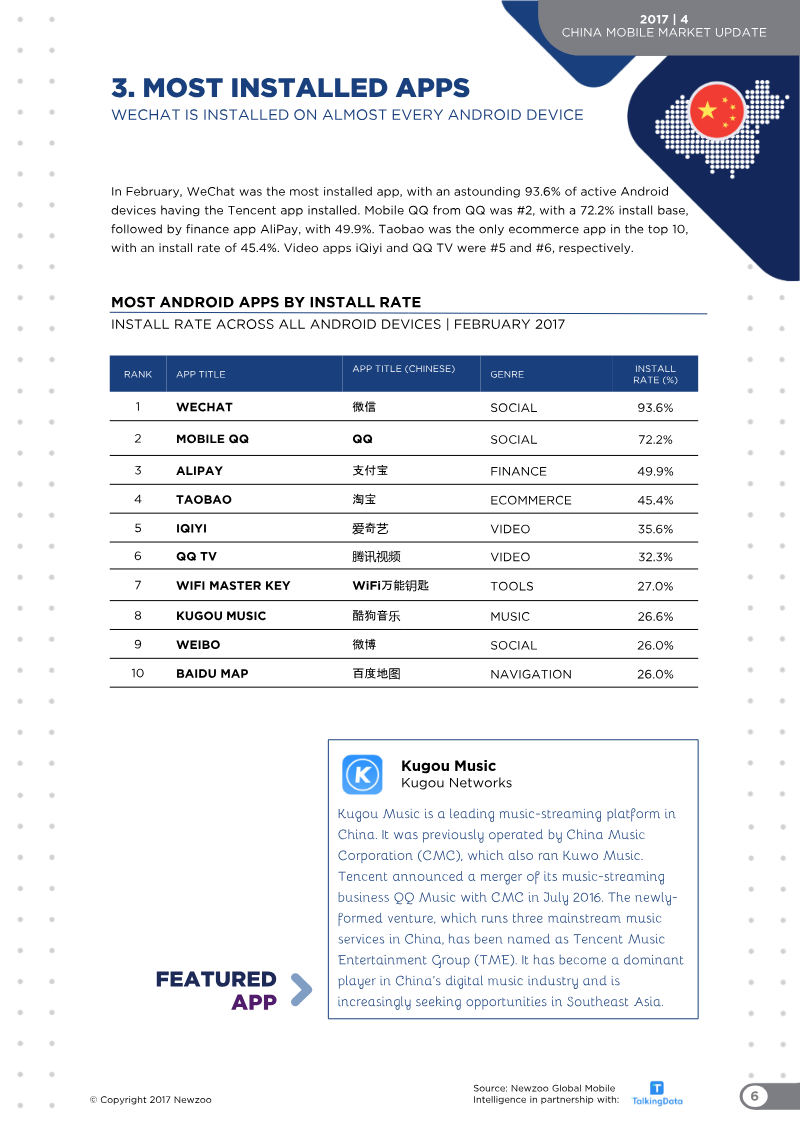
- WeChat maintains near-universal dominance in the Android ecosystem, installed on 93.6% of active devices.
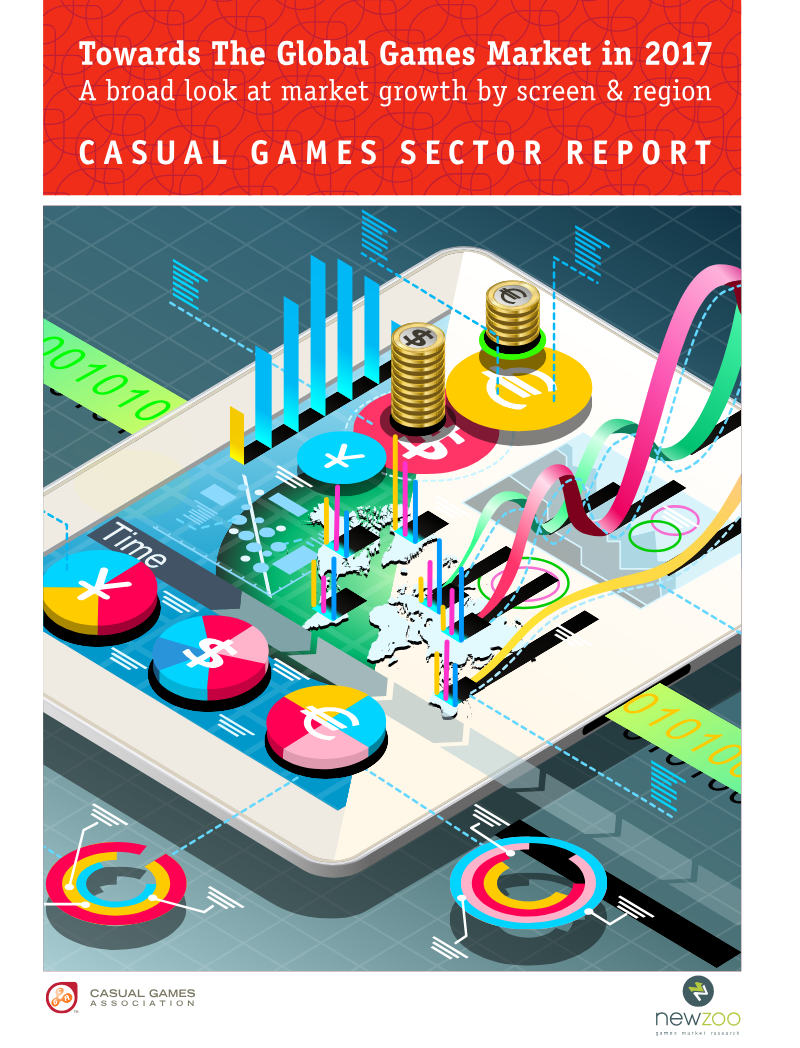
Casual Games Sector Report: 2017
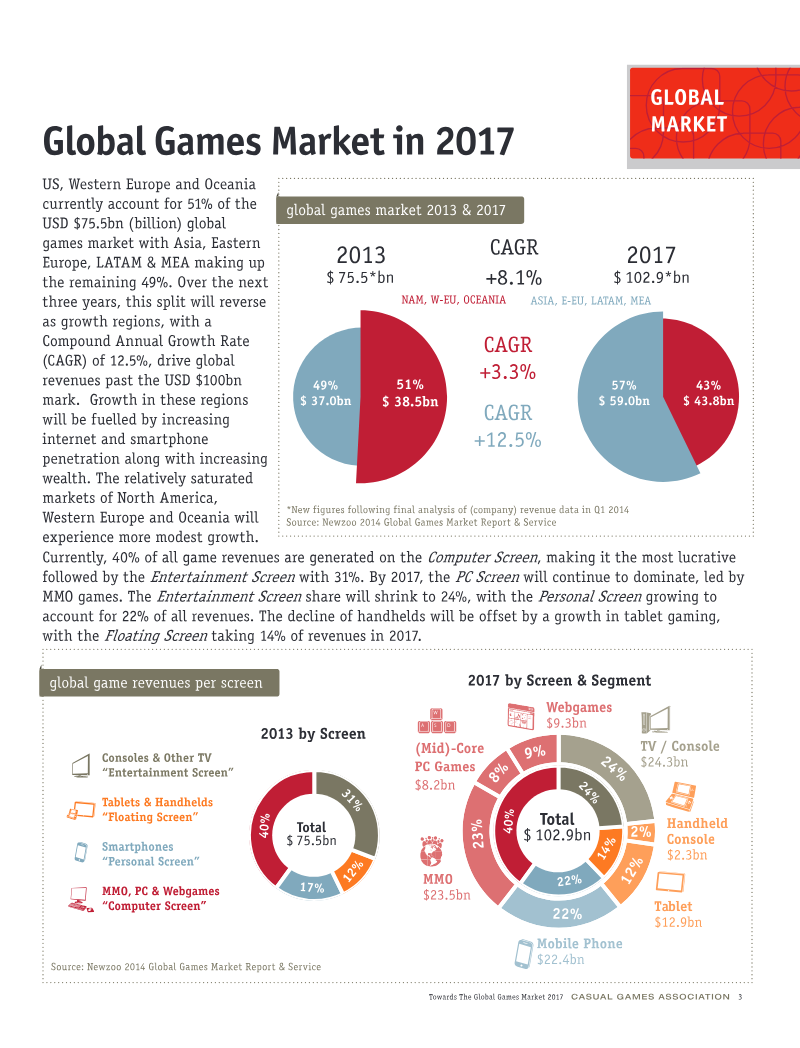
The global games market is undergoing a period of rapid expansion and structural transformation, with total revenues projected to exceed $100 billion by 2017.
- The global games market is projected to grow at a 12.5% CAGR, exceeding $100 billion in revenue by 2017, with growth driven by emerging regions including Asia, Eastern Europe, Latin America, and the Middle East/Africa.
- Mobile gaming is the fastest-growing segment, with revenues expected to rise from over $17 billion in 2013 (23% of the market) to over $35 billion by 2017 (34% of the market).
- The number of mobile gamers is forecast to increase from 1.33 billion in 2013 to 1.82 billion by 2017, with significant growth occurring in both mature and emerging markets.

China Mobile Market Update: December 2017
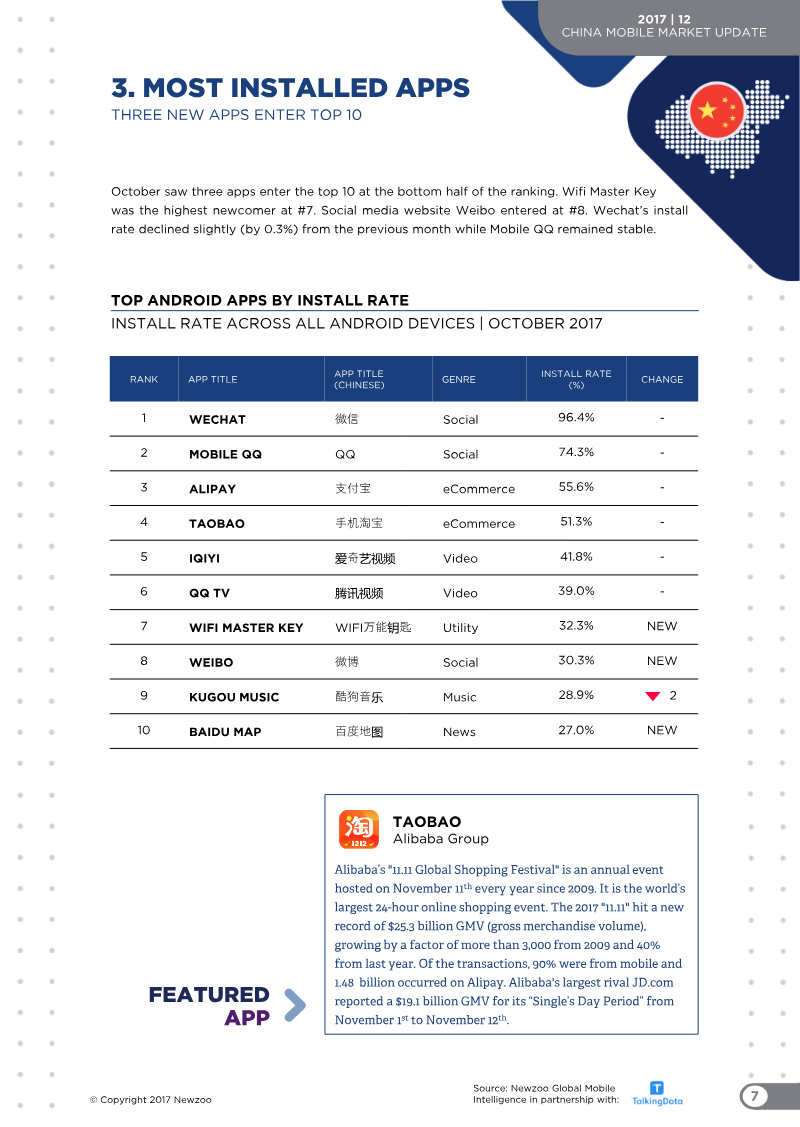
The Chinese mobile market remained stable throughout October 2017, characterized by consistent brand rankings and steady adoption rates.
- Apple maintained a 25.6% market share in China as of October 2017, with the iPhone X showing significantly higher adoption rates among high-end users compared to the iPhone 8 and 8 Plus.
- Domestic manufacturers OPPO, Huawei, Vivo, and Xiaomi continued to dominate the remainder of the 947 million device market, primarily focusing on mid-to-low-end segments.
- Tencent and NetEase dominated the gaming sector, with Honor of Kings leading Android revenue while both companies aggressively pivoted toward mobile battle royale titles.

Mobile Games Whitebook: Q1 2017
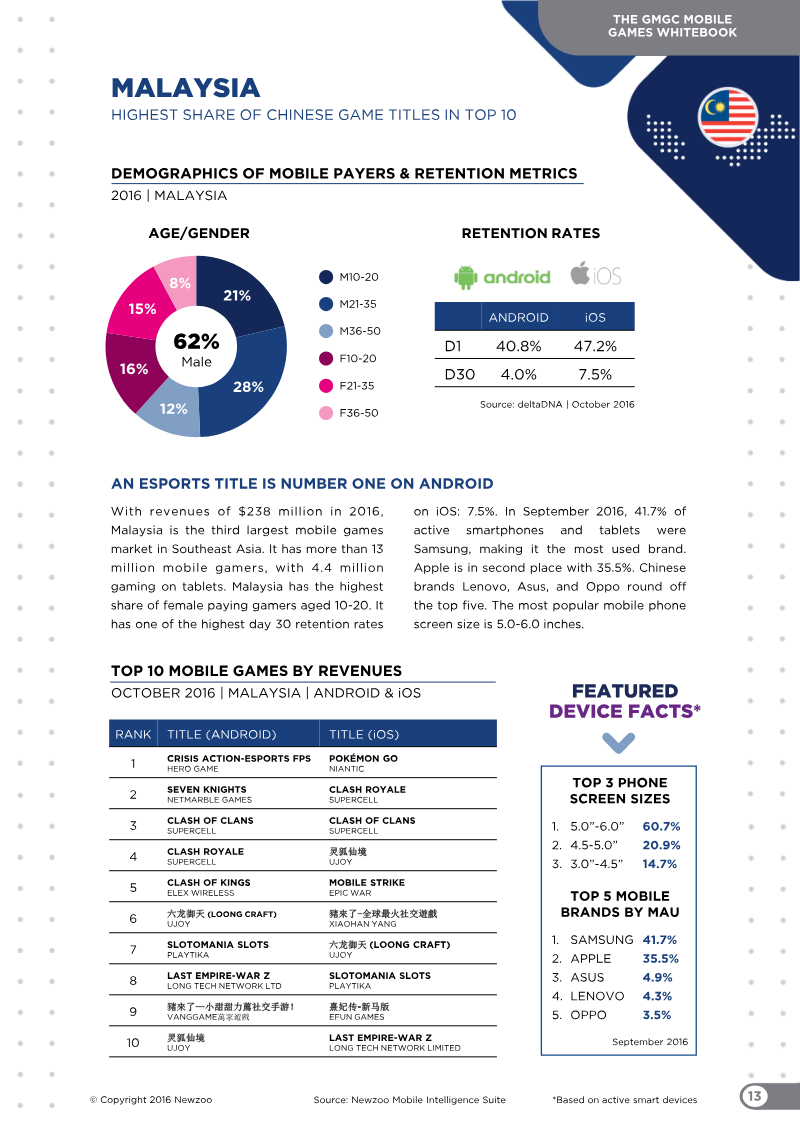
The mobile gaming market in Southeast Asia is experiencing rapid expansion, positioning the region as a global leader in growth.
- Southeast Asia's mobile gaming revenue is projected to grow at a 45.3% compound annual growth rate between 2015 and 2019.
- The 'Big Six' markets—Indonesia, Malaysia, the Philippines, Singapore, Thailand, and Vietnam—generate 97% of the region's total mobile gaming revenue.
- The region is the world's fastest-growing esports market, with the number of enthusiasts expected to rise from 9.5 million in 2016 to 20 million by 2019.

Global Mobile Market Report 2017
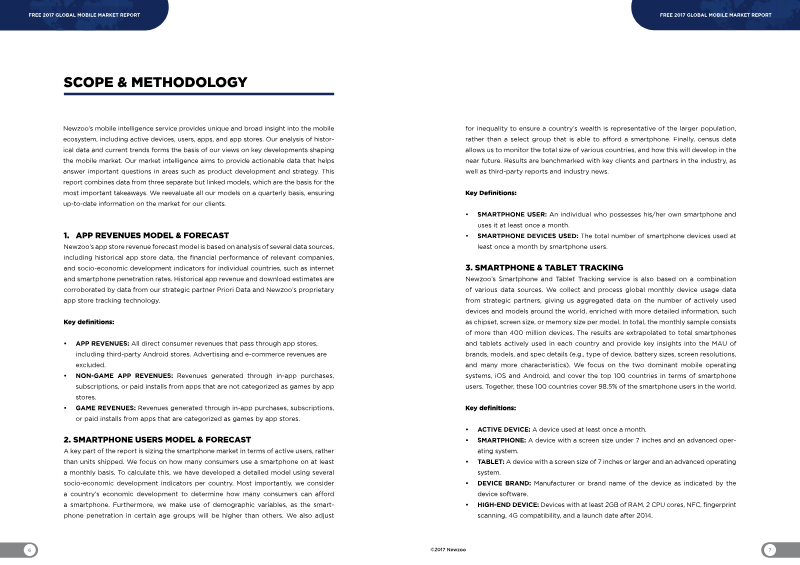
The global mobile market is undergoing a period of rapid expansion, with the total number of smartphone users projected to climb from 2.3 billion in 2016 to 3.6 billion by 2020.
- The global smartphone user base is projected to grow from 2.3 billion in 2016 to 3.6 billion by 2020, driven primarily by adoption in the Asia-Pacific region.
- Mobile games currently dominate the app economy, accounting for 82% of the $56.4 billion in projected 2017 revenue.
- Total app economy revenue is expected to reach $85 billion by 2020, with non-game applications steadily increasing their market share.

2017 Global Games Market Report
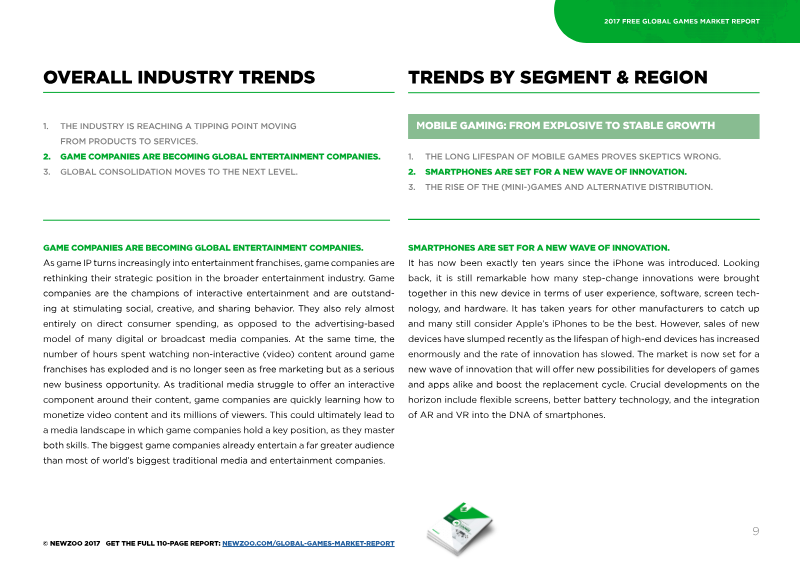
The 2017 Global Games Market Report analyzes the state of the interactive entertainment industry, identifying a pivotal shift toward a "games-as-a-service" model.
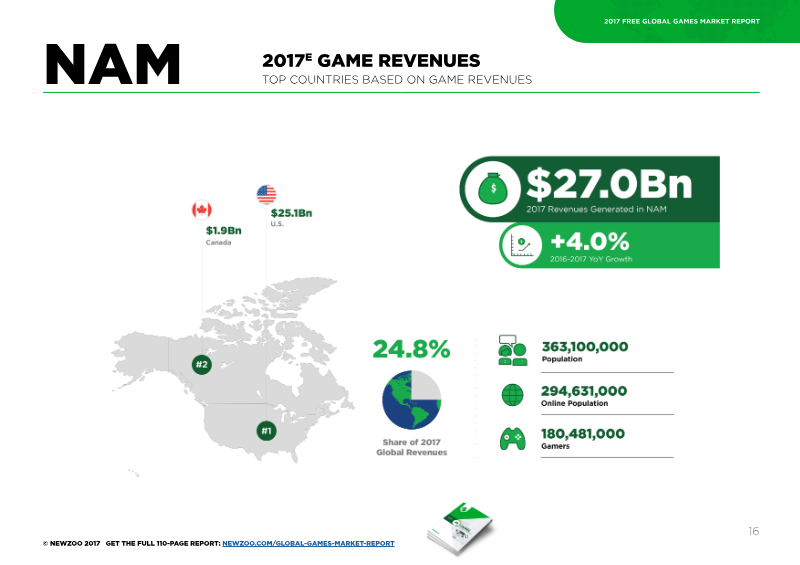
- The global games market reached $108.9 billion in 2017, driven by a fundamental industry shift toward a 'games-as-a-service' business model.
- Mobile gaming is the industry's dominant segment, generating 42% of total market revenue with 2.1 billion players and a projected 50% market share by 2020.
- The Asia-Pacific region is the largest global market, accounting for $51.2 billion in revenue, nearly half of the global total, followed by North America at $27 billion.

How to delight players with amazing customer service
The primary objective of this presentation is to demonstrate how small game development studios can scale high-quality customer service to improve player retention and brand loyalty.
- Treat customer service as a strategic marketing function rather than a reactive cost center to drive player retention and long-term brand loyalty.
- Integrate support tools directly into the game architecture to allow agents to access real-time player data, view payment histories, and modify save files instantly.
- Implement a 'player happiness' philosophy that mandates responding to all support inquiries within a 24-hour window.

How developers are combining physical toys with digital worlds
The intersection of physical toys and digital services represents a significant evolution in the gaming and toy industries, driven by the emergence of hybrid playful experiences.
- The hybrid toy-digital market underwent a period of rapid expansion between 2012 and 2014, driven by the commercial success of 'toys-to-life' models like Skylanders.
- The scope of hybrid product development has expanded beyond children's entertainment to include adult-oriented gadgets, programmable robotics, and professional performance-tracking tools.
- Technological advancements in 3D printing and sensor miniaturization are enabling new methods of personalized manufacturing and rapid prototyping for physical-digital products.

A look at Asian game mechanics like gachas and how you could use them
The integration of Asian game mechanics, particularly gacha systems, offers Western developers a robust framework for enhancing player retention and long-term monetization.
- RPGs utilizing gacha mechanics consistently outperform other genres in per-user revenue on the North American App Store, helping to offset rising user acquisition costs.
- Live events are the primary driver for revenue spikes in the gacha model, frequently generating tenfold increases in daily earnings.
- Successful mobile titles require a dual-layer structure: a simple, engaging core loop paired with a complex, rewarding metagame that facilitates long-term progression.
How to make your mobile games more accessible to people with disabilities and impairments
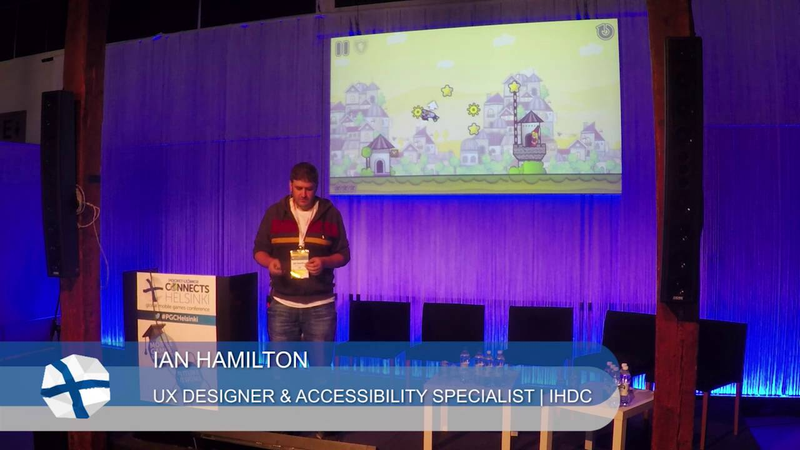
Accessibility in mobile gaming is defined as the removal of environmental barriers that prevent individuals with medical conditions from engaging with digital content.
- Accessibility is defined as the removal of environmental barriers, with approximately 18% to 20% of the global population living with a disability.
- Designing for accessibility expands market reach and improves engagement for all players, including those facing situational impairments like bright sunlight or noisy environments.
- Developers should prioritize vision, hearing, and motor control by implementing high-contrast interfaces, scalable text, and robust, customizable subtitle options.
How to survive the games industry's IndieAppocalypse
The mobile gaming industry has transitioned from a period of democratization to a highly saturated market, often described as an "IndieApocalypse."
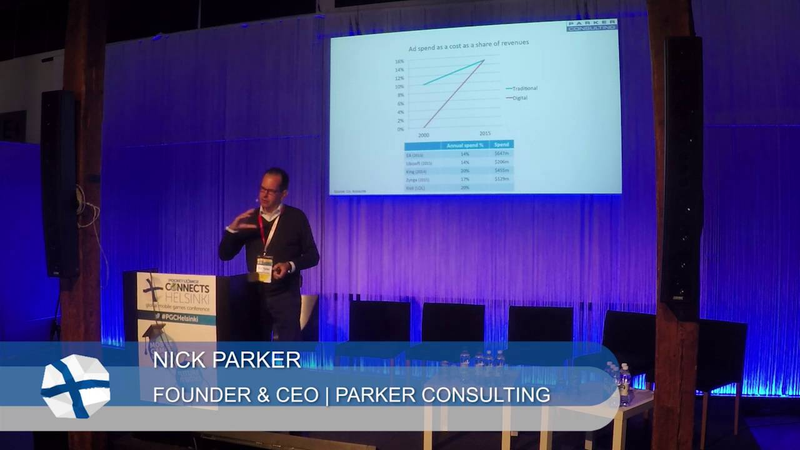
- The mobile gaming market is highly consolidated, with the top ten titles capturing approximately 43% of all global revenue.
- Discovery is the primary barrier to entry in a saturated market containing over 600,000 game apps on iOS.
- Studios must treat development as a rigorous business, as many failures stem from a lack of formal strategy, clear monetization models, or sufficient capital.