1 free read left. Create a free account for unlimited reading + AI research.
Create free account
How to survive the games industry's IndieAppocalypse
Key insights
7 takeaways- 01The mobile gaming market is highly consolidated, with the top ten titles capturing approximately 43% of all global revenue.
- 02Discovery is the primary barrier to entry in a saturated market containing over 600,000 game apps on iOS.
- 03Studios must treat development as a rigorous business, as many failures stem from a lack of formal strategy, clear monetization models, or sufficient capital.
- 04Developers should allocate a dedicated marketing budget equal to at least 10% of projected future revenues to ensure commercial viability.
- 05A sustainable growth strategy necessitates a balanced approach that combines long-term community building with targeted paid user acquisition campaigns.
- 06Success requires moving beyond reliance on organic virality by utilizing professional assets, including high-quality trailers, PR campaigns, and influencer partnerships.
- 07The industry has shifted away from a low-barrier hobbyist environment, now favoring studios that operate with the structure and discipline of established corporate entities.
Ask AI about this video
Transcript
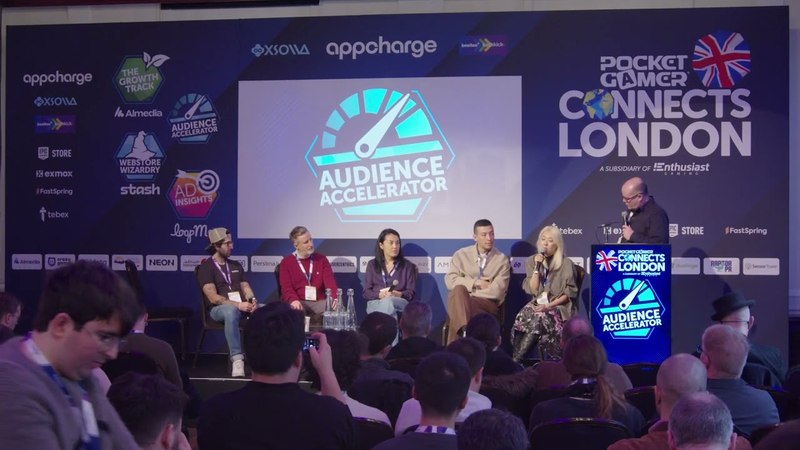
I [Music] wouldn't no rush to go because you're going to learn some home truths about mobile gaming now and about developments and how we make our games work in the market I'm I've been around the market and I've been in the industry now for 25 years I started with Nintendo and I went to sony computer entertainment I was a VP attique planning for Europe so that included ops ii scandinavia and more recently for the last 14 years I've had my own consultancy and I provide a number of clients and seeds are some of my clients a lot of the big companies the public companies but I provide them with strategic advice I provide them with due diligence for those who are investing in the industry I know a lot of investors VC side but also high net worths project finance
companies who can help developers build games and I and I work for the investors but also work for the small businesses to raise capital so I've raised business and personally invested in companies here and helped with due diligence in the UK as well so what I'm going to talk today is called indie apocalipsis really about learning some home truths really about development in mobile and how we can get over those but it's quite serious we look at gaming as an easy sort of hobby sometimes and unfortunately developing games it's our business so I'm going to kick up some good news first of all and these are numbers that we all aware of it's a it's a growing market this is a global size of the market potentially up to 100 billion if you listen to a number of people I try to keep on conservative side on a global basis and that green part is a digital media and digital
video games on mobile devices on PC mm oh jeez MMOs and there's some of the brands there that we're all familiar with and then the red is really steamed primarily it's download and console download of the blue and the blue is traditional boxed [Music] console and PC games so if you see the peak there in 2008 was obviously the wii and then in there and ever since it's been in decline and but the red part of it is growing as as people move from buying boxes to downloading them so that's good news the digital green part I showed you there is primarily driven by by mobile gaming a mobile gaming is set to grow to about 40 billion on a worldwide basis easily the fastest growing section and mobile is driven by free-to-play over eighty five percent of revenues are coming out of free games okay and then below that we have multiple gun online games such as we got
examples of World of Warcraft League of Legends what is Hanks and then social the mobile a social Linda and casual their facebook games big fish games and the casual side right so this is all great news and then even more good news is that we have smartphone addressable market and red there is is growing there are obviously going to be more and more smartphones adopted as the population grows people to trance move to different kind of contracts for mobile phones so it's a growing a decibel market there are more people to sell games to and in games revenues showed you before is set to grow there on a global basis so all very good stuff however this is the bad news unfortunately mobile games five years ago was very exciting as we called it a democratization of developer finally developer come up with the game and talk directly to the platform holder such as iOS or Android and that was all good
stuff however we've now got 600,000 game apps which about twenty four percent of all apps on mobile such as on iOS so the problem is trying to find them so you know where's wally if you heard of words Wally so it's trying to find that that your game amongst all those people there on the beach where is wally where is my game and this is the biggest problem and if we look at year on year on year that's the same top sellers every year so you might get more people buying games and more people coming into the market playing games but they're still playing the same games there might be differences regionally but overall all those new people we saw the addressable market growing i still buy the same games year-on-year and those top ten of which we have some Finnish Finnish developers they count for about
forty three percent of all mobile games revenues on a global basis so you've really got a very tight problem trying to get your game heard so it's games development for me is about business and economics as well as creativity design and positioning we all want to make interesting games but unfortunately we need to make sure we're running a business and supply outstrips demand there are obviously more people out there but however there are many more games out there and so therefore people will only buy the games they really want to play and most games actually don't and get any exposure I'll go viral you launch it you reckon you can launch it because you can dialogue directly with the the platform holder like like Apple or Google but you won't necessarily be able to get any more promotion than that you cannot necessarily get featured you have no other form of promoting your game if I
just bite sticking it up there and unfortunately most studios have no business strategy then a business model vision they don't even have a great pitch to finance because fundamentally you're a creative and you create the interesting game that you love but that's really what you're mainly interested in you're not there for wanting to be ambitious with understanding business or in terms of putting together a really good deck for two to raise capital which is tough and also it takes up time it's a real distraction talking to investors and also difficult for developer to negotiate the publishing route is you don't just ring up Apple and say listen guys I've got this great game can you please plate it up neck in a couple of weeks time you need to have a publishing route you need to understand that route to market the sales and marketing and also it costs money marketing costs money gone are the days where oh I can stick a few tweets out put it on Facebook morality I mean also it all
helps unfortunately you can't build a total platform for a game purely on I'm hoping on on virality so you need to get you need to buy some marketing assets and you need to have some trailers and you need to get into PR you need to get the game featured a launch need to get the game reviewed and you need to get word of mouth being driven around the industry and unfortunately most development studio is closed down after the first game because they've got no class flow if the game can't the first game can't support the business in terms of driving cash flow then the business closes down you know we see it all the time you see two guys three guys maybe a bigger team they've they've managed to raise some money their own money perhaps they've got some maybe some local funding and the game is okay but it's not great it's not driving enough revenues or profit to be able to sustain the team for the next development to a lot of them have to just close down so back to marketing now the red line is
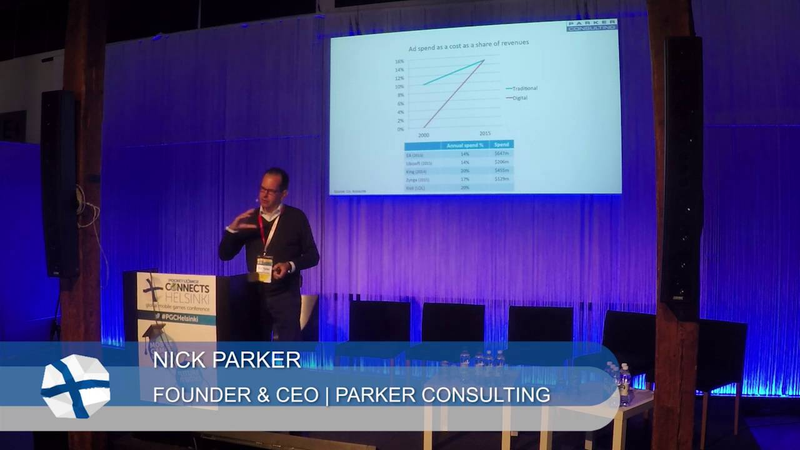
is digital basically around about 2,000 marketing was zero and then it grew with with the advent of social media into into word of mouth still there wasn't very very much being spent and so as a percentage of the share of revenues this is how a lot of people will forecast the amount of marketing they're gonna spend I look at the forecast of the revenues they're going to make on the game and they will take a percentage now really you've got to be realistic here that it's going to cost you at least ten percent of your fortune future revenues to be able to market the game and you know it's difficult because you think wow ten percent that's a lot you know I've got this one hundred thousand pound development hundred thousand euro development budget and I've got to spend another 10,000 on marketing well I don't have that money and if a game slips I'm going to divert that marketing budget back into the development budget so
where am I going to get this money for marketing however you need to because everybody else is spending money on marketing and just a few examples here of some of the big publishers they're spending up to twenty percent of their revenues are marketing I know some of that will be on but what we call above the line marketing like TV and radio and billboards and posters however that growth there's no doubt that the splendor of marketing has been growing over the last few years so we need to be aware of that so if you had 75 thousand euros to play with in your marketing budget which is a kind of at least the least amount you need to really have to get your game going I mean you know you hear about lucky stories you hear about games maybe on on Steam like fire watch they did very little they had a great video promotional video up front a year before launch which was promoted through IGN had about 150 hundred seventy thousand views and then they put out some word
about the actual launch date but they didn't actually do any of any more marketing than that but it's just the euphoria behind the game the expectation was enough to drive it but that is exceptional it's not something that you can say hey but look a fire watch you know that's what we can do that we can just read okie building it doesn't it's not going to be enough to rely on so you have to think about maybe a 75,000 year budget so you're gonna have to website for that you obviously need a website you need to have updating the news blogs fa Q's somewhere to go to a home to go to for your for your game usually two trailers a preview trailer right you're going to announce the game you preview it goes out there amongst the media through the PR you're going to have hopefully and then a launch trailer so it'll be more sophisticated to be the more of the game play in it more of a reveal you're going to have to have PR which is basically placing those two trailers and getting a somebody to write up your game amongst all the primary big online
publishers across surfing on a global basis you know you can focus on key to key markets we've got understand who those key markets are it's not easy enough just to say Europe USA there's a lot of activity as we know in the Far East and in South America and obviously social media because that's the sort of safety net really for all your activities you know youtube facebook twitter vines blogs and vlogs and is a company called Fame there's anybody no Fame bit none okay where's the company you should get to know because it's quite a cheap way to get exposure on vlogs & blogs so you've got the way it works is that you pay quite a cheaper mount it could be anything from fifty dollars to five hundred dollars depending on the number of views the user can more or less gets on an average view for a game that they're reviewing it also gets you access to smaller territories and markets you might not have access to so there might be for example in Russia or in Brazil a blogger that's getting like 200,000
views on average for their these vlog about their games they play and you would pay for somebody like that maybe about 250 to 500 dollars which isn't a lot of money yeah and the way it works is you put your game up you invite people to to vlog and vloggers like that it's like an aggregator of vloggers if you like and then you're either going to have other costs to localizing the game or localizing the marketing so the trailer might have to be subtitled it might have to be localized yeah because some territories need to have localization and then you really need somebody to brief those agencies which could be an extra cost it could be could be you it could be somebody you bring in or you know II but but you need to have somebody who is controlling that marketing it has a plan going through to launch and it's all sounds so structured and corporate but unfortunately as I said this isn't a hobby anymore we're running a business you know now you could also buy viewers through CP CP i-- this is CPL you cost per loyal
users this is an index of fixed to publish and you can see that actually it's been pretty static it tends to go down in the spring so we're looking at a two point five dollars to three three dollars cost per accessing each user okay so it's quite a lot you got to spend three dollars for every person you want to play your game but it's looking around about that average at the moment about three dollars to get a loyal user this is pretty pretty flat actually people talk about the inflation of marketing but I'd say that you know with it advent of type of bidding engines and a little bit more a split second type marketing through into the games is is keeping the costs of that quite an efficient rate and and these are some of the major advertising platforms and networks which you should be all familiar with these are companies that you would use therefore to create that CPI drive if you have that level of marketing spend and they also their companies that will provide a lot of stats as well but they
will give you access to a larger corporate outside the games industry as well so maybe some fmcg type businesses who will who will be advertising you can you can pick you back on and use so the conclusions to all this I said it's a bit brutal I know but you're more likely to fail and succeed unfortunately as a mobile developer you don't need to sell millions to achieve your business plan if my business plan suits me for my business I have five guys to support and I have sell 150,000 units and that will provide me with revenues and profit enough tips keep my guys going over the next two or three years Wieck starts develop other titles that's fine that's your business model right so you don't have to go look out there are we've got to achieve millions and millions you've got to have something sustains your business only you know your business obviously going to have to need an experienced simard really interesting idea unfortunately finance raising capital is
based primarily on the people you invest in the people people with track record people have been around some time that you can trust build the next great game yeah very difficult as a young two guys in a garage type to get any money except for maybe some high net worths who like your game you capture their attention and there'll be some money for money there you could you can talk to local support local government support which which will help out but really you know if you're going to get some serious money you've got to have had some experience in developing games and you're gonna need a marketing budget somebody to deliver it as I've just said you know we marketing is vital now and games is not a it's not a hobby okay it's not a hobby anymore it's not something you can do just a sort of like on the side it's gotta be you got to be treating it as a business and quite honestly if you don't take this seriously you're the walking dead this is a business now yeah and we have to think like bigger businesses we have
to think more like traditional agents regarding our marketing and Oxbow exposure so yes I'm sorry to be so bleak but that is that is unfortunately the the facts of life at the moment and so that's that's me done so thank you very much thank thanks Nick are there any questions oh we've got one Austin Nick sorry yeah just doesn't don't run away yet yeah yeah hi yep hey um so yeah thanks for the talk good talk thank you um you had a slide where you had 75 thousand euros and seem to concentrate a lot of it on PR and websites and pressed etc hmm and honestly in our experience like you you might get a few hundred users out of that but you don't get large volumes also with the influences as well I think it can work if you do you know prolonged campaigns over of a long time but it's not the immediate success stories we're
here and at least I I personally from my view advise better just putting that into you a and doing paid marketing with that rather than you know just do one trailer and try that rather than spread that across a lot of traditional digital media sources yeah like I was wondering is that something you'd strictly disagree with or did not not at all I think that a long as you're prepared to have a budget in the first place you know you're halfway there how you spend it it's on a case-by-case basis and what suits you you know it could be that that and I say this Li the amount of 75,000 isn't 75,000 on the first day or just on launch time you're talking about leading up to launch to talk about post-launch activity and that company i was mentioning faint bit is primarily post-launch so that you know six months later right I'm going to buy thousand dollars and fame bit or but but I think you know CPI and acquiring users is is is a good way to go and I think that as I said you know there are a number of different agencies and networks there
will will do it for you so I don't really have any any real opinion as to yes you should definitely do that or do something else I think that what works for some people depends on the type of game as well I mean sometimes CPI is not great for some narrative-driven you need to have something which is kind of if it's something more abstract you need to have something you need to have to see the game and you need to be able to get some appreciation of what the game is about so like like a slow burn over that year is is is quite good rather than just sheer buying buying and the CPI works as well back on the back of a Pete / PR campaign because people already heard the cat about the game then one can lead to the other so you can combine the two any other people any other questions oh we've got one more that mean take one more in them all
hello Jeff so I'd like to say that uh of course the game development is not viable aside you know if you're a hobbyist you shouldn't go into business but we know that there will be you know hobbyist game makers thousands of them making games but how do you think that are or how would you say that they should try to separate ourselves from those people for example if you go to the App Store you don't know what game has been made by a hobbyist or are you know a professional developer other than you know taking a look at it well I mean ideally it's the game isn't it a better game that differentiates everybody from everybody else so ideally if you've got it to that point where it's in the marketplace then I don't think necessarily the consumer gamer is going to actually look at it and go watch I prefer that one to that one because this is just two guys in the garage but this business this is super cell you know I think that I'm a Nazi anywhere in between so I think that you've got to appreciate that it's all about the game I don't think necessary want Matt which you want to have you know a hobbyists
more of a hobbyist element compared to those who are more corporate we hadn't see the difference do you think that would have doubled health in any way what I mean is that should shoot their beer you know a clear division for example that steam would be a professional game developer personally each dot IO is for you know strictly hobbyist or something like that yeah no I don't think so i think every platform should be is still democratic in that way and that anybody can can can go to that platform my point of being not so democratic is the fact that you need to be able to promote the game in a way that is more mature these days [Music] you
Summary
The mobile gaming industry has transitioned from a period of democratization to a highly saturated market, often described as an "IndieApocalypse." With over 600,000 game apps on platforms like iOS, the primary challenge for developers is discovery. Despite a growing global addressable market and rising revenues—projected to reach approximately $40 billion for mobile gaming—the market is heavily consolidated. The top ten titles account for roughly 43% of all global mobile gaming revenue, and consumer behavior remains stagnant, with users consistently gravitating toward the same established hits year after year.
Success in this environment requires treating game development as a rigorous business rather than a creative hobby. Many studios fail because they lack a formal business strategy, a clear monetization model, or the capital to sustain operations beyond their first title. A critical component of survival is the allocation of a dedicated marketing budget, which should ideally represent at least 10% of projected future revenues. Effective marketing strategies must move beyond reliance on organic virality and incorporate professional assets, including high-quality trailers, public relations campaigns, and influencer partnerships through platforms that connect developers with niche audiences.
While paid user acquisition through cost-per-loyal-user (CPI) models remains a standard industry practice, the effectiveness of these campaigns often depends on the specific nature of the game. A balanced approach that combines long-term PR and community building with targeted paid advertising is recommended. Ultimately, developers must recognize that the industry is no longer a low-barrier entry point for hobbyists. To secure investment and achieve commercial viability, studios must demonstrate professional experience, a sustainable business plan, and a commitment to sophisticated marketing, as the current market dynamics favor those who operate with the structure and discipline of established corporate entities.



















Comments