Mobile reports and market data
Documents
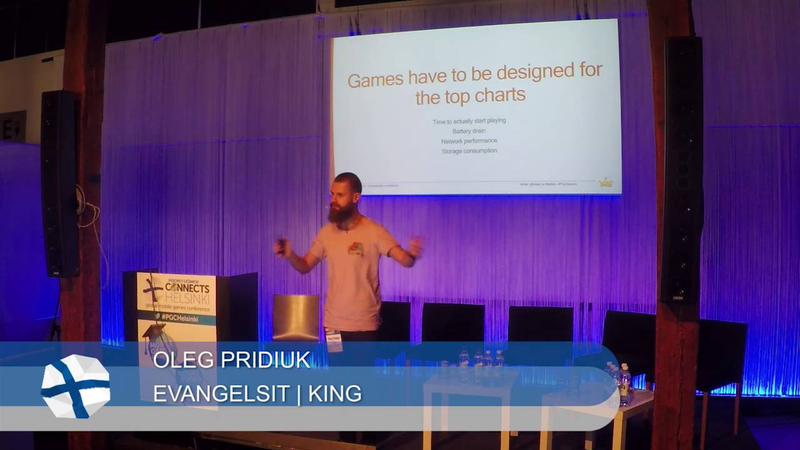
The tech and tools Candy Crush Saga maker King uses to make and release games
King utilizes a specialized technological infrastructure to maintain its position in the competitive free-to-play mobile gaming market.
- King prioritizes technical performance—specifically startup times, battery consumption, and network reliability—to ensure its games remain playable on low-end hardware, including devices running Android 2.3.
- The company utilizes a hybrid engine strategy, using Unity for rapid prototyping while relying on proprietary engines like Defold and Fiction Factory for final production to meet strict performance standards.
- King views technical efficiency as a prerequisite for marketing success, noting that poor runtime performance can effectively nullify investments in user acquisition.

The hows and whys of talent acquisition and nurturing a successful team in games
The Finnish game industry operates on a recruitment model that prioritizes personal networks, brand identity, and rigorous cultural vetting over standardized hiring practices.
- Hiring managers prioritize cultural alignment and value-fit over technical proficiency, often choosing to leave positions vacant rather than compromise on team cohesion.
- Small studios compete for senior talent by emphasizing team chemistry, self-motivation, and passion for the product rather than relying on standardized hiring practices.
- To bridge the talent gap between seasoned developers and entry-level applicants, studios are shifting toward structured internships, active mentorship, and project-based learning.
Finland – From feature phone to smart device
The evolution of the mobile gaming industry from the early feature phone era to the modern smart device market is defined by a transition from hardware-constrained experimentation to sophisticated, data-driven service models.
- The shift to free-to-play models has transformed mobile game development into a service-based industry that requires managing complex player economies, behavioral psychology, and long-term retention.
- Modern mobile gaming success is defined by the ability to balance high paid user acquisition costs against the lifetime value of players in a saturated market.
- The primary risk in the current mobile landscape has migrated from initial product development to the challenges of app discovery and user acquisition.
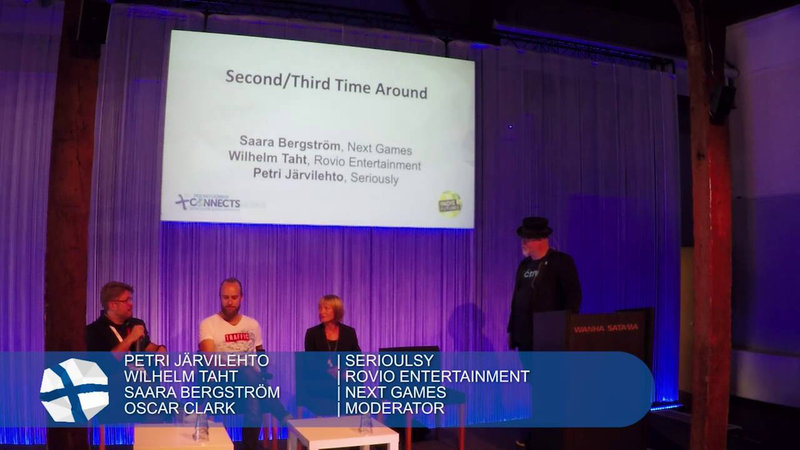
Finding success in mobile games the second and third time around
Long-term success in the mobile gaming industry is increasingly defined by the ability of veteran founders to apply lessons from previous ventures to leaner, more agile organizational structures.
- Long-term success in mobile gaming is increasingly driven by veteran founders who replace resource-heavy models with leaner, more agile organizational structures.
- Sustainable growth is achieved through disciplined team recalibration and a shift toward high-quality product development rather than relying on the luck of an initial hit.
- Studios should prioritize a values-driven culture of transparency and a player-first mindset to maintain operational clarity while scaling toward global brand status.
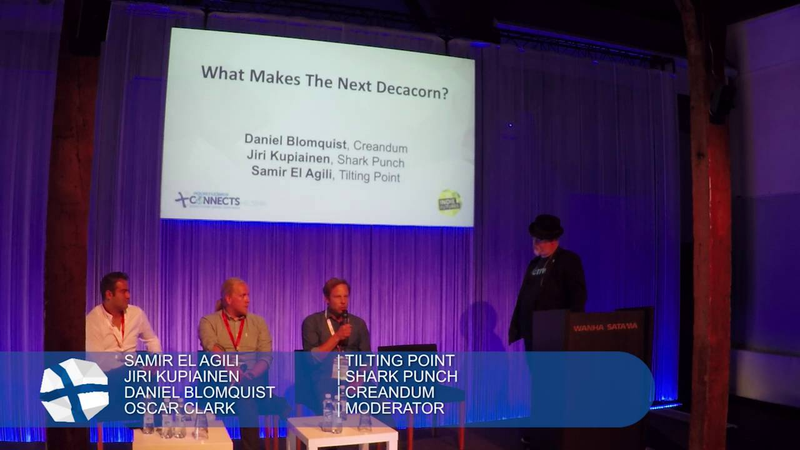
Who will be the next $10 billion games company after Supercell?
Achieving a ten-billion-dollar valuation in the gaming industry represents a critical milestone that validates the sector’s maturity for mainstream investors.
- Reaching a $10 billion valuation requires transitioning from a hit-driven creative studio to an agile, scalable platform builder that prioritizes operational structure over isolated game output.
- Future industry leaders must move beyond replicating the Supercell model, instead focusing on pioneering new gameplay mechanics and platforms to disrupt existing market dynamics.
- Sustainable long-term growth at the $10 billion scale depends on integrating advanced technology and robust live operations to maintain consistent player engagement.
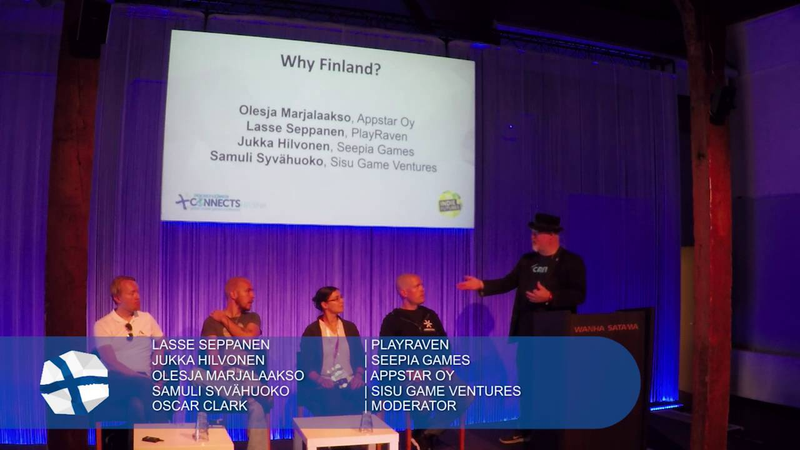
Is Helsinki saturated and can the Finnish games success still deliver indie talent?
The Finnish game industry maintains its global standing by leveraging a deeply ingrained culture of grassroots collaboration and radical transparency.
- The Finnish game industry's resilience is built on a non-zero-sum culture of radical transparency and peer mentorship, rooted in the 1980s demo scene.
- Market saturation and a widening talent gap are forcing studios to pivot from simple gameplay prototyping toward complex metagame design and long-term service operations.
- The domestic educational pipeline is currently insufficient, forcing studios to recruit senior talent internationally to fill specialized roles in free-to-play mechanics, monetization, and product marketing.
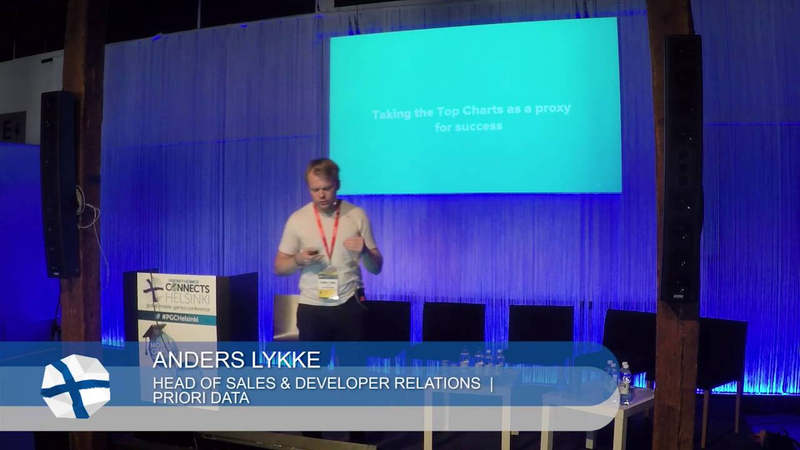
What market trends and developments in the app stores mean for indies
The mobile gaming industry remains a high-growth sector, with the market projected to reach $37 billion.
- The mobile gaming market is highly concentrated, with the top 100 companies capturing 75% of all downloads and 60% of total revenue.
- Independent developers face a severe discoverability trap where 90% of new games entering the top 200 charts exit within one week, and only 4% remain for more than two weeks.
- Recent platform updates from Google Play and the Apple App Store, including search advertising and subscription adjustments, are designed to favor established, large-scale publishers rather than independent studios.
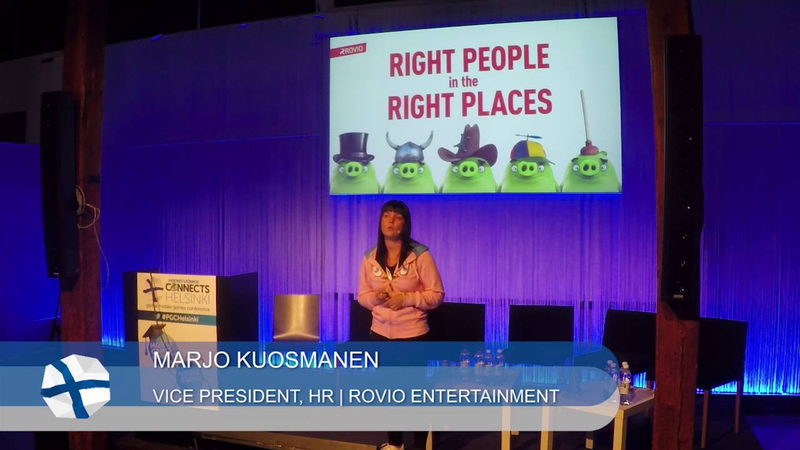
Games performance management and career models
Rovio Entertainment’s approach to performance management and career development centers on the philosophy that individual growth should not be tethered exclusively to management roles.
- Rovio Entertainment utilizes a dual-track career structure that allows employees to advance as either specialized individual contributors or leaders, decoupling professional growth from management roles.
- The company manages a global workforce of over 400 employees, with a demographic profile of 70% male, 30% female, and an average age of 35.
- Annual performance reviews are used to align individual contributions with the financial and operational targets of specific game business units.
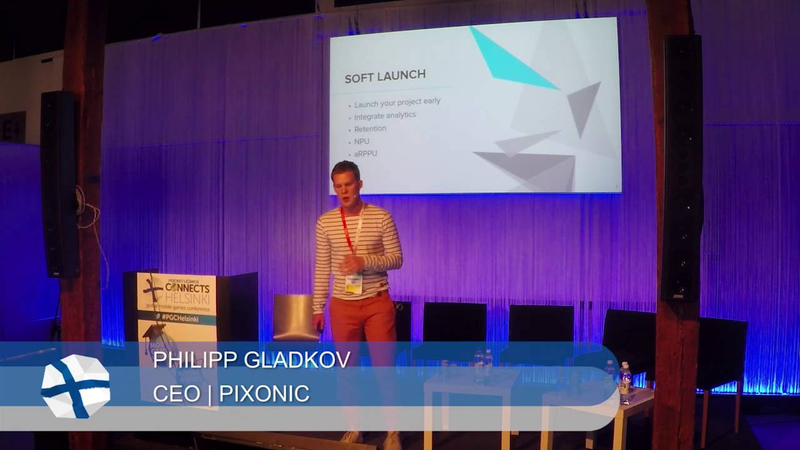
How Pixonic grew revenues for Walking War Robots from $0 to $1M a month
Pixonic’s strategy for scaling the mobile MMO shooter War Robots from zero to one million dollars in monthly revenue centers on a rigorous, data-driven approach to game development and financial management.
- Pixonic scaled War Robots to $1M in monthly revenue by utilizing factoring to bridge the gap between app store payment cycles and the need for rapid reinvestment in marketing and development.
- The company prioritized early-stage engagement metrics, specifically first-hour and first-day retention rates, over high-level content updates to validate product quality.
- A low-resource, small-scale experiment in the Japanese market successfully scaled to represent 20 percent of the game's total revenue.
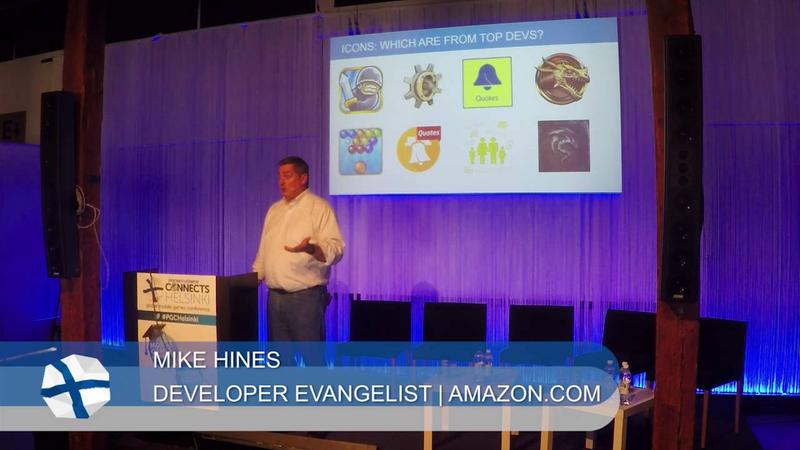
How to maximise organic downloads for your game
Maximizing organic downloads requires a disciplined, data-driven approach to app store optimization rather than relying on deceptive tactics.
- Optimizing video content to showcase actual gameplay rather than cinematic trailers can increase conversion rates by 19% to 35%.
- Crafting engaging marketing copy for product descriptions instead of keyword-stuffed text can improve conversion rates by 11% to 23%.
- Selecting an app name that strategically incorporates relevant keywords for a target audience can boost conversions by 22%.
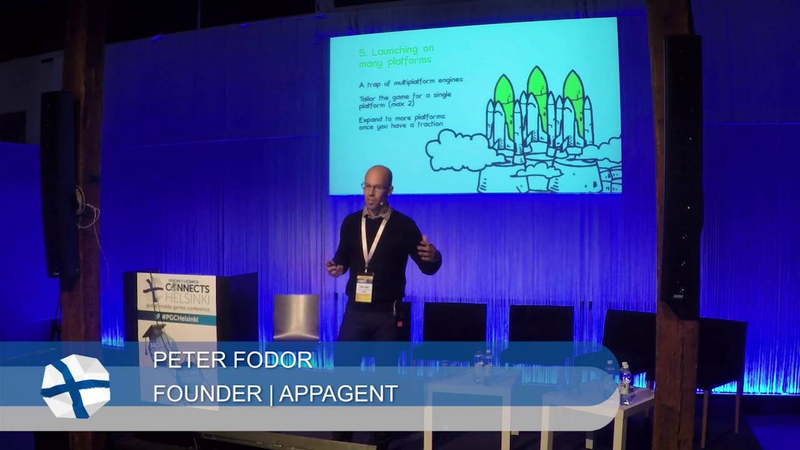
11 deadly marketing sins developers should avoid
The mobile gaming industry demands a strategic, data-driven approach to marketing and development to overcome the high failure rates inherent in the market.
- For free-to-play titles, developers must allocate approximately one-third of their total budget to marketing and user acquisition to account for the cash flow lag between initial spend and revenue realization.
- Rewarded video ads are a critical revenue driver, capable of accounting for up to one-third of a game's total income while simultaneously boosting player retention and conversion rates.
- Developers should launch on a single platform initially to concentrate resources and maximize the likelihood of securing platform-specific featuring opportunities.
Making a good living from games without superstar success
The mobile game industry is often characterized by a binary narrative of either massive, viral success or total failure.
- Independent developers can achieve long-term financial stability by targeting specific niches and avoiding the high-risk pursuit of viral, superstar success.
- Sustainable growth is driven by iterative development, where early releases serve as data-gathering tools to refine store mechanics and audience targeting.
- Cross-promotion between a portfolio of titles is a primary tactic for driving recurring revenue and leveraging existing player bases without massive marketing spend.