Mobile reports and market data
Documents
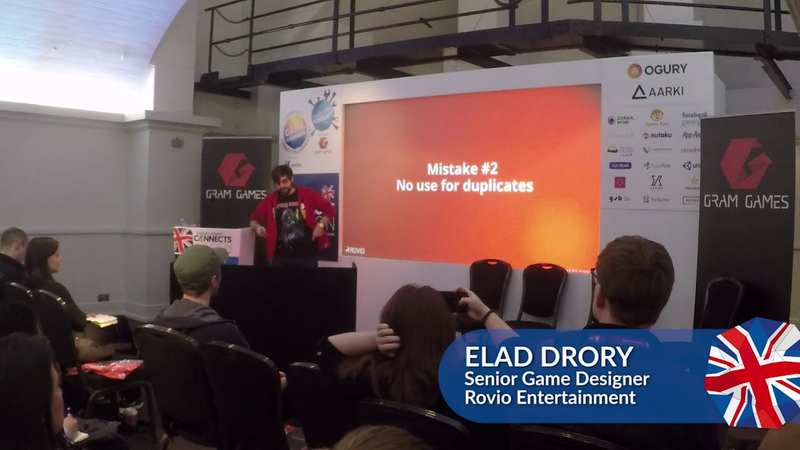
Top 5 mistakes designing free-to-play collectibles
This analysis outlines five critical design mistakes in free-to-play (F2P) collectible games, drawing on industry experience from titles like Angry Birds Evolution, Clash Royale, and Star Wars: Galaxy of Heroes.
- Prioritize long-term retention by making characters easy to acquire while gating their full potential behind significant time and resource-heavy upgrade paths.
- Prevent stagnant meta-games by enforcing collection diversity through attribute-based content gates, performance-based event boosts, and unit-specific counters.
- Mitigate player frustration in random drop systems by implementing 'safety nets' such as pity counters and currency-based exchange paths to anchor the value of digital goods.
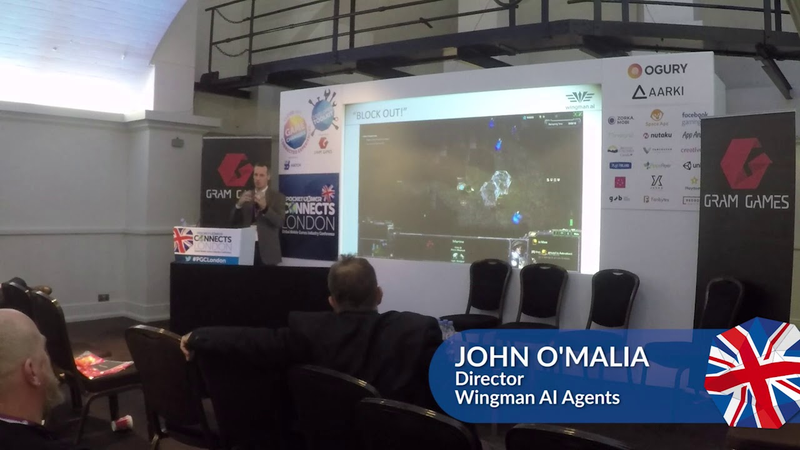
Meet your new and improved teammate! Human-directed AI agents and gaming
The integration of human-directed artificial intelligence agents represents a significant shift in gaming, moving away from traditional, disruptive bots toward collaborative, player-centric teammates.
- Human-directed AI agents are shifting from disruptive, hard-coded bots to collaborative teammates that function as extensions of the player through language-based interfaces.
- Semantic language wrappers allow players to issue real-time, high-level instructions for tasks like healing or tactical maneuvers, reducing the need for constant micromanagement.
- This technology can bridge the gap for the 50% of esports viewers who currently watch games without actively playing them by simplifying complex mechanics for broader accessibility.
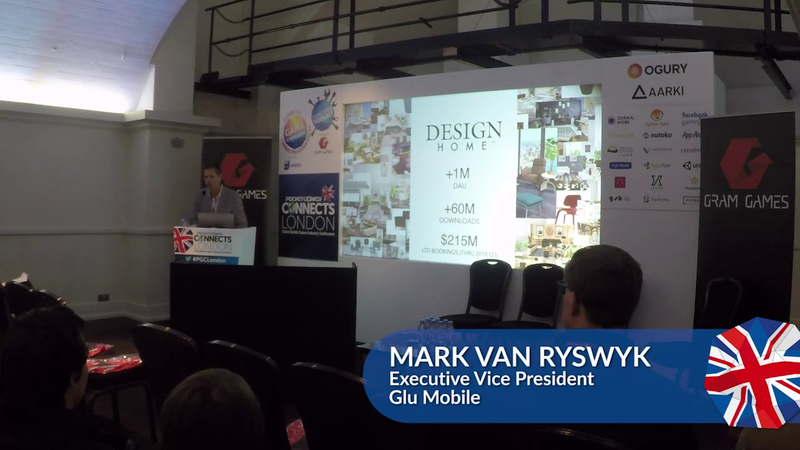
Redefining play – Blurring the lines between app and game
Design Home, a mobile application launched in 2016, serves as a primary case study for the emergence of lifestyle gaming, a category that blurs the boundaries between digital entertainment and real-world interests.
- Design Home, launched in 2016, has scaled to over one million daily active users and generated more than 215 million dollars in bookings by blending interior design mechanics with real-world brand partnerships.
- The platform successfully targets a non-gamer demographic—predominantly women—who utilize the app for creativity, relaxation, and practical learning rather than traditional gaming mastery or fantasy.
- Engagement is sustained through a high-frequency content strategy that mirrors social media platforms like Instagram and Pinterest by releasing five to six unique design events daily.
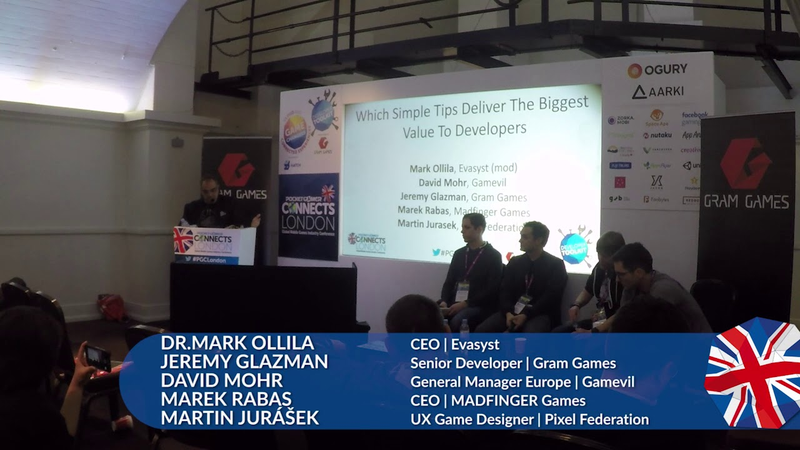
Which simple tips deliver the biggest value to developers
Early-stage game studios achieve the greatest value by prioritizing core development craft over the creation of proprietary technology.
- Prioritize core development craft over proprietary technology by utilizing established game engines and build systems to focus resources on iterative, player-centric design.
- Shift from rigid waterfall methodologies to flexible, autonomous team structures that enable rapid feedback loops and reduce the high costs of late-stage production adjustments.
- Integrate qualitative research and user experience design from the earliest stages of production to gain a deeper understanding of player behavior.
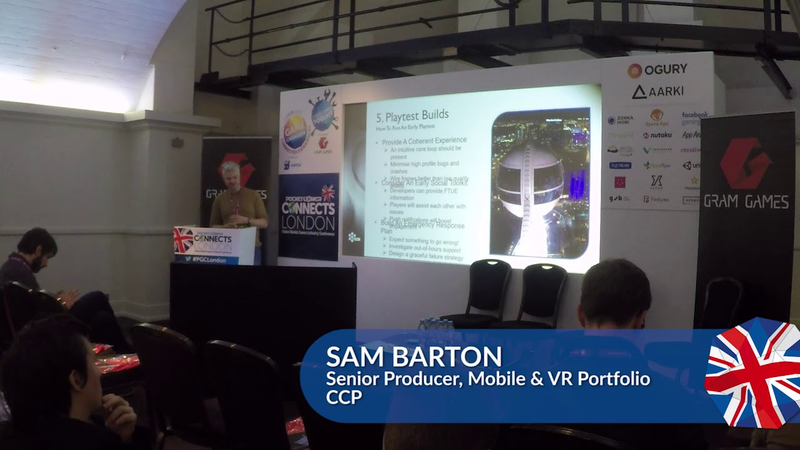
Better together – How to build a mobile game with help from your community
Engaging a community during the earliest stages of mobile game development provides significant strategic advantages, transforming players into active collaborators and establishing a dedicated core audience.
- Engaging a community during early development transforms players into active collaborators, securing buy-in and validating social features long before traditional soft-launch phases.
- Development teams should prioritize gathering qualitative emotional sentiment over quantitative KPIs, which are often premature during the early stages of production.
- Using wireframes instead of polished assets during playtests helps manage player expectations and allows developers to focus on core mechanics rather than visual feedback.
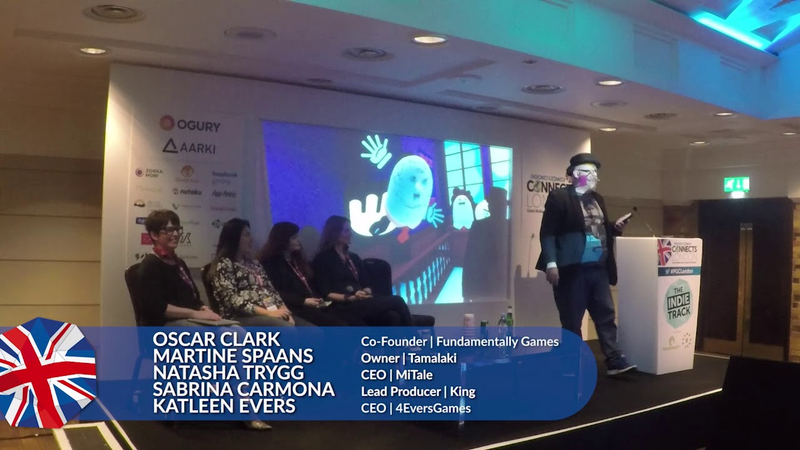
Fantasy games pitching
The modern mobile and indie gaming landscape is defined by a relentless pursuit of differentiation, often leading developers to embrace absurdity, satire, and unconventional mechanics to capture user attention.
- Developers in the mobile and indie sectors are increasingly using absurdity, satire, and unconventional mechanics as high-concept marketing hooks to achieve differentiation in a saturated market.
- Commercial viability is maintained by integrating diverse monetization models—including microtransactions, subscriptions, and ad-supported gameplay—directly into the core game loop.
- The industry strategy focuses on subverting traditional genre expectations to generate viral interest and capture user attention.
In-game advertising Sucks. We are fixing that – A chat on dynamic in-game advertising
The current landscape of in-game advertising is characterized by intrusive formats that often degrade the user experience and fail to provide effective brand awareness for advertisers.
- Dynamic in-game advertising achieves brand recall rates of 80% to 85%, significantly outperforming the 17% to 18% recall typically seen with standard video ads.
- Traditional ad formats like rewarded videos and interstitials cause over 70% of gamers to actively avoid them, often leading to player churn and the cannibalization of in-app purchase revenue.
- Dynamic advertising replaces intrusive pop-ups with non-disruptive, cinematic-style product placements on in-game assets, such as billboards, that maintain the game's aesthetic integrity.
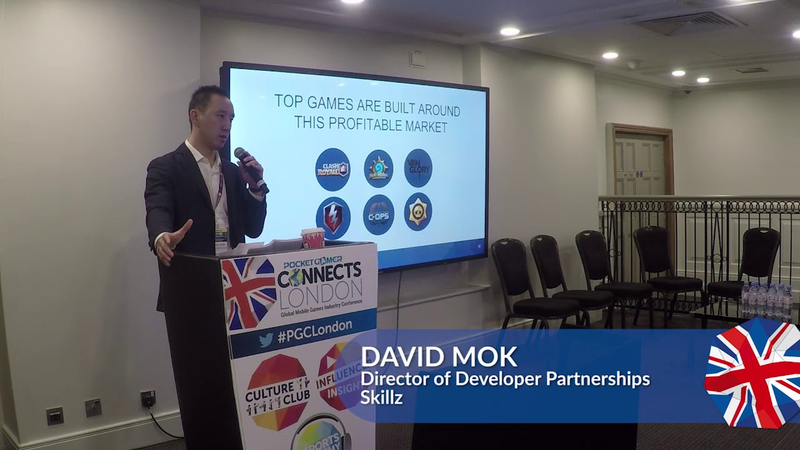
How developers can succeed in the mobile esports space
The mobile gaming industry has evolved into a multi-billion-dollar sector, with mobile platforms now generating more revenue than PC and console gaming combined.
- Mobile gaming has surpassed PC and console revenue combined, with projections indicating that mobile will account for over 60% of all competitive gaming by 2021.
- Developers should target the 99% of casual players by creating accessible, competitive experiences that bridge the gap between amateur users and the top 1% of professional esports athletes.
- Success in mobile esports is driven by short, three-minute competitive sessions across diverse genres like puzzle, trivia, and sports, rather than focusing exclusively on complex, synchronous titles.
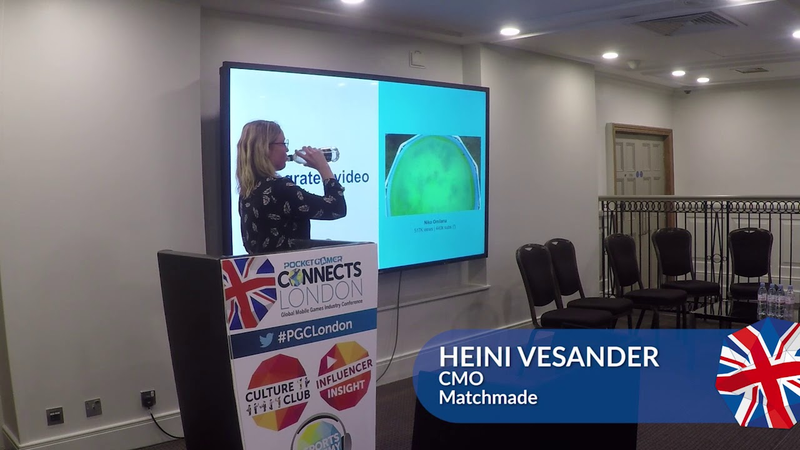
8 mistakes made in influencer marketing
Influencer marketing in the gaming industry requires a data-driven, strategic approach to avoid common pitfalls that undermine campaign effectiveness.
- Prioritize audience relevance and demographic alignment over superficial metrics like total subscriber counts to ensure the target market is reached.
- Establish clear, measurable business objectives—such as installs, brand awareness, or community growth—and implement rigorous tracking to evaluate campaign performance against these goals.
- Treat influencer relationships as long-term partnerships by involving creators early in the development cycle to foster genuine advocacy and higher-quality content.
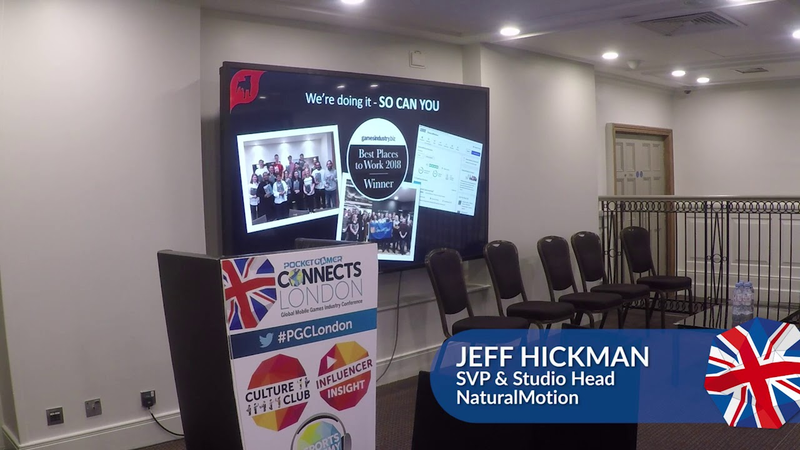
Company culture at NaturalMotion
NaturalMotion’s approach to cultural transformation centers on the premise that organizational culture is a learned behavior that can be actively shaped, refined, and scaled.
- NaturalMotion improved internal health survey scores by nearly 20 points over a two-year period by transitioning from fragmented team dynamics to a unified studio culture.
- The company successfully increased its Glassdoor rating from 4.0 to 5.0, resulting in recognition as a top workplace in the UK.
- Leadership utilized a structured six-step change management process that prioritized accountability by assigning specific owners to address identified obstacles in communication, collaboration, and environment.
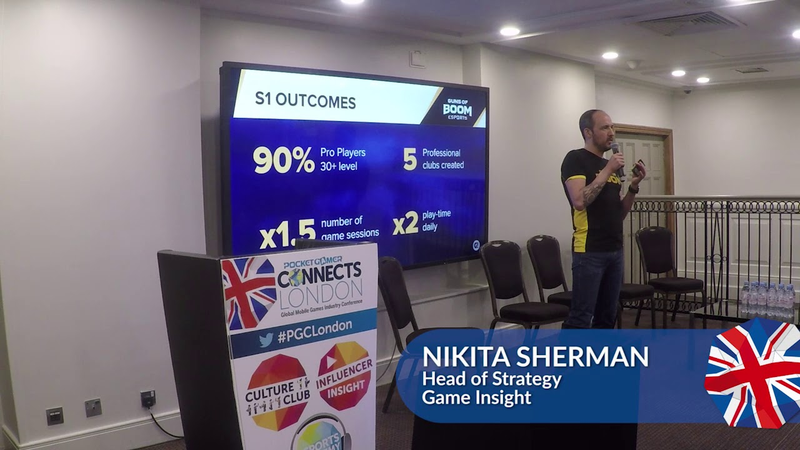
Lessons learned from the first esports season in Guns of Boom & Game Insight's vision for the future
The first season of the Guns of Boom esports initiative focused on establishing a sustainable infrastructure for mobile competitive gaming.
- The inaugural Guns of Boom esports season successfully increased player retention, with 90% of professional-level participants maintaining high engagement throughout the program.
- The initiative's first season featured a $200,000 prize pool across 50 online tournaments and one major offline invitational in Katowice, Poland, generating 45 hours of broadcast content.
- The second season expands the program’s geographic reach to South East Asia, India, and Latin America while increasing the total prize pool to $500,000.
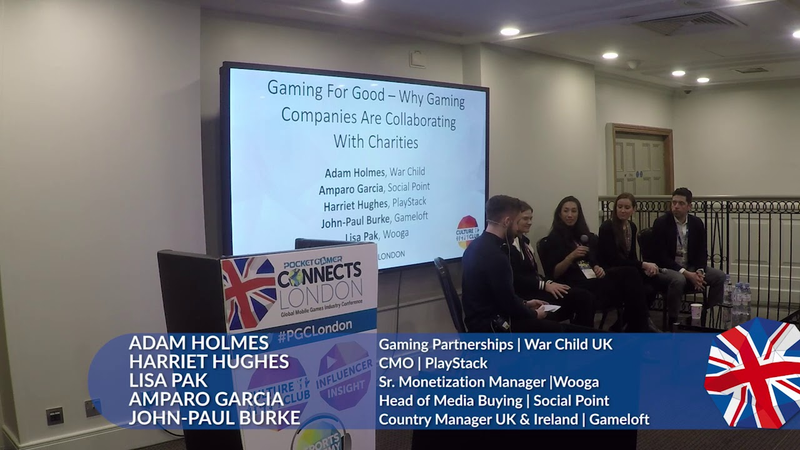
Gaming for good – Why games companies are collaborating with charities
The mobile gaming industry is increasingly integrating charitable initiatives into its business models, driven by both corporate social responsibility and strong consumer demand.
- Consumer demand for corporate philanthropy is high, with 88% of consumers preferring companies that engage in charitable efforts and 87% of gamers believing developers are well-positioned to support such causes.
- Charitable integrations serve as strategic business tools that drive user acquisition, increase player engagement, and successfully reactivate dormant user bases.
- Developers commonly execute these partnerships through the sale of specific in-game items, community-wide fundraising events, the use of remnant ad inventory, and influencer marketing collaborations.