Mobile reports and market data
Documents

RAID: SHADOW LEGENDS | Gameplay
Raid: Shadow Legends is a squad-based mobile RPG developed by Plarium, a studio historically recognized for its expertise in 4X strategy titles.
- Plarium, a studio historically focused on 4X strategy, entered the character-collection RPG market with Raid: Shadow Legends to compete with established titles like Star Wars: Galaxy of Heroes and Marvel Strike Force.
- The core gameplay loop centers on managing a squad of four champions through turn-based combat, utilizing an energy-based system to progress through campaign missions, dungeons, and PvP arena modes.
- The game prioritizes meta-game progression over twitch-based reflexes, offering auto-battle modes with speed multipliers to facilitate the systematic grinding required for character optimization.

RAID: SHADOW LEGENDS | Metagame
Raid: Shadow Legends, developed by Plarium, represents a strategic shift for the studio from its traditional 4X strategy roots toward a squad-based, turn-based RPG.
- Plarium shifted its development focus from 4X strategy games to squad-based, turn-based RPGs with Raid: Shadow Legends to prioritize high-fidelity character design and complex progression loops.
- The game’s economy is built on a four-currency system—energy, silver, gems, and shards—that integrates directly into every player action to drive monetization.
- Monetization is driven by a tiered rarity system and a summoning mechanic, where players purchase shards to unlock higher-tier champions required for advanced campaign, dungeon, and arena progression.
Culture driving productivity
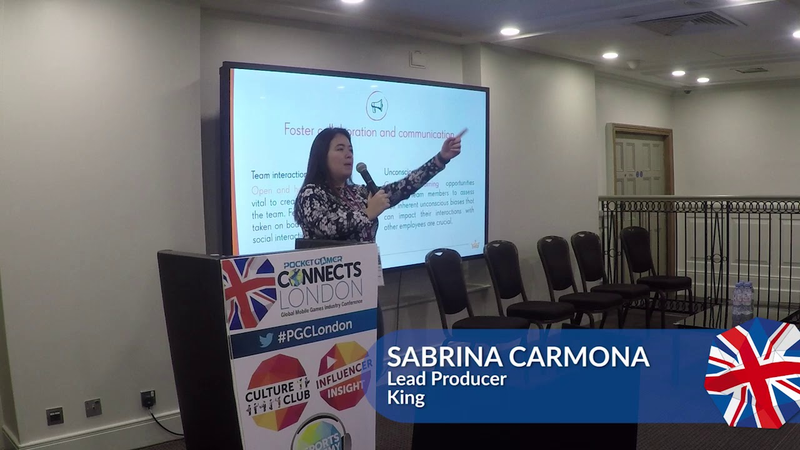
Effective team culture is a critical driver of productivity and success within the video game industry.
- A strong organizational culture is a strategic necessity, with 84% of employees identifying it as essential to success and 76% citing a clear business strategy as the foundation for building that culture.
- Leadership must transition from top-down mandates to collaborative goal-setting, ensuring every team member understands how their specific contributions align with the company's broader vision.
- Managers are responsible for reinforcing core values by consistently recognizing and celebrating behaviors that reflect the team's desired culture.

Lessons from Fusebox's Love Island: The Game
The development of Love Island: The Game serves as a case study for successfully adapting popular intellectual property (IP) into mobile, choice-based narrative games.
- Fusebox Games achieved top-grossing status on iOS and Android in summer 2018 by prioritizing a deep understanding of the source material's core appeal during the adaptation of Love Island: The Game.
- Developers should identify the 'brain, heart, and soul' of an IP and map these elements to specific narrative functions to ensure character authenticity while maintaining manageable production scope.
- Rigorous project management, including detailed state-tracking and modular episode outlines, enabled the team to cut 15 episodes of content late in development without compromising the integrity of the remaining plot.
Gram Games on iterating your development pipeline as you grow
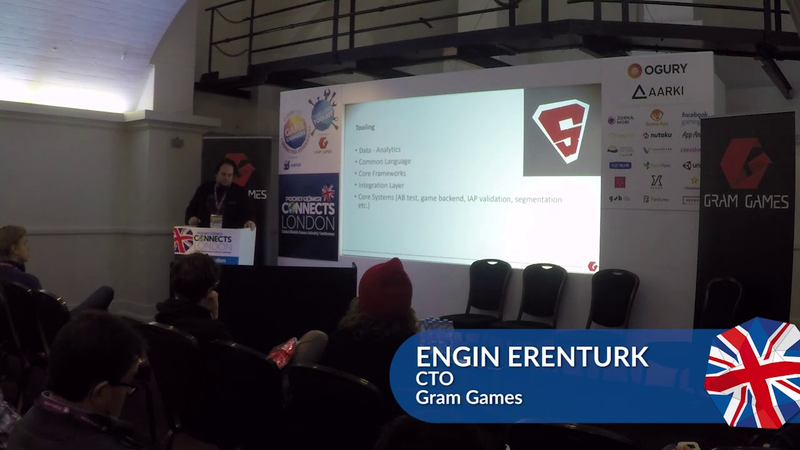
Gram Games utilizes an iterative development pipeline designed to scale effectively as a company grows from a small startup to a larger organization.
- Gram Games mandates a strict prototyping benchmark of 40% to 45% day-one retention to qualify a project for the soft-launch phase.
- Development teams are structured as lean, ad-hoc units consisting of one developer, one artist, and one product manager tasked with building a playable core loop in one week.
- The company utilizes a proprietary dependency management system to automate SDK and third-party tool integration, eliminating boilerplate tasks like A/B testing setup.
Optimising your mobile game using scriptable render pipelines
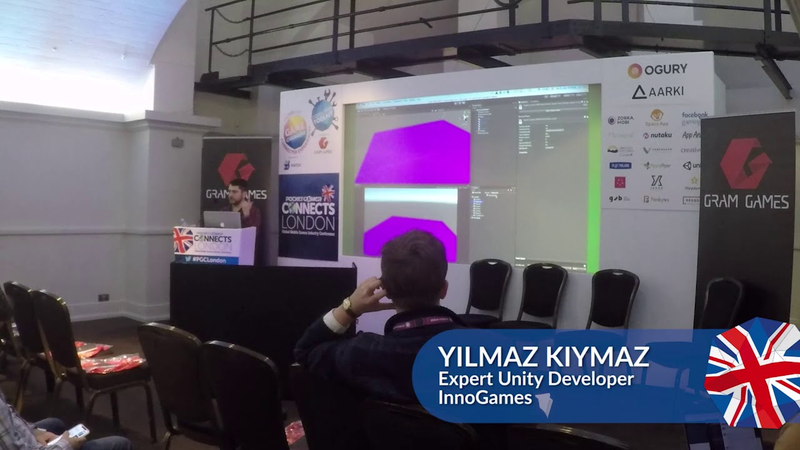
Scriptable Render Pipelines (SRP) represent a significant evolution in Unity’s rendering architecture, providing developers with granular control over the rendering process.
- Transitioning from the built-in pipeline to the Lightweight Render Pipeline (LWRP) with experimental batching can drastically reduce draw calls, as demonstrated by a decrease from 26 to eight in a sample scene.
- LWRP improves mobile performance and energy efficiency by utilizing constant buffers to group meshes sharing the same shader, which significantly lowers the overhead on device thermal limits and battery life.
- Developers must convert custom shaders from CG to HLSL and implement constant buffers to achieve compatibility with the SRP architecture and enable batching optimizations.
The pain and pleasure of free-to-play game UI design
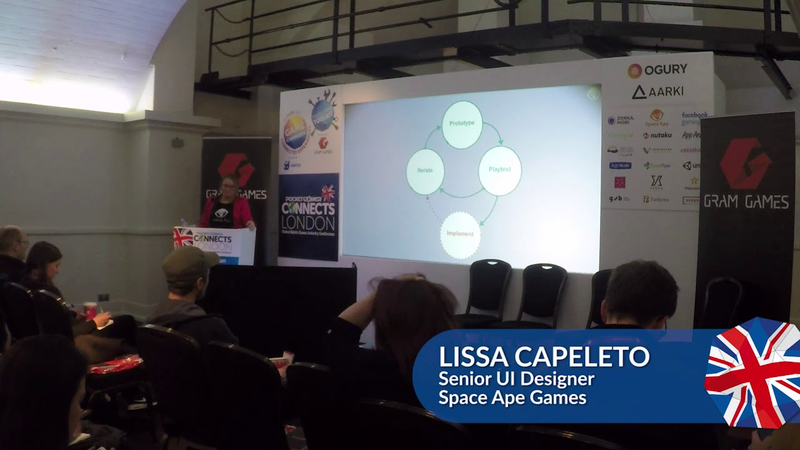
Designing user interfaces for free-to-play mobile games presents a unique set of professional challenges characterized by constant iteration and the necessity of balancing player experience with business metrics.
- Free-to-play UI design requires balancing player experience with business metrics, necessitating a skill set that spans visual aesthetics, data analysis, and product economics.
- Designers must act as ethical advocates to prevent the use of dark patterns, prioritizing long-term player trust over short-term statistical gains.
- Usability issues should be treated as design failures rather than player incompetence, requiring designers to iterate based on objective playtesting feedback.
Case study: Pre-release influencer marketing campaign for Azur Games' Infinity Ops
This case study examines the efficacy of pre-release influencer marketing for mobile games, specifically focusing on the launch of the first-person shooter Infinity Ops by Azur Games.
- Azur Games' influencer campaign for Infinity Ops exceeded its one-million pre-registration goal by 30% over a 22-day period.
- Influencer marketing accounted for nearly 30% of the total pre-registration volume, demonstrating a significant long-tail effect that persisted after traditional social advertising ended.
- Approximately 32.5% of the pre-registrations generated by the campaign converted into active users following the game's official release.

Wappier on using dynamic pricing in mobile games to increase retention
The mobile gaming industry is undergoing a significant shift toward automated revenue optimization, moving away from manual LiveOps management toward machine learning-driven personalization.
- Automated machine learning-driven personalization can increase mobile game revenue by 30% to 50% without requiring expanded analyst teams.
- Dynamic pricing and automated loyalty programs shift the industry focus from heavy user acquisition spending toward the monetization and retention of existing players.
- Machine learning models calculate individual price elasticity and churn propensity to determine the 'next best action' for each player in real-time.
Mobile game production and advanced device research
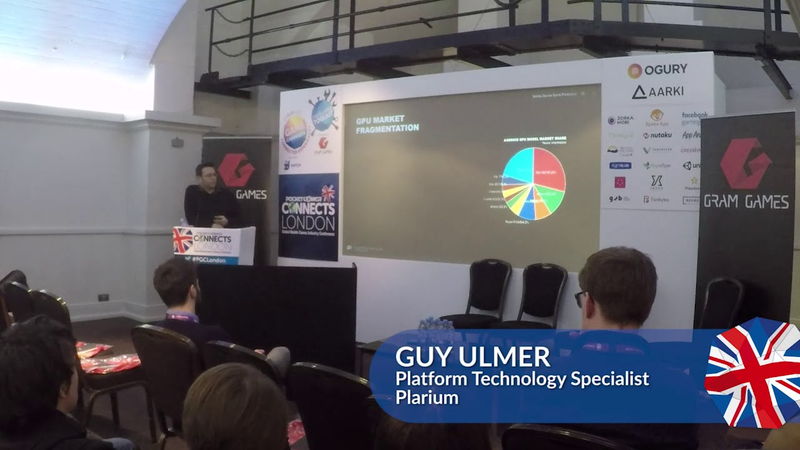
Mobile game developers face significant challenges regarding device fragmentation, particularly within the Android ecosystem, which features approximately 15,000 distinct devices.
- Developers should pivot from device-specific testing to a System-on-a-Chip (SOC) and GPU-centric methodology to manage the fragmentation of approximately 15,000 distinct Android devices.
- Testing against a curated list of hardware configurations based on common ARM architectures and GPU models can effectively cover up to 80% of the Android market.
- Quality assurance teams should prioritize testing on the lowest common denominator hardware to ensure baseline performance across the entire spectrum of user devices.
Can a game be therapy for emotional health? Can it change a teen's life?
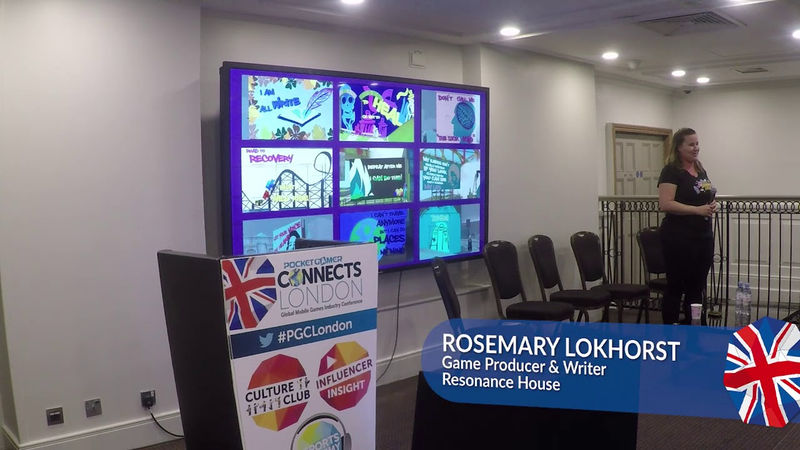
The development of digital therapeutic tools for young people facing chronic illness and emotional distress serves as the primary focus of this analysis.
- Shadow’s Edge is a mobile game designed as a digital therapeutic tool to improve resilience in youth facing chronic illness and emotional distress.
- A year-long clinical study at Lurie Children’s Hospital is currently evaluating the game's impact on 174 cancer patients aged 16 to 24 to measure long-term emotional outcomes and recovery transitions.
- Clinical research conducted with Stanford Children’s Hospital and the University of the Netherlands confirms the game improves seven key resilience factors, specifically optimism, positive self-identity, and emotional regulation.
Playground experience – Best practices for reducing friction to play live mobile games
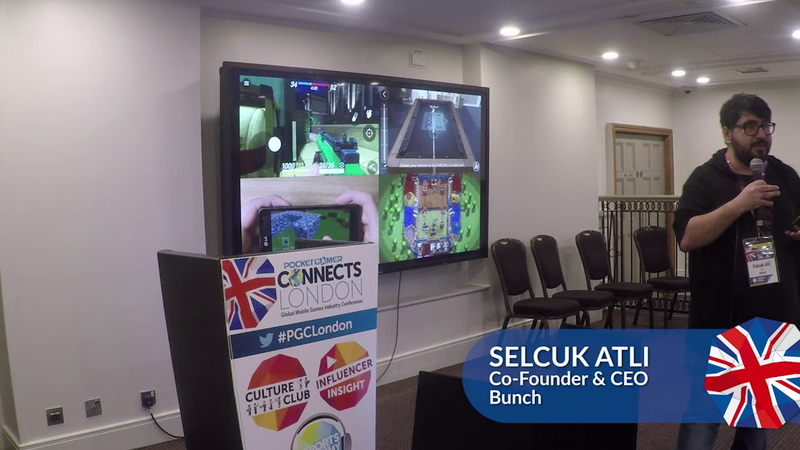
The mobile gaming industry is undergoing a significant shift as younger demographics, specifically Gen Z, increasingly prioritize real-time social interaction and collaborative play over solitary experiences.
- Gen Z players prioritize real-time social interaction and collaborative play, shifting the industry focus toward experiences that mimic traditional couch-co-op or LAN party dynamics.
- Complex onboarding processes, such as manual username exchanges and multi-step menus, are primary drivers of user abandonment and must be minimized to reduce friction.
- Deep linking technology allows users to share direct links via messaging platforms that instantly launch games and place friends into the same session, bypassing cumbersome invite systems.