Mobile reports and market data
Documents

How developers can bring augmented reality games to the masses in 2019
Augmented reality represents a significant frontier for the gaming industry, yet the transition from experimental technology to mainstream consumer adoption remains a challenge.
- Mainstream AR adoption is currently hindered by the lack of established design standards and the friction caused by requiring users to scan physical surfaces to anchor virtual objects.
- Mobile AR platforms like ARKit and ARCore have expanded the potential user base to hundreds of millions of devices, yet developers struggle to move beyond simple 2D mechanic adaptations.
- Successful AR experiences currently rely on high-quality character design, the use of portals for immersive windows, and intuitive 3D navigation.
Snapchat influencers case studies for a games industry audience
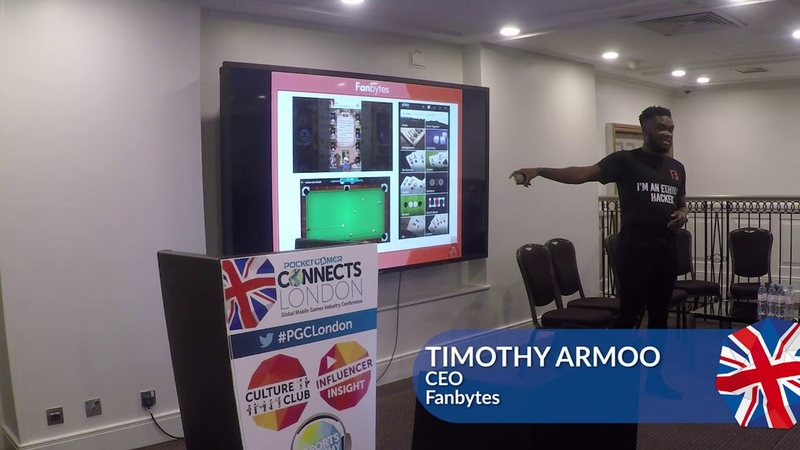
Effective influencer marketing for the gaming industry relies on shifting the focus from traditional product-centric advertising to culturally resonant, user-focused content.
- Shifting influencer creative from traditional gameplay trailers to culturally resonant, meme-style content significantly reduces cost-per-install (CPI) metrics.
- Marketing campaigns should prioritize social connection and shared fun by positioning games as tools for interaction rather than focusing on technical game mechanics.
- Content that mimics organic social media communication—utilizing memes and cultural touchpoints—is more effective at capturing younger demographics who are resistant to traditional advertising.

Voice games – An overview of an up-and-coming category
Voice-controlled gaming is an emerging industry segment that leverages advancements in natural language processing and hardware to create interactive experiences.
- Voice-controlled gaming is positioned as a fundamental shift in human-computer interaction, comparable to the industry-wide transition to touchscreen interfaces.
- Market growth is primarily driven by the rapid adoption of smart speaker platforms, specifically Amazon Alexa and Google Home, which utilize multi-microphone arrays to improve input reliability.
- The sector is currently defined by three core genres: trivia-based games, interactive narrative adventures powered by conversational AI, and utility-based companion experiences for console or tabletop titles.
From mobile to consoles and back to mobile
The transition from mobile to console development offers significant strategic advantages for small independent studios, primarily through increased visibility and more direct relationships with platform holders.
- Console development offers higher visibility and more direct platform-holder relationships compared to the saturated mobile market, which is plagued by extreme device fragmentation and opaque store algorithms.
- Transitioning to console development requires a shift to longer production cycles of one to two years, driven by the need for rigorous certification and higher consumer expectations for technical polish.
- Targeting a single hardware configuration on consoles significantly simplifies testing and optimization compared to the thousands of device variations found in the Android ecosystem.
Future games platforms – Exploiting the possibilities
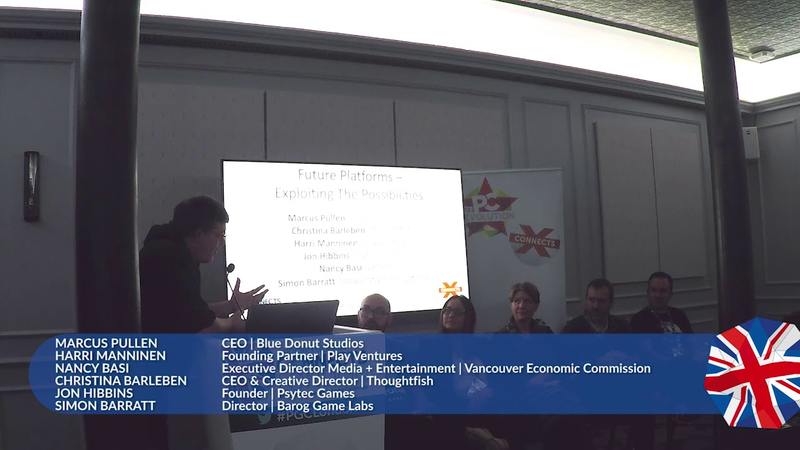
Extended reality technologies are currently navigating a foundational growth phase rather than a period of decline.
- Social integration is the primary driver for future platform growth, as virtual and augmented reality technologies uniquely facilitate remote collaboration and shared physical experiences.
- Extended reality is in a foundational growth phase, with momentum currently sustained by enterprise applications and location-based entertainment rather than mass consumer adoption.
- High user acquisition costs in saturated gaming markets are stifling innovation, shifting the industry's focus toward improving content discoverability through machine learning and personalization.
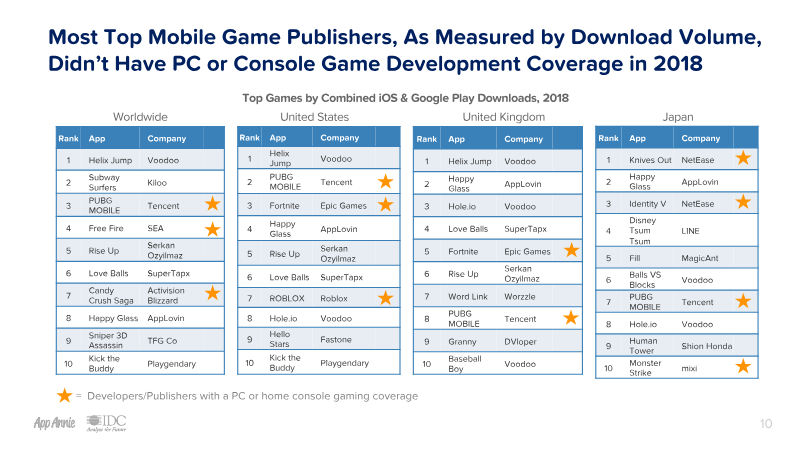

Gaming Spotlight 2018 Review
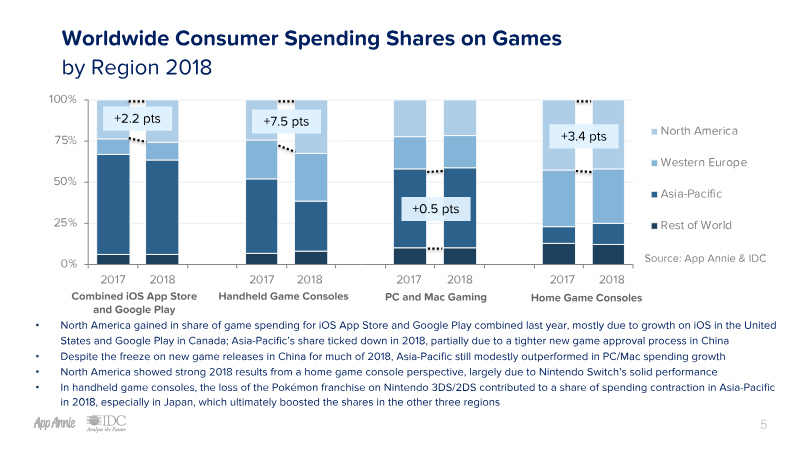
Mobile gaming's dominance and its growing convergence with PC and console experiences define the 2018 worldwide gaming picture.
- Mobile gaming solidified its market dominance in 2018, with consumer spending exceeding the combined totals of PC, home consoles, and handheld consoles by nearly 20%.
- Mobile games accounted for 75% of total consumer spend on the iOS App Store and Google Play, despite representing only 35% of total app downloads.
- The Asia-Pacific region accounted for over 55% of global mobile game spending in 2018, maintaining its lead despite a nine-month freeze on new game approvals in China.
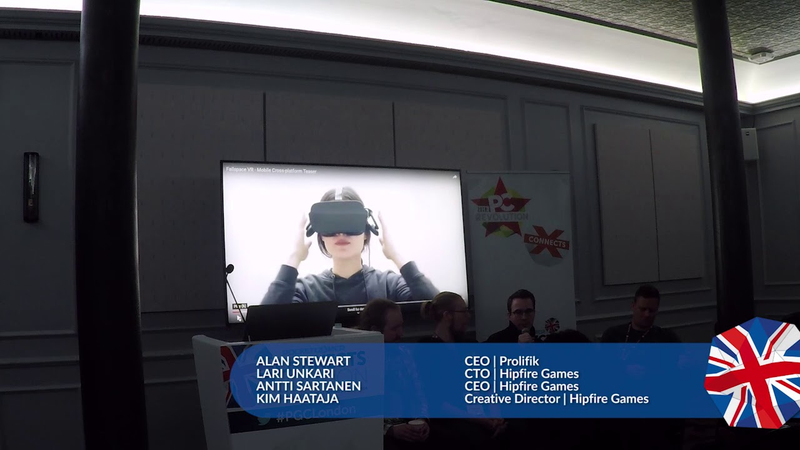
Exploring cross-platform play between virtual reality and mobile
The integration of virtual reality (VR) and mobile platforms represents a strategic solution to the persistent challenges of low VR user adoption and the isolation inherent in current VR multiplayer experiences.
- Cross-platform integration between VR and mobile addresses the industry's primary challenges of low VR adoption rates and the social isolation of current VR multiplayer experiences.
- Developers can overcome limited VR install bases by creating shared, persistent game worlds where mobile and VR users interact through device-appropriate interfaces.
- Technical implementation requires custom tools to bridge the performance gap between 3D VR environments and 2D mobile displays while maintaining parity.

Synative's Cynthia Du on making fun and engaging playable ads for games
The evolution of mobile advertising has shifted from intrusive pop-ups and banners toward interactive, programmatic playable ads designed to enhance user engagement.
- Users who engage with Google Play Instant playable ads demonstrate a 6% higher retention and registration rate compared to organic users.
- Synative’s toolkit enables developers to build interactive, gesture-based playable ads in approximately 30 minutes by repurposing existing CG media and video assets.
- The platform abstracts technical ad network integration, allowing developers to create cross-platform compatible ads without writing custom code for each network.

Mobile Game Product Manager Victor Wang of NBCUniversal | Jurassic World Alive
Product management in the mobile gaming industry functions as the primary business ownership role, tasked with driving growth, monetization, and long-term user retention.
- Mobile game product management centers on business ownership, focusing on post-launch growth, monetization, and long-term user retention rather than the tactical development execution handled by producers.
- The role leverages real-time telemetry and daily user feedback loops to make immediate, data-driven adjustments to live-operated titles.
- Product managers use logic tree methodologies to isolate revenue fluctuations by analyzing specific variables such as install trends, conversion rates, and in-game economy imbalances.
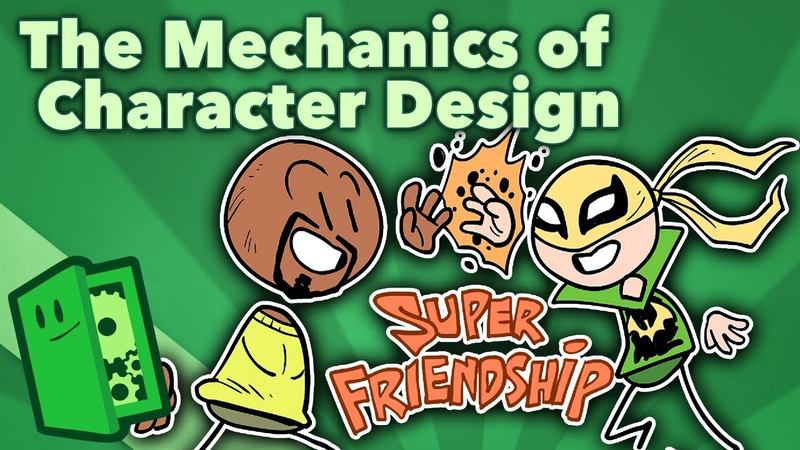
The Mechanics of Character Design - Analyzing the Design of Marvel Puzzle Quest - Extra Credits
Effective character design centers on the concept of ludonarrative resonance, where game mechanics are intentionally aligned with a character’s identity and narrative fantasy.
- Effective character design relies on ludonarrative resonance, where game mechanics are intentionally aligned with a character’s canonical identity and narrative fantasy.
- Designers can create distinct character experiences within repetitive core systems, such as match-three mechanics, by mapping specific character traits to unique mechanical behaviors.
- Mechanical design should reward players for adopting a character’s specific motivations, such as using board disruption for manipulative characters or investigative mini-games for detectives.

Third-party publishing – Why and how
The mobile games industry has experienced significant growth, with 2018 revenues reaching $70 billion, surpassing the combined totals of PC and console gaming.
- Diversifying distribution beyond Google Play and the Apple App Store allows developers to improve revenue sharing, pricing control, and direct user engagement.
- Huawei is aggressively expanding its App Gallery ecosystem, leveraging its status as the world's second-largest smartphone manufacturer with over 200 million devices shipped in 2018.
- Huawei offers developers promotional support through splash screens, top banners, and out-of-the-box placement to drive user acquisition across its footprint in 170 countries.

How to bag an IP like Rick and Morty and deliver a killer game
Securing and developing intellectual property (IP) for mobile games requires a strategic approach that balances brand loyalty with creative autonomy.
- Securing established IP significantly lowers user acquisition costs and provides a predictable performance baseline by leveraging existing, passionate fan bases.
- Developers should prioritize IPs with upward growth trends identified through tools like Google Trends rather than those with stagnant or declining search volume.
- To maintain creative autonomy, developers should focus on spin-offs that avoid reliance on the main narrative canon and utilize distinct art styles.