1 free read left. Create a free account for unlimited reading + AI research.
Create free account
Redefining play – Blurring the lines between app and game
Key insights
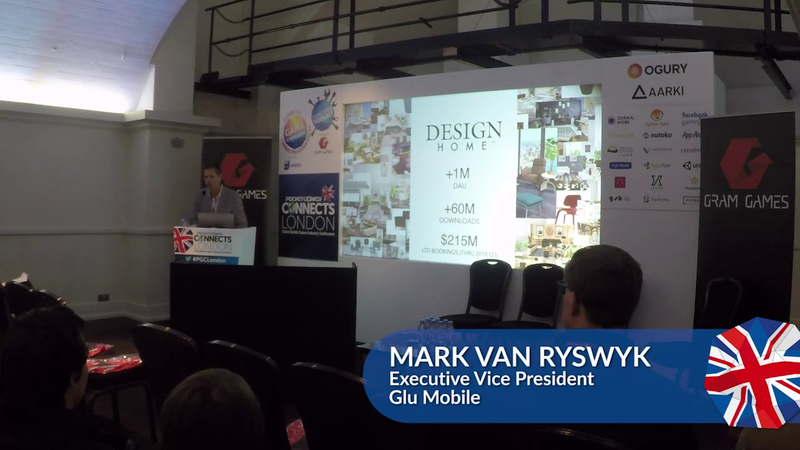
6 takeaways- 01Design Home, launched in 2016, has scaled to over one million daily active users and generated more than 215 million dollars in bookings by blending interior design mechanics with real-world brand partnerships.
- 02The app functions as a tool for personal development, with users actively applying design principles and product knowledge learned in-game to their real-world living spaces.
- 03The platform successfully targets a non-gamer demographic—predominantly women—who utilize the app for creativity, relaxation, and practical learning rather than traditional gaming mastery or fantasy.
- 04By integrating authentic furniture and decor brands, the platform bridges the gap between digital entertainment and consumer decision-making, increasing user confidence in real-world design choices.
- 05Engagement is sustained through a high-frequency content strategy that mirrors social media platforms like Instagram and Pinterest by releasing five to six unique design events daily.
- 06The game’s social ecosystem replaces traditional algorithmic scoring with a community-driven validation loop, fostering interpersonal connections and creative expression.
Ask AI about this video
Transcript
[Music] hi I'm mark van rycke EVP at glue mobile really excited to be here talking to all of you specifically about design home a little bit about me I've been in games for about the last 18 years seven of which in mobile and I've had the pleasure of playing a variety of different roles at EA I was CEO of the mobile division as well as group GM over a series of casual titles and I've had the real pleasure of working on titles or certainly engaged with titles that you know I'm personally passionate and playing from Tetris to Scrabble to Sim City Sims FreePlay racing rivals Real Racing and the list goes on today I'm here to talk about specifically glues crowd star studio where I'm the GM and
really diving into something that you know we believe is a relatively unique opportunity and it's a category I like to call lifestyle games lifestyle games are products that are focused on women that really blur the lines between real life interests and play and it's really about bringing together aspirational experiences in a creative outlet with ultimately Legation you know one way of thinking about is if you think about Pinterest or Instagram and you think about the narratives that we you know we play on in fashion and home decor and imagine those layered with you know game mechanics that deliver a sense of accomplishment achievement and you know ultimately set a series of goals for players and so today I want to dive a little bit into design home and just how we're changing the dynamics of play really by empowering creativity and building confidence with with our player base so an interesting data point you know Google commissioned to study in 2017 with new zoo that you know really
took a look at this notion of this underserved audience and you know it's no real surprise that you know 49 percent of gamers out there are female but really it is a very interesting data point because if you look back to 2006 that would have been more in the mid 30s range and you know that explosive growth that we've seen it really is coined with the growth that we saw in terms of smartphone penetration and so not only did we see this explosion in terms of device penetration and growth in Asia but really what we saw was a change in gender accessibility to games you know following up on the new zoo study another thing that you know surfaced up was that you know 65% of women ages 10 to 65 or playing games and so mobile is really tearing down these barriers in creating accessible experiences for these women to like engage with products and layering them into their experiences where they're competing with multiple priorities whether it's family whether it's friends or you know whether it's you know forms of create creative outlets or personal
shopping or whatever that might be and one thing that we've discovered that crowd star is that they inherently engage with games certainly our games very differently than their male counterparts but really the point that I you know I really appreciate it in the new zoo research was that when these women were asked you know how they felt about mobile games out there sixty percent of them felt that the mobile games that were out there less than 30 percent were really designed for them and that really you know certainly strikes us and that's really where you know we you know we come into play and where we focus our attentions and you know generally it's it's not a surprise you know when we think about who we're developing for we we tend to think around classic motivational archetypes and so you know here's you know kind of an overview from you know Quantic foundry around you know six classic art types and then as developers we interpret those and so when you think about action you know you often think about something fast-paced but you know
typically layered in destruction when you think of social you think about you know building guilds and communities and keeping creating really rich environments but often layered in competition and you know mastery we think of like you know really fun you know strategic choices and play and great strategy games but often layered in fantasy or war fiction of sorts and the list goes on and so it's not really a surprise when we hear this you know through the new zoo report that women feel like there really aren't a lot of games that are specifically designed for them and that's the environment that we launched design home so building off of our successful covet you know we looked at you know various different you know genres and areas in terms of like what ultimately could we connect women to their interests and motivations and when we looked at the home decor category we saw an extremely fragmented space and we saw a tremendous opportunity to really create a form of play you know in the space that was really disagree gated and so we focused on bringing our players together by
providing them a creative outlet and ultimately one of our goals was could we establish a sense of confidence in what they achieved and could we deliver a place that was you know really a form of relaxation and so we created a product where players come in and they have a chance to engage with textures with colors they have a chance to ultimately think about patterns and how you know various different you know objects come to objects come together to create really beautiful scenes that they might see in their everyday life and through all this we start to really blur the lines between this notion of like real world aspirations and interests the fantasy or certainly the desires of you know accessing some really interesting designs and and ultimately furniture and then ultimately tying that to real life practical considerations and that success led to a lot of things you know we've got over a million down the game at any given point and I certainly have over this past year we've had over 60 million downloads today and we've
delivered over 215 million dollars of bookings and so from our standpoint that felt like quite a success but then the question for us was where do we go from here and we saw tons of different opportunities but really what we needed to do was first index on understanding who were these players that were inside design home and ultimately getting behind the quant you know where we had a clear understanding of their play behaviors and their spend patterns but we didn't know enough about their motivations and so we took a step back and we dove in you know we conducted multiple focus groups in multiple markets we were in Chicago to understand the Midwest consumer we were in LA to understand what was happening on the coasts we conducted multiple diary studies where we actually engaged with these women in their homes via Skype and other tools and and really not only got to understand why they were playing design home but the context that they were playing and then we conducted tons of surveys to make sure that we had statistically relevant insights around our audio and what we discovered was something
what you know certainly in my perspective felt quite unique you know one was this form of creativity and the creativity what we learned from them was it wasn't about the pure escape of creating things that you know were you know purposeless or you know solely serving a game but it was the creativity in terms of the things that they desire to do in their everyday life you know we often heard the story of you know women that were in tough situations that couldn't afford to spend the money on home decor that they so desired we heard the situation's which was you know almost a little humorous where they wanted to redecorate their house but they couldn't convince their you know significant other to move furniture around and so this was their outlet and then certainly there was an element of just aspiration these were brands that they might see in a store or they might see on a website but they didn't feel like they really had accessibility or an opportunity to connect with them and we delivered something that allowed them to be creative with these things another was escape and what we learned about escape was that you know it was
relaxation but it wasn't about pure fantasy it was really about feeling productive and useful with that time and that's extremely important to our player base is feeling that sense of like this was good time useful time spent and so taking those pressures off of real life you know we designed with mobile best practices in mind with bite-sized sessions as well as allowing for long-form and you know we would typically see engagement patterns you know at the start of the day and at the end of the day and it was that form of escape from reality but still grounded in reality and things that they aspired and certainly desired to have and then the big one for me which really struck me was about learning and so you know unlike mastery where you know a user's really thinking about you know the game itself and how to like achieve a specific objective this form of learning was very different it was really about learning their own personal style and tastes and they learned about brands they learned about trends they learned about color matching and they learned about all these elements in real life and what was interesting about that was
that they started to put into practice some of these things and it established new levels of confidence and it isn't too often that I hear that a game actually establishes that confidence in real life and that research what we heard was many players were then making purchase decisions sometimes they were purchasing the very items that they were engaging with in the game but often it was through the game experience at that exposure and that confidence in making those decisions started to play out in their in their living rooms in their dining rooms and so what we achieved was really something beyond mastery of the game it was something really personal and it was a pretty cool thing to be a part of and so how you know one of the questions was you know for us was you know how did we enable that real-life learning and really it boiled down to right from the start of the design the goal was always to blur the physical inspiration and aspiration with digital play and so is about bringing brands that were beyond the ordinary brands that you know again didn't feel approachable certainly didn't feel accessible might be something that you
might browse on a website but didn't feel like something that you could engage with these brands were specifically chosen in terms of you know both fulfilling kind of desires and needs and interests but also representing the eclectic nature of different styles and preferences another was thinking about real world challenges and so grounding the the product in you know design trends thinking about room composition thinking about the effects of lighting thinking about relevant and exciting locations and so it was as much about designing something that would just happen just down the street as it was you know designing a you know a tropical resort in Bali these are all things that either they were experiencing or had a desire to experience and what we focused on was delivering that through the game and then ultimately it was about real-world designs it was about understanding what the trends were was bringing in designers that certainly were you know subject matter experts that our players could feel like they were learning from and that allowed us to still tell
stories and create you know what in essence is a challenge for for our user or you know which ultimately leads to a design submission and so what we you know discovered with this new form of play you know certainly doesn't add up to being a 200 million dollar franchise in its own right and so what you you know have to step back and take a look at is how we engage these players and a big thing for us was really you know the content is king and we looked at the types of products that they consume you know Instagram Pinterest and these products are fresh every day you know there's something new there's something delightful and so we set out to achieve the same and we launched five to six unique events bringing all the things together the brand's the challenges you know the requirements into really delightful form of play and not only that we thought about accessibility you know how were these women consuming other forms of entertainment you know this audience doesn't typically refer to themselves as gamer in fact if you ask them they play games chances are they'll say no even
though they've spent significantly in design home and so what we took a look at was things that they already consume we looked at Pinterest we looked at Instagram we looked at Amazon and we really looked at where were their already established forms and behaviors that were familiar to them so that they could come in and ultimately engage with this product and they weren't dealing with a steep learning curve and then finally it was about creating conversations so it was about you know delivering to the community a set of events that could ultimately lead for conversations inside the product as well as outside of the product so often we hear the stories of friends playing together and you know sharing their designs and getting into that car endly banter around whose look is ultimately better and what will the community say and so we wanted this to be a synchronous experience that that the community was consuming together but beyond the synchronous content it really boils down to our validation loops and so when we look at you know in everyday
life purchase decisions I'm sure many of you have bought a car at some point you know maybe some of you have you know completed it you know designing your living room these are typically not experienced as you do by yourself you know you share with your friend hey here's some of the cars I'm thinking about looking at buying you know you go shopping with friends that you're checking out couches and getting comfortable with it and these big purchases are very much social decisions and really it's through that social interaction that affirmation or confidence in those decisions that you're making are ultimately formed and so whether it's a great outfit whether it's a room that's being created what we really wanted to capture was that affirmation we wanted to capture the power of a like on Instagram and so our validation loops are really driven by our community and there's something extremely powerful when a user submits a look which is ultimately a form of creativity there's ultimately some form of vulnerability in that submission and they're affirmed by you know fellow enthusiasts around the looks that they're creating and that's really where the learning moment comes in the
learning moment is comes in not because we have an algorithm that says something looks good or not but it is about driven by the community and so finally you know I think there's just so much opportunity and when I think about you know the possibilities you know I really do believe that it starts with discovering what the motivations are of play you know we found some very unique ones with design home and frankly it was a market that was grossly under served at that particular point there were no home decor experiences out there and as we all know there's been several over the past few years often layered and matched three mechanics that have since launched and so there are these desires and passions that exist and it's figuring out how to tap into and connect those truths we continue to learn this truth you know uncover it we're hearing a lot about how players are engaged socially we have thousands upon thousands of stories of these players and the journeys that they've had with each other in covet we have these fashion houses which are essentially guilds and you know one of these stories is you know as an example is you know these
players one of the players in the guild didn't have enough money to finish paying for a last semester of college well her guild started to go fund me page and raise money in order for her to finish her last semester of college we have even more extreme stories of someone actually being freed from slavery through the guild raising money for them and basically breaking a financial bond that they were beholden to and so these are tremendous stories and if you look at what's happening inside our game in terms of what we deliver as mechanics you wouldn't believe that these these kind of experiences exist you know we've got a lot to do in terms of like you know the chat and the depth that we can ultimately offer but what it taps in for me is that there's another set of emotion motivations that we're just on the verge of discovering and so I think there's meaningful connections are going to be the next layer of opportunities for us and in both our products that crowd star and ultimately when I could look at the space when I look at mobile today you know Apple re4 casted their guidance recently over a holiday break and really we're kind of hitting that
point of device saturation but what we haven't hit is really the depth of experiences that players can consume and I think this is a really unique opportunity in mobile because I think there's a lot more to come as our players are ready for ready to digest more and so for me I'm excited about what we're doing and I'm excited about what other developers are doing in terms of unlocking the possibilities of play that's it for me [Applause] yeah you absolutely can and in fact that's a that's an area focus for us because the challenge we have is we have a beautiful-looking experience inside a game but in the space itself of home decor you know the the influencers build
these beautifully highly staged scenes that are highly photoshopped and our scenes don't match up to that and so that's our goal is we've got to close that gap because that's really when the shareable moment exists the shareable moment is when we're at a level fidelity that feels photorealistic that can compete with those photoshopped images and it's an expression of someone's creativity but definitely a big opportunity not so much in designing the game but they are active participants in it so yeah from a Content perspective yeah it's all it's all real brands inside the game in covet we do have one brand which is our own brand which allows us to break into the world of fantasy but it's extremely it is the grounding of the narrative is ultimately the brands you know it is that's what drives that opportunity of learning and it isn't pure fantasy these are real-world objects that you know any user could go out and purchase if they so desired yes absolutely no it's a it's
a dynamic conversation you know we've got contracts in place and certainly expectations layered in that and we want to make sure those are really healthy reciprocal partnerships and so we work very closely with them you know in fact we've run events with you know one of our brands Kathy Kuo you know which basically offers you know redirection to her site where people have chance to win real world prizes yeah yes thank you [Applause] [Music]
Summary
Design Home, a mobile application launched in 2016, serves as a primary case study for the emergence of lifestyle gaming, a category that blurs the boundaries between digital entertainment and real-world interests. By integrating interior design mechanics with real-world brands, the platform empowers users to explore textures, patterns, and colors in a creative, low-pressure environment. The primary thesis is that mobile games can transcend traditional "mastery" and "fantasy" archetypes by providing users with productive, confidence-building experiences that mirror real-life aspirations and decision-making processes.
The platform has achieved significant scale, boasting over one million daily active users and generating more than 215 million dollars in bookings. Research conducted through focus groups, diary studies, and surveys reveals that the core audience—predominantly women—engages with the app to satisfy needs for creativity, relaxation, and practical learning. Unlike traditional gaming segments, these users often do not identify as "gamers," yet they demonstrate high levels of engagement by applying design principles learned in-game to their actual living spaces. This transition from digital play to real-world application highlights a shift in how mobile products can serve as tools for personal development and consumer confidence.
To maintain this engagement, the development strategy focuses on high-frequency content updates, featuring five to six unique events daily to mirror the freshness of social media platforms like Instagram and Pinterest. The game’s economy and design are built around authentic brand partnerships, allowing users to interact with real-world furniture and decor. By fostering a community-driven validation loop—where peer feedback replaces algorithmic scoring—the platform creates a social environment that encourages both creative expression and meaningful interpersonal connections, ultimately proving that mobile experiences can successfully bridge the gap between digital fantasy and practical, everyday life.





















Comments