Mobile reports and market data
Documents
Aampe’s Jim Laurain On Smart Steps To Inspire Players With Messaging That Matters
Mobile game studios frequently overlook the critical importance of early-stage player communication, with three-quarters of top-tier titles failing to implement any welcome messaging for new users.
- Approximately 83% of mobile games fail within three years of launch, often due to a failure to deliver relevant, engaging content to users.
- Roughly 75% of top gaming apps fail to effectively welcome new players, missing a critical opportunity to drive retention during the onboarding phase.
- Developers should move beyond generic, repetitive messaging by testing different player motivations—such as escapism, competition, or social cooperation—to segment their audience.

Reimagining a Future for Game Studies: From the Ground Up
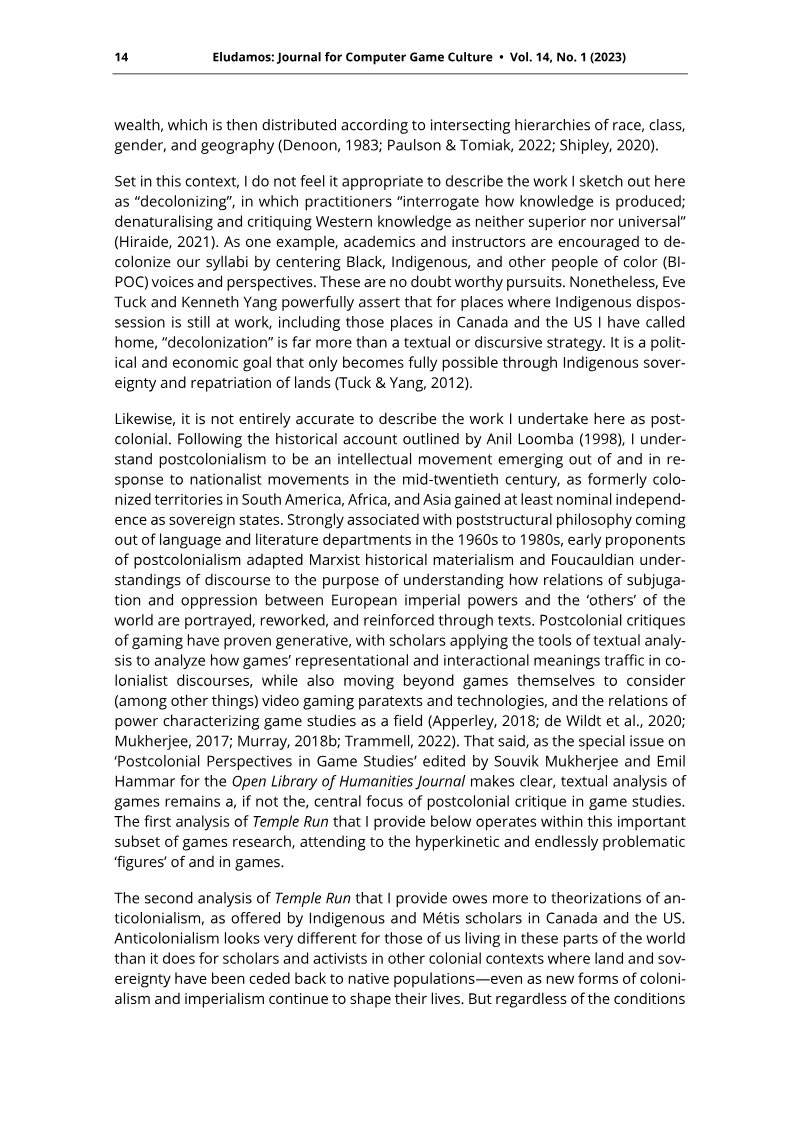
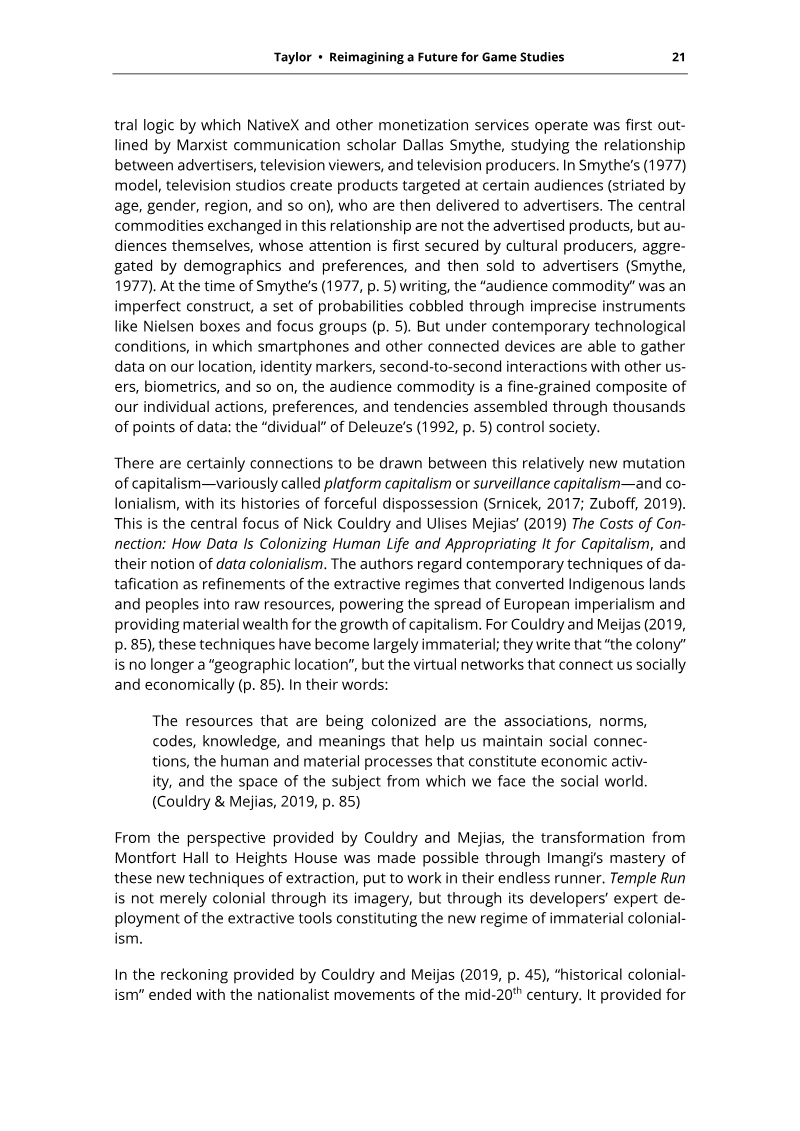
The author offers a critical analysis of the mobile game Temple Run (Imangi Studios, 2011), first through a postcolonial reading of its imagery and mechanics, then through an anticolonial reading of its effects on the built environment of Boylan Heights in Raleigh, North Carolina, where the author lived from 2012 to 2022.
- The author reports that Imangi Studios funded the renovation of Montfort Hall, which reopened in 2021 as Heights House, a boutique bed and breakfast.
- In 2013, Imangi partnered with the monetization platform NativeX, under which the developer earned income for each ad click made in Temple Run.
- The author observes that Temple Run's primary treasure, gold in the form of coins and a statue, is presented without any portrayal of Indigenous characters.

Mobile Gaming Market in 2024 with Lexi Sydow of Data.ai
The mobile gaming industry is currently navigating a period of intense consolidation and structural adjustment, marked by a challenging environment for smaller startups.
- The mobile gaming market is shifting away from traditional core genres like strategy, RPG, and casino games, which have seen a consistent decline since 2021.
- Privacy-centric changes such as IDFA have fundamentally increased user acquisition costs and forced developers to abandon speculative development in favor of data-backed strategies.
- Growth in 2024 is increasingly driven by genre hybridization and expansion into emerging geographic markets, specifically India and South Korea.
Voodoo Block Jam 3D Hybrid casual story: Is Voodoo a Rising Phoenix? (#89)
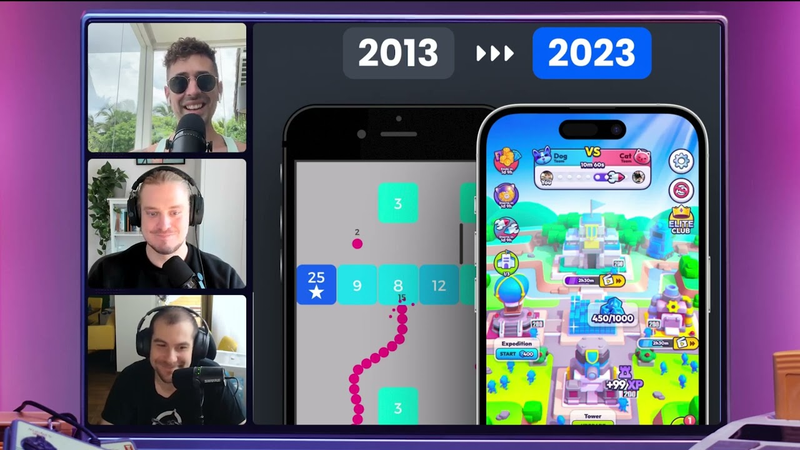
Voodoo is successfully executing a strategic pivot from its hyper-casual origins toward a hybrid-casual model, a transition that now accounts for 75 percent of the company’s total revenue.
- Voodoo’s 'Block Jam 3D' demonstrates a shift toward hybrid-casual, where in-app purchase (IAP) revenue shows a hockey-stick growth curve while download volume remains flat or declining.
- Interstitial ads drive the majority of the game's revenue, accounting for approximately 50% to 66% of total ad income, with an average of 8–9 impressions per session.
- The game utilizes a 'VIP experience' branding for its no-ads option rather than a standard 'no-ads' label, a strategy that reportedly increased purchase conversion rates by 1,000%.

GTA VI Trailer / Hybridcasual Success / Africa's Gaming Market
The global gaming industry is currently defined by a strategic shift toward long-term engagement, platform diversification, and the exploration of emerging markets.
- The hybrid-casual mobile gaming sector generated $2.1 billion in 2023, marking a 30% year-over-year growth as developers shift away from hyper-casual models to combat rising user acquisition costs.
- Sub-Saharan Africa is emerging as a critical growth frontier, with a gaming population of 186 million and annual revenues projected to exceed $1 billion by 2024.
- Major industry players like Grand Theft Auto VI are anchoring fiscal growth strategies by utilizing sophisticated live-service models and acquisitions to extend product lifecycles.
Kwalee’s John Wright On Attracting Valuable Users With A Loyalty-Driven Approach
The mobile gaming industry has reached a critical inflection point where the traditional hypercasual model is no longer viable due to escalating user acquisition costs and the depreciation of tracking identifiers.
- The shift from hypercasual to hybrid-casual mechanics—integrating meta-layers and live operations—has increased average revenue per user (ARPU) from the traditional $0.30–$0.50 range to $1.50–$2.00.
- Studios must transition from high-volume, short-term user acquisition to a loyalty-driven model that prioritizes long-term retention to counter rising acquisition costs and the loss of tracking identifiers.
- Treating games as part of a broader portfolio ecosystem allows studios to mitigate revenue decay by cross-promoting players across multiple titles rather than relying on isolated products.

Zenless Zone Zero: First look! Everything we know from Closed Beta (#88)
HoYoverse continues to solidify its dominance in the global gaming market by applying a highly refined, high-production-value gacha model to its latest title, Zenless Zone Zero.
- HoYoverse employs a standardized, highly profitable template for its gacha-based titles, allowing the company to develop new games in roughly half the time required by Western studios.
- Zenless Zone Zero utilizes a gacha monetization model identical to Honkai: Star Rail, featuring a 1% base pull rate for top-tier characters and a pity system that guarantees an S-rank character after 50 pulls.
- The game features a complex progression system with six equipment slots and randomized stats, requiring players to repeatedly farm artifacts to achieve optimal character builds.



Mobile Game Market Review December 2023
December 2023 brought a wave of cross-pollination between mobile game genres, with casual, midcore, and strategy titles borrowing mechanics from recent hits.
- Clash of Clans experienced a 350% daily revenue spike in the U.S. following the December 2023 release of Town Hall 16, new building-merging mechanics, and a hero equipment system.
- Mobile developers are increasingly adopting cross-genre mechanics, such as Royal Match integrating cooperative partner events and midcore titles like Diablo Immortal adding roguelite survival modes.
- Tencent’s new party royale title, DreamStar, emerged as a top-grossing competitor to Eggy Party in China by focusing on social hubs and user-generated content.

Mintegral ROAS Bidding 101
Mintegral’s ROAS (Return on Ad Spend) bidding strategy is designed to automate user acquisition by leveraging machine learning to predict user lifetime value in real time.
- Mintegral’s ROAS bidding strategy automates user acquisition by using machine learning to predict real-time user lifetime value, shifting optimization from volume-based metrics like CPI or CPM to profitability.
- Successful implementation requires a two-week calibration period for postback data collection and a minimum daily budget of $500 per country.
- Advertisers should initiate ROAS bids at 1.1 to 1.5 times their standard CPI to provide the algorithm with sufficient data to identify high-value users.

Product Marketing 101 with Jesse Lempiäinen, Founder/CEO of Geeklab
Product Marketing Managers (PMMs) serve as a critical bridge between game development teams and the broader marketing ecosystem.
- Product Marketing Managers (PMMs) act as the primary bridge between development and marketing to identify product-market fit early, preventing expensive post-launch pivots.
- In the post-privacy landscape, PMMs must proactively generate market intelligence through independent methods like surveys, pre-launch testing, and competitor analysis to compensate for the loss of granular ad network data.
- Embedding PMMs directly within game teams ensures marketing strategies and user acquisition efforts remain synchronized with the actual gameplay experience and development lifecycle.

Games Industry: Trends 2023 and Predictions 2024
The global gaming industry is currently undergoing a structural transition from the rapid, acquisition-fueled expansion of the pandemic era toward a disciplined focus on profitability and operational efficiency.
- Mobile gaming experienced a 5% decrease in consumer spending last year, marking a shift from the pandemic-era surge as the market returns to a higher, yet stabilized, post-COVID baseline.
- Developers are increasingly using 'bait-and-switch' onboarding tactics, such as incorporating merge, tower defense, or puzzle mechanics in tutorials to lower CPI, before transitioning players into core 4X strategy gameplay.
- TikTok has emerged as a major competitor for user attention and spending, moving into the top five ad networks for gaming and capturing significant consumer wallet share, with US users accounting for 40% of its total spend.

Will We Make More This Way or That Way?: Monetization A/B Testing Guide
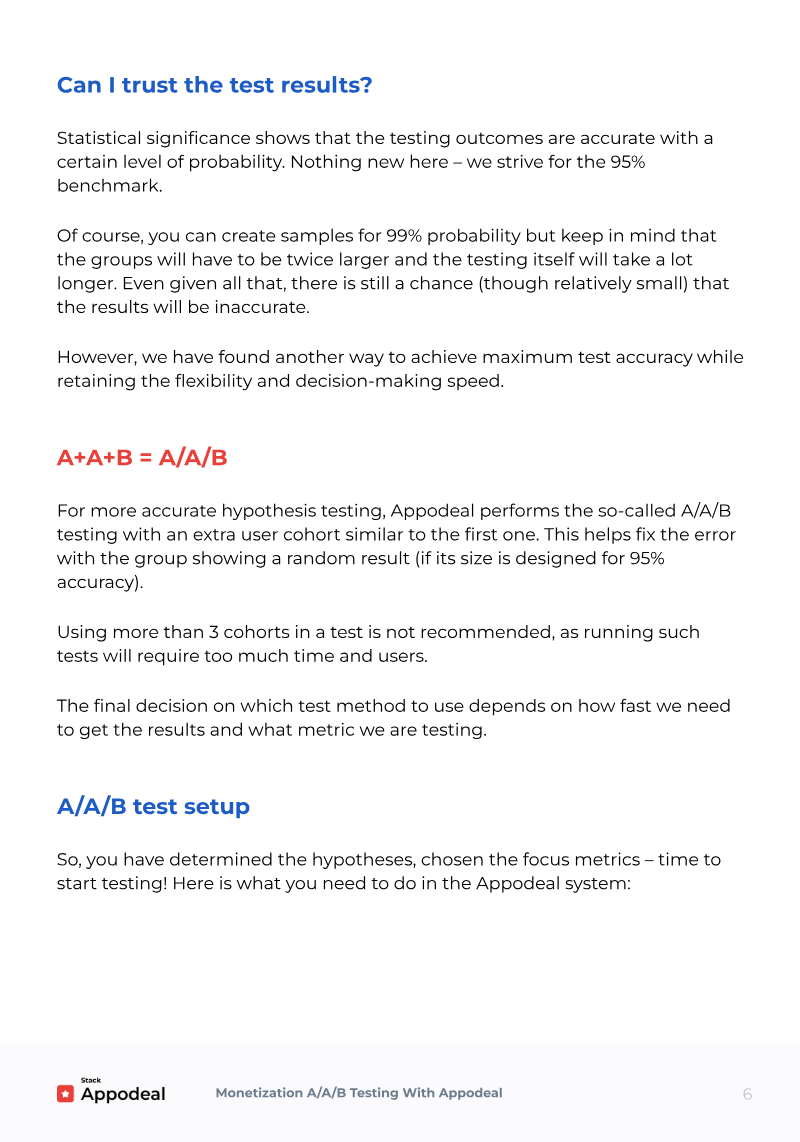
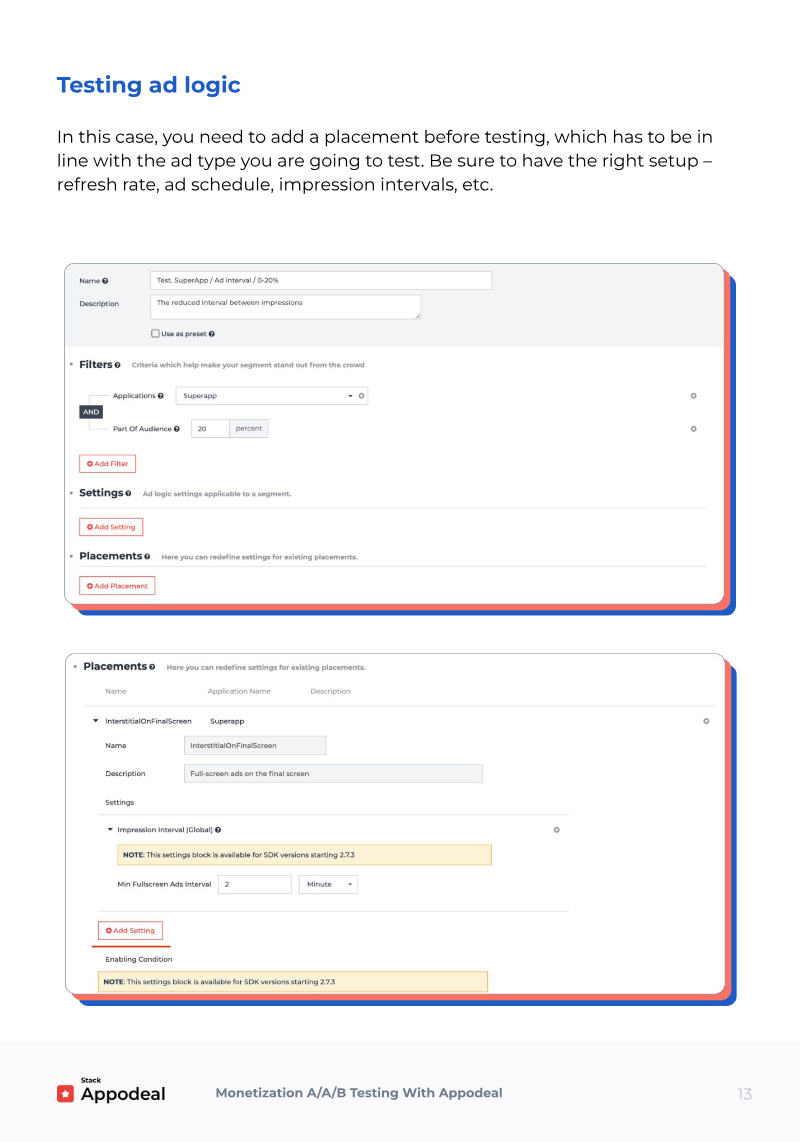
This guide from Appodeal outlines a methodology for A/B testing monetization strategies in mobile applications, primarily focusing on casual games.
- Use an A/A/B testing framework with two control groups and one test group to ensure statistical accuracy and minimize the risk of misleading results.
- Measure success primarily through Day 7 Cumulative ARPU (LTV) to capture the long-term revenue impact of monetization changes.
- Only pursue hypotheses that anticipate at least a 10% change in the focus metric, as smaller variations are considered inconclusive.
Writers
Games and companies
Games