VideoDeconstructor of Fun
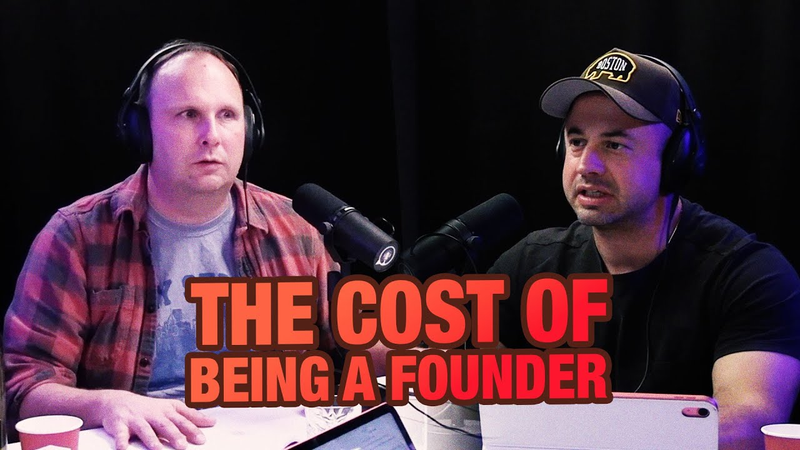
Kress's Corner with Second Dinner's Matt Wyble, the creators of Marvel Snap
8 Apr 202455 min video
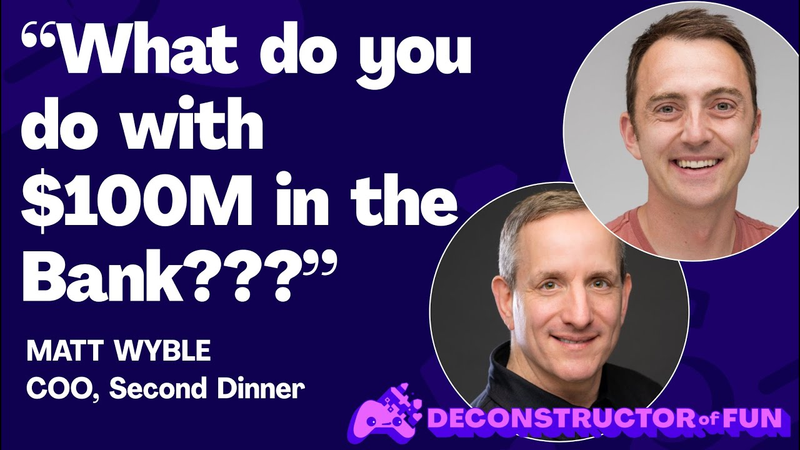
[Music] wow welcome everyone to a special edition of crest's corner with Mr Matt wble from second dinner um I haven't done this one these type of things in a while but uh we recorded one last year that uh the internet Gremlins took over obviously most likely user error but um I'm calling it the internet Gremlins um I wanted to Matt bring Matt back and talk about what's going on at second dinner uh you know the good the bad about Marvel snap uh what's next for the studio and most importantly what the hell do you do with aund million check in the bank like what does that even look like um from a company perspective uh I've known Matt for quite a while uh but we've actually only met in person once um and the only thing I'm really holding against him is that he's one of those McKenzie Consultants that I I despise at times
but I'll admit he's one of the good ones he actually a actually has a passion for video games unlike many of the others um and he abandoned the Tower of Babel at McKenzie long ago to pursue more noble activities which basically means making video games so to start Mr Wyble let's talk about your career what have you done where have you come from what what keeps you going um what's up it's all been leading up to this Crest first of all so this is all I don't know if I'm going to be able to stay motivated post this is this is the Pinnacle of you know just every everything's been leaning this moment I'm extreme you know dream come true very excited uh so I've made it finally if the if the Pinnacle of the your career is talking to me okay we have problems maybe this is not gonna be that interesting this is great I mean it's like you guys y'all are fun you guys are celebrities it's very nice of you to spend a spend little time talking to me um yeah some uh background I always love
the video games I grew up a rural area kind of the Upper Midwest Michigan and uh I played video games like constantly non-stop uh in the you know 80 late 80s early 90s and stuff and then when dialup came uh and dialup internet came it like freaking blew my mind like tons of Quake 2 uh you know like eventually uh like lots of lots and lots of Diablo 2 and then like I got like super super super deep in a game called EverQuest which know played like 20,000 hours of EQ um so I basically all I did was uh play video games and do distance running so uh uh I studi economics in in college I worked at all the places you hate like you know Finance like Goldman Sachs McKenzie blah blah blah uh then I had a few different uh Adventures so I worked at an early video game or excuse me video streaming startup that's actually still around uh which is is pretty cool it's like almost 20 years ago now um and
then I spent a summer running from the Atlantic to the Pacific Ocean with my friend just on foot pushed to jogging stroller uh then I spent a couple years at the Olympic Training Center in Colorado Springs Colorado uh on a national team for an Olympic sport that no one's ever heard of that's about to get cut after the next games I said I retired after the London Olympics from that um yeah after that I decid to kind of get serious I did a uh grad school I did a JDM at Harvard while I was there I always love video games and I was like I want to just like try this out for the summer and I got super lucky I got hired at Blizzard Entertainment working on what was called the Strategic initiatives team which was basically like the original OG like product and strategy team for blizzard working for uh Mike morheim the founder uh and so it was a team of like longtime industry vets uh with that kind of also had some business back ground like came out of uh
you know like uh the guy running the team who's still my boss today was the the EP on Halo uh and so there's like this longtime industry vets and me they're nice enough to take me on we did like all different kinds of stuff for blizzard so one of my first big projects was I uh I pitched uh something that I pitched what became world Warcraft token system I did all the design for how it works developed like kind of like a trading platform behind the scenes for like valuation how how it would move all those sorts of things we worked on like the early uh what became OverWatch like that that design and that pivot how that business work might work um then one of our big uh focuses uh was uh this thing we had a team that that we uh we we we we LED uh making a game called uh Hearthstone so digital card game initially kind of spinning out of world Warcraft card game and evolving from
there so helped build that team the game from and you know the game from scratch and they shipped it uh with we shipped it with like 15 people uh which was was awesome it kind of a Skunk Works project for the for the company trying to make something like live service a multiplatform free to play but you know like with a smaller team and it took off it did really well we ended up just really focusing on that and driving that business for a few years uh I was like a c Hearthstone addicts I more games played of hearthstone than anyone that worked at blizzard a bunch of like top 100 Legend season finishes I was like just like I played I had like 60,000 games played of hearthstone so a lot um then uh after that I spent a couple years uh leading the OverWatch business um and around that time I rejoined uh some of my my friends and colleagues that worked for that blizzard a new new company so uh second dinner so here I
was the original General Manager on snap and I'm the uh the company's Chief Operating Officer so I'm responsible for like the commercial operation of the company as well as our live games yeah all right well that that is quite the background um the only thing that uh actually I didn't know was that um first of all that you have a JD MBA which is pretty crazy but they actually you okay sorry I don't know I didn't know that you actually worked on the wow token system which is quite from day one so so the really the point of talking to you right now and the only thing the real value proposition or the value that the thing that we talk about more in the podcast is about Marvel snap and like being one of the most successful games launched in the last few years certainly hit my uh mice nuts threshold of 100 million um uh life to date so that's good according to data AI it has about
22 million downloads and $140 million in Revenue obviously there's a lot of off platform stuff going on and PC stuff that's not accounted for but let's assume it does around a 100 million or so uh a year per se something like that anyway um but one of the criticisms that uh like we had at launch and I think we continue to have is like how non-aggressive they were from a monetization perspective like I think you're going to argue most likely that you focus more on gameplay than than than broader systems but it was pretty evident early and also like based upon the RPI that's in data AI is it's relatively low to some of the comps um so I guess how would you respond to that characterization that we made on the podcast and also like um how would you just characterize the the snap launch in general um from your perspective good and bad yeah um
the uh on the monetization side I I think we're not afraid of you know if we can make awesome stuff that our players want to buy selling them that stuff that's like you know every once in a while like I I hear uh someone sort of intimate like maybe we weren't uh that we were like worried about that or something definitely not um uh I think overall we're happy with the kind of progress we've made there you know I think you already mentioned in terms of like specific numbers you know there's lot of I always tell people especially games are multiplatform you know we're on PC we got big pretty substantial web shop like you got to take any specific numbers of the grain assault but just in general we're happy with the kind of growth growth that we've seen you know I think there's a way to think about this which is like just the it's a in terms of monetization I think it's a little bit bigger than just monetization I'll tell you what our like our big learning maybe maybe it's just I'll just go through like kind of our learnings overall I think there's some stuff about the launch and overall what we did was really great that kind
of proved out our thesis thesis for like what the we wanted the company to be and what what kind of games we want to make I think there's still you know novel room there's room for novel gameplay polished experiences with with really top IP you know you can we can make something you know with a new team without a bunch of crunch or some something crazy like that we can you know make games in the way that we make them which tends to be like kind of longer pre-pro stage with really small teams kind of finding the fun iterating super fast you know kind of believing truth is in the build all that kind of stuff and then like get really disciplined on that before scaling it's kind of like our general development framework right um and so like all those pieces you know we have very highly integrated teams we don't I like to say we don't have people that work um we don't really have people that work on the game we have people that work in the game so like really really integrated you know kind of working together not some like far off team telling development team what to do or something
like that everyone working together to make it make the business better make the game better um you know I think there's still lots of room for organic reach for the right kind of game I think that's still something we're we're benefiting benefiting from in a bunch of ways and we can make something fully remote so like all that stuff is really good so like just I think we learned a lot even from the launch from the first year plus now of operating that you know I think I think a lot of those pieces were valid I think to your point you know there's a few things one is the Market's a lot less forgiving I think than it was a few years ago the like margin for error is like much lower and I think in particular uh you know five six years ago you could make a game that was awesome in some way but had like a big hole in it and in and you know like was had amazing moment to moment but like the liveops are really thin for like a long period of time and it could still be really successful I think now it's gotten really hard to iend maybe not even like possible to really successfully operate that way you you just have to pretty strong everywhere
like this that's just like what's happening in the market and then you're asking about monetization I think it's even broader than that I think it's like live Ops progression like those sort of ongoing content Delivery Systems those longer term Loops of you know multi-week month year kind of stuff I think there we've learned a lot I would you know this maybe it's kind of like handwave but I I think of game development like at the extreme you can make games either inside out or outside in so inside is like very momentto moment heavy like what okay let's like polish this like exact thing players are going to really be spending most of their time doing and then we'll worry about like kind of meta systems and progression and you know maybe like like monetization and that like longer term content delivery like kind of like that's like a second priority right or it's like kind of further down the Chain versus you know outside in development which I think you you see games that like are extremely strong in terms of like meta progression that content deliver their social systems whatever it
is they're really architected for that long-term live operation even if the game in the mid like this the inside is like not as much of a Focus right you can make great games both ways like I think a lot of really successful games lately have been outside in like I would describe like Monopoly go that way or went out survival or you know there's a there's a bunch of games I think they can make awesome games that way we've tended to be much more uh inside out right like Snap is like really awesome moment to moment moving the cards around feels good the mechanics are really fun and dynamic uh if we could go in a time machine we would definitely have given more time and resources to our team earlier to build out the the outside right that meta that meta rapper that like kind of mization layer and I think now to be at like to have a scale launch you really need like all those things in place at like day one to drisk what you're doing and like just just to be able to execute a really high level and you know frankly it's probably too much
like building the plane mid-flight that we were we were doing post launch I think we got a lot of those systems in place in a pretty good way in terms of our kind of long tail mization and progression systems we we were're able to hit a lot of the marks but I think we would have been better served frankly if we'd been I think still inside out if you will like really focus on that tight novel like polish awesome gameplay in the middle but more quickly and with more convi like making we have thiser and kind of like systems and like you know the really robust shop and those pieces like you know in place it's a little tough though because like obviously everything's a trade-off and you know that's the the question right do you how do you make something awesome in the middle that still hits all the marks and is really really resonant and all those ways but also without like taking away you know like from from this other side right yeah and uh the the other aspect of this that it was we we
talked about on the podcast and also uh there was some coverage about was the marketing efforts around the game uh with new verse and you know rest in peace but um so I guess there's two questions I have do you think that there are things that newers did that were not effective that or they should have dedicated resources differently in order to help Market the game um and then second in retrospect would this be something actually not retrospect because you probably would have done the same thing for the next game are you planning on doing it yourself are you going to uh publish yourself or you going to try to find another publisher sure uh yeah so I guess the first question first the we do things differently I mean in some ways yeah I think obviously right one thing that we would definitely do differently I think that doesn't get talked about as much is we would have gone heavier into influencer right from the jump um you guys had good influencer coverage though didn't you like we did but we could have had even more especially outside of
English okay okay International yeah hold on those IGN guys could not stop talking about this effing game it was crazy dude they just would not stop and they're not really I mean they're influencers in our world but maybe more broader influencers that I think I think there's just more room to I think especially for kind of more midcore games I think that if you get it right it's it's just it's it's really cost effective it's it's a little tricky because of course it's like harder to tie back right it's just harder to tie back one to one and and you can spend a lot of money in effective way but but those guys don't give a [ __ ] about performance they just car you know you give them money and they support they promote it right like like it's uh yeah you know it's not as it's not as tight as like direct Performance Marketing like spend a dollar you got 90 cents back or doll2 whatever right so there there's like some stuff to work through there but in general I think that that's really powerful I wish we we probably would have done even more um and you n was a great partner we were working hand
inand with them the the whole time so it's not like it's definitely like all of us kind of learning together at the same time well that that's actually sorry that point is the one that I would have I think we and you and me talked about this W ages ago is that like yeah new ver was a new publisher right so like learning together on a project it's just not doesn't seem like IND we had a lot of Industry veterans on you know working on this but yeah we were we're definitely working together both of us kind of doing things that were were new to us in in these roles right um in terms of uh you know kind of the future of we'll see to be honest and you know we this is the first game for me ever and for a lot of us at the company where we haven't owned our own go to market but we just had a really we felt like nver and they had they've been a great partner we were able to work really closely with them uh and and do a lot of things that we wouldn't been able to do on our own right this is a small company so if you ask me like in general we're
pretty comfortable building out our own infrastructure and you know it's kind of wait and see we'll see what makes the most sense when we get there all right so moving on so what what what's the next thing like what's this next project you have a hundred hundred million dollar100 million that that's a lot of money right particularly for a mobile game assuming you're making a mobile or maybe a crossplatform game I don't know um can you give us any hints um and again are you publishing yourself what are the key learnings like what what what what what's happening like give us give us as much as you can give us yeah I mean we're pleased to announce we're gonna enveil right here on the podcast here's the let's can we roll the trailer is that okay no maybe okay um yeah we've been working on a couple of things for a while uh I think they're uh they're already pretty legitimately F you know super fun to to play which is which is awesome uh we're still still early days uh you know to some degree
there continuing to refine those pressure test them kind of Follow that you know the model I was talking about a little bit uh one of them is a brand new IP that we're really excited about building in my experience new IP building a new IP is the hardest thing to do in games but you know we think we're building something pretty special and that's really really exciting to us and you know I'm GNA in in general like it's kind of a the same blueprint that I think we just generally use when we think about any opportunity it's the same thing here which is we W to find a space where there's a game that we personally love and kind of deeply understand as players uh which could be a lot of kinds of things but that that we deeply understand that has like real demonstrated demand that has real traction but is not like uh super dominant gorilla like operating at some huge life service scale right and then like the model is you know we take that
we try to make a live service version super polished has a best-in-class IP attached really uh sort of very simple and sort of elegant easy to learn uh and works great in a platform native way right so usually you know like on mobile right I think that's kind of the most exciting one to start with uh and then extending in a multiplatform when it when it makes sense so let's that is a perhaps not as exciting answer is just unveiling everything we're working on today but that's what I got for you all right so let me be clear here you're working on your own IP a new IP not a license correct yeah I so well we're working on a couple things one of them is is a new IP game okay uh you won't you can't tell us the genre is it more core is it more casual like is it similar Uh I that you know overall I like it's to not get like too hung up on that because it's more about what's the
opportunity right is there more core opportunity in this space or is there more casual like got it whatever side is there as long as we're validating the side you know the scale of opportunity and all those sorts of things but but actually the big question for me but based on your experience do you think you guys are going to build out a publishing org I mean you have a hundred million dollars so like you could actually I think publish it's quite likely that we we will I think it's you know we very open to that it's a lot you know I'm not trying to minimize that that's hard to do that's a that's a huge undertaking but it's also something we have experience operating our own publishing previously so it's it's not like a totally foreign concept T us or anything like that okay I have to come out and just say this quickly a100 million like really really a hundred million I know you're a finance oriented guy right does this make sense to you I've been talking about this on the podcast right does this make sense from a VC investment
perspective like how do you get to a 10x 40x 50x 60x 100x type return you know again this feels like more like a a public Equity investment as opposed to a VC you know yeah I mean look I've uh I've certainly heard the Pod a few times here uh on this uh obviously I think it's I think it's the right call and I'm uh super glad we're where we're at wait hold on hold on by the way of course you're happy with it right you're getting aund million dollars like there's no reason I'm just talking from the other perspective from the Griffin perspective do this make sense I get it I get it so I mean I think first of all you know we have a vision for the company that continues to grow and to operate several best-in-class amazing games that millions of players love that last forever right that's the goal that's the dream uh snap is part of that dream we think there's tons of growth inside of snap that we want to be executing on over the next 12 to 24 months huge opportunity for this game in
China tons of opportunity on PC uh we have a clan system coming up and a bunch of as as you mentioned like ongoing mon things like monetization improvements continued live Ops improvements just a lot of a lot of room to run left on the title and we have other other projects that you know we're super excited about they can do amazingly well so you we started talking about doing a series B thinking about what we should do next we we want to make sure you know in terms of what we were raising that we had the capital we need to execute against the vision over the next couple of years here with without being distracted by a bunch of rounds or Capital crunch or any of those things really minimizing distraction to be able to execute at a high level and drive super dramatic growth right in the value of the company a what we're able to deliver to players so for that you know we're s we're really really fortunate we went and talked to B you know potential Partners right in in around the world right that that vision and what we
wanted to see the company become and the steps we wanted to take to to get it and build it out and to turn this into a place that is makes not just one you know hit game but lots of lots of hit games at a really successful highly scaled level um we're really fortunate that that resonated with a lot of the folks that we talked to um and I all those conversations for us as we're kind of thinking through you know the opportunities we had there for in terms of fundraising Griffin in particular really stood out because they understood where we were coming from really deeply they' done a ton of un of uh sort of depth of the background and research in the space and what we were thinking about that like really really nuanced deep questions they' done a ton of homework on the game and the team all those pieces so it was like just we're grateful we had lots of opportunities in particular like Griffin and and nety who's been a great partner for us since we started who also participated just uh kind of having beinging able to bring
another partner in that's going to be really creative to the the quality of our thinking to our strategy and our business has been great right so I mean that's the goal that's the goal look like I get it I get it you're building a company you're not building products like I think that that's a huge differentiator right um and and you can stack on the different products and grow and scale and build your own IP and move over to other platforms it's going to take a while right but there the sheer logis ICS of getting from a $400 million valuation roughly if you you know did 100 million round to a 10x return for a venture fund just seems extreme like a $4 billion do valuation um in the next five to seven years or something like that like I don't know you know but maybe this is a question for Griffin right so I'll maybe I'll I'll punt it and and try to get Griffin on here to explain how this is a VC type return because it feels more like an equity return right because I think I could put I could put that this
kind of money into a vti and make it over you know a two to fourx type return over the next like five seven years or something like that anyway I think we should probably couch this and so I talk to the so um anyway is there anything else about second dinner that you want to cover uh before we move on because yeah part of what I love talking with Matt about is industry stuff and his experience with other things and and but what else is going on at second dinner I you know first of all do community has always been great to us and super grateful for them uh we have uh a bunch of rols open we're going to be opening some more in the coming in the coming months always excited talk to Top Talent of of any type even if we don't have a a role posted hit me up I'm on the slack I'm on LinkedIn all those places if you want to make a connection uh I've been told that I have to give up my my hermit ways including by you Eric and start like going to conferences and doing
things like this podcast which is why I'm here so um hopefully I'll you know see some of y'all at dice at GDC kind of some of those uh you know those things as well so always all we're always always always uh eager to kind of talk to Top Talent find the best people in the world that we can to uh come join our crew all right all right so as I said I I I um always like to talk about Matt about the industry stuff because he's been in the in the business for quite a while and even though he's a McKenzie consultant um we're not holding that against him he still has great experience so um I guess first of off like in terms of the state of the industry and your experience was blizzard um like what what your thoughts on the current state of blizzard and and where they're headed I don't know if you listen to the podcast but I'm not really feeling good vibes about the future of Blizzard uh you know what what are your thoughts here well first uh I'm just you know
really sadden my heart goes out to all my friends that were impacted by recent headcount reduction um just really hard on top of obviously a super hard time in the industry generally for like thousands of people so that sucks um that's like the depth of my thoughts on on that um you know I my biggest hope is that the teams uh that are building and operating and marketing and kind of supporting the games uh get kind of clarity of vision and continuity so I think this it's just really hard to go through this time where there's a lot of things up in the air like is the AC you know is an acquisition going to go through is it not is it you know like those kind of pivots and that sort of movement is really I think hard for people to do their best working to make the best stuff to operate at the highest possible level so I think my my hope more than any else anything else is that kind of some stability and some like kind of that Clarity of Northstar and and being able to you know kind of really focus
and execute against that uh you know I think there's a lot of you know they they have a lot of amazing games right World of Warcraft amazing uh they have amazing IP yes and amazing I played a ton of Diablo 4 I think they have you know lots of room on the kind of liveops in particular area and kind of ongoing engagement to continue to level up but game's super fun it's super fun to play um all right basically actually this is a really good point because this is is just dovetailing exactly what you said before uh by by developing Inside Out versus outside in right clearly Diablo is the game that was invest did inside out just like your your your claim right about your game so they did not spend a [ __ ] minute no that's not true they spent barely a minute of time thinking about uh The Meta for Diablo it's like I that's I think the biggest disappointment so and obviously it's the meta is we is pretty clear it's just
basically um expansions and you know what season pass type stuff right which is you know phoning it in type thing so there's no real Chase uh in the meta so is it too late though I mean is it is it like can they actually fix it or or do they have the desire to fix it you think I think I think there are thousands of people working there that have want nothing more than the make the best games in the world for millions of players I fact I know that to be true that's definitely true but they but they didn't do it right they didn't do it it take it's really it's really really hard to do both things right it's really hard to make the amazing thing in the center and all those systems at the same time it's very hard to do I think they still have time to do it I think those franchises are quite durable but yeah I mean anytime you're starting from something that where player counts are going down or what have you turning the ship around is harder than you know like it's always harder to win back or to
acquire more users than it is to retain right if you if you all El equal right so yeah that's that's a tough spot to be in um okay yeah I mean that that that's hard I I but they're super especially I I think in particular now like uh post idfa Etc like that having like a durable franchise with like tons of demonstrated Affinity that players are going to give you a CH you know a chance a shot is incredibly valuable the number of franchises that for which that is true are like single digit maybe maybe less than fewer than 20 right it's probably you know like fewer than 20 and they they have a few of them they have a few of them that doesn't mean it's easy that doesn't mean you don't need to learn new stuff obviously you do but that's it like I would uh uh starting from that spot and then building a lot of the capabilities that you're highlighting and continuing to expand us not saying that's easy but it's it's something you can execute on but unfortunately we we
know or I Le think I know anyway is that this was a really conscious decision from a design perspective not to focus as much attention on the meta and and monetization Design Within you know within in the middle of the seasons this was an expansion pack season this was the strategy it was the wrong strategy fundamentally I think anyway but all right we we I guess most of all I'm super rooting for the teams and games like they can make amazing stuff there's a ton of amazing leaders there like I you know I that I I have a lot of confidence in the opportunity right the opportunity in front of them I think is really really high being able to you know executing against is not gonna be easy yes agreed um and I'm not even gonna I'm not even going to try to get any information out of you on your the leadership changes but uh we'll we'll move on we'll move on because I I promised I was going to put you on the
hot seat all right okay the warm seat the the one burning question that is in everyone's mind or at least is in the minds of the a16z guys uh and their and their and their you know crazy expectations on things um including AI I guess in your opinion and try to be as act prag practical and like giving me good examples of it is like how is AI or how how has AI helped the process of making games and then also how you see AI as helping the process moving forward and it will be a big will it actually be a cost savings for developers um and yeah I don't know what's your experience with AI so far and how do you see it moving forward okay I guess the question is it's like AI question mark okay uh the uh so first of all super enormous C change on a equivocal uh I'm like I'm I'm I we're
just all we're all in that we're we've been very me personally been very skeptical of almost all Trend chasing in the industry over the last like call it like postmobile like last six seven years of like what was going to be the next like super huge thing I've been extremely skeptical like the fundamentals of of those things we could pick on a bunch of them I mean about V VR streaming AR all that stuff Yeahs I think a lot of like you know like in certain ways like some some versions like web 3 content like where there's a lot of open there's a lot of open questions and a lot of like uh sort of uh missing pieces in the chain in terms of how it would convert to being like a scalable business or got but AI you feel differently AI is super different in in this way which is strange because I'm used to being like bearish I've almost cres in generally about the new things and being like no it's not going to work not going to work absolutely totally different on AI for us personally you know we've we started scaling up an AI
focused team almost two years ago now um and uh it's been really Illuminating and we've been able to do a lot of things already I think that's a big distinction like the amount of things we're able to do already that are really uh powerful is great now like first also like Cav like any other like disruptive sea change technology whatever we're all going to be like somewhat wrong about how it it works and there's definitely danger of going too fast or too slow and like it's just it just is that's just how it is um in terms of like short to midterm right because there's like the kind of hand wavy longterm which is interesting but who knows uh there's just a there's a ton of opportunities personally I'm really excited about the ability to personalize players game Journeys and like the the sort of responsiveness of content that you could have uh in using AI right using um
excuse me like recommendation engines using which is sort of already proven technology using llms using all these pieces together so like generate content on the fly to you know kind of really almost like handcraft an experience if you will so like to me like one way to think about that and I'll get into a specific in a second because otherwise your eyes will glaze over you'll just start saying BS over and over again um is like uh how I think about this is we went from not really testing live Ops games like AB testing to like cohorted testing right like creating more granular like trying to like place people like personal like recommendation engines are like the terminal point of that right they're like Eric likes we know you know we have 10,000 data points about Eric we know he likes this kind of game we can make sure his next game experience he's matchmade with this kind of player or this kind of Bot he's going to see this thing and he we can really like you know we can scalably you know sort of craft that for you in particular right that's really
powerful and that doesn't require like some technology to be invented that isn't invented yet right it requires but that's but hold on that's not AI though that's I mean that's recommendation engine power algorithm well I mean what's the this is this is certainly a component of of a of of AI right all right fine machine learning is not AI well I mean it's not the AI we're looking for right all right continue fair enough I mean these These are of all of all of a piece though right because another example of that is like custom the ter like the end point on that personalization can also be like something custom made right like it could be hey this NPC is you know D dynamically generating text or audio or what have you right like the all those pieces kind of have to work together in my view to to be to be served up in this like sort of height you know really smart customized way um right like that that we we're we can unlock a scale there of like depth of customization we never could do before that is way
different um than what we're than what we've ever seen uh it's I think it's GNA take time kind of more on a like design level like how do we best use that in ways that are really compelling but also building building something that doesn't break it right yeah like absolutely abely yeah it's not tomorrow it's not like you know there gonna be fits and starts right um I think that's GNA be pretty wild the other you know they like I guess on the specific so so those are like some specifics right like the the easy version of that which has already existed for years like you know personalize stuff in the shop but what if you you know personalize what if you personalize in the shop but then you see that thing in the next game you play and you get to you know like you're able to pick it up and so you know that that stuff is really really really powerful there's tons of Green Field room there that that games are just starting to execute on to a greater greater degree or using AI opponents in a smarter way um you about content generation costs
going down I actually don't think longterm that's going to happen I think that will almost immediately I think in the short term yeah like for some people that choose to use generative AI um like art assets which is is not something we're we're uh you know we're we're like doing right now uh uh the for people that do that there's some short-term cost savings but I think they'll just get gobbled up with the expectation of making more content right like they'll just cause the cost to come up in some other ways uh that like longterm I don't think it's a sustainable cost cutting Advantage um and then there's a ton of stuff that's a little more Tech focused on the developer side we call it like giving our developers Mech suits so like Engineers being able to co you know just simple things like lots of people you know using Co GitHub co-pilot things like that um having more automated like code review test generation making documentation in a dynamic way designers
that are able to do like balance testing with like millions of games with reinforcement learning right right being able to inter you know interact with like big data sets and not have to know like SQL or be a data engineer but just like be able to use like natural language to ask a question and get an answer back right away that stuff is not like sexy by itself right like one one each one of those things but when you add those things up I think we're it's it's a real and obviously lots of people are saying it's a real possibility that we're you know 5x in 10 Xing developers Effectiveness like in pretty short order right and we we're we're very much Believers in this we've been pressing really hard here and gotten a lot of yield already right all right I I I'll I'll capitulate to the mech suit kind of idea I think that's kind of a cool way of saying it uh I just think uh a lot of people's expectations and buzzword salad from a16z and and freaking McKenzie you
know are making it sound like this is the second coming um and again as I said in the podcast I believe that there AI is the absolutely massive thing for the world in general and it's going to have a broad impact I just don't know how much impact it's gonna have on gaming specifically so name name name a technology that you've interacted with that has evolved as as fast as AI has evolved in the last 18 months yeah I I agree but facilitating game design is a different story than of course I'm just like most arguments right I think most arguments about that future boil down to what I to to this right it's this this technology is advancing and improving at such a like okay so at such a rate that yeah like of course some of the things are saying are wrong of course like it's not going to work exactly how like we get really hung up on that but like the the dumb version of this to me that makes sense I'm definitely not engineer is wow like any technology that advances
that rapidly for a long enough period of time like with with obvious use cases right without like you know it's not just some like thing that's like like just it's is almost certainly going to be dramatically disruptive to every aspect of making software right like that's and and the UN right and the unpredictability of it is meaning like me should not be speculating of course of course anyone that's why I said you can like like I don't know how you could be kind of on the other side of this unless you felt like hey that that progress is going to like stop right that that that kind of like rapid advancement if maybe that's I don't know again I'm not an AI engineer like maybe someday we run out of llm advancement and you know GPT GPT 5 is like not good enough or whatever to but man this is like break neck right now right all right you're older than me do you remember like when the telephone was invented I don't know like how fast that went but that yeah it's like a huge
advancement we shall see um I I don't want to open up this can of worms too much but I know your company's fully remote right we are fully remote we have it we have an office a physical office in Southern California but uh we we uh we don't hire anyone to be there do you go to the office yourself I do not live in Southern California anymore I I'm there about every uh every two months for a week wow so how many actually people work in the office average day three to five oh my go okay so you're fully remote I'm fully remote we're fully remote all right I I I've stayed out of this mess because I I've been actually fully remote for the last 10 years since I started gossiper so I I I don't like I and I don't work at big companies anymore so I want to stay out of The Fray on something that but sometimes I think that like I think
the remote work has caused a lot of issues with people and probably made me a little bit more antisocial than I otherwise would be not that I wouldn't have been antisocial before so anyway what do your what how do you feel like remotes Works working for you guys is there any plans of going you know uh Google and Facebook and Amazon and everyone else trying to get people back in the office like is there what what are you thinking about it these days uh yeah first of all no plans to to go back it's worked well for us but it's not always easy and it's it's definitely not for everyone you you wouldn't find any of us saying like all companies should always be remote um there's some really great things about it we you know fundamentally I think our model really depends on us attracting and retaining like the very best talent uh and and really aggressively trying to get those people and there's a lot of people for us that kind of working remotely it really resonated with them especially people that maybe had a had a role that
was going to require them to go back to an office Etc people had lots of reasons for wanting remote um personal reasons family reasons medical reasons you know lots of lots of things I I personally move for for kind of family family related reason it's super it's a really big Advantage for those people um and kind of attracting and retaining them that that's huge um it's been great for me personally selfishly uh it gives people some you know additional Time Savings like you know the all the the classic like Community the office all that stuff um this also reduces our cost and complexity like around scaling and some of our flexibility there like we don't need to you know it's worry about the administrator bur like a new office space or rent or you know kind of like huge rent or some of those things that that's you know those are good those are good those are good valuable pieces there's really challenging Parts too I think the biggest challenge honestly is uh we generally you know we're all we all do our best work when we're in a
high trust environment and it's harder to build that kind of deep trust in character and confidence remotely it's just harder it's just harder to harder to do that it's harder to onboard like inexperienced people that might need more kind of like that kind of more informal guidance and direction it's definitely harder it's also harder for new managers who are kind of inexperienced in managing who might need to like learn more like soft skill skill stuff and like making sure they're getting tools they need um I also think if I were you know you mentioned some you know the Fang kind of companies I've heard from a lot of people that and I believe it's that it's much harder to run like a and get like total Buy in from like super huge you know thousand 10,000 plus people companies and huge teams like getting them like everyone like bought in and fully committed and those things I think that would be super hard um I don't think we'll be 10,000 people anytime soon but maybe we'll need to revisit when we cross the uh that threshold and it it's a bunch of like new skills to
learn and I think it helped us a lot that we kind of made the commitment because none of us had done any remote basically uh till covid and then we made that commitment to to stay remote uh like within the year um we do a bunch of things to address some of that we do in-person uh Summits like twice a year in in SoCal uh they're mostly they're mostly focused on just like relationship building right getting people together trying to build build a lot of those bonds especially between people that aren't working together every day because there's like just you get less of that we set pretty pretty like you know stringent uh expectations around like core hours we're camera on for everything we give this is very dumb one but I always tell people we give a lot of feedback on people's AV setups so like and we make sure they have like good camera and lighting and microphone it's like really shocking to us that people have been we'll talk to people other companies and they'll have like a messed up audio thing and they'll be like it's been like that for years I guess and
like no one ever told them that that's like small but I think important and then we we do a lot of we're pretty receptive for smaller teams or groups or pods that want to like fly in for like a multi-day meet up in in SoCal to to work together you know we we try to enable that where we where we can where it makes sense uh and we do still have that small office that's like our you know home office like hub for company Summits that that sort of thing and for people that that that Minority people that do prefer that like musical office environment not for everybody though I I'm definitely not like Rah everyone should do it it's not easy um I think it helped us a lot that our founding you know our executive team we've been all working together for more than a decade and if uh you know we just had a ton of builtup trust and and sort of strength of relationship I think if we were like starting a new company with someone I didn't know or someone I just met be way harder versus like expanding kind of the trust web you know if you will like hey we have a really tight uh nucleus of people that started the company that high trust and we can like
extend that outward is a lot easier than like from day one we got to build all that up Honestly though it seems to me that like at your scale it kind of makes sense but if you really want to scale the company into A4 billion dollar company like fully remote is likely not going to work ultimately but I guess for now I think uh you know we have a lot of plans there I think one thing that helps a lot as we is making giving teams like a lot of uh making making teams working on projects feeling feel really cohesive so even if you're like relatively big within your team of you know if you're you know in Prototype phase like a couple people right all the way up to live operating with 100 people 100 plus that's totally different than like hey we like you know that's really the the scale right that you're building that building that around versus building it like for the whole company kind of as one big unit got it all right um all right let's
finish this off with an easy one uh what are you playing and what are you looking forward to this year from a game perspective right I'm uh so I was recently at covid for the first time and so I played I isolated and I played an absurd amount of Dave the diver on my on my steam deck uh it was uh it was just super uh super fun made a lot of sushi um that game that game's really fun uh playing a lot of snap obviously a bunch of mobile games I play on off like Monopoly go we talked about Royal match uh death must die was a like a in Early Access still I think on Steam uh I'm like a crazy vampire survivors fan uh played some Survivor iio but still love OG vampire survivors I got like hundreds of hours on that game um uh triangle strategy which is like uh that also plan steam deck which is like uh kind of like in the final disia like Final Fantasy
Tactics kind of game this like two and a half D like octopath style visuals uh which I really really like I'm someday someone's going to make maybe it'll be me but I I I I think it's it's a hard problem but the someone's goingon to make the amazing like that game mobile freeto playay live Ops and there's been a few out there there's a fire embling game and stuff and still waiting for someone to make like the one the version of that that really scratches is some itch for me um Triple A playing a little bit less now but like Spider-Man 2 not that long ago was playing a bunch of Diablo 4 and now I'm kind of resting waiting for the expansion um uh what else I play a lot of like I cycle through like a lot of like word games like you know all the like like the new like the worlds that kind of stuff big dual lingo guy oh for Christ's sake really dude yes I love they have a lot of they very smart product team I really I think that happens strong um and then there's like a bunch of there's a few games that are more like for work research stuff that
I'm I'm trying that's like last couple months I've been what I've been uh playing and what's coming up uh that you're excited about it feels like don't you feel like this year's a little thinner yeah it's it's freaking thin paper yeah whis we're all waiting for like like console refresh like like on Nintendo or GTA like a GTA release I mean GTA is gonna it's gonna be amazing I'm so excited uh so D4 expansion for sure um I think Hades 2 is going to be out at least early access this year yeah yeah you're right Hades is I like love love love that game and uh like every aspect of that game amazing vo amazing vo uh I want to play the Final Fantasy 7 remake both I I haven't played the the first one I think I'm G to play them both when they come out when the next one comes out on PS5 um I haven't played I haven't played power world yet I don't know if you I can't believe it actually I'm a little
bit surprised I I'm a little bit surprised too I just uh well I was I had uh I had covid and that kind of was traveling so hopefully next hopefully next week I'm gonna see if it I can run it actually I need to look today make sure I can run it on my laptop so when I go to dice and back in my introversion hotel room I can play I don't think it's a system hog at all so I think you'll be all right I think uh yeah I think I think I'm going to be okay I still haven't played elen ring and I really want I like want to even though it's like not exactly my jam maybe but that's too hard yeah I I think I should you just want to grind and then just steamroll everything that's what you wanna just like yeah basically like what you want to do you just want to like you'll just sit there yeah yeah um I haven't gotten a mess with uh the I haven't gotten one yet The Vision Pro the Apple Vision Pro um not because I think it's like G to be a huge scale I generally agree I think it's going to be it's it's a ways away but I am like I got sof spot for that stuff one of my first projects I ever worked on in games
was a a game jam with the original Oculus SDK like like 12 years ago or something 13 years 14 years ago there's I think there ways to go before commercial scalability but it's cool it is cool like you know just because just because something's not scalable yet doesn't mean it's not cool so I I I agree I think it is pretty cool Tech pretty cool kit but I uh I don't know what the future is for that all right well more better input schema that's what I'm just like waiting for better I'm excited to try that out because that's like I think yeah I think Minority Report ruined it because I think there's just no way we'll ever see it maybe eventually I something something yeah all right Mr wble it was good chatting I'm glad we got to do this um we will we will do it again as you go on your mad PR uh you know campaign um uh anyway agency Eric you gotta you gotta
tell me what I need to book what's the what's the best way to reach out to uh LinkedIn I'm on the doof slack if you're for folks that are in now you can hit me up there all right thanks again
Auto-generated captions from YouTube — names and numbers may be misheard.
The success of Marvel Snap stems from an inside-out development philosophy that prioritizes polished, moment-to-moment gameplay before integrating meta-progression and monetization. While this approach fostered a strong core experience, the studio recognizes that the modern gaming landscape demands high-quality execution across all pillars—gameplay, progression, and live-ops—from the moment of launch. Consequently, the studio is shifting toward more robust, proactive live-service planning to avoid the operational strain of building systems post-release.
Supported by a $100 million funding round, the studio is scaling its operations to facilitate long-term growth for Marvel Snap, including expansion into the Chinese market and enhanced PC support, while simultaneously developing new, original intellectual property. This growth strategy relies on maintaining a sustainable, multi-hit studio model that balances disciplined, iterative development with the pursuit of projects that ignite team passion. To achieve these multi-platform ambitions, the organization is actively recruiting top-tier talent and leveraging artificial intelligence as a force multiplier.
Artificial intelligence is viewed not as a cost-cutting mechanism, but as a productivity-enhancing tool that functions like a mech suit for developers. By automating tasks such as code review, balance testing, and data analysis, AI allows the team to meet increasing content demands while personalizing player experiences. This technical agility is supported by a fully remote operational model, which remains a cornerstone of the studio’s recruitment strategy. By organizing the workforce into smaller, project-focused pods and maintaining a high-trust culture through biannual in-person summits, the studio successfully navigates the complexities of remote collaboration, ensuring cohesion and operational efficiency despite the lack of a physical office.

Deconstructor of Fun · 2026

Deconstructor of Fun · 2026

Deconstructor of Fun · 2026

Deconstructor of Fun · 2026

Deconstructor of Fun · 2026

Deconstructor of Fun · 2026

Deconstructor of Fun · 2026

Deconstructor of Fun · 2026

Deconstructor of Fun · 2026

Deconstructor of Fun · 2026

Deconstructor of Fun · 2026

Deconstructor of Fun · 2026

Deconstructor of Fun · 2026

Deconstructor of Fun · 2026

Deconstructor of Fun · 2026

Deconstructor of Fun · 2026
Sensor Tower · 2026

Sensor Tower · 2026

Deconstructor of Fun · 2026

Deconstructor of Fun · 2026
AppMagic · 2026

Deconstructor of Fun · 2026
Sensor Tower · 2026
Deconstructor of Fun · 2025
Comments