Mobile reports and market data
Documents
DoubleDown Interactive’s Faith Price On Lifecycle Marketing Tips To Extend Your App’s Lifespan
Lifecycle marketing serves as a critical strategy for extending the longevity of established mobile applications, particularly for mature titles like DoubleDown Interactive’s 13-year-old social casino app.
- Long-term profitability for mature apps, such as DoubleDown Interactive’s 13-year-old social casino title, depends on integrating user acquisition, retention, and engagement into a unified feedback loop.
- Features that drive initial user acquisition often differ from those that sustain long-term engagement, with new players prioritizing core value propositions while veterans prefer mini-engagements and community content.
- Rigorous testing of communication timing, specifically for onboarding flows and push notification requests, is essential to prevent user alienation and ensure seamless access to the game.
Exporting the Istanbul’s Gaming Magic with Görkem Türk
Laton Ventures operates as a 35-million-dollar venture capital fund based in Istanbul, dedicated to fostering pre-seed and seed-stage gaming startups.
- Laton Ventures is a $35 million Istanbul-based venture capital fund focused on pre-seed and seed-stage gaming startups.
- The fund prioritizes investment in teams with a proven history of working together over individual credentials to de-risk the startup lifecycle.
- Investment strategy targets a balance between creative vision and commercial viability, with specific interest in mobile titles with social integration, PC gaming, and consumer applications.
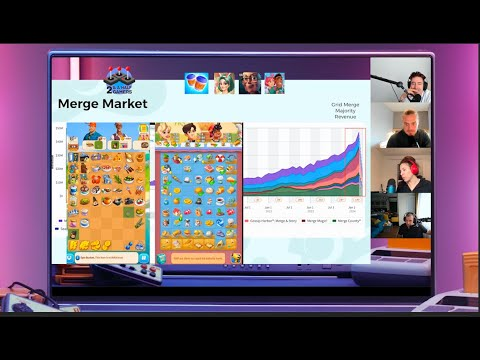
Merge Games Market History & Full Overview: Travel Town no.1 Merge game & Gossip Harbor case studies
The mobile merge game market has undergone a significant evolution, shifting from the open-ended, resource-heavy camp merge style to the more streamlined and commercially successful grid merge format.
- Grid merge games have become the dominant revenue-generating subgenre within the merge space, largely due to improved game loops that address player frustration with inventory management and board clutter.
- Travel Town, currently operated by MoonActive, has revitalized the genre by tightly integrating its meta-progression with item generation, ensuring that secondary item byproducts provide meaningful rewards and clear player goals.
- Successful merge games require precise balancing of generator cooldowns and item chains; for example, creating a single tier-five item typically requires 16 energy, making session length and resource flow critical to retention.

Privacy vs. Ad Monetization with Google's Ross Brockman and Kwalee's John Wright
The mobile advertising industry is undergoing a fundamental structural transition, moving away from legacy waterfall ad-buying models toward real-time bidding (RTB) systems.
- The mobile advertising industry is shifting from legacy waterfall models to real-time bidding (RTB) systems to reduce latency and increase market efficiency.
- Developers should anticipate a manageable 10% to 20% decline in ad revenue throughout 2024 as the ecosystem adjusts to ongoing privacy-centric mandates.
- To maintain access to personalized ad demand, developers must implement standardized consent management platforms in response to EU and UK regulatory pressures and Apple’s App Tracking Transparency.
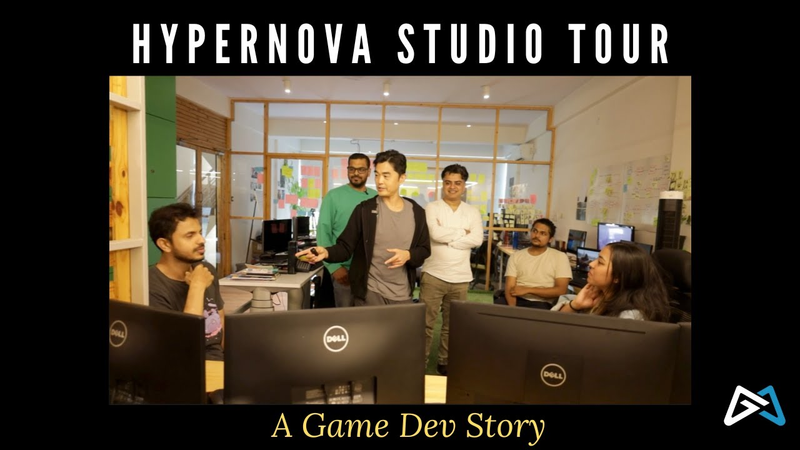
Hypernova Studio Tour - Building Mobile GTA for India (A Game Dev Story)
Hypernova Interactive, a Bangalore-based independent studio, is currently focused on the development of Mayanagri, an open-world mobile title designed specifically for the Indian market.
- Hypernova Interactive is developing 'Mayanagri,' an open-world mobile game tailored for the Indian market by incorporating localized cultural elements like Hindi music and Bollywood-inspired marketing.
- The studio operates with a lean team of approximately 30 professionals and has produced 52 games over its eight-year history.
- To maintain high-fidelity production, the studio utilizes an in-house motion capture facility that allows for an iterative workflow between art, animation, and engineering teams.
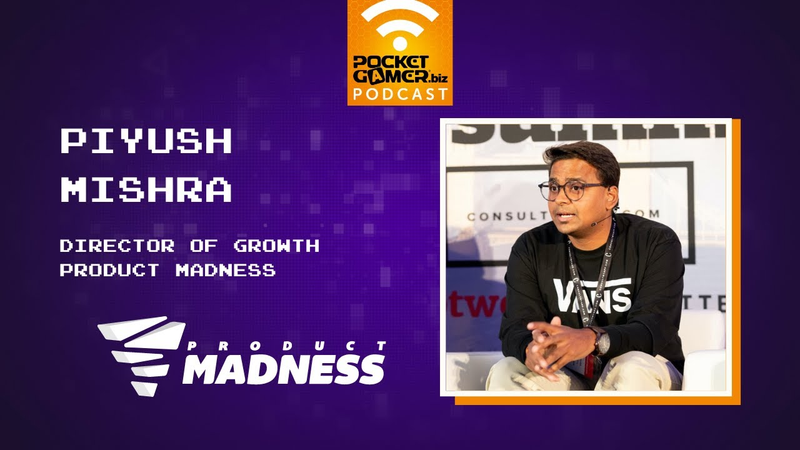
Product Madness’ Piyush Mishra On Smart Questions For Smaller Studios
Smaller mobile game studios must transition away from expensive, traditional soft launches toward a model of strategic, low-cost concept validation.
- Marketing must be integrated into the product development process from the start, as marketing teams provide essential data-driven feedback on target demographics and user retention that product teams cannot identify in isolation.
- When evaluating game viability, studios should benchmark against current genre standards—such as 30% D1 retention and 7% D7 retention in the Social Casino space—rather than relying on historical performance or internal success metrics from older titles.
- To minimize early-stage UA costs during soft launches, studios can test in lower-cost markets like the Philippines, Malaysia, or India to validate basic retention metrics before moving to high-value markets.
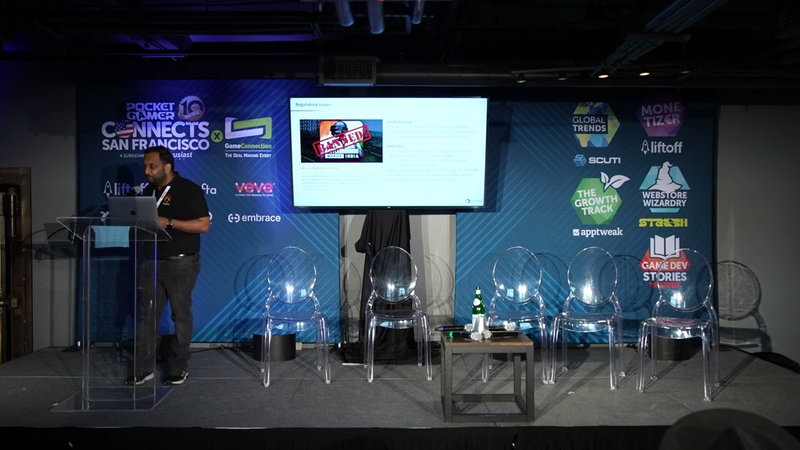
India’s Gaming Revolution, Opportunities & Challenges, Vamil Doshi, Nazara.
The Indian gaming market represents a rapidly expanding sector, characterized by a massive user base and significant growth potential for international developers.
- The Indian gaming market reached 568 million gamers in 2023 and is projected to grow from $3.1 billion in FY23 to $7.5 billion by 2028, representing a 20% CAGR.
- India is the world's second-largest market for game downloads, recording 15.4 billion downloads in 2023, with 66% of the gaming population now residing in tier 2 and tier 3 cities.
- Monetization is shifting toward mobile casual games, with 25% of Indian gamers now making in-app purchases and the average revenue per paying user (ARPPU) growing 10x between FY19 and FY23.
Drive Profitable Business Growth With Meta’s app ads & Audience Network, Toby Wilkins.
Meta’s strategy for driving profitable growth for app developers centers on three pillars: optimizing user acquisition through AI-driven automation, improving attribution accuracy, and evolving monetization capabilities within the Audience Network.
- Meta has removed campaign limits for Advantage Plus app campaigns, allowing for unlimited creation to support high-liquidity, AI-driven performance optimization.
- The Meta Install Referrer for Android, which integrates with all major mobile measurement partners (MMPs), has demonstrated a 20% increase in attributed conversions by capturing edge cases missed by Google Play's standard referrer.
- Meta is transitioning toward privacy-resilient ad serving solutions for iOS and Android (via Google Privacy Sandbox) to move away from the traditional one-to-one user match requirement.
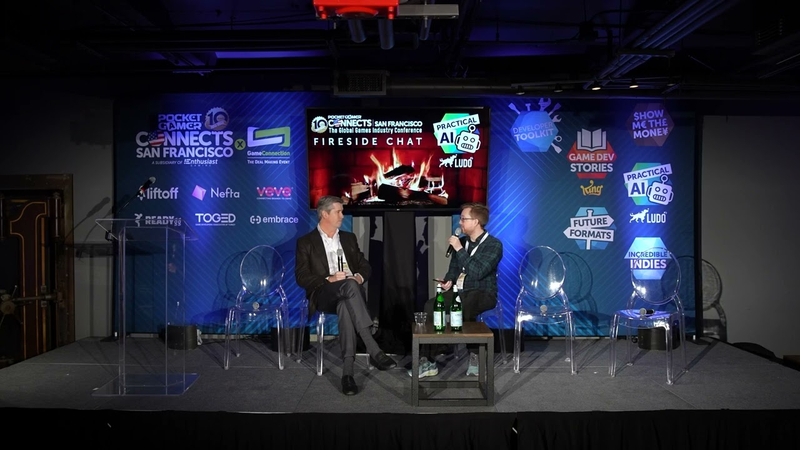
Fireside Chat: How AI is Shaking up Game Development in 2024, Craig Chapple SM & Tom Pigott, Ludo.ai
This discussion explores the transformative impact of generative artificial intelligence on the game development industry in 2024.
- Generative AI has transitioned from a speculative trend to a permanent, fundamental shift in game development workflows as of 2024.
- AI functions as a 'co-pilot' for developers, providing the most significant efficiency gains during labor-intensive pre-production, ideation, and rapid prototyping phases.
- Integrated AI platforms are democratizing game development by allowing smaller independent studios to match the productivity and creative output levels previously exclusive to AAA developers.
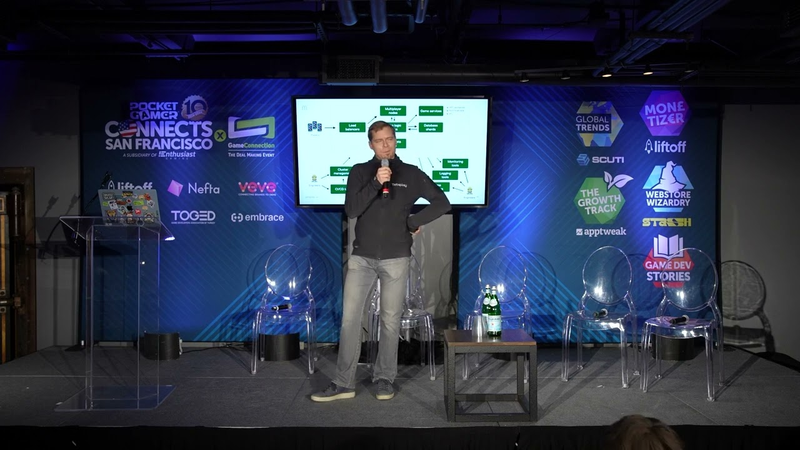
Building for Scale: How not to get Caught out at Global Launch, Teemu Haila, Metaplay.
Scaling mobile free-to-play games requires a strategic shift from rapid prototyping to robust, scalable infrastructure.
- Retrofitting backend infrastructure after a global launch is significantly more expensive and time-consuming than integrating it during the initial development phase.
- Teams must transition from rapid prototyping to robust, modular architecture early to avoid a 'productivity cliff' caused by technical debt and architectural limitations when player counts surge.
- Prioritize the development of an over-the-air update pipeline early in the project to allow for real-time tuning of game economies and content without requiring new user builds.
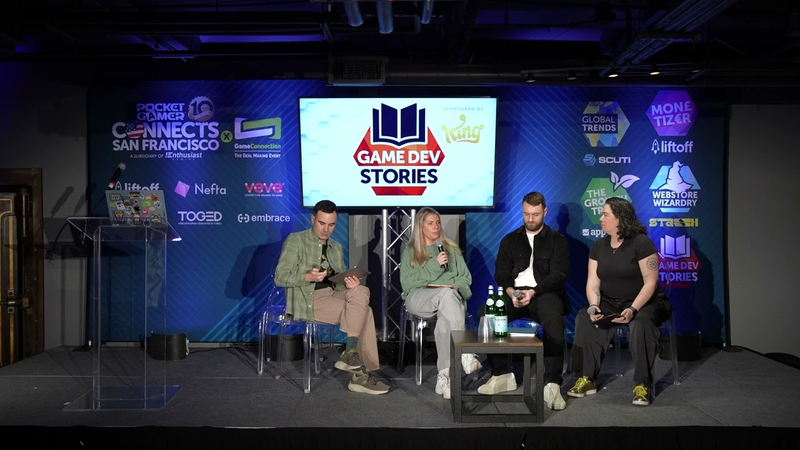
Panel: A Decade of Farm Heroes Saga: Reflecting on the Evolution, Impact, & Future...
Farm Heroes Saga maintains its position as a cornerstone of the mobile gaming industry by prioritizing a player-centric development philosophy that balances rigorous quantitative analysis with direct community engagement.
- Farm Heroes Saga became the first UK-developed mobile game to reach $1 billion in lifetime revenue in 2017.
- The development team prioritizes 'outcomes' over 'output,' focusing on player motivations and desired emotional experiences rather than simply increasing feature volume.
- Data-driven decision-making serves as the backbone of the design process, utilizing hypotheses based on metrics like daily active users, game rounds, and event funnels to guide pre-production and post-production.
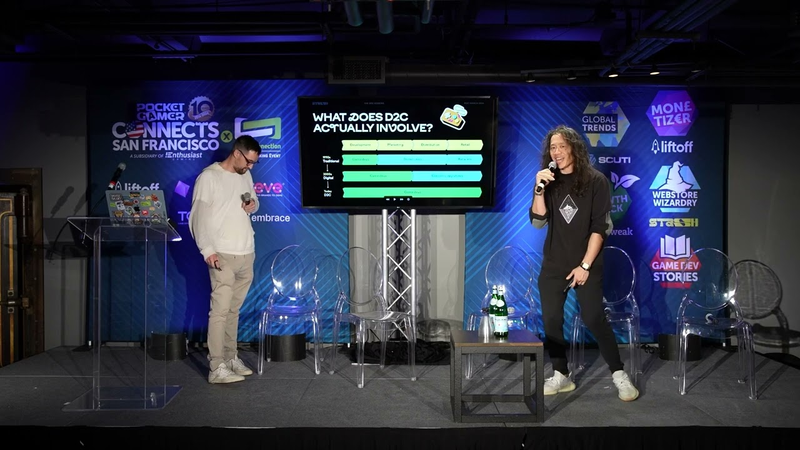
The D2C Iceberg: How top Games hit Record Profits Despite the ATT Crash (And how you can Too).
The gaming industry is currently undergoing a structural shift toward direct-to-consumer (DTC) models as developers seek to bypass the limitations and costs associated with traditional third-party app stores.
- Top-tier developers are bypassing 30% platform fees and mitigating the impact of Apple’s App Tracking Transparency (ATT) by shifting toward proprietary direct-to-consumer (DTC) web shops.
- Huuuge demonstrated the efficacy of this model by increasing its DTC revenue from 3% to 10% of its total intake in 2023, enabling record profits despite an overall decline in revenue.
- Major publishers including Scopely, Krafton, Tencent, Rovio, and Playtika have adopted web-based distribution to reclaim margins and gain ownership of first-party customer data.
Writers
Games and companies
Games