Marketing reports and market data
Documents
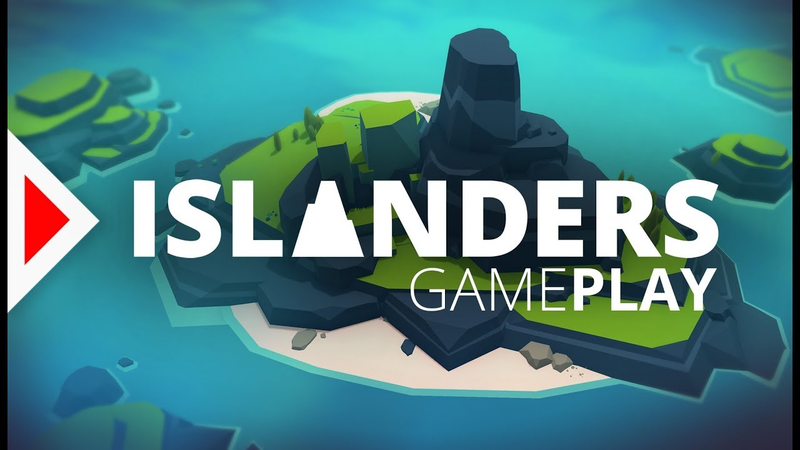
ISLANDERS Gameplay - (Developer Playing)
Islanders functions as a minimalist, procedurally generated strategy game that prioritizes accessible, high-score-driven city building over traditional resource management.
- Islanders is a minimalist, procedurally generated strategy game that replaces traditional resource management with a high-score-driven loop focused on spatial optimization and proximity bonuses.
- The game was developed by a three-person team over a five-month period, evolving from a university assignment into a commercial PC release.
- The technical architecture relies on the Unity engine for development and Blender for 3D asset creation, prioritizing a non-violent, aesthetic-focused gameplay experience.
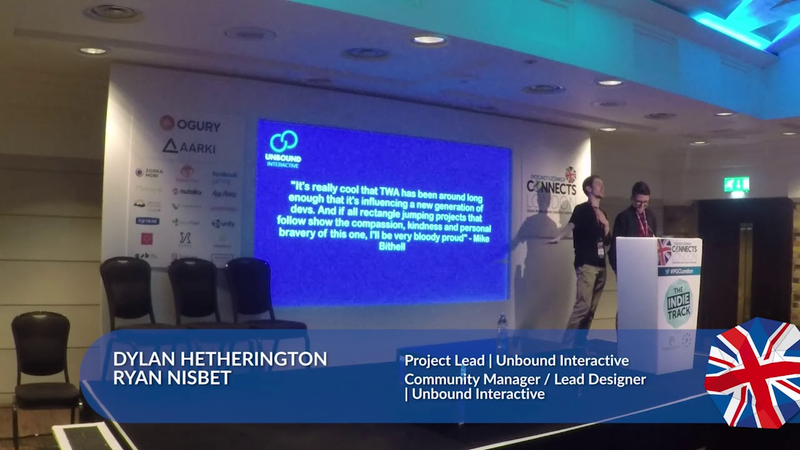
Transhaping – Kickstarting with meaning
Unbound Interactive, a small independent studio founded by three university students, developed the platformer game Transhaping to raise awareness of the transgender experience.
- Unbound Interactive successfully funded their debut platformer, Transhaping, via Kickstarter, raising over £3,000 to maintain creative control and avoid the external pressures of traditional venture capital.
- The studio transitioned from a six-person team to a three-person founding team, forcing the remaining developers to rapidly adapt and professionalize their operations beyond their initial hobbyist mindset.
- The project serves as a dual-purpose tool for both commercial game development and social advocacy, specifically aiming to educate players on the transgender experience and support organizations like the Trevor Project.
8 mistakes made in influencer marketing
Influencer marketing in the gaming industry requires a data-driven, strategic approach to avoid common pitfalls that undermine campaign effectiveness.
- Prioritize audience relevance and demographic alignment over superficial metrics like total subscriber counts to ensure the target market is reached.
- Establish clear, measurable business objectives—such as installs, brand awareness, or community growth—and implement rigorous tracking to evaluate campaign performance against these goals.
- Treat influencer relationships as long-term partnerships by involving creators early in the development cycle to foster genuine advocacy and higher-quality content.
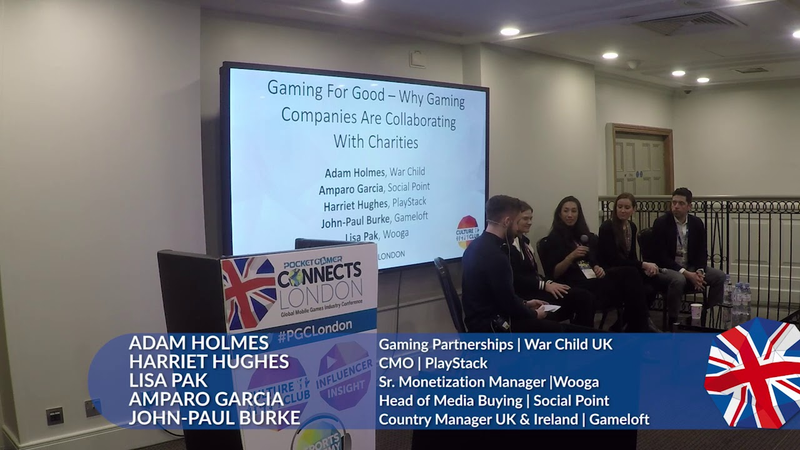
Gaming for good – Why games companies are collaborating with charities
The mobile gaming industry is increasingly integrating charitable initiatives into its business models, driven by both corporate social responsibility and strong consumer demand.
- Consumer demand for corporate philanthropy is high, with 88% of consumers preferring companies that engage in charitable efforts and 87% of gamers believing developers are well-positioned to support such causes.
- Charitable integrations serve as strategic business tools that drive user acquisition, increase player engagement, and successfully reactivate dormant user bases.
- Developers commonly execute these partnerships through the sale of specific in-game items, community-wide fundraising events, the use of remnant ad inventory, and influencer marketing collaborations.
The ethical hacker’s guide to winning with Gen Z
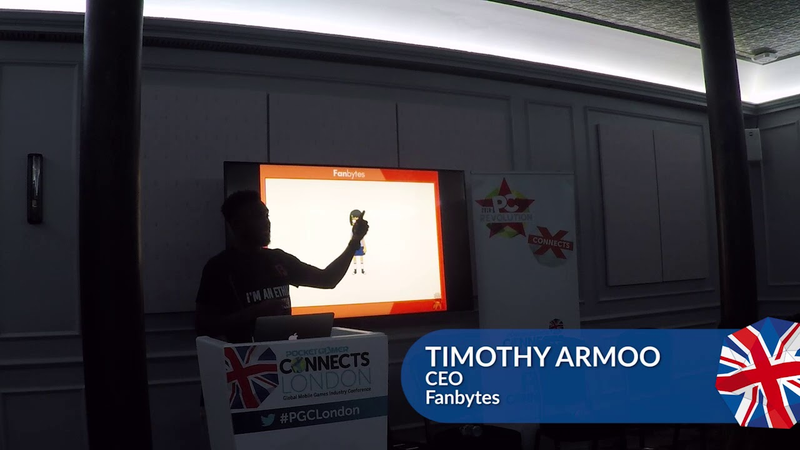
The ethical hacker’s guide to winning with Gen Z focuses on effective strategies for driving app downloads among younger demographics by adopting their cultural language and communication habits.
- Adopting Gen Z cultural language and meme-based content can drastically reduce cost-per-install (CPI), as seen with Ouevo, which lowered its CPI from $4.00 to $0.50 by repurposing a viral meme.
- Integrating brands into existing cultural conversations rather than using traditional, self-promotional advertising improves user acquisition efficiency and engagement.
- Prioritizing emotional connection and social experience over technical gameplay features is a core driver for scaling user bases, as demonstrated by Plato growing from 20,000 to 200,000 daily active users in six months.
Snapchat influencers case studies for a games industry audience
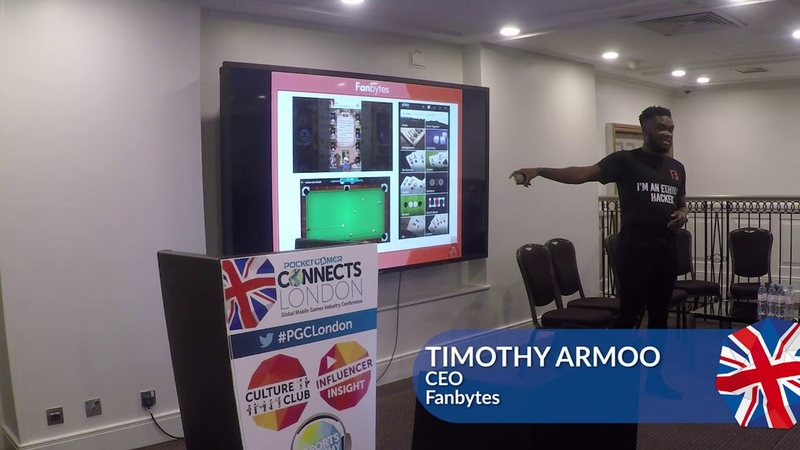
Effective influencer marketing for the gaming industry relies on shifting the focus from traditional product-centric advertising to culturally resonant, user-focused content.
- Shifting influencer creative from traditional gameplay trailers to culturally resonant, meme-style content significantly reduces cost-per-install (CPI) metrics.
- Marketing campaigns should prioritize social connection and shared fun by positioning games as tools for interaction rather than focusing on technical game mechanics.
- Content that mimics organic social media communication—utilizing memes and cultural touchpoints—is more effective at capturing younger demographics who are resistant to traditional advertising.
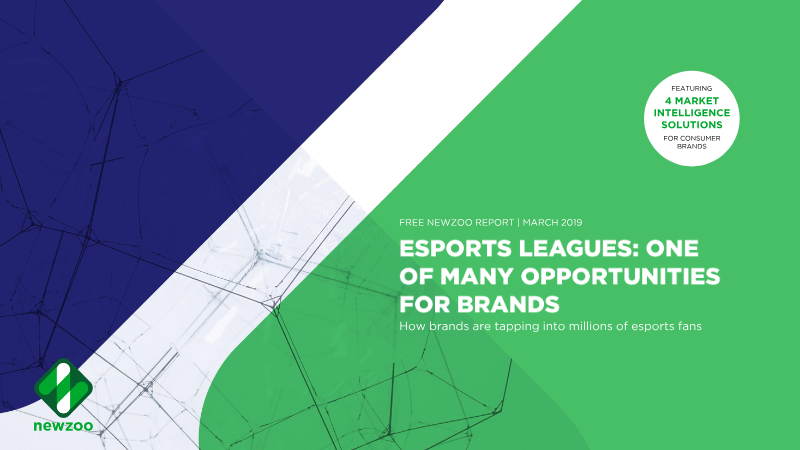
Esports Leagues: One of Many Opportunities for Brands (March 2019)
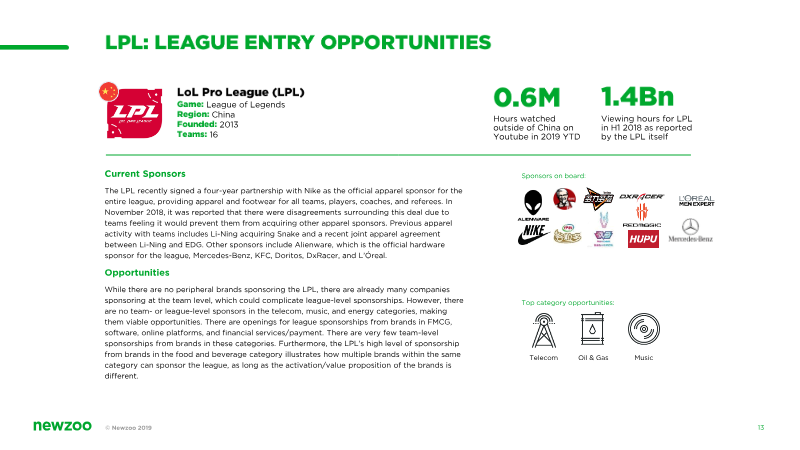
This analysis examines the strategic landscape of esports league sponsorships, providing a framework for consumer brands to evaluate and enter the gaming ecosystem.
- Esports is a high-value marketing channel with a projected 297 million enthusiasts by 2022, featuring a core demographic where 39% are aged 21–35 and 43% report high household incomes.
- Sponsorship activity is accelerating rapidly, with deal volume in Q1 2019 already surpassing the total volume recorded during the same period in 2018.
- Major franchised leagues including the LEC, LCS, and OWL generated over 33.9 million live viewership hours in early 2019, demonstrating significant audience scale.

Synative's Cynthia Du on making fun and engaging playable ads for games
The evolution of mobile advertising has shifted from intrusive pop-ups and banners toward interactive, programmatic playable ads designed to enhance user engagement.
- Users who engage with Google Play Instant playable ads demonstrate a 6% higher retention and registration rate compared to organic users.
- Synative’s toolkit enables developers to build interactive, gesture-based playable ads in approximately 30 minutes by repurposing existing CG media and video assets.
- The platform abstracts technical ad network integration, allowing developers to create cross-platform compatible ads without writing custom code for each network.
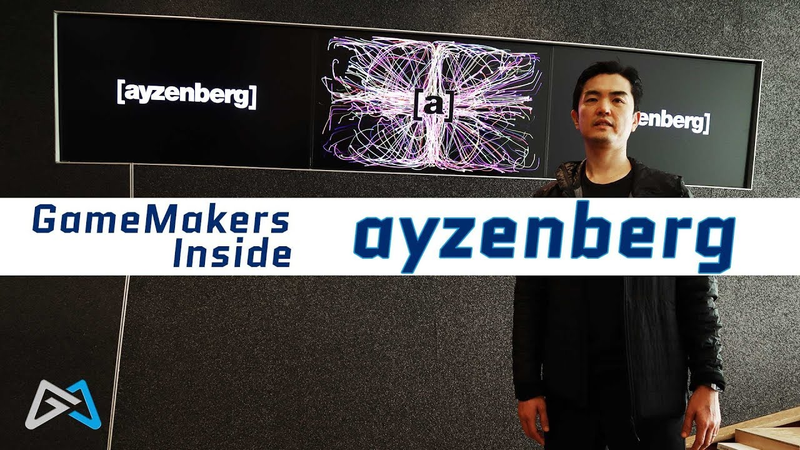
Ayzenberg | The Future of Brand Marketing for Games
Modern game marketing has transitioned from traditional creative advertising into a precise, data-driven discipline that bridges the gap between brand awareness and measurable financial return.
- Modern game marketing has shifted from traditional advertising to a data-driven model that directly links creative content to measurable financial return and conversion.
- Agencies are utilizing proprietary technology, including AI and sentiment analysis platforms, to move beyond vanity metrics and predict market trends based on consumer data.
- The industry is increasingly using in-game engines to produce cinematic assets, which creates more authentic experiences and fosters deeper emotional engagement with players.
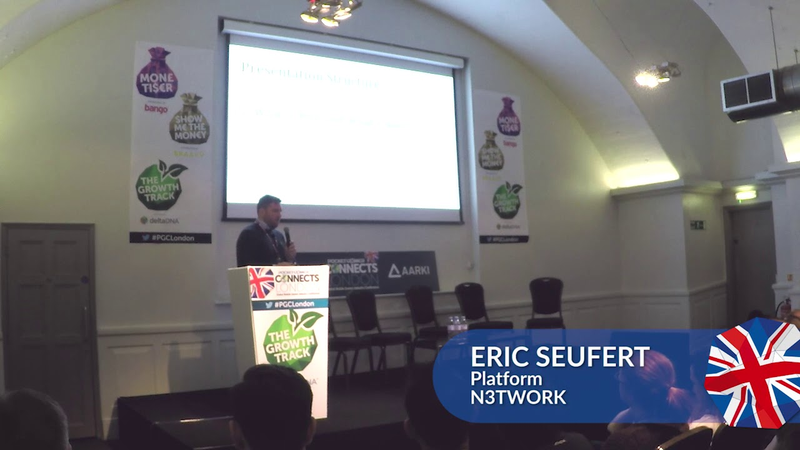
User acquisition megatrends for 2019
The mobile app economy is undergoing a structural shift characterized by market saturation, evolving monetization strategies, and a transition toward algorithmic advertising.
- The mobile advertising landscape is now a duopoly dominated by Google and Facebook, requiring marketing teams to shift from passive growth to algorithmic bidding and programmatic creative management.
- Developers must pivot from cost-per-install (CPI) metrics to return on ad spend (ROAS) to account for the rise of hyper-casual games and high-fidelity advertising formats.
- Subscription-based revenue models are replacing traditional in-app purchases to improve user lifetime value and capitalize on reduced platform revenue-share fees after the first year.
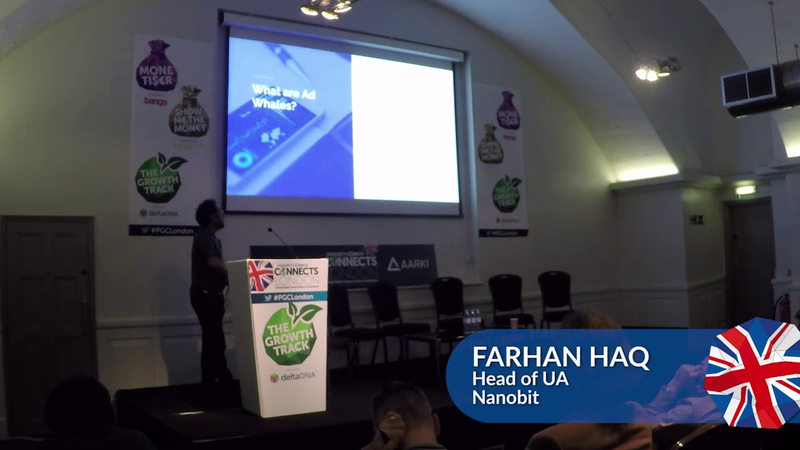
Why you must focus on ad whales for your UA strategy
The primary objective of modern user acquisition (UA) strategy is to shift focus toward identifying and targeting "ad whales"—users who generate significant revenue through in-app advertising by frequently engaging with and converting on advertised content.
- Ad whales follow a power-law distribution where approximately 10% of users generate 60% to 70% of total ad revenue, making them six times more valuable than the average user.
- Integrating user-level ad revenue data into ROI models is essential for accurate campaign profitability assessment and preventing the misallocation of UA budgets.
- Targeting look-alike audiences based on high-value ad consumers on platforms like Facebook and Snapchat often results in lower cost-per-install (CPI) rates compared to traditional IAP-focused targeting.
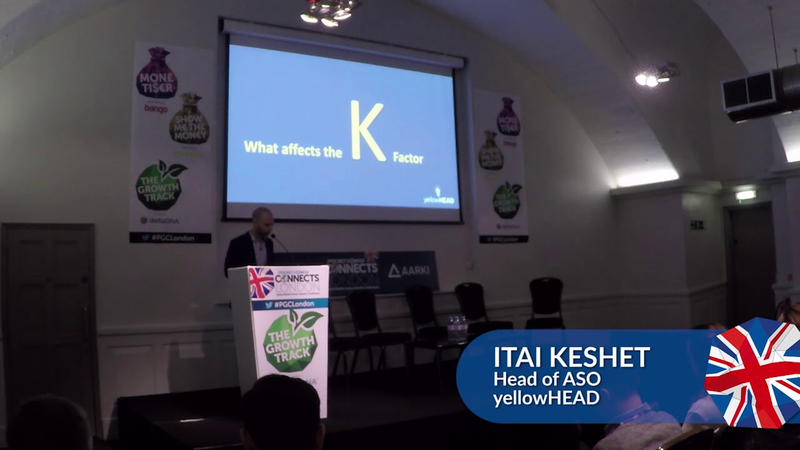
How to gain more users with complementing organic and paid strategies
The integration of organic and paid user acquisition strategies is essential for maximizing app discoverability and growth.
- Paid user acquisition (UA) drives organic growth through the 'K-factor,' which represents the number of organic installs gained for every paid install.
- The K-factor varies significantly by industry; for example, transportation apps average 17 organic installs per paid install due to their inherent viral and community-driven nature.
- A/B testing creative assets for organic App Store Optimization (ASO) can improve paid campaign performance, with winning themes applied to paid ads yielding up to a 20% increase in conversion rates.