Marketing reports and market data
Documents
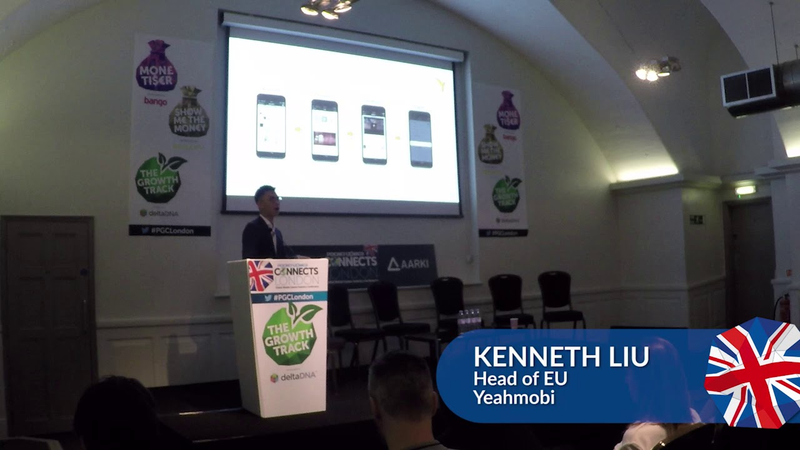
Digital marketing in Asia (China, Japan and South Korea)
The digital marketing landscape in Asia—specifically China, Japan, and South Korea—requires a multifaceted strategy that balances paid performance-based advertising with organic engagement.
- In the Chinese market, companies should prioritize organic search and social strategies alongside paid media, specifically leveraging Baidu SEO and WeChat subscription accounts to build community engagement.
- WeChat is the dominant platform for interactive marketing in China, offering superior functionality compared to Western social media for gathering user feedback and managing direct communication through subscription accounts.
- For successful market entry in Japan, utilize pre-order platforms one month before product launch to capture feedback from the country's highly penetrated gamer demographic.
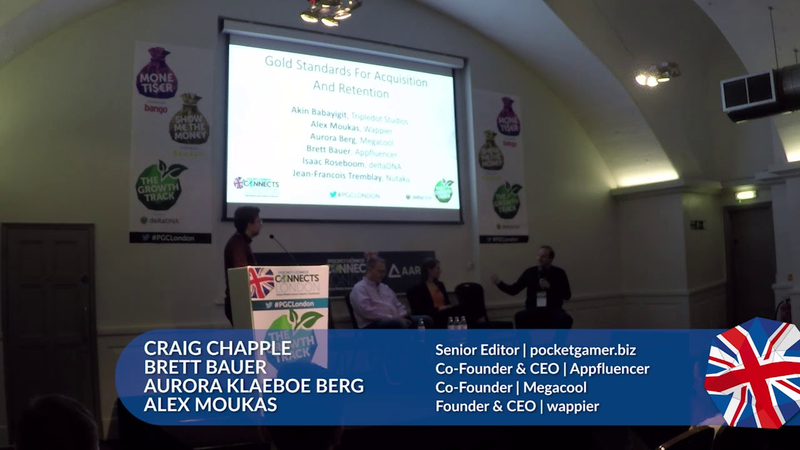
Identifying gold standards for mobile game acquisition and retention
The mobile gaming industry is currently undergoing a significant maturation process, characterized by a shift from a singular focus on user acquisition (UA) toward a more balanced strategy that integrates sophisticated retention and revenue optimization.
- Mobile game developers are shifting from a singular focus on user acquisition toward a balanced strategy that integrates sophisticated retention and revenue optimization to combat rising acquisition costs.
- Developers are moving away from generic industry benchmarks in favor of proprietary, data-driven predictive modeling to maximize lifetime value.
- High-performing creatives are critical to success, necessitating a strategy of rapid testing and discarding of underperforming ads to optimize the player's first brand interaction.
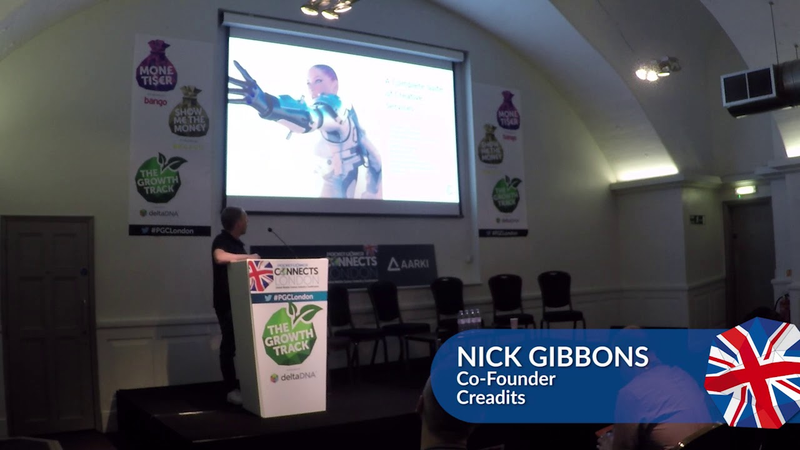
Building a creative machine for the digital marketing landscape of today
The digital marketing landscape is increasingly defined by automated, algorithmic campaign management, which has effectively commoditized media buying and reduced the level of control available to advertisers.
- Creative assets have become the primary lever for competitive differentiation and ROI as automated, black-box algorithmic management commoditizes media buying.
- Rising media costs across major platforms necessitate a shift from sporadic creative production to an always-on, performance-driven model to maintain profitability.
- Scaling creative output is the core challenge for modern marketing teams, as internal resource constraints limit the volume of concepts available for testing.
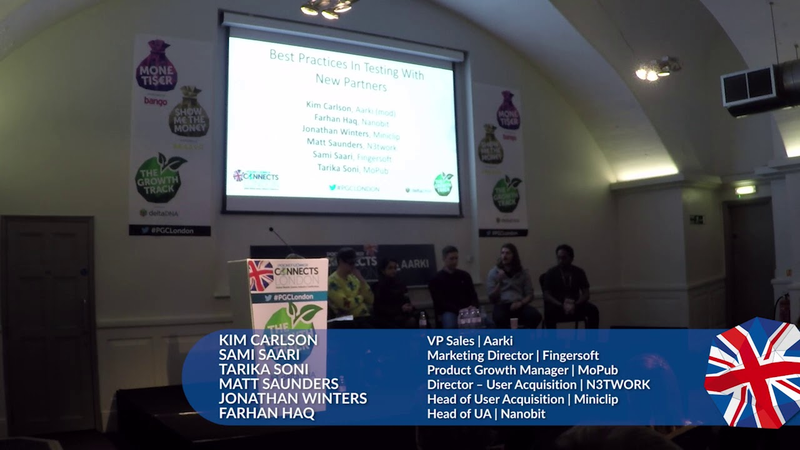
Best practices in testing with new partners
User acquisition strategies in the mobile gaming industry currently center on balancing the dominance of major platforms like Facebook and Google with the necessity of diversifying reach through alternative partners.
- Limit active ad networks to fewer than ten trusted partners to maintain operational efficiency and prevent resource fragmentation.
- Prioritize direct providers over intermediaries and conduct rigorous vetting to ensure traffic transparency and genuine incremental value.
- Mitigate financial risk by utilizing low-risk pricing models like cost-per-install or cost-per-action before transitioning to complex bidding strategies.
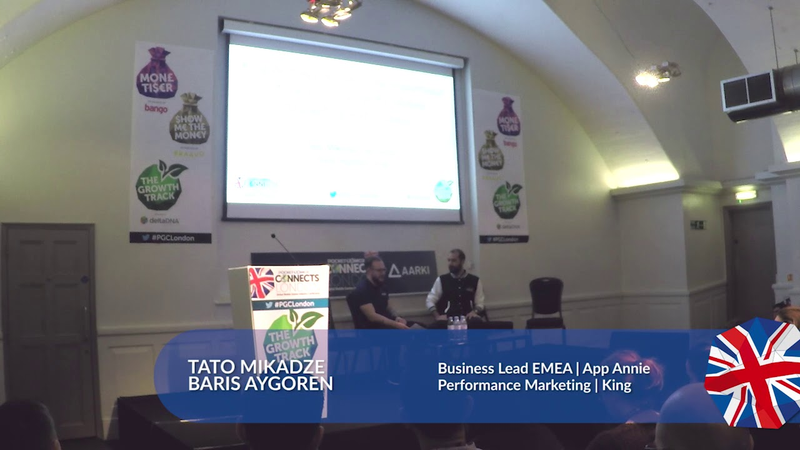
King and App Annie – The importance of data for successful mobile marketing and strategy
The mobile gaming industry has transitioned from a reliance on gut feeling and focus groups to a highly sophisticated, data-driven environment.
- Mobile gaming strategy has shifted from intuition-based decision-making to a data-centric model driven by machine learning, rigorous A/B testing, and granular performance metrics.
- Market trends, including ad network efficacy, creative formats, and genre popularity, shift rapidly, necessitating constant strategic adaptation at least every six months.
- Success in the current market requires synthesizing cross-app usage data, demographic insights, and internal KPIs like retention and monetization to maintain top-grossing positions.
Do players find your games?
App Store Optimization (ASO) serves as a critical strategy for mobile game developers to increase organic visibility and drive sustainable downloads without relying solely on paid user acquisition.
- App Store Optimization (ASO) provides a sustainable, automated growth mechanism for organic visibility that persists independently of paid user acquisition budgets.
- Effective ASO requires prioritizing descriptive app names and subtitles containing relevant keywords over brand-only titles to capture high-intent search traffic.
- Keyword strategy should focus on terms where a game can realistically achieve a top-five ranking by balancing search popularity with achievability.
The power of integrated community engagement
Integrated community engagement serves as a critical strategy for mobile game developers to improve player retention and maximize return on investment.
- Integrated in-game community hubs drive significantly higher engagement than external platforms, achieving a 40% to 60% participation rate compared to less than 1% for traditional forums.
- There is a strong correlation between in-game hub activity and monetization, with 60% to 80% of monthly revenue often linked to players who engage with these integrated features.
- Embedding community hubs directly into the game interface increases player retention by bypassing third-party algorithms and maintaining a seamless, controlled ecosystem.
Building branded games without getting burnt
Developing branded games offers significant strategic advantages for mobile studios, primarily by providing access to established fanbases, which can lower user acquisition costs and mitigate the challenges of app store discovery.
- Branded games reduce user acquisition costs and improve app store discovery by leveraging established fanbases and existing intellectual property.
- External bureaucracy is the primary operational risk, as approval cycles can extend from a few days for internal projects to several weeks when involving multiple corporate stakeholders.
- Studios must mandate a single technical point of contact within the partner organization to funnel requests and eliminate communication bottlenecks.
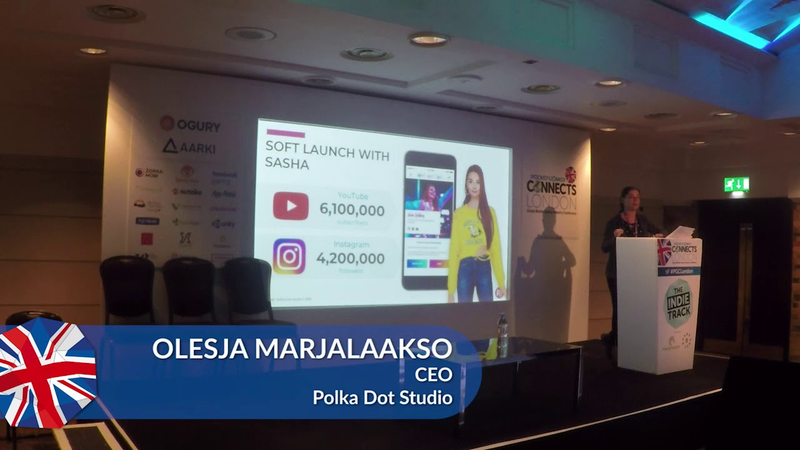
Polka Dot CEO on betting the studio future on one influencer
Polka Dot Studio, a Helsinki-based mobile game developer founded in 2017, utilized a high-stakes influencer partnership to secure the future of its debut title, Trendy Stylist.
- Polka Dot Studio achieved 100,000 downloads and a top-10 ranking in Russia by centering its debut title, Trendy Stylist, around a single influencer partnership.
- The influencer-led campaign yielded an 11% conversion rate from video views to game installs, validating the viability of integrating real-world fashion and e-commerce into mobile gaming.
- The studio faced a critical technical failure when reliance on Firebase server quotas nearly corrupted player data, highlighting the danger of lacking contingency plans for third-party infrastructure.
Bendi game – Designing for kids
Designing digital experiences for children requires a nuanced approach that moves beyond treating them as a monolithic group.
- Effective design for children requires segmenting development into two-year increments to match specific cognitive, motor, and aesthetic capabilities.
- For the two-to-four-year-old cohort, prioritize visual communication over text and avoid complex animations or surprise elements that cause cognitive overload.
- Children aged four to six require simple, attainable goals and character-led guidance to maintain engagement, as they are highly prone to distraction.
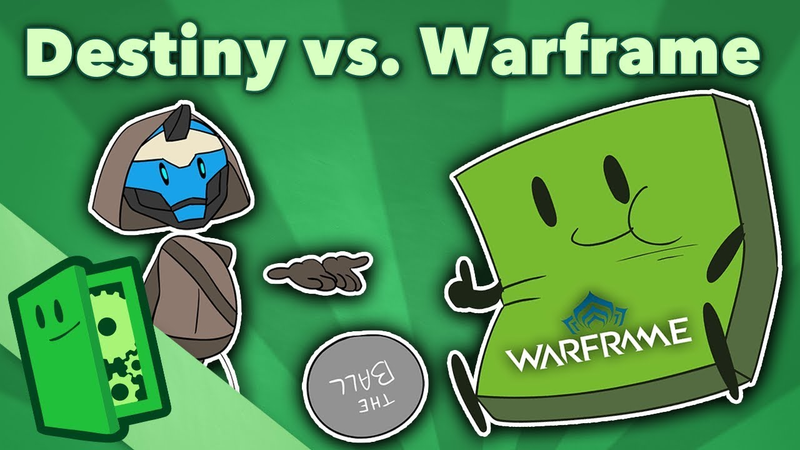
Destiny vs. Warframe - $500 Million in Free Marketing - Extra Credits
The core thesis posits that a lack of cohesive vision and tonal consistency in game development can lead to significant market failure, effectively allowing competitors to capture a dissatisfied player base.
- A lack of cohesive vision and tonal consistency in game development creates market vulnerabilities that allow competitors to capture dissatisfied player bases.
- Destiny’s failure to define its identity, oscillating between a standard console release and a service-based MMO, resulted in a disconnect between marketing promises and actual player experience.
- Warframe successfully captured the looter-shooter market by maintaining a consistent, communicable core identity as a fast-paced, dark sci-fi action game.
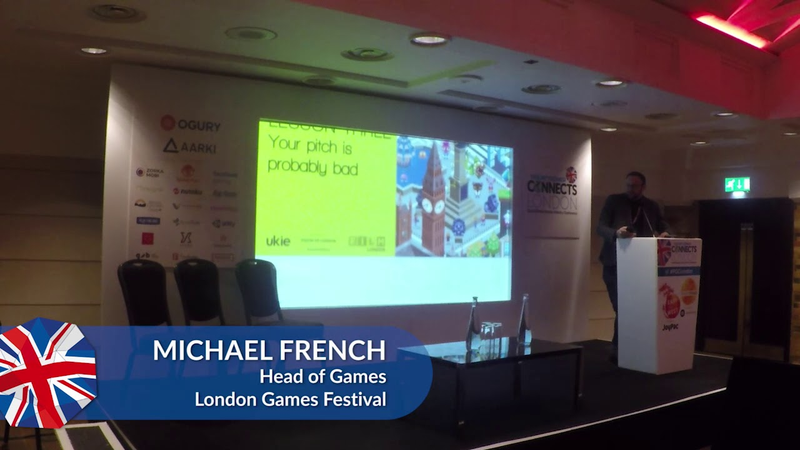
5 lessons from making London the games capital of the world
The London Games Festival, a government-funded initiative, facilitates growth within the UK games industry by connecting developers with investors and providing professional development.
- The London Games Festival has generated an estimated 40 million pounds in business activity since 2016 by facilitating over 2,000 meetings for approximately 160 companies.
- Studios achieve greater long-term stability by building a consistent portfolio of products rather than relying on the pursuit of a single hit title.
- Developers should treat the investment process as a structured marketing campaign, utilizing peer review and professional mentorship to refine their pitches.