1 free read left. Create a free account for unlimited reading + AI research.
Create free account
User acquisition megatrends for 2019
Key insights
6 takeaways- 01Subscription-based revenue models are replacing traditional in-app purchases to improve user lifetime value and capitalize on reduced platform revenue-share fees after the first year.
- 02Developers must pivot from cost-per-install (CPI) metrics to return on ad spend (ROAS) to account for the rise of hyper-casual games and high-fidelity advertising formats.
- 03The mobile advertising landscape is now a duopoly dominated by Google and Facebook, requiring marketing teams to shift from passive growth to algorithmic bidding and programmatic creative management.
- 04Market saturation and declining hardware demand necessitate a transition toward data-driven, event-based signal optimization to maintain competitive user acquisition.
- 05Gaming titles are losing their exclusive dominance in top-grossing charts to streaming, music, and dating apps that utilize subscription-based monetization.
- 06Organizations must prepare for increased regulatory scrutiny regarding data privacy that will extend beyond existing GDPR frameworks.
Ask AI about this video
Transcript
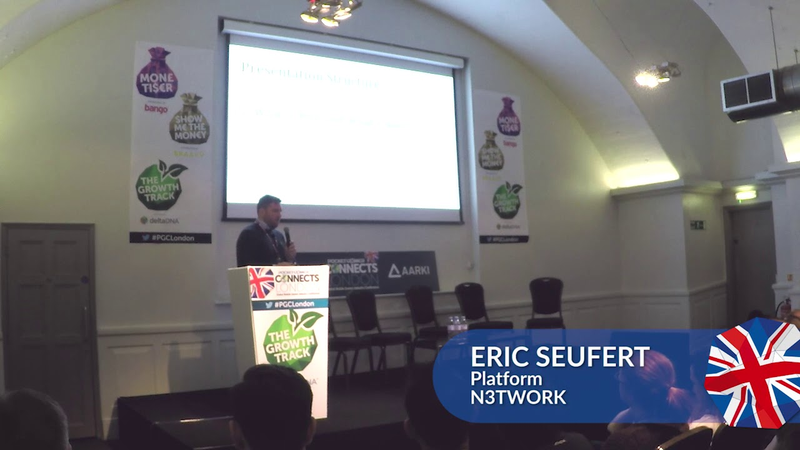
[Music] I've given this talk I think this is like the fourth time I've given it here I didn't give it last year because I just moved to San Francisco but this is like the fourth time I've done it I was organizing the files in my Google Drive and I saw that there's like four folders for this pgc talk called boa megatrends so it's been really cool organizing this every year and just getting what's going on in UA and what's going on in mobile advertising and and how things are changing and I'm really happy to do this every year because it's just it's an opportunity to kind of like take a moment step back and think about the the broader market trends Who am I I work at
a company called Network we're based in San Francisco we make the game legendary game of Heroes top fiftyish grossing game I also run the website mobile dev memo and I published the book freemium economics in 2014 hey anyone in the back could you just kind of tell those guys they're really loud it's yep prior to what I mean now I worked at Skype I would say woo gah was just exited to play chica works at Angry Birds I'm sorry Rovio and I had built a company called Agamemnon which I sold to network and that's how I'm there so just to just to kind of briefly go over what the president what the structure the presentation is gonna be I'll start with kind of like a broad description of the state of the app economy I'll go into like a sort of what's now and what's next and then oh the mega trends for 2019 so standard the
app economy so I broke this out into kind of you know just like a macro analysis and I think there are a couple of big macro factors that have changed content consumption on mobile one of those is cheaper access to quality hardware and increased smartphone penetration so if anyone here is an apple shareholder as I am you you know that smartphone penetration has increased Apple just uploaded sorry just a reviser guidance a couple weeks ago for q1 and they they had some sort of like pessimistic projections for smartphone sales in q1 as specifically in China China smartphone sales have fallen of cliff and so Apple up you know updated their guidance and the share
price dropped about 10 percent so I you know that I think most people that are in the space know that they've kind of intuited that over the last few years but like we've kind of accomplishing happening so Apple's device install base reached 1.3 billion in early to 2018 and a lot of this install base is driven by the second-hand market for iPhones so what you see especially in like India is that most iPhone owners own a secondhand device they own an iPhone 6 iPhone even phone 5 and that's great actually for app developers because those devices can can can run pretty much any game or any streaming app it's not great for at Apple obviously because are not selling new devices but for up for us I'm assuming most people here are game developers it's really great because we have such a huge footprint of people that can potentially play our games and and spend money with the Apple device
with the streamlined monetization work workflow but that's not it's not unique to Apple it's also true for Android then the second-hand market for Android phones is very robust so you've also seen programs like Google's Android Go which is designed to make these phones more viable in the lower end phones places like India and China for for apps like you know streaming apps and games but you know the downside to all this is that the Chinese demand for smartphones is evaporating there's there's almost no demand for new smartphones I mean which you would again kind of into it you know do you know anyone who's buying a smartphone for the first time and in a smartphone penetration it's reaching it's sort of national limit globally and again what does that mean for app developers well part of that's good it
means everyone has a smartphone everyone can play a game but it also means that people aren't using the highest end devices they're they're they're not buying new devices they're not loading up their new devices with new apps but they'd never heard of so it's you know part of that means well it's great because everyone has a smartphone everyone can can play our games the flip side of that is well no one's discovering the joy of a smartphone for the first time so they're not just downloading Ram stuff you have to be very deliberate and you have to think about marketing another big macro factor is that mobile data has become cheaper worldwide especially in India well data has plummeted basically in the last few years in India there's a there's a a price war going on with top telecoms and it's a race to the bottom in terms of mobile data again good for us because it
means that as opposed to a few years ago now people in India can just download games as they wish and and you know the issue then becomes monetization but at least there's no barrier to download a game now as there was a few years ago and there's also been changes to platform incentives and the creation of new revenue models so I think probably who here runs some sort of subscription in their game to put them up high ok ok so a few probably if I had to ask that question like two years ago it'd be no one so subscription revenue has become really important for a lot of app developers especially game developers but you see this kind of across the board so tinder tinder a business and they run all that off of subscriptions and and you see this kind of percolating
through the app store with a lot of companies experimenting with trying to shift their revenue into subscriptions because of the the revenue cut that Apple takes diminishing F for one year with subscriptions right so like any company that could conceivably create a subscription revenue wants to because that revenue of thirty percent revenue cut drops to fifteen percent up to one year so my company network we've had a lot of success with subscriptions our CEO kind of designed this subscription package and it works really well for us and the benefit of that is that our LTV curve meaningfully changes if so our payers are very receptive and so we get to keep more of the money that they happily give to us after one year and so that meaningfully changes the LTV curve so what's now and what's next
so the adoption of high fidelity mobile advertising formats has created me probably most people in the rumor or would agree with that and I think you see that in part with a lot of funding and acquisition news about hyper casual and there were how many talks about hyper casual games today and yesterday but this has become a big important part of the app economy and but it's also sort of like affected other parts of the space if you think about like HQ trivia and there's a just like a flood of companies especially in San Francisco raising money for streaming video services that are kind of like Game five but not actually and they're all advertising reliant they're all advertising based and so that the reason that this has become a viable segment is that advertising has
become a viable way to make meaningful money on mobile the top grossing chart is thawed so I don't know if anyone here was active in the space in like 2014-2015 but if you were you remember he was basically you know super cell King Machine zone and that was the top grossing and that's changed so I did kind of an analysis in the summer this is look a little bit dated but I looked at I could have tracked the top grossing chart over time and I just you know kind of categorized stuff into gaming and not gaming and the number of games in the top grossing chart has dramatically fallen over time to the point where actually the top grossing chart is mostly not games and it's actually most like streaming dating music and so that the top grossing chart
becoming the domain of non gaming apps is kind of like a new idea and what is that rule what does that mean why well that kind of goes back to the macro trends from the the first section of the presentation but like because they're cheaper data there's better hardware and people can stream music and video and they choose to pay for that and if you look at the top grossing chart and again this is summerses eliminated but just going down the list I mean there's fortnight which is kind of like a once-in-a-generation phenomenon way down the list is Pokemon go and candy crush and and but you know that's sort of like territory between you know one and there is streaming and dating and going down the list again it's there's dating and streaming and so that's become like a definitional you know sort of shift in the App Store which again like going
back to 2015 like the app store was frozen it was candy crush clash of clans you know game of war and that's not true anymore which is exciting but part of that means that these companies that are making tons of money on mobile are applying a lot of pressure to the platform owners to reduce that 30% a fee and you see this with Netflix Netflix just did this they were running a test in India over the summer what would happen if they pushed everyone into the mobile web to do the subscription and I guess that test was successful because they implemented that that that monetization strategy so now if you want to buy Netflix you can't do it on mobile you have to do it or you can't do that within the app you have to do it on the mobile web which means that they completely sidestep the Apple 30% fee you've seen this with epic epic is creating an epic store discord is
spreading its own store I think this will become this will become kind of contentious in 2019 and it's it's something to think about as you kind of think about okay well what's the broader strategy that we have for growing and for platform relationships this it's going to become something that I think Apple really really cares about because going back to that very first section of the presentation hardware sales have fallen off a cliff and they have to actually care about subscription revenues now and I ap revenues and services and so how do they entice developers to stay on their platform yeah I mean this basically just supports well you said but mobile gaming now is it's not a niche category it's totally mainstream if you look at some of the numbers like for example ninja on Twitch I mean this is like this competes with like the biggest TV shows or you know
the biggest netflix content and this is this is not you know this is not something that is you know relegated to like a subset of the broader mainstream this is totally mainstream and so how do you benefit from that as a developer and how do you avoid issues with the platforms but also can you afford to go off platform can you afford to sidestep Google Play so epic did and they can epic mostly well especially before fortnight was a basically an engineer offer and so now they have a gigantic you know a generational phenomenon of a game and they can afford to go off the platform they can afford to distribute that off Google Play but can you well these this is an article I wrote on mobile dev memo but I said these were the the these are the benefits of being
on a big platform on you know going with you know and for most people is it's not a choice but this is what you get by being aligned with the you know the App Store or Google Play you get sirs featuring advertising storefront a/b testing security and again you know epic had some real problems with going off Google Play they had some real security issues they had you know there was a buggy version a fortnight that was going around and because you know their platform wasn't secure for distributing it and so I mean for most people it's probably not even a thought but I think that will become more of an issue in 2019 thinking about okay do we distribute on with sort of like the traditional approach or do we partner with somebody else who's got a big audience and a big footprint and do we potentially sidestep that or do we do it in a weird way and I can go into examples of that later
another thing is as credible targeting data becomes ever more valuable on mobile consolidation intensifies and the duopoly entrenches so the duopoly is Google Facebook and you see this happening like sort of the downstream mobile advertising space there's a ton of consolidation because basically Google and Facebook run everything and so you saw this with in the attribution space you've seen this with just a sort of like ad network space and small and struggling smaller companies are struggling to compute the duopoly and they're merging getting acquired and as you know a game developer you have to kind of think about you know how does this change effect or impact you know the way you run your business and then in terms of the duopoly entrenching you've got Facebook and Google creating
this sort of like algorithmic bidding strategies that make it really hard actually to to benefit from you a off platform right so if you think about like Facebook if you're doing like 8 yo or vo at scale basically all of your attention has to be focused on that and the entire infrastructure that you build around doing you a has to be kind of pointed to that and if you don't do that well okay but you know you're missing out on where people acquire traffic and so there's kind of a like a Faustian bargain like I want to work with Facebook because they have all the traffic but I have to build so much infrastructure to support that and I have to give them so much data that I kind of become reliant on that and then well where do I go if I you know disagree with some of the strategies that they implemented or I disagree with some of the you know corporate issues that they're having it's it's been a it's been a real problem in 2018 I don't think that changed between I think it
gets worse so all that said that was kind of preface to the the last section which is the 2019 megatrends it's just three so the first is that you have to you have to lean into algorithmic campaign management again there's this faciem bargain you have to give facebook all your data you have to give Google all your data in order to see true performance and that means kind of constructing teams constructing infrastructure that benefits from those algorithmic bidding strategies that they they've you know made made the most prominent so I kind of think golden eighth era of you a especially for games was like 2013 and 2015 because it was actually really easy and it was really straightforward so basically the UN team was like a traffic cop and they said okay you know red light too bad traffic green lights of good traffic and there
was like a straightforward LTV curve for these casual games no subscriptions and you cut in you it was very easy to project out the value of the user on it you know at the level of like the the campaign and the geo and the you know the the platform and so you just said okay this is this is profitable goes it's not profitable you know stop but now it's gotten much more complex because the duopoly is kind of like separated itself in terms of the way that these campaigns are structured you still have you know the the video networks that are relevant but you know decreasing Li so and so the way that you run the infrastructures is different so with Facebook and Google you you don't you don't build an LTV curve in that sort of traditional way you you just think about like what events do I send them for this running and does that event carry enough signal to tell
Facebook to do my UA you know in an effective way and then you know the the video networks you sort of just run those as you did but you know if you've built all of your infrastructure towards Facebook and Google the infrastructure has changed and so there's less attention that you're able to pay to them and and so you know I think 2019 2020 you see companies that only run UA on Facebook and and Google because that's just how they've built our infrastructure and it's almost like a distraction to to to channel their energy towards other stuff and so what does that mean if you're only really concerned with events then your strategy is a you team is okay well I rapidly iterate on creative and I get really really really deliberate and systematic about how I think about evaluating those events and
so you a becomes less of like button clicking and more about having a creative team that can be produced experimental and you know the dynamic ad creative and then also like analysts who can very sort of like rapidly measure the effectiveness of the events that they send to Facebook and Google and so actually I think that's better for you 18s because you know before it was like actually kind of tedious but now it's just it's like creatives and analysts which is a cool combination but that that's that's a dramatic change in the way that you structure a team that's like it's talking to network like art what we've done is we've created a lot of infrastructure to do this so we have a tool called Draper which creates add creative programmatically so now we
basically just push in a bunch of art assets to this tool it creates every possible combination of those but we can create like templates and have you know different layouts and for it for ads it creates every possible combination of that and then that actually in an automated way gets pushed out to create a campaign and so our team is basically analysts and creatives like I you know like I've diagram here we don't have that many people that do this work like traditional UA it's just tech and artists who think about that kind of stuff and I think that that's gonna be something that proliferate in 2019 and then you know that idea of like you know when I was consulting I think probably the the the question I got to ask most often was like okay what's a good CPI and that's you know that's kind of like a facile
question but now that's it's almost like a irrelevant question like what's the CPI is it's nonsensical people care about RO ass CPI doesn't matter at all it's it's you know how quickly do you recoup your money and like what's your payback timeline and what's it acceptable to pay back timeline for you know you know your financial situation and if the UA team is focused a high percent on that then whatever $1,000 it doesn't matter it's it's it's just a you know your success as a UA team is a function of how quickly you recoup that money and then redeploy it on more UA so again all this kind of like percolates down into the team structure and you know a really big component of being successful is how quickly you're able to experiment and like radically experiment try new stuff and push it out and into these algorithmic bidding types and see what works and then also how much signal you're able to take from events in your in your game so the second big big mega
trend is you know monetization creativity there's actually like quite a few talks about this at the conference discrete C but again that the idea of like subscriptions driving meaningful revenue for like a lot of apps there's no reason games are immune from them and if you kind of take a look like audit the broader or app economy you see this happening outside of gaming actually add a faster clip and it's kind of shocking to see that gaming is sort of like the the the more risk-averse category here but not like calm they that's a billion dollar company and it's a very simple app but they've made a lot of money with subscriptions and that revenue is so stable it's so easy to project it out that they can more easily you know pitch and and and and raise money roblox again they've built a marketplace within the app so you see a lot of these
companies leading categories with sort of like non IEP modernization or IEP modernization that like dramatically different than what you saw with non-gaming asked a few years ago and again going back to this sort of like thawing of the the top-grossing chart that's why because they've gotten more creative with the way that they monetize their users and so they've been able to drive way more revenue and and displace a lot of the gaming leaders and I think the third big major trend and this is kind of like to pop out a little bit but like I think it's it's actually quite important is that everyone everyone across the board needs to be prepared for increasing regulatory scrutiny so who here did a big overhaul of their app for gdpr okay like so maybe 5% and that's pretty consistent with what I've heard and gdpr you can maybe do that with but I think some of the regulation that's coming especially from the US government you won't be able to avoid
like that and so I think you need to be ready to comply with you know privacy regulation you need to be able to comply with right to be forgotten regulation and all this stuff is going to come up in the same way that GE PR did which is that you hear about it you forget about it and then it becomes a imminent threat and you have to scramble to comply and so I think it's just worth it's worth being prepared for them because I think especially with Google and Facebook if you're doing the majority of your app buying on Google and Facebook you need to be ready to deal with increased privacy scrutiny there so that's it that's that's the presentation again I'm I am sorry that I missed my original
time but I thank everyone for coming out and I think very much the the staff of the the show are very flexible and very professional about it you [Music] you
Summary
The mobile app economy is undergoing a structural shift characterized by market saturation, evolving monetization strategies, and a transition toward algorithmic advertising. As smartphone penetration reaches its global limit and demand for new hardware declines, developers must move away from passive growth models toward deliberate, data-driven user acquisition. This environment is increasingly dominated by a duopoly of Google and Facebook, whose algorithmic bidding systems have fundamentally altered the requirements for successful marketing teams.
Key findings indicate that the top-grossing charts are no longer dominated solely by gaming titles, as streaming, music, and dating apps have successfully captured market share through subscription-based revenue models. This shift highlights a broader industry trend where developers are moving away from traditional in-app purchases toward subscriptions to improve lifetime value (LTV) and benefit from reduced platform revenue-share fees after the first year. Furthermore, the rise of hyper-casual games and high-fidelity advertising formats has solidified mobile advertising as a primary revenue stream, forcing developers to prioritize return on ad spend (ROAS) over simple cost-per-install (CPI) metrics.
To remain competitive in 2019, the analysis identifies three critical megatrends. First, teams must embrace algorithmic campaign management by integrating programmatic creative tools and focusing on event-based signal optimization. Second, developers must innovate their monetization strategies, looking beyond standard in-app purchases to adopt subscription models and marketplace features. Finally, the industry must prepare for heightened regulatory scrutiny regarding data privacy, as government oversight is expected to expand beyond the scope of existing frameworks like GDPR. Success in this climate requires a lean, tech-forward organizational structure that prioritizes rapid experimentation and robust infrastructure to navigate the complexities of platform relationships and data-reliant advertising.


















Comments