Marketing reports and market data
Documents
Game Discoverability Day: NOTICE ME: The Grind Behind the $272K Funding Success of Boyfriend Dungeon
The successful crowdfunding of the indie title Boyfriend Dungeon, which raised $272,000 against a $65,000 goal, serves as a case study for effective game discoverability and community-driven marketing.
- Boyfriend Dungeon achieved 418% of its funding goal, raising $272,000 against a $65,000 target by prioritizing community-driven engagement over paid advertising.
- Twitter served as a critical conversion engine, driving 17% of total pledges—a rate significantly higher than the industry average of less than 1%.
- A high-conversion hook must be immediately understandable, utilizing a clear 'one-sentence' pitch that combines distinct genres, such as the game's 'dating sim meets dungeon crawler' premise.
Making Games That Stand Out and Survive
In an increasingly saturated digital marketplace, the primary challenge for developers is securing consumer attention amidst intense competition for limited leisure time.
- Success in a saturated market requires communicating a game’s core value proposition and emotional experience through a visual representation that is digestible in five to six seconds.
- Long-term commercial viability is achieved by treating a game as a living ecosystem that requires consistent content updates and active community engagement to maintain momentum.
- Developers should design low-friction, non-punitive 'home-like' spaces to allow players to maintain progress and connection during periods of low time or energy, thereby mitigating burnout.
Game Celebrities - The Role of Game Devs in Pop Culture - Extra Credits
The video game industry stands out among creative media for its lack of recognizable celebrity figures.
- The game industry prioritizes studio-centric branding over individual developer recognition to ensure that customer loyalty remains with the company rather than specific creative talent.
- Publishers intentionally suppress individual celebrity status to maintain control over intellectual property and prevent creators from gaining the leverage to prioritize artistic vision over market-driven goals.
- The highly collaborative and iterative nature of game development makes it structurally difficult to attribute a project's creative vision to a single individual, unlike the director-led model in film.
When to call it quits... (Indie Game Dev Q&A)
This analysis addresses the challenges of transitioning to full-time indie game development, focusing on narrative design, business sustainability, and the psychological aspects of creative entrepreneurship.
- Long-term indie success requires balancing artistic vision with a rigorous business strategy, treating financial sustainability as the necessary infrastructure for creative longevity.
- Financial viability is not an accidental byproduct of game quality but the result of intentional marketing and strategic revenue planning.
- Developers should adopt a hybrid revenue model, combining irregular capital injections like game sales and publisher advances with stable, recurring income from platforms like Patreon and YouTube.
How to Market Your Indie Game!
Successful indie game marketing relies on a foundational strategy centered on product design, audience engagement, and strategic distribution.
- Marketing success is primarily determined by product design; developers should prioritize creating unique, watchable concepts that offer a clear, relatable fantasy to ensure organic interest from content creators.
- Establishing a Steam store page as early as possible is essential for accumulating wishlists, which serve as the primary driver for platform visibility and algorithm placement.
- High-quality trailers and store thumbnails are the most critical assets for maximizing click-through rates and should be the focus of visual marketing efforts.

So I got this email...
The provided text details the personal and professional struggles of an independent game developer navigating the financial and psychological pressures of the industry.
- Independent game developers should prioritize securing traditional, full-time employment to decouple creative output from immediate survival needs and financial desperation.
- Relying on viral success or influencer marketing is an unreliable business strategy, as even high-performing game launches often fail to generate sufficient revenue to cover living expenses and debt.
- The pressure to achieve commercial success to solve personal financial crises can stifle creativity, leading to the development of 'soulless' products that lack long-term engagement.
Game Discoverability Day: Building a Community for Your Game from Scratch
Community building has emerged as the primary driver for game sales, effectively superseding traditional reliance on press coverage and influencer marketing.
- Community building has replaced traditional press and influencer marketing as the primary driver for game sales, making it the most reliable method for ensuring launch momentum.
- Developers should aim to accumulate 8,000 to 10,000 Steam wishlists by initiating community efforts four to six months before the official game release.
- Establishing a dedicated, game-specific Discord server is more effective than using a centralized company hub, as players form stronger attachments to individual titles.
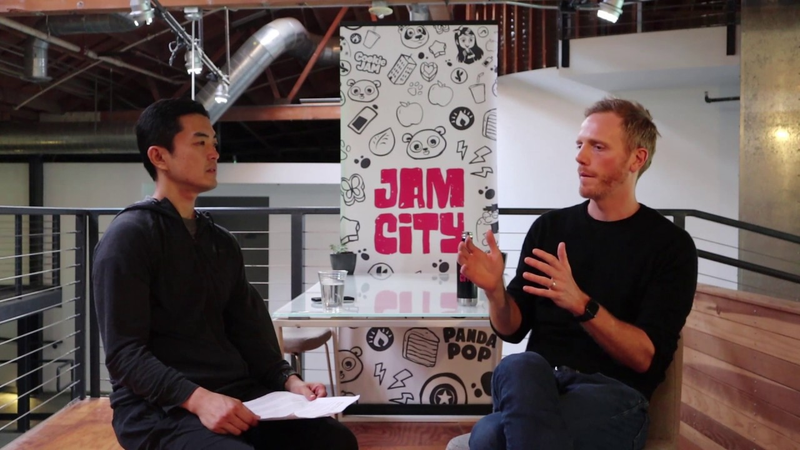
How to get 40M installs? Mobile Games Marketing | Brian Sapp VP User Acquisition at Jam City
User acquisition (UA) in the mobile gaming industry functions as a data-driven performance marketing discipline, distinct from brand marketing in its reliance on measurable key performance indicators (KPIs) such as cost per user and return on investment.
- User acquisition (UA) at Jam City is a performance-based discipline where marketing budgets are strictly allocated based on projected payback periods and the specific lifecycle phase of each game title.
- The UA process follows a structured R&D path: starting with technical stability in soft launches, moving to retention metrics in secondary markets, and concluding with predictive lifetime value (LTV) modeling in primary territories.
- UA departments should be organized into cross-functional 'supercells' consisting of media buyers, analysts, and creative strategists to ensure ownership and alignment between marketing and game production.
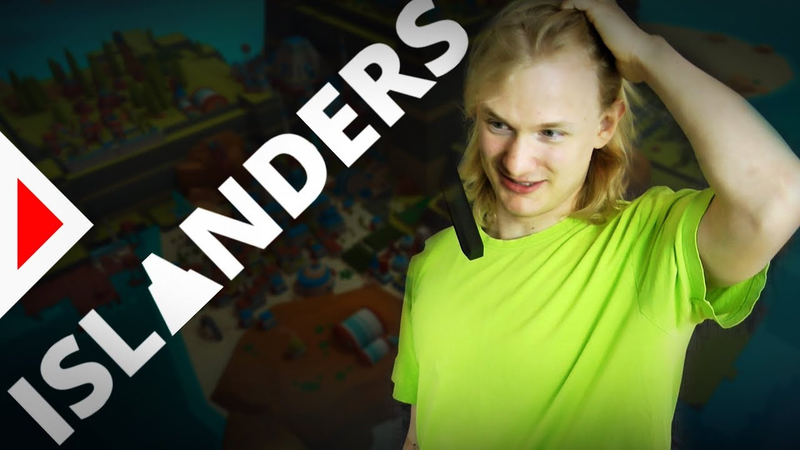
We Released Our Game on Steam!
The launch of the minimalist strategy game Islanders on Steam marks a significant milestone for Grizzly Games, characterized by immediate commercial success and high visibility on the platform’s front page.
- Grizzly Games achieved immediate commercial success and high platform visibility upon the Steam launch of their minimalist strategy title, Islanders.
- The launch phase required the small indie team to pivot rapidly toward high-volume technical maintenance, bug fixing, and community management to support a suddenly expanding player base.
- Islanders differentiates itself from traditional city builders by removing complex resource management in favor of a procedural, point-based system focused on building placement and proximity bonuses.

Gen Z: Their Power and Their Paradox
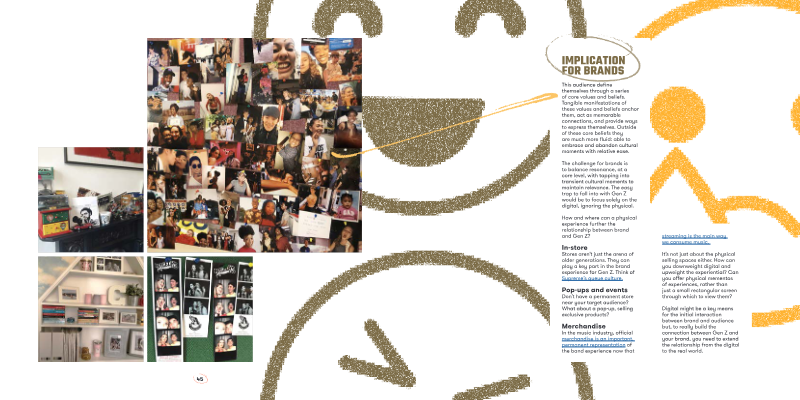
Generation Z represents a complex, paradoxical demographic that defies traditional binary categorization.
- Gen Z rejects monolithic, top-down mass-market advertising in favor of authentic, peer-to-peer interactions and niche community participation.
- Engagement strategies should prioritize intimate, compartmentalized social networks over broad reach through mega-influencers.
- Brand credibility is earned through demonstrated expertise and tangible, real-world involvement rather than superficial digital messaging.
How to get the best out of influencers
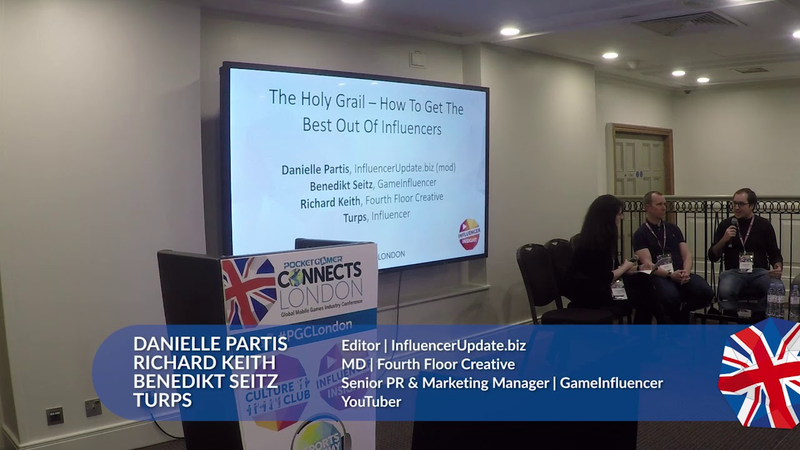
Effective influencer marketing in the gaming industry requires a fundamental shift from transactional, performance-based models toward long-term, authentic partnerships.
- Shift influencer strategy from transactional, performance-based models to long-term, authentic partnerships where creators act as creative collaborators rather than mouthpieces.
- Prioritize deep audience engagement metrics—such as participation in community events and sustained interaction—over vanity metrics like total subscriber counts or click-through rates.
- Avoid mass-emailing strategies in favor of personalized outreach that identifies creators whose specific content styles and demographics align naturally with the game.
Case study: Pre-release influencer marketing campaign for Azur Games' Infinity Ops
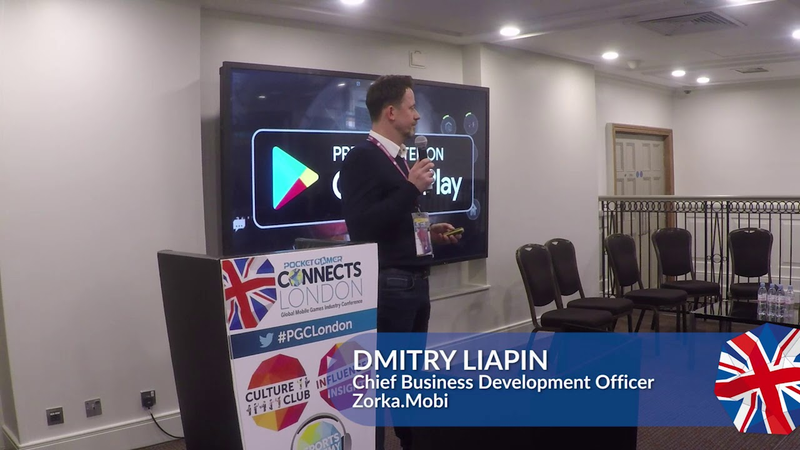
This case study examines the efficacy of pre-release influencer marketing for mobile games, specifically focusing on the launch of the first-person shooter Infinity Ops by Azur Games.
- Azur Games' influencer campaign for Infinity Ops exceeded its one-million pre-registration goal by 30% over a 22-day period.
- Influencer marketing accounted for nearly 30% of the total pre-registration volume, demonstrating a significant long-tail effect that persisted after traditional social advertising ended.
- Approximately 32.5% of the pre-registrations generated by the campaign converted into active users following the game's official release.