Market Analysis reports and market data
Documents

The eSports Economy: Trends, Audience and Revenue Growth Towards 2017
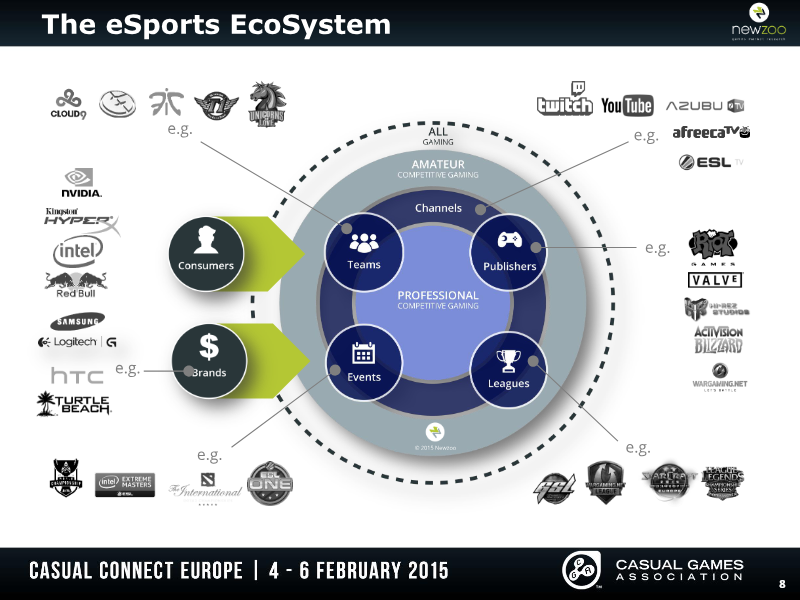
The eSports economy is experiencing rapid expansion, driven by a fundamental shift in how consumers interact with gaming content.
- The eSports enthusiast base is projected to exceed 100 million by 2017, maintaining a 20% compound annual growth rate between 2012 and 2017.
- Approximately 40% of eSports viewers are spectators who do not actively play the games they watch, indicating a shift toward viewing as a standalone entertainment medium.
- Streaming platforms are central to the industry's infrastructure, exemplified by Twitch reaching 100 million unique monthly viewers in 2014.

Introduction to the Russian Games Market: Opportunities in This Submerged Market
The Russian games market represents a significant, high-growth sector currently ranked 12th globally, with an estimated valuation between $1 billion and $1.5 billion.
- The Russian games market is the 12th largest globally, with an estimated valuation between $1 billion and $1.5 billion.
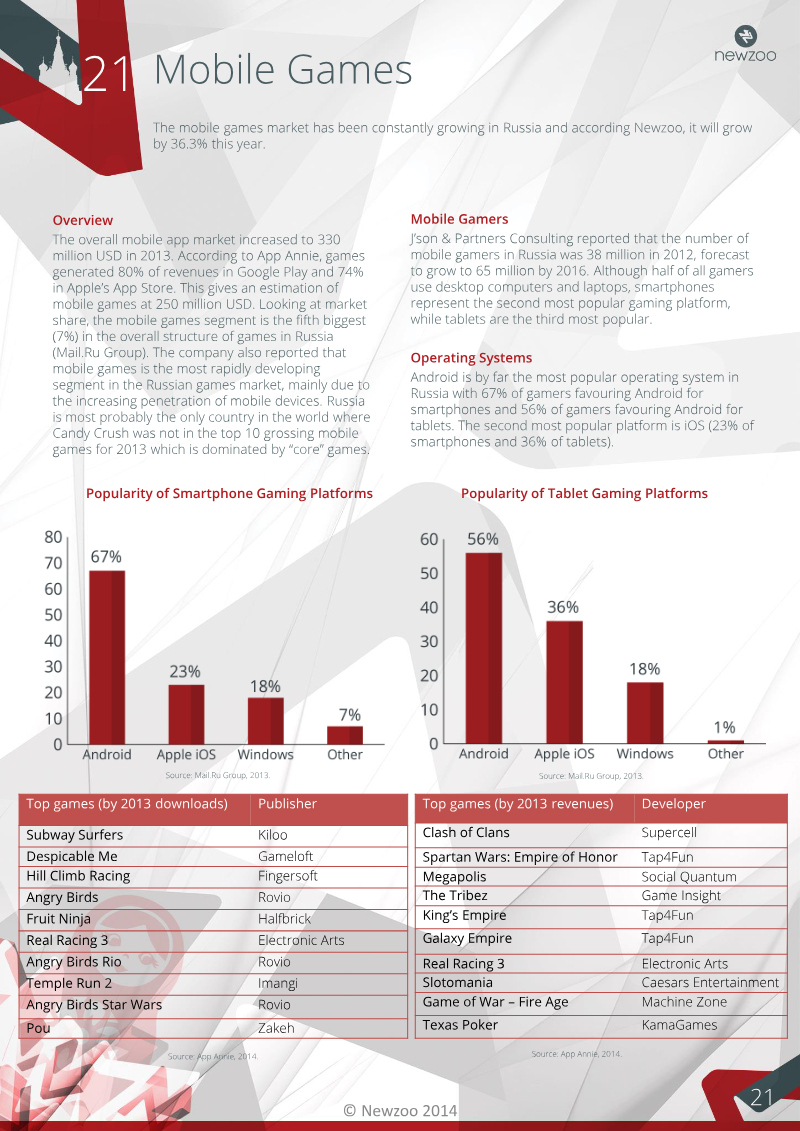
- PC gaming and massively multiplayer online (MMO) titles dominate the market, though mobile is the fastest-growing segment due to high smartphone adoption and Android dominance.
- Market entry requires navigating complex regulatory hurdles, including stringent data storage requirements, evolving intellectual property laws, and intricate payment processing regulations.

Sizing & Profiling eSports' Popularity: The West
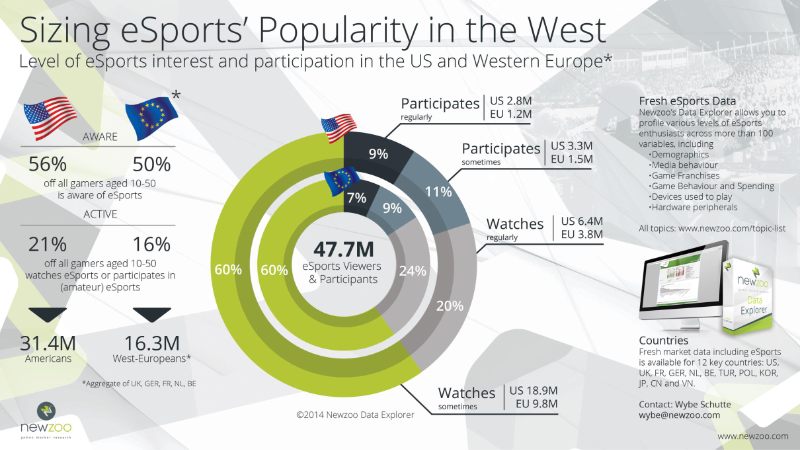
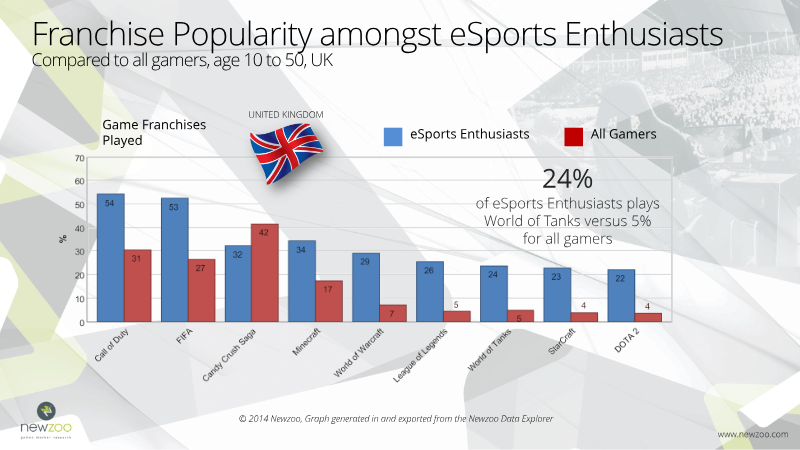
The rapid expansion of eSports in Western markets represents a significant shift in the gaming industry, driven by the rise of free-to-play titles such as League of Legends, Dota 2, and World of Tanks.
- eSports viewership is doubling year-over-year, with the average viewer watching over 10 times per month for an average session length of 2.2 hours.
- Total eSports prize money increased by 350% over the four-year period ending in 2013, with top events like The International 2013 awarding $2,874,381.
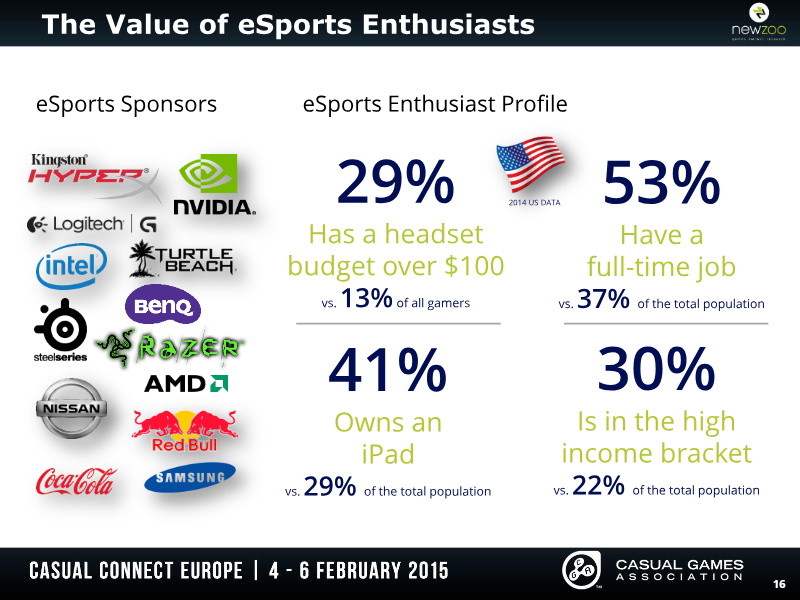
- eSports enthusiasts are significantly more valuable to publishers than the average gamer, with 22% of enthusiasts identified as 'big spenders' compared to only 8% of the general gaming population.

PC Gaming: Power to the People
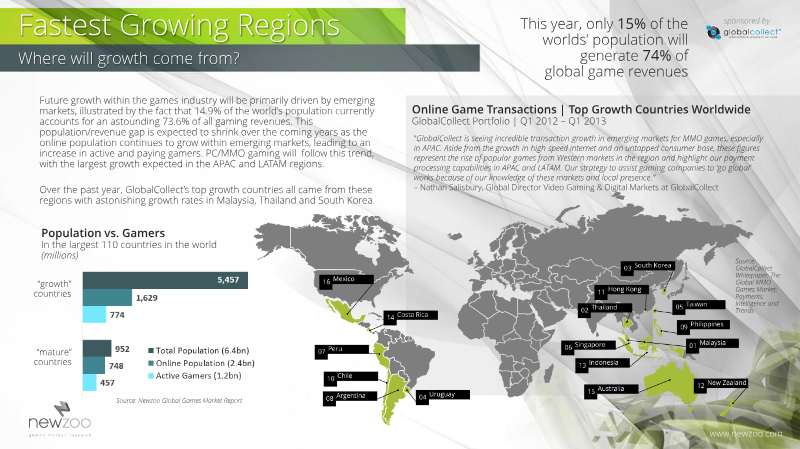
PC gaming currently stands as the dominant force in the global interactive entertainment industry, commanding a 39% market share with $27.6 billion in annual revenue.
- PC gaming leads the global interactive entertainment industry with a 39% market share, generating $27.6 billion in annual revenue from a base of approximately 900 million players.
- The free-to-play business model is the primary financial driver for the sector, with revenues projected to reach $13.3 billion by 2016.
- The core PC and MMO gaming segment consists of 168 million players, with significant growth occurring in the APAC and LATAM regions.

Introduction to the Chinese Games Market: Opportunities in This Expanding Market
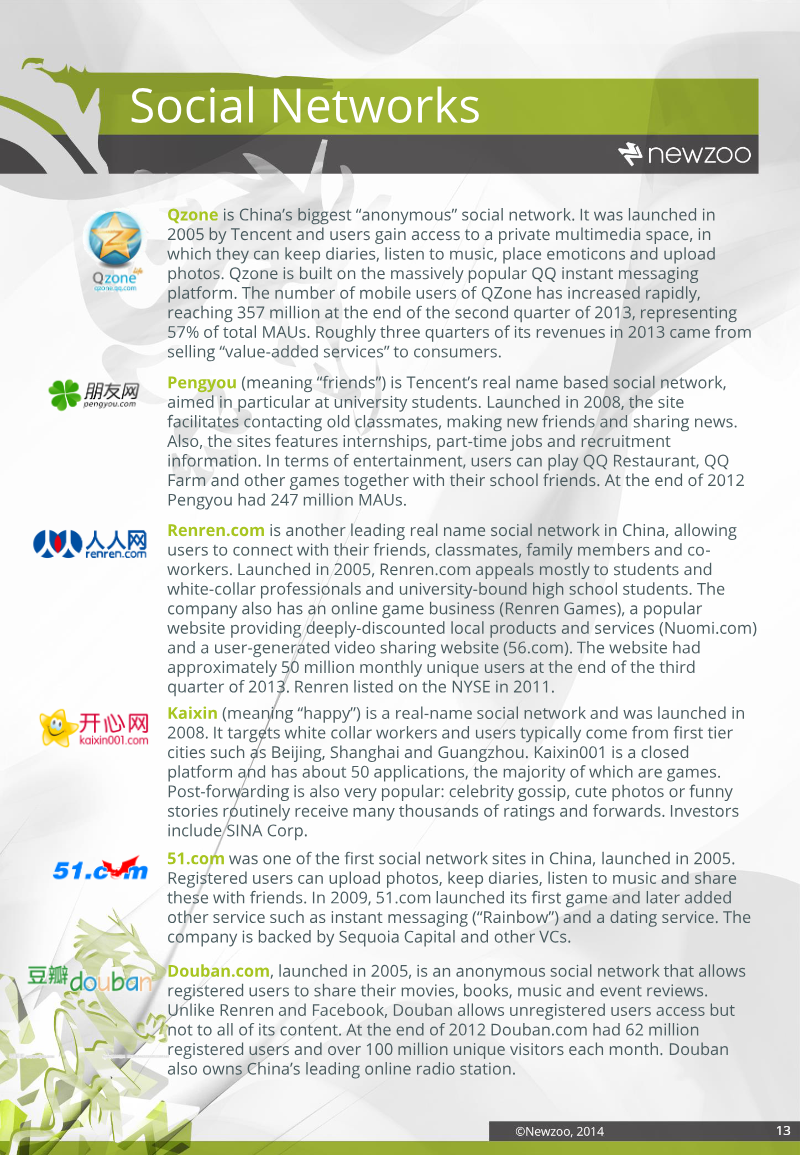
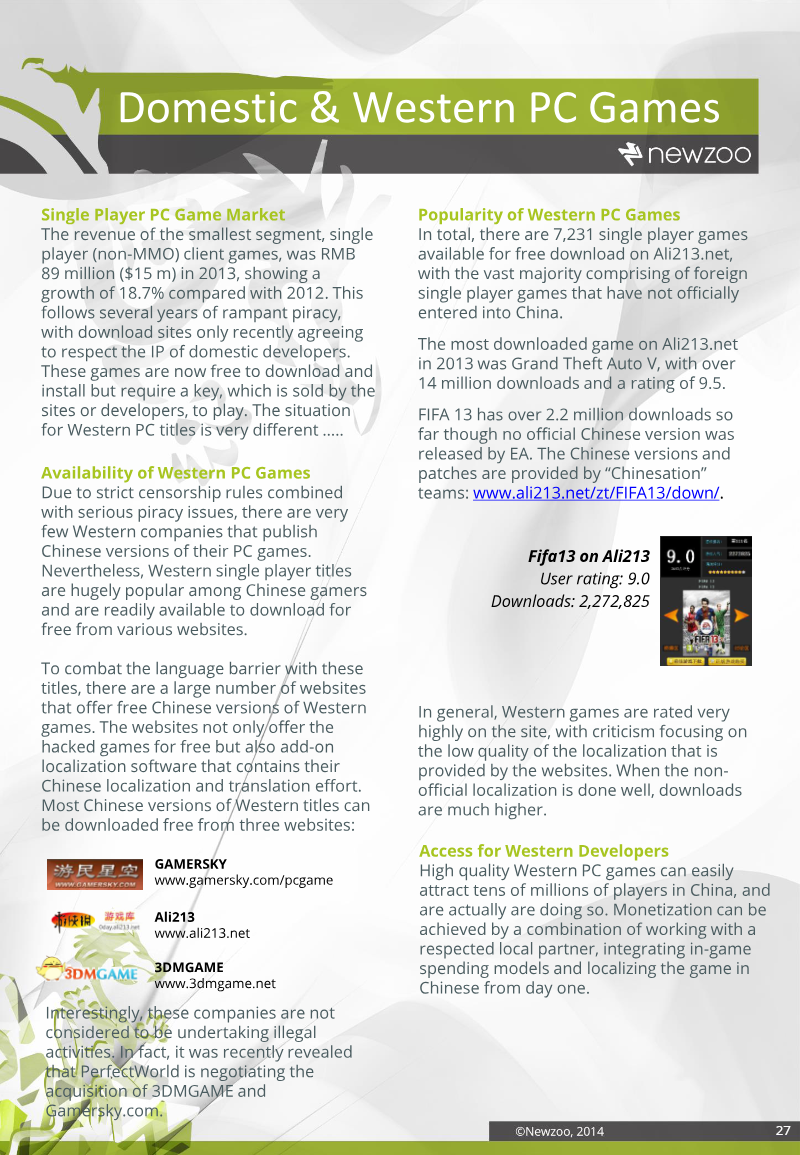
The Chinese gaming market stands as the world’s largest and most dynamic digital ecosystem, characterized by a massive user base of 490 million gamers and a rapidly evolving technological landscape.
- The Chinese gaming market reached RMB 83.2 billion in revenue in 2013, representing a 38% year-on-year increase driven by a massive base of 490 million gamers.
- Mobile gaming is the primary growth engine, experiencing a 248.5% increase in users and a 246.9% surge in revenue during the observed period.
- Success requires navigating a fragmented distribution landscape dominated by domestic giants Tencent and NetEase, necessitating strategic partnerships for foreign entities.
VR Games Market Report: An Overview and Outlook of Virtual Reality
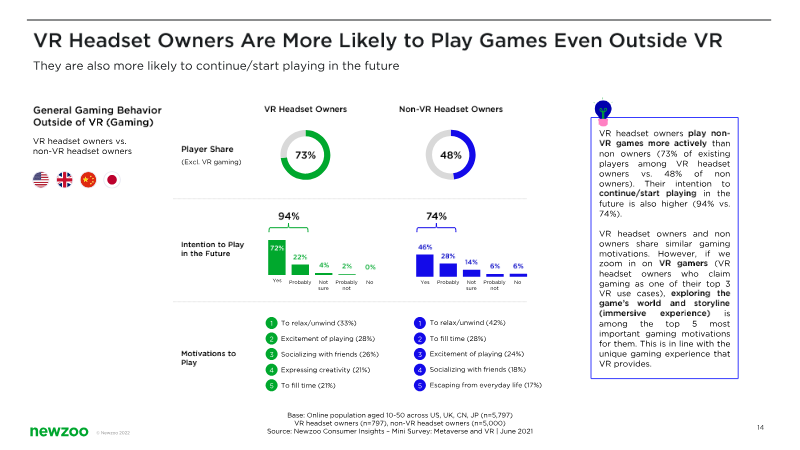
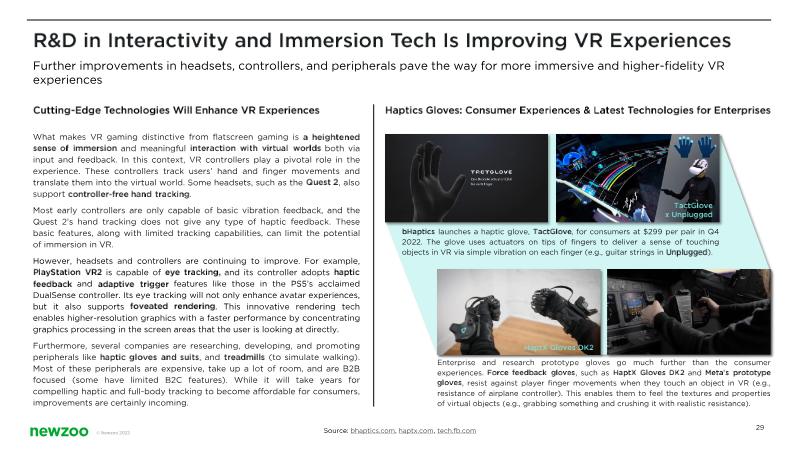
The virtual reality gaming market is undergoing a significant resurgence, fueled by the widespread adoption of affordable, standalone six-degree-of-freedom headsets.
- The global VR gaming market is projected to reach $3.2 billion in annual revenue by 2024, more than doubling current figures.
- The active hardware install base for VR is expected to grow to 46 million units by 2024, driven primarily by the adoption of affordable, standalone six-degree-of-freedom headsets.
- Industry growth is shifting toward hybrid monetization models, moving away from one-time purchases to incorporate subscriptions, DLC, and in-game microtransactions.

The Rise of Battle Royale: An Overview of the Hottest Game Genre
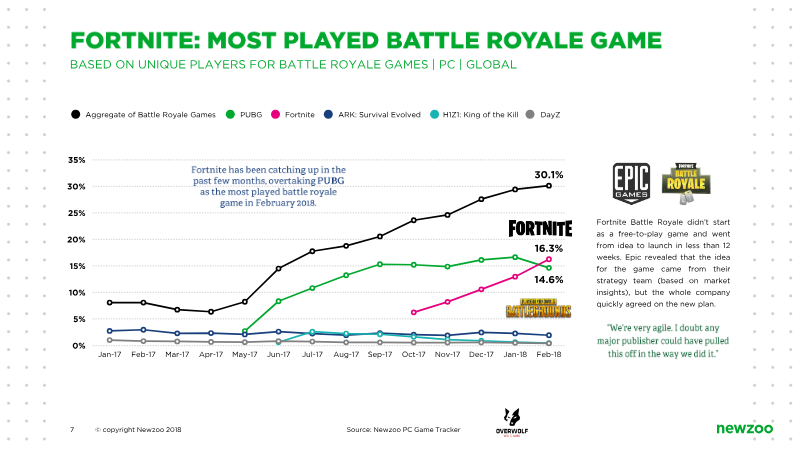
The battle royale genre has emerged as a dominant force in the global gaming industry, characterized by a unique blend of survival, exploration, and last-man-standing mechanics.
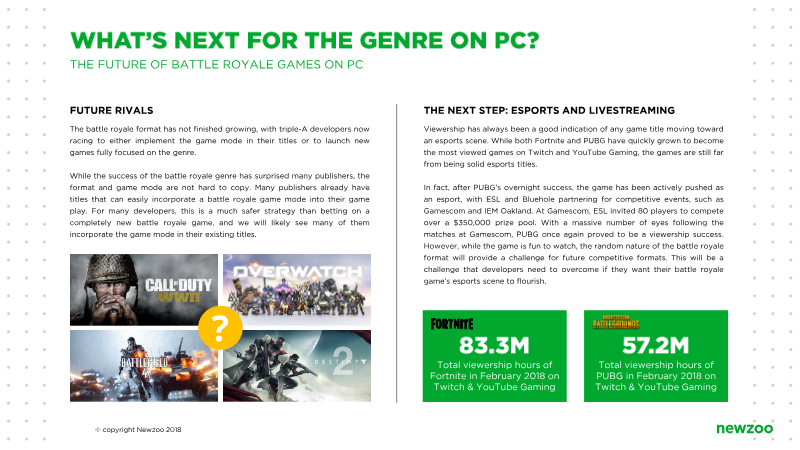
- The battle royale genre has achieved mainstream dominance by distilling survival and shooter mechanics into a highly replayable, spectator-friendly format.
- PUBG and Fortnite serve as the genre's primary anchors, with PUBG maintaining a strong foothold in Asian markets through partnerships with Tencent, while Fortnite captures a broader Western audience via a free-to-play model and cross-platform integration.
- The mobile sector is a primary growth driver, led by publishers like NetEase and Tencent who have successfully launched mobile-optimized versions of major titles to capitalize on mobile-first gaming cultures.


Understanding the iPhone: Current Usage and Trends
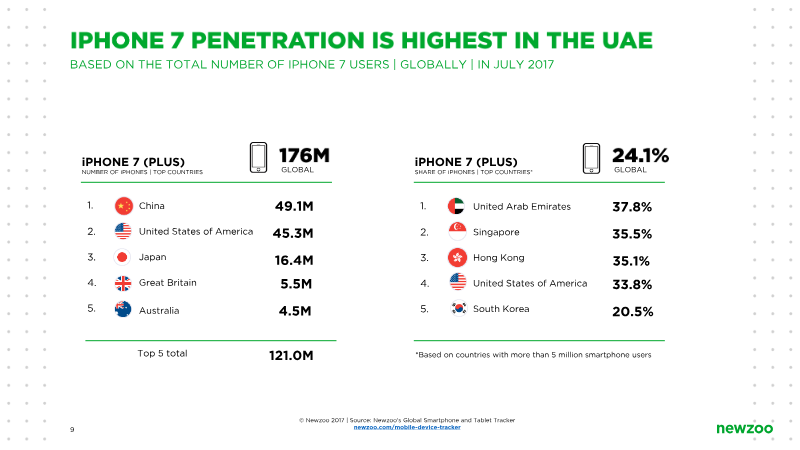
As of July 2017, the global landscape of iPhone usage reflects a decade of significant market penetration, with 730 million active devices worldwide.
- As of July 2017, there are 730 million active iPhones worldwide, representing approximately 10% of the global population.
- 61% of all iPhones ever sold since the 2007 launch remain in active use, with 82% of those active devices released in 2014 or later.
- China is the largest market for iPhone adoption with 243 million active users.
The Role of Mobile in Esports: The State and Future of Mobile Esports in Asia and the West
Mobile esports is undergoing a period of rapid global expansion, establishing itself as a distinct and influential pillar within the broader gaming ecosystem.
- Asia has successfully mirrored professional PC esports through large-scale stadium events and structured leagues, while the Western market continues to treat mobile competition primarily as a grassroots and amateur-focused endeavor.
- India is projected to become the world’s fourth-largest mobile gaming market by 2020, representing a significant geographic shift in the competitive mobile landscape.
- China currently serves as the primary engine for global mobile esports growth, though the industry is increasingly expanding into emerging markets.

Esports in the Americas: Sports, Spanish, and Spending
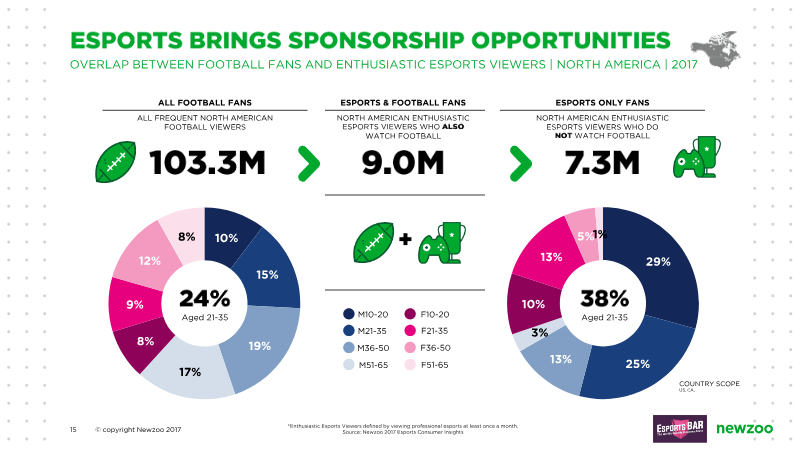
The Americas represent a critical hub for the global esports industry, accounting for 25% of the worldwide audience and 40% of total industry revenues.
- The Americas represent a major global esports hub, accounting for 25% of the worldwide audience and 40% of total industry revenues.
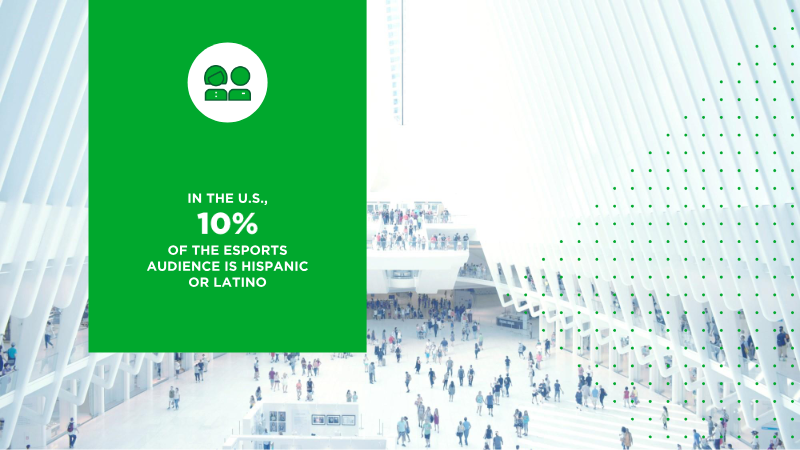
- Nearly 50% of the regional esports audience speaks Spanish or Portuguese, necessitating localized strategies rather than a unified approach for North and Latin American markets.
- Traditional sports organizations are increasingly acquiring esports teams to diversify fan engagement and reach younger demographics across both continents.

Betting on Billions: Unlocking the Power of Mobile Gamers
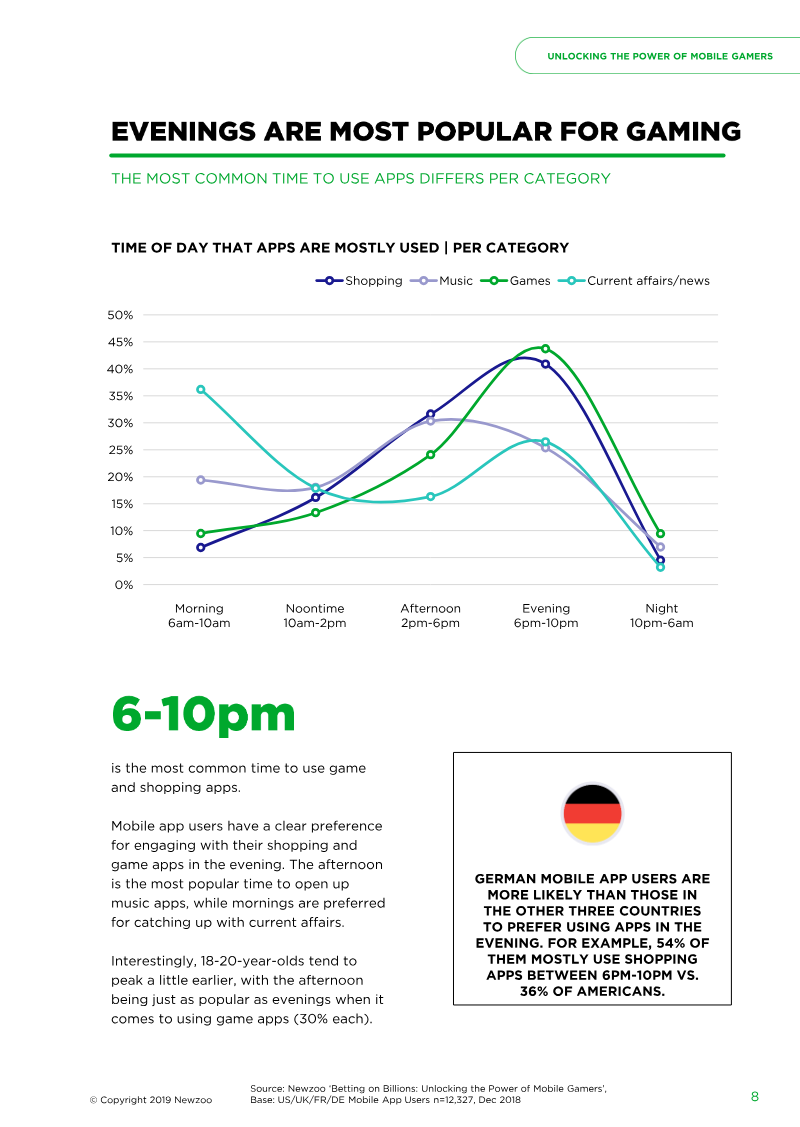
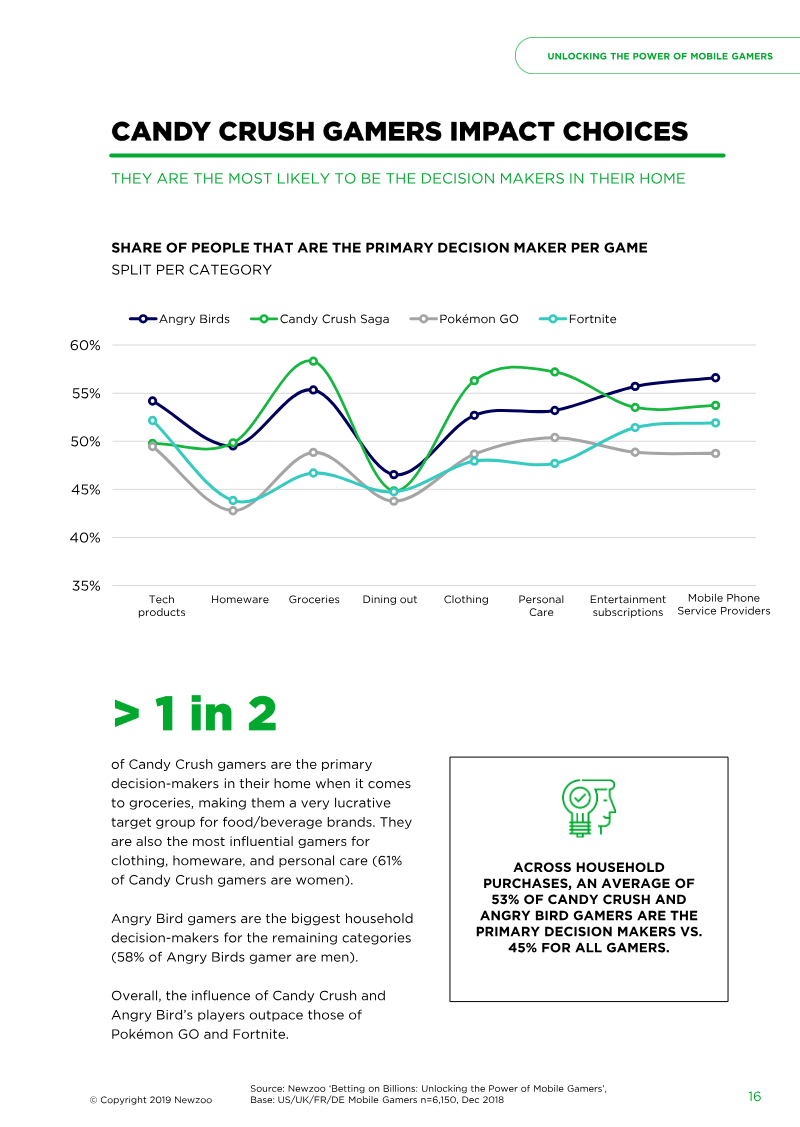
Mobile gaming represents a significant, underutilized opportunity for brands to engage a vast and influential consumer base.
- Mobile gamers are 23% more likely than non-gamers to influence the purchasing decisions of their peers, family, and colleagues.
- Gaming is the third-most-popular app category globally, with 50% of surveyed users engaging with games on a weekly basis.
- Over half (53%) of mobile gamers report that they are receptive to advertising, viewing it as a helpful way to stay informed about products and services.
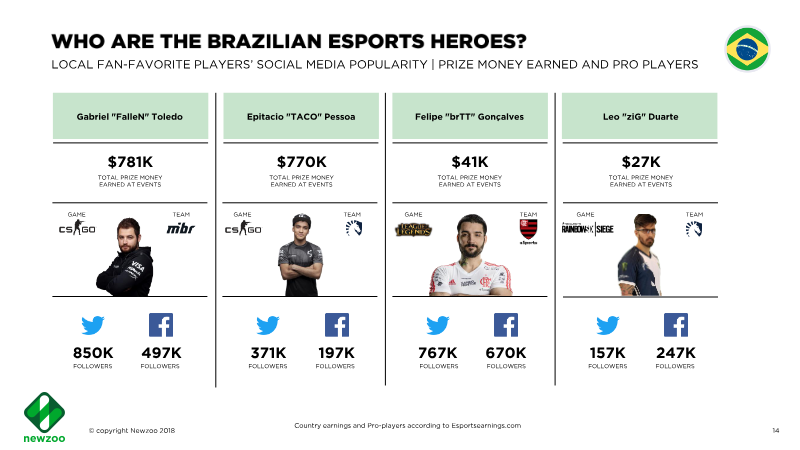

Esports in Brazil: Key Facts, Figures, and Faces
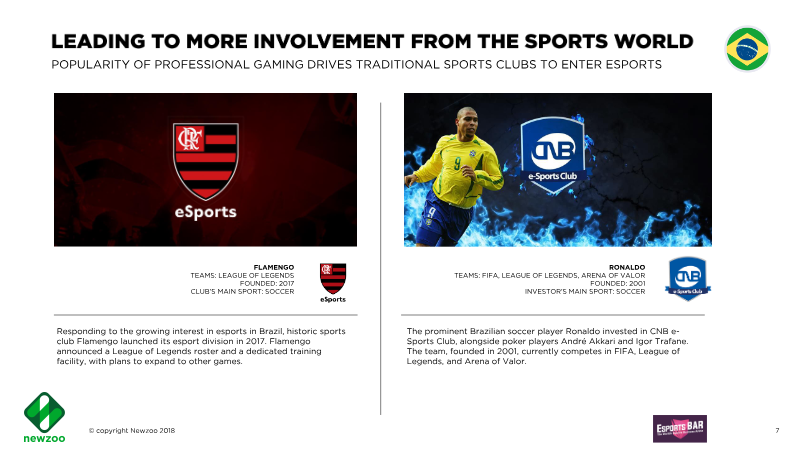
Brazil has emerged as a global powerhouse in the esports industry, ranking third worldwide with 7.6 million esports enthusiasts as of 2018.
- Brazil is a top-tier global esports market, ranking third worldwide with 7.6 million enthusiasts as of 2018 and a projected audience growth to nearly 30 million viewers by 2020.
- The Brazilian gaming market is supported by a large base of 75.7 million gamers out of a 210.9 million online population, generating $1.5 billion in total game revenues.
- The audience is exceptionally young, with 43% of enthusiastic viewers falling within the 10 to 20 age demographic.