Key insights
6 slides
Market Position
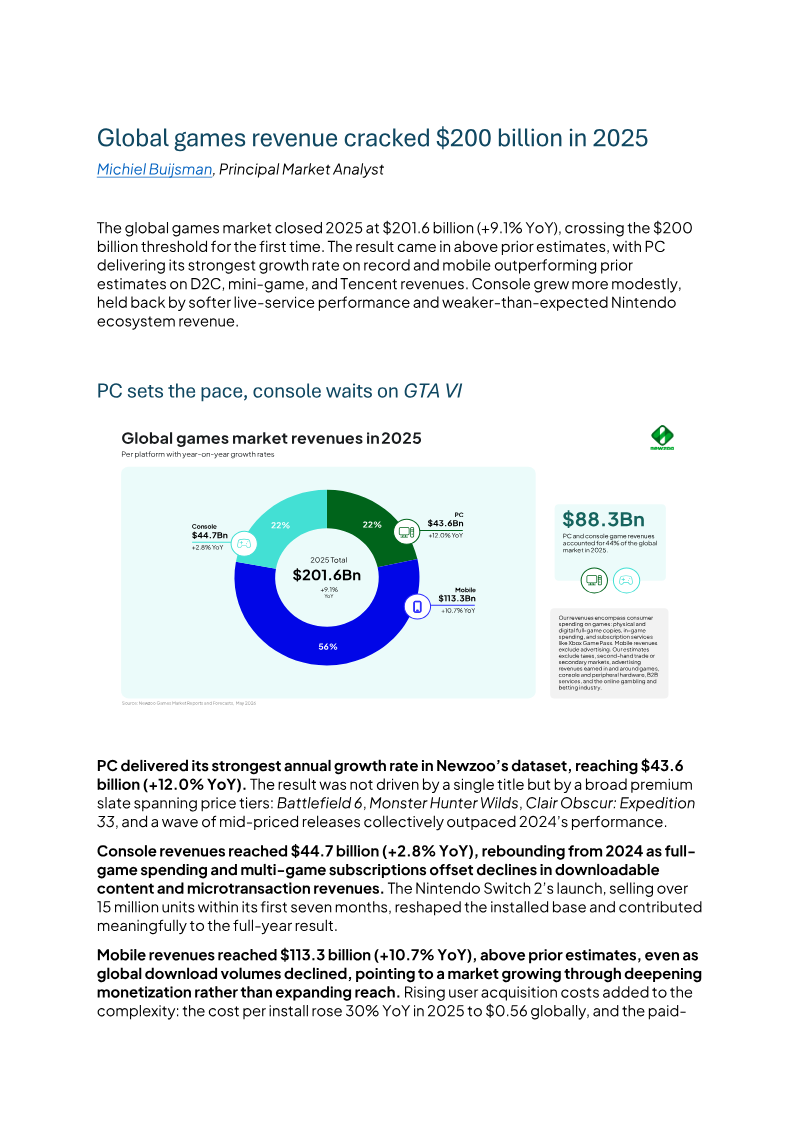
PC gaming leads the global interactive entertainment industry.
The platform holds a 39% market share. It generates $27.6 billion in annual revenue.
Page 3 of the report39%
PC gaming market share in interactive entertainment.
- Annual Revenue
- $27.6 billion
- Players
- 900 million
Core Audience
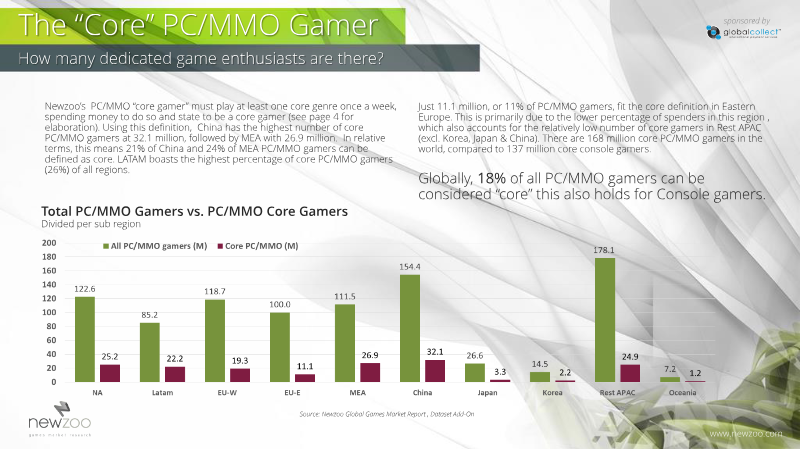
The core PC and MMO gaming segment includes 168 million players.
Significant growth is occurring in the APAC and LATAM regions. This demographic is becoming increasingly diverse.
Revenue Model
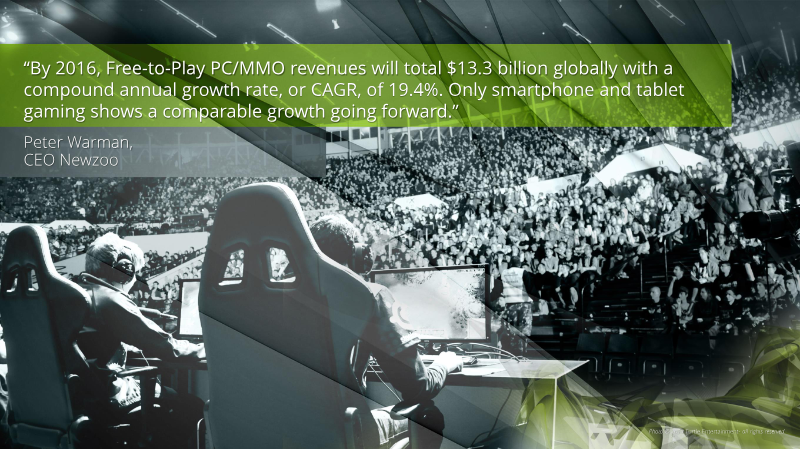
The free-to-play business model drives financial expansion for PC gaming.
Revenues in this sector are projected to reach $13.3 billion by 2016. This model is the primary financial driver.
Player Demographics
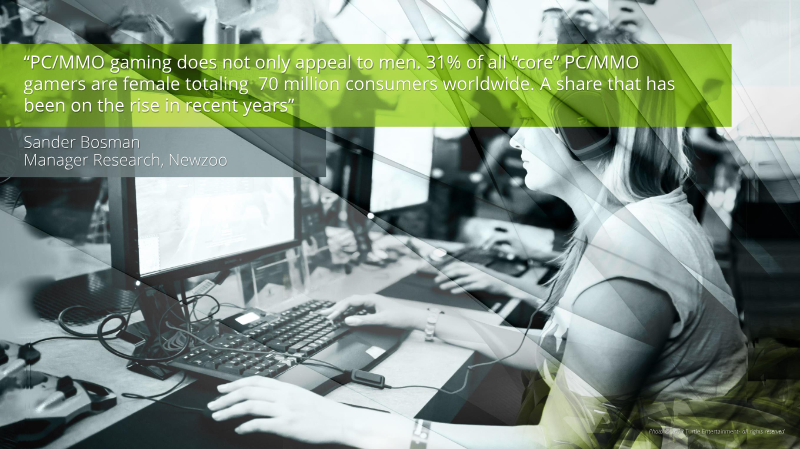
Women now represent 31% of the core PC and MMO gaming population.
The player base is becoming more diverse.
Community Engagement
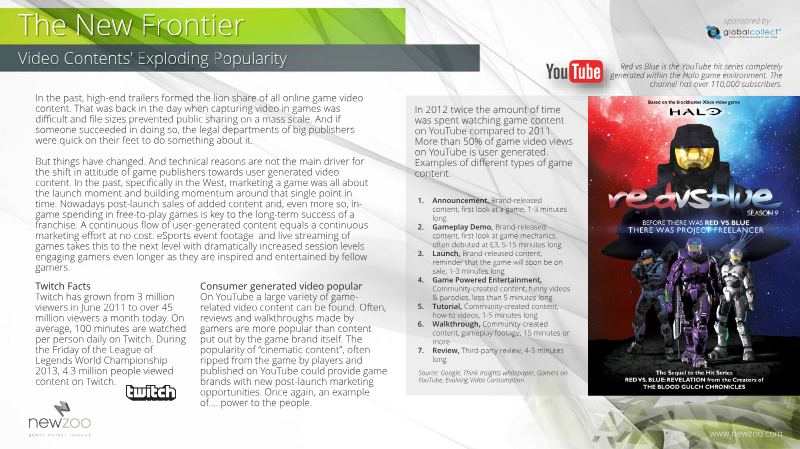
eSports and user-generated video content are critical marketing mechanisms.
These elements extend the lifecycle of game franchises. They achieve this through community participation.
Like a fan club that keeps a band's music alive, community content extends game lifecycles.
Marketing Mechanism. eSports and user-generated video content are crucial for marketing and extending game lifecycles.
Industry Influence
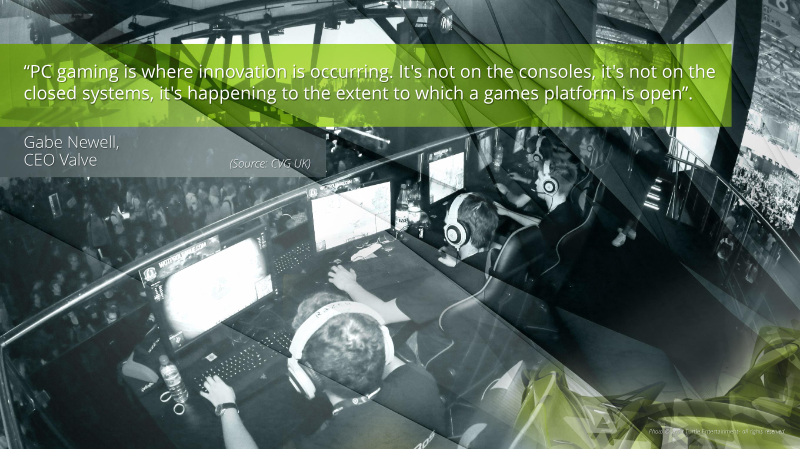
PC gaming acts as the primary catalyst for cross-platform innovation.
It influences the development trajectories of mobile and console gaming. The platform's inherent flexibility ensures its leading influence.
1 / 6
Ask AI about this report